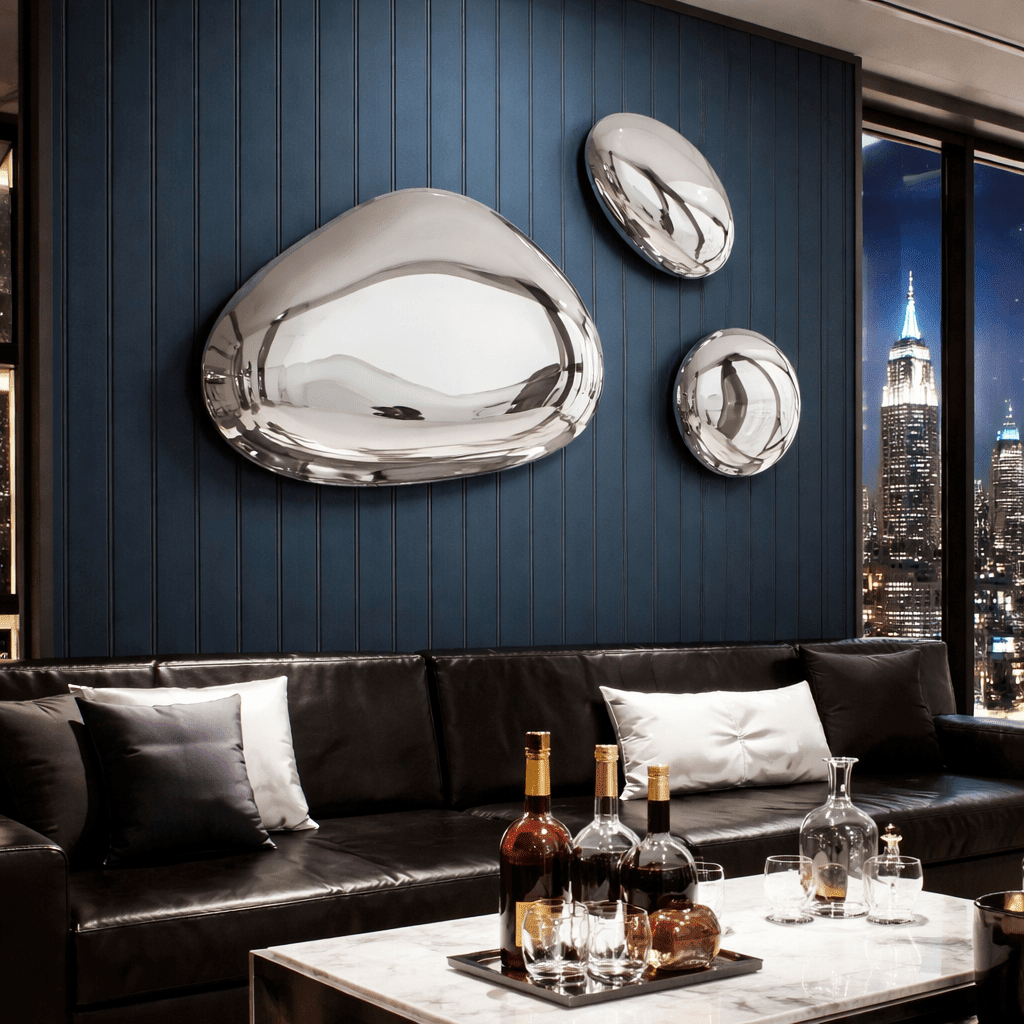
Sculpture Australia: How to Choose, Place, and Style a Statement Piece
A sculpture works differently to a canvas print or painting. It has weight, it casts a shadow, and it reads differently depending on where you're standing and what time of day it is. In Australian homes — many built around open-plan living and strong natural light — a single well-placed sculpture can change how a room feels more than an entire wall of art.
This guide covers what actually matters when choosing sculpture for an Australian interior: placement, material, scale, and how to style it once it's there.
Quick Answer
Sculpture works best in Australian homes as a single, uncluttered focal point — an entryway console, a living room side table, or a low plinth — rather than grouped with other objects. Choose 20–50cm for tabletop pieces and 50cm+ for floor pieces, in stainless steel for weight or resin and fiberglass for something lighter.

Why a Sculpture Changes a Room
A sculpture is the only art form in the home that changes as you move around it — morning light hits a stainless steel piece differently to evening light, and walking past a console table gives you a different silhouette each time. That's a dimension flat wall art can't offer, which is why a single confident sculpture often reads as more considered than a whole gallery wall.
Where to Place a Sculpture in an Australian Home
Entryways are the strongest placement in most Australian homes — it's the first thing a guest sees, and a three-dimensional piece sets a tone a flat print can't. A console table or plinth near the door works well, as long as the scale stays in proportion to the space.
Living rooms suit sculpture on coffee tables, side consoles, or floating shelves — common features in Australia's open-plan living areas. Give it room to breathe: a piece surrounded by too many other objects loses its power.
Outdoor-adjacent spaces — a covered alfresco area or a sheltered veranda — can also work for the right piece, though our sculptures are designed as indoor statement pieces rather than garden ornaments.

"Rock Mirror" — a hand-formed stainless steel wall sculpture. View the piece →
Materials and Styles to Choose From
Abstract sculpture suits modern, minimalist, and contemporary Australian interiors best. Figurative pieces work across a wider range of styles, but need care in a very contemporary space, where an overly literal subject can feel decorative rather than artistic.
Rossetti Art sculptures are hand-formed in stainless steel, cast resin, or fiberglass, each produced as a limited or one-of-a-kind edition rather than a mass-produced casting. Stainless steel adds weight and permanence; lighter resin and fiberglass pieces feel more casual, suited to Australia's coastal and contemporary interiors alike.

"Midnight Helix" — a twisted stainless steel form with strong sculptural presence. View the piece →
🏠 FREE GUIDE
Download our free Room-by-Room Art Guide — the exact sizes, styles, and placement rules for every room in your home.
Download Free →What Size Sculpture Do You Need?
For a shelf or console table, 20–50cm works best in most Australian rooms. For floor placement or a dedicated plinth, pieces starting around 50cm create the presence needed to read as art rather than an ornament.

"Eternal Loop" — a tabletop stainless steel sculpture, ideal scale for a console or shelf. View the piece →
Sculpture, Wall Art, or Both?
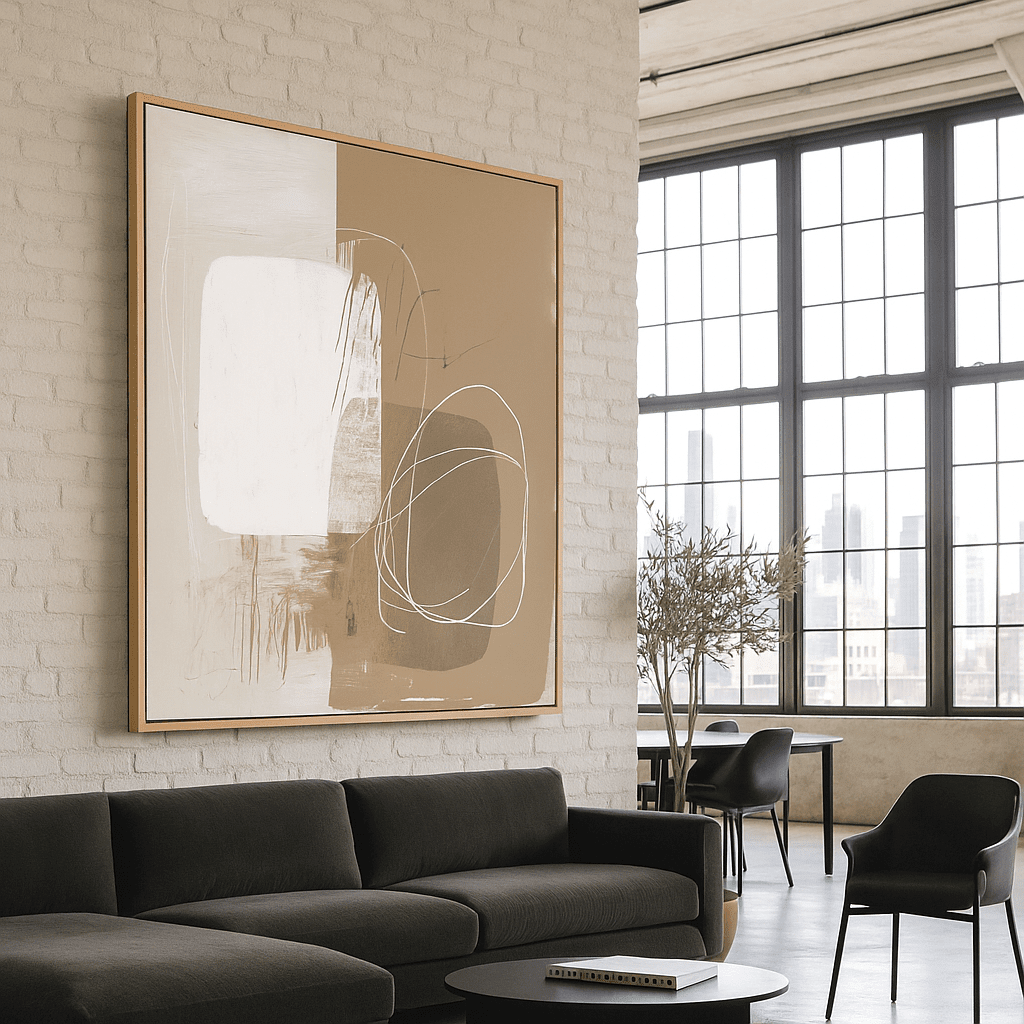
They're not competing purchases. Wall art fills a vertical plane and sets the tone of a room from a distance; sculpture works at eye level and up close, on a surface you actually use. A living room with one strong canvas print above the sofa and one sculpture on a side table reads as considered, not overdone.
Browse our full modern sculptures collection, or pair a piece with our canvas prints for a complete room.
Frequently Asked Questions
What size sculpture should I buy for an Australian home?
For a console or shelf, choose 20–50cm. For floor placement, start around 50cm. Open-plan Australian living rooms can often take a larger floor piece than the furniture alone would suggest.
What materials are Rossetti Art sculptures made from?
Stainless steel, cast resin, or fiberglass — each hand-formed and produced as a limited or one-of-a-kind edition rather than a mass-produced casting.
Where's the best place for a sculpture in an Australian living room?
A coffee table, side console, or floating shelf works best — give the piece its own space rather than grouping it with other objects.
Does Rossetti Art ship sculptures across Australia?
Yes — Rossetti Art ships across Australia, with each sculpture hand-formed and packed in reinforced protective packaging.
Should I buy a sculpture or a canvas print?
They serve different purposes rather than replacing each other. Canvas prints anchor a wall from a distance; sculpture works at eye level on a surface. Many rooms benefit from one of each.
Keep Reading
About the Author — Chiara Rossetti is the founder of Rossetti Art, a canvas print and original art brand. She writes about interior design, wall art styling, and the art of making a home feel alive.

About the Author
Chiara Rossetti
Chiara Rossetti is the founder of Rossetti Art, a canvas print and original art brand. She writes about interior design, wall art styling, and the art of making a home feel alive.

Leave a comment
This site is protected by hCaptcha and the hCaptcha Privacy Policy and Terms of Service apply.