
Creating a bedroom that nurtures restful sleep and positive energy requires more than just attractive decor. According to feng shui tradition, the ancient Chinese practice of harmonizing individuals with their environment, the placement of each element in your bedroom significantly impacts your well-being. This guide will walk you through essential positive energy placement feng shui bedroom principles, from bed positioning to art selection, helping you create a space that supports both physical rest and energetic balance.
What "Positive Energy Placement" Means in a Feng Shui Bedroom

Qi Flow in Plain Words
In feng shui, "qi" (pronounced "chee") refers to the vital energy that flows through everything. Think of qi as similar to air or water currents moving through your bedroom. When furniture, decor, and architectural elements are thoughtfully positioned, qi flows smoothly, creating a nurturing environment. When the flow is blocked or too rapid, it can create stagnant or chaotic energy that affects sleep quality and overall well-being.
Positive energy placement is about arranging your bedroom elements to create balanced qi flow—not too fast, not too slow. This balance helps create a space that feels both secure and refreshing. Rather than viewing feng shui as mystical, consider it a practical approach to creating a space that intuitively feels right.
Yin Bedroom Principle (Rest-First)
According to feng shui tradition, bedrooms should primarily embody "yin" energy—the quiet, restful, receptive quality that promotes deep sleep and rejuvenation. This contrasts with "yang" spaces like kitchens or offices, which should feel more active and stimulating.
To create a yin-dominant bedroom, focus on:
- Soft, muted colors rather than bright, stimulating ones
- Gentle, ambient lighting instead of harsh overhead fixtures
- Rounded edges and soft textures rather than sharp angles
- Minimal technology and work-related items
- Calm, serene artwork that promotes tranquility
By understanding these fundamental principles, you can make more informed decisions about every element in your bedroom, from the position of your bed to the artwork you choose for your walls.
The Command Position (Bed Placement That Feels Secure)

See the Door, Not in Direct Line
The most fundamental principle in bedroom feng shui is placing your bed in the "command position." This means positioning your bed so that when lying in it, you can see the bedroom door without being directly in line with it. According to feng shui tradition, this placement provides a sense of security and control, allowing you to relax fully.
When your bed is in the command position:
- You can see who enters the room without straining
- You're not in the direct path of energy flowing through the doorway
- You avoid what's sometimes called the "coffin position" (feet directly facing the door)
- You create a psychological sense of safety that promotes deeper rest
If your current bedroom layout doesn't allow for the ideal command position, consider using a mirror positioned to reflect the door, creating a similar effect energetically.
Solid Headboard Wall + Avoid Window Edge Cases
Another crucial aspect of positive energy placement in a feng shui bedroom is ensuring your bed has proper support. According to feng shui principles:
- Place your bed against a solid wall (the headboard wall)
- Avoid positioning under windows, which create unstable energy
- Use a solid headboard to provide additional energetic support
- Keep space available on both sides of the bed for balanced energy
If you must place your bed under a window due to room constraints, add a solid, sturdy headboard to create a sense of protection and stability. Similarly, if one side of the bed must be against a wall, ensure the other side has ample space to maintain some energetic balance.
Proper wall art sizing and placement can also help balance challenging bed positions, creating visual anchors that enhance the feeling of stability.Mirrors in the Bedroom: Where Feng Shui Gets Opinionated
| Mirror Placement | Feng Shui Effect | Recommended Alternative |
| Facing the bed directly | Disturbs sleep, creates excessive energy, may affect relationships | Replace with calming artwork or reposition to side wall |
| On side walls | Generally acceptable if not reflecting the bed | Position to reflect something pleasant like a window or artwork |
| Inside closet doors | Ideal solution - functional when needed, hidden when sleeping | Perfect as is - no alternative needed |
| Reflecting clutter | Doubles visual and energetic chaos | Declutter first or reposition mirror |
| Reflecting window/door | Can create excessive energy movement | Adjust angle or replace with calming wabi-sabi art |
Why Mirrors Can Feel "Active"
In feng shui tradition, mirrors are considered highly active elements that reflect and amplify energy. While beneficial in many spaces, this amplifying quality can disrupt the restful yin energy essential for bedrooms. Mirrors essentially double whatever they reflect—both visually and energetically.
Mirrors can make a bedroom feel more active because they:
- Reflect light, increasing brightness and visual stimulation
- Create the illusion of more space and movement
- Bounce energy around the room rather than allowing it to settle
- Can create a sense of "another presence" in the room
Avoid Mirror Facing the Bed (Common Guidance)
The most frequently cited feng shui bedroom rule regarding mirrors is to avoid placing them where they directly reflect the bed. According to feng shui tradition, this placement can disturb sleep, create excessive energy, and potentially affect relationships.
If you currently have mirrors facing your bed, consider these solutions:
- Relocate the mirror to a side wall where it doesn't reflect the bed
- Cover the mirror at night with a decorative cloth or screen
- Replace a wall-mounted mirror with mood-enhancing wall art that promotes tranquility
- If using mirrored closet doors, keep them closed during sleep hours

Bedroom "Energy Leaks" (Clutter, Under-bed Storage, Tech)
What to Remove First
According to feng shui principles, certain items can create "energy leaks" in your bedroom, disrupting the calm, restorative atmosphere essential for quality rest. Addressing these common issues can significantly improve your bedroom's energy:
Physical Clutter
- Piles of clothing, books, or papers
- Excessive decorative objects
- Items related to work or unfinished projects
- Things that evoke negative memories
- Broken items waiting to be fixed
Electronic Distractions
- Televisions (especially facing the bed)
- Computers and work equipment
- Exercise machines or equipment
- Charging stations with multiple devices
- Bright digital clocks or displays
Pay special attention to what's stored under your bed. According to feng shui tradition, this space affects your subconscious during sleep. Ideally, keep this area completely clear to allow energy to circulate freely. If storage is necessary, limit it to soft, sleep-related items like extra bedding or off-season clothing.

Simple Reset Routine (5 Minutes)
Maintaining positive energy in your bedroom doesn't require hours of work. This simple 5-minute daily reset routine can help preserve the feng shui balance in your space:
- Clear surfaces - Return items to their proper homes, keeping nightstands and dressers mostly clear
- Make your bed - This simple act creates order and contains yesterday's energy
- Open windows briefly - Even for just 5 minutes to allow fresh qi to circulate
- Remove technology - Take phones, tablets, and laptops out of the bedroom when possible
- Straighten artwork - Ensure your wall art is properly aligned to maintain visual harmony
This quick routine, performed consistently, can help maintain the positive energy placement in your feng shui bedroom, preventing the gradual accumulation of stagnant energy that can disrupt sleep and well-being.
Feng Shui Bedroom Colors (Calm-first Palette)

Soft Greens / Blues / Warm Neutrals for Rest Vibes
Color significantly influences the energy of your bedroom. According to feng shui principles, certain colors promote the restful yin quality essential for sleep and rejuvenation:
Soft Greens
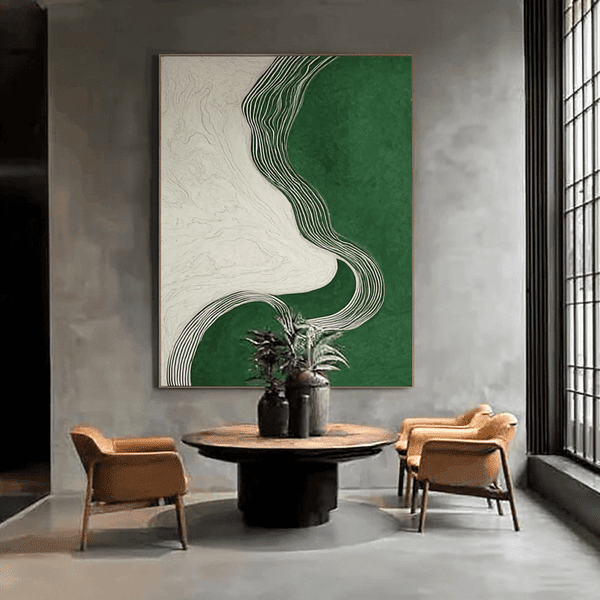
Green represents growth, healing, and balance in feng shui. Soft, muted greens like sage, moss, and celadon create a connection to nature while promoting restful energy. These hues are particularly beneficial for those seeking health improvements or stress reduction.
Green abstract art can introduce this healing energy without overwhelming the space.
Gentle Blues
Blue represents calm, tranquility, and serenity in feng shui. Soft blues like powder blue, sky blue, and pale aqua promote peaceful sleep and clear communication. These colors are excellent for those dealing with busy minds or seeking improved relationships.
Avoid very dark or intense blues, which can feel too cold or create excessive yin energy that feels depressive.
Warm Neutrals
Earth tones like beige, cream, soft taupe, and terracotta create grounding, stabilizing energy according to feng shui principles. These colors promote security and nourishment, making them ideal for creating a sanctuary-like bedroom.
Warm neutrals pair beautifully with natural materials like wood and stone, further enhancing their grounding qualities.
Small Accent Strategy (Avoid Overstimulation)
While selecting the right base colors is important, feng shui also emphasizes the strategic use of accent colors to enhance specific energies without creating overstimulation:
- Use the 80/20 rule - Keep 80% of your color scheme in calming neutrals or soft tones, with just 20% in more vibrant accent colors
- Consider placement carefully - Place accent colors away from the bed to avoid creating too much energy where you sleep
- Introduce accents through art - Artwork with gold accents can introduce positive energy without overwhelming the space
- Use textiles for flexibility - Pillows, throws, and small accessories allow you to adjust energy seasonally
Remember that in feng shui, intention matters as much as the colors themselves. Choose hues that personally feel restful and rejuvenating to you, as your own response to colors will influence how they affect your space's energy.
Feng Shui Bedroom Art Placement (This is Your Rossetti Advantage)

Best Wall for Art (Sightline Opposite Bed)
According to feng shui principles, the wall you see while lying in bed has the most significant impact on your subconscious mind and energy while resting. This makes it the prime location for intentional, energy-enhancing artwork.
The ideal art placement strategy includes:
- Positioning your main artwork on the wall opposite the bed, where you can see it while lying down
- Hanging art at eye level when standing (typically center at 57-60 inches from the floor)
- Selecting appropriately sized pieces—neither too small (which creates scattered energy) nor overwhelmingly large
- Creating visual balance with either a centered statement piece or a symmetrical arrangement
For maximum positive energy, the artwork opposite your bed should be something that evokes positive feelings and aligns with your intentions for the space—whether that's tranquility, romance, or personal growth.
What Subjects Feel "Restful" (Nature, Gentle Abstraction, Slow Movement)
The subject matter of your bedroom artwork significantly influences the energy it brings to your space. According to feng shui tradition, certain themes promote the restful yin energy ideal for bedrooms:
| Symbol / theme | Feng shui association (traditional) | Best room vibe | Rossetti pick type |
| Water / flow / koi | Movement, abundance, flow | Energize gently | Gold/metallic or koi art |
| Green nature | Renewal, calm | Rest + reset | Botanical / green abstracts |
| Mountains / stability | Support, protection | Grounding | Textured neutrals / earthy abstracts |
| Minimal lines / silence | Less noise, more yin | Sleep-friendly | Minimal line art, wabi-sabi |
Avoid artwork depicting turbulent water, sharp objects, solitary figures, or chaotic, angular compositions, as these can create unsettling energy not conducive to rest.
Size + Height Rules Above Headboard / Opposite Wall
Proper sizing and placement of artwork is crucial for creating balanced energy in your feng shui bedroom. Follow these guidelines for optimal placement:
Above the Bed/Headboard:
- Art should be approximately 2/3 to 3/4 the width of the bed or headboard
- Position artwork 4-8 inches above the headboard
- Choose lighter pieces (physically and visually) to avoid creating a sense of heaviness
- Consider minimalist abstract canvas art that won't overwhelm the space
Opposite Wall (Foot of Bed):
- This can accommodate larger statement pieces as they're viewed from a distance
- Center at eye level (approximately 57-60 inches from floor to center)
- Size should be proportional to the wall space—typically 2/3 to 3/4 the width of the bed
- Consider the visual weight and energy of the piece, as it will be what you see upon waking
For detailed guidance on art sizing and placement for different room configurations, explore our guide on large textured wall art sizing and placement.
Room Map Scenarios (Small bedroom / awkward door / bed under window)

"Best / Better / If You Can't" Layouts
Not every bedroom allows for perfect feng shui placement. Here are practical solutions for common challenging scenarios:
Small Bedroom Solutions:
Best: Prioritize bed in command position even if it means minimizing other furniture. Use wall-mounted nightstands if floor space is limited.
Better: If command position isn't possible, place bed against the wall furthest from the door with a solid headboard.
If You Can't: For extremely small spaces, use a mirror to reflect the door from your bed position, and add calming wall art to balance energy.
Awkward Door Placement:
Best: Position bed diagonally from the door, using furniture like a dresser or screen to redirect energy flow.
Better: If the door is in a corner, place the bed on the opposite wall with the headboard centered.
If You Can't: When the door location forces poor bed placement, use a room divider, tall plants, or strategically placed artwork to create energetic protection.
Bed Under Window:
Best: Rearrange to avoid window placement if at all possible, even if it means sacrificing other feng shui principles.
Better: Use a solid, tall headboard to create a sense of protection between you and the window.
If You Can't: Install substantial window treatments like blackout curtains or blinds, and add grounding artwork on adjacent walls to compensate.
Remember that feng shui is about creating the best possible energy with what you have. Even imperfect solutions, applied with intention, can significantly improve your bedroom's energy.
Quick Checklist + Mistakes to Avoid
| Element | Best placement (feng shui) | Avoid | Why it matters | Rossetti "anchor idea" |
| Bed | Command position (see door, not aligned) | Feet directly at door | Sense of security | Calm, minimal wall art opposite bed |
| Headboard | Solid wall | Floating/no support | "Grounding" feeling | Textured neutral art |
| Mirrors | Side wall / closet inside | Facing bed | Over-activation at rest | Replace with art focal point |
| Nightstands | In pairs | One-sided | Visual balance | 2 small prints as a pair |
| Art above bed | Centered + calm subject | Heavy/chaotic imagery | Keeps mind quiet | Wabi-sabi / neutral abstracts |
| Under-bed | Clear or minimal | "Emotionally charged" storage | Mental noise | Simplify + add one serene artwork |
Positive Energy Bedroom Checklist
- Bed in command position (or "best possible" compromise)
- Clear sightline, calm focal wall
- Mirror not facing the bed
- Clear surfaces (nightstand rule: 3 items max)
- Warm lighting layers
- Breathable textiles (linen/wool look)
- One "anchor artwork" (bigger, calmer, fewer pieces)
- Keep tech subtle
- Under-bed: clear or neutral only
- Add one natural element (wood/plant/stone tone)
Common Feng Shui Bedroom Mistakes
Even with the best intentions, these common feng shui mistakes can disrupt your bedroom's energy:
Layout Mistakes:
- Placing bed directly under beams or ceiling fans
- Positioning bed between door and window ("in the path")
- Having doors that open directly into the bed
- Creating a cramped pathway around the bed
Decor Mistakes:
- Using artwork with water scenes above the bed
- Displaying family photos in the bedroom
- Having too many plants (excessive yang energy)
- Using overly stimulating colors or patterns
Remember that feng shui is about creating harmony and balance. If a "rule" creates discomfort for you personally, trust your intuition and adjust accordingly. The best feng shui is one that feels right for your unique needs and preferences.
Curated Rossetti Art Picks for a Feng Shui Bedroom

Calm Neutrals (Wabi-Sabi + Warm Minimal)
Neutral, minimalist artwork creates a perfect foundation for a restful feng shui bedroom. These pieces embody the "less is more" philosophy that promotes tranquility and mental clarity:
Silent Form - Wabi-Sabi Minimalist Abstract Canvas
This minimalist piece embodies the wabi-sabi aesthetic of finding beauty in imperfection. Its subtle textures and neutral palette create a sense of calm that's perfect for promoting restful sleep. Position opposite the bed for a meditative focal point that won't overstimulate.
Wabi-Sabi Textured Neutral Original Painting
This original textured painting brings gentle dimension and warmth to your bedroom. The cream tones create a grounding energy that promotes stability and security—ideal for placement above the headboard or on a wall visible from the bed.
Nature/Green (Biophilic Calm)
According to feng shui principles, connecting with nature through art can enhance healing energy and promote renewal. These botanical and nature-inspired pieces bring gentle life force to your bedroom:

Serene Blossom Reflection - Abstract Floral Wall Art
This gentle floral abstract brings the renewal energy of nature into your space without overwhelming it. The soft composition and balanced energy make it perfect for a feng shui bedroom seeking growth and healing energy.
Green Abstract Paintings
Explore our collection of green abstract paintings that incorporate the healing, balancing energy of nature. These pieces create a biophilic connection that feng shui traditions recognize as beneficial for overall wellbeing and restful sleep.
Symbolic "Flow" Art (Koi/Metallic Accents)
For those seeking to enhance abundance and gentle movement energy in their bedroom, these pieces incorporate traditional feng shui symbols of flow and prosperity:

Enhance Your Bedroom's Feng Shui with Rossetti Art
Discover our complete collection of feng shui-friendly artwork, from calming abstracts to nature-inspired pieces that promote positive energy flow.
Explore All CollectionsOur most popular feng shui bedroom piece is the Golden Drift - Koi Fish Gold Canvas Art, which incorporates the traditional feng shui symbol of koi fish representing abundance and perseverance. The gentle gold accents add a touch of prosperity energy without overwhelming the restful bedroom atmosphere.
For those seeking to learn more about how art affects your space energetically, explore our guide on how wall art shapes your mood at home.
FAQ
What is the best feng shui bed placement for positive energy?
The best feng shui bed placement is the "command position," where you can see the door while lying in bed without being directly in line with it. Your bed should have a solid wall behind the headboard for support and stability. Avoid placing the bed directly under windows, beams, or ceiling fans, and ensure there's space on both sides of the bed for balanced energy flow. If the ideal command position isn't possible in your room, use a mirror to reflect the door or add protective elements like a solid headboard and calming artwork.
Is it bad feng shui to have a mirror facing the bed?
According to feng shui tradition, having a mirror facing the bed is generally considered unfavorable. Mirrors are believed to bounce and amplify energy, which can disrupt the calm atmosphere needed for restful sleep. They can also create a sense of another presence in the room. If you must have mirrors in your bedroom, position them on side walls where they don't reflect the bed, or inside closet doors that can be closed at night. Alternatively, cover mirrors with a decorative cloth while sleeping or replace them with calming artwork that promotes tranquility.
Where should I hang bedroom art for positive energy?
For optimal positive energy, the most impactful place to hang bedroom art is on the wall opposite your bed, where you can see it while lying down. This placement allows the artwork to influence your subconscious mind as you fall asleep and wake up. Art above the headboard should be lighter in visual weight and securely mounted. Choose pieces that evoke the feelings you want to cultivate—tranquility, romance, or renewal. Avoid chaotic compositions, turbulent water scenes, or solitary figures. For proper sizing, the artwork should be approximately 2/3 to 3/4 the width of your bed, and hung at eye level when standing.
What colors are best for a feng shui bedroom?
The best feng shui bedroom colors are those that promote rest and relaxation. Soft, muted tones work well, including gentle earth tones (beige, cream, terracotta), soft blues (powder blue, sky blue), and muted greens (sage, celadon). These colors support the yin energy needed for restful sleep. The specific colors that work best may depend on which direction your bedroom faces and your personal goals. For example, soft greens support healing, while gentle blues enhance tranquility. Avoid very bright, stimulating colors like bright red or neon hues in large amounts, as these create too much yang energy for a restful space.
How do I feng shui a small bedroom layout?
In a small bedroom, prioritize the essentials of feng shui while being creative with space. First, position your bed in the command position if possible, even if it means minimizing other furniture. Use appropriately scaled furniture—consider wall-mounted nightstands or slim dressers. Keep the space under your bed clear or minimally used for storage. Declutter rigorously, as small spaces amplify the energetic impact of clutter. Use mirrors strategically to expand the space, but not facing the bed. Choose artwork that creates depth without overwhelming the room, and opt for lighter colors to make the space feel larger. Finally, be mindful of lighting—use multiple soft light sources rather than one harsh overhead light.
Can I put the bed under a window (and still keep it balanced)?
While placing a bed under a window isn't ideal in feng shui (as windows create less stable energy than solid walls), sometimes room layout makes it necessary. To balance this placement, use a solid, substantial headboard to create a sense of protection and stability. Install window treatments like blackout curtains or blinds that can be closed at night to minimize energy leakage. Add grounding elements like textured wall art on adjacent walls. Consider placing a low console or bench under the window behind the bed to add another layer of stability. With these adjustments, you can significantly improve the energy of a bed placed under a window.
What should I avoid in bedroom decor if I want calmer energy?
For calmer bedroom energy, avoid several key elements that can disrupt restful qi. First, minimize electronics—TVs, computers, and exercise equipment create active yang energy. Avoid water features or artwork depicting turbulent water, as these can create excessive movement energy. Minimize sharp angles, pointed objects, and artwork with harsh lines or chaotic compositions. Avoid placing mirrors where they reflect the bed. Keep family photos, work-related items, and storage boxes containing emotionally charged items (like ex-relationship mementos) out of the bedroom. Finally, avoid excessive patterns, bright lighting, and cluttered surfaces, all of which can overstimulate the mind and disrupt sleep.
Do I need "feng shui symbols" or is layout enough?
Layout and proper placement of furniture are the foundation of good bedroom feng shui and will have the most significant impact on your space's energy. Specific feng shui symbols (like koi fish, bamboo, or certain crystals) can enhance energy but aren't necessary if they don't resonate with you personally. The most effective approach is to focus first on fundamental principles: bed in command position, balanced furniture arrangement, clutter management, and appropriate color choices. If you're drawn to certain symbols that align with your intentions—like koi artwork for abundance—these can be thoughtful additions to an already well-arranged space. Remember that your personal connection to the elements in your bedroom matters as much as traditional symbolism.
Creating a bedroom with positive energy placement according to feng shui principles doesn't require a complete renovation or expensive investments. By making thoughtful adjustments to your bed position, mirror placement, color choices, and especially your wall art selection, you can transform your bedroom into a sanctuary that supports restful sleep and overall wellbeing.
Remember that feng shui is ultimately about creating a space that feels intuitively right for you. Use these guidelines as a starting point, but trust your personal response to different arrangements and elements. The best feng shui bedroom is one that makes you feel secure, peaceful, and rejuvenated—a true sanctuary for rest and renewal.
Transform Your Bedroom's Energy with Rossetti Art
Browse our curated collection of feng shui-friendly artwork designed to enhance positive energy flow and create a peaceful sanctuary.
Shop Feng Shui Art Collections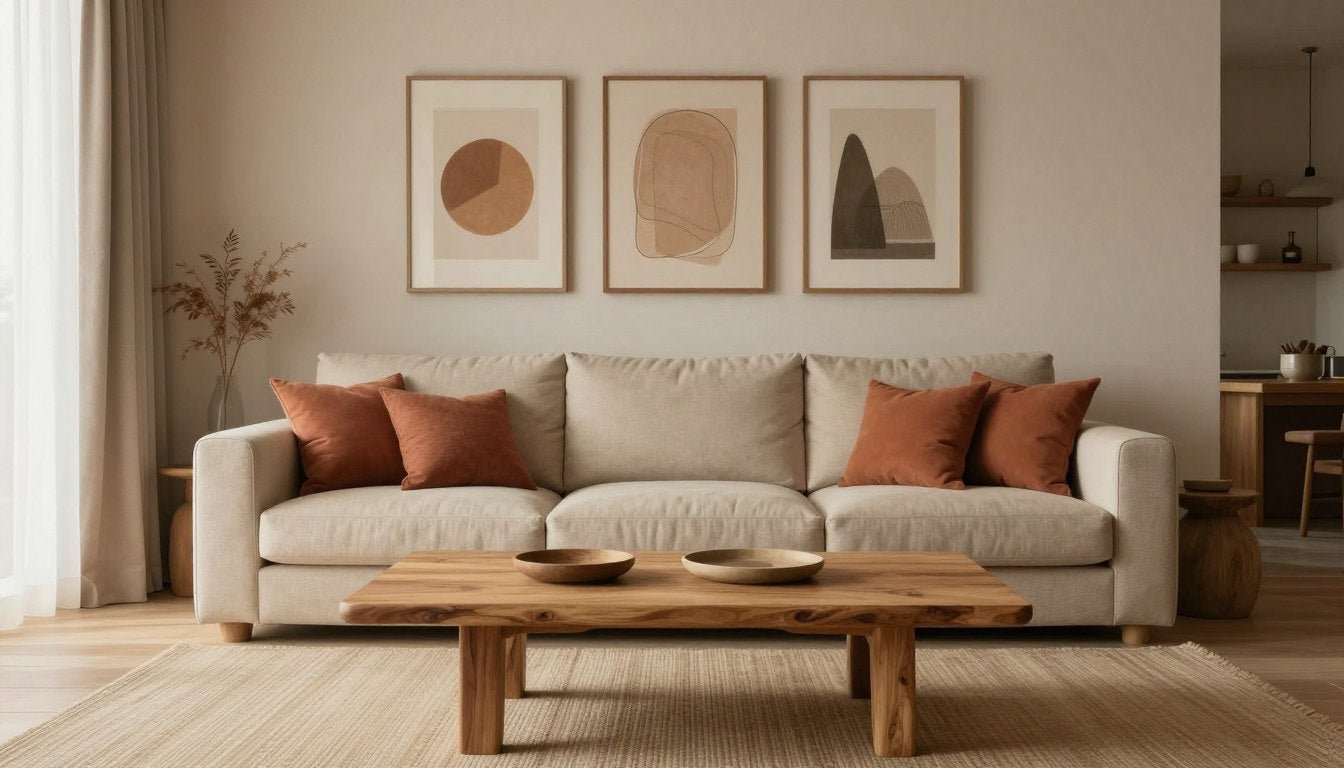

Leave a comment
This site is protected by hCaptcha and the hCaptcha Privacy Policy and Terms of Service apply.