
There's something deeply grounding about spaces that draw inspiration from the earth itself. Earthy interior design celebrates the raw beauty of natural materials, organic shapes, and color palettes inspired by landscapes and soil. Unlike trends that come and go, this approach endures because it speaks to our innate desire for comfort and connection with the natural world.
Quick Answers: Earthy Interior Design Essentials
- Best earthy colors: Warm neutrals (sand, oat, bone), terracotta, sage, moss, charcoal, and muted ochre
- Best materials: Natural wood, linen, wool, jute, clay, ceramic, and stone with visible texture
- Fastest upgrades: Textured throw pillows, earthy wall art, warm-toned lighting, and one statement ceramic piece

What "Earthy Interior Design" Means (and what it doesn't)
Earthy interior design draws its palette and materials from nature, creating spaces that feel grounded, warm, and timeless. It's characterized by natural textures, organic forms, and colors that evoke soil, clay, stone, and vegetation. This approach creates rooms that feel both contemporary and connected to something ancient.
Earthy vs rustic vs boho vs warm minimalism
| Style | Key Characteristics | Color Palette | Materials |
| Earthy | Grounded, organic, calm, textural | Neutrals, terracotta, sage, ochre | Natural wood, stone, clay, linen, wool |
| Rustic | Weathered, rugged, cabin-like | Browns, reds, forest greens | Rough wood, leather, metal |
| Boho | Eclectic, layered, global influences | Rich, varied, often vibrant | Mixed patterns, rattan, macramé |
| Warm Minimalism | Pared back, intentional, uncluttered | Limited neutrals with subtle warmth | Clean-lined natural materials |
While rustic design often feels cabin-like and weathered, earthy interiors can be thoroughly modern. Unlike boho spaces that embrace eclectic patterns and global influences, earthy design maintains a more curated, cohesive palette. It shares qualities with warm minimalism but allows for more texture and organic variation.
The "grounded" feeling: why earthy palettes calm a room
Research in environmental psychology suggests that earthy tones have a measurable calming effect on our nervous systems. These colors and textures shape our mood at home by evoking the stability of the ground beneath our feet and the shelter of natural environments.
This grounding effect is particularly valuable in our digital age, where we spend so much time disconnected from natural rhythms. An earthy interior creates a sanctuary that helps regulate our stress response and promotes wellbeing through visual comfort.

The Earthy Palette — A Designer's Map
The foundation of earthy interior design is a thoughtfully curated color palette that reflects the natural world. Unlike more trend-driven approaches, these colors have a timeless quality that allows spaces to evolve gracefully over time.
Core neutrals (bone, sand, oat, warm greige)
Start with a base of warm neutrals that will serve as your primary backdrop. These colors should dominate approximately 60-70% of your space:
- Bone: A soft off-white with yellow undertones that feels warmer than stark white
- Sand: A light beige that evokes beaches and desert landscapes
- Oat: A medium neutral with subtle depth that works beautifully on walls
- Warm greige: A balanced blend of gray and beige that adds sophistication
These neutrals create a versatile foundation that allows your accent colors and textural elements to shine. They're also forgiving in different lighting conditions, maintaining their warmth throughout the day.
Accent earth tones (terracotta/ochre, moss/sage, charcoal)
Once your neutral foundation is established, introduce accent colors that add depth and interest. These should comprise roughly 20-30% of your color scheme:
- Terracotta/ochre: Warm, clay-inspired tones that add richness and warmth
- Moss/sage: Muted greens that connect to plant life and add freshness
- Charcoal: A soft black that provides necessary contrast and anchoring
These accent colors can be incorporated through textiles, smaller furniture pieces, decorative objects, and earthy wall art color trends like terracotta and ochre, which continue to dominate in 2025.
When to add muted blues (for depth, not "coastal")
While not strictly "earth" tones, certain muted blues can complement an earthy palette beautifully when used thoughtfully. The key is selecting blues with gray undertones rather than bright or coastal varieties:
- Slate blue: A gray-blue that references weathered stone
- Dusty indigo: A deeper blue with natural dye qualities
- Faded denim: A lived-in blue that pairs beautifully with terracotta
Use these blues sparingly (5-10% of your scheme) to add depth and visual interest without shifting toward a coastal aesthetic. They work particularly well in artwork, textiles, and small decorative elements.
Explore Earthy Wall Art
Discover our collection of canvas prints featuring earthy tones that perfectly complement natural interiors.
Browse Canvas Prints for Earthy Interiors
Materials & Texture: The Real Secret of Earthy Interiors
While color creates the foundation, it's the materials and textures that truly bring earthy interior design to life. These elements add depth, interest, and tactile comfort that makes spaces feel inviting and authentic.
Natural fibers (linen, wool, jute) + wood grains
Natural fibers are essential for creating the textural layering that defines earthy interiors:
- Linen: With its slightly irregular weave and casual elegance, linen is perfect for drapery, upholstery, and bedding
- Wool: Adds warmth and comfort through throws, rugs, and cushions with natural variation
- Jute: Brings rough texture through rugs, baskets, and occasional furniture pieces
Wood is equally important, with visible grain patterns that tell a story of organic growth. Opt for:
- Oak: With its prominent grain and warm tones
- Walnut: Offering deeper coloration and sophisticated presence
- Reclaimed woods: Adding character and sustainability
The key is allowing these materials to showcase their natural characteristics rather than hiding them behind high-gloss finishes or paint.
Clay, ceramics, stone, plaster: how to use them without heaviness
Harder materials add essential contrast to the softness of textiles while reinforcing the connection to earth:
- Clay and ceramics: Incorporate through vessels, lamps, and decorative objects with organic forms and matte finishes
- Stone: Use in coffee tables, countertops, or smaller objects like bookends and coasters
- Plaster: Consider textured wall art for earthy interiors or plaster-finish walls for subtle dimension
To prevent these materials from feeling heavy, balance is crucial. Follow the 80/20 rule: roughly 80% soft materials and 20% hard elements. This creates visual rhythm while maintaining comfort.
Additionally, choose lighter colorations of stone and ceramics where possible, and incorporate pieces with varied heights and scales to create visual movement.

Earthy Wall Art — How to Choose Pieces That Don't Fight the Room
Wall art plays a crucial role in earthy interiors, serving as both a focal point and a unifying element that ties your color palette together. The right pieces enhance the calm, grounded feeling while adding personality and visual interest.
Scale rules + spacing + "breathing room"
Proper scaling is essential for wall art in earthy interiors:
- For sofas: Choose art that spans approximately 2/3 to 3/4 of the sofa's width
- For dining areas: Select pieces that occupy 60-75% of the wall space
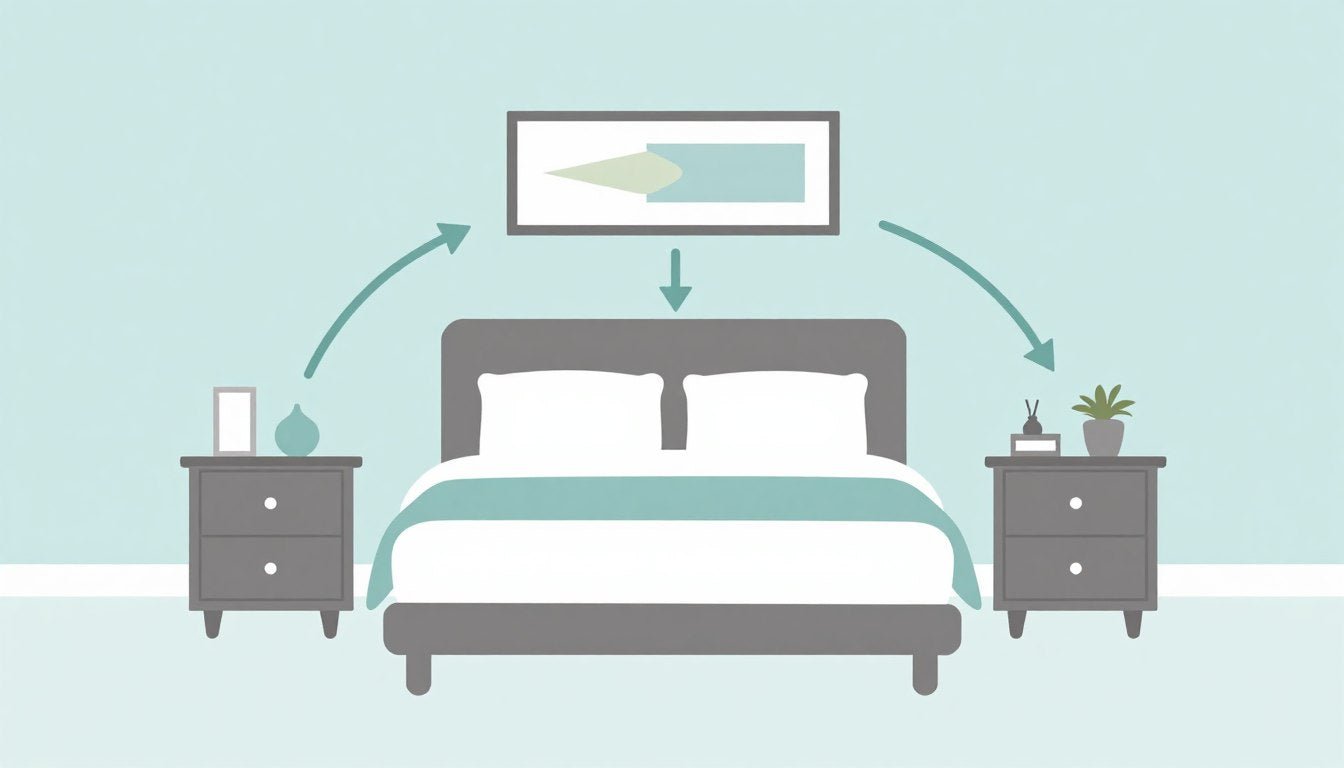
- For bedrooms: Position art that extends about 6-8 inches beyond each side of the headboard
Equally important is providing adequate breathing room around your art. In earthy interiors, this space creates a sense of calm and intentionality. Allow at least 3-4 inches between grouped pieces and position art at eye level (approximately 57-60 inches from the floor to the center).
For a more contemporary look, consider a single larger piece rather than multiple small works. This creates a stronger focal point while maintaining the serene quality essential to earthy design.
Frame finishes for earthy rooms (oak, walnut, matte black)
Frame selection significantly impacts how wall art integrates with your earthy interior:
- Natural oak: Offers a light, warm presence that complements most earthy palettes
- Walnut: Provides deeper tones for more contrast and sophistication
- Matte black: Creates definition and anchoring, particularly effective with lighter artworks
- Floating canvas: Frameless options that allow the artwork to speak for itself
Avoid metallic frames in gold or silver, as these can introduce a glam element that conflicts with the earthy aesthetic. If you prefer metal, consider brushed bronze or blackened steel for a more organic feel.
Color-repeat trick (repeat 1–2 tones already in textiles)
One of the most effective strategies for selecting wall art is to choose pieces that incorporate 1-2 colors already present in your textiles or other elements in the room. This creates visual cohesion without being overly matched.
For example, if your space features terracotta cushions and sage green plants, look for artwork that subtly incorporates these tones. This approach creates a harmonious flow throughout the room while allowing the art to maintain its own identity.

Neutral Essence
This minimalist earth-tone canvas print features subtle neutral tones that complement any earthy interior while adding gentle visual texture.

Stacked Harmony
For spaces that need more definition, this terracotta and charcoal geometric art provides structure while maintaining an earthy palette.
Room-by-Room Earthy Interior Design Ideas
Each room in your home presents unique opportunities to express earthy design principles. Let's explore how to adapt this aesthetic to different spaces while maintaining a cohesive flow throughout your home.
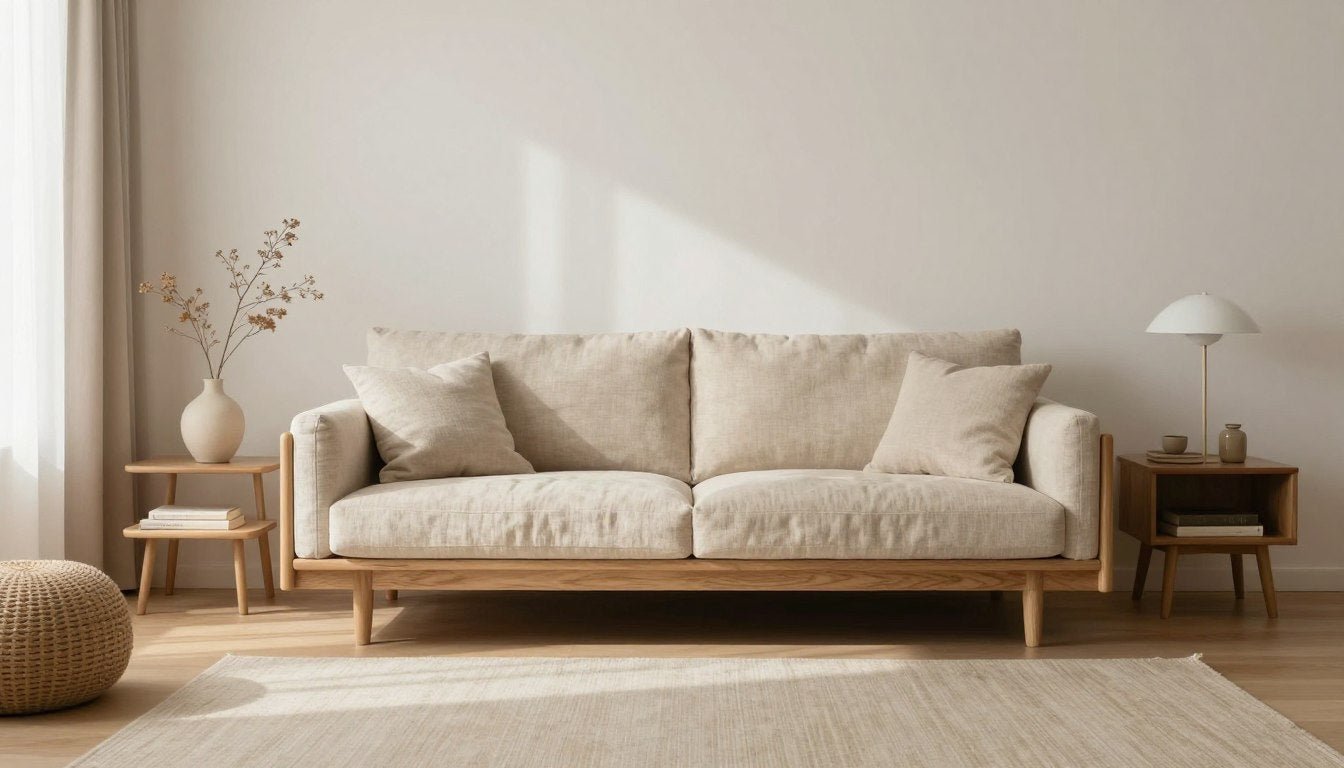
Living room (anchor piece, warm neutrals, one bold texture)
The living room often serves as the heart of earthy interior design, setting the tone for the entire home:
- Start with an anchor: Choose a sofa in a warm neutral like oat, sand, or greige as your foundation
- Layer textures: Add cushions in varied materials (linen, wool, velvet) within your earthy palette
- Introduce one bold texture: A statement jute rug, textured wall hanging, or distinctive ceramic piece
- Balance with wood: Incorporate wooden elements through coffee tables, side tables, or shelving
- Complete with art: Select a larger piece or thoughtful grouping above the sofa that ties your colors together
For lighting, choose fixtures with natural materials like linen shades, ceramic bases, or wooden elements. Aim for warm-toned bulbs (2700-3000K) that enhance the cozy atmosphere.

The Silent Earth Strata neutral abstract works beautifully in living spaces, with its layered neutral tones that echo natural landscapes while maintaining a contemporary feel.
Bedroom (wabi-sabi calm + soft contrast)
In the bedroom, earthy design principles create a sanctuary for rest and renewal:
- Embrace wabi-sabi: Celebrate imperfection through slightly rumpled linen bedding and handcrafted elements
- Layer bedding: Combine different textures in complementary earthy tones
- Create soft contrast: If walls are light, add depth with darker wood furniture or vice versa
- Minimize clutter: Keep surfaces relatively clear to promote calm
- Select soothing art: Choose pieces with horizontal compositions that suggest landscapes or gentle abstractions
The bedroom is an ideal space for wall art that promotes tranquility. Consider pieces from our wabi-sabi wall art collection, which embodies the principles of finding beauty in imperfection.
Kitchen/dining (warm tones for hospitality)
Kitchens and dining areas benefit from earthy elements that create a welcoming atmosphere for gathering:
- Incorporate natural materials: Wood cutting boards, ceramic vessels, and stone countertops
- Choose warm woods: Oak or walnut for tables, chairs, and open shelving
- Add textural contrast: Linen napkins, ceramic dinnerware, and woven placemats
- Display natural elements: Fresh herbs, fruit in ceramic bowls, or dried botanicals
- Select appropriate art: Food-related subjects, abstract compositions in warm tones, or botanical prints
Research shows that warm tones in dining spaces enhance the dining experience, making food appear more appetizing and encouraging lingering conversation.
Entryway (first impression: clay + wood + one statement artwork)
The entryway sets the tone for your entire home, making it an important space to establish your earthy aesthetic:
- Start with grounding elements: A natural fiber rug or runner to define the space
- Add functional beauty: A wooden bench or console with ceramic vessels for keys and small items
- Create a focal point: One statement piece of art that introduces your earthy palette
- Layer lighting: A ceramic table lamp or pendant with warm light
- Include natural elements: A small plant, dried botanicals, or stone objects
For entryways, consider an original piece like Solstice Passage earth-tone original painting, which makes a sophisticated first impression while establishing your earthy color story.

Common Mistakes (and the fix)
Even with the best intentions, there are several common pitfalls when creating earthy interiors. Here's how to avoid them:
Too monochrome brown → add stone + black accents
One of the most common mistakes is creating a space that feels flat and one-dimensional by using too many similar brown tones.
The fix: Introduce stone elements in cooler gray tones and add black accents through picture frames, lamp bases, or small decorative objects. These elements create necessary contrast and visual interest while maintaining the earthy aesthetic.
Too many textures → simplify with 80/20 rule
In the enthusiasm to create a richly textured space, it's easy to go overboard, resulting in visual chaos that undermines the calming quality of earthy design.
The fix: Apply the 80/20 balance rule to your textures. Allow 80% of your surfaces to be relatively simple and consistent, with the remaining 20% providing textural interest through statement pieces.
Wrong art scale → go larger, fewer pieces
Undersized art is a common issue that makes rooms feel unbalanced and unfinished.
The fix: When in doubt, choose fewer, larger pieces rather than many small ones. A single statement piece above a sofa or bed creates more impact and maintains the serene quality essential to earthy design. Aim for art that occupies at least 2/3 of the wall space above furniture.
Forgetting contrast → add depth with varied tones
Without sufficient contrast, earthy interiors can feel flat and uninspiring.
The fix: Ensure your palette includes light, medium, and dark tones within your earthy scheme. If your furniture and walls are light, add depth with darker accessories and art. Conversely, if your larger elements are dark, balance with lighter textiles and accents.

Earthy Interior Design Shopping Checklist
Use this practical checklist to guide your purchases when creating or refreshing an earthy interior:
Textiles
- Linen or cotton curtains in a warm neutral
- Natural fiber rug (jute, wool, or cotton)
- 3-5 cushions in varied textures within your palette
- 1-2 throws in complementary earthy tones
- Bedding in breathable natural fibers
Lighting
- Table lamps with ceramic, wood, or textured bases
- Warm-toned bulbs (2700-3000K color temperature)
- Natural material lampshades (linen, woven)
- Candles in ceramic or stone holders
- Dimmers for overhead lighting
Wall Art
- 1 statement piece for your main living area
- Complementary pieces for bedroom and entryway
- Frames in natural wood or matte black
- Art that incorporates 1-2 colors from your textiles
- Proper scale for your wall spaces
Decorative Elements
- 1-2 statement ceramic pieces
- Natural wood bowl or tray
- Stone or ceramic coasters
- 2-3 plants in textured pots
- Books with natural or textured covers
Find the Perfect Earthy Wall Art
Explore our collection of geometric and abstract canvas prints in earth tones to complete your natural interior.
Browse Geometric Wall Art in Earth TonesThe Earthy Interior Design Matrix
Use this comprehensive matrix as a quick reference guide when planning your earthy interior design project. Each row provides a complete formula for a specific room in your home.
| Room | Base Neutral | Accent Earth Tone | Material Focus | Best Wall Art Style | Frame Recommendation | Avoid This |
| Living Room | Warm Greige | Terracotta | Wood + Linen | Abstract Landscape | Natural Oak | Too many small art pieces |
| Bedroom | Oat | Sage | Linen + Wool | Minimal Abstract | Frameless Canvas | Busy patterns |
| Dining Room | Bone | Ochre | Wood + Ceramic | Textured Abstract | Walnut | Cold metallic accents |
| Kitchen | Sand | Moss | Stone + Wood | Botanical/Organic | Matte Black | Glossy surfaces |
| Entryway | Warm White | Charcoal | Wood + Jute | Statement Abstract | Natural Oak | Cluttered surfaces |
| Home Office | Greige | Slate Blue | Wood + Leather | Geometric | Walnut | Harsh lighting |
Earthy Room Checklist
- Natural materials make up at least 80% of visible surfaces
- Color palette includes 2-3 earth tones plus neutrals
- Lighting is warm-toned (2700-3000K)
- At least one statement textile with visible texture
- One anchor piece of appropriately scaled wall art
- Minimal synthetic materials
- Plant life or natural elements present
- Visible wood grain in at least one furniture piece
- Balance of soft and hard textures (80/20 ratio)
- Room feels calm and grounded when you enter

For a modern take on earthy geometrics, explore our modern earthy-toned original that brings structure and warmth to contemporary spaces.
Frequently Asked Questions
What colors are considered "earthy" in interior design?
Earthy colors include warm neutrals (sand, oat, bone, greige), clay-inspired tones (terracotta, rust, ochre), natural greens (sage, moss, olive), and grounding accents (charcoal, chocolate brown). These colors all contain some brown pigment, which gives them their muted, grounded quality. For a balanced earthy palette, combine 2-3 of these colors with complementary neutrals.
How do you make an earthy room look modern (not rustic)?
To create a modern earthy interior rather than a rustic one, focus on clean lines, thoughtful curation, and selective texture. Choose furniture with contemporary silhouettes in natural materials, opt for abstract or geometric art rather than traditional landscapes, incorporate matte black accents for definition, and limit decorative objects to a few statement pieces. The key is balancing organic elements with modern restraint.
What are the best earthy accent colors for a neutral room?
For a predominantly neutral room, the most effective earthy accent colors are terracotta, sage green, and muted ochre. These colors add warmth and interest without overwhelming the space. Start with textiles (cushions, throws) and small decorative objects before committing to larger pieces. Wall art is also an excellent way to introduce these accent colors in a controlled, intentional manner.
How do I decorate an earthy living room on a budget?
Create an earthy living room affordably by focusing on strategic updates: repaint walls in a warm neutral, add natural texture through inexpensive jute or cotton rugs, incorporate plants for living color, update cushion covers in earthy tones, and invest in one quality piece of wall art that ties the palette together. Secondhand wooden furniture can be refinished to showcase natural grain, and ceramic pieces can often be found at reasonable prices at local markets.
What wall art looks best with earthy interiors?
The most complementary wall art for earthy interiors includes abstract landscapes, textured minimalist pieces, organic geometrics, and nature-inspired works in earthy tones. Look for pieces that incorporate colors already present in your space, with compositions that feel balanced and grounding. Canvas prints and textured art tend to integrate particularly well with the natural materials in earthy design.
Can earthy interiors work with minimalism?
Absolutely! Earthy minimalism (often called "warm minimalism") combines the restraint and intentionality of minimalist design with the warmth and texture of earthy elements. The key is selecting fewer, higher-quality pieces in natural materials, maintaining clean lines and uncluttered spaces, while incorporating enough texture and tonal variation to create visual interest and comfort.
What lighting temperature works best for earthy decor?
Warm lighting between 2700K and 3000K complements earthy interiors best. This color temperature enhances the warmth of earth tones and creates a cozy, inviting atmosphere. Avoid cool lighting (4000K+), which can make earthy colors appear dull or muddy. Layer lighting with table lamps, floor lamps, and dimmable overhead fixtures to create depth and adjust the mood throughout the day.
How do I add earthy tones without repainting?
Introduce earthy tones without painting through textiles (cushions, throws, curtains), natural fiber rugs, wooden accessories, ceramic vessels, and thoughtfully selected wall art. Wall art is particularly effective as it can introduce substantial color at eye level without permanent commitment. Plants in terracotta pots also add natural color and life to a space without changing the underlying structure.
Creating Your Earthy Sanctuary
Earthy interior design offers a timeless approach to creating spaces that feel both contemporary and connected to something enduring. By thoughtfully combining natural materials, warm colors, and balanced textures, you can create rooms that not only look beautiful but also support wellbeing through their grounding presence.
Remember that the most successful earthy interiors evolve gradually, accumulating pieces with meaning and character over time. Allow your space to develop naturally, prioritizing quality over quantity and authentic materials over trends.
Whether you're refreshing a single room or transforming your entire home, the principles in this guide provide a flexible framework that can be adapted to your unique space and preferences. The result will be a home that feels timeless, welcoming, and deeply connected to the natural world.
Explore our collections at Rossetti Art to discover wall art that complements and enhances your earthy interior design journey.


Leave a comment
This site is protected by hCaptcha and the hCaptcha Privacy Policy and Terms of Service apply.