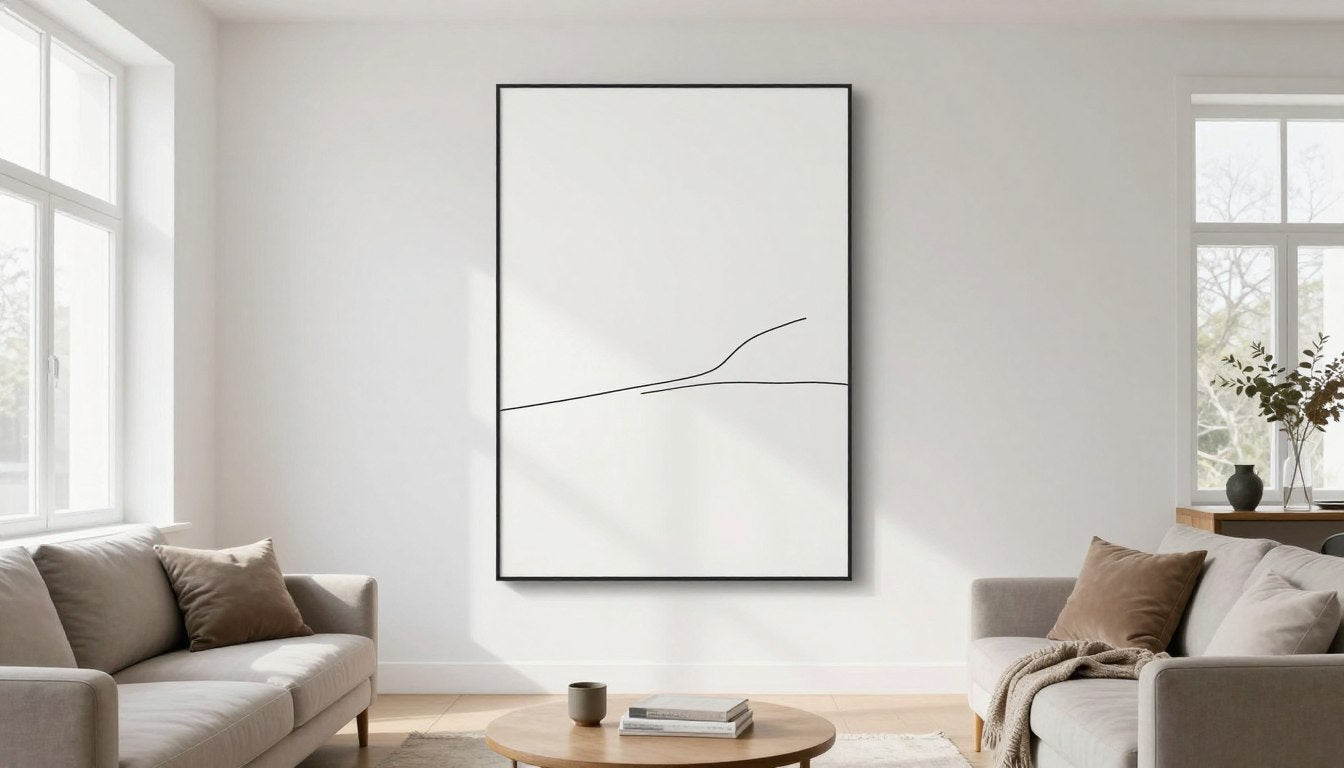

Minimalist wall art has become one of the most sought-after design elements in modern homes. This style strips away unnecessary details and focuses on essential forms. The result is artwork that brings calm and clarity to any space.
The beauty of minimalist art lies in its versatility. A single piece can anchor an entire room. The clean lines and simple compositions work with almost any interior style.
Whether you're designing a living room, bedroom, or office, minimalist artwork offers a timeless solution. This guide explores everything you need to know about selecting and displaying minimalist wall decor that elevates your home.
Understanding Minimalist Wall Art: Core Principles and Philosophy

Minimalist art emerged in the 1960s as a reaction to abstract expressionism. Artists like Donald Judd and Agnes Martin pioneered this movement. They believed art should be stripped down to its fundamental features.
The philosophy centers on "less is more." Every element in a minimalist piece serves a purpose. There are no extra flourishes or decorative additions.
Key Characteristics of Minimalist Artwork
Minimalist wall art follows specific design principles. These characteristics define the aesthetic and make it instantly recognizable.

- Limited color palette, often monochromatic or using two to three colors maximum
- Clean lines and geometric shapes that create visual clarity
- Abundant negative space that gives the composition room to breathe
- Simple subjects or abstract forms without complex details
- Emphasis on texture and material rather than elaborate imagery
- Balanced compositions that feel intentional and purposeful
The power of minimalist artwork comes from what it doesn't include. By removing distractions, these pieces direct your attention to essential elements. This creates a meditative quality that calms busy spaces.
The Psychology Behind Minimalist Design

Research shows that minimalist environments reduce mental stress. Our brains process less information when surrounded by simple designs. This creates a sense of calm and focus.
Minimalist wall decor works particularly well in modern homes. Today's living spaces often feel cluttered with technology and possessions. A simple piece of art provides visual relief.
The style also promotes mindfulness. When you choose a minimalist print, you're making an intentional decision. Each piece you select reflects your values and aesthetic preferences.
Minimalism Versus Other Art Styles
Understanding how minimalism differs from other styles helps you make informed choices. Each approach serves different aesthetic goals.

Traditional Art
Traditional artwork features detailed imagery and complex compositions. These pieces often tell stories or depict realistic scenes.
- Rich colors and intricate details
- Representational subjects
- Ornate frames and presentations
- Heavy visual weight
Minimalist Art
Minimalist pieces reduce subjects to their essence. The focus shifts to form, color, and space rather than narrative content.
- Limited color schemes
- Abstract or simplified forms
- Simple framing or frameless
- Light visual presence
Abstract art can be minimalist, but not all abstract work follows minimalist principles. Some abstract pieces use bold colors and complex layering. True minimalist abstractions maintain simplicity and restraint.
Three Minimalist Prints That Transform Any Room
Selecting the right minimalist artwork sets the tone for your entire space. These carefully curated pieces represent different approaches to minimalist design. Each works beautifully in multiple room settings.

Contemporary Line Art Portraits
Line art represents the essence of minimalism. These pieces use continuous lines to suggest forms without filling them in. The viewer's imagination completes the image.
Perfect for bedrooms and living rooms, line art canvas prints add sophistication without overwhelming your decor. The monochromatic palette works with any color scheme.

Black and White Geometric Abstracts
Black and white artwork provides maximum impact with minimal elements. These prints use strong contrast to create focal points. The absence of color keeps attention on form and composition.
Geometric patterns in monochrome palettes suit modern offices and contemporary living spaces. Our black and white canvas collection features museum-quality prints that arrive ready to hang.

Organic Abstract Forms
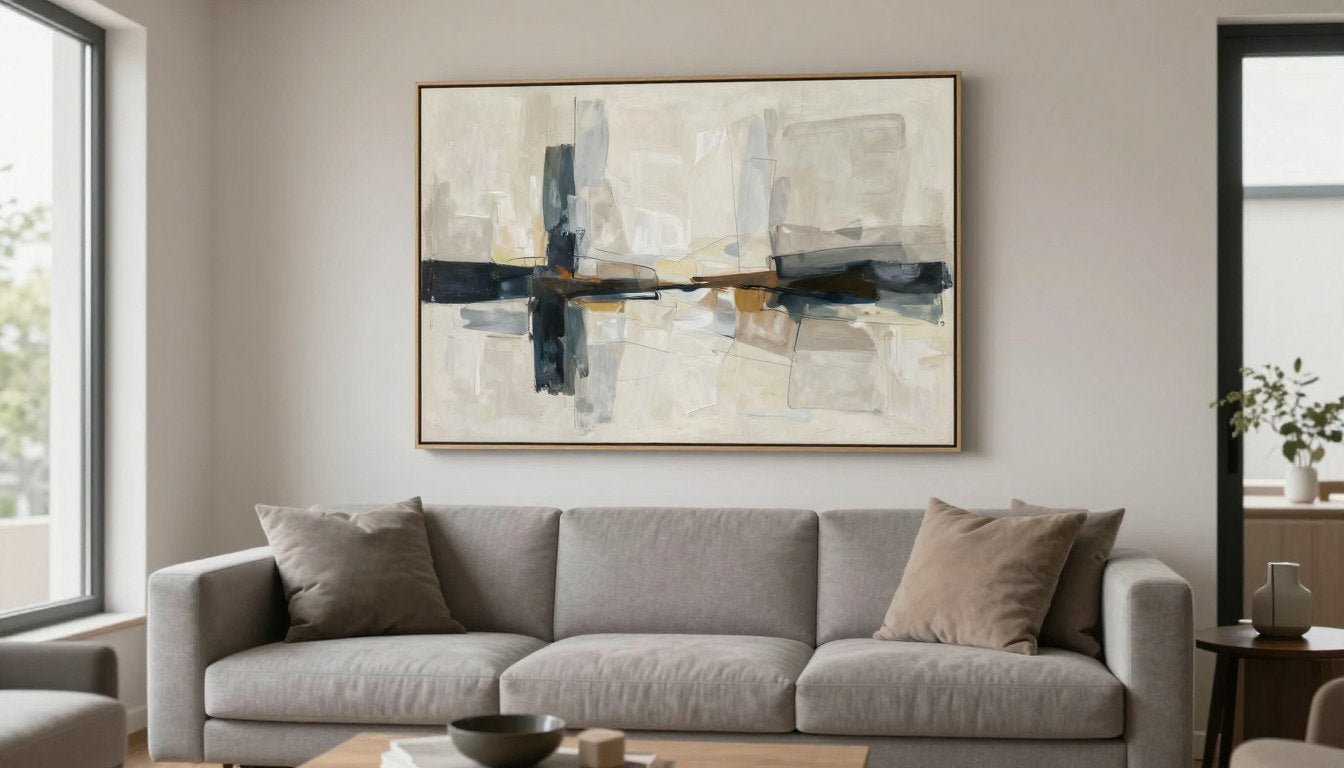
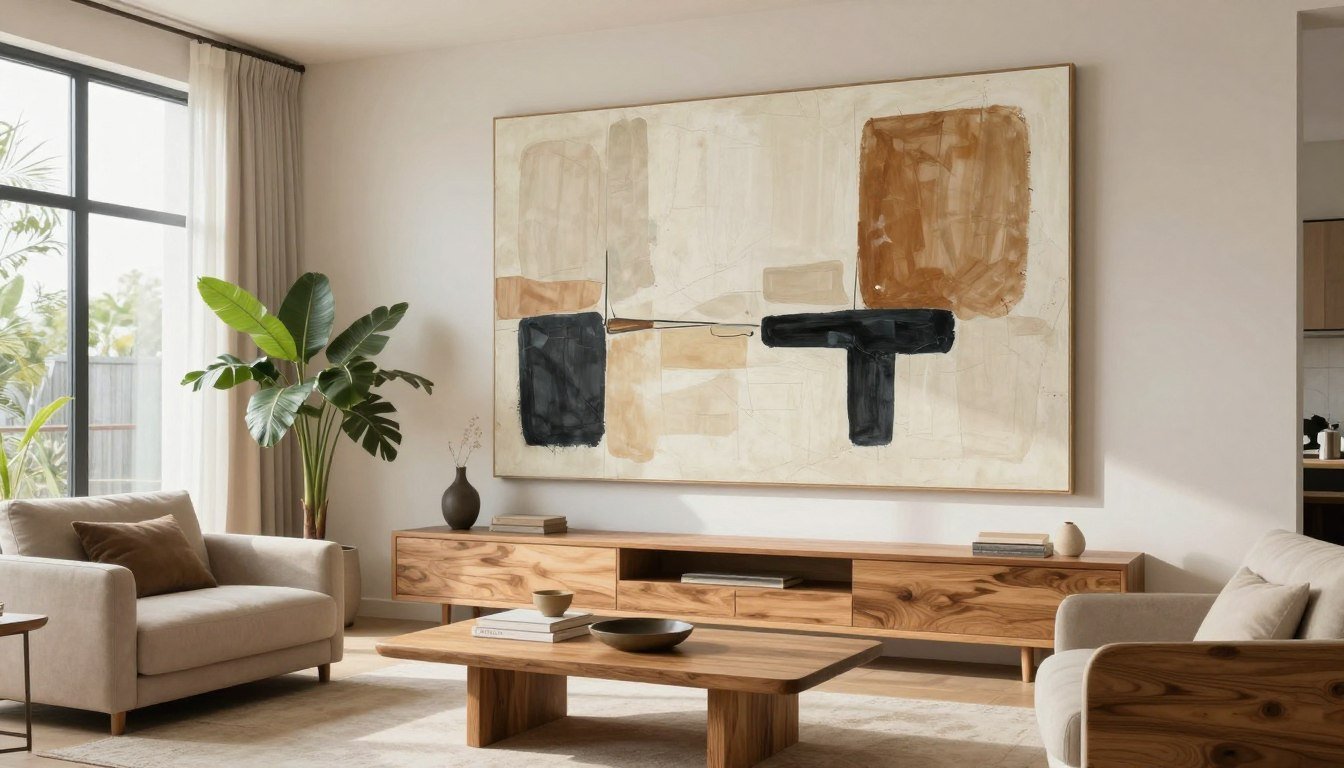
Soft geometric shapes and muted tones create warmth within minimalist principles. These abstracts use earth tones and gentle curves. They add visual interest while maintaining calm.
Ideal for bedrooms and dining rooms, these pieces from our abstract canvas prints collection bring warmth to minimalist spaces. The subtle color variations provide depth without complexity.
Each of these styles represents a different facet of minimalist wall art. Line art offers elegance and simplicity. Black and white pieces provide bold contrast. Organic abstracts add warmth and texture.
The beauty of minimalist prints lies in their versatility. A single piece works as a focal point. Multiple pieces create a cohesive gallery wall. The key is maintaining consistency in your overall design approach.
Popular Minimalist Wall Art Styles for Modern Homes

Minimalist wall art encompasses several distinct styles. Each approach offers unique visual characteristics. Understanding these categories helps you select pieces that match your aesthetic preferences.
Line Art and Continuous Line Drawings
Line art uses single continuous lines to create images. The artist never lifts the pen from paper. This technique produces fluid, organic shapes.

Contemporary line art often depicts faces, figures, or abstract forms. The simplicity makes these pieces incredibly versatile. They work equally well in bedrooms, living rooms, and offices.
The technique dates back to ancient times, but modern artists have elevated it. Today's line art combines traditional skills with contemporary aesthetics. The line art prints in our collection showcase this evolution.
Geometric Abstract Minimalism

Geometric minimalism uses basic shapes like circles, squares, and triangles. These elements combine to create balanced compositions. The style emphasizes proportion and spatial relationships.
Color plays a crucial role in geometric abstracts. Some artists use monochrome palettes. Others introduce one or two accent colors. The limited palette keeps the focus on form.
This style works beautifully in modern and contemporary interiors. The structured approach complements clean architectural lines. Our geometric abstract collection offers pieces for various room sizes.
Monochromatic and Black and White Art
Black and white minimalist prints eliminate color entirely. This forces focus on contrast, texture, and composition. The high contrast creates dramatic visual impact.

These pieces adapt to any color scheme. A black and white print works in a neutral room or one with vibrant accents. This flexibility makes them excellent investment pieces.
Photographers and graphic designers often favor this approach. The absence of color highlights form and shadow. Black and white canvas prints remain perpetually stylish.
Botanical Minimalism

Botanical minimalism simplifies plant forms into essential shapes. These prints might show a single leaf, stem, or flower. The organic subject matter softens the starkness of geometric minimalism.
This style brings nature indoors without clutter. A minimalist botanical print adds life to a space. The simplified forms maintain the clean aesthetic.
These pieces work exceptionally well in kitchens, bathrooms, and bedrooms. The natural subject matter creates a calming effect. Explore our botanical wall art prints for nature-inspired options.
Typography and Text-Based Minimalism
Text-based minimalist art uses words as visual elements. Simple phrases or single words become the artwork. Typography choices and layout create the aesthetic impact.

These prints often feature motivational phrases or meaningful quotes. The key is restraint. Too many words break the minimalist principle. Effective pieces use one to five words maximum.
Font selection matters enormously in text-based art. Sans-serif fonts align with minimalist aesthetics. Clean, simple letterforms reinforce the overall design philosophy.
Color Field Minimalism

Color field art uses large blocks of solid color. These pieces focus on color relationships rather than forms. The style creates emotional responses through color alone.
Artists like Mark Rothko pioneered this approach. Modern interpretations use softer, more muted palettes. The result feels meditative and calming.
These works pair beautifully with minimalist furniture. The large color fields complement simple room designs. They add warmth without introducing visual complexity.
How to Choose the Right Minimalist Art for Your Space

Selecting minimalist wall art requires considering multiple factors. The right piece enhances your space while reflecting your personal style. These guidelines help you make confident decisions.
Consider Your Room's Color Palette
Your wall color and existing decor influence artwork selection. Minimalist pieces should complement rather than clash with your space.

For neutral rooms with white, beige, or gray walls, you have maximum flexibility. Black and white prints create contrast. Colored minimalist pieces add subtle warmth.
Rooms with colored walls benefit from monochrome art. A black and white print stands out against navy or forest green walls. It provides visual relief without competing for attention.
- White walls pair beautifully with any minimalist style
- Gray walls work well with black and white or colored geometric prints
- Beige and cream walls complement warm-toned minimalist abstracts
- Bold wall colors benefit from high-contrast black and white art
- Textured walls pair best with simple, clean-lined artwork
Determine Appropriate Size and Scale
Size dramatically affects how artwork impacts a room. Too small, and the piece gets lost. Too large, and it overwhelms the space.

The general rule suggests artwork should cover two-thirds to three-quarters of available wall space. For a sofa that's 90 inches wide, select art between 60 and 68 inches wide.
Large wall art creates bold focal points in living rooms and dining rooms. Smaller pieces work better in hallways, bathrooms, and bedrooms. Consider creating a gallery wall with multiple smaller prints.
Ceiling height also matters. In rooms with tall ceilings, vertical pieces draw the eye upward. This makes the space feel more balanced. Horizontal pieces work better in rooms with standard ceiling heights.
Match Art Style to Room Function
Different rooms serve different purposes. Your artwork should support each room's function.

Living rooms benefit from bold statement pieces. These spaces accommodate larger artwork. Abstract geometric prints or dramatic black and white pieces work well. Our living room wall art collection offers appropriately scaled options.
Bedrooms require calming artwork. Soft line art or muted color field pieces promote relaxation. Avoid high-contrast or visually stimulating designs. Browse our bedroom canvas prints for peaceful options.
Home offices need focused, professional artwork. Geometric abstracts or sophisticated black and white prints maintain a productive atmosphere. The office canvas art selection includes pieces that inspire without distracting.
Dining rooms work with warmer minimalist pieces. Botanical minimalism or earth-toned abstracts complement dining experiences. See our dining room wall art for suitable pieces.
Frame Selection and Presentation
How you frame minimalist art affects its impact. The frame should enhance without overwhelming the artwork.

Minimalist artwork often looks best with simple frames. Thin black or white frames maintain the clean aesthetic. Natural wood frames add warmth while remaining understated.
Frameless canvas prints offer another option. These ready-to-hang pieces have finished edges. The artwork wraps around the sides of the canvas. This contemporary presentation style aligns perfectly with minimalist principles.
Float frames create a modern look. The artwork appears to hover within the frame. This technique works particularly well with line art and geometric prints.
Mat boards add space around the artwork. White or cream mats work best with minimalist pieces. Avoid colored mats unless they directly complement the artwork's palette.
Consider Lighting Conditions

Natural and artificial light change how colors appear. Consider your room's lighting when selecting artwork.
North-facing rooms receive cool, indirect light. Warm-toned minimalist art balances this coolness. South-facing rooms get warm, direct sunlight. Cool-toned pieces provide balance.
Artificial lighting also affects perception. LED lights render colors accurately. Incandescent bulbs add warmth. Fluorescent lights can create harsh, cool tones.
Avoid placing art in direct sunlight. UV rays fade prints over time. If you must place artwork near windows, use UV-protective glass or consider repositioning periodically.
Match This Vibe to Your Space

Create a Cohesive Minimalist Aesthetic
Finding the perfect minimalist art piece is just the beginning. Creating a unified look throughout your home elevates your entire interior design. Each room deserves artwork that complements its purpose while maintaining your overall aesthetic.
Our curated collections make it easy to establish consistency across spaces. Whether you prefer bold black and white contrasts or softer organic forms, you'll find pieces that work together beautifully.
Start by identifying your dominant minimalist style. Are you drawn to geometric precision or flowing line art? Once you know your preference, building a cohesive collection becomes straightforward.
For modern minimalists who love clean geometric forms, our abstract geometric collection offers pieces that create visual dialogue across rooms. Pair a large abstract in your living room with smaller complementary pieces in adjacent spaces.
If you prefer the elegance of continuous lines, explore options that maintain this aesthetic throughout your home. Line art creates a sophisticated thread connecting different areas. The consistency feels intentional and polished.
Remember that matching your vibe doesn't mean every piece must look identical. Variety within your chosen style keeps spaces interesting. A mix of sizes, orientations, and subtle variations maintains visual interest while preserving coherence.
Displaying Minimalist Wall Art: Placement and Arrangement

Proper placement transforms good artwork into great design. Minimalist pieces require thoughtful positioning. The goal is creating balance and visual flow.
Optimal Hanging Height
The standard rule places artwork at eye level. This typically means the center of the piece sits 57 to 60 inches from the floor. This height works for most people and spaces.

However, context matters. In dining rooms, consider seated eye level. The center of the artwork should sit slightly lower, around 55 inches from the floor. This ensures diners can comfortably view the piece.
Above furniture, different rules apply. Artwork should sit 6 to 8 inches above the furniture top. This creates visual connection between the furniture and art. Too much space makes the piece feel disconnected.
- Standard wall height: 57-60 inches to center
- Above sofa: 6-8 inches above furniture back
- Above console table: 6-8 inches above surface
- Dining room: 55 inches to center (seated eye level)
- Hallways: 57 inches to center (standard walking eye level)
- Bedrooms: Can go slightly higher above headboards (8-12 inches)
Creating Gallery Walls with Minimalist Art
Gallery walls group multiple pieces into one cohesive display. When executed properly, they create stunning focal points. Minimalist gallery walls require restraint.

Start by planning on the floor. Arrange your pieces before hanging anything. This lets you experiment with layouts. The goal is balanced negative space between pieces.
Maintain consistent spacing between artworks. Two to three inches works well for minimalist pieces. This space lets each piece breathe. Crowding defeats the minimalist aesthetic.
Consider creating sets with our canvas print sets. These pre-coordinated collections eliminate guesswork. The pieces work together harmoniously.
Gallery Wall Layout Options
Grid Layout
Grid arrangements create order and symmetry. Use same-sized pieces for maximum impact. Align edges precisely for clean lines.

Asymmetric Layout
Asymmetric arrangements feel more organic. Mix different sizes while maintaining balance. Ensure visual weight distributes evenly.

Single Statement Pieces
Sometimes one large piece outperforms multiple smaller works. Statement pieces command attention. They work best in rooms with minimal furniture.

Large format minimalist art suits spacious walls. Above a sofa or bed, a single oversized piece creates drama. The artwork becomes the room's focal point.
Balance is crucial with statement pieces. Ensure the artwork doesn't overwhelm the room. It should feel substantial but not oppressive. Leave adequate space around the edges.
Entryway and Hallway Placement
Entryways set the tone for your entire home. Minimalist art in this space makes an immediate impression. Choose pieces that reflect your overall aesthetic.

Hallways present unique challenges. Narrow spaces limit viewing distance. Select vertically oriented pieces for narrow halls. They enhance the sense of height without overwhelming the space.
Our entryway wall art collection includes pieces sized appropriately for these transitional spaces. The designs make strong impressions without requiring extensive wall space.
Arranging Art in Open Concept Spaces

Open floor plans require special consideration. Artwork must relate across different functional zones. Consistency in style creates visual continuity.
Choose a dominant style or color palette. Repeat this theme throughout the open space. Variations within the theme prevent monotony while maintaining cohesion.
Consider sight lines from different areas. Artwork visible from multiple vantage points becomes particularly important. These pieces anchor the space visually.
Color Psychology in Minimalist Wall Art

Color profoundly affects mood and perception. Even minimalist art's limited palettes create emotional responses. Understanding color psychology helps you select pieces that support your space's intended atmosphere.
Monochrome and Neutral Palettes
Black, white, and gray dominate minimalist art. These neutrals offer versatility and timelessness. Each shade carries specific psychological associations.

Black conveys sophistication and power. It adds drama to spaces. White represents purity and simplicity. It creates a sense of space and cleanliness.
Gray sits between extremes. It offers balance and neutrality. Different gray tones can feel warm or cool. Warmer grays contain brown undertones. Cooler grays have blue undertones.
Monochromatic pieces work in any setting. They don't compete with existing decor. This flexibility makes them excellent long-term investments. Explore our black and white collection for versatile options.
Earth Tones and Natural Colors
Beige, terracotta, sage, and ochre bring warmth to minimalist design. These colors connect to nature. They create grounded, comfortable atmospheres.

Earth tones work particularly well in living spaces and bedrooms. They promote relaxation without the starkness of pure black and white. These colors add personality while maintaining minimalist principles.
Combining earth tones with neutrals creates sophisticated palettes. A beige and black piece offers warmth and drama simultaneously. This balance appeals to many homeowners.
Cool Tones in Minimalist Design
Blues, greens, and purples create calm, focused environments. These colors slow heart rate and reduce stress. They work well in bedrooms and offices.

Navy blue adds depth without the harshness of black. It feels professional yet approachable. Soft blues evoke sky and water, creating expansive feelings.
Green connects to nature and growth. Sage and olive greens work beautifully in minimalist contexts. These muted greens avoid overwhelming spaces.
Warm Accent Colors
Strategic use of warm colors adds energy to minimalist spaces. Orange, red, and yellow demand attention. In minimalism, these colors appear sparingly.

A touch of rust or burnt orange warms a predominantly neutral piece. These accents prevent coldness in modern spaces. The key is restraint—one accent color maximum.
Warm accents work well in social spaces. They encourage conversation and energy. Avoid them in bedrooms where calm is priority.
Materials and Quality in Minimalist Wall Art

Material quality affects both artwork appearance and longevity. Understanding different mediums helps you make informed purchasing decisions. Quality pieces maintain their beauty for decades.
Canvas Prints Versus Paper Prints
Canvas and paper offer distinct advantages. Each medium suits different needs and aesthetics.

Canvas prints provide texture and depth. The woven fabric creates visual interest. Colors appear slightly softer on canvas. This medium suits larger pieces.
Canvas prints arrive ready to hang. The material stretches over wooden frames. Gallery-wrapped edges eliminate framing needs. This saves money and maintains minimalist aesthetics.
Paper prints offer crisp detail and vibrant colors. Fine art paper captures subtle gradations. These prints require framing for protection. The frame adds finished polish.
Our canvas prints use museum-quality materials. The premium canvas ensures colors remain vivid. Protective coatings guard against fading and moisture.
Understanding Print Quality and Resolution
Print quality depends on several technical factors. Resolution determines sharpness and detail. Higher resolution produces clearer images.

Professional prints use 300 DPI (dots per inch) minimum. This resolution ensures crisp lines and smooth color transitions. Lower resolution produces pixelated or blurry results.
Printing technology also matters. Giclée printing offers superior quality. This method uses archival inks and precise color management. The results rival original artwork.
- Resolution: 300 DPI or higher for professional quality
- Ink: Archival pigment inks resist fading for 100+ years
- Color accuracy: Professional color calibration ensures true reproduction
- Coating: UV protective finishes prevent sun damage
- Canvas weight: Heavier canvas (340-400 GSM) provides better durability
Frame Materials and Finishes
Frame selection impacts both appearance and preservation. Quality frames protect artwork while enhancing presentation.

Wood frames remain the most popular choice. Different woods create different effects. Oak and walnut add warmth. Maple offers lighter tones.
Metal frames suit modern minimalist aesthetics. Thin aluminum frames maintain clean lines. Black or brushed silver finishes work best.
Frame width affects visual impact. Thin frames (0.5 to 1 inch) maintain focus on artwork. Wider frames (2 to 3 inches) create substantial presence.
Hanging Hardware and Installation

Proper hanging hardware ensures safety and longevity. Quality hardware prevents damage to walls and artwork.
Canvas prints typically include D-rings and wire. This system distributes weight evenly. It allows easy leveling and adjustment.
For heavier pieces, use appropriate wall anchors. Drywall anchors support up to 50 pounds. Locate studs for maximum support with larger artwork.
Professional installation takes 15 to 30 minutes per piece. Use a level to ensure proper alignment. Mark positions lightly before driving hardware.
Styling Different Rooms with Minimalist Wall Art

Each room in your home serves unique functions. Artwork should support these purposes while maintaining visual harmony. Tailoring selections to specific spaces maximizes impact.
Living Room Minimalist Art Ideas
Living rooms accommodate larger pieces and bolder statements. These social spaces benefit from artwork that sparks conversation.

Position a large canvas above your sofa. This creates an instant focal point. The artwork should span two-thirds of the sofa width. This proportion feels balanced and intentional.
Consider abstract geometric pieces for visual interest. Bold lines and shapes engage viewers without overwhelming. Black and white abstracts work with any decor style.
Gallery walls suit living rooms with substantial wall space. Mix sizes while maintaining consistent style. Three to five pieces typically works best. More pieces risk visual clutter.
Our living room wall art collection includes pieces sized for standard and oversized sofas. The variety ensures perfect proportions for your space.
Bedroom Art for Restful Spaces
Bedrooms require calming artwork. Your bedroom should promote relaxation and sleep. Choose pieces with soft forms and muted colors.

Line art works beautifully in bedrooms. The flowing forms create gentle visual movement. Continuous line portraits or abstract figures add sophistication.
Avoid high-contrast or visually stimulating pieces. Black and white can work if the contrast isn't harsh. Soft grays and muted earth tones promote better sleep.
Position artwork 8 to 12 inches above your headboard. This creates visual connection without overwhelming the sleeping space. The piece should align with the headboard width.
Browse our bedroom canvas collection for peaceful options. Each piece promotes tranquility while adding visual interest.
Home Office Art for Productivity

Office spaces benefit from focused, professional artwork. The right pieces inspire without distracting. Geometric abstracts work particularly well.
Choose pieces with structure and balance. Organized compositions promote organized thinking. Avoid overly busy or emotional artwork in workspaces.
Black and white prints maintain professional atmospheres. These pieces work in both home offices and corporate settings. The classic palette never goes out of style.
Position artwork at eye level when seated. This ensures comfortable viewing during work. The piece should feel present but not demanding of attention.
See our office art collection for productivity-enhancing pieces. These designs strike the perfect balance between inspiration and focus.
Dining Room Wall Decor
Dining rooms bridge formal and casual spaces. Artwork here should feel welcoming while maintaining sophistication.

Warm-toned minimalist pieces work beautifully in dining spaces. Earth tones and botanical subjects complement dining experiences. These colors stimulate appetite and conversation.
Consider slightly larger pieces for dining room walls. These spaces can handle substantial artwork. The formal nature of dining rooms supports bold choices.
Vertical pieces work well on narrow dining room walls. Horizontal pieces suit wider walls or areas above sideboards. Match orientation to wall proportions.
Our dining room wall art selection includes pieces that enhance dining experiences. The curated options complement both casual and formal settings.
Kitchen and Bathroom Considerations

Kitchens and bathrooms present unique challenges. Moisture and temperature changes affect artwork. Select pieces specifically designed for these environments.
Canvas prints handle humidity better than paper. The protective coatings resist moisture damage. Ensure proper ventilation in these spaces.
Smaller pieces work best in kitchens. Available wall space is often limited. Single pieces or small sets maintain visual interest without crowding.
Botanical minimalism suits kitchens naturally. Simple plant forms connect to food and nature. These pieces feel appropriate and timeless.
Kids' Rooms and Nurseries
Children's spaces benefit from playful minimalism. Simple designs work better than complex patterns. Bold colors and shapes engage young minds.

Animal line art appeals to children while maintaining minimalist aesthetics. Simple silhouettes and friendly forms create engaging displays. These pieces grow with children.
Choose colorful pieces for nurseries and young children's rooms. As children age, swap to more sophisticated minimalist designs. The flexibility supports evolving tastes.
Explore our kids and nursery collection for age-appropriate options. These designs balance playfulness with design integrity.
Caring for Your Minimalist Wall Art

Proper care extends artwork lifespan indefinitely. Minimalist pieces require minimal maintenance. Simple practices preserve beauty for generations.
Cleaning and Maintenance
Regular dusting prevents buildup on canvas and frames. Use soft, dry cloths or feather dusters. Gentle touch prevents damage to print surfaces.

For canvas prints, vacuum gently with brush attachments. Hold the nozzle slightly away from the surface. This removes dust without direct contact.
Avoid liquid cleaners on canvas. Water damages printing and canvas structure. If spills occur, blot immediately with dry cloth. Never rub or scrub.
Framed pieces under glass can be cleaned with glass cleaner. Spray cleaner on cloth, not directly on glass. This prevents liquid seeping behind glass.
- Dust monthly with soft, dry cloth or feather duster
- Vacuum canvas quarterly using brush attachment held away from surface
- Keep artwork away from direct heat sources and air vents
- Avoid touching print surfaces with bare hands
- Clean frames separately from artwork when possible
- Rotate pieces occasionally to prevent uneven fading in bright rooms
Protecting from Sun Damage
UV light causes fading over time. Even quality prints eventually show sun damage. Prevention extends artwork life significantly.

Position artwork away from direct sunlight when possible. North-facing walls receive less intense light. East and west-facing walls experience stronger morning or evening sun.
Window treatments control light exposure. Sheer curtains diffuse harsh sunlight. UV-protective window film blocks harmful rays while allowing light through.
For unavoidable sunny locations, consider UV-protective glass. This option works for framed pieces. The glass filters damaging wavelengths while maintaining visibility.
Environmental Considerations
Temperature and humidity affect artwork. Extreme conditions cause warping and deterioration. Maintain stable environments for best preservation.

Ideal humidity ranges from 40 to 50 percent. Higher humidity encourages mold growth. Lower humidity causes canvas brittleness. Use dehumidifiers or humidifiers as needed.
Avoid hanging art in bathrooms without proper ventilation. Steam damages both canvas and paper. If displaying art in bathrooms, ensure excellent air circulation.
Extreme temperatures stress materials. Keep artwork away from fireplaces, radiators, and air conditioning vents. These sources create temperature fluctuations.
Storage Guidelines
Proper storage protects artwork during moves or seasonal rotations. Correct methods prevent damage during inactive periods.

Wrap canvas prints in acid-free paper. Regular paper contains acids that damage artwork. Add bubble wrap for padding during transport.
Store pieces vertically when possible. Horizontal storage risks pressure damage. Ensure adequate support to prevent bending.
Climate-controlled storage protects against temperature and humidity extremes. Basements and attics often experience fluctuations. Choose interior closets or climate-controlled units.
Budget-Friendly Approaches to Minimalist Wall Art

Quality minimalist wall art fits various budgets. Smart shopping and strategic selection maximize value. Beautiful spaces don't require unlimited spending.
Investing in Key Pieces
Prioritize high-traffic areas for quality pieces. Invest in artwork for living rooms and primary bedrooms first. These spaces benefit most from premium selections.

A single large statement piece often costs less than multiple small works. One impressive canvas creates more impact than several mediocre prints. Quality over quantity applies perfectly here.
Consider canvas print sets for coordinated looks. Sets cost less than purchasing pieces individually. They guarantee visual cohesion across spaces.
Shop our canvas print sets for budget-friendly coordinated collections. These curated groups offer professional design at accessible prices.
Building Your Collection Over Time
Few people complete their art collection immediately. Building gradually allows thoughtful selection. This approach also spreads costs over time.

Start with one room and expand outward. Perfect your living room aesthetic before moving to secondary spaces. This focused approach yields better results.
Sales and promotions offer savings opportunities. Sign up for newsletters from favorite art sources. Many retailers offer introductory discounts.
Consider seasonal rotations. Owning more pieces than currently displayed allows regular refreshes. This approach keeps spaces feeling new without additional purchases.
DIY Framing Options
Professional framing adds significant cost. DIY framing saves money while allowing customization. Many ready-made frames suit minimalist aesthetics.

Standard sizes like 16x20, 18x24, and 24x36 inches offer most frame options. These dimensions cost less than custom sizing. Plan art purchases around standard measurements.
Simple black or white frames from craft stores work beautifully. The minimal design complements artwork without competing. Clean lines align with minimalist principles.
Mat cutting seems intimidating but becomes easier with practice. Pre-cut mats in standard sizes cost very little. This small addition elevates presentation significantly.
Maximizing Visual Impact Per Dollar
Strategic placement maximizes perceived value. Well-positioned affordable pieces often look more expensive than poorly displayed premium artwork.

Lighting dramatically affects artwork perception. Inexpensive picture lights cost $20 to $50. This investment makes any artwork look gallery-quality.
Paint walls neutral colors before hanging art. Fresh white or light gray paint costs little but transforms spaces. Clean backgrounds enhance artwork visibility.
Declutter surrounding areas. Minimalist art shines brightest in clean spaces. Removing visual noise costs nothing but amplifies artistic impact.
Current Trends in Minimalist Wall Art

Minimalist art evolves with broader design movements. Current trends reflect changing aesthetic preferences. Understanding these shifts helps you select timeless pieces.
Organic Minimalism and Biophilic Design
Nature-inspired minimalism grows increasingly popular. This trend combines clean aesthetics with organic elements. The result feels fresh and grounded.

Earthy color palettes dominate this trend. Terracotta, sage, and ochre replace stark black and white. These warmer tones maintain minimalism while adding comfort.
Botanical subjects appear increasingly in minimalist contexts. Single leaves or stems replace geometric shapes. The organic forms soften modern spaces.
This trend aligns with growing environmental consciousness. Nature-connected designs promote wellbeing. Research from Architectural Digest confirms biophilic design reduces stress.
Textured Minimalism
Adding texture to minimalist pieces creates depth. Artists incorporate raised elements or varied materials. The dimensional quality adds interest while maintaining simplicity.

Canvas prints with visible brushstrokes trend upward. The texture suggests hand-painted quality. This bridges digital printing with traditional art.
Mixed media minimalism combines materials thoughtfully. Small wood elements or fabric additions create subtle variation. The key remains restraint—minimal additions, maximum impact.
Maximalist Minimalism
This seemingly contradictory trend uses scale for impact. Single oversized pieces dominate walls. The minimalist design multiplies through size.

Large-format prints (48x72 inches or bigger) create dramatic focal points. The substantial size commands attention despite simple designs. This approach works in spacious modern homes.
Gallery walls decrease in popularity compared to single statement pieces. One impressive work often surpasses multiple smaller pieces. This shift reflects evolving minimalist interpretation.
Digital and Generative Art
Technology influences minimalist art creation. Digital tools enable precise geometric compositions. Algorithms generate unique patterns within minimalist frameworks.

This trend doesn't mean the art looks "digital." Modern printing reproduces digital creations indistinguishably from traditional media. The difference lies in creation method.
Generative art offers uniqueness. Each piece differs slightly through algorithmic variation. Collectors appreciate the blend of technology and artistry.
Colorful Minimalism
While monochrome minimalism remains popular, color gains traction. Single bold hues replace black and white. The approach maintains simplicity while adding personality.

Jewel tones like emerald, sapphire, and ruby appear in minimalist contexts. These rich colors create luxury without complexity. One intense color makes dramatic statements.
Color blocking remains trendy. Two or three solid colors create simple compositions. The technique works particularly well in large-format pieces.
Commissioning Custom Minimalist Art

Custom artwork ensures perfect fit for your space. Commissioned pieces address specific size, color, and style requirements. This personalized approach creates truly unique homes.
Benefits of Custom Artwork
Custom pieces solve specific design challenges. Unusual wall sizes or unique color requirements become opportunities. Artists create exactly what your space needs.

Color matching ensures perfect palette coordination. Bring paint samples or fabric swatches to consultations. Artists incorporate these elements into designs.
Uniqueness adds value. No one else owns your exact piece. This exclusivity appeals to design-conscious homeowners.
Supporting living artists benefits the creative community. Commissioned work sustains artistic careers. Many buyers find this aspect particularly rewarding.
Working with Artists
Clear communication ensures satisfaction with commissioned work. Discuss expectations thoroughly before beginning. Misunderstandings cost time and money.

Provide reference images showing styles you like. Explain what specifically appeals to you. This gives artists clear direction.
Discuss timelines realistically. Custom work takes weeks or months. Rush fees increase costs substantially. Plan commissions well before deadlines.
Expect to pay deposits upfront. Most artists require 50 percent before starting. This protects their time investment.
Commission Costs and Considerations
Custom artwork costs more than prints. Original pieces require significant time and skill. Expect to pay premium prices for personalized work.

Pricing depends on multiple factors. Piece size affects material and time requirements. Artist experience and reputation influence rates. Complexity also impacts pricing.
Small custom pieces (16x20 inches) might start at $300 to $500. Large works (48x60 inches) can cost $2000 or more. Established artists command higher prices.
Compare commission costs to similar existing works. Sometimes available pieces meet needs at lower cost. Commission when standard options don't work.
For those preferring ready-made excellence, browse our original paintings collection. These one-of-a-kind pieces offer uniqueness without commission wait times.
Minimalist Art as an Investment

Art can appreciate significantly over time. Certain minimalist pieces become valuable investments. Understanding art markets helps identify potential growth.
Factors Affecting Art Value
Artist reputation drives most value appreciation. Established names command premium prices. Emerging artists offer growth potential at lower entry points.

Provenance and documentation matter significantly. Certificates of authenticity verify legitimacy. Maintain all purchase records and artist information.
Condition preservation protects value. Damaged artwork loses worth rapidly. Follow proper care guidelines discussed earlier.
Rarity increases value potential. Limited edition prints appreciate more than open editions. Original works naturally hold highest value.
- Artist reputation and exhibition history
- Provenance and authentication documentation
- Condition and preservation quality
- Edition size (smaller editions worth more)
- Market trends and collector demand
- Historical significance within art movements
Buying Investment-Grade Minimalist Art
Research artists before purchasing investment pieces. Review exhibition histories and critical reception. Strong backgrounds suggest future appreciation potential.

Buy from reputable sources. Galleries and established dealers provide authenticity guarantees. These sources maintain proper documentation.
Consider original works over prints for investment. Unique pieces appreciate faster than reproductions. However, limited edition prints from important artists also gain value.
Our collection of original paintings includes works by Chiara Rossetti. These unique pieces combine artistic merit with investment potential.
Understanding Print Editions
Edition size significantly affects print value. Lower numbers increase worth. Understanding edition terminology helps evaluation.

Limited editions specify exact print quantities. Notation like "25/100" means piece 25 of 100 total prints. Lower numbers sometimes command premiums.
Artist proofs (A/P or P/A) come from editions reserved for artists. These often number 10 to 15 percent of total edition. Collectors prize these versions.
Open editions have unlimited prints. These rarely appreciate significantly. Buy open editions for enjoyment rather than investment.
Sustainable and Ethical Minimalist Art Choices

Conscious consumers consider environmental impact. Sustainable art production protects our planet. Ethical choices align with minimalist values.
Eco-Friendly Materials and Production
Sustainable canvas prints use water-based inks. These formulations avoid harmful solvents. The environmental impact decreases substantially.

FSC-certified wood frames ensure responsible forestry. This certification guarantees sustainable harvesting practices. The wood comes from managed forests.
Recycled canvas and paper options exist. These materials perform identically to virgin products. Choosing recycled content reduces environmental footprint.
Local production reduces transportation emissions. Artwork printed domestically travels shorter distances. This consideration matters for environmentally conscious buyers.
Supporting Artist Communities
Purchasing directly from artists ensures fair compensation. Many online platforms take substantial commissions. Direct sales benefit creators more.

Fair trade art galleries ensure ethical practices. These venues verify appropriate artist compensation. Supporting such businesses promotes industry equity.
Artist cooperatives offer alternative purchasing models. Members share resources and profits. These organizations support sustainable creative careers.
At Rossetti Art, we prioritize artist Chiara Rossetti and fair compensation for creative work. Supporting individual artists strengthens creative communities.
Longevity and Waste Reduction
Quality artwork lasts decades or centuries. Investing in durable pieces reduces replacement needs. This approach minimizes waste over time.

Timeless minimalist designs avoid trend obsolescence. These pieces remain stylish indefinitely. Fast fashion art ends up in landfills.
Proper care extends artwork life significantly. Following maintenance guidelines discussed earlier protects your investment. Preserved pieces never need replacement.
Consider donation or resale before discarding art. Someone else might treasure pieces you've outgrown. This extends useful life and reduces waste.
Ready to Transform Your Space?

Museum-Quality Minimalist Wall Art for Your Home
Discover why thousands of homeowners choose Rossetti Art for their minimalist wall decor. Every canvas print combines exceptional quality with the convenience you deserve.
Each piece in our collection arrives ready to hang. No complicated installation. No additional framing costs. Just unpack and display your new artwork in minutes.
We use premium canvas and archival inks that resist fading for over 100 years. Your investment maintains its beauty for generations. The difference in quality is immediately visible.
Free worldwide shipping on all orders ensures accessibility regardless of location. We ship securely packaged art directly to your door. Most orders arrive within 5 to 7 business days.
What Sets Us Apart
- Museum-quality canvas and printing
- Ready-to-hang gallery-wrapped frames
- Archival inks lasting 100+ years
- Free worldwide shipping
- Curated collections for every room
- Artist-designed originals
Our Commitment
- Exceptional customer service
- Secure packaging and delivery
- Easy returns if not satisfied
- Expert design guidance
- Regular new releases
- Satisfaction guaranteed
Browse our complete collection to find pieces that speak to your aesthetic. From bold geometric abstracts to delicate line art, we offer minimalist styles for every preference.
Not sure where to start? Explore our curated room collections. Each selection includes pieces specifically chosen for living rooms, bedrooms, offices, and more. We've done the curation work for you.
Watch how Rossetti Art transforms real spaces. See our minimalist canvas prints in beautifully designed homes. The video showcases various styles and room applications.
Complementary Decor Elements for Minimalist Spaces

Minimalist wall art forms part of broader design schemes. Complementary elements enhance artwork impact. Understanding these relationships creates harmonious spaces.
Furniture Selection
Minimalist art pairs beautifully with clean-lined furniture. Simple silhouettes don't compete with artwork. The pieces complement rather than conflict.

Mid-century modern furniture works particularly well. The timeless designs share minimalist principles. Pieces from designers like Eames and Saarinen feel at home with minimalist art.
Scandinavian design philosophy aligns with minimalist aesthetics. Light woods and simple forms create calm environments. This style naturally complements minimalist artwork.
Avoid ornate or heavily detailed furniture. Traditional pieces with elaborate carvings clash with minimalist art. Stick to simple, functional designs.
Lighting Design
Proper lighting elevates minimalist artwork dramatically. Strategic illumination creates gallery-quality presentation at home.

Picture lights attach directly above artwork. These dedicated fixtures highlight pieces beautifully. LED options provide energy efficiency and long life.
Track lighting offers flexibility. Adjustable heads direct light precisely where needed. This solution works well for gallery walls.
Recessed spotlights create clean, architectural lighting. The fixtures remain nearly invisible. This maintains minimalist aesthetics while illuminating art.
Natural light enhances daytime viewing. Position artwork to benefit from indirect sunlight. Avoid direct sun exposure as discussed in care sections.
Color Coordination

Wall color significantly affects artwork presentation. Neutral backgrounds remain most versatile. They allow artwork to become the focal point.
White walls offer maximum flexibility. Any minimalist art style works on white. The clean background enhances visibility.
Gray walls add sophistication. Light grays feel contemporary and calm. Darker grays create drama for bold artworks.
Colored walls require careful coordination. Choose artwork with complementary or contrasting hues. Test combinations before committing to paint colors.
Textile and Fabric Choices
Soft furnishings contribute to overall minimalist aesthetics. Simple patterns and solid colors work best. Avoid busy prints that compete with artwork.

Natural fabrics align with minimalist principles. Linen, cotton, and wool feel authentic. Their textures add subtle interest without visual noise.
Neutral textile colors support artwork prominence. Beiges, grays, and whites create calm backdrops. Artwork provides color interest.
If using patterned textiles, keep them subtle. Small-scale geometric patterns can work. Large, bold patterns overwhelm minimalist art.
Sculptural Elements
Three-dimensional art complements wall pieces. Sculptures add physical depth to minimalist spaces. Choose pieces with similar aesthetic qualities.

Abstract sculptures work beautifully in minimalist interiors. Simple forms echo minimalist art principles. These pieces create visual dialogue.
Consider materials carefully. Metal, stone, and wood suit minimalist spaces. Avoid overly ornate or detailed sculptures.
Explore our modern sculptures collection for three-dimensional pieces. These works complement our canvas prints perfectly.
Common Mistakes When Selecting Minimalist Wall Art

Even experienced decorators make mistakes with minimalist art. Learning common pitfalls helps you avoid them. These insights save time, money, and frustration.
Choosing Wrong Sizes
Size mistakes rank among the most common errors. Too-small artwork disappears on large walls. Oversized pieces overwhelm small spaces.

Measure wall space before shopping. Calculate two-thirds to three-quarters of available width. This formula ensures appropriate proportions.
Consider furniture relationships. Artwork above sofas should span most of the furniture width. Pieces above narrow consoles can be smaller.
When in doubt, size up rather than down. Slightly larger artwork looks intentional. Too-small pieces always look like mistakes.
Ignoring Color Relationships
Color coordination challenges many buyers. Artwork should relate to existing room colors. Complete disconnection creates visual chaos.

Bring paint samples when shopping for art. Physical color matching prevents costly mistakes. Digital screens don't accurately represent colors.
Consider your room's dominant colors. Choose artwork incorporating one or two of these hues. This creates subtle connection.
Alternatively, select high-contrast pieces. Black and white art works with any color scheme. This approach offers maximum flexibility.
Hanging Art Too High or Too Low
Improper height placement ruins otherwise perfect selections. Eye level varies by context. Standard rules require adjustment.

The 57-inch rule works for standard situations. Measure to the artwork's center point. This places pieces at average eye level.
Above furniture, different rules apply. Leave 6 to 8 inches between furniture top and artwork bottom. This connects pieces visually.
In rooms with tall ceilings, slightly higher placement works. The extra height balances vertical space. Don't exceed 63 inches to center.
Creating Cluttered Gallery Walls
Gallery walls require planning and restraint. Too many pieces create visual noise. This defeats minimalist principles.

Limit gallery walls to five to seven pieces maximum. More pieces risk overcrowding. Minimalist aesthetics require breathing room.
Maintain consistent spacing between pieces. Two to three inches works well. Varying gaps creates messy appearance.
Plan layouts on the floor first. Experiment with arrangements before drilling holes. This prevents wall damage from multiple attempts.
Mixing Too Many Styles
Visual consistency matters in minimalist design. Mixing drastically different styles creates confusion. Stick to related aesthetic approaches.

If you love line art, build on that theme. Add geometric pieces that share similar sensibilities. Avoid suddenly introducing photorealistic or traditional art.
Color consistency helps unify diverse pieces. Black and white artwork naturally coordinates. Pieces with similar color temperatures also work together.
Frame consistency creates visual cohesion. Similar frame styles tie different artworks together. Mixing ornate and simple frames looks chaotic.
Neglecting Lighting
Many people ignore lighting's impact on artwork. Poor lighting diminishes even exceptional pieces. Proper illumination transforms displays.

Dark corners hide artwork beauty. Add dedicated picture lights or adjust general lighting. Artwork deserves proper visibility.
Glare from windows or lights damages viewing experience. Position pieces to avoid reflective interference. Adjust lighting angles if necessary.
Color temperature affects perception. Warm lights (2700K-3000K) create cozy feelings. Cool lights (4000K-5000K) feel more energetic. Match lighting to room purpose.
Frequently Asked Questions About Minimalist Wall Art
What exactly defines minimalist wall art?
Minimalist wall art uses simplified forms, limited color palettes, and abundant negative space. The style emphasizes essential elements while removing unnecessary details. Common characteristics include clean lines, geometric shapes, monochromatic or restricted color schemes, and balanced compositions.
The philosophy stems from the "less is more" principle. Every element serves a purpose. Minimalist pieces create calm, focused environments through visual simplicity. Popular forms include line art, geometric abstracts, and monochromatic compositions.
How do I choose the right size minimalist art for my wall?
Measure your available wall space and select artwork covering two-thirds to three-quarters of that width. For walls above furniture, the piece should span most of the furniture width. A 90-inch sofa pairs well with 60 to 68-inch wide artwork.
Consider ceiling height as well. Rooms with standard 8-foot ceilings suit most artwork sizes. Spaces with taller ceilings accommodate larger or vertically oriented pieces. Always visualize proportions before purchasing. Our living room collection includes various sizes for different spaces.
Should I frame minimalist canvas prints or hang them unframed?
Gallery-wrapped canvas prints look excellent unframed. The artwork extends around canvas edges, creating a finished appearance. This frameless approach aligns perfectly with minimalist aesthetics and costs less.
Simple frames work if you prefer framed looks. Choose thin black, white, or natural wood frames. Ornate frames contradict minimalist principles. Float frames create modern presentations where artwork appears suspended within the frame. The choice depends on personal preference and existing decor.
What colors work best in minimalist wall art?
Black and white remain the most versatile minimalist colors. These neutrals complement any decor and never go out of style. They work in every room and with any color scheme.
Earth tones like beige, terracotta, and sage add warmth while maintaining minimalist principles. Single bold colors create dramatic statements. The key is limiting your palette—typically three colors maximum. Monochromatic schemes using variations of one color also work beautifully. Browse our black and white collection for classic options.
Where should I hang minimalist art in my home?
Hang minimalist art at eye level, typically with the center 57 to 60 inches from the floor. Above furniture, leave 6 to 8 inches between the furniture top and artwork bottom. This creates visual connection.
Consider each room's purpose. Living rooms accommodate bold statement pieces. Bedrooms benefit from calming line art or soft abstracts. Home offices work well with geometric designs. Our room-specific collections help you select appropriate pieces for bedrooms, offices, and other spaces.
How many pieces should I include in a minimalist gallery wall?
Limit minimalist gallery walls to five to seven pieces maximum. Fewer pieces maintain the clean aesthetic minimalism requires. More pieces create visual clutter that contradicts minimalist principles.
Maintain consistent spacing between pieces—two to three inches works well. Plan your layout on the floor before hanging. Consider our pre-coordinated canvas sets which eliminate guesswork with professionally curated combinations.
Can minimalist art work in traditional or eclectic interiors?
Yes, minimalist art creates striking contrast in traditional spaces. The clean lines provide visual relief from ornate furniture and detailed architectural elements. This juxtaposition often creates more interesting design than matching every element.
In eclectic interiors, minimalist pieces serve as grounding elements. They balance busier design components. The key is maintaining some color or style connection to existing decor. Black and white minimalist pieces work particularly well in varied design schemes.
How do I care for and maintain canvas prints?
Dust canvas prints monthly with soft, dry cloths or feather dusters. Avoid liquid cleaners which damage canvas and printing. For deeper cleaning, gently vacuum with brush attachments held slightly away from the surface.
Protect prints from direct sunlight to prevent fading. Position artwork away from heat sources and air vents. Maintain humidity between 40 and 50 percent. With proper care, quality canvas prints last 100+ years. Our prints use archival inks specifically formulated for longevity.
What's the difference between line art and geometric abstract minimalism?
Line art uses continuous flowing lines to suggest forms. Artists create images without lifting the pen, resulting in fluid, organic shapes. This style often depicts faces, figures, or abstract forms with elegant simplicity.
Geometric abstract minimalism employs basic shapes like circles, squares, and triangles. These structured compositions emphasize proportion and spatial relationships. The geometric approach feels more architectural, while line art appears more organic. Both styles embody minimalist principles through simplicity. Explore both in our line art and geometric abstract collections.
Is minimalist wall art suitable for children's rooms?
Absolutely! Minimalist art works beautifully in kids' spaces. Simple designs don't overwhelm young minds. Clean compositions create calm environments that support rest and focus.
Choose colorful minimalist pieces for younger children. Single bright colors or simple animal line art engage without overstimulation. As children age, more sophisticated minimalist designs grow with them. This longevity makes minimalist art a smart investment. See our kids and nursery collection for age-appropriate options.
How much should I budget for quality minimalist wall art?
Quality canvas prints range from $50 to $300 depending on size and artist. Small pieces (16x20 inches) typically cost $50 to $100. Medium pieces (24x36 inches) run $100 to $200. Large statement pieces (40x60 inches) range from $200 to $300 or more.
Original paintings command significantly higher prices, from $300 to several thousand dollars. Limited edition prints fall between reproductions and originals. Invest in quality pieces for high-traffic areas like living rooms. Budget options work fine for less prominent spaces. All Rossetti Art canvas prints include free worldwide shipping, adding significant value.
Can I mix different minimalist styles in one room?
Yes, but maintain visual coherence through color or theme. Mixing line art with geometric abstracts works if they share similar color palettes. Combining black and white pieces of different styles creates unified displays.
Limit yourself to two or three related styles maximum. Too much variety creates visual confusion. Frame consistency also helps unify diverse pieces. All frames should share similar profiles and finishes. This creates cohesion despite stylistic variations.
What's the best way to light minimalist wall art?
Picture lights mounted above artwork provide focused illumination. These dedicated fixtures highlight pieces beautifully. LED options offer energy efficiency and don't generate heat that might damage artwork.
Track lighting with adjustable heads works well for gallery walls. Recessed spotlights create clean, architectural effects while maintaining minimalist aesthetics. Natural light enhances daytime viewing—position artwork to benefit from indirect sunlight. Avoid direct sun exposure which causes fading over time.
How does minimalist art affect room mood and atmosphere?
Minimalist art creates calm, focused environments. The simplified compositions reduce visual stress. Research shows that minimalist spaces lower mental stress levels by reducing information processing demands.
Black and white pieces feel sophisticated and timeless. Earth-toned minimalist art adds warmth and connection to nature. Cool-toned pieces promote calm and concentration. The limited visual complexity allows your mind to rest, making minimalist art particularly beneficial in bedrooms and meditation spaces.
Should I buy original art or prints for my minimalist home?
Both options offer advantages. Original paintings provide uniqueness and potential investment value. These made-to-order pieces make personal statements. Our original paintings collection showcases unique works by Chiara Rossetti.
High-quality prints offer affordability and accessibility. Modern printing technology produces museum-quality reproductions indistinguishable from originals at normal viewing distances. Prints allow you to own multiple pieces, creating cohesive designs throughout your home. For most homeowners, quality prints provide the best combination of aesthetics and value.
Final Thoughts on Minimalist Wall Art

Minimalist wall art transforms spaces through simplicity and intentionality. The style's enduring appeal stems from its versatility and calming effect. Whether you prefer bold geometric abstracts or delicate line art, minimalist pieces enhance modern living.
Choosing the right artwork requires considering room function, size proportions, and color relationships. Proper placement and lighting maximize impact. Quality pieces maintain beauty for generations when properly cared for.
The investment in minimalist art pays dividends daily. These pieces create environments that support wellbeing and productivity. They reflect personal taste while maintaining broad appeal.
Start your minimalist art journey with pieces that genuinely speak to you. Trust your instincts about what feels right for your space. Build your collection gradually, allowing time to discover your aesthetic preferences.
Remember that minimalism embraces quality over quantity. One perfect piece outweighs multiple mediocre selections. Invest in artwork that brings you joy every time you see it.
At Rossetti Art, we're committed to helping you find perfect pieces for your home. Our curated collections simplify the selection process. Museum-quality printing and free worldwide shipping ensure satisfaction.
Browse our complete collection today. Discover how minimalist wall art can transform your space. Each piece arrives ready to hang, making the process effortless.
For design inspiration and tips, visit our blog regularly. We share expert advice on styling minimalist art and creating cohesive interiors.
Your home deserves artwork that inspires daily. Minimalist wall art offers timeless beauty that never goes out of style. Start creating your dream space today.

About the Author
Chiara Rossetti
Chiara Rossetti is the founder of Rossetti Art, a canvas print and original art brand. She writes about interior design, wall art styling, and the art of making a home feel alive.

Leave a comment
This site is protected by hCaptcha and the hCaptcha Privacy Policy and Terms of Service apply.