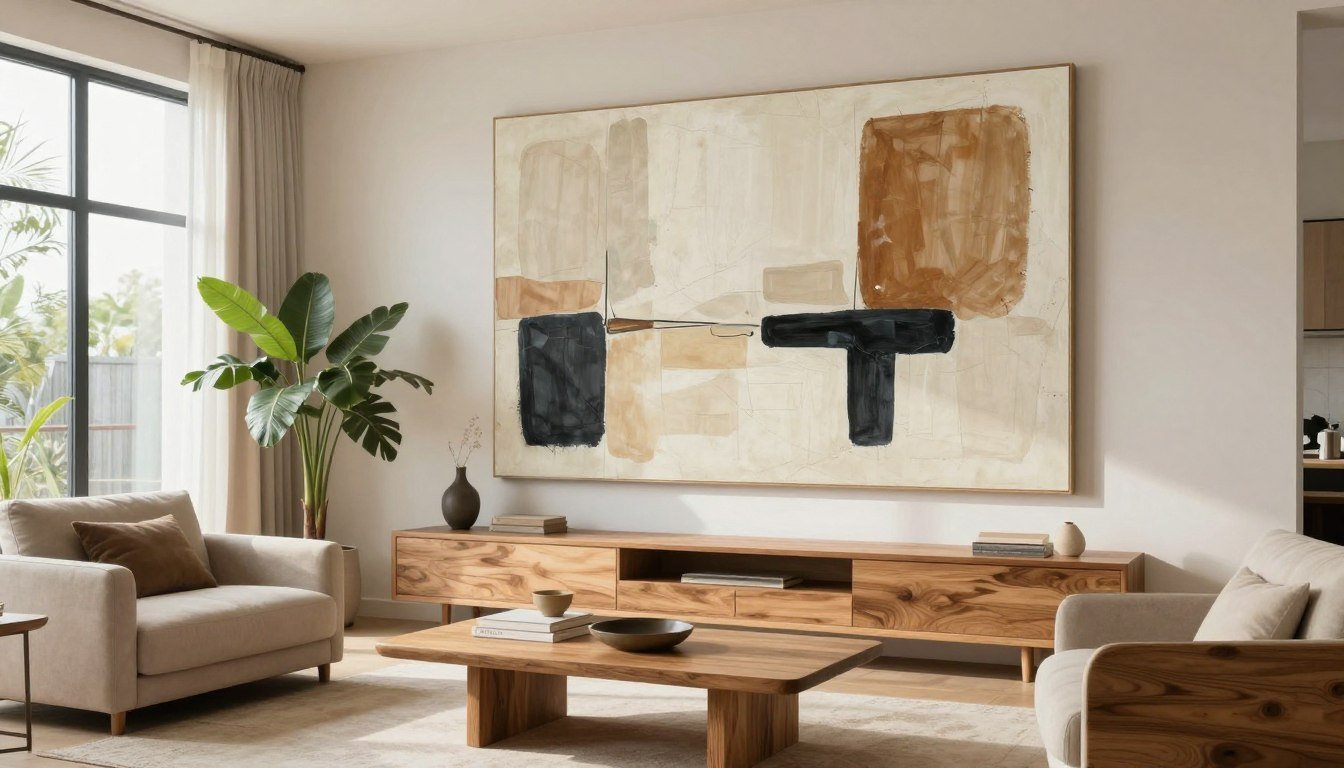

The world of interior design continues to evolve as we enter a new year filled with fresh possibilities. Homeowners across the United States are seeking ways to refresh their living spaces with styles that balance comfort, personality, and modern sensibility. This year brings a fascinating blend of nostalgia and innovation, where vintage charm meets contemporary minimalism.
Understanding current trends helps you make informed decisions about your space. The design landscape shows a clear shift toward authenticity and personal expression. People want their homes to tell a story that reflects their unique taste and values.
From bold color choices to subtle texture plays, the coming months offer exciting opportunities. Whether you're planning a complete renovation or simply looking to update a single room, these insights will guide your creative journey. Let's explore what designers and tastemakers are embracing right now.
Warm Earthy Color Palettes Dominate Interior Spaces
Color sets the emotional foundation for any room. This year witnesses a decisive move away from cool grays toward warmer, more inviting tones. Terracotta, burnt sienna, warm ochre, and soft clay shades are appearing in homes everywhere.

These natural hues create a grounding effect that makes spaces feel more connected to nature. Designers are pairing these warm tones with complementary shades like sage green and dusty rose. The result is a harmonious environment that feels both sophisticated and welcoming.
The psychology behind this trend is significant. After years of stark minimalism, people crave warmth and comfort in their personal spaces. These colors evoke feelings of security and calm, which has become increasingly important in our fast-paced world.
Implementing this palette doesn't require a complete overhaul. Start with accent walls, throw pillows, or carefully selected living room canvas art that incorporates these warm earth tones. Even small touches can transform the overall feel of your space.
Textured Walls and Dimensional Surfaces Create Visual Interest
Flat walls are giving way to surfaces with depth and character. Texture has emerged as a key design element this year, adding tactile richness to interiors. From limewash finishes to Venetian plaster, walls are becoming statement features.

This approach creates visual drama without overwhelming a space. Textured walls catch light differently throughout the day, creating ever-changing atmospheric effects. The interplay of shadow and highlight adds sophistication that plain surfaces simply cannot achieve.
Natural materials play a major role in this trend. Stone finishes, exposed brick, wood paneling, and fabric wall coverings all contribute unique texture profiles. Each material brings its own character and helps establish the room's overall aesthetic direction.
Artwork selection becomes crucial when working with textured walls. Original minimalist textured paintings complement dimensional walls beautifully, creating a layered look that feels intentional and curated. The key is balancing wall texture with art that enhances rather than competes.
Benefits of Textured Walls
- Hides minor wall imperfections effectively
- Adds acoustic dampening properties
- Creates unique light reflection patterns
- Provides a sophisticated backdrop for furniture
- Increases perceived value of the space
Popular Texture Techniques
- Limewash for subtle variation
- Venetian plaster for polished elegance
- Grasscloth wallcovering for organic feel
- Tadelakt for waterproof luxury
- Microcement for industrial-modern aesthetic
Vintage-Modern Fusion Brings Timeless Sophistication
The design world is embracing an eclectic approach that blends vintage pieces with contemporary elements. This fusion style creates spaces that feel collected over time rather than decorated all at once. The result is rooms with genuine character and depth.

Mixing furniture from different eras requires a thoughtful eye. The key is finding a common thread whether through color, material, or form. A vintage wooden sideboard can pair beautifully with sleek modern dining chairs when the wood tones complement each other.
This trend reflects a broader cultural shift toward sustainability and mindful consumption. Instead of purchasing complete furniture sets, people are investing in quality vintage pieces that bring history into their homes. These items often become conversation starters and family heirlooms.
Artwork plays a bridging role in vintage-modern spaces. Modern wall art can tie together disparate furniture styles, creating visual cohesion. The contrast between a contemporary abstract piece and vintage furniture creates dynamic tension that energizes a room.
Maximalist Expression Through Bold Patterns and Layers
After years of minimalist dominance, maximalism is making a confident comeback. This trend celebrates abundance, pattern mixing, and personal expression. It's about creating spaces that reflect individual personality rather than following rigid design rules.

The maximalist approach requires courage and editing skills. While the style embraces abundance, it still needs intentionality. Successful maximalist spaces have a clear color story or thematic thread that prevents them from feeling chaotic or overwhelming.
Pattern mixing is an art form within this trend. Florals can coexist with geometrics and stripes when they share a color palette. The scale of patterns matters as well. Combining large-scale and small-scale patterns creates visual hierarchy and prevents monotony.
Layering is essential to achieving authentic maximalist style. This means layering rugs, textiles, artwork, and decorative objects. Each layer adds depth and interest. The goal is creating a space that reveals new details upon each viewing.

Gallery Wall Approach
Create visual impact by clustering artwork of different sizes and styles. Mix frames in various materials and finishes. This approach works especially well in living rooms and hallways where wall space allows for creative expression.

Textile Layering
Combine different fabric weights, patterns, and textures. Layer a vintage rug over natural fiber flooring. Stack patterned pillows on solid furniture. This creates depth while maintaining comfort and functionality in your space.

Collected Display
Showcase personal collections and meaningful objects. Group items by color, material, or theme. This personalization makes maximalist spaces feel authentic rather than decorated. Every object should tell a story or bring joy to your daily life.
Natural Materials and Organic Elements Ground Modern Interiors
The connection between indoor spaces and the natural world has become a priority. Designers are incorporating authentic natural materials that bring organic warmth and texture into homes. This biophilic approach improves wellbeing while creating aesthetically pleasing environments.

Wood remains a cornerstone material but with fresh applications. Reclaimed wood, live-edge tables, and exposed ceiling beams add character. Different wood species create varying moods, from the warmth of walnut to the brightness of light oak.
Stone and metal elements provide contrast and durability. Marble, granite, and limestone bring natural pattern variations. Each slab is unique, offering one-of-a-kind visual interest. Metal accents in brass, bronze, and black iron add industrial touches that complement organic materials.
Plants have evolved from simple decoration to essential design elements. Large statement plants like fiddle leaf figs and monstera deliciosa serve as living sculpture. Smaller plants grouped together create green vignettes that purify air while adding life to any room.
Primary Natural Materials
Wood establishes warmth and grounds a space with its organic grain patterns. Stone provides permanence and natural beauty through unique veining. These materials age gracefully, developing patina that enhances their character over time.
- Solid hardwoods for furniture and flooring
- Natural stone for countertops and accent walls
- Bamboo for sustainable lightweight applications
- Cork for flooring and wall treatments
Complementary Organic Elements
Textiles made from natural fibers add softness and tactile appeal. Wool, linen, cotton, and jute bring texture while remaining environmentally friendly. These materials breathe naturally and improve with use and washing.
- Linen for curtains and upholstery
- Jute and sisal for area rugs
- Wool for throw blankets and pillows
- Cotton canvas for durable applications
Statement Ceilings Transform the Often-Forgotten Fifth Wall
Interior designers are directing attention upward. Ceilings are no longer an afterthought painted in standard white. They've become canvases for creativity, adding unexpected visual interest that elevates entire rooms.

Color on ceilings creates dramatic effects. Dark ceilings in dining rooms add intimacy and sophistication. Lighter shades can make small rooms feel more spacious. The key is considering how ceiling color interacts with wall tones and natural light patterns throughout the day.
Architectural details bring dimension to flat ceilings. Coffered ceilings, exposed beams, and decorative molding add character. These elements work in both traditional and contemporary settings when executed with appropriate materials and proportions.
Wallpaper and paint techniques offer endless creative possibilities. Metallic finishes reflect light beautifully. Patterned wallpaper creates visual drama. Even subtle texture can transform a plain ceiling into an interesting architectural feature.
Design Tip: When adding color or pattern to ceilings, consider the room's purpose and ceiling height. Lower ceilings benefit from lighter shades that create openness, while higher ceilings can handle darker, more dramatic treatments that bring the space into better proportion.
Curved Furniture and Soft Edges Replace Angular Minimalism
Sharp corners and rigid geometric forms are yielding to softer, more organic shapes. Curved furniture brings fluidity and comfort to interior spaces. This shift reflects a broader desire for environments that feel nurturing rather than austere.

Rounded sofas and chairs dominate furniture showrooms. These pieces invite relaxation while making powerful style statements. The curved silhouette softens a room's overall geometry, creating better flow and a more welcoming atmosphere.
Arched doorways and window frames are making comebacks in both new construction and renovations. These architectural curves add elegance and visual interest. They also create natural frame-like effects that draw the eye through spaces.
Circular and oval tables encourage conversation and social interaction. Without corners, these shapes facilitate better traffic flow in busy areas. They work particularly well in kitchens and dining rooms where people gather.
Pairing curved furniture with the right artwork enhances the overall aesthetic. Abstract paintings with flowing forms complement rounded furniture shapes, creating harmonious visual relationships that feel intentional and cohesive.
Multifunctional Spaces Adapt to Changing Lifestyle Needs
How people use their homes has fundamentally changed. Spaces must serve multiple purposes throughout the day. Flexible design solutions accommodate work, exercise, relaxation, and entertainment within the same room.

Furniture selection becomes critical in multipurpose rooms. Pieces that serve dual functions maximize space efficiency. A console table can function as a desk. A ottoman provides seating, storage, and a coffee table surface when needed.
Room dividers create zones without permanent walls. Bookcases, screens, and curtains define areas while maintaining openness. This approach works especially well in open-plan layouts where distinct activity zones improve functionality.
Storage solutions hide clutter when spaces transition between uses. Built-in cabinets, hidden compartments, and stylish baskets keep items organized. The ability to quickly transform a room's purpose depends on efficient storage systems.
- Adjustable ergonomic desk setup
- Proper task lighting for screen work
- Acoustic treatment for video calls
- Cable management solutions
- Inspiring artwork to boost creativity
Home Office Essentials
- Comfortable sleeping arrangement
- Adequate closet and drawer space
- Privacy window treatments
- Reading light and charging stations
- Welcoming decor and personal touches
Guest Room Features
- Clear floor space for movement
- Motivating music system
- Mirror for form checking
- Equipment storage solutions
- Energizing color scheme and art
Exercise Area Needs
Sustainable and Conscious Design Choices Shape Purchasing Decisions
Environmental awareness influences every aspect of interior design. Consumers increasingly prioritize sustainability when selecting materials, furniture, and decor. This shift reflects broader values around responsible consumption and environmental stewardship.

Reclaimed and recycled materials reduce environmental impact while adding unique character. Salvaged wood flooring tells a story. Recycled metal fixtures demonstrate that sustainability and style coexist beautifully.
Local and handcrafted items support artisans while reducing transportation emissions. These pieces often exhibit superior craftsmanship compared to mass-produced alternatives. The connection to maker and origin adds meaning to everyday objects.
Longevity matters more than trends. Investment in quality pieces that endure both physically and stylistically makes economic and environmental sense. This approach contrasts sharply with disposable fast-furniture culture.
Supporting artists who create original work aligns with sustainable values. Original abstract paintings and modern sculptures are one-of-a-kind pieces that won't end up in landfills. They appreciate in value while bringing daily joy to your home.
Artisanal and Handcrafted Elements Add Authentic Character
Mass production has created uniformity across many homes. The pendulum is swinging back toward handmade items that showcase human skill and creativity. These pieces bring warmth and individuality that machine-made objects cannot replicate.

Ceramics and pottery bring organic shapes and surface variations. Each piece shows the maker's hand through subtle irregularities. These imperfections create beauty and distinguish handmade items from factory-produced alternatives.
Woven textiles add texture and cultural richness. Whether macrame wall hangings or hand-knotted rugs, these pieces demonstrate traditional skills passed through generations. They connect contemporary spaces to textile heritage from around the world.
Supporting the handmade economy builds community connections. Purchasing from local artisans keeps traditional skills alive. These transactions feel more meaningful than anonymous online shopping from large corporations.
Artisan Spotlight: When selecting handcrafted pieces, research the maker's process and materials. Understanding the creation story deepens appreciation and ensures you're supporting authentic craftspeople rather than mass-market items marketed as handmade.
Bold Kitchen Statements Move Beyond All-White Designs
Kitchens are shedding their neutral uniforms. Homeowners embrace color, pattern, and personality in these hardworking spaces. The result is kitchens that function beautifully while expressing individual style preferences.

Cabinet colors have exploded beyond white and gray. Deep navy, forest green, and even black create sophisticated backdrops. Two-tone kitchens pair island colors with perimeter cabinets for visual interest and depth.
Backsplashes become artistic focal points. Patterned tiles, textured stone, and even metallic finishes add drama. These surfaces provide opportunities for personal expression in an otherwise functional space.
Open shelving displays beautiful dishware and collected objects. This trend works when items are thoughtfully curated and regularly used. The key is maintaining organization so the look stays intentional rather than cluttered.
Kitchen design extends to nearby dining areas where artwork ties spaces together. A carefully selected piece from modern wall art collections creates visual flow between kitchen and dining zones while adding personality.
Kitchen Color Trends
Bold hues transform kitchens from purely functional to genuinely inspiring. Color selection should consider natural light, room size, and personal tolerance for saturation. Remember that kitchens endure for years, so choose shades you'll love long-term.
- Deep jewel tones like emerald and sapphire create luxury
- Warm earth shades bring organic comfort
- Black adds drama when balanced with lighter elements
- Soft pastels provide subtle personality
- Two-tone combinations offer dynamic visual interest
Material Mix
Combining materials adds depth and prevents monotony. Wood, stone, and metal each bring distinct qualities. The interplay between these materials creates kitchens with character.
Bathroom Spa Sanctuaries Prioritize Wellness and Luxury
Bathrooms have evolved from purely functional spaces to personal wellness retreats. This transformation reflects growing awareness of self-care and mental health. People invest in creating bathroom environments that support daily renewal.

Natural materials dominate spa-inspired bathrooms. Stone tiles, wood vanities, and plants create connections to nature. These elements promote relaxation while remaining practical for humid environments.
Lighting design sets mood and functionality. Layered lighting with dimmers allows adjustment throughout the day. Soft ambient lighting for evening baths contrasts with bright task lighting for morning routines.
Texture plays a crucial role in bathroom comfort. Plush towels, stone tiles, smooth porcelain, and natural wood create varied tactile experiences. This sensory richness enhances the spa-like quality people seek.
Even small bathrooms benefit from thoughtful design. A piece of calming artwork, perhaps from minimalist textured painting collections, can transform a basic bathroom into a peaceful retreat without requiring major renovation.
Metal Finishes Embrace Mixed Metallics and Warm Tones
The rule of matching all metal finishes has been abandoned. Designers now mix metals freely, creating layered and collected looks. This approach adds depth while allowing flexibility in fixture and hardware selection.

Warm metals have overtaken cool chrome and silver. Brass, bronze, copper, and gold bring richness to spaces. These finishes develop beautiful patina over time, aging gracefully rather than looking worn.
Black metal fixtures provide modern contrast. Matte black faucets, light fixtures, and hardware create strong graphic elements. This finish works particularly well in contemporary and industrial-inspired interiors.
Mixing metals requires some restraint. Successful combinations typically involve two or three metal tones rather than every available finish. A dominant metal establishes the overall tone while accent metals add interest.
Benefits of Mixed Metals
- Creates visual interest and depth
- Allows flexibility in fixture selection
- Prevents matchy-matchy uniformity
- Accommodates inherited or vintage pieces
- Enables gradual updates over time
Potential Challenges
- Requires careful balance and restraint
- Can look chaotic without cohesive plan
- May complicate future fixture replacements
- Needs consistent undertone coordination
Window Treatments Take a Layered and Functional Approach
Windows frame our view of the outside world while controlling light and privacy. Modern window treatments balance these practical needs with aesthetic considerations. Layering different treatments provides maximum flexibility and visual interest.

Sheer curtains filter light while maintaining privacy during daytime. They soften harsh sunlight and create gentle, diffused illumination. When paired with heavier drapes or blinds, they offer complete light control throughout the day.
Natural fiber shades bring organic texture to windows. Bamboo, jute, and woven wood shades complement the broader trend toward natural materials. These treatments work well in casual spaces and pair beautifully with additional fabric layers.
Statement drapery hardware adds architectural interest. Oversized rods, decorative finials, and interesting brackets become design elements. Metal finishes should coordinate with other metals in the room for visual cohesion.
Frame windows properly and they enhance artwork placement. Understanding how natural light changes throughout the day helps position art to best advantage. Pieces from canvas art collections can be strategically placed to benefit from window light at specific times.
Personalized Gallery Walls Tell Individual Stories
Gallery walls remain popular but have evolved beyond matching frame sets. Today's gallery walls mix frame styles, artwork sizes, and subject matter. They showcase personal stories and curated collections rather than following formulaic arrangements.

Planning a gallery wall requires patience and experimentation. Laying out arrangements on the floor before hanging prevents regrettable holes in walls. Consider the overall shape - horizontal arrangements suit spaces above sofas, while vertical layouts work well in narrow wall areas.
Mixing artwork types creates visual richness. Combine paintings, photographs, prints, and even three-dimensional objects. This variety prevents monotony while reflecting diverse interests and experiences.
Spacing and alignment impact the overall effect. Consistent spacing between pieces creates cohesion even when frames vary. Some designers align tops or bottoms while others prefer more organic arrangements.
Curate Your Perfect Gallery Wall
Discover original abstract paintings and modern art pieces that reflect your unique style. Our carefully curated collections make it easy to find artwork that tells your story and transforms your walls into personal galleries.
Bedroom Design Focuses on Restful Retreats
Quality sleep has become a wellness priority. Bedroom design reflects this shift toward creating environments that promote genuine rest. These spaces minimize stimulation while maximizing comfort and tranquility.

Color selection in bedrooms emphasizes calming hues. Soft blues, gentle greens, warm neutrals, and muted earth tones promote relaxation. These shades lower visual stimulation and create environments conducive to sleep.
Clutter reduction improves sleep quality and mental wellbeing. Adequate storage keeps surfaces clear and minds at ease. Built-in solutions and under-bed storage maximize space while maintaining clean aesthetic lines.
Bedroom lighting requires multiple layers for different activities. Bright overhead lighting for cleaning and dressing. Adjustable reading lights for bedtime. Blackout window treatments for uninterrupted sleep cycles.
Artwork in bedrooms should support the restful atmosphere. Abstract pieces in soothing colors from painting collections create focal points without overstimulation. The right artwork enhances the peaceful environment essential for quality rest.
Outdoor-Indoor Living Blurs Traditional Boundaries
The connection between indoor and outdoor spaces has strengthened considerably. Design now treats patios, decks, and gardens as extensions of interior living areas. This approach maximizes usable space while deepening our relationship with nature.

Large windows and glass doors dissolve barriers between inside and outside. These openings flood interiors with natural light while framing outdoor views. When weather permits, spaces flow together creating expanded living areas.
Material continuity strengthens the indoor-outdoor connection. Carrying flooring materials from interior to exterior creates visual flow. Similar color palettes and design styles make transitions feel natural and intentional.
Outdoor rooms now feature true comfort and style. Weather-resistant furniture has evolved beyond plastic basics. High-quality outdoor pieces rival indoor furniture in both aesthetics and comfort.
Plants serve as living bridges between environments. Large floor plants near windows create sightlines that extend into gardens. This layering of greenery at different distances adds depth and reinforces the nature connection.
Smart Home Integration Enhances Daily Convenience
Technology integration has become nearly invisible in well-designed homes. Smart devices blend into decor while providing unprecedented control over lighting, climate, security, and entertainment. The goal is enhancing life without dominating the aesthetic.

Voice control reduces the need for visible switches and controls. Lights, thermostats, and music respond to verbal commands. This technology works best when devices integrate seamlessly rather than cluttering surfaces with gadgets.
Motorized window treatments offer convenience and energy efficiency. Programmed schedules adjust coverings based on time of day and sun position. Remote control provides instant adjustment for privacy or light without leaving your seat.
Smart lighting systems transform ambiance instantly. Scenes programmed for different activities adjust brightness and color temperature. This flexibility supports various room functions without physical fixture changes.
Design Consideration: Plan smart home integration during initial design phases rather than retrofitting. Concealing wires, planning outlet locations, and coordinating device placement prevents technology from compromising your aesthetic vision.
Transform Your Space with Curated Art Collections
Artwork serves as the soul of interior design, infusing personality and emotion into every room. The pieces you choose reflect your values, experiences, and aesthetic sensibilities. Quality art elevates spaces from merely decorated to genuinely meaningful.

Original artwork carries energy that reproductions cannot match. Each piece represents an artist's vision and creative process. This authenticity creates connections between the art, the space, and the people who experience it daily.
Abstract art offers remarkable versatility across design styles. Flowing forms and color combinations work with both traditional and contemporary interiors. The interpretive nature allows viewers to find personal meaning and connection.
Sculptural elements add three-dimensional interest to rooms. Modern sculptures create focal points that change appearance as light shifts throughout the day. These pieces invite interaction and contemplation in ways flat artwork cannot.

Living Room Canvas Art
Anchor your living space with statement pieces that spark conversation and set the room's tone. Large-scale canvases create immediate impact while smaller groupings build visual interest through thoughtful arrangement.
Explore Collection
Textured Paintings
Experience art that engages both visual and tactile senses. Dimensional surfaces catch light beautifully, creating ever-changing displays as natural light shifts throughout your day in your home.
View Textures
Modern Sculptures
Add dimensional art that transforms from every viewing angle. Sculptures create dynamic focal points that invite closer inspection and offer new discoveries over time as you live with them.
Browse SculpturesSelecting art requires considering scale, color, and emotional resonance. Measure wall spaces carefully and consider how pieces will interact with furniture and lighting. The goal is creating balanced compositions that enhance rather than overwhelm your rooms.
Art placement affects how spaces feel and function. Hanging artwork at proper heights ensures optimal viewing. Lighting enhances appreciation while protecting pieces from damage. These technical considerations matter as much as aesthetic choices.
Building an art collection happens gradually for most people. Start with pieces you genuinely love rather than following trends. Your collection should evolve as your taste develops and your understanding of what moves you deepens over the years.
Bringing Interior Design Trends Together Cohesively
Successfully implementing multiple design trends requires careful editing and clear vision. Not every trend will suit your lifestyle, space, or personal aesthetic. The art lies in selecting elements that genuinely resonate and combining them thoughtfully.

Start with a foundational color palette that guides all decisions. This doesn't mean everything matches perfectly. Rather, a cohesive color story provides structure within which individual elements can shine without creating chaos.
Balance is essential when mixing trends. If you embrace bold maximalism in one area, allow other spaces to breathe with simpler treatments. This prevents sensory overload while creating visual rhythm throughout your home.
Personal style should always trump trends. Your home must function for your lifestyle and reflect your authentic taste. Trends provide inspiration and direction, but your comfort and happiness matter most.
Consider the long-term when making permanent changes. Paint colors can change easily, but tile installations and built-in features require significant investment. Reserve trend experimentation for easily updated elements like textiles, artwork, and accessories.
Easily Updated Elements
These components allow trend experimentation without major commitment or expense. They offer flexibility as your taste evolves and new trends emerge in coming years.
- Throw pillows and blankets
- Artwork and wall decor
- Area rugs and runners
- Lighting fixtures and lamps
- Window treatments and curtains
- Decorative accessories
Investment Pieces
Choose these foundational elements with care and longevity in mind. Quality pieces in timeless styles will serve you well regardless of shifting trends.
- Upholstered furniture frames
- Wood furniture and cabinetry
- Flooring materials
- Tile work in bathrooms and kitchens
- Built-in storage and shelving
- Original artwork and sculptures
Color Application
Strategic color use creates impact while maintaining flexibility. Focus bold hues where changes remain manageable without major renovation work.
- Accent walls for drama
- Cabinet paint in kitchens
- Textile color through fabrics
- Artwork as color source
Texture Layering
Build visual and tactile interest through varied surface treatments. Texture adds sophistication without requiring bold color commitments.
- Dimensional wall treatments
- Varied fabric weights and weaves
- Mixed material combinations
- Textured art and sculptures
Complete Your Interior Design Vision with Rossetti Art
Every design journey requires the perfect finishing touches. Art serves as the punctuation mark that completes your design sentences. It transforms good rooms into exceptional spaces that reflect your unique perspective and taste.
Discover Art That Defines Your Style
Explore our curated collections of original paintings and modern sculptures designed to complement today's interior design trends. Each piece is carefully selected to bring sophistication, personality, and lasting value to your home. Whether you're drawn to bold abstract expressions or subtle minimalist textures, find artwork that speaks to your aesthetic vision and elevates your space beyond ordinary.
Investment in quality art pays dividends in daily enjoyment and long-term value. Unlike trendy decor items that quickly feel dated, original artwork appreciates both aesthetically and financially. These pieces become cherished parts of your home's story.
The relationship between art and interior design is symbiotic. Great design provides the perfect backdrop for artwork to shine. Exceptional art elevates the entire design scheme. Together, they create environments that nourish the spirit and inspire daily life.
Your home deserves the personal touch that only carefully selected art can provide. As you implement the interior design trends that resonate with your style, remember that artwork ties everything together. It's the element that makes a house feel like your home.
Frequently Asked Questions About Interior Design Trends and Art
What are the most important interior design trends for 2025?
The dominant interior design trends for this year include warm earthy color palettes, textured walls and surfaces, vintage-modern furniture fusion, maximalist expression through bold patterns, natural materials and organic elements, statement ceilings, curved furniture with soft edges, multifunctional flexible spaces, sustainable design choices, and artisanal handcrafted elements. These trends reflect a broader shift toward authenticity, comfort, and personal expression in home design.
How do I choose art that works with current design trends?
Select artwork that complements your room's color palette and overall aesthetic direction. Abstract paintings work exceptionally well because they're interpretive and versatile across different design styles. Consider the scale of your wall space and choose pieces that create appropriate visual weight. Textured paintings add dimensional interest that pairs beautifully with the current trend toward layered, tactile interiors. Look for original pieces that bring authenticity to your space rather than mass-produced prints.
Should I follow trends or stick with timeless design?
The best approach combines both strategies. Use timeless elements for major investments like furniture frames, flooring, and built-in features. Incorporate current trends through easily updated elements such as paint colors, textiles, accessories, and artwork. This balanced method allows you to enjoy fresh, contemporary style while maintaining long-term value and avoiding costly renovations when trends shift. Your personal comfort and authentic taste should always guide decisions regardless of what's currently popular.
How can I incorporate art into a small space without overwhelming it?
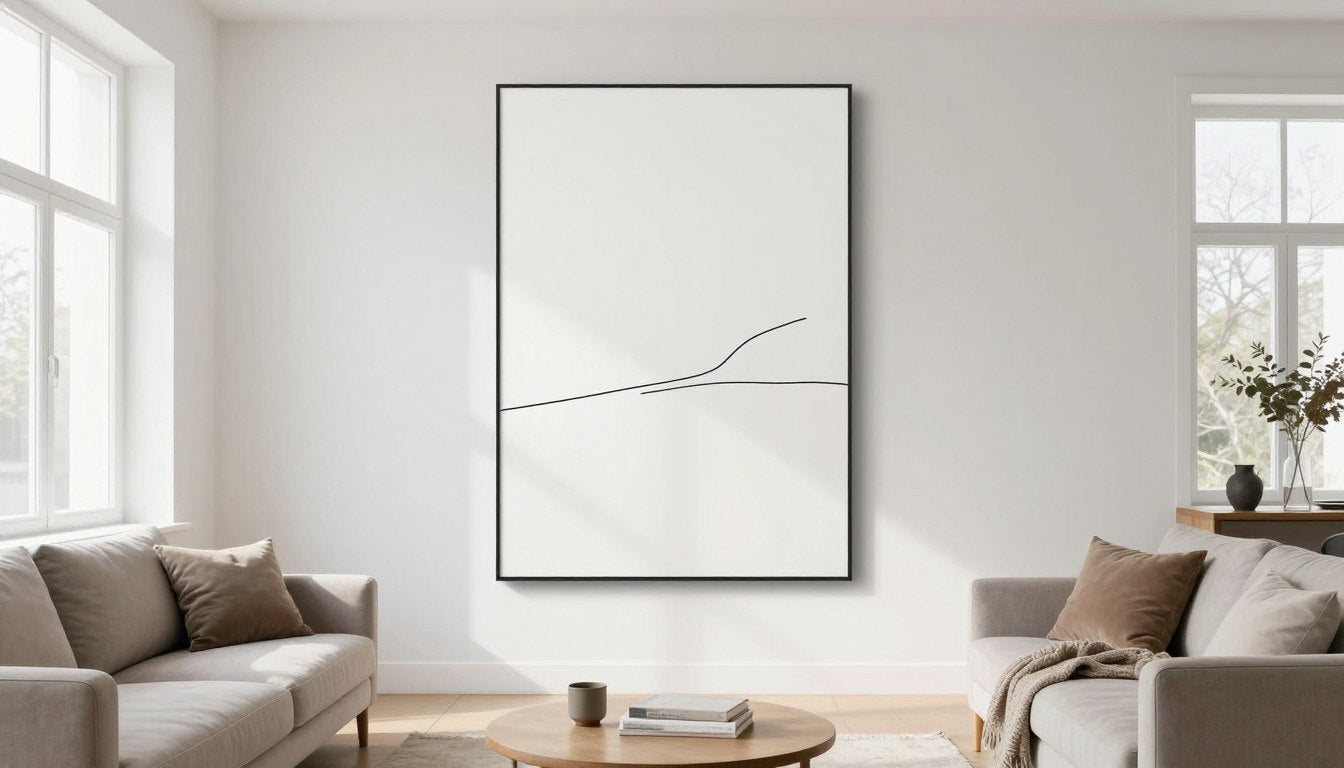
In smaller rooms, choose one statement piece rather than multiple small artworks that can create visual clutter. Hang artwork at eye level to create proper scale relationships. Consider vertical pieces that draw the eye upward, making ceilings feel higher. Light-colored or minimalist abstract pieces can make small spaces feel larger and more open. Avoid heavy dark frames that add visual weight. A single well-chosen piece from collections like minimalist textured paintings can transform a small room without overwhelming it.
What's the difference between original art and prints?
Original art is one-of-a-kind, created directly by the artist, featuring unique textures, brushstrokes, and surface qualities that cannot be replicated. These pieces often appreciate in value over time and carry the energy of the creative process. Prints are reproductions of original work, typically mass-produced, lacking the dimensional texture and authenticity of originals. While prints cost less initially, original artwork provides lasting value, stronger visual impact, and the satisfaction of owning a unique piece that nobody else in the world possesses.
How do I mix modern art with traditional or vintage furniture?
Modern art creates beautiful contrast with traditional furniture, bridging different time periods through shared color palettes or complementary styles. Look for common threads such as similar tones, shared textures, or repeating shapes that create visual connections. Abstract modern art works particularly well in vintage-filled rooms because it provides contemporary balance without clashing. The key is ensuring artwork and furniture share at least one unifying element, whether color, material reference, or emotional tone. This approach creates collected, sophisticated spaces with genuine character.
What size artwork should I choose for my wall?
For artwork above furniture, choose pieces that span roughly two-thirds to three-quarters of the furniture width. When hanging art on open walls, consider the wall's proportions and surrounding elements. Large walls benefit from statement pieces or gallery wall arrangements. Small walls work better with proportionally smaller art. Measure your space before shopping and consider how the piece will relate to nearby furniture and architectural features. When in doubt, go slightly larger rather than too small, as undersized art often gets lost visually.
Are textured paintings worth the investment?
Textured paintings offer unique value because they engage multiple senses and change appearance as light shifts throughout the day. The dimensional surface creates shadows and highlights that flat artwork cannot achieve. These pieces align perfectly with current design trends emphasizing tactile, layered interiors. Original textured paintings are one-of-a-kind creations that bring authenticity and craftsmanship to your space. They typically maintain or increase value over time, making them both aesthetically and financially sound investments for homeowners who appreciate quality art.
How can sculptures enhance my interior design?
Sculptures add three-dimensional interest that creates focal points and conversation starters. Modern sculptures work beautifully on console tables, shelving units, mantels, and pedestals throughout your home. They look different from every viewing angle, offering visual discovery as you move through your space. Sculptures complement the current trend toward organic, curved forms in furniture design. They bring art into spaces where wall art might not work, such as room centers or tight corners. Quality sculptures elevate your entire design scheme while showcasing your sophisticated taste.
What role does art play in creating a cohesive design throughout my home?
Art serves as a unifying thread that ties different rooms together while allowing each space to maintain its unique character. A consistent approach to art selection, whether through similar color palettes, complementary styles, or shared themes, creates flow throughout your home. Artwork can pull accent colors from one room into adjacent spaces, establishing visual connections. It also provides opportunities to express personality consistently across your entire home. Strategic art placement guides movement through spaces and creates natural focal points that organize furniture arrangements and sight lines effectively.
Embracing Interior Design Trends That Reflect Your Personal Style
The world of interior design offers endless possibilities for creating spaces that truly feel like home. This year's trends emphasize authenticity, comfort, and personal expression over rigid design rules. The movement toward warmer colors, natural materials, and handcrafted elements reflects our collective desire for genuine connection in our living environments.

Your home should evolve with you, adapting to changing needs and reflecting your growth. The trends discussed here provide inspiration and direction, but your authentic preferences matter most. Select elements that genuinely resonate with your lifestyle and values rather than blindly following what's currently popular.
Quality artwork remains the most powerful tool for personalizing your space. Original pieces bring energy, authenticity, and lasting value that mass-produced decor cannot match. Whether you're drawn to abstract expressions, minimalist textures, or dimensional sculptures, the right art completes your design vision and makes your house feel like home.
As you implement these interior design ideas throughout your space, remember that the journey matters as much as the destination. Creating a home you love takes time, thoughtfulness, and patience. Each carefully considered addition contributes to an environment that nurtures and inspires you daily.
Start your design transformation today by exploring how original art can anchor and elevate your interior spaces. The perfect piece awaits to complete your vision and bring your design dreams to life.

About the Author
Chiara Rossetti
Chiara Rossetti is the founder of Rossetti Art, a canvas print and original art brand. She writes about interior design, wall art styling, and the art of making a home feel alive.


Leave a comment
This site is protected by hCaptcha and the hCaptcha Privacy Policy and Terms of Service apply.