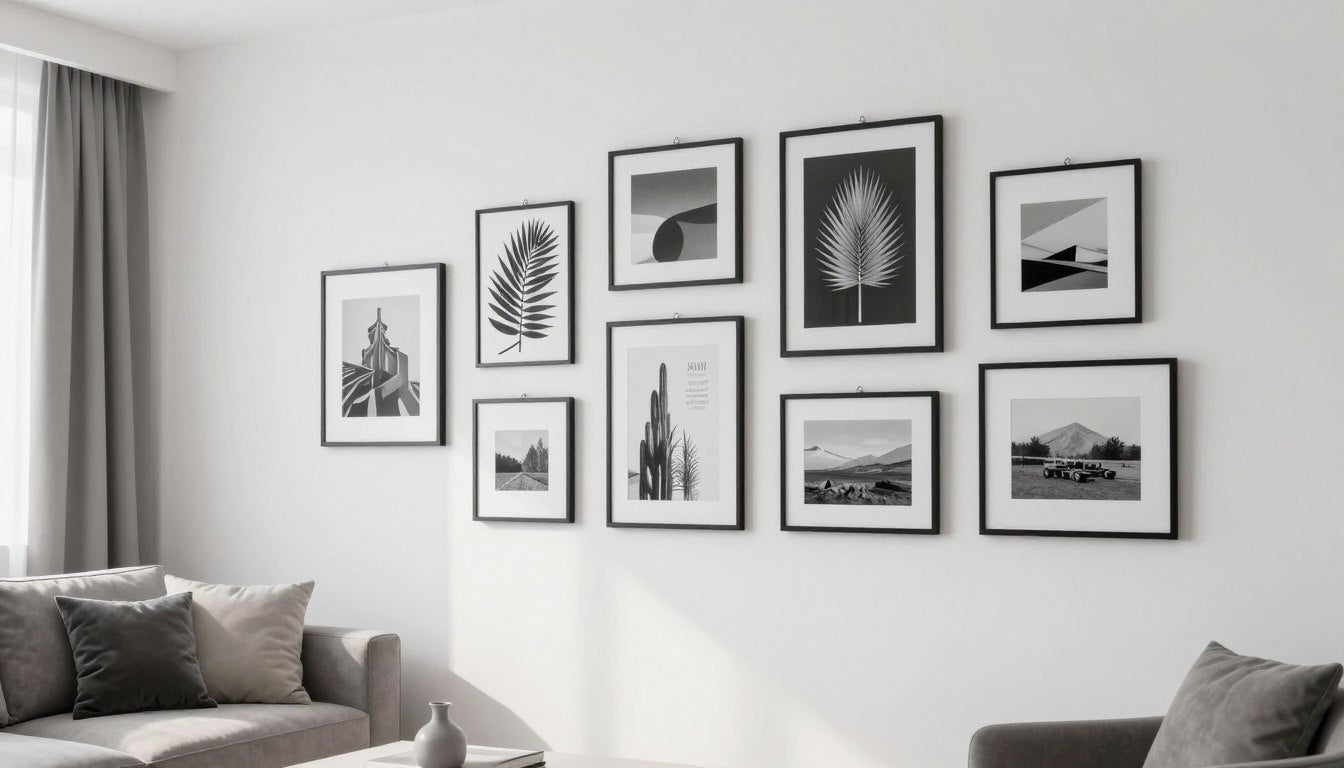
Blank walls make any space feel incomplete. But if you're renting or simply want to avoid damaging your walls, traditional picture hanging with nails isn't always an option. The good news? You don't need holes to create a stunning gallery wall.
Modern hanging solutions let you display artwork without leaving a trace. From adhesive strips to clever hooks, these methods work on various wall surfaces. They support different frame weights and styles too.
This guide covers eight proven ways to hang wall art without nails. You'll learn which method works best for your specific situation. Whether you have drywall, plaster, or brick walls, there's a damage-free solution waiting for you.

The Best Lightweight Solution: Canvas Prints for Damage-Free Hanging
Canvas prints offer the perfect solution for nail-free wall art. They weigh significantly less than framed pieces. Most canvas prints work beautifully with adhesive methods.
Ready-to-hang canvas art comes with built-in hanging hardware. You simply need to attach your chosen damage-free hook or strip. The lightweight nature means less stress on your walls.
Perfect Prints for Damage-Free Hanging
These lightweight canvas prints are specifically designed for easy, nail-free installation. Each piece ships ready to hang with minimal wall impact.

Abstract Canvas Prints
Bold designs, featherlight canvas

Botanical Wall Art
Nature-inspired, renter-friendly

Line Art Canvas
Minimal weight, maximum style
The beauty of canvas lies in its construction. Gallery-wrapped canvas stretches over wooden frames. This creates a finished look without heavy glass or thick frames.
Different canvas sizes work with different hanging methods. Small pieces under two pounds suit command strips perfectly. Larger artwork may need adhesive hooks or picture hanging strips.
Command Strips: The Renter's Best Friend
Command strips revolutionized damage-free picture hanging. These adhesive strips stick to both your wall and your frame. They hold firmly but remove cleanly when needed.

How Command Strips Work
The strips use a special adhesive technology. One side bonds to your wall surface. The other side attaches to your picture frame or canvas.
When you want to remove them, you simply pull the strip straight down. The adhesive releases without damaging paint or leaving residue. This makes them perfect for rental properties.
Choosing the Right Command Strip Size
Command strips come in various weight capacities. Small strips hold up to one pound. Medium options support three to four pounds. Large picture hanging strips can handle frames up to eight pounds.
Small Frames (Under 2 lbs)
Use two to four small command strips per frame. Perfect for standard photo frames and small canvas prints.
- 8x10 inch frames
- Small nursery prints
- Photo collages
- Lightweight artwork
Medium Frames (2-5 lbs)
Medium strips work well for typical wall art. Use four strips per piece for extra security.
- 16x20 inch canvas prints
- Bedroom wall art
- Matted photographs
- Standard artwork
Large Frames (5-8 lbs)
Large command strips handle heavier pieces. Always use the maximum recommended number.
- 24x36 inch frames
- Living room canvas
- Gallery wrapped art
- Substantial pieces
Extra Large (Over 8 lbs)
For heavier artwork, consider alternative methods. Command strips have weight limits you shouldn't exceed.
- Large framed mirrors
- Heavy gallery frames
- Multiple panel sets
- Thick wooden frames
Installation Tips for Command Strips
Clean your wall surface before applying strips. Use rubbing alcohol to remove any dust or oils. Let the wall dry completely.
Press firmly on each strip for 30 seconds. Wait one hour before hanging your picture. This gives the adhesive time to bond properly with your wall.

Adhesive Hooks and Hangers
Adhesive hooks provide another excellent nail-free option. They work similarly to command strips but offer different hanging styles. Many come with decorative finishes too.
Types of Adhesive Hooks
Stick-on hooks come in numerous varieties. Some have traditional picture hanging wire slots. Others feature simple hooks for frames with hanging hardware.
Damage-free hooks use strong adhesive technology. They stick securely to painted walls, drywall, and even some textured surfaces. Most brands promise clean removal without leaving marks.
Best Surfaces for Adhesive Hooks
Smooth painted walls work best for adhesive hooks. The hook needs a flat surface to create a proper seal. Textured walls may not provide enough contact area.
Clean, dry surfaces are essential. Moisture prevents proper adhesion. Dust and dirt also interfere with the bonding process.

Picture Rails and Gallery Systems
Picture rail systems offer a traditional solution without nails. These rails mount near your ceiling. Wires or cords drop down to hold your artwork.
How Picture Rails Work
A picture rail installs once along your wall. You can use adhesive mounting for truly damage-free installation. Or mount it with minimal screws at the top edge.
Adjustable wires hang from the rail. These wires attach to your picture frames. You can easily move artwork up and down or side to side.

Benefits of Gallery Rail Systems
Rails let you rearrange artwork frequently. No new holes appear when you swap pieces. This flexibility appeals to people who like changing their decor.
The system works particularly well for renters. One rail supports multiple pieces. You avoid creating dozens of holes in your walls.
Pro Tip: Picture rails work beautifully with canvas print sets. You can create dynamic arrangements that change with your mood or season.
Match Your Hanging Method to Your Space
Different rooms call for different hanging approaches. Your bedroom needs different solutions than your home office. Consider the room's purpose when choosing your method.
Find Art That Matches Your Room's Vibe
Every space deserves art that complements its purpose. Browse our curated collections designed for specific rooms and moods.

Bedroom Canvas Art
Calming designs for restful spaces. Lightweight prints perfect for adhesive hanging.
Shop Bedroom Art
Office Canvas Prints
Inspiring artwork for productive workspaces. Easy to install and reposition.
Explore Office Art
Entryway Statements
Make memorable first impressions with bold entryway art that hangs securely.
View Entryway ArtLiving Room Solutions
Living rooms often feature larger artwork. Gallery rails work excellently here. They let you create museum-quality displays without damaging walls.
Command strips suit medium-sized pieces beautifully. Consider using multiple strips for heavier living room canvas art. This distributes weight evenly across your wall.

Bedroom Picture Hanging
Bedrooms benefit from lighter hanging methods. Command strips work perfectly for standard bedroom artwork. The quiet removal process won't disturb your peaceful space.
Consider placement carefully in bedrooms. Art above the bed should be securely fastened. Use extra adhesive strips for safety and peace of mind.
Office and Workspace Art
Home offices need motivating artwork. Adhesive hooks let you change pieces as your projects evolve. This flexibility keeps your workspace fresh and inspiring.
Lighter pieces work best in offices. Canvas prints for offices offer professional aesthetics without installation hassle. They create polished environments for video calls too.
Washi Tape for Lightweight Art
Washi tape provides a creative, damage-free hanging option. This decorative tape works best for very lightweight items. Think paper prints, postcards, or thin posters.
Using Washi Tape Effectively
Create tape corners on all four sides of your artwork. Press firmly but gently against your wall. The tape should support the piece without overwhelming it visually.
Washi tape comes in countless colors and patterns. You can match it to your decor or make it a design element. Some people create decorative borders entirely from tape.

Weight Limitations
Washi tape isn't suitable for heavy pieces. Limit this method to paper items under a few ounces. Canvas prints and framed pictures need stronger solutions.
The tape works beautifully for temporary displays. College students and frequent movers appreciate its flexibility. You can rearrange your gallery wall daily without consequences.
Choosing Methods Based on Wall Type
Your wall surface determines which hanging methods work best. Different materials require different approaches. Understanding your walls helps you select the right solution.
Drywall Hanging Solutions
Drywall is the most common interior wall type. It works with nearly all damage-free hanging methods. Command strips adhere excellently to painted drywall.
Make sure your drywall paint is fully cured. Fresh paint may come off when you remove adhesive products. Wait at least 30 days after painting before hanging art.

Plaster Wall Options
Plaster walls can be tricky for adhesive methods. Older plaster may be textured or powdery. Test your adhesive in an inconspicuous spot first.
Picture rails work wonderfully on plaster walls. They avoid the adhesion issues entirely. Plus, they protect historic plaster from potential damage.
Brick and Concrete Surfaces
Textured brick walls pose challenges for adhesive strips. The uneven surface prevents proper bonding. Brick clips offer a better solution for these spaces.
Brick clips hook over individual bricks. They hold wire-hung pictures securely. No drilling or adhesive required. Simply slide them onto the brick edge.
Textured Walls
Heavily textured walls resist most adhesive methods. Consider these alternatives instead.
- Picture rail systems
- Brick clips for exposed brick
- Removable mounting putty
- Professional damage-free hardware
Smooth Painted Walls
Smooth surfaces offer the most hanging options. Almost any method works beautifully here.
- Command strips (all weights)
- Adhesive hooks
- Picture hanging strips
- Washi tape for light items
Understanding Weight Limits for Safe Hanging
Every damage-free hanging method has weight limits. Exceeding these limits risks your artwork falling. It can also damage your walls despite using "damage-free" products.
| Hanging Method | Weight Capacity | Best For | Wall Type |
| Small Command Strips | Up to 1 lb | Photos, small prints | Smooth painted walls |
| Medium Command Strips | 3-4 lbs | Standard frames, canvas | Drywall, plaster |
| Large Picture Strips | Up to 8 lbs | Large canvas, framed art | Smooth surfaces |
| Adhesive Hooks | 1-5 lbs (varies) | Wire-hung pictures | Painted drywall |
| Picture Rail System | 20+ lbs (per rail) | Gallery walls, heavy art | All wall types |
| Washi Tape | Under 2 oz | Paper prints, postcards | Any smooth surface |
Weighing Your Artwork
Use a kitchen scale to weigh your pictures before hanging. This simple step prevents accidents. Account for the frame, glass, and artwork together.
Lightweight canvas prints typically weigh one to three pounds. Standard framed photos range from two to five pounds. Large gallery frames can exceed ten pounds easily.
Weight Distribution Tip: When using multiple adhesive strips or hooks, distribute them evenly. This prevents stress concentration on any single point. Your artwork hangs more securely this way.
Professional Installation Tips
Proper installation ensures your damage-free hanging actually stays damage-free. Follow these professional techniques for best results. They work across all hanging methods.
Surface Preparation Steps
Clean walls before applying any adhesive product. Use rubbing alcohol on a lint-free cloth. This removes oils, dust, and residue that interfere with bonding.
Let your wall dry completely before proceeding. Even slight moisture prevents proper adhesion. Wait at least five minutes after cleaning.

Level Placement Techniques
Always use a level when hanging art. Even slight tilts become obvious over time. Your eye will constantly notice the misalignment.
Mark your desired position lightly with a pencil. For command strips, mark where each strip will go. This ensures even spacing and alignment.
Adhesive Curing Time
Most adhesive products need curing time. Command strips require one hour before you hang pictures. Some heavy-duty options need 24 hours.
Resist the urge to hang immediately. Patience here prevents fallen artwork later. Set a timer if needed to track the waiting period.
- Clean walls thoroughly before starting
- Wait for adhesive to cure properly
- Use a level for straight placement
- Check weight limits carefully
- Distribute weight with multiple strips
- Test in hidden spots first
Installation Do's
- Hang on freshly painted walls
- Exceed manufacturer weight limits
- Skip surface preparation steps
- Use damaged or old adhesives
- Hang in extreme temperatures
- Rush the curing process
Installation Don'ts
Creative Nail-Free Display Ideas
Damage-free hanging opens up creative possibilities. You can experiment with layouts without commitment. Try these inspiring display ideas in your space.
Gallery Wall Arrangements
Create dynamic gallery walls using command strips. Mix different sizes and styles freely. Rearrange pieces until you find the perfect composition.
Start with your largest piece as an anchor. Build around it with smaller artwork. Maintain consistent spacing for a professional look.

Floating Shelf Displays
Combine floating shelves with leaning artwork. Adhesive-mounted shelves hold frames propped against walls. This layered look adds depth and interest.
Shelf displays work beautifully with canvas print sets. Layer multiple pieces for a curated, collected appearance. Change them seasonally for fresh looks.
Grid Pattern Layouts
Uniform grid arrangements create modern, organized displays. Use identical frames in consistent spacing. This works especially well in offices and dining rooms.
Command strips make grid layouts easy to achieve. Mark your grid with painter's tape first. Apply strips at each intersection point.

Troubleshooting Common Hanging Problems
Even with damage-free methods, issues can arise. Understanding common problems helps you address them quickly. Most have simple solutions that don't require nails.
Adhesive Won't Stick
If strips or hooks won't adhere properly, check your wall surface. Textured walls may need different solutions. Temperature also affects adhesive performance.
Adhesives work best at room temperature. Cold walls prevent proper bonding. Warm your strips by pressing them in your hands before applying.
Temperature Warning: Avoid hanging art in extreme temperatures. Heat above 105°F or cold below 50°F reduces adhesive effectiveness. Wait for moderate conditions.
Pictures Keep Falling
Fallen artwork usually indicates weight issues. You may have exceeded the product's capacity. Add more strips or upgrade to a higher-weight option.
Check that you pressed the adhesive firmly enough. Thirty seconds of firm pressure is minimum. Some products need even longer initial pressing.
Removing Adhesive Residue
Most damage-free products leave no residue when removed correctly. Pull straight down slowly for command strips. Don't pull away from the wall surface.
If residue remains, use rubbing alcohol to clean it. Apply with a soft cloth and gentle pressure. The residue should wipe away easily.
Ready-to-Hang Canvas Art: The Ultimate Nail-Free Solution
The easiest damage-free option? Choose artwork designed for simple hanging. Ready-to-hang canvas prints come prepared for immediate display. No special tools or hardware needed.
Museum-Quality Canvas, Zero Wall Damage
Our canvas prints ship ready to hang with built-in hardware. Lightweight gallery-wrapped construction works perfectly with command strips and adhesive hooks. Free worldwide shipping on every order.


- Gallery-wrapped edges for finished look without frames
- Lightweight construction perfect for adhesive hanging
- Built-in mounting hardware included
- Museum-quality printing and materials
- Free worldwide shipping, no minimum order
- Perfect for renters and damage-free decorating
Why Canvas Beats Traditional Frames
Traditional framed art includes heavy glass and thick frames. This weight requires stronger mounting solutions. Canvas eliminates these heavy components entirely.
Gallery-wrapped canvas looks complete without additional framing. The artwork continues around the edges. This creates a modern, finished appearance straight from the box.
The lightweight nature makes canvas ideal for renters. You can use simple command strips for most sizes. Move frequently? Canvas packs and transports easily without glass breakage concerns.

Choosing Art Styles for Different Rooms
Your room's function influences which art styles work best. Consider both aesthetics and practical hanging requirements. Different spaces call for different approaches.
Modern Minimalist Spaces
Line art canvas prints complement clean aesthetics perfectly. Simple designs don't compete with minimalist decor. Black and white options maintain the streamlined look.
Bohemian Eclectic Rooms
Mix abstract geometric prints with natural elements. Layer multiple pieces using various hanging methods. The relaxed aesthetic forgives imperfect placement.
Classic Traditional Interiors
Portrait canvas prints suit traditional spaces beautifully. Choose ornate subject matter with classic composition. Gallery rails enhance the traditional aesthetic.
Contemporary Urban Lofts
Cityscape canvas prints echo urban environments. Bold graphics and modern photography work well. Large-scale pieces make strong statements.
Nature-Inspired Spaces
Botanical wall art prints bring outdoors inside. Natural subjects create calming atmospheres. Perfect for bedrooms and meditation spaces.
Family-Friendly Areas
Animal canvas prints appeal to all ages. Whimsical designs add playfulness without being childish. Durable canvas withstands active household life.
For dining spaces, consider dining room wall art that stimulates conversation. Bold pieces work well in social areas. They give guests something engaging to discuss.
Kids' rooms benefit from changeable displays. Use command strips for frequent rotation. As children grow, their tastes evolve. Damage-free hanging accommodates these changes easily.
Maintaining Your Damage-Free Display
Proper maintenance keeps your nail-free gallery looking fresh. Regular attention prevents problems before they start. These simple practices protect both artwork and walls.
Regular Inspection Schedule
Check your hanging hardware monthly. Look for signs of adhesive failure or stress. Corners lifting slightly indicate the need for replacement.
Inspect picture wires and hanging hardware too. Even damage-free methods use these components. Replace worn wires before they fail completely.
Cleaning Around Mounted Art
Dust your artwork gently with a microfiber cloth. Avoid putting pressure on the hanging points. Canvas prints can be vacuumed on low setting with a brush attachment.
Don't spray cleaners directly on walls near hanging hardware. Moisture weakens adhesive bonds over time. Use slightly damp cloths for wall cleaning instead.

Seasonal Adjustments
Temperature and humidity changes affect adhesive products. Summer heat may weaken bonds slightly. Winter dryness can too.
Check your artwork after seasonal transitions. Add extra support if needed. This preventive approach stops pieces from falling during weather changes.
Cost Analysis: Damage-Free vs. Traditional Hanging
Damage-free hanging methods vary in price. Some cost more initially than nails and picture hangers. However, consider the long-term value, especially for renters.
Financial Benefits
- No wall repair costs when moving
- Preserve security deposits fully
- Reuse hanging hardware multiple times
- Avoid professional repair services
- No paint touch-up expenses
- Change displays freely without cost
Initial Investment
- Command strips cost more than nails
- Picture rail systems need upfront purchase
- Quality adhesive hooks aren't cheap
- May need trial and error testing
- Replacing failed adhesives adds cost
- Specialty solutions for unique walls
For renters, damage-free methods pay for themselves. A typical security deposit deduction for wall damage ranges from $50 to $200. Quality command strips for an entire apartment cost $30 to $50.
Homeowners benefit too. Easy picture rearrangement encourages fresh decor updates. You experiment more freely when changes don't leave permanent marks.
Eco-Friendly Hanging Choices
Some damage-free methods offer environmental advantages. Reusable options reduce waste compared to disposable products. Consider sustainability in your hanging choices.
Reusable Hanging Solutions
Picture rail systems last for years. Once installed, they support unlimited artwork changes. No consumable products needed for each new piece.
Some adhesive hooks can be cleaned and reused. Check manufacturer guidelines for reusability. This extends product life and reduces waste.
Sustainable Art Choices
Canvas prints typically use less packaging than framed art. No glass means lighter shipping weight too. This reduces transportation emissions.
Look for canvas prints made with eco-friendly inks and materials. Many manufacturers now offer sustainable options. Original paintings on canvas represent the most sustainable choice of all.
Consider supporting artists who use recycled materials or sustainable practices. Your purchasing decisions influence industry standards. Choose vendors committed to environmental responsibility.
Frequently Asked Questions
What is the best way to hang wall art without nails?
Command strips are the most versatile option for most situations. They work on smooth painted walls and support artwork up to eight pounds. For heavier pieces, picture rail systems offer superior weight capacity. The best method depends on your wall type, artwork weight, and whether you want permanent or changeable displays.
How much weight can command strips hold?
Command strip weight capacity varies by product type. Small strips hold up to one pound. Medium strips support three to four pounds. Large picture hanging strips handle up to eight pounds. Always use the quantity recommended by the manufacturer and never exceed the stated weight limit for safety.
Will adhesive strips damage painted walls?
Quality adhesive strips like Command brand remove cleanly when used correctly. Pull the strip straight down slowly to release the adhesive without damaging paint. Avoid using adhesive products on freshly painted walls. Wait at least 30 days after painting to ensure proper paint curing.
What's the best wall art for damage-free hanging?
Lightweight canvas prints are ideal for damage-free hanging methods. They weigh significantly less than traditional framed art with glass. Gallery-wrapped canvas prints come ready to hang and work perfectly with command strips. Most canvas pieces under 16x20 inches weigh less than three pounds, making them compatible with standard adhesive hanging solutions.
Can you hang heavy pictures without nails?
Yes, but you need appropriate methods for heavy artwork. Picture rail systems support pieces over 20 pounds when properly installed. For items between 8-15 pounds, use multiple large command strips distributed evenly. Consider professional damage-free hanging hardware designed specifically for heavy artwork. Always verify weight capacity before hanging.
How do you hang pictures on textured walls without nails?
Textured walls challenge adhesive methods because uneven surfaces prevent proper bonding. Picture rail systems work best for heavily textured walls. Brick clips suit exposed brick surfaces. For light texture, try using extra adhesive strips to compensate for reduced contact area. Test in an inconspicuous spot first to verify adhesion.
Do command strips work on all wall types?
Command strips work best on smooth painted surfaces like drywall and smooth plaster. They perform poorly on textured walls, brick, concrete, and wallpaper. The surface must be clean, dry, and smooth for proper adhesion. Test on your specific wall type in a hidden area before committing to a visible location.
How long do adhesive hanging strips last?
Quality adhesive strips maintain their hold for years when properly installed. Factors affecting longevity include temperature fluctuations, humidity levels, and wall surface condition. Inspect hanging hardware every few months for signs of weakening. Replace strips if you notice corners lifting or if artwork feels loose. Proper installation and ideal conditions ensure maximum lifespan.
Transform Your Space Without Wall Damage
Hanging wall art without nails opens up decorating possibilities for everyone. Renters gain freedom to personalize their spaces. Homeowners enjoy flexibility to change displays seasonally. The methods outlined here work for nearly every situation.
Start with your lightest pieces and simple methods. Build confidence before tackling larger artwork. Remember that proper surface preparation makes the difference between success and failure.
Canvas prints offer the easiest entry into damage-free decorating. Their lightweight construction pairs perfectly with adhesive hanging methods. The ready-to-hang format eliminates complicated installation steps.
Whether you choose command strips, picture rails, or adhesive hooks, you can create beautiful displays. Your walls stay pristine. Your artwork looks professionally hung. And you maintain complete flexibility to change things whenever inspiration strikes.
The damage-free hanging movement represents more than just avoiding holes. It reflects how we live now - flexibly, sustainably, and with respect for our spaces. Transform your blank walls into inspiring galleries. No nails required.

Leave a comment
This site is protected by hCaptcha and the hCaptcha Privacy Policy and Terms of Service apply.