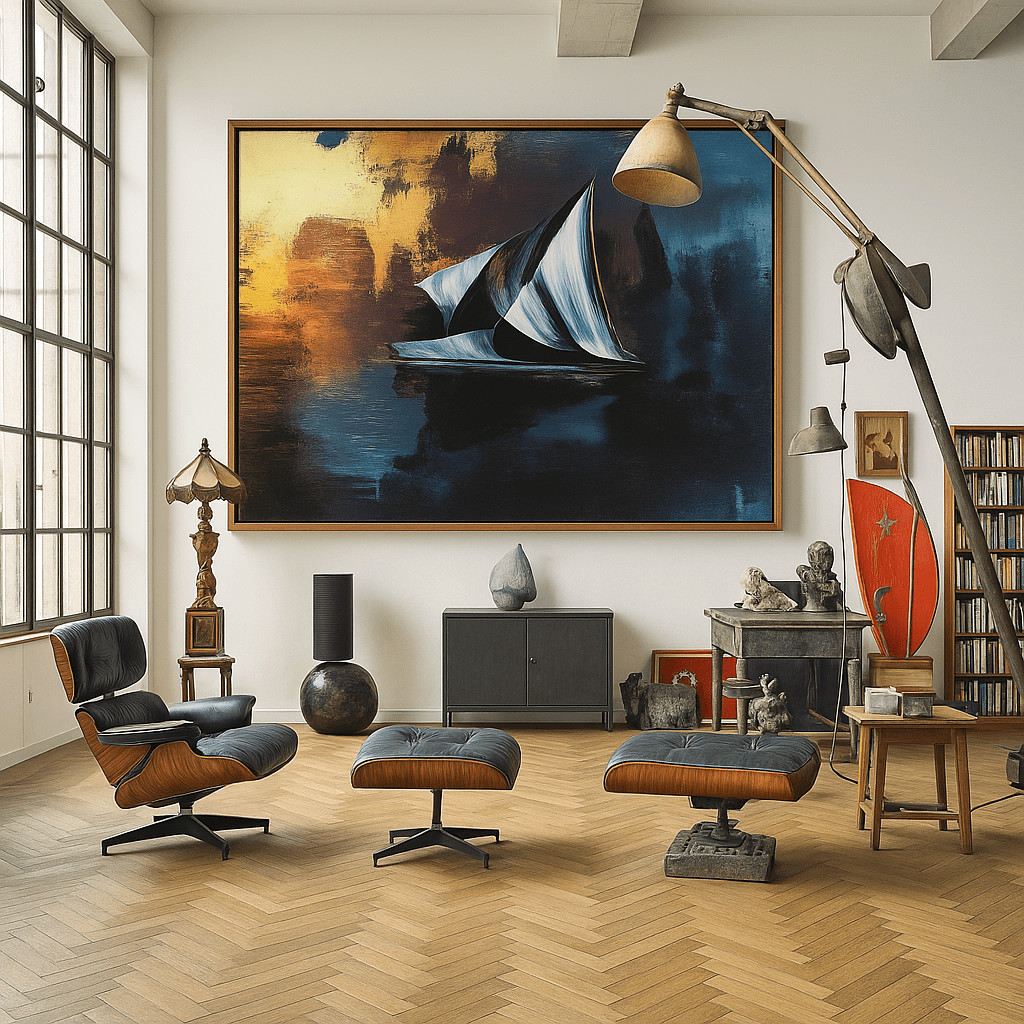
Coastal Canvas Wall Art: How to Choose Pieces That Feel Elevated, Not Cliché
How can coastal canvas wall art bring in the calm of the coast without making your home feel like a beach rental?
The answer is less about shells and signs, and more about proportion, restraint, texture, and atmosphere. The right canvas art can suggest sea air, shifting light, and open horizons while still feeling considered.
Quick Answer: What Makes Coastal Canvas Wall Art Feel Elevated?
Choose canvas art with a restrained palette, strong composition, and a scale that suits the wall. Sandy neutrals, soft blue, driftwood tones, abstract waves, and high-contrast coastal scenes usually feel more current than literal beach symbols.
For the best result, match the canvas finish and frame to the room, then select one focal piece instead of filling every wall with a theme.
In this article:
- How to choose a coastal palette
- Canvas finishes and framing choices
- Composition, scale, and placement
- Room-by-room canvas recommendations
- Abstract waves, sailboats, horizons, and monochrome art
- Product-led coastal canvas options
- How to avoid a literal beach theme
- Key Takeaways
- Keep Reading
- Frequently Asked Questions
Choose a Coastal Palette That Feels Collected
Color sets the emotional temperature of coastal wall art. A pale blue canvas can make a room feel airy, while charcoal and white bring depth. The best options echo existing finishes instead of introducing a completely separate scheme.
Sandy Neutrals and Driftwood Tones
Sand, oat, putty, warm white, and weathered brown work well with linen, oak, rattan, and natural stone. This palette is quiet enough for a living room, yet rich enough to prevent the wall from feeling empty.
Soft Blue and Sea Glass
Muted blue is a flexible choice for bedrooms and bathrooms. Look for gray-blue, mist, or sea-glass notes rather than bright turquoise. These shades suggest the coast without copying a postcard.
High-Contrast Black and White
Black-and-white coastal prints create a sharper look. They suit modern rooms, gray sofas, and spaces with black lighting or metal details. A strong shadow can give a simple ocean scene visual energy.
Need more palette and landscape options?
Browse a flexible range of canvas art before choosing the color that best supports your space.
Compare Canvas Finishes and Framing Choices
A finish changes how light moves across the art. A matte surface reduces glare in sunny rooms, while a lightly textured surface can add the tactile quality associated with canvas art. Before ordering, consider windows, lamps, and the viewing distance.
When to Choose a Gallery-Wrap Canvas
A gallery wrap keeps the look clean and contemporary. It works well above a console, sofa, or bed when the image can stand on its own. A neutral edge keeps the result calm.
When a Frame Adds Structure
A slim black frame sharpens monochrome art. Natural wood supports sandy neutrals and driftwood tones. A frame can also help a canvas connect with nearby furniture, mirrors, and trim.
For broader framing principles, the Museum of Modern Art’s guide to displaying art offers useful context for spacing and presentation.
Use Composition and Scale to Control the Wall
Scale is often more important than the image subject. A small print above a large sofa may look accidental, while an oversized panel can make a narrow entry feel crowded.
Measure Before You Buy
- Measure the furniture below the wall art.
- Leave visual breathing room at both sides.
- Keep the center of the piece near eye level.
- Use a wide canvas for a long sofa or console.
- Choose a vertical piece for a narrow wall or tall entry.
For a grouped arrangement, keep spacing consistent. A wall art set should feel like one composition, not several unrelated items. Repeat one color or line across the set to create order.
Think About the Horizon
A visible horizon can make a room feel wider. Abstract surf and layered brushwork create movement without demanding a literal scene. Consider where the main line sits in relation to nearby furniture.
Choose Coastal Wall Art Room by Room
Living Room
The living room can support a large focal canvas above the sofa. Try an ocean horizon, abstract wave, or subdued seascape. Keep surrounding wall art limited so the main piece has room to breathe.
Bedroom
Choose soft blue, sand, or gray for a restful mood. A horizontal canvas above the headboard can reinforce the room’s width. Avoid busy surf if the bedding already has a strong pattern.
Dining Room
Dining spaces can handle deeper contrast. Black-and-white coastal art or a stormy sea palette adds atmosphere without competing with table settings. A slim frame creates a finished edge.
Entryway
An entry needs a piece that reads quickly. A vertical canvas, small art set, or simplified sailboat composition can establish the mood of the home. Pair it with a console and one practical light source.
Bathroom
Soft blue and sea-glass tones work naturally in a bathroom. Select a protected canvas location away from direct splashing and heavy steam. A smaller piece may be more practical than a large panel.
Which coastal wall art style fits your home?
If you want to avoid predictable beach decor, use this focused guide before selecting your canvas pieces.
Match the Art Style to the Feeling You Want
Abstract Waves
Abstract waves suit a design-forward home because they suggest motion without showing every detail. They work especially well with simple furniture and quiet walls.
Sailboats and Egrets
A sailboat can bring a gentle sense of travel to a room. An egret canvas adds a lighter, more vertical rhythm. Use either subject as a single accent rather than repeating it throughout the home.
Ocean Horizons
Horizon art is a safe choice for a broad wall. It can make the room feel open and often pairs well with low furniture, pale rugs, and long curtains.
Black-and-White Coastal Art
Monochrome coastal prints work when you want the subject to feel architectural. The contrast can balance pale walls and connect with black hardware.
Product-Led Coastal Canvas Options to Consider

Abstract Sailboat Canvas Art
A useful option for an entry, living room, or relaxed reading space where a soft nautical reference feels appropriate.

Ocean Coral Elegance
A colorful canvas print can add gentle ocean energy to a neutral room without relying on obvious beach symbols.

Black Ocean Canvas Print
This high-contrast direction suits modern interiors, gray sofas, dark accents, and rooms that need stronger visual weight.
Support a Coastal Interior Without Creating a Theme
Refined coastal design uses references rather than a complete scene. Repeat the feeling through materials, light, and proportion. Let the art be one part of the room, not a list of beach items.
- Choose one dominant coastal canvas wall art piece.
- Repeat one related color in a pillow, rug, or vase.
- Mix canvas with wood, ceramic, glass, or woven texture.
- Skip matching shells, anchors, signs, and repeated nautical motifs.
- Use negative space to make the room feel calm.
Natural light matters, too. The Architectural Digest overview of coastal interiors shows how texture and restraint can carry the look beyond literal beach decoration. For color planning, Benjamin Moore’s color palette resources can help you compare warm and cool neutrals. For more on hanging height and grouping, see Houzz’s guide to choosing art for the home.
Key Takeaways
- Start with the room, not the subject.
- Use muted blue, sand, driftwood, or monochrome color with intention.
- Measure the wall and furniture before choosing a canvas size.
- Match the finish and frame to the room’s light and materials.
- Use abstract waves, horizons, sailboats, or egret canvas art as selective references.
- Place the strongest CTA after the reader has enough information to make a confident choice.
Keep Reading
Frequently Asked Questions
What colors work best for coastal canvas wall art?
Muted blue, sandy neutral, driftwood brown, gray, warm white, and black can all work well. Choose the palette that supports your existing furniture and light.
How large should coastal wall art be above a sofa?
As a general starting point, choose a piece or art set that spans about two-thirds to three-quarters of the sofa width. Always measure the wall and leave comfortable side space.
Can black-and-white art still feel coastal?
Yes. Ocean movement, horizon lines, surf, and coastal silhouettes can communicate the coast without color. Black-and-white art is especially effective in modern rooms.
Is canvas art suitable for a bathroom?
It can be suitable when placed away from direct water and intense steam. A well-ventilated bathroom and a protected location will help preserve the canvas.
How can I make coastal wall art look less cliché?
Use one strong piece, limit repeated nautical symbols, and focus on composition, texture, and palette. The result should suggest the coast rather than illustrate it literally.
Choose the Feeling Before the Subject
The best coastal wall art does not need to show a perfect beach. It can capture openness through a horizon, movement through surf, or calm through a restrained palette. Start with your room, measure carefully, and choose a canvas that adds atmosphere without taking over.


Leave a comment
This site is protected by hCaptcha and the hCaptcha Privacy Policy and Terms of Service apply.