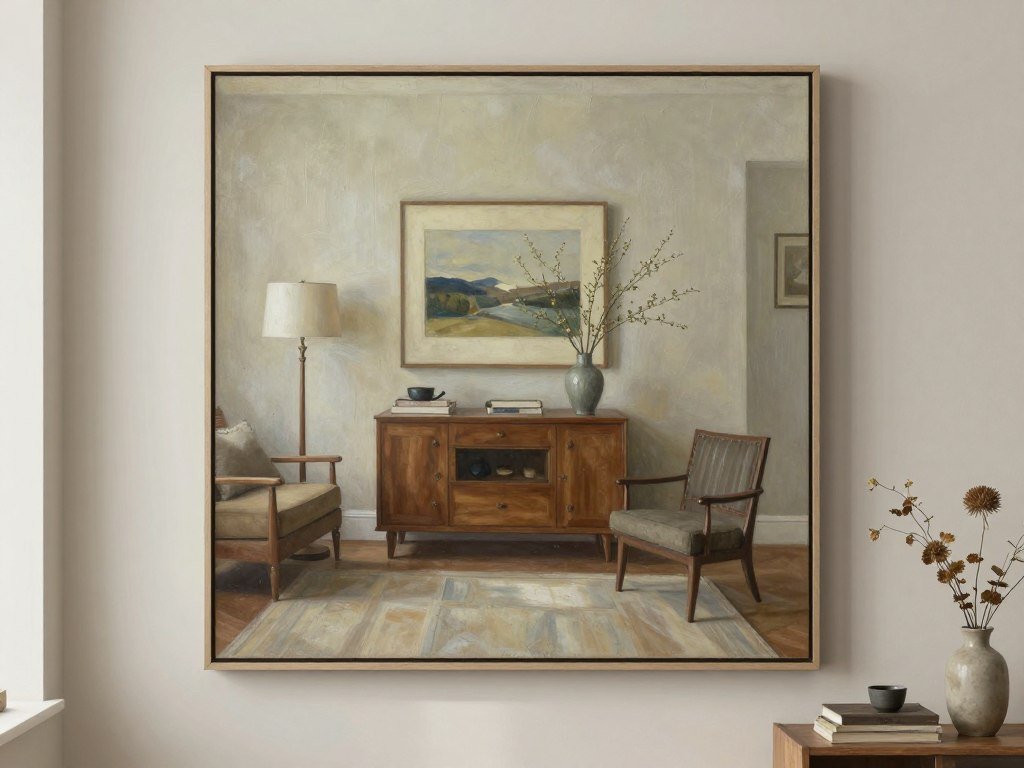
The State of Online Art Buying: Trends, Trust, and What’s Changing in 2026
What makes more people comfortable buying original art online when they cannot touch the canvas or stand in front of it first?
Quick answer: Buying original art online is becoming more confident because sellers now provide clearer artwork details, better photography, room previews, shipping information, and customer support. The safest approach is to compare scale, materials, artist information, price, delivery, and return terms before you purchase.
In this article:
- Why online art buying is changing
- How trust is built in 2026
- Why images, video, and Live Preview matter
- Original paintings versus prints
- How to review an online art listing
- What leading art marketplaces do well
- A practical buying checklist
- Keep Reading
- Frequently Asked Questions
- Conclusion
Key takeaways for a confident purchase
- Study the listing: Confirm dimensions, materials, framing, condition, and artist information.
- Use visual tools: A room preview can reduce uncertainty about size and placement.
- Read the policies: Review delivery, packaging, returns, exchanges, and customer service details.
- Compare the format: An original painting is different from a limited edition or canvas print.
- Buy at your pace: A beautiful piece should feel right for the room and the budget.
Why buying original art online is changing
Online art shopping once felt like a compromise. A customer could see a photograph, but not the full presence of the piece. That concern has not disappeared. The buying experience has improved around it.
Today, many platforms give shoppers more ways to inspect artwork before purchase. Listings may show several views, close details, room settings, and information about the artists. Clearer communication also helps customers understand price, delivery, and service expectations.
Design-conscious buyers can now search by color, style, room, size, or medium. This makes the web useful for both first-time customers and experienced collectors. It also gives independent artists a place to reach people beyond a local gallery.
The emotional reason for buying remains simple. A painting can make a room feel personal. It can mark a time in life, support artists, or bring a visual idea into daily view.
How trust is built in 2026
Trust starts with precise information. A listing should explain what the artwork is, who made it, what it measures, and what the customer will receive. Vague wording creates more questions than confidence.
Information buyers should expect
- Artist name, location, and relevant background
- Medium, surface, dimensions, and framing details
- Condition notes and clear photographs
- Price, taxes where relevant, and delivery expectations
- Return, exchange, payment, and customer support information
Authenticity also matters. For an original, ask how the seller defines the term. For a limited edition, check the edition size and whether a certificate or signed record is provided. The National Endowment for the Arts offers useful context on artists and the wider arts ecosystem.
Secure checkout is another basic trust signal. Look for a protected payment process, a clear order confirmation, and practical post-purchase communication. A helpful customer service team can make delivery questions easier to resolve.
Why images, video, and Live Preview matter
Photography is not decoration on an art listing. It is part of the buying information. A useful image shows the whole painting, while detail views help the customer understand brushwork, texture, edges, and finish.

Look for scale
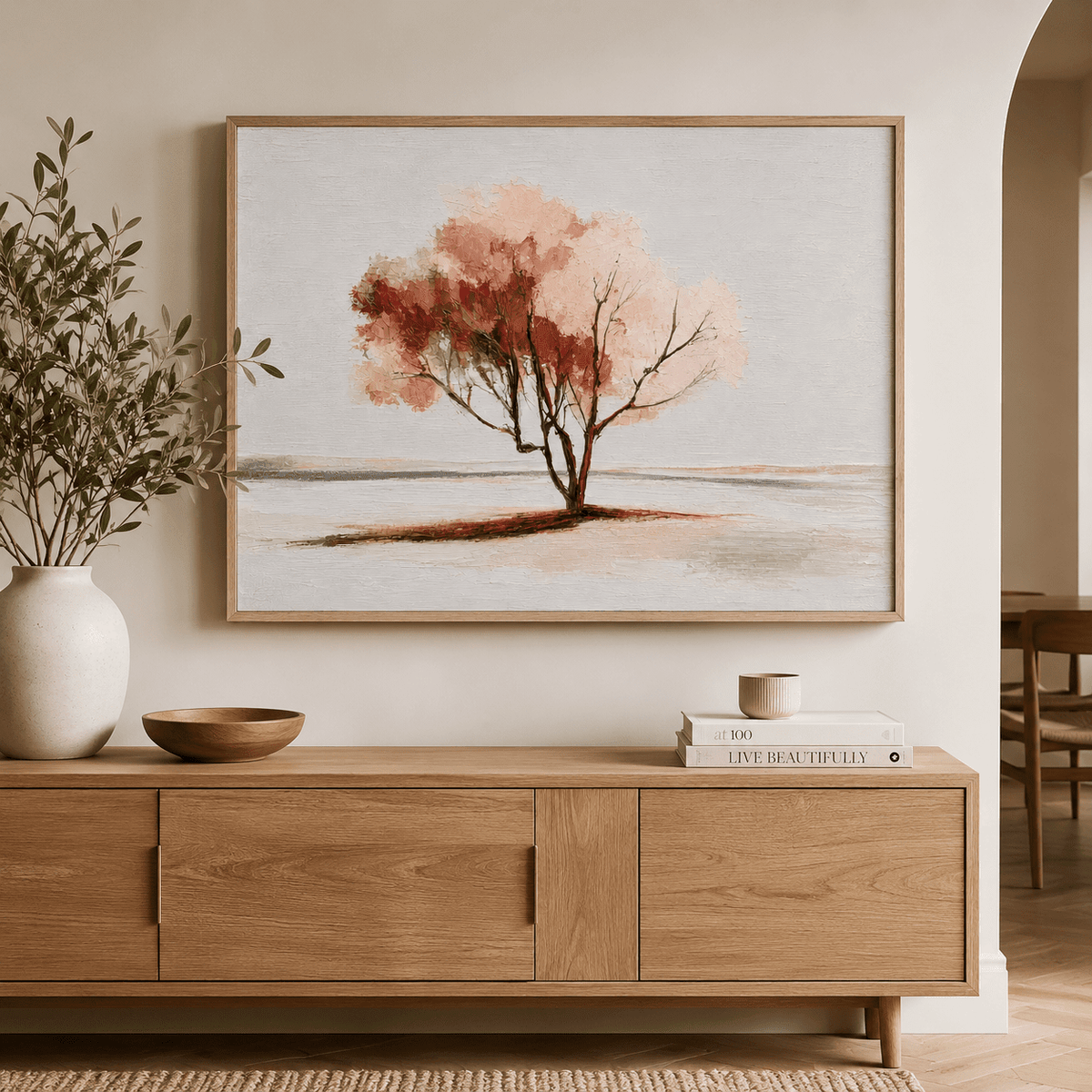
A room image can show how the artwork relates to furniture, walls, and empty space.

Look for surface
A close view may reveal paint movement, grain, layering, or a smooth printed finish.

Look for context
A Live Preview tool can help you test size, color, and placement before committing.
Video walkthroughs add another layer. They can show the artwork turning, the edge profile, and the way light moves across the surface. They cannot replace seeing a piece in person, but they can answer practical questions that one static image cannot.
Want to browse paintings with a clearer sense of scale?
Explore a considered collection and compare artwork, dimensions, and styles at your own pace.
Browse Original PaintingsOriginal paintings versus prints and reproductions
The word “art” can describe several formats. Knowing the difference helps you compare price and meaning fairly. An original painting is a one-of-a-kind work made by an artist. A limited edition is produced in a defined quantity. A canvas print reproduces an existing image.
| Format | What it means | Best question to ask |
|---|---|---|
| Original painting | A unique artwork made by the artist. | How is originality described and documented? |
| Limited edition | A reproduction made in a stated edition. | What is the edition size and number? |
| Canvas print | A printed image on canvas or another surface. | What are the printing and framing details? |
| Open edition print | A reproduction without a fixed edition limit. | How may color and finish differ from the screen? |
Price often reflects labor, materials, size, rarity, artist demand, and presentation. A lower price does not automatically mean low quality. It may reflect a smaller piece, a newer artist, or a different format. Compare like with like before deciding.
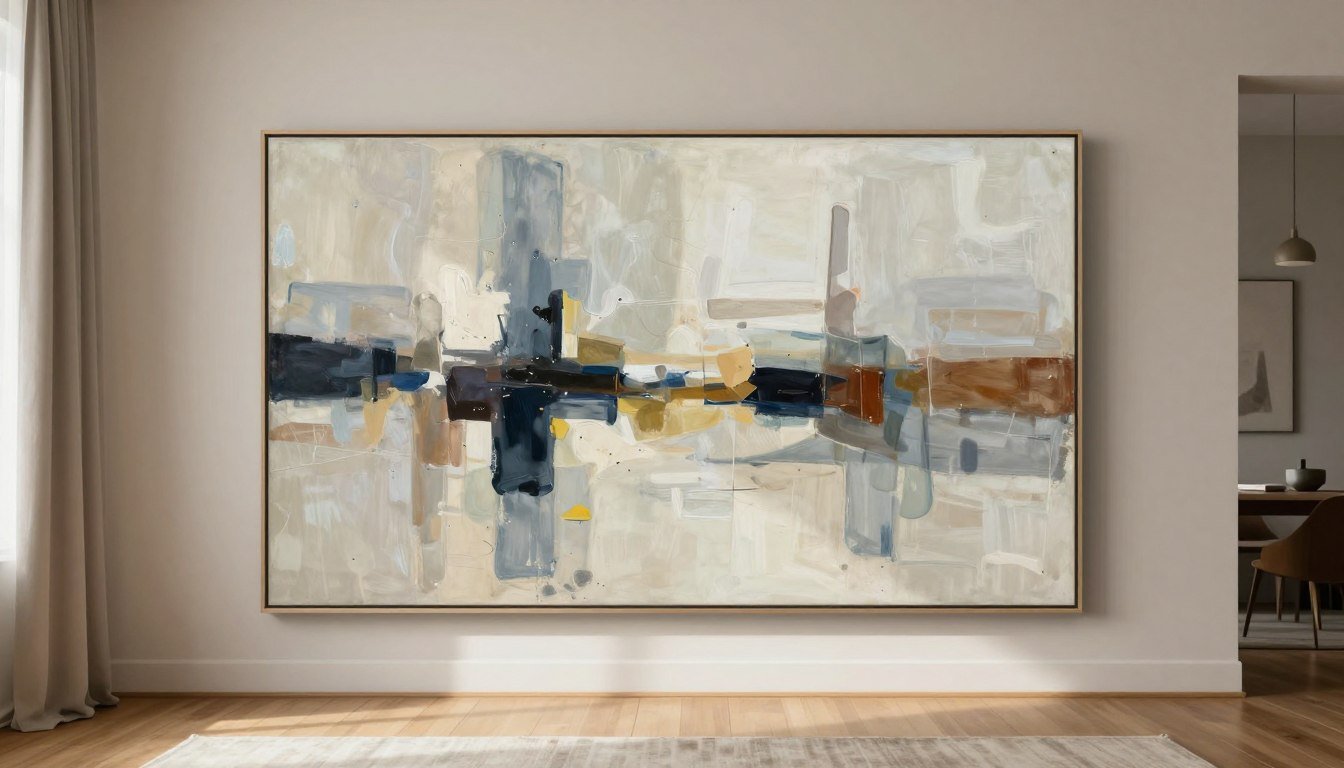
Is an abstract original the right fit for your space?
Browse original abstract paintings to compare palettes and visual directions before choosing a piece.
Explore Original Abstract PaintingsHow to review an online art listing
Start with the measurements
Use painter’s tape to mark the listed dimensions on the wall. This simple step gives you a better idea of visual weight. Consider nearby doors, lamps, shelves, and furniture. A small artwork may need a more intimate place, while a large painting can anchor a room.
Assess palette and materials
Screen color varies by device and lighting. Read the description, view the artwork at different times of day, and ask questions if the palette is important. For a calm neutral direction, you might compare a product such as Desert Lines. A stronger color conversation may begin with Golden Meridian.
Think about combinations
Two pieces can create balance without matching exactly. A set such as Monochrome Dialogue Diptych shows why pairing can be useful when a single painting feels too isolated.
Before purchase, save the listing, read recent reviews, and contact the seller with specific questions. Good communication is part of the customer experience.
What leading art marketplaces do well
Marketplace one: discovery-led browsing
Zatista’s apparent goal is to help B2C shoppers discover and purchase available art. The likely CTA path is browse, filter, open an artwork, and move toward purchase. This is a warm audience: visitors often arrive with a visual or decorating need already in mind.
Marketplace two: artist and artwork discovery
Saatchi Art operates as a broad marketplace. Its conversion model connects artwork discovery with artist discovery, account engagement, and purchase. The tone is aspirational but practical. Strong imagery helps move a cold visitor toward a product page.
Marketplace three: independent artist shopping
Artfinder places emphasis on independent artists and direct artwork discovery. Its likely offer is physical artwork, with the desired action being a product visit, purchase, or artist exploration. This supports readers who want a personal story as well as a decorative object.
The common CTA pattern
- Type: purchase or browse-to-purchase
- Format: visual cards, search tools, links, and product buttons
- Placement: beside artwork and throughout category discovery
- Tone: native, visual, and low pressure
- Audience: B2C shoppers from cold discovery to warm intent
The lesson for an editorial page is clear: do not place a generic “buy now” message before answering risk questions. Explain trust first, then offer a relevant collection. This mirrors the best marketplace journey while keeping the article useful.
A practical checklist for buying original art
- Define the wall, room, mood, and approximate size.
- Set a price range that includes framing and delivery.
- Read the full listing, not only the title.
- Check the artist, medium, dimensions, and condition.
- Review photos, details, video, and any room preview.
- Read shipping, packaging, return, and exchange terms.
- Ask questions before payment if anything is unclear.
- Save your order details and inspect the package on delivery.
For broader collecting guidance, the Artsy guide to buying art online and the Federal Trade Commission guidance on online advertising can provide useful background. Buyers may also consult Archives of American Art when learning about artists and art history.
Keep Reading
- The Real Guide to Choosing Paintings for Home Decor (Without the Guesswork)
- How Can You Buy Affordable Original Art That Still Feels Gallery-Quality?
- How Can You See a Painting on Your Wall Before You Buy It Online?
Frequently Asked Questions
Is buying original art online safe?
It can be safe when the seller provides clear artwork details, secure checkout, customer support, delivery information, and readable return terms. Review all of these before purchase.
How can I tell if art is original?
Read how the seller defines original work. Check the artist information, medium, condition, provenance details, and any documentation supplied with the piece. Ask direct questions when the listing is unclear.
What should I check before buying a painting online?
Check dimensions, materials, framing, finish, color, price, delivery, packaging, and return conditions. Use tape on your wall and compare the listed size with nearby furniture.
Are original paintings worth the price?
Value depends on your budget, taste, the artist, materials, size, rarity, and the meaning the artwork has for you. Compare similar formats rather than judging price alone.
What is the difference between an original painting and a print?
An original painting is a unique work made by the artist. A print reproduces an image. Limited editions have a stated quantity, while open editions may not have a fixed limit.
Conclusion: buy with curiosity and clear information
Online art buying is becoming more transparent. Better photography, video, room previews, artist information, and practical policies help close the gap between viewing a piece on a screen and living with it at home.
The most effective CTA is not a rushed command. It is a relevant next step. After learning how to assess scale, price, trust, and delivery, readers are ready to browse a collection that matches their needs. Take your time, ask useful questions, and choose the beautiful piece that feels right for your world.
About the Author — Chiara Rossetti is the founder of Rossetti Art, a canvas print and original art brand. She writes about interior design, wall art styling, and the art of making a home feel alive.

Leave a comment
This site is protected by hCaptcha and the hCaptcha Privacy Policy and Terms of Service apply.