Botanical Canvas Wall Art: How to Bring Nature Indoors With the Right Style and Palette
Could one thoughtful botanical piece make your room feel calmer, warmer, and more connected to nature? The right canvas can do exactly that, without making your decor feel dated or overly themed.
Quick Answer
Choose botanical canvas wall art by matching the style, color, and scale to your room. Modern abstract florals suit contemporary spaces, while leafy forms and black-and-white line art offer a quieter look. Select a canvas wide enough for the furniture below it, then hang the center near eye level.
In this article:
- What botanical canvas wall art is
- How to choose a botanical style
- How to choose a palette
- How to match art to your room
- How to choose the right size
- How to create a focal point
- How to build a gallery wall
- How to style different rooms
- How to hang canvas wall art
- Three botanical canvas prints to compare
- Mistakes to avoid and key takeaways
- Frequently Asked Questions
What Is Botanical Canvas Wall Art?
Botanical canvas wall art features plants, leaves, flowers, stems, or nature-inspired forms printed on canvas. The subject may be realistic, simplified, or fully abstract. Today, botanical wall art is often used to add movement and softness to modern interiors.
Canvas has a useful visual quality. Its texture feels warmer than a glossy poster, while its light structure works well in apartments, living rooms, hallways, bedrooms, and home offices. It can also be displayed without a heavy frame for a clean, ready-to-hang finish.
Modern botanical prints work because they connect a room to the natural world. They also introduce organic shapes to balance straight furniture, hard flooring, and metal details.
How to Choose a Botanical Canvas Style
Start with the feeling you want the room to have. A soft floral can feel relaxed and expressive. A leafy composition may feel fresh and airy. A line drawing can look quiet, refined, and architectural.
Abstract and Modern Floral Art
Abstract floral art is a strong choice when you want nature without a literal image. Look for layered brushwork, loose petals, and shapes that suggest a meadow rather than describe every flower. An abstract floral canvas print can become a lively wall art piece above a sofa or console.
Minimalist Leafy and Line-Art Styles
Minimalist botanical wall art uses space as part of the design. It suits neutral rooms, small walls, and homes with simple furniture. Black-and-white line art can also create contrast without adding another strong color.
For a softer look, choose a horizontal botanical composition. It can echo the width of a bed, sideboard, or dining table. For a taller wall, vertical leaves or stems can guide the eye upward.
Want to compare modern nature-inspired styles?
Browse a curated selection of leafy, floral, and abstract designs before choosing the piece that fits your room.
How to Choose the Right Botanical Palette
Color should relate to the room, but it does not need to match every object. Choose one color already present, then let the art add a nearby shade or gentle contrast.
Leafy Greens
Green botanical wall art works well with wood, cream upholstery, stone, and warm metal. Pale sage creates a quiet mood, while deep green adds depth. Keep a single-color scheme focused; use the green wall art guide for living rooms when you want more detail.
Warm Neutrals, Black and White, and Muted Florals
Warm beige, clay, sand, and brown make a canvas feel grounded. Black-and-white designs are useful in rooms with strong patterns because they reduce visual noise. Muted florals bring color without becoming too bright.
Consider the light in the room. North-facing spaces may benefit from warm neutrals and soft blush. Bright, sunny rooms can support cooler greens, blue-gray, or darker botanical forms.
How to Match Botanical Art to Your Room
Look at the materials around the wall before selecting the art. A canvas with loose brushwork pairs naturally with linen, rattan, oak, and woven textures. A sharper line-art piece works well with glass, black accents, and polished surfaces.
In a living room, repeat one art color in a cushion or vase. In a hallway, use a narrow vertical piece or a horizontal set to make the passage feel intentional. In a bedroom, softer leaves and low-contrast flowers encourage a restful mood.
The goal is visual conversation, not perfect matching. Your wall art should belong in the room while still giving the eye something new to notice.
How to Choose the Right Size and Scale
Measure the furniture or wall area first. Above a sofa, console, or bed, the artwork often looks balanced when it spans about two-thirds to three-quarters of the furniture width. Leave breathing room at both sides.
| Wall area | Useful direction | Best visual effect |
| Wide sofa or sideboard | Horizontal canvas | Grounded and connected |
| Narrow hallway | Vertical canvas | Taller and more focused |
| Large empty wall | Oversized canvas or set | Strong focal point |
| Small nook | Small framed canvas | Finished and intimate |
Small art on a large wall can look accidental. Oversized art in a tight room can feel crowded. Use paper templates before buying to test the visual weight.
How to Use One Botanical Canvas as a Focal Point
One strong art piece can anchor an entire room. Choose a design with clear movement, then keep nearby decor simple. This lets the canvas lead without competing with shelves, mirrors, or busy textiles.
Place the center of the piece close to average eye level. Above furniture, keep a modest gap between the lower edge and the surface. The canvas should feel connected to the furniture rather than floating high on the wall.
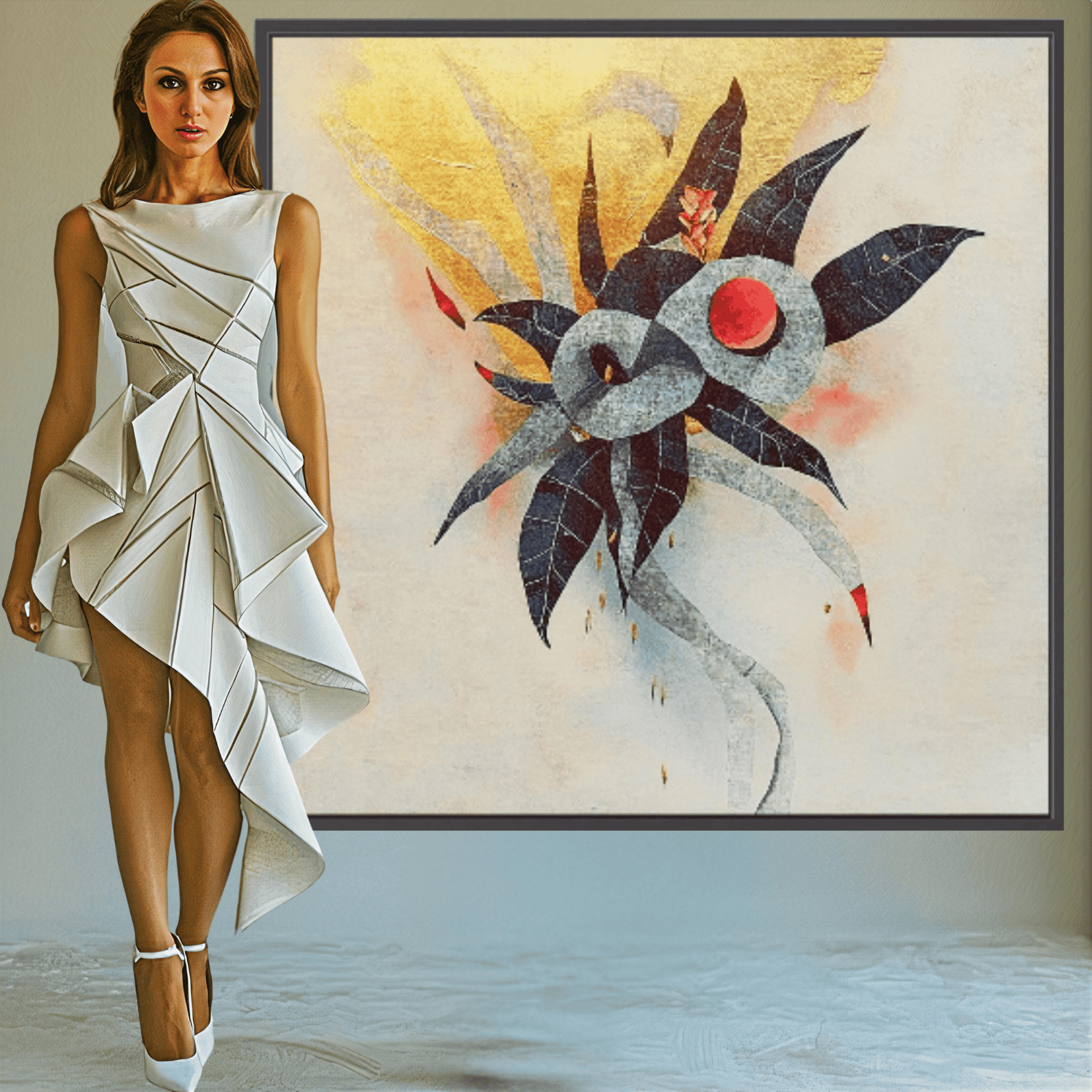
A dramatic abstract floral, such as Celestial Bloom, can work as a central statement in a living room, dining room, or bedroom.
How to Add Botanical Art to a Gallery Wall
Botanical pieces are easy to mix into a gallery wall because leaves and flowers add organic movement. Pair one canvas with small prints, family photographs, a mirror, or a simple typographic work.
- Choose one repeating color to connect the set.
- Mix horizontal and vertical formats for rhythm.
- Keep the spacing consistent between pieces.
- Place the most detailed art slightly off center.
- Lay the arrangement on the floor before hanging it.
Use a framed canvas when the surrounding pieces have frames. A frameless canvas can also provide a relaxed break in a more formal arrangement.
For a balanced floral grouping, Floral Harmony offers a natural bridge between abstract color and botanical form.
How to Style Botanical Canvas Art in Different Rooms
Living Rooms, Bedrooms, and Hallways
In living rooms, place a large canvas above the sofa or use a set across a long wall. Bedrooms benefit from calm leaves, muted florals, and warm neutral backgrounds. Hallways can handle a stronger vertical shape because the art is viewed at close range.
In a home office, black-and-white line art or restrained green designs can add focus without visual distraction. In a dining area, deeper floral colors create a richer atmosphere.
Use botanical wall decor with restraint. One considered piece often has more impact than several unrelated prints.
How to Hang Canvas Wall Art
Before drilling, mark the top corners with removable tape. Check the composition from the doorway and from the main seat in the room. This simple step can prevent a wall from feeling too high or crowded.
Use hardware suited to the canvas weight and your wall type. A framed canvas may need stronger support than a light art canvas. Keep the work level, and avoid placing it where direct sunlight or moisture may cause long-term damage.
For wider guidance on displaying art, consult this guide to hanging art and review the Metropolitan Museum of Art resource on botanical art. For color planning, Benjamin Moore's color palette resources can help you compare warm and cool greens, and the Houzz guide to choosing art for the home covers general spacing and grouping principles.
Need help choosing a green botanical wall?
Use a practical guide to compare shade, scale, and style before selecting canvas wall art for your living space.
Common Mistakes to Avoid and Key Takeaways
What works
- Match the art to the room's mood.
- Choose scale before color details.
- Repeat one color through nearby decor.
- Use negative space to keep the room calm.
What to avoid
- Choosing a piece that is too small.
- Ignoring the room's natural light.
- Mixing too many unrelated palettes.
- Hanging art without testing its height.
Good botanical canvas wall art feels connected to the room, but it does not disappear into it. Start with the wall, furniture width, and desired mood. Then choose a style and palette that add life without adding clutter.
Three Botanical Canvas Prints to Compare

Flourish
An abstract floral canvas print with loose, expressive petals — a good fit above a sofa or console.

Celestial Bloom
A dramatic botanical statement piece that works well as a room's central focal point.

Floral Harmony
A balanced botanical print that bridges abstract color and floral form — a natural fit for a gallery wall.
Keep Reading
Frequently Asked Questions
What style of botanical canvas wall art suits a modern home?
Abstract florals, simplified leaves, and black-and-white line art suit modern homes. Choose the style that repeats the room's shapes and level of detail.
What size should botanical wall art be above a sofa?
A canvas that spans roughly two-thirds to three-quarters of the sofa width often feels balanced. Use a paper template to test the size before ordering.
How do I coordinate botanical art with my decor?
Repeat one color from the art in a cushion, rug, vase, or throw. You can also use the art to introduce a related shade rather than an exact match.
Should canvas wall art be framed?
Both options work. A framed canvas adds structure and suits formal decor, while a frameless canvas feels lighter and more contemporary.
How high should I hang a botanical canvas?
Place the center near eye level, then adjust for the furniture below it. Leave enough space to make the art feel connected to the sofa, bed, or console.


Leave a comment
This site is protected by hCaptcha and the hCaptcha Privacy Policy and Terms of Service apply.