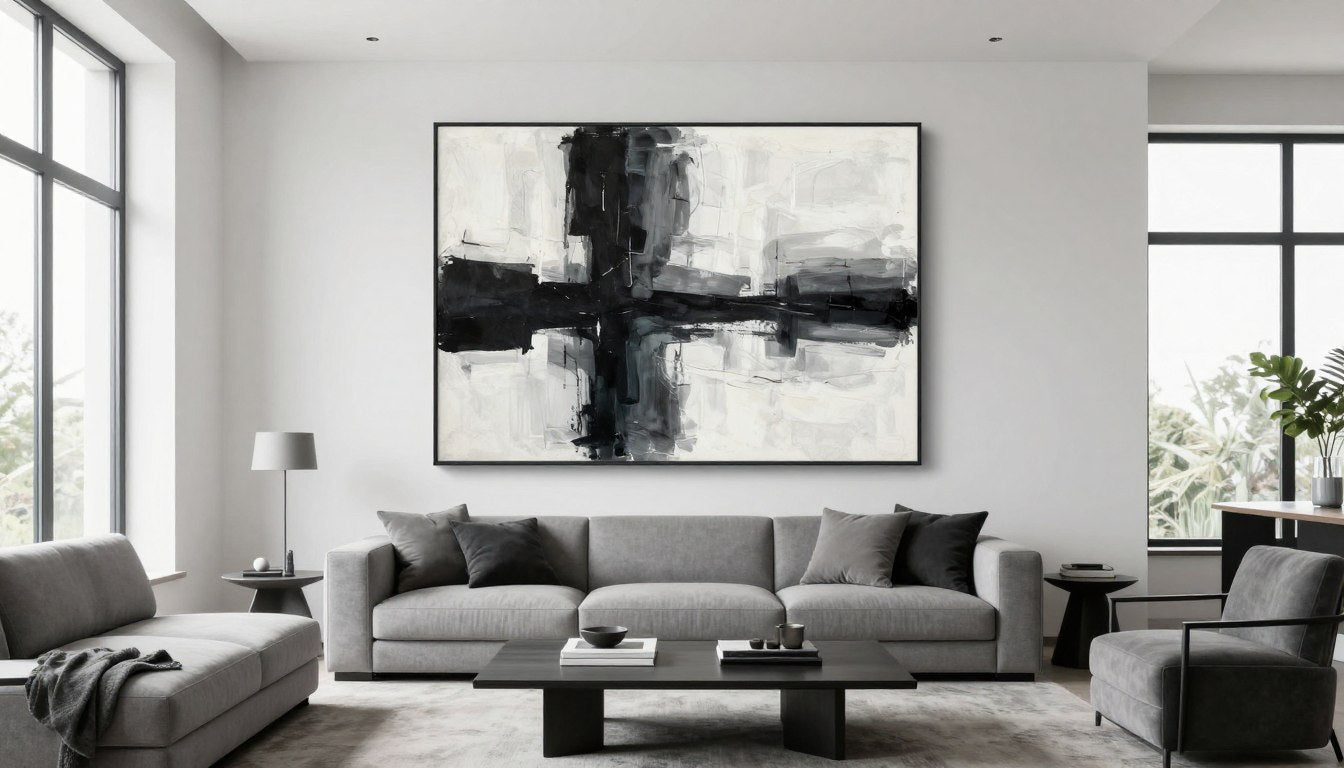

Black and white wall art transforms modern living rooms into sophisticated spaces that radiate timeless elegance. Whether you're working with a minimalist aesthetic or adding dramatic contrast to your existing decor, monochrome artwork creates visual impact without overwhelming your space.
The beauty of black and white art lies in its versatility. It complements virtually any color scheme while maintaining a clean, contemporary feel.
This comprehensive guide reveals professional styling strategies that interior designers use to create stunning gallery-quality displays. You'll discover placement techniques, sizing principles, and composition secrets that make the difference between ordinary wall decor and truly captivating design.
Understanding Black and White Art in Modern Design

Monochrome artwork serves as the foundation for modern interior design. The absence of color creates a powerful visual statement that draws attention to form, texture, and composition.
Black and white pieces work exceptionally well in spaces where you want art to command attention without competing with other design elements. This makes them perfect for contemporary living rooms with neutral palettes or bold accent colors.
The contrast between black and white creates depth and dimension that colored artwork sometimes lacks. Shadows, highlights, and mid-tones become more pronounced, adding layers of visual interest to your walls.
Why Black and White Art Works

Monochrome art transcends trends and seasons. While colored artwork may fall out of fashion or clash with future decor changes, black and white pieces remain perpetually relevant.
These timeless works adapt to evolving design preferences. You can change your throw pillows, rugs, and accessories without worrying whether your wall art will still coordinate.
The simplicity of a black and white palette allows the artistic technique to shine. Viewers focus on brushstrokes, composition, and subject matter rather than being distracted by color choices.
Modern Living Room Compatibility

Contemporary design principles emphasize clean lines and uncluttered spaces. Black and white artwork naturally complements this aesthetic without adding visual complexity.
Modern living rooms often feature neutral color schemes that benefit from the strong contrast monochrome art provides. This creates focal points that anchor the entire design scheme.
The graphic quality of black and white pieces pairs beautifully with modern furniture silhouettes. Both share an appreciation for form and negative space that creates cohesive room design.
Art critics and interior designers consistently recognize black and white artwork as a sophisticated choice. According to design experts at Architectural Digest, monochrome art creates a sense of calm and order that supports modern living room functionality.
When you select black and white canvas prints, you're investing in pieces that will remain relevant regardless of shifting design trends. This longevity makes monochrome artwork both aesthetically pleasing and economically sensible.
Discover Curated Black and White Collections
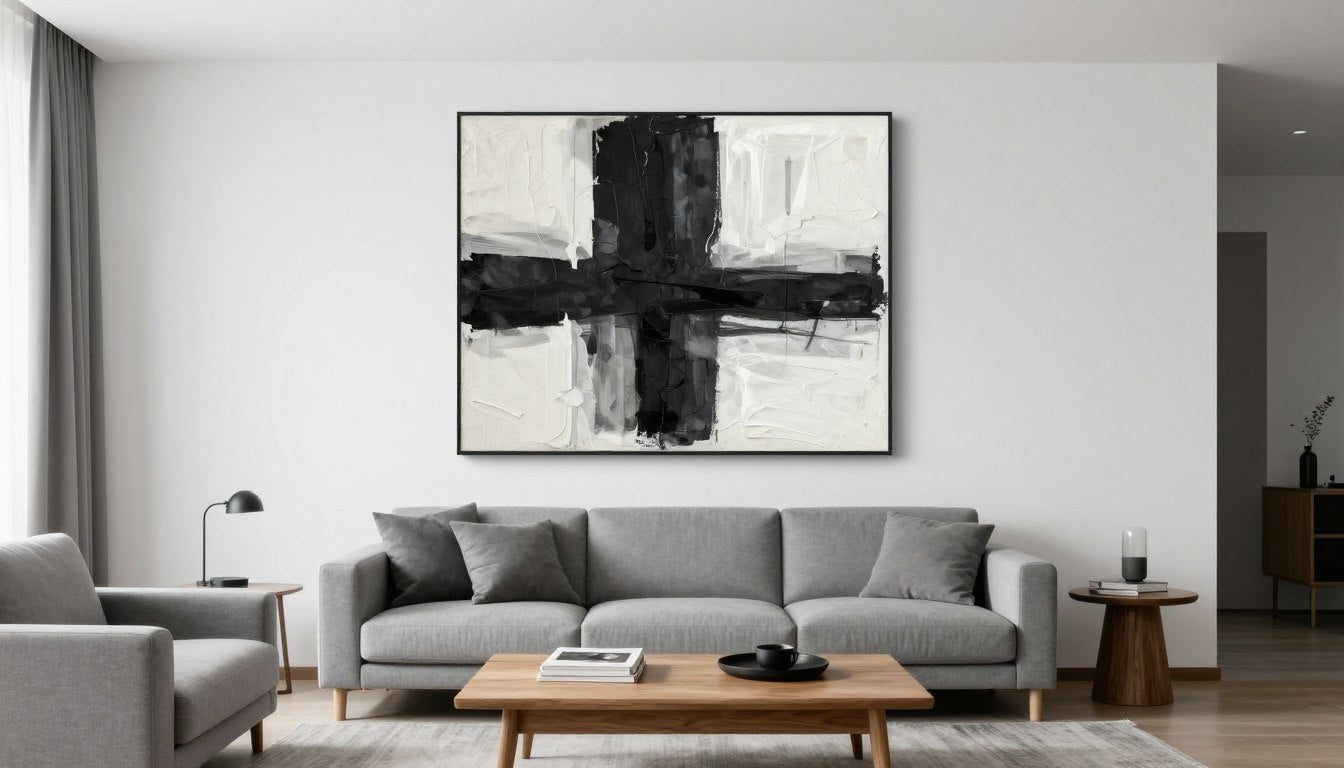
If you love minimalist elegance and timeless sophistication, here are three carefully selected prints that bring that refined mood into your living room. Each piece has been chosen for its ability to create visual impact while maintaining the clean aesthetic modern spaces demand.
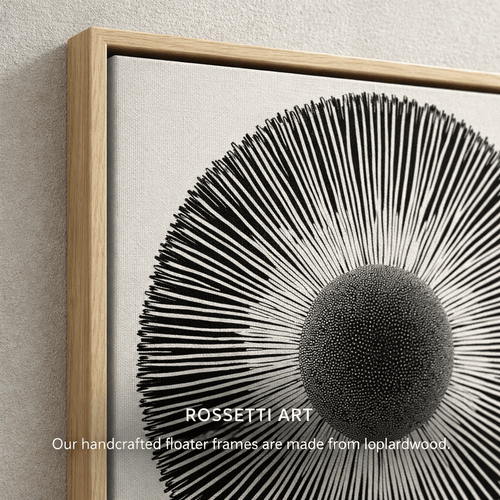
Bold Abstract Expression
Dynamic brushwork creates movement and energy. This abstract piece serves as a stunning focal point above sofas or console tables.
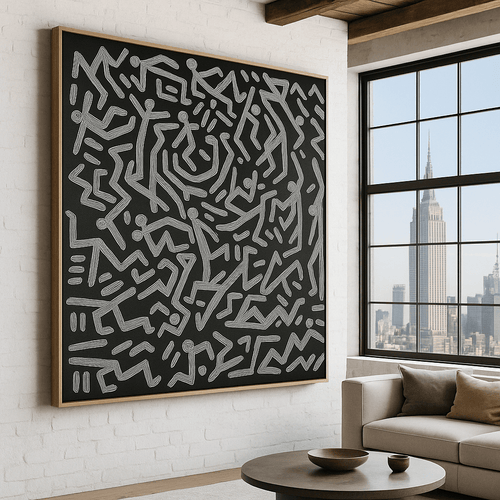
Minimalist Line Art
Clean lines and elegant simplicity define this piece. Perfect for smaller walls or as part of a curated gallery arrangement.
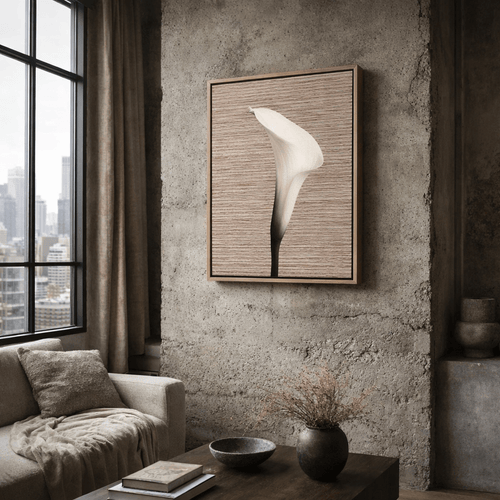
Botanical Photography
Nature captured in monochrome reveals unexpected beauty. These prints bring organic elements into modern spaces without introducing color.
Choosing the Right Size and Scale

Size selection makes or breaks your wall art display. A piece that's too small disappears on the wall, while oversized art can overwhelm the space and create visual imbalance.
Professional interior designers follow specific proportion rules when selecting artwork dimensions. These guidelines ensure your black and white pieces integrate seamlessly with your furniture and architectural elements.
The Two-Thirds Rule

Your wall art should span approximately two-thirds to three-quarters of the furniture width beneath it. This creates visual harmony and prevents pieces from appearing lost or cramped.
For a standard sofa measuring 84 inches wide, your artwork should range between 56 to 63 inches across. This applies to single large pieces or gallery wall arrangements measured edge to edge.
Measure your furniture before shopping for living room canvas art. Bring these dimensions when browsing collections to ensure proper scale selection.
Ceiling Height Considerations
Standard ceiling heights of eight to nine feet accommodate artwork up to 40 inches tall. Higher ceilings provide opportunities for larger statement pieces that fill vertical space appropriately.
In rooms with ten-foot or higher ceilings, don't hesitate to select oversized prints measuring 48 to 60 inches in height. These dramatic pieces prevent walls from feeling empty and draw the eye upward.
The vertical dimension of your art should relate to ceiling height just as the horizontal measurement relates to furniture width. Balance both aspects for optimal visual impact.

Multi-Panel Arrangements

Multi-panel artwork creates impact through collective dimension rather than single-piece scale. A triptych or diptych arrangement allows you to cover significant wall space while maintaining manageable individual panel sizes.
When selecting canvas print sets, consider the combined width with spacing between panels. Leave two to four inches between pieces for visual breathing room.
- Triptychs work beautifully above long sofas or console tables, creating horizontal flow
- Vertical panel arrangements suit narrow wall spaces beside windows or doorways
- Symmetrical layouts provide formal elegance while asymmetric arrangements feel more casual
- Ensure all panels hang at the same height for professional appearance
Room Size and Visual Weight
Large rooms require substantial artwork to avoid looking sparse and underfurnished. Small spaces benefit from carefully sized pieces that don't overwhelm the available wall area.
Black and white art carries significant visual weight due to high contrast. A monochrome piece commands more attention than similarly sized colored artwork with muted tones.
Factor this increased presence into your size selection. In compact living rooms, opt for slightly smaller dimensions than you might choose for colored pieces occupying the same wall space.
Pro Tip: Create a paper template matching your desired artwork dimensions. Tape it to the wall and live with it for a few days. This helps you visualize the actual scale before committing to a purchase.
Placement Strategies for Maximum Impact

Where you hang your black and white wall art matters as much as the piece itself. Strategic placement transforms good artwork into stunning focal points that elevate your entire living room design.
The relationship between art and surrounding elements creates visual harmony or discord. Follow these proven placement strategies to ensure your monochrome pieces shine.
The 57-Inch Rule

Museums and galleries hang artwork with centers at 57 inches from the floor. This height represents average human eye level and creates comfortable viewing angles for most adults.
Measure 57 inches up from your floor and mark this point lightly with pencil. This mark indicates where the center of your artwork should sit, not where you place the hanging hardware.
In spaces where viewers primarily sit, consider lowering pieces slightly to 54-55 inches. This adjustment accounts for seated sight lines and prevents art from floating too high above furniture.
Above Furniture Placement

Sofa Spacing
Leave six to eight inches between your sofa back and the bottom edge of your artwork. This gap prevents pieces from appearing to rest on the furniture while maintaining visual connection.
Too much space creates disconnect between art and furniture. Too little makes the arrangement feel cramped and crowded.

Console Table Styling
Position artwork so bottom edges sit eight to twelve inches above console tables. This allows space for decorative objects, lamps, or plants without crowding the composition.
Layer your styling by placing smaller items on the console that echo shapes or themes in the artwork above.
Creating Gallery Walls

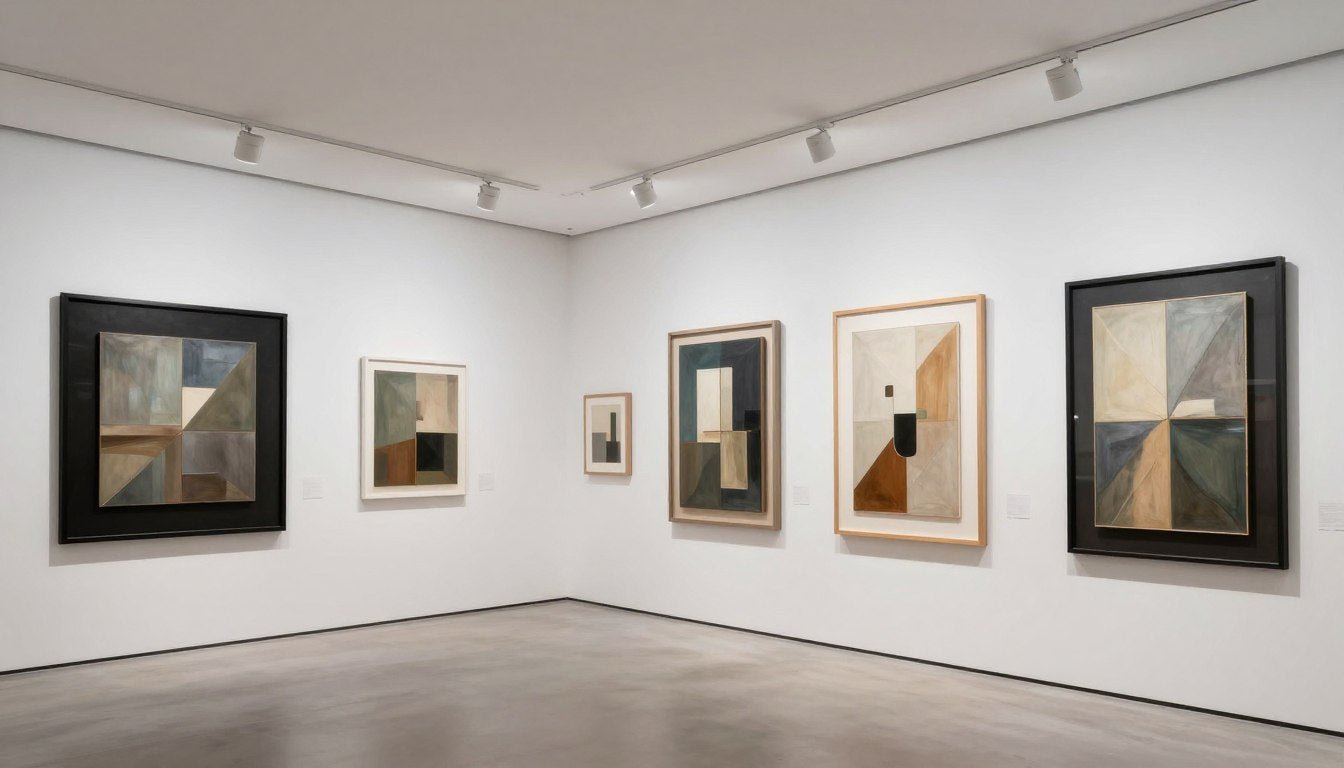
Gallery walls showcase multiple pieces in coordinated arrangements. Black and white artwork naturally coheres when grouped, creating impactful displays that tell visual stories.
Plan your layout before hammering any nails. Arrange pieces on the floor to test different configurations, or create paper templates to preview the final appearance.
- Maintain consistent spacing between all pieces, typically two to three inches works well
- Mix frame styles carefully - matching frames create formal symmetry while varied frames feel eclectic
- Include different sizes to create visual interest and dynamic rhythm
- Establish a unifying element such as consistent matting, frame color, or artistic style
- Keep the overall arrangement within a defined boundary to prevent scattered appearance
The most successful gallery walls balance asymmetry with underlying structure. Your eye should move comfortably across the arrangement without getting stuck or confused. For more real-room examples of these arrangements in action, browse our living room interior design photo gallery for additional inspiration.
Explore curated canvas print sets designed to work together harmoniously. These pre-coordinated collections eliminate guesswork while ensuring professional results.
Standalone Statement Pieces

Sometimes a single powerful piece creates more impact than multiple smaller works. Statement artwork commands attention and sets the tone for your entire living room design.
Give statement pieces breathing room. Avoid cluttering surrounding walls with additional art, mirrors, or decor that competes for attention.
Position your statement piece on the primary focal wall - typically the wall you see when entering the room or the wall behind your main seating area.
Let your statement piece breathe by keeping surrounding walls relatively minimal. The negative space enhances rather than diminishes the artwork's impact.
Lighting Considerations

Proper lighting transforms good artwork into spectacular displays. Black and white pieces particularly benefit from strategic illumination that emphasizes contrast and detail.
Natural light works beautifully for most monochrome art, though direct sunlight can cause fading over time. Position pieces near windows but out of direct sun beams.
Picture lights mounted directly to frames or track lighting aimed at artwork create dramatic evening displays. LED options provide excellent color rendering without heat damage.
According to lighting design principles outlined by Elle Decor, artwork should receive approximately three times the ambient room lighting to properly showcase details and create visual prominence.
Match This Vibe to Your Space
The styling principles you've just discovered work beautifully with carefully curated collections designed specifically for modern living rooms. Whether you're drawn to bold abstracts, elegant line art, or sophisticated botanical prints, finding pieces that match your aesthetic vision makes styling effortless.
Coordinating with Existing Decor

Black and white wall art integrates seamlessly with virtually any color scheme. This versatility makes monochrome pieces ideal for living rooms that feature bold accent colors or subtle neutral tones.
The key to successful coordination lies in understanding how your artwork interacts with furniture, textiles, and accessories. Strategic choices create cohesive spaces where every element supports the overall design vision.
Working with Neutral Palettes

Neutral living rooms in shades of beige, gray, cream, and taupe provide perfect backdrops for black and white artwork. The monochrome art adds definition without introducing competing colors.
Use your artwork to establish the room's contrast level. Bold, graphic black and white pieces create dramatic focal points in soft neutral spaces. Subtle, gray-heavy artwork maintains gentle, understated elegance.
Layer different neutral tones throughout your space to prevent monotony. Warm beiges complement cool grays when unified by black and white art that bridges both temperature zones.
Texture Becomes Essential
When color plays a minimal role, texture creates visual interest. Pair smooth canvas prints with nubby throw pillows, woven baskets, and varied fabric textures.
Your black and white art contributes its own textural interest through brushstrokes, paper quality, or printing techniques. Look closely at pieces to appreciate surface variations that photographs don't fully capture.
Mix matte and glossy finishes throughout the room. Matte canvas art balances reflective surfaces like glass coffee tables or polished metal light fixtures.

Adding Color Accents

Black and white wall art serves as a neutral anchor that allows you to introduce bold accent colors through easily changeable elements like pillows, throws, and decorative objects.
Choose one to three accent colors that you love. Your monochrome artwork won't clash with seasonal color changes or evolving style preferences.
The high contrast in black and white art can handle even the brightest, most saturated accent colors. Don't hesitate to pair monochrome prints with jewel tones, neons, or vivid primaries.
- Navy blue and emerald green create sophisticated pairings with black and white art
- Warm metallics like gold, brass, and copper add luxurious warmth to monochrome schemes
- Mustard yellow or burnt orange introduce energy while maintaining modern aesthetics
- Millennial pink or blush tones soften stark black and white contrast beautifully
Distribute your accent colors throughout the space for balance. If you introduce teal through pillows, echo it with a small decorative object across the room.
Coordinating Frames and Matting

Frame selection significantly impacts how your black and white wall art integrates with your decor style. Frames either blend seamlessly or create intentional contrast.
Black frames reinforce the graphic quality of monochrome art and work especially well in contemporary spaces with dark furniture accents. They create strong definition against light-colored walls.
Natural wood frames warm up black and white prints, making them appropriate for modern spaces with Scandinavian or mid-century influences. Light woods keep things airy while darker woods add weight.
White frames virtually disappear against white walls, directing all attention to the artwork itself. This approach works beautifully for minimalist spaces where you want clean, uninterrupted lines.
Gallery-wrapped canvas eliminates frames entirely for ultra-contemporary presentation. The print wraps around the stretcher bars, creating a floating appearance when hung.
Many pieces from Rossetti Art's canvas print collection come ready to hang with gallery-wrap edges, eliminating framing costs while delivering polished, professional appearance.
Style Consistency Across Art Pieces
When displaying multiple black and white artworks in one space, maintain stylistic consistency for cohesive results. Mixing too many different artistic approaches creates visual chaos.
Abstract pieces pair well with other abstracts. Photographic prints complement additional photography. Line art coordinates beautifully with similar minimal drawings.
You can mix styles successfully if you establish a unifying thread - perhaps all pieces share similar compositional structures, or they all feature organic shapes versus geometric forms.
Designer Insight: When mixing different black and white art styles, maintain consistency in frame choices and spacing. This creates visual order that allows varied artwork to coexist harmoniously.
Selecting Artistic Styles That Match Your Aesthetic

Black and white art encompasses diverse styles from stark minimalism to complex abstract compositions. Understanding these different approaches helps you select pieces that authentically reflect your personal aesthetic and complement your modern living room design.
Your artwork should feel like a natural extension of your taste rather than a forced design choice. The right style creates emotional resonance while enhancing your space visually.
Abstract and Expressionist Works

Abstract black and white art brings dynamic energy to modern living rooms. Bold brushstrokes, dramatic gestures, and expressive mark-making create focal points that command attention.
These pieces work exceptionally well in spaces that embrace contemporary design without veering into stark minimalism. They add warmth and humanity through visible artistic process.
Look for abstract works that balance busy and quiet areas. The most effective pieces create visual interest without overwhelming viewers with constant stimulation.
Explore abstract geometric canvas prints that range from gestural expressionism to controlled geometric compositions, offering options for various modern aesthetics.
Minimalist Line Drawings

Line art represents the pinnacle of minimalist expression. Single continuous lines or sparse mark-making creates sophisticated imagery with maximum efficiency.
These understated pieces suit spaces where calm and serenity take precedence. They provide visual interest without adding complexity or visual weight.
Minimalist line drawings pair beautifully with Scandinavian design principles, Japanese-inspired interiors, and any space that values negative space as much as positive elements.
The simplicity of line art canvas prints makes them incredibly versatile. They work equally well as standalone pieces or as components in larger gallery wall arrangements.
Photographic Black and White Prints

Photography captures reality through the lens of artistic interpretation. Black and white photographic prints remove color distractions, forcing viewers to focus on composition, light, and subject matter.
Architectural photography brings strong geometric forms into your space. Natural landscapes offer organic contrast to modern interior straight lines. Portrait photography adds human connection and emotional depth.
The realistic nature of photography grounds abstract or minimalist room designs. It provides recognizable imagery that balances more conceptual design elements.
- Urban photography suits city dwellers and industrial-inspired interiors perfectly
- Nature photography softens hard-edged modern spaces with organic forms
- Abstract close-up photography bridges realism and abstraction beautifully
- Portrait photography introduces human scale and emotional connection
Geometric and Pattern-Based Art

Geometric art brings order, structure, and visual rhythm to modern spaces. Repeating patterns create movement that energizes rooms without chaotic disruption.
These works appeal to viewers who appreciate mathematical precision and design systems. They complement modern furniture with clean lines and architectural details with geometric elements.
Scale matters significantly with geometric art. Large-scale patterns make bold statements while small-scale patterns provide intricate detail that rewards close viewing.
Typography and Text-Based Art

Text-based art combines visual design with verbal messaging. Inspirational quotes, song lyrics, or abstract letter forms create artwork that communicates beyond pure aesthetics.
Choose typography art that resonates personally rather than generic motivational phrases. The words you display should reflect your values and perspectives.
Font selection dramatically affects the overall feel. Modern sans-serif typefaces maintain contemporary aesthetics while script fonts add elegance and traditional charm.
Limit text-based art to one or two pieces per room. Too much typography creates a cluttered, sign-filled appearance rather than sophisticated design.
Mixed Media and Textural Works
Some black and white art incorporates mixed media techniques that add physical texture and dimensional interest. These pieces blur the line between painting, sculpture, and print.
Textural artwork creates shadows that shift with changing light throughout the day. This dynamic quality makes the art feel alive and responsive.
Consider original paintings for truly unique textural qualities that prints cannot fully replicate. Original work adds investment value alongside aesthetic appeal.
For those who appreciate three-dimensional elements, explore modern sculptures that complement black and white wall art while adding depth to your design scheme.
Creating Cohesive Themes and Narratives

The most compelling art displays tell stories or explore themes rather than randomly assembling unrelated pieces. Thematic coherence transforms individual artworks into meaningful collections that enhance your living room's character.
Your theme can be subtle or obvious, abstract or literal. The unifying thread creates intentionality that elevates your space from decorated to designed.
Nature-Inspired Collections

Nature themes bring organic elements into modern spaces without introducing color complexity. Black and white botanical prints, landscape photography, and nature-inspired abstracts create calming environments.
The contrast between natural subject matter and monochrome treatment creates interesting tension. Viewers see familiar forms through an artistic filter that emphasizes shape and structure over realistic color.
Botanical prints work particularly well in living rooms with abundant natural light and houseplants. The artwork reinforces the connection between indoor and outdoor spaces.
Discover botanical wall art prints featuring everything from delicate line-drawn leaves to high-contrast photographic studies of plant forms.
Urban and Architectural Themes

Cityscapes and architectural photography celebrate human-made environments through artistic interpretation. These themes suit urban dwellers and anyone drawn to geometric forms and structural beauty.
Black and white treatment emphasizes the graphic qualities of architecture - lines, angles, repetition, and pattern become the primary focus rather than material colors or finishes.
Mix different perspectives for visual variety. Combine sweeping skyline views with intimate architectural details to create dynamic arrangements.
Urban themes pair naturally with industrial or contemporary design styles but can create interesting juxtaposition in softer, more traditional spaces.
Human Form and Portraiture

Portrait art introduces human presence and emotional connection to your living space. Black and white portraiture often feels more timeless and artistic than color photography.
The absence of color focuses attention on facial expressions, gestures, and the relationship between subject and viewer. This intimacy can create powerful focal points.
Choose portraits that evoke the mood you want in your space. Joyful expressions create welcoming energy while contemplative portraits encourage reflection and calm.
Browse portrait canvas prints ranging from classical compositions to contemporary interpretations of the human form.
Abstract Conceptual Series
Some collectors build themed collections around abstract concepts rather than recognizable subjects. Explore ideas like balance, tension, movement, or transformation through varied abstract works that share conceptual threads.
These sophisticated approaches require thoughtful curation. Look for pieces that express similar ideas through different visual languages.
Abstract themes allow maximum personal interpretation. Your guests may discover different meanings than you see, creating conversation and engagement with your art.
The strongest thematic collections include 3-7 pieces that explore the theme from different angles. Too few pieces fail to establish the theme clearly while too many can overwhelm the space.
Cultural and Historical References

Art that references specific cultures, time periods, or historical moments adds intellectual depth to your living room. These pieces often serve as conversation starters and reflect your interests.
Black and white treatment can make historical subjects feel contemporary rather than dated. The monochrome palette bridges past and present aesthetically.
Ensure cultural references feel authentic rather than appropriative. Choose pieces that genuinely connect to your heritage, interests, or experiences.
Music and cinema legends rendered in black and white create nostalgic yet timeless displays. Explore movie canvas art prints featuring icons and legends that celebrate cultural touchstones.
Practical Installation and Maintenance Tips

Even the most beautiful black and white wall art fails to impress if poorly installed or inadequately maintained. Proper hanging techniques and care practices ensure your pieces look spectacular for years.
Professional-looking installations don't require professional help. Simple tools and proven methods allow you to achieve gallery-quality results in your own living room.
Essential Hanging Hardware

Invest in quality hanging hardware appropriate for your wall type and artwork weight. The few extra dollars spent on proper hardware prevent damage and ensure security.
- Drywall anchors support heavy pieces on walls without stud backing
- Picture hooks rated for specific weight capacities prevent failures
- Wire and D-rings allow leveling adjustment after installation
- Command strips work for lightweight prints and rental situations
- Stud finders locate solid mounting points for heaviest pieces
Always hang artwork on wall studs when possible, especially for pieces weighing more than 15 pounds. Studs provide the strongest support and eliminate concerns about wall anchors pulling out.
Measuring and Marking Precisely

Accurate measurements prevent costly mistakes and nail holes in wrong locations. Take time during the planning phase to ensure perfect placement before making any marks.
Use painter's tape to mark corners of your artwork's intended location. This allows you to visualize placement and make adjustments before committing to holes.
Measure multiple times from different reference points. Your ceiling and floor may not be perfectly parallel, so don't rely on measurements from just one baseline.
For gallery walls, create a paper template of each piece. Arrange templates on the floor in your desired configuration, then transfer the layout to the wall using measurements from the template arrangement.
Level Installation

Nothing undermines professional appearance faster than crooked artwork. Use a bubble level or laser level to ensure perfect horizontal alignment.
Check level after initial hanging and make adjustments before tightening hardware completely. Small shifts become glaringly obvious once you step back.
For multi-panel arrangements, level each piece individually and verify that all pieces align with each other horizontally.
Spacing Consistency

Maintain identical spacing between all pieces in gallery arrangements. Inconsistent gaps create amateur appearance even when individual pieces hang level.
Cut a cardboard spacer to your desired gap width (typically 2-3 inches). Use this spacer when positioning each piece to maintain perfect consistency.
The human eye quickly detects spacing irregularities that measurements might miss. Step back frequently during installation to verify visual balance.
Caring for Canvas Prints

Canvas prints require minimal maintenance but benefit from occasional care. Proper cleaning and environmental awareness preserve print quality for decades.
Dust canvas surfaces gently with soft, dry microfiber cloths. Avoid wet cleaning unless absolutely necessary, as moisture can damage canvas and inks.
Keep canvas art away from direct sunlight, which causes fading over time. UV-protective glass or acrylic helps if sun exposure is unavoidable, though most canvas prints hang unglazed.
Maintain moderate humidity levels in your living room. Excessive moisture causes canvas to sag while extreme dryness can make it crack. Normal residential environments typically fall within acceptable ranges.
Important: Never use commercial glass cleaners or harsh chemicals on canvas prints. These products can damage inks and canvas coatings. When deeper cleaning becomes necessary, consult professional art conservators.
Protecting Framed Artwork
Framed pieces with glass or acrylic glazing require different care than unprotected canvas prints. The glazing protects the artwork but needs its own maintenance.
Clean glass or acrylic with appropriate cleaners - standard glass cleaner for glass, but only water or acrylic-specific cleaners for acrylic glazing. Never spray directly on the frame; apply cleaner to your cloth first.
Check frame backs annually to ensure dust and insects haven't infiltrated. Sealed frames prevent contamination but occasional verification provides peace of mind.
Rotating and Refreshing Displays
Even beloved artwork benefits from occasional rotation. Changing displays prevents visual fatigue and allows you to showcase different pieces with seasonal or mood shifts.
Store artwork you're not currently displaying in cool, dry locations away from temperature extremes. Wrap pieces in acid-free paper or fabric to prevent scratches and dust accumulation.
Rotation doesn't require purchasing new art constantly. Moving pieces to different walls or rooms creates fresh perspectives on familiar works.
Visit Rossetti Art's blog for ongoing inspiration and seasonal styling suggestions that help you maximize your collection's impact throughout the year.
Budgeting and Investing in Quality Pieces

Quality black and white wall art exists at every price point. Understanding how to allocate your budget ensures you build a collection that delivers maximum visual impact without financial stress.
Smart collecting balances investment pieces with more affordable works. This approach creates dynamic displays while protecting your budget.
Understanding Price Factors
Multiple factors influence artwork pricing. Understanding these elements helps you make informed decisions and recognize genuine value.
- Original artwork commands premium prices due to uniqueness and artist reputation
- Limited edition prints cost more than open edition reproductions
- Larger dimensions typically increase prices due to material and production costs
- Printing quality affects longevity and appearance, justifying price differences
- Frame quality significantly impacts total cost and final presentation
- Artist recognition and gallery representation influence pricing substantially
Don't equate price directly with aesthetic value. Some affordable prints deliver tremendous visual impact while expensive pieces may not suit your personal taste or space.
Starting Your Collection Strategically

Begin with one or two statement pieces for your primary wall. Invest more budget here since these pieces anchor your entire design scheme.
Fill secondary spaces with more affordable prints that complement your investment pieces. Gallery walls work beautifully for mixing price points within cohesive arrangements.
Many collectors start with high-quality prints before graduating to original artwork. This allows you to live with subjects and styles before committing to higher-investment pieces.
Canvas prints from Rossetti Art offer museum-quality printing at accessible price points, making them excellent choices for building foundational collections.
Quality Indicators to Recognize

Print Quality Assessment
Examine prints closely for sharp details and smooth gradients. Quality printing shows no visible dots, banding, or pixelation even under close inspection.
Rich, deep blacks indicate quality inks and proper printing processes. Muddy or grayish blacks suggest inferior production methods.
Canvas texture should be evident but not overwhelming. The weave adds character without obscuring image details.
Long-Term Value Considerations
View quality artwork as long-term investments rather than temporary decor. Durable pieces that withstand trends provide better value than trendy works requiring frequent replacement.
Black and white art's timeless nature makes it particularly valuable over time. These pieces remain relevant through multiple decor changes and style evolutions.
Archival quality materials ensure your prints look fresh decades after purchase. UV-resistant inks, acid-free canvas, and quality stretcher bars prevent deterioration.
For significant investments, consider original paintings that may appreciate in value as artists gain recognition. Original works also carry unique energy that reproductions cannot replicate.
Affordable Ways to Make Big Impact

Limited budgets don't prevent stunning displays. Strategic choices create high-impact results without premium spending.
One large statement piece often costs less than multiple smaller works while creating more dramatic impact. Consider scale when budget shopping.
DIY framing saves significant money if you have basic skills. Purchase unframed prints and source frames from discount retailers or secondhand shops.
Watch for seasonal sales and promotions. Many online galleries offer periodic discounts that make quality artwork more accessible.
Free shipping offers eliminate hidden costs that inflate your final price. Look for retailers like Rossetti Art that include free worldwide shipping, making budgeting straightforward.
Budget Tip: Build your collection gradually rather than rushing to fill every wall immediately. This allows you to make thoughtful choices and spread costs over time while learning what truly resonates with your aesthetic.
Room-Specific Styling Guidance

While this guide focuses primarily on living rooms, black and white wall art enhances every space in your home. Understanding room-specific considerations helps you extend your aesthetic throughout your entire residence.
Living Room Focus

Living rooms serve as primary gathering spaces where artwork receives maximum visibility. These rooms accommodate larger statement pieces and elaborate gallery walls.
Consider sight lines from multiple seating positions. Your artwork should look intentional from every viewing angle within the space.
The living room allows more artistic risk-taking than private spaces. Bold, conversation-starting pieces work well here where they'll be discussed and appreciated by guests.
Explore comprehensive living room wall art collections curated specifically for these high-visibility spaces.
Bedroom Considerations

Bedrooms benefit from calming black and white art that promotes relaxation. Choose pieces with softer contrast and peaceful subjects rather than energetic abstracts.
The wall above your bed provides prime real estate for artwork. Scale appropriately to bed width using the two-thirds rule discussed earlier.
Bedrooms allow for more personal, intimate artwork choices. Select pieces that speak to you privately rather than making public statements.
Discover bedroom canvas prints featuring tranquil subjects and gentle compositions perfect for restful spaces.
Entryway Impact

Entryways set the tone for your entire home. Bold black and white artwork creates immediate visual impact that welcomes guests while reflecting your aesthetic sensibility.
Entryway walls often face viewing from a distance as guests approach. Choose pieces with strong composition that reads well from far away.
Limited square footage in many entryways means vertical pieces often work better than horizontal formats. Tall artwork draws the eye upward, making compact spaces feel larger.
Browse entryway wall art prints selected for their ability to create memorable first impressions.
Dining Room Sophistication
Dining rooms provide opportunities for sophisticated artwork that enhances meal experiences. Black and white pieces add elegance without competing with table settings and food presentations.
Consider the view from seated positions. Artwork should look balanced when you're sitting at the table rather than only when standing.
Food-related subjects work naturally in dining spaces, though abstract and landscape works also succeed. Avoid pieces that might seem unappetizing during meals.
Explore dining room wall art decor prints that bring sophistication to meal settings.
Office and Workspace Inspiration

Home offices benefit from artwork that inspires productivity without causing distraction. Black and white pieces provide visual interest during video calls while maintaining professional appearance.
Position artwork where you'll see it during breaks rather than directly in your primary sight line while working. This provides mental refresh without constant distraction.
Typography-based art with motivational messages works particularly well in office environments. Choose messages that genuinely motivate your work rather than generic platitudes.
Discover office canvas art prints designed to enhance workspace environments.
Ready to Transform Your Living Room?
You've learned the principles professional designers use to create stunning spaces with black and white wall art. Now it's time to bring that expertise into your own home. Rossetti Art offers museum-quality canvas prints that arrive ready to hang, with free worldwide shipping on every order. Each piece is carefully curated by artists who understand how monochrome artwork transforms modern living spaces.
Every Rossetti Art piece ships with gallery-wrapped edges and arrives ready to display. No framing required. No hidden fees. Just beautiful, enduring artwork that elevates your space the moment you hang it.
Common Styling Mistakes to Avoid

Even experienced decorators make predictable mistakes when styling black and white wall art. Recognizing these common pitfalls helps you avoid them in your own space.
Hanging Art Too High
The single most frequent error involves hanging artwork too high on the wall. This creates disconnect between art and furniture while straining necks during viewing.
Many people instinctively hang art higher than optimal, perhaps fearing pieces will appear to sit on furniture. Remember the 57-inch center guideline and the 6-8 inch gap above furniture backs.
When in doubt, hang slightly lower than your initial instinct suggests. Art positioned too low is rare while too-high placement occurs constantly.
Choosing Undersized Pieces

Undersized artwork disappears on large walls, creating the appearance of afterthought decor rather than intentional design. This mistake particularly affects impact in modern spaces with expansive wall areas.
The two-thirds rule prevents this error. When uncertain between two sizes, the larger option almost always delivers better results in contemporary spaces.
Gallery walls solve the scale issue when you love smaller pieces. Grouping multiple works creates the collective size needed for appropriate visual weight.
Ignoring Lighting Conditions
Artwork positioned in poorly lit areas or exposed to harsh direct sunlight suffers functionally and aesthetically. Lighting consideration should influence both placement and piece selection.
Test lighting at different times of day before committing to permanent placement. Morning light differs dramatically from afternoon and evening conditions.
Add supplemental lighting where natural light proves insufficient. Picture lights, track lighting, or strategically placed lamps transform artwork visibility.
Mixing Too Many Styles

While curated mixing creates interest, random assemblages of vastly different styles create visual chaos. Maintain some unifying thread even in eclectic arrangements.
Limit yourself to two or three distinct artistic approaches within a single room. Abstract expressionism, minimalist line art, and geometric patterns might coexist, but adding photography and typography pushes toward confusion.
Frame consistency often unifies disparate artistic styles. When artwork varies widely, matching frames create visual order.
Overcrowding Walls
Negative space serves important design functions. Walls packed with excessive artwork lack breathing room and create cluttered, overwhelming environments.
Modern design principles value restraint. One powerful piece often surpasses multiple mediocre works covering the same wall area.
Leave some walls bare to balance artwork-heavy walls. This creates rhythm and prevents visual exhaustion.
Neglecting the Rest of the Room
Artwork shouldn't exist in isolation from your overall design scheme. The most successful installations consider how art relates to furniture, textiles, and architectural elements.
Step back regularly during styling to view the entire room rather than focusing exclusively on the wall. Ensure your artwork enhances rather than conflicts with the complete space.
Colors in accent pieces, textures in textiles, and shapes in furniture should echo or complement elements in your black and white artwork.
Avoid the "Sofa Art" Trap: Don't select artwork solely based on sofa width. While the two-thirds rule provides helpful guidance, also consider the wall's overall proportions, ceiling height, and the piece's individual merit. Your art should work with the sofa, not just for it.
Seasonal and Occasional Styling Updates

Black and white wall art's neutrality makes it perfect for seasonal styling updates. While the artwork remains constant, surrounding elements change to reflect seasons, holidays, or simply your evolving mood.
Spring and Summer Freshness

Warm months call for lighter, airier styling that makes spaces feel fresh and open. Black and white artwork naturally supports these seasonal shifts.
Introduce white, cream, and light gray textiles that emphasize the white elements in your artwork. This creates brightness that reflects increased natural light.
Add fresh flowers, potted plants, and natural materials that bring organic life into the space. These elements complement botanical black and white prints beautifully.
Consider swapping heavier winter throw pillows for lighter linen or cotton versions in spring. Maintain neutral colors that coordinate with your monochrome art.
Fall and Winter Coziness

Cooler months invite richer textures and slightly deeper tones that create cozy, inviting atmospheres. Your black and white art anchors these seasonal transformations.
Layer plush throws, velvet pillows, and textured fabrics that add warmth without introducing competing colors. Charcoal gray and deep navy work beautifully with monochrome artwork.
Metallics like brass, copper, and gold add warmth during darker months. These tones complement black and white art while introducing subtle color.
Adjust lighting for cozier evening ambiance. Dim overhead lights and introduce warm-toned table lamps that create intimate spaces around your artwork.
Holiday Styling Without Overwhelm
Black and white artwork allows festive holiday decorating without creating visual chaos. The neutral art grounds seasonal decor that might otherwise overwhelm the space.
Introduce holiday colors through easily removable elements like pillow covers, throws, and small decorative objects. Your artwork remains constant while accessories shift.
Avoid attaching holiday decorations directly to your artwork or frames. This prevents damage while maintaining the art's integrity.
After holidays, your space returns to normal instantly by removing accent pieces. The permanent black and white artwork ensures your room never looks bare or transitional.
Refreshing Your Display
Even without seasonal changes, periodically refreshing how you style around your black and white art prevents visual stagnation and renews your appreciation for pieces you love.
Swap throw pillows between rooms to create new color combinations. Move decorative objects to different locations. These small changes provide fresh perspectives without requiring new purchases.
Rearrange furniture slightly to offer different viewing angles of your artwork. You might discover compositions you never noticed from new positions.
Visit Rossetti Art's blog regularly for seasonal styling inspiration and fresh approaches to displaying black and white wall art throughout the year.
Frequently Asked Questions
What size black and white wall art works best for a standard living room?
For standard living rooms (12x15 feet or similar), select pieces measuring 40-60 inches wide for primary walls above sofas. Follow the two-thirds rule where artwork spans approximately two-thirds the width of furniture beneath it.
Smaller accent walls accommodate 24-36 inch pieces effectively. Gallery wall arrangements can fill spaces up to 80 inches wide when properly composed.
Ceiling height also influences size selection. Standard 8-9 foot ceilings work well with art up to 40 inches tall, while higher ceilings accommodate taller pieces up to 60 inches.
How do I mix black and white wall art with colored decor?
Black and white artwork serves as a neutral anchor that allows virtually any accent color through pillows, throws, rugs, and accessories. The monochrome palette won't clash with seasonal color changes.
Choose 1-3 accent colors and distribute them throughout the space for balance. Your black and white art grounds even bright, saturated colors like jewel tones or bold primaries.
Maintain neutral wall colors (white, gray, beige) to let both your artwork and colored accessories shine without competition.
Should I frame black and white canvas prints or leave them unframed?
Gallery-wrapped canvas prints look professionally finished without frames, offering contemporary presentation that's ready to hang immediately. This approach works beautifully for modern and minimalist spaces.
Framing adds formality and protection while allowing customization through frame material and color choices. Black frames reinforce graphic qualities, wood frames add warmth, and white frames create seamless integration with walls.
The decision depends on your design aesthetic and the specific piece. Many black and white canvas prints arrive with gallery-wrapped edges that eliminate framing needs and costs.
Where should I hang black and white wall art in my living room?
Hang artwork at eye level with centers approximately 57 inches from the floor. Above furniture, maintain 6-8 inches between the furniture back and artwork bottom edge.
The primary focal wall—typically behind the main seating area or the wall first visible when entering—provides optimal placement for statement pieces.
Ensure adequate lighting reaches your artwork through natural light or supplemental fixtures. Avoid direct sunlight that causes fading, but provide sufficient illumination to appreciate details.
What's the best lighting for displaying black and white wall art?
Natural light works beautifully for black and white art, though avoid direct sun beams that cause fading. Position pieces near windows but out of direct sunlight paths.
For evening and ambient lighting, use picture lights mounted to frames or track lighting aimed at artwork. LED options provide excellent color rendering without heat damage.
Artwork should receive approximately three times the ambient room lighting to properly showcase details. Dimmer switches allow adjustment based on time of day and desired atmosphere.
How do I create a gallery wall with black and white prints?
Start by arranging pieces on the floor to test different configurations before committing to wall installation. Maintain consistent spacing between all pieces, typically 2-3 inches.
Create paper templates matching each piece's dimensions. Tape templates to the wall to preview the final arrangement and adjust until satisfied.
Establish a unifying element such as consistent frame styles, mat colors, or artistic approach. Mix sizes for visual interest but maintain some underlying structure or alignment to prevent chaotic appearance.
Explore canvas print sets designed to work together harmoniously for foolproof gallery wall success.
Can black and white wall art work in small living rooms?
Black and white art works excellently in compact spaces. The high contrast creates focal points without adding color complexity that might overwhelm small rooms.
Choose appropriately scaled pieces—one larger statement work often succeeds better than multiple smaller pieces in tight spaces. Follow the two-thirds furniture width rule even in small rooms.
Vertical orientations help small spaces feel taller. Light-dominant pieces (more white than black) can make compact rooms feel more open and airy.
How often should I change or rotate my black and white wall art?
Quality black and white artwork remains visually relevant indefinitely, so rotation is optional rather than necessary. Many homeowners keep beloved pieces displayed for years or even decades.
If you enjoy variety, seasonal rotations (every 3-6 months) keep your space feeling fresh. This approach allows you to build a larger collection while avoiding visual fatigue.
Rather than complete replacements, consider moving pieces to different rooms or walls. Fresh positioning often renews appreciation for familiar works.
Transform Your Space with Timeless Black and White Wall Art

Black and white wall art offers unmatched versatility for modern living rooms. These timeless pieces adapt to changing styles, coordinate with any color scheme, and create sophisticated focal points that elevate your entire space.
The principles covered in this guide—proper sizing, strategic placement, thoughtful coordination, and quality selection—empower you to create gallery-worthy displays that reflect your personal aesthetic while following professional design standards.
Remember that successful styling balances established rules with personal instinct. Use guidelines as foundations, but trust your eye and preferences when making final decisions. Your living room should feel authentically yours rather than following formulas rigidly.
Start with pieces that genuinely move you. Artwork you love will always look right, even if it breaks conventional rules. Build your collection gradually, learning what resonates as you live with different styles and subjects.
The beauty of black and white canvas prints lies in their enduring relevance. Unlike trendy colored pieces that date quickly, monochrome artwork remains perpetually contemporary, making it both aesthetically pleasing and economically wise.
Whether you're styling your first living room or refreshing a longtime space, black and white wall art provides the sophisticated foundation modern design demands. These pieces transcend fleeting trends to deliver lasting visual impact you'll appreciate for years.
Your walls tell your story. Choose artwork that speaks to who you are and the atmosphere you want to create. With the knowledge you've gained, you're ready to transform blank walls into curated displays that rival professional design.
Begin your transformation today. Explore thoughtfully curated collections, apply the styling principles you've learned, and create the modern living room you've envisioned—one beautiful black and white piece at a time.

About the Author
Chiara Rossetti
Chiara Rossetti is the founder of Rossetti Art, a canvas print and original art brand. She writes about interior design, wall art styling, and the art of making a home feel alive.

Leave a comment
This site is protected by hCaptcha and the hCaptcha Privacy Policy and Terms of Service apply.