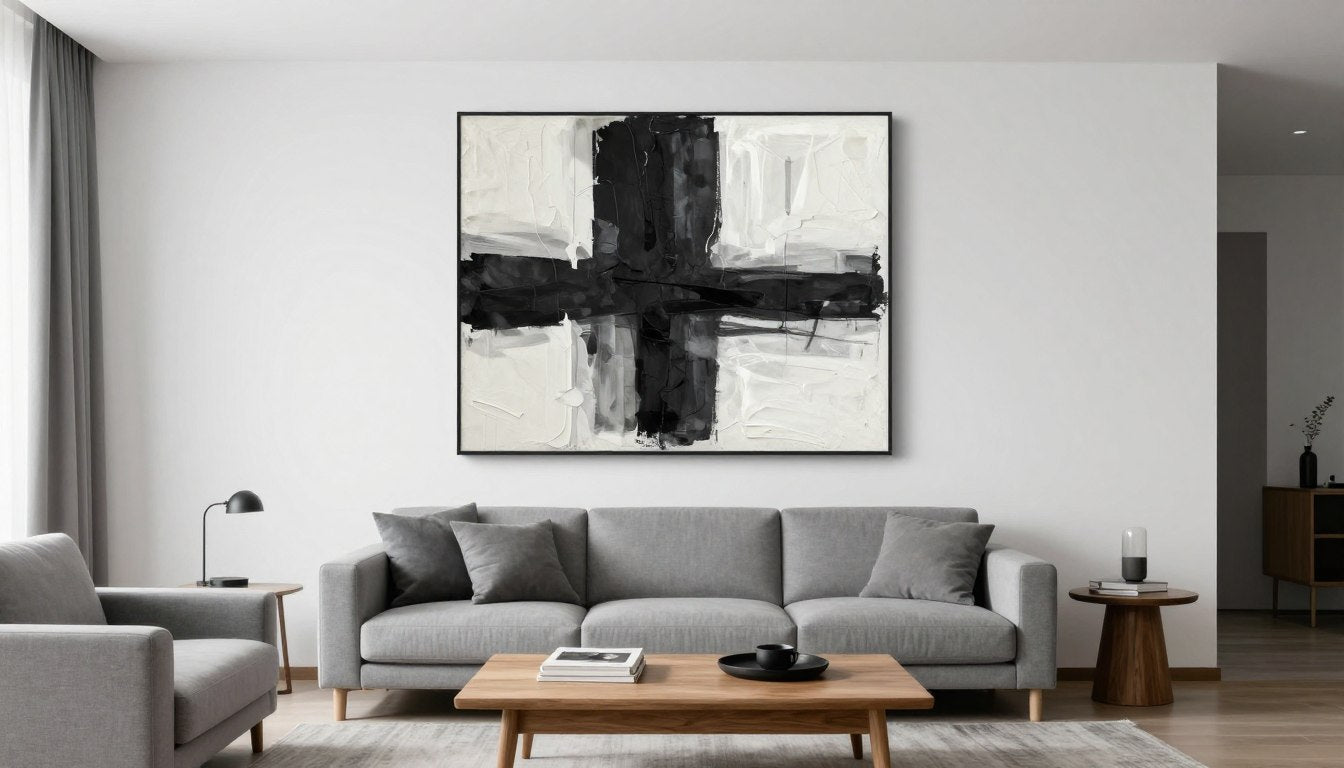
Choosing the right black and white wall art can transform your minimalist interior from stark to sophisticated in moments. The interplay of contrast and simplicity creates visual interest without overwhelming clean lines. Many homeowners struggle with this balance, fearing that art might disrupt their carefully curated spaces.
This guide explores how black and white pieces enhance minimalist design. You'll discover selection principles, styling techniques, and practical placement strategies. Whether you're furnishing a new space or refreshing an existing one, these insights will help you make confident choices.


Curated Black and White Minimalist Art
If you love clean lines and sophisticated contrast, here are three prints that bring that mood into any room.
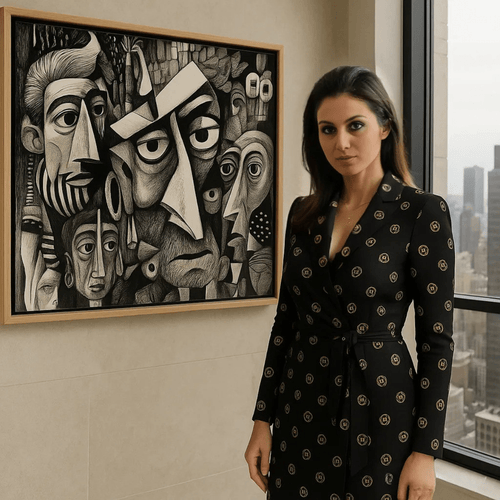
Monochrome Reverie
This black and white minimalist piece features abstract flowing lines. Perfect for living rooms or bedrooms seeking subtle elegance.
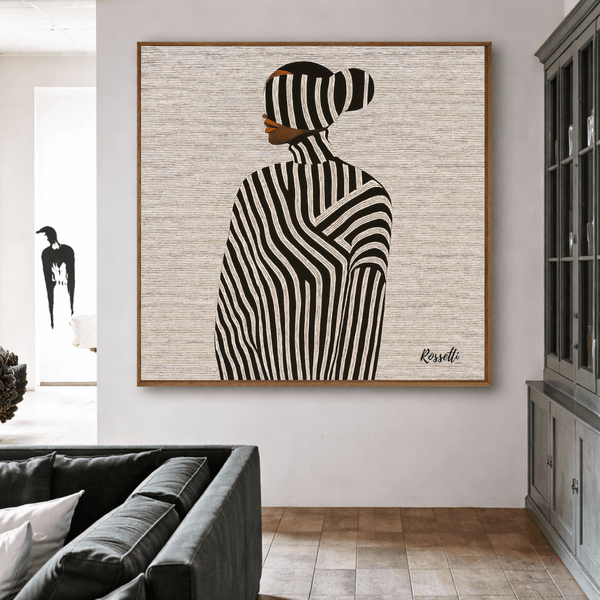
Veiled Silence
Dramatic black white abstract portrait that adds mystery and depth. Ideal for creating focal points in minimalist spaces.
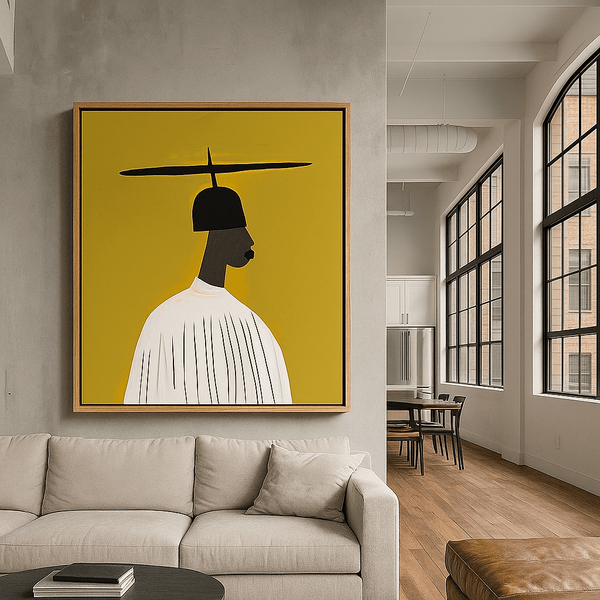
Silent Balance
Clean geometric shapes meet organic forms in this white minimalist art piece. Works beautifully in modern offices and entryways.
Why Black and White Art Elevates Minimalist Spaces
Black and white artwork creates powerful visual impact through contrast alone. This timeless combination eliminates color distractions, allowing forms and compositions to speak clearly. Minimalist interiors thrive on this principle of reduction.
The absence of color unifies diverse art pieces within a space. You can mix abstract pieces with line art or photography without creating visual chaos. This flexibility makes curating collections simpler and more cohesive.

Monochrome art amplifies architectural features rather than competing with them. Clean lines, interesting textures, and spatial relationships become more apparent. The art enhances your design choices instead of overwhelming them.
Black white pieces adapt seamlessly as your space evolves. Unlike colored artwork that demands specific palettes, monochrome works complement any future design changes. This longevity makes them smart investments for your home.

Selecting the Perfect Black and White Wall Art
Understanding Scale and Proportion
Scale determines how art interacts with your space. Large abstract wall art pieces command attention and anchor rooms, while smaller works create intimate moments. Measure your wall space before selecting sizes.
The general rule suggests art should cover 60-75% of available wall width. For sofas, aim for pieces two-thirds the furniture's width. This creates visual balance without overwhelming the space.

Vertical pieces draw eyes upward, making rooms feel taller. Horizontal works expand spaces visually, perfect for narrow walls. Square formats offer versatility and work well in sets or standalone.
Small Spaces (Under 100 sq ft)
- Single medium piece (24x36 inches)
- Set of 3-4 small prints
- Vertical orientation preferred
- Simple compositions work best
Large Spaces (Over 200 sq ft)
- Oversized statement pieces (40x60 inches or larger)
- Gallery walls with mixed sizes
- Horizontal or square formats
- Complex abstract pieces shine

Composition Styles That Work
Abstract pieces offer maximum flexibility in minimalist spaces. Flowing lines, geometric shapes, and organic forms create interest without specific subject matter. They invite interpretation while maintaining design simplicity.
Abstract canvas prints work exceptionally well above sofas and beds. Their non-representational nature prevents visual competition with furniture or architectural details.

Line art delivers sophisticated simplicity. Single continuous lines creating faces, figures, or forms embody minimalist philosophy perfectly. These pieces add human elements without photographic literalism.
Consider line art canvas prints for spaces requiring subtle personality. They work beautifully in bedrooms, home offices, and entryways where gentle sophistication matters most.

Botanical and nature prints bring organic elements indoors. Black white botanical art maintains clean aesthetics while connecting spaces to natural world. Leaf patterns, floral forms, and landscape silhouettes soften stark interiors.
Photography offers documentary realism in monochrome form. Architectural shots, landscapes, and abstract photography provide depth and texture. Choose images with strong contrast and clear composition for maximum impact.

Styling Black and White Art in Minimalist Interiors
Single Statement Pieces vs. Gallery Walls
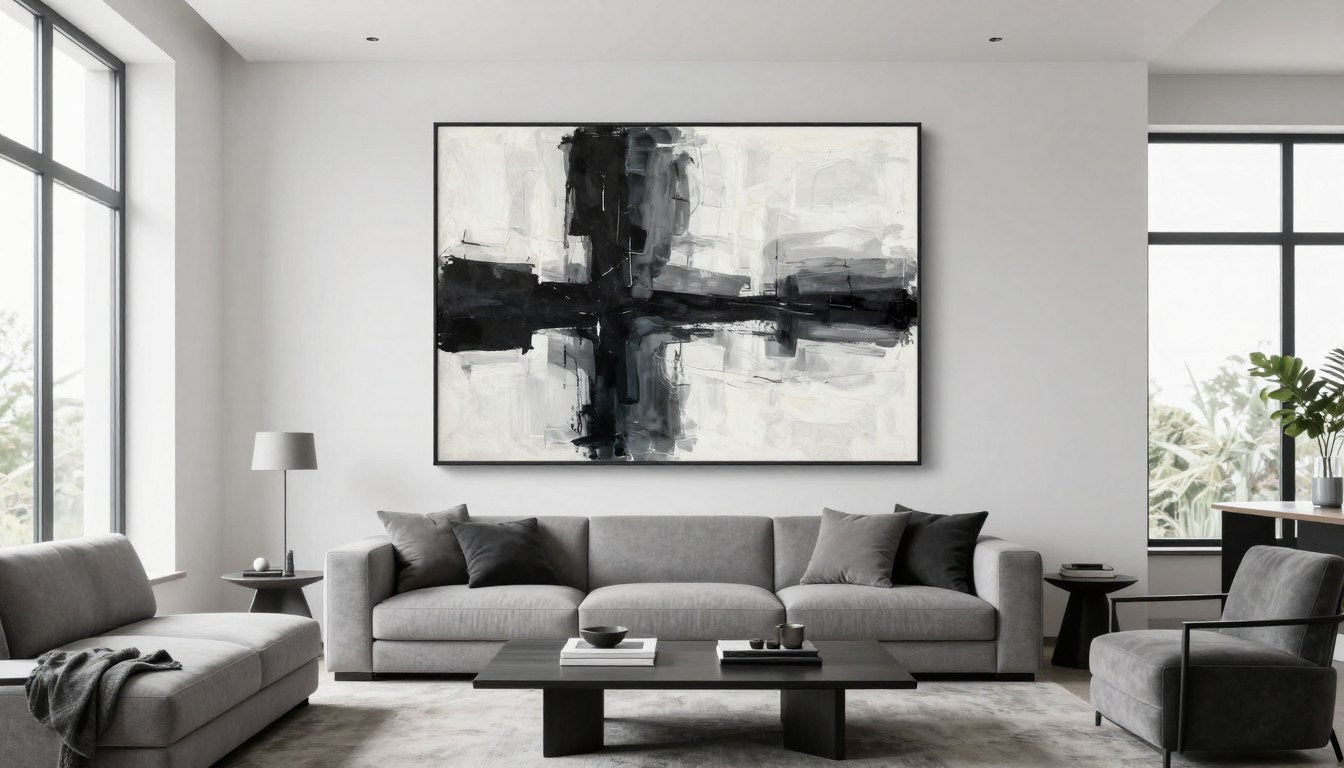
Statement pieces create immediate focal points. One large black white art piece above a sofa or bed anchors the room and establishes visual hierarchy. This approach epitomizes minimalist philosophy: one perfect element instead of many.
Choose oversized abstract pieces for maximum impact. The scale creates drama while maintaining simplicity. This works especially well in living room wall art applications where gathering spaces need personality.

Gallery walls offer curated sophistication when done minimally. Limit collections to 3-6 pieces with consistent framing and spacing. Maintain breathing room between artworks to preserve the minimalist aesthetic.
Plan layouts before hanging. Use paper templates to test arrangements on the floor first. Maintain equal spacing (typically 2-3 inches between frames) for cohesive appearance.

Statement Piece Benefits
- Immediate visual impact
- Simple installation process
- True minimalist approach
- Easy to update or change
- Works in any room size
Gallery Wall Benefits
- Showcases multiple styles
- Fills large wall spaces
- Creates visual stories
- Flexible arrangement options
- Personal collection display
Framing and Presentation
Frame selection significantly impacts minimalist presentations. Simple black or white frames complement artwork without distraction. Avoid ornate or colored frames that compete with the monochrome aesthetic.
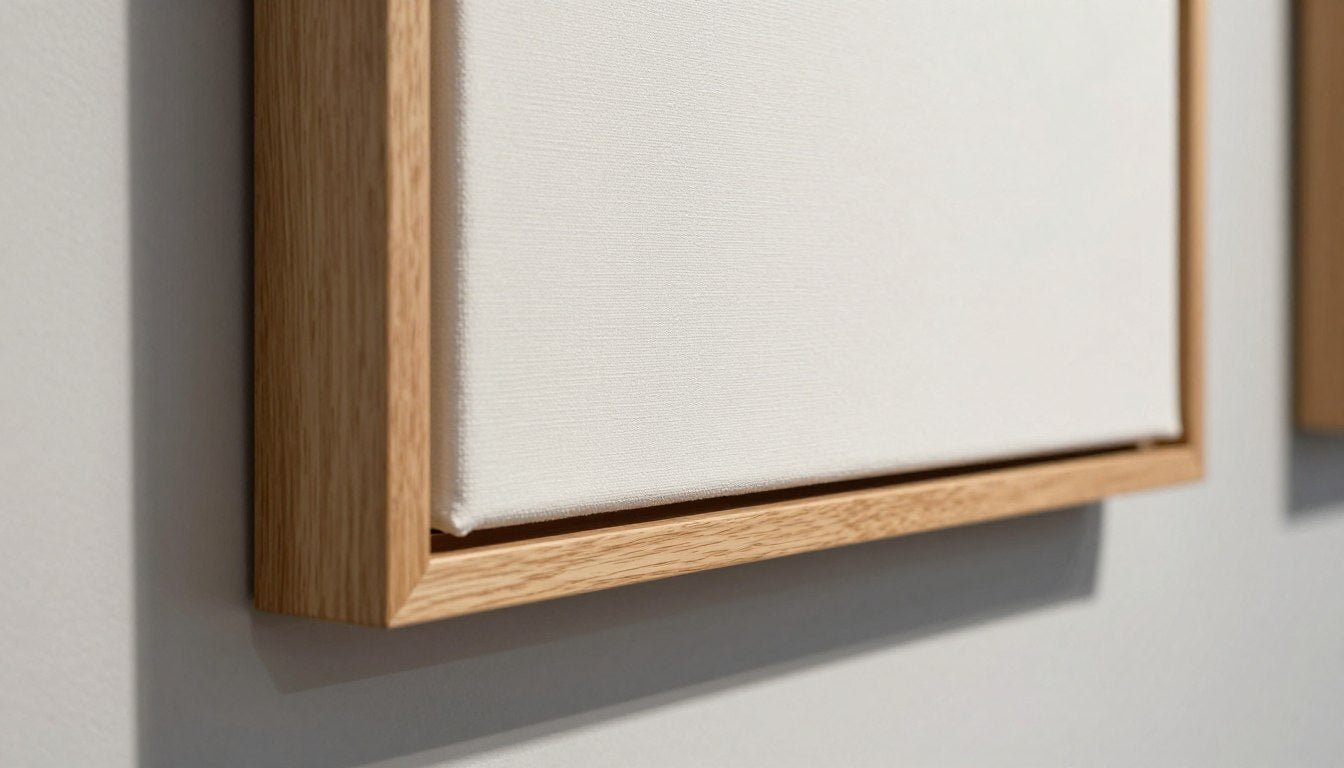
Floating frames create gallery-quality presentations. The art appears to float within the frame, adding depth and sophistication. This contemporary approach suits modern minimalist interiors perfectly.

Consider frameless presentations for ultra-minimal aesthetics. Modern canvas prints come ready to hang with gallery wraps that continue the image around edges. This eliminates framing costs while maintaining clean lines.
Mat boards add breathing room around smaller pieces. White mats work universally, while black mats create dramatic contrast. Keep mat widths consistent across gallery walls for unified appearance.

Room-by-Room Black and White Art Applications
Living Room Sophistication
Living rooms benefit most from bold black white abstract pieces. Position large canvases above sofas at eye level when seated. This creates comfortable viewing angles during conversations and relaxation.
Layer textures through your art selection. Combine smooth prints with textured paintings or mixed-media pieces. This adds dimension while maintaining monochromatic harmony. Browse living room canvas art options for inspiration.

Consider seasonal rotation of smaller pieces. This keeps spaces feeling fresh without major design overhauls. Store alternate artworks carefully to maintain their condition for future display.
Bedroom Tranquility
Bedrooms require softer, more contemplative pieces. Choose calming abstract forms or gentle line art over aggressive compositions. The goal is promoting relaxation rather than stimulation.
Position art above headboards or on facing walls where it's visible from bed. Avoid busy patterns that might disrupt sleep. Explore bedroom canvas prints designed for peaceful atmospheres.

Pair artwork with thoughtful lighting. Picture lights or adjustable track lighting highlight pieces without overwhelming bedroom ambiance. Dimmers allow mood adjustments for different times of day.
Office Productivity
Home offices need inspiring yet non-distracting art. Geometric black white pieces provide visual interest during video calls without pulling focus. They project professionalism in virtual meetings.
Consider motivational abstract pieces that spark creativity. Strong compositions with dynamic lines energize work spaces. Check office canvas art prints for productivity-enhancing options.

Position art at eye level when seated at your desk. This creates visual breaks during long work sessions. Avoid placing art directly behind computer monitors to reduce screen glare.
Entryway First Impressions
Entryways set the tone for entire homes. Choose statement pieces that reflect your aesthetic immediately. Vertical works maximize narrow hallway spaces common in entry areas.
Consider entryway wall art prints that welcome guests while maintaining privacy. Abstract pieces avoid revealing too much about interior spaces at first glance.

Pair entryway art with practical elements like mirrors or console tables. The art should enhance functionality rather than compete with it. Keep compositions simple to avoid overwhelming small spaces.
Dining Room Elegance
Dining rooms allow for more dramatic art choices. Black white pieces create sophisticated backdrops for meals and entertaining. Horizontal compositions work well above sideboards or buffets.
Select pieces that spark conversation without dominating dinner discussions. Abstract forms or artistic photography provide visual interest during meals. Explore dining room wall art decor prints for entertaining spaces.

Match This Vibe to Your Space
Discover our complete collection of black and white minimalist art pieces. From bold abstracts to subtle line drawings, find the perfect piece for every room.

Complementary Art Styles for Minimalist Spaces
Mixing Black and White with Other Elements
While maintaining monochrome focus, subtle additions can enhance spaces. Consider pairing black white art with natural wood tones in frames or furniture. This adds warmth without introducing color chaos.
Metallic accents in silver, gold, or copper complement monochrome pieces beautifully. These neutrals add sophistication and light reflection. Use sparingly to maintain minimalist principles.

Texture becomes crucial in monochrome spaces. Combine smooth canvas prints with woven textiles, leather furniture, or stone accessories. These tactile differences create interest without color.
Abstract Geometric Combinations
Geometric black white pieces bring mathematical precision to spaces. Circles, triangles, and linear patterns create rhythm and movement. These work exceptionally well in modern architectural settings.
Layer different geometric styles for dynamic compositions. Pair curved organic shapes with sharp angles. Browse abstract geometric canvas prints for versatile options.

Consider canvas print sets for unified geometric themes. Multi-panel pieces create cohesive statements across larger walls. Check canvas print sets for coordinated collections.
Figurative and Portrait Elements
Black white portraits add human elements without photographic literalism. Abstract faces and silhouettes maintain minimalist aesthetics while providing emotional connection. These pieces work beautifully in personal spaces.
Choose simplified figurative works that suggest rather than detail. The restraint aligns with minimalist philosophy while adding warmth. Explore portrait canvas prints for sophisticated options.

Visual Inspiration for Your Space
Seeing art in context helps visualization. Watch how black and white pieces transform real minimalist interiors and learn placement techniques from design experts.
Video demonstrations reveal scale relationships and lighting effects that photos cannot capture. Notice how artwork interacts with furniture, natural light, and architectural features throughout the day.

Quality and Material Considerations
Canvas vs. Paper Prints
Canvas prints offer durability and modern aesthetics. The texture adds dimension to black white images. Gallery-wrapped edges eliminate framing needs, reducing costs while maintaining sophistication.
High-quality canvas uses archival inks that resist fading. This ensures your art maintains its contrast and clarity for decades. Museum-quality materials justify the investment in pieces you'll cherish long-term.

Paper prints suit traditional framing approaches. They work well behind glass in formal gallery walls. Archival paper prevents yellowing and maintains crispness in black white contrasts.
Size and Resolution Matters
Larger pieces require higher resolution source images. Pixelation destroys the clean lines essential to minimalist black white art. Always verify print quality before ordering oversized works.
Professional printing facilities ensure proper ink density and color accuracy. Even black white prints require careful calibration for true blacks and crisp whites. Inferior printing muddles contrasts that make monochrome art powerful.

Framing Quality
Floater frames from poplar hardwood offer gallery-quality presentation. The slight gap between canvas and frame creates depth and sophistication. This contemporary approach perfectly suits minimalist aesthetics.
Pre-installed hanging hardware simplifies installation. Quality pieces arrive ready to display immediately. This convenience matters when refreshing spaces or moving to new homes.

Strategic Placement and Hanging Techniques
Height and Positioning Rules
The standard rule positions art with centers at 57-60 inches from floor. This height suits average eye levels in most rooms. Adjust slightly higher in rooms with tall ceilings.
When hanging above furniture, leave 6-8 inches between the furniture top and artwork bottom. This creates visual connection without crowding. The art should relate to furniture while maintaining independence.

In dining rooms, hang art higher to account for standing viewing angles. Pieces above buffets can sit 8-10 inches higher than standard living room placement. Consider sight lines from multiple positions.
Lighting for Maximum Impact
Natural light enhances black white art but requires careful management. Avoid direct sunlight that causes fading. Position pieces on walls perpendicular to windows for ideal illumination without damage.
Artificial lighting adds drama to monochrome pieces. Track lighting or picture lights create gallery effects. Adjust angles to eliminate glare while highlighting textures and contrasts.

Ambient lighting affects how black white pieces appear throughout the day. Warm lighting softens contrasts slightly. Cool lighting emphasizes crispness. Consider both when selecting pieces for specific rooms.
Creating Focal Points
Every room benefits from a clear focal point. Black white art naturally draws eyes through stark contrast. Position your strongest piece where it commands attention immediately upon entering.
Avoid competing focal points in single rooms. If furniture creates one focus, place art to complement rather than compete. Balance is key to comfortable, harmonious minimalist spaces.

Maintaining Your Black and White Art Collection
Cleaning and Care
Canvas prints require minimal maintenance. Dust regularly with soft, dry cloths. Avoid water or cleaning solutions that might damage inks or canvas texture. Gentle care preserves quality indefinitely.
Framed pieces behind glass need different care. Clean glass with streak-free solutions, spraying cloth rather than glass directly. This prevents liquid from seeping behind glass and damaging prints.

Avoid hanging art in high-humidity areas like bathrooms without proper ventilation. Moisture can warp canvases or cause mold on paper prints. Preserve your investment through thoughtful placement.
Rotating and Refreshing
Consider seasonal art rotation to keep spaces feeling fresh. Store alternate pieces in acid-free materials away from temperature extremes. This extends the life of your entire collection.
Rotation allows you to build larger collections over time. Purchase pieces as you find them, knowing you can rotate displays. This approach builds curated collections reflecting your evolving taste.

Budget-Friendly Black and White Art Strategies
Investment Pieces vs. Accessible Options
Original paintings offer unique ownership but require significant investment. Each piece is one-of-kind with artist signatures and certificates. These work beautifully as heirloom pieces passed through families.
Browse original paintings for exclusive black white art. These pieces appreciate over time while providing immediate aesthetic value.

Canvas prints provide museum-quality aesthetics at accessible prices. Modern printing technology reproduces artwork with exceptional fidelity. You enjoy sophisticated pieces without compromising other design budget elements.
Start with prints in key spaces, investing in originals as budget allows. This balanced approach builds impressive collections over time. Quality pieces at various price points create layered, personal spaces.
Mixing Price Points Strategically
Allocate budget to high-impact areas first. Invest more in living room and entryway pieces that guests see immediately. Secondary spaces can feature more affordable options without sacrificing style.
Consider canvas print sets that offer multiple pieces at reduced per-unit costs. These coordinated collections create sophisticated gallery walls economically. The unified aesthetic appears curated and intentional.

Ready-to-Hang, Museum-Quality Canvas
Transform your minimalist space with professionally crafted black and white art. Every piece features:
- Museum-quality canvas with archival inks
- Handcrafted poplar hardwood floating frames
- Pre-installed hanging hardware
- Free worldwide shipping (no import taxes)
- Artist signature and exclusive touch
- 30-day satisfaction guarantee on canvas prints

Sustainable and Ethical Art Choices
Modern art production increasingly emphasizes environmental responsibility. Quality canvas prints use water-based, eco-friendly inks that maintain color without harmful chemicals. This matters for indoor air quality and environmental impact.
Look for art printed and shipped locally from regional facilities. This reduces carbon footprints significantly. Rossetti Art prints come from trusted facilities in the United States, UK, Canada, Australia, Europe, and New Zealand, ensuring fast delivery without international shipping impacts.

Sustainable frames use responsibly sourced wood from managed forests. Poplar hardwood grows quickly and regenerates efficiently. Choosing quality pieces that last decades reduces waste from frequent replacements.
Consider the longevity of art purchases. Well-made black white pieces remain stylistically relevant across decades. This timelessness represents the ultimate sustainability: buying less often because quality endures.
Current Trends in Minimalist Black and White Art
Organic Abstract Forms
Contemporary minimalist art increasingly features organic, flowing shapes. These soften stark interiors while maintaining monochrome simplicity. Curved lines and natural forms create balance with geometric architecture.
Biomorphic abstractions suggest natural elements without literal representation. They bring warmth to minimalist spaces without adding color complexity. This trend reflects growing desire for nature connection in urban living.

Textural Minimalism
Texture becomes increasingly important as color recedes. Three-dimensional elements, raised surfaces, and mixed media add tactile interest. These pieces engage multiple senses while maintaining visual simplicity.
Consider exploring modern sculptures as three-dimensional black white art alternatives. Sculptural pieces create dramatic shadows and changing appearances throughout the day.

Large-Scale Statements
Oversized pieces dominate current minimalist trends. These bold works create instant impact in open-concept spaces. The scale eliminates need for additional decor, embodying minimalist principles perfectly.
Technology advances enable larger prints without quality loss. Pieces exceeding 6-8 feet create architectural elements rather than mere decoration. They transform walls into artistic statements.

Building Your Personal Collection
Developing Your Aesthetic
Building an art collection requires self-awareness and patience. Start by identifying pieces that resonate emotionally. Trust your instincts about what brings joy and peace to your spaces.
Create mood boards or digital collections of pieces you admire. Patterns emerge revealing your authentic taste. You might gravitate toward geometric precision or prefer organic flowing forms.

Visit galleries and view art in person when possible. Screens cannot fully convey scale, texture, and presence. Physical viewing helps you understand what truly moves you versus what simply photographs well.
Follow artists whose work consistently appeals to you. Understanding their processes and inspirations deepens your appreciation. Consider original works from emerging artists as your budget allows. Read more about art and design on our art blog for ongoing inspiration.
Collection Cohesion
Successful collections tell stories while maintaining visual harmony. Black white art naturally coheres, but variations in style, scale, and subject matter prevent monotony. Balance consistency with variety.
Establish guidelines for your collection. You might focus on abstract pieces exclusively or mix abstraction with photography. Define parameters that allow flexibility while maintaining overall coherence.

Document your collection with photos showing pieces in context. This helps visualize future additions and identify gaps. Understanding your existing collection guides smarter future purchases.
Collaborating with Interior Designers
When to Seek Professional Help
Interior designers bring expertise in scale, proportion, and spatial relationships. Consider consulting professionals for large projects or when you feel overwhelmed by choices. Their experience prevents costly mistakes.
Designers access trade resources and can source custom pieces within your budget. They understand how art interacts with lighting, furniture, and architecture. This holistic approach ensures cohesive results.

Bring inspiration images to design consultations. Pinterest boards, magazine clippings, or digital collections communicate your vision clearly. Good designers translate your ideas into actionable plans respecting your aesthetic and budget.
DIY vs. Professional Approach
Many homeowners successfully curate collections independently. Start small with single rooms and build confidence. Online visualization tools help preview how pieces might look before purchasing.
Professional help makes sense for complex projects: extensive gallery walls, architectural integration, or whole-home concepts. The investment often saves money by preventing trial-and-error purchases.

Creating Your Perfect Minimalist Space
Black and white wall art transforms minimalist interiors through timeless contrast and elegant simplicity. The absence of color allows form, composition, and emotion to communicate clearly. These pieces adapt as your spaces evolve, making them wise long-term investments.
Remember that minimalism isn't about empty spaces but intentional ones. Each piece you choose should serve purpose and bring joy. Quality matters more than quantity. A few perfect pieces create more impact than walls covered in mediocre art.

Trust your instincts while learning from design principles. Your home should reflect your personality and values. Black white art provides the perfect canvas for self-expression within minimalist frameworks.
Start with one significant piece that speaks to you deeply. Build your collection gradually, allowing each addition time to integrate into your space. This mindful approach creates authentic, personal environments that nurture and inspire.
The journey of curating art brings as much satisfaction as the finished result. Enjoy discovering pieces that resonate, learning about artists and techniques, and watching your spaces transform. Your minimalist interior becomes a living gallery reflecting your unique aesthetic vision.

Frequently Asked Questions
How do I choose the right size black and white wall art for my minimalist space?
Measure your wall space and select art that covers 60-75% of the available width. For pieces above furniture like sofas, choose artwork that's about two-thirds the furniture's width. In small rooms under 100 square feet, opt for medium pieces (24x36 inches) or sets of smaller prints. Large spaces over 200 square feet can accommodate oversized statement pieces (40x60 inches or larger). Always consider ceiling height and viewing distance when selecting scale.
What's the best way to hang black and white art in a minimalist interior?
Position the center of your artwork at 57-60 inches from the floor, which aligns with average eye level. When hanging above furniture, leave 6-8 inches between the furniture top and the artwork's bottom edge. Use proper hanging hardware rated for your artwork's weight, and ensure walls can support the installation. For gallery walls, plan layouts on the floor first using paper templates, maintaining consistent spacing of 2-3 inches between frames.
Can I mix black and white art with colored pieces in a minimalist space?
While possible, mixing colored art with black and white pieces requires careful consideration in minimalist spaces. If you choose to mix, limit colored pieces to one or two accent works and keep color palettes extremely restrained. However, true minimalist aesthetics typically benefit from maintaining monochrome consistency. Instead of adding color through art, consider introducing subtle warmth through natural wood frames, metallic accents, or textured neutral elements that complement without disrupting the monochrome harmony.
What type of black and white art works best above a sofa?
Large horizontal abstract pieces work exceptionally well above sofas in minimalist spaces. Choose artwork that's approximately two-thirds the sofa's width to create proper visual balance. Abstract compositions, geometric designs, or simplified landscapes provide interest without specific focal points that might compete with conversation areas. Avoid busy patterns or highly detailed pieces that might feel overwhelming. The art should anchor the seating area while maintaining the calm, uncluttered aesthetic essential to minimalist design.
How do I care for and maintain black and white canvas prints?
Canvas prints require minimal maintenance. Dust regularly using a soft, dry microfiber cloth to prevent buildup. Never use water, cleaning solutions, or abrasive materials that could damage the canvas texture or inks. Keep artwork away from direct sunlight to prevent fading, and avoid hanging in high-humidity areas like bathrooms unless well-ventilated. For framed pieces behind glass, clean glass with streak-free solutions sprayed onto a cloth (never directly on glass) to prevent liquid from seeping behind and damaging the print.
Should I choose framed or frameless black and white art for my minimalist home?
Both options work beautifully in minimalist spaces, depending on your preference. Frameless canvas prints with gallery-wrapped edges create ultra-minimal, contemporary looks and eliminate framing costs. They work especially well for modern, casual spaces. Simple floating frames in black or white add sophisticated, gallery-quality presentation while maintaining clean lines. Avoid ornate or colored frames that compete with monochrome aesthetics. Consider your existing decor: frameless works suit ultra-minimal spaces, while simple frames add refinement to more formal areas.
What's the difference between canvas prints and original paintings for black and white art?
Canvas prints reproduce artwork using high-quality digital printing with archival inks on canvas material. They offer museum-quality aesthetics at accessible prices, perfect for building collections or decorating multiple rooms. Original paintings are one-of-a-kind pieces created by artists, featuring unique textures, visible brushwork, and artist signatures. Originals represent investment pieces that may appreciate in value and work beautifully as heirloom art. Choose prints for versatile, budget-friendly options or originals for exclusive, investment-quality pieces with unique character.
How many pieces of black and white art should I display in one room?
In true minimalist style, less is more. A single large statement piece often creates more impact than multiple smaller works. For living rooms, one substantial artwork above the sofa typically suffices. Bedrooms benefit from one or two pieces maximum. If creating gallery walls, limit collections to 3-6 pieces with consistent framing and generous spacing (2-3 inches between frames). Each room should have one clear focal point; avoid competing visual centers. The goal is intentional curation, not wall coverage.
Where can I find high-quality black and white canvas prints for minimalist interiors?
Rossetti Art offers curated collections of black and white canvas prints specifically designed for minimalist spaces. Our pieces feature museum-quality printing with archival inks, handcrafted poplar hardwood floating frames, and pre-installed hanging hardware. Every print includes the artist's signature for an exclusive touch. We provide free worldwide shipping from local facilities in the US, UK, Canada, Australia, Europe, and New Zealand, ensuring fast delivery without import taxes. Browse our complete Black & White Canvas Prints collection or explore style-specific categories like Abstract, Line Art, and Geometric designs.
What are the latest trends in black and white minimalist wall art?
Current trends emphasize organic abstract forms with flowing, curved shapes that soften stark interiors while maintaining monochrome simplicity. Textural minimalism incorporating three-dimensional elements and mixed media adds tactile interest. Oversized statement pieces (6-8 feet or larger) create architectural impact in open-concept spaces. Biomorphic abstractions suggesting natural elements without literal representation bring warmth to urban minimalist settings. Line art remains popular for its sophisticated simplicity. These trends reflect growing desires for nature connection and sensory engagement within minimalist frameworks.

About the Author
Chiara Rossetti
Chiara Rossetti is the founder of Rossetti Art, a canvas print and original art brand. She writes about interior design, wall art styling, and the art of making a home feel alive.

Leave a comment
This site is protected by hCaptcha and the hCaptcha Privacy Policy and Terms of Service apply.