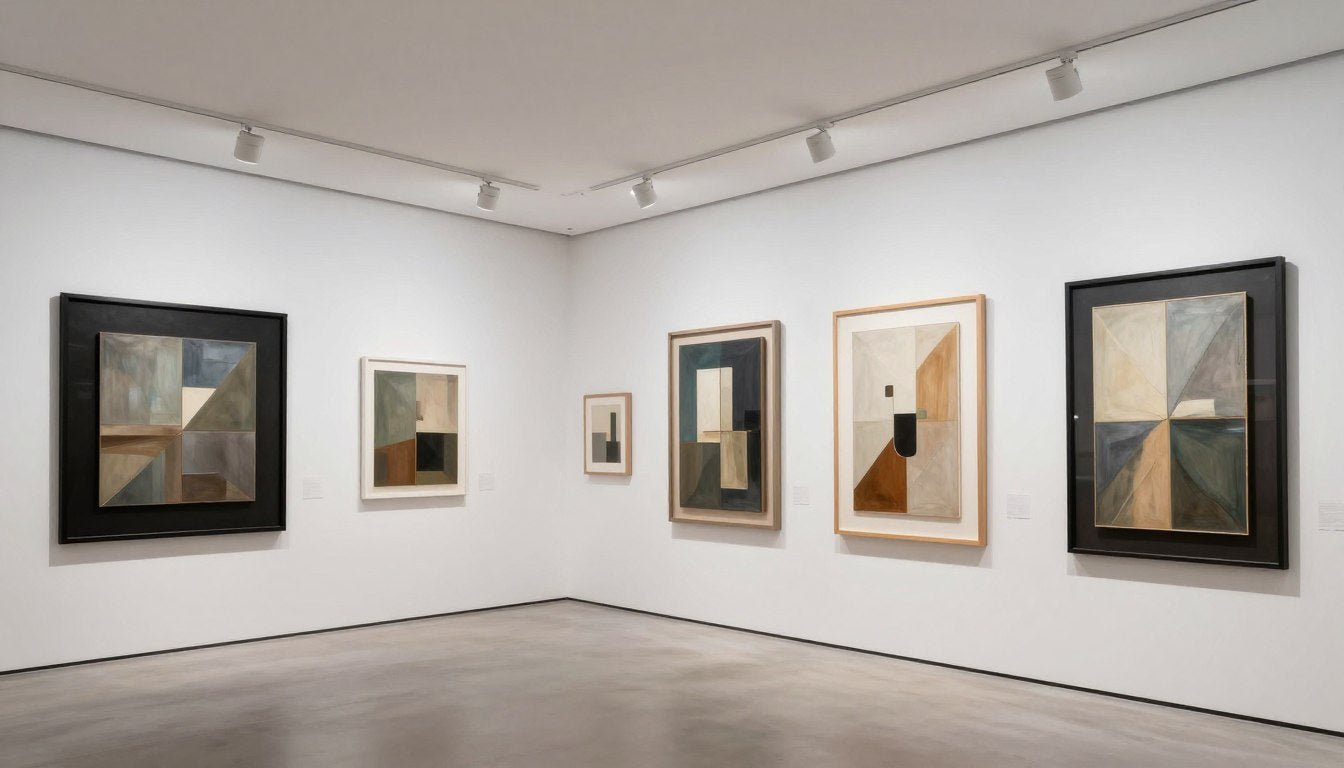
Choosing the right frame color transforms your canvas art from a simple wall decoration into a stunning focal point. The best floater frame colors for modern canvas art depend on your artwork style, room design, and personal aesthetic preferences.
Floater frames create a contemporary look by suspending your canvas within the frame. This gap between the artwork and frame edges adds depth and dimension that traditional frames cannot achieve.
Modern art collectors face a common challenge. With dozens of wood finishes and frame materials available, selecting the perfect color feels overwhelming. This guide simplifies your decision with practical advice based on art style, room placement, and design principles.
Understanding Floater Frames for Modern Art

Floating frames differ from traditional frames in their construction and visual effect. The canvas appears to float within the frame, creating visual breathing room around your artwork.
These frames offer unique advantages for contemporary art display. The gap between canvas and frame draws attention to the artwork rather than the framing itself. This design choice supports the modern aesthetic of clean lines and uncluttered presentation.
Understanding frame anatomy helps you make informed color choices. The rabbet depth determines how much of your canvas edge shows. The frame profile affects the overall visual weight of your presentation.
How Floating Frames Work
The floating frame creates depth through a simple mechanical design. Your canvas sits on hidden supports inside the frame, suspended slightly forward from the back. This construction leaves a small gap on all sides.
Frame canvas art requires careful measurement for proper fit. The internal dimensions must accommodate your canvas size plus the desired gap. Most floating frames create an 8 mm (5/16-inch) space around the artwork.
Quality frames offer adjustable mounting systems. These allow you to center your canvas perfectly within the frame opening. Professional installation ensures your artwork hangs level and secure.
Benefits Over Traditional Frames
Unlike traditional frames, floating frames showcase the entire canvas surface. Your artwork edges remain visible, maintaining the artist's original vision. This presentation style particularly benefits gallery-wrapped canvases.
The depth canvas achieves with floater frames adds sculptural quality to wall displays. Shadows cast by the raised canvas create dynamic visual interest that changes with lighting throughout the day.
Choosing right frame materials protects your investment. Wood frames offer warmth and natural beauty. Metal options provide sleek, contemporary styling with excellent durability.
Wood Frame Benefits
- Natural warmth complements various art styles
- Wide range of stain and finish options
- Traditional craftsmanship appeals to collectors
- Easily customized to match decor
Metal Frame Advantages
- Sleek profiles suit modern minimalist spaces
- Exceptional durability for long-term display
- Contemporary aesthetic matches urban interiors
- Lightweight construction simplifies hanging
If You Love Minimalist Modern Art, These 3 Prints Pair Perfectly With Any Frame Color
Discover curated selections that showcase how the right canvas art elevates any framing choice. Each piece works beautifully with the frame colors discussed in this guide.
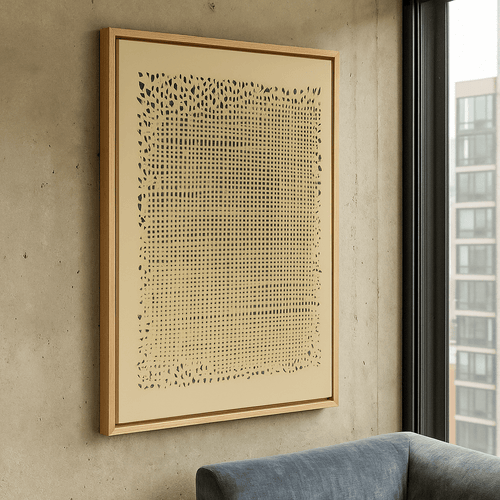
Neutral Abstract Print
Soft geometric shapes in warm neutrals complement both light and dark frame finishes.
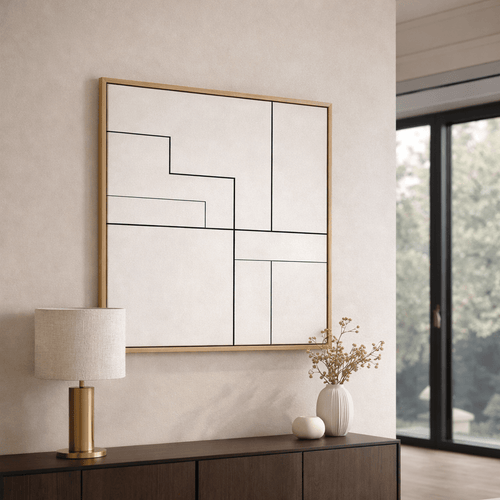
Line Art Canvas
Bold black and white line drawings create striking contrast with natural wood or metallic frames.
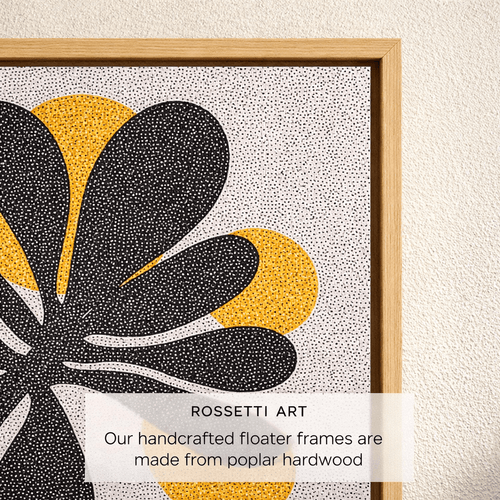
Botanical Wall Art
Nature-inspired prints in muted greens pair exceptionally with walnut and natural wood finishes.
Black Floater Frames: Timeless Elegance

Black frames remain the most popular choice for modern canvas art. This classic color creates strong contrast that makes artwork pop against most wall colors. The visual weight of black framing grounds bold, colorful pieces while adding sophistication to minimal compositions.
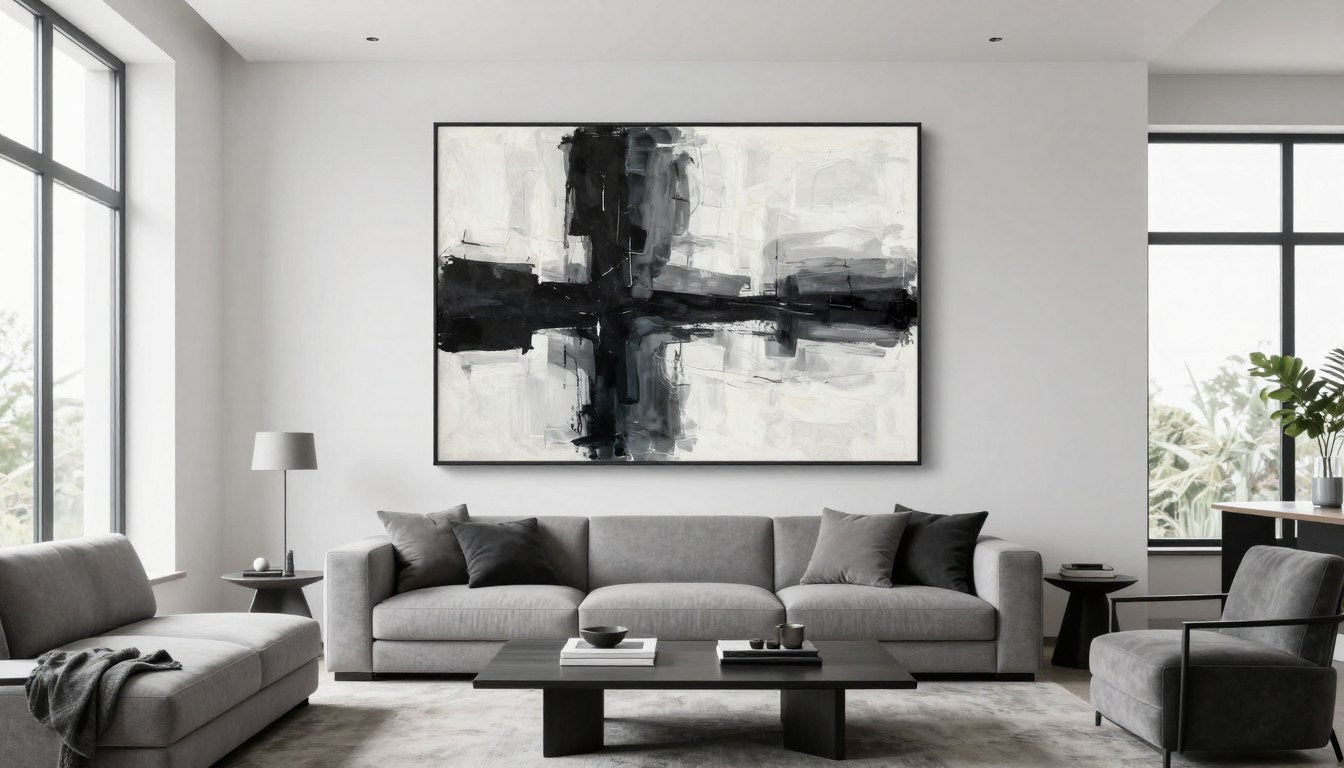
Frame canvas choices in black work particularly well with abstract geometric canvas prints. The crisp edges and defined structure complement modern abstract work. Black framing also enhances black and white canvas prints, creating cohesive monochromatic presentations.
Consider your wall color when selecting black frames. Against white or light walls, black creates maximum contrast and drama. On darker walls, black frames blend more subtly while maintaining a refined appearance.
Best Art Styles for Black Frames
Contemporary art styles benefit most from black framing. The bold outline emphasizes clean lines and geometric shapes found in modern compositions. Pop art canvas prints gain additional impact from black frame borders.
Colorful artwork achieves better balance with black frames. The neutral border prevents visual overwhelm while allowing bright hues to shine. Cityscape canvas prints particularly benefit from this framing choice.
Portrait and figurative work gains gallery-quality presentation with black floating frames. The formal appearance elevates portrait canvas prints and creates museum-worthy displays in living room settings.
Black Frame Finishes
Matte black finishes offer contemporary sophistication without reflective distractions. This low-sheen option works in any lighting condition and complements modern minimalist interiors.
Satin black provides subtle luster that adds depth without glossiness. This finish bridges traditional and contemporary aesthetics, offering versatility for various room styles.
High-gloss black creates dramatic, formal presentations. This reflective finish suits office canvas art and spaces where you want maximum visual impact.
- Matte black suits minimalist modern interiors
- Satin finishes work in transitional spaces
- Glossy black adds formal elegance to traditional rooms
- Textured black frames introduce tactile interest
White and Natural Wood Frame Colors

White frames create an airy, gallery-like atmosphere that expands visual space. This light option works beautifully in Scandinavian and coastal-inspired interiors. The floating frame effect appears more subtle with white framing, allowing artwork to integrate seamlessly into light-colored rooms.
Natural wood finishes bring organic warmth to modern canvas displays. Unlike traditional frames, floating frames in natural wood celebrate the material's inherent beauty. The visible grain patterns add texture that complements botanical wall art prints and nature-inspired pieces.
These lighter frame options suit specific environments and art styles. Understanding when to choose white versus natural wood helps create cohesive interior presentations.
When to Choose White Frames
White floating frames excel in bright, minimalist spaces. The clean appearance maintains visual continuity with white or light-colored walls. This choice prevents visual fragmentation in already bright rooms.
Pastel and soft-colored artwork benefits from white framing. The light border enhances gentle hues without adding competing visual weight. Kids nursery canvas prints often look best in white frames.
Small spaces appear larger with white frame selections. The light color reflects more light and creates seamless transitions between walls and artwork. Consider white frames for entryway wall art in compact spaces.
Natural Wood Options
Oak and maple frames offer light, neutral wood tones. These pale finishes provide warmth without overwhelming lighter artwork. The subtle grain patterns add organic texture to contemporary presentations.
Ash and birch present slightly cooler wood tones. These options work well with blue and green color palettes common in bedroom canvas prints.
Natural finishes vary between frame manufacturers. Request samples to ensure the wood tone coordinates with your existing furniture and decor. Quality wood frames develop a beautiful patina over time.
Light Frame Benefits
- Expands visual space in smaller rooms
- Complements Scandinavian design aesthetics
- Enhances soft, pastel artwork palettes
- Creates cohesive gallery wall presentations
- Reflects light to brighten darker spaces

Match This Vibe to Your Space
Explore curated collections organized by style and room placement. Find the perfect canvas art that works with your chosen frame color to create cohesive, professionally designed interiors.
Walnut, Espresso, and Dark Wood Frames

Dark wood frames bring sophistication and grounding presence to modern art displays. Walnut remains the most sought-after dark wood option, offering rich brown tones with beautiful natural grain variation. This warmth creates inviting atmospheres while maintaining contemporary styling.
Espresso finishes provide nearly black depth with subtle brown undertones. This color bridges the gap between pure black and natural wood, offering versatility across various interior styles. The depth canvas achieves with dark wood framing adds substantial visual weight to lighter artwork.
These frame colors work exceptionally well with warm-toned art. The complementary relationship between dark wood and earth-toned canvases creates harmonious, professionally curated presentations.
Walnut Frame Characteristics
True walnut frames showcase distinctive grain patterns unique to each piece. No two walnut frames look identical, adding artisanal character to your framing choices. This natural variation appeals to collectors who appreciate authentic materials.
The color ranges from medium chocolate brown to deep espresso depending on the wood source. American black walnut typically presents darker than European walnut. Understanding these variations helps set accurate expectations.
Walnut frames pair beautifully with animal canvas prints and warm-toned abstracts. The organic quality enhances nature subjects while adding refinement to contemporary pieces.
Best Rooms for Dark Frames
Dark wood frames excel in rooms with warm color schemes. The rich tones complement beige, cream, and warm gray walls common in traditional and transitional interiors. Dining room wall art decor benefits from the formal presence dark frames provide.
Studies and home offices gain gravitas with dark wood framing. The substantial appearance conveys professionalism and refinement appropriate for work environments. Consider walnut or espresso frames for office canvas art prints.
Bedrooms achieve cozy, intimate atmospheres with dark wood frames. The warm tones create restful environments conducive to relaxation. Pair dark frames with soft, muted artwork for bedroom spaces.
Metallic and Contemporary Frame Finishes

Metal frames bring industrial sophistication to modern canvas presentations. These contemporary options range from brushed silver to copper and rose gold finishes. The sleek profiles and clean lines align perfectly with urban, minimalist aesthetics.
Silver and aluminum frames create cool, contemporary atmospheres. The neutral metallic tone works with virtually any color palette, offering maximum versatility. These frames often feature thinner profiles than wood options, emphasizing the artwork over the framing.
Gold and brass finishes add warmth with luxurious appeal. These metals work particularly well with warm-toned artwork and glamorous interior styles. The reflective quality adds dimension and light to displays.
Silver and Aluminum Frames
Brushed aluminum provides subtle texture without excessive shine. This finish suits modern, industrial spaces where clean lines dominate. The cool tone complements cityscape canvas prints and urban-themed artwork.
Polished silver creates bright, reflective borders. This high-shine option adds glamour to contemporary spaces. Consider polished finishes for pop art canvas prints where bold visual impact matters.
Chrome finishes offer mirror-like reflectivity. This dramatic option suits statement pieces and creates focal points in minimalist rooms. The ultra-modern appearance works best with abstract and geometric art styles.
Warm Metal Options
Gold frames range from bright yellow gold to antique brass tones. Modern interpretations favor brushed or matte gold over high-polish finishes. These warmer metals complement movie canvas art prints featuring vintage Hollywood glamour.
Copper and rose gold introduce contemporary warmth. These on-trend finishes work beautifully with blush, coral, and warm neutral color palettes. The unique coloring creates distinctive presentations.
Bronze offers antique appeal with modern sensibility. The darker metal tone bridges traditional and contemporary styles. Bronze frames suit original paintings requiring sophisticated presentation.
- Determine your room's color temperature (warm or cool)
- Match metal tone to dominant metal finishes in light fixtures and hardware
- Consider artwork colors when selecting metal finish
- Test samples against your wall color before purchasing
- Account for natural and artificial lighting effects on metallic surfaces
Matching Frame Colors to Art Styles

Successful framing requires understanding the relationship between art style and frame color. Each artistic movement and subject matter benefits from specific framing approaches. Finding perfect harmony between artwork and frame creates cohesive, professional presentations.
The frame should enhance rather than compete with your canvas art. Consider the artwork's dominant colors, emotional tone, and stylistic characteristics when making frame selections. Right frame choices elevate the art while wrong choices detract from the overall presentation.
Abstract and Geometric Art
Bold, colorful abstracts work best with neutral frame colors. Black frames create strong containment for chaotic compositions. White frames allow vibrant colors to dominate without competing borders.
Minimalist geometric pieces benefit from sleek metal frames. The clean lines of aluminum or brushed steel echo the precision of geometric artwork. Abstract geometric canvas prints achieve maximum impact with contemporary metal framing.
Earth-toned abstracts pair beautifully with natural wood frames. The organic qualities of wood complement organic shapes and warm color palettes. Consider walnut or oak for abstracts featuring browns, oranges, and warm reds.
Figurative and Portrait Work
Traditional portraits benefit from classic frame colors. Black or dark wood frames provide formal presentation appropriate for figurative subjects. The substantial appearance conveys importance and gravitas.
Contemporary portrait styles allow more flexibility. Portrait canvas prints with modern treatments work well in white or natural wood frames. Match frame formality to artwork style.
Photography-based portraits often look best in black frames. The crisp border creates gallery-quality presentation. Consider matte black for museum-worthy displays of photographic work.
Nature and Botanical Art
Natural subjects deserve natural framing materials. Wood frames in any finish complement botanical and nature themes. The organic connection enhances the artwork's subject matter.
Botanical wall art prints look exceptional in light oak or maple frames. The pale wood doesn't overpower delicate plant illustrations. Green-toned artwork particularly benefits from warm wood tones.
White frames create fresh, spa-like presentations for botanical art. This choice works well in bathrooms and bedrooms where calming atmospheres matter. The light border maintains the peaceful quality of nature subjects.
Bold Modern Art
Vibrant, high-energy pieces requiring strong containment and visual grounding.
- Black matte frames for maximum contrast
- White frames in all-white gallery settings
- Dark wood for warmth with containment
- Avoid competing metallic finishes
Soft Minimalist Work
Gentle, understated pieces benefiting from subtle, non-competing frames.
- White frames for seamless integration
- Natural light wood for organic warmth
- Brushed silver for cool sophistication
- Avoid heavy dark frames
Photography Prints
Photographic art requiring clean, professional presentation without distraction.
- Black frames for classic gallery look
- Aluminum for contemporary edges
- White for high-key imagery
- Match frame to photo tonality
Mixed Media Art
Complex layered pieces with varied textures and multiple color elements.
- Neutral frames prevent overwhelm
- Natural wood adds complementary texture
- Consider artwork's dominant temperature
- Test multiple options before deciding
Frame Color Coordination by Room

Room-specific framing considerations ensure your artwork integrates seamlessly with existing decor. Each space in your home serves different functions and maintains distinct atmospheres. Frame color selections should support these environmental characteristics.
Understanding how frame colors interact with room elements creates cohesive design schemes. Consider wall color, furniture finishes, lighting conditions, and room size when making frame decisions.
Living Room Frame Selections
Living rooms typically accommodate larger statement pieces requiring substantial framing. Black and dark wood frames provide appropriate visual weight for significant living room wall art. These choices create focal points that anchor seating arrangements.
Light-colored walls pair well with both dark and light frames. White or beige walls offer maximum flexibility. Consider your furniture finishes when selecting frame colors for primary living spaces.
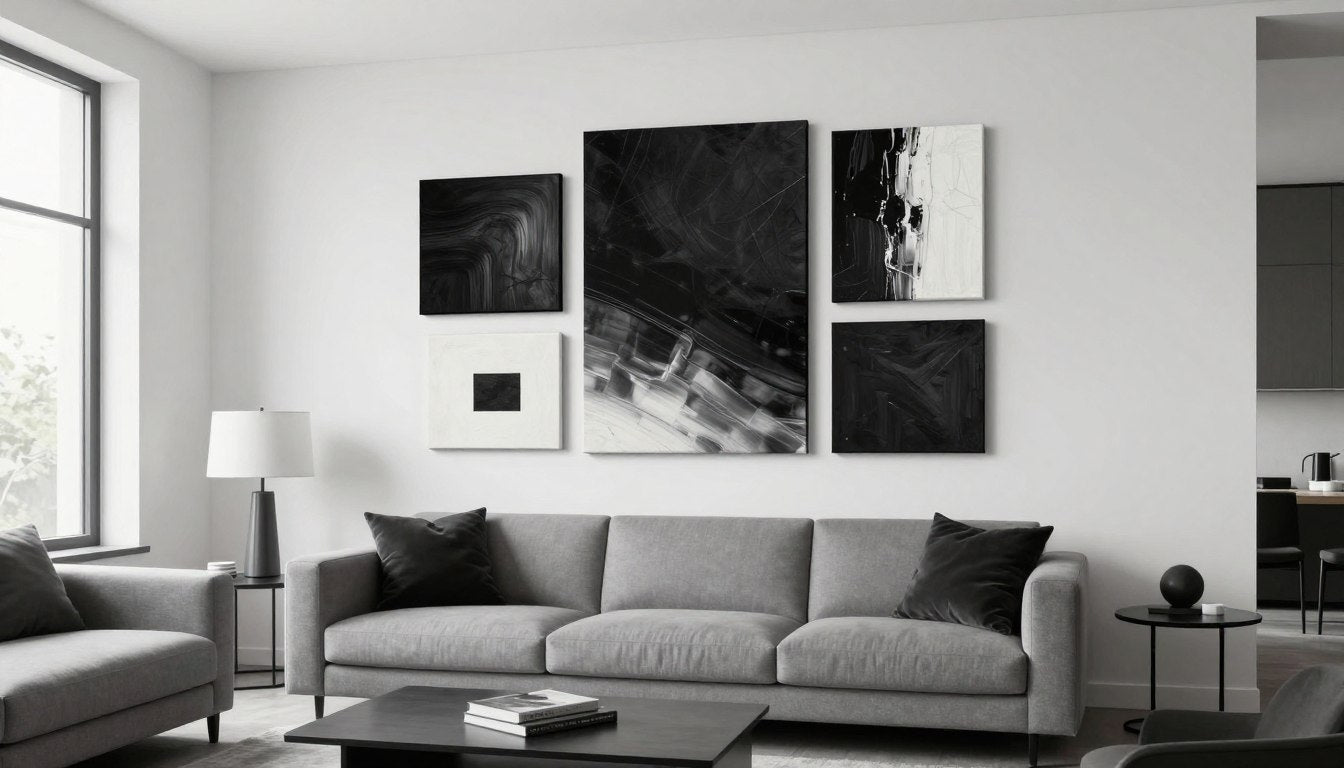
Gallery walls benefit from consistent frame colors throughout. Choose one frame color and vary artwork sizes for cohesive presentations. Canvas print sets look particularly striking when uniformly framed.
Bedroom Framing Choices
Bedrooms require calming frame selections that promote relaxation. Natural wood frames create warm, peaceful environments. The organic material contributes to restful atmospheres conducive to sleep.
White frames work beautifully in master bedrooms with light, airy design schemes. The subtle borders maintain the peaceful quality essential for sleep spaces. Pair white frames with soft-colored bedroom canvas prints.
Avoid overly dramatic frame choices in bedrooms. Reserve bold black or metallic frames for public spaces. Bedroom framing should feel personal and comforting rather than showy.
Office and Workspace Framing
Professional environments benefit from sophisticated frame selections. Black frames convey competence and authority appropriate for work settings. The formal appearance enhances credibility in client-facing home offices.
Modern offices suit sleek metal frames. Brushed aluminum or steel creates contemporary professional atmospheres. These frames pair well with office canvas art prints featuring motivational or inspirational content.
Dark wood frames bridge traditional and contemporary office aesthetics. Walnut or espresso finishes work in both classic and modern professional spaces. The substantial appearance commands respect while maintaining warmth.
| Room Type | Primary Frame Color | Alternative Option | Avoid |
| Living Room | Black or Dark Wood | Natural Wood | Overly ornate finishes |
| Bedroom | Natural Wood or White | Soft Metallic | Heavy black frames |
| Office | Black or Brushed Metal | Dark Walnut | Casual light woods |
| Dining Room | Dark Wood or Gold | Black | Ultra-modern metals |
| Entryway | Black or Metallic | Dark Wood | Competing colors |
| Kids Room | White or Natural Wood | Colored Frames | Formal dark finishes |
Frame Size and Profile Considerations

Frame dimensions significantly impact the final presentation. Profile width and depth affect how artwork appears on your walls. Understanding these measurements helps you select frames that enhance rather than overwhelm your pieces.
Larger canvases typically require wider frame profiles for proper visual balance. Small artworks benefit from thinner frames that don't dominate the presentation. Matching frame scale to artwork size creates professional, proportionate displays.
Frame Width Selection
Narrow frames measuring three-quarters to one inch wide suit smaller canvases. These slim profiles work well for pieces under sixteen by twenty inches. The minimal border maintains focus on the artwork itself.
Standard width frames range from one to two inches. This moderate size works for most canvas dimensions. The versatile profile accommodates various art styles without specific size restrictions.
Wide frames exceeding two inches create dramatic presentations. These substantial profiles suit large statement pieces over thirty by forty inches. The bold border commands attention and anchors significant wall spaces.
Depth and Gap Measurements
Frame depth determines the gap between canvas and frame edge. Standard depths create 8 mm (5/16-inch) gaps suitable for most applications. This spacing provides classic floating frame aesthetics without excessive shadow.
Deep-profile frames create gaps up to one-half inch. These pronounced depths add sculptural quality and dramatic shadows. The increased dimension suits contemporary interiors favoring bold architectural elements.
The canvas thickness affects frame depth requirements. Standard gallery-wrapped canvases measure approximately one-and-a-half inches deep. Ensure your frame accommodates this dimension plus desired gap spacing.
- Measure canvas dimensions accurately before ordering frames
- Account for both canvas face size and depth
- Consider wall space available around framed piece
- Calculate total framed dimensions including frame width
- Verify frame internal dimensions match canvas requirements
- Order samples when uncertain about size relationships
Ready-to-Hang, Museum-Quality Canvas Art
Every Rossetti Art canvas arrives gallery-wrapped and ready to display. Add your choice of floating frame for a complete, professionally finished presentation. Free worldwide shipping on all orders.
Quality, Materials, and Durability

Frame quality dramatically affects longevity and appearance. Premium materials ensure your investment remains beautiful for decades. Understanding construction methods and material grades helps you identify superior frames worth purchasing.
Quality frames offer proper canvas support and protection. The internal mounting system should hold your artwork securely without sagging or shifting. Inferior frames fail over time, potentially damaging valuable canvas art.
Wood Frame Quality Indicators
Solid hardwood construction provides superior durability compared to composite materials. Real wood frames resist warping and maintain structural integrity over years of display. The natural material develops attractive patina as it ages.
Precision joinery indicates quality craftsmanship. Mitered corners should align perfectly with no gaps or misalignment. Quality manufacturers use glue and reinforcement techniques ensuring corners remain tight indefinitely.
Finish quality reveals attention to detail. Smooth, even application without drips or thin spots indicates professional production standards. The finish should enhance wood grain rather than obscuring natural beauty.
Metal Frame Construction
Aluminum frames offer lightweight strength ideal for larger pieces. The metal resists corrosion and maintains appearance without special care. Quality aluminum frames feature welded rather than screwed corners for superior strength.
Powder-coated finishes provide durable color that resists scratching and chipping. This application method creates even, long-lasting coverage. Anodized finishes offer alternative surface treatments with excellent durability.
Wall hanging hardware quality matters significantly. Premium frames include robust hanging systems rated for the frame weight plus artwork. Inferior hardware risks artwork falling and damage.
Canvas Support Systems
Adjustable mounting brackets allow precise artwork positioning within the frame. Quality systems include multiple adjustment points ensuring perfect centering. The hardware should grip canvas edges firmly without damage.
Backing boards protect artwork from dust and environmental contaminants. Acid-free materials prevent degradation over time. Quality frames include proper backing as standard features.
Proper canvas support prevents sagging and maintains taut presentation. The mounting system should distribute weight evenly across the entire canvas perimeter. Check that frames include adequate support points for your canvas size.
Premium Frame Advantages
- Solid construction lasts for generations
- Precision manufacturing ensures perfect fit
- Quality finishes resist wear and fading
- Proper hardware prevents accidents
- Warranty protection provides peace of mind
- Better materials protect artwork investment
Budget Frame Limitations
- Composite materials warp over time
- Poor joinery results in loose corners
- Thin finishes wear quickly
- Inadequate hardware risks falling
- No warranty coverage when problems arise
- Replacement costs exceed initial savings
Installation and Care Tips

Proper installation ensures your framed canvas displays beautifully and safely. Following correct procedures protects both artwork and walls. Understanding installation techniques prevents common mistakes that damage frames or canvases.
Regular maintenance preserves frame appearance and protects your investment. Simple care routines keep frames looking new for years. Different materials require specific cleaning approaches for optimal results.
Installing Canvas in Floating Frames
Begin by laying the frame face-down on a clean, soft surface. Position your canvas centered within the frame opening. Check alignment on all sides before securing the mounting hardware.
Tighten mounting brackets evenly to prevent canvas shifting. Work from opposite corners to maintain centering throughout the process. Avoid over-tightening which may damage canvas edges.
Verify the canvas sits level within the frame before final tightening. View from multiple angles to confirm proper positioning. The gap should appear consistent on all four sides when correctly installed.
Wall Hanging Techniques
Locate wall studs for hanging heavy framed pieces. Use appropriate anchors in drywall when studs aren't positioned correctly. The hanging hardware should support at least triple the frame weight for safety.
Measure carefully to ensure level placement. Use a quality level and mark positions lightly before drilling. Picture hanging wire distributes weight better than single-point hanging for larger pieces.
Consider professional installation for valuable artwork or large pieces. Expert installers ensure proper placement and secure mounting. The investment protects both artwork and walls from damage.
Frame Cleaning and Maintenance
Dust frames regularly using soft, dry microfiber cloths. Avoid feather dusters which can scratch delicate finishes. Gentle dusting prevents buildup that dulls frame appearance over time.
Clean wood frames with slightly damp cloths for stubborn dirt. Avoid excessive moisture which damages wood and finishes. Immediately dry any wet areas to prevent water marks or swelling.
Metal frames tolerate gentle glass cleaner on non-porous surfaces. Spray cleaner on cloth rather than directly on frames. This prevents liquid seeping into frame joints or contacting canvas edges.
- Inspect hanging hardware annually for wear or loosening
- Tighten loose screws or mounting brackets immediately
- Check canvas positioning within frame periodically
- Protect frames from direct sunlight to prevent fading
- Maintain stable humidity levels to prevent wood warping
- Avoid hanging framed art above heat sources
Budget Considerations and Value

Frame pricing varies dramatically based on materials, construction, and size. Understanding cost factors helps you make informed purchasing decisions. Balancing budget constraints with quality requirements ensures satisfactory results without overspending.
Quality frames represent worthwhile investments protecting valuable artwork. Cheap frames often require replacement within years, ultimately costing more than premium options purchased initially. Calculate long-term value rather than focusing solely on upfront costs.
Frame Pricing Factors
Material costs significantly impact frame prices. Solid hardwood frames cost more than composite alternatives but offer superior longevity. Exotic woods command premium prices compared to common species like oak or pine.
Frame size directly correlates with price. Larger dimensions require more material and labor. Custom sizes typically cost more than standard dimensions due to specialized production requirements.
Finish complexity affects manufacturing costs. Simple stains and natural finishes cost less than specialty treatments. Hand-applied finishes commanding premium prices versus factory spray applications.
When to Invest in Premium Frames
Original artwork and limited edition prints deserve premium framing. The frame quality should match artwork value. Investing in superior frames protects valuable pieces while enhancing their presentation.
Permanent installations justify premium frame investments. Artwork intended for long-term display benefits from durable, high-quality framing. Calculate cost over expected display duration rather than upfront expense alone.
High-traffic areas require durable frames resistant to bumps and handling. Public spaces and commercial installations benefit from robust construction. Premium frames withstand environmental stresses better than budget alternatives.
Budget-Friendly Framing Strategies
Purchase frames during sales and promotional periods. Many retailers offer significant discounts during holidays and clearance events. Stock up on standard sizes when prices drop substantially.
Consider DIY installation to reduce costs. Professional framing services add significant expenses. Installing canvas in purchased frames yourself saves money while maintaining quality.
Start with fewer premium frames rather than many cheap ones. Quality framing for select pieces creates better overall impact than poorly framed collections. Gradually expand your framed artwork as budget allows.
Explore our complete collection of museum-quality canvas prints ready for your framing choices. Visit our art blog for additional design inspiration and framing guidance.
Creating Your Perfect Frame Selection
Choosing the best floater frame colors for modern canvas art requires considering multiple factors. Your artwork style, room environment, and personal preferences all influence optimal frame color decisions. The guidance provided throughout this article equips you with knowledge for confident frame selection.
Start by analyzing your canvas art characteristics and intended display location. Consider the emotional atmosphere you want to create. Test frame samples against your artwork and wall colors before committing to final purchases.
Remember that frame color significantly impacts how viewers perceive your artwork. The right choice enhances and elevates your canvas art. Poor frame selection detracts from even the most beautiful pieces.
Quality framing represents an investment in your artwork's presentation and protection. Premium materials and construction ensure your displays remain beautiful for decades. The frame becomes an integral part of the overall artistic presentation.
Explore various framing options with confidence using the principles outlined here. Your informed decisions will create gallery-quality presentations showcasing your modern canvas art beautifully.
Frequently Asked Questions
What is the most popular floater frame color for modern canvas art?
Black remains the most popular choice for modern canvas art. This classic color creates strong contrast against most wall colors and works with virtually any art style. Black frames provide timeless elegance that suits both bold colorful pieces and minimalist compositions. For contemporary interiors, brushed black or matte black finishes offer sophisticated presentation without reflective distractions.
Should frame color match wall color or artwork colors?
Frame color should complement rather than exactly match either element. Consider the overall relationship between wall, frame, and artwork as a unified composition. Neutral frame colors like black, white, or natural wood work with most wall and art color combinations. When walls and artwork share similar tones, choose a contrasting frame color to create visual separation and prevent pieces from visually blending into walls.
Can I mix different frame colors in the same room?
Mixing frame colors works when done intentionally with careful planning. Create visual cohesion by limiting yourself to two or three frame colors maximum. Group same-colored frames together rather than alternating randomly. Consider using one frame color for larger statement pieces and another for smaller artworks. Maintain consistency within gallery walls by using uniform frame colors throughout each grouping. Browse canvas print sets designed to work together with coordinated framing.
How do I choose between wood and metal frames?
Material choice depends on your interior style and artwork characteristics. Wood frames bring warmth and organic texture suitable for traditional, transitional, and rustic interiors. Metal frames offer sleek contemporary styling ideal for modern minimalist spaces. Consider your existing furniture and decor materials. Rooms with predominately wood furniture benefit from wood frames, while spaces featuring metal and glass furnishings suit metal framing. Abstract and geometric art often looks best in metal frames, while nature subjects pair beautifully with wood.
What frame color works best for colorful abstract art?
Neutral frame colors prevent visual competition with vibrant artwork. Black frames create strong containment for bold, colorful abstracts while white frames allow colors to dominate the presentation. Natural wood in medium tones provides warm neutral borders that complement earth-toned abstracts. Avoid brightly colored frames that compete with the artwork itself. For maximum versatility with your abstract canvas collection, invest in quality black or natural wood frames that work across multiple pieces.
Do floating frames work for all canvas sizes?
Floating frames accommodate virtually any canvas size when properly matched to dimensions. Manufacturers produce frames in standard sizes matching common canvas dimensions. Custom framing services create floater frames for non-standard sizes. Verify that frame internal dimensions provide proper clearance for your canvas thickness plus desired gap. Very small canvases under eight by ten inches may look lost in floating frames, while pieces larger than forty by sixty inches require robust construction to support the weight.
How much gap should show between canvas and frame?
Standard floating frames create 8 mm (5/16-inch) gaps on all sides. This spacing provides classic floater frame aesthetics with subtle shadow effects. Contemporary designs may feature gaps up to one-half inch for more dramatic sculptural presentation. The gap size affects the overall depth and visual weight of your framed piece. Smaller gaps suit traditional and transitional interiors while larger gaps emphasize modern, architectural aesthetics. Ensure consistent gap spacing on all four sides for professional, balanced appearance.
What's the difference between matte and glossy frame finishes?
Matte finishes offer low reflectivity with contemporary sophistication. This no-shine option works in any lighting condition without distracting glare. Matte frames suit modern minimalist interiors and focus attention on artwork rather than framing. Glossy finishes provide reflective surfaces with formal traditional appeal. High-gloss creates dramatic presentation suitable for statement pieces in well-lit spaces. Semi-gloss or satin finishes bridge these extremes, offering subtle luster without excessive shine. Consider your room lighting when selecting finish sheen.
Can I frame canvas prints the same way as original paintings?
Gallery-wrapped canvas prints frame identically to original paintings using floating frames. Both require the same gap spacing and mounting systems. The framing process doesn't distinguish between print and original artwork. Focus on frame quality and color coordination rather than artwork origin. Premium canvas prints from Rossetti Art arrive gallery-wrapped and ready for floating frame installation, providing the same professional presentation as original artwork.
How do I maintain and clean floater frames?
Regular dusting with soft microfiber cloths prevents buildup and maintains appearance. Avoid harsh chemicals that damage finishes or wood. For stubborn dirt on wood frames, use slightly damp cloths followed immediately by dry wiping. Metal frames tolerate gentle glass cleaner applied to cleaning cloths, never sprayed directly on frames. Inspect mounting hardware annually and tighten loose components. Protect frames from direct sunlight to prevent fading. Maintain stable humidity levels preventing wood warping or finish damage.

About the Author
Chiara Rossetti
Chiara Rossetti is the founder of Rossetti Art, a canvas print and original art brand. She writes about interior design, wall art styling, and the art of making a home feel alive.

Leave a comment
This site is protected by hCaptcha and the hCaptcha Privacy Policy and Terms of Service apply.