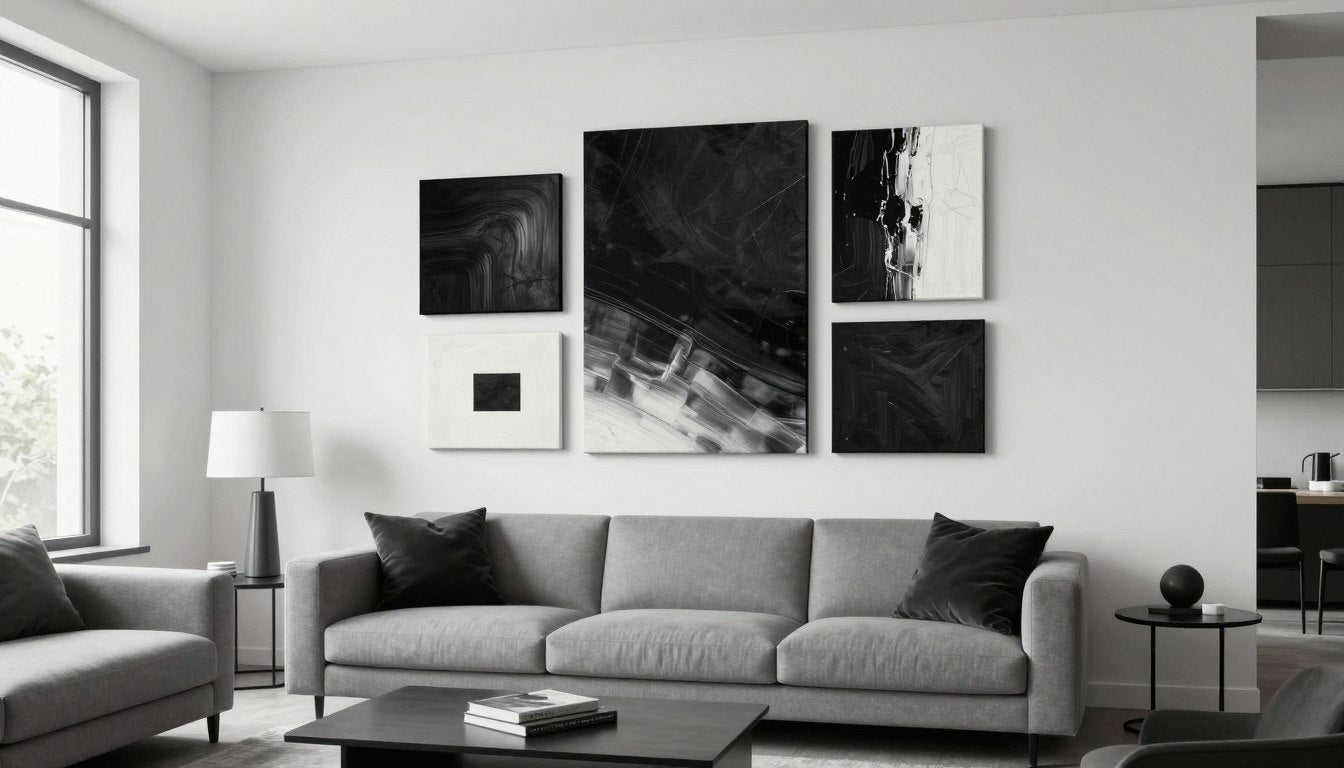

Monochrome wall art never goes out of style. Black and white canvas prints bring timeless elegance to any space. Whether you prefer bold contrast or subtle photography, these pieces create visual impact without overwhelming your room.
The right black white wall art transforms blank walls into focal points. But choosing and placing these pieces requires understanding a few designer principles.
This guide reveals professional styling rules for black and white canvas prints that work in real homes. You'll learn size selection, placement strategies, and room-specific recommendations from interior design experts.
Why Black and White Canvas Dominates Modern Interiors

Monochrome art offers unmatched versatility. These pieces complement any color palette in your home. A black white canvas adapts to changing décor trends while maintaining classic appeal.
The absence of color creates powerful visual statements. High contrast draws the eye and defines spaces. Photography, abstract compositions, and line drawings gain intensity in black white format.
Professional designers choose monochrome pieces for specific reasons. These artworks balance busy patterns in textiles and furniture. They provide visual rest areas that prevent sensory overload.
Black and white wall art works across all design styles. Modern, traditional, industrial, and Scandinavian interiors all benefit from monochrome canvas. The neutral palette ensures your investment remains relevant for years.

Curated Black & White Selections
If you love timeless monochrome design, these 3 prints bring that mood into any room.

Modern Abstract Geometry
Bold shapes create architectural interest. Perfect for contemporary spaces that need a focal point.
View This Print
Portrait Photography
Human connection captured in monochrome. Adds depth and emotion to living room walls.
Explore Portraits
Line Art Elegance
Simple lines create maximum impact. Ideal for bedrooms and calm spaces.
See Line ArtEssential Sizing Rules for Wall Impact

Size determines whether your canvas makes a statement or disappears. The wall space and surrounding furniture dictate dimensions. Professional designers follow specific proportion rules.
For wall art above furniture, choose canvas that spans two-thirds to three-quarters of the furniture width. A 90-inch sofa needs 60 to 68-inch wide art or a gallery arrangement within that range. This proportion creates visual balance.
Single Large Canvas vs. Gallery Arrangement
One large black white piece delivers bold simplicity. Gallery walls offer variety and flexibility. Your room size and personal style determine the best approach.
Large canvases work best in spaces with minimal visual competition. If your room features busy patterns or multiple furniture pieces, a single monochrome canvas provides focus. Canvas prints from Rossetti Art come in sizes specifically designed for modern wall proportions.

Gallery walls require planning but offer creative freedom. Mix three to seven pieces for optimal impact. Maintain consistent spacing between frames—typically 2 to 3 inches works well for most arrangements.
Room-Specific Size Guidelines
Living Room
Your primary gathering space deserves substantial art. Wall space and viewing distance matter here.
- Single piece: 40 x 60 inches minimum for standard walls
- Gallery: 5-7 pieces spanning 6-8 feet horizontally
- Above sofa: Match two-thirds of sofa width
- Standalone wall: One oversized piece (60 x 80 inches)
Bedroom
Calm spaces benefit from appropriately scaled monochrome art. Headboard walls need special attention.
- Above bed: 40 x 30 inches minimum, centered
- Side walls: 24 x 36 inches per piece
- Gallery over headboard: 3-5 pieces maximum
- Opposite wall: 30 x 40 inches for visual balance
Office
Professional spaces need focused visual elements. Office canvas art should inspire without distracting.
- Behind desk: 30 x 40 inches horizontal orientation
- Side walls: 20 x 30 inches pairs work well
- Meeting areas: 40 x 60 inches for presence
- Small offices: 24 x 36 inches prevents overwhelming
Entryway
First impressions start here. Entryway wall art sets your home's tone immediately.
- Narrow halls: 18 x 24 inches vertical orientation
- Wide entries: 36 x 48 inches makes statements
- Gallery height: Center at 57-60 inches from floor
- Console tables: Art should not exceed table width

Ceiling height influences size perception. Rooms with 8-foot ceilings accommodate smaller pieces comfortably. Spaces with 10-foot or higher ceilings need larger canvases to avoid the art appearing lost.
The viewing distance rule helps determine size. Stand where you'll typically view the art. If you're 8-10 feet away, choose larger pieces. Closer viewing distances allow smaller, more detailed works.
Placement Strategies That Designers Use
Hanging height makes or breaks wall art effectiveness. The standard rule places the center of your canvas at 57 to 60 inches from the floor. This eye-level positioning works for most spaces and viewers.
Furniture changes the height calculation. Art above sofas, consoles, or beds should sit 6 to 8 inches above the furniture top. This creates visual connection without awkward gaps.
The Triangle Method for Multiple Pieces
Gallery walls need deliberate arrangement. The triangle method ensures balanced composition. Imagine invisible triangular shapes connecting your pieces—this creates natural visual flow.

Start with your largest or most important piece. Place it first, typically off-center for dynamic interest. Arrange remaining pieces around this anchor, maintaining triangle patterns throughout the composition.
Balancing Negative Space
Empty wall space matters as much as the art itself. Monochrome pieces need breathing room to maximize impact. Overcrowding dilutes the power of contrast.
A single black white canvas should have at least 6 to 10 inches of clear space on all sides before reaching furniture, doorways, or wall edges. This frame of negative space enhances the piece.

For gallery walls, maintain consistent spacing between pieces. Uniform gaps create cohesion. Variable spacing looks unintentional and reduces professional appearance.
Lighting Considerations
Natural and artificial light affect how viewers experience black white contrast. Position canvas away from direct sunlight to prevent fading. UV-protective glazing helps, but proper placement provides better long-term protection.
Accent lighting enhances monochrome art dramatically. Picture lights or track lighting add depth and dimension. Light should hit the canvas at a 30-degree angle from above to minimize glare.

Rooms with limited natural light benefit especially from white canvas areas. These reflect available light and brighten spaces. Photography with high white content works well in darker rooms.
Match This Vibe to Your Space
Explore our complete collection of black and white canvas prints curated by designer Chiara Rossetti. Find pieces that complement your existing décor and create the atmosphere you envision.
Selecting the Right Style for Your Aesthetic

Black and white encompasses many artistic approaches. Your selection should align with your room's existing design language. Mixing styles works when deliberate, but cohesion creates stronger impact.
Photography vs. Abstract vs. Line Art
Photography brings realism and connection to the natural world. Landscape and architectural photography in monochrome emphasizes form and texture. Portrait photography creates intimate human connection.
Abstract pieces offer interpretive freedom. Viewers bring their own meaning to these works. Abstract black white art works particularly well in modern and contemporary interiors where clean lines dominate.

Line art canvas prints provide minimalist sophistication. These pieces use continuous or broken lines to create recognizable forms. Line art complements Scandinavian, minimalist, and transitional design styles.
Pattern Density and Room Busyness
Your room's existing visual complexity determines the appropriate art complexity. Busy rooms with patterned textiles, multiple textures, and varied furniture benefit from simple, clean monochrome art.
Conversely, minimal rooms with solid-color furniture and simple textiles can handle more complex, detailed black white pieces. Intricate photography or busy abstract work adds necessary visual interest.

The contrast rule applies here. If your space feels calm and understated, bold graphic prints add energy. If your room already has substantial visual activity, quiet photography or subtle abstracts provide balance.
Texture Considerations in Canvas Selection
Canvas texture affects the final appearance of black white art. Smooth, fine-weave canvas works best for detailed photography where sharpness matters. The material doesn't interfere with image clarity.
Textured canvas adds dimension to abstract work and paintings. The visible weave becomes part of the artistic expression. This works especially well for pieces that benefit from a handmade, organic feel.
Gallery-wrapped edges—where the image continues around the sides—eliminate the need for traditional framing. This modern presentation style suits contemporary and minimalist spaces. Our blog features additional articles on canvas presentation methods.
Room by Room Application Guide
Each room in your home serves different functions and sets different moods. Your black white wall art should support these purposes while maintaining cohesive style throughout your space.
Living Room: Creating Conversation Starters

Living rooms benefit from bold statements. Large-scale pieces or impressive gallery walls work well here. This social space invites commentary and appreciation of art.
Position your primary piece on the wall opposite the room entrance. Guests see this immediately upon entering. The focal wall should have minimal competition from other decorative elements.
Conversation areas need visual anchors. Art above the sofa or fireplace creates these natural gathering points. Choose pieces that reflect your personality—guests will ask about them.
Modern living room canvas art often features architectural photography, abstract compositions, or large-scale botanical prints in monochrome. These subjects spark discussion while maintaining sophisticated atmosphere.

Bedroom: Establishing Calm Environments
Bedrooms require different energy than public spaces. Soft, contemplative imagery promotes relaxation. Avoid aggressive contrast or chaotic compositions in sleep spaces.
The headboard wall typically receives the art in bedrooms. Center a single piece or symmetrical pair above the bed. This creates visual weight that anchors the room's largest furniture piece.
Bedroom-appropriate subjects include subtle landscapes, gentle abstracts, or serene photography. Line drawings of faces, bodies, or nature work particularly well. These subjects feel personal and intimate.
Side walls can feature smaller companion pieces. These should complement without competing with the primary art. Matching frames or similar styles create cohesion across the space.

Home Office: Motivation Through Visual Focus
Office spaces need inspiring yet non-distracting art. Motivational subjects work well—cityscapes suggesting ambition, abstract pieces encouraging creative thinking, or nature photography providing mental breaks.
Behind your desk, choose horizontal orientation. This complements monitor and desk shapes. The art should be visible during video calls, reflecting your professional aesthetic.
Graphic black white prints with strong geometric elements suit office environments. These convey organization and clarity—qualities that support productive work.
Avoid overly relaxing imagery in work spaces. Your office art should energize rather than sedate. Urban photography, architectural subjects, and bold abstracts maintain appropriate energy levels.

Entryway: Setting Immediate Tone
Your entry makes first impressions. The art here represents your entire home's aesthetic. Choose pieces that boldly announce your style preferences.
Narrow hallways need vertical orientation to emphasize height. Wide entries accommodate horizontal pieces or small gallery arrangements. Scale appropriately for the space dimensions.
High-impact subjects work well in entries—dramatic photography, striking portraits, or bold graphic art. Visitors spend limited time here, so immediate impact matters more than subtle detail.
Entryways often lack furniture, giving you freedom in placement height. The standard 57-60 inch center height works well. Ensure adequate lighting to showcase your selection.
Color Coordination with Monochrome Art

Black and white canvas provides the perfect neutral foundation for any color scheme. These pieces won't clash with future décor changes, making them smart long-term investments.
Using Monochrome as a Palette Anchor
Colorful rooms benefit from monochrome art that provides visual rest. The black white piece becomes a calm focal point among vibrant textiles, furniture, and accessories.
Your canvas can pull accent colors from within the image itself. A black white photograph of architecture might inspire gray throw pillows. Abstract art might echo furniture shapes even without matching colors.

Metallics pair beautifully with black white art. Gold, silver, brass, and copper frames or nearby accessories add warmth without introducing competing colors. These metallic touches enhance monochrome sophistication.
Warm vs. Cool Undertones
True black and white contains neutral undertones, but printing and canvas can introduce subtle warmth or coolness. Pure white backgrounds read cooler. Cream or ivory undertones create warmer presentations.
Match your canvas undertone to your room's temperature. Cool gray walls pair with bright white backgrounds. Warm beige or tan walls complement cream-based whites.
The black ink or pigment also varies. Some prints use rich, warm blacks. Others feature cool, blue-tinged blacks. Request samples when possible to assess these subtle but important differences.

Framing and Presentation Methods

Presentation style significantly impacts how your monochrome art appears. Modern approaches differ from traditional framing. Your choice should align with overall design direction.
Gallery Wrap vs. Traditional Framing
Gallery-wrapped canvas extends the image around the edges. This frameless presentation offers clean, contemporary appearance. The three-dimensional object becomes sculptural rather than purely pictorial.
Traditional framing adds formal presence. Black frames intensify the monochrome theme. White frames lighten the presentation and work well in bright, airy spaces. Natural wood frames introduce warmth and organic texture.
Floating frames—where the canvas appears suspended within the frame—combine both approaches. This method provides frame presence while maintaining the gallery-wrapped edge visibility.

Mat Placement and Spacing
Mats create breathing room between image and frame. White mats emphasize the white areas in your art. Black mats do the opposite, pulling attention to darker elements.
Standard mat width ranges from 2 to 4 inches. Smaller images need proportionally wider mats to prevent the appearance of floating in excessive frame. Larger pieces require narrower mats to avoid overwhelming the composition.
Double mats add depth and luxury. An outer mat in one neutral and inner mat in another creates subtle layering. This technique particularly suits traditional or transitional interiors.
Glass vs. No Glass
Canvas prints typically don't require glass. The textured surface and gallery presentation work best unglazed. Glass can create unwanted reflections that interfere with viewing.
Archival paper prints benefit from UV-protective glass or acrylic. This preserves the print long-term and prevents fading. Anti-reflective coatings minimize glare in bright rooms.

Mixing Black and White with Color Art

Gallery walls can successfully combine monochrome and color pieces. The key lies in deliberate distribution and connection between works. Random mixing rarely succeeds.
Ratio Guidelines for Mixed Collections
Aim for 60-70% monochrome pieces when mixing with color. This ratio allows black white to dominate while color provides accent interest. Too much color overwhelms the monochrome aesthetic.
Distribute color pieces evenly across the arrangement rather than clustering. One color piece among three to four monochrome works creates balanced rhythm. Clusters of color create visual weight that throws off composition.
Choose color pieces that share subjects or style with your black white works. If your monochrome collection features botanical subjects, color botanical prints integrate seamlessly. Maintaining subject or style cohesion unifies mixed galleries.

Creating Visual Bridges
Visual bridges connect disparate elements in mixed collections. A black white photograph containing significant white space can sit beside a color print with similar light backgrounds. This shared characteristic creates connection.
Frame color provides another bridging opportunity. Using identical frames across all pieces—both monochrome and color—creates immediate cohesion. The consistent border unifies the collection regardless of image content.
Similar tonal values bridge monochrome and color. A high-key color photograph with soft pastels pairs better with bright, high-contrast black white than with a dark, moody monochrome piece.
Maintenance and Longevity Tips

Quality canvas prints last decades with minimal care. Understanding basic maintenance preserves your investment and keeps monochrome art looking gallery-fresh.
Cleaning Methods for Canvas
Dust canvas prints monthly using a soft, dry microfiber cloth. Gentle brushing prevents buildup in the texture. Never use water or cleaning solutions on canvas—these can damage the print and material.
For stubborn spots, use compressed air to blow away particles. Hold the can upright and maintain 6-inch distance to avoid condensation. Professional cleaning handles serious issues beyond basic dusting.
Avoid touching the print surface with bare hands. Skin oils transfer to canvas and can create permanent marks over time. Handle pieces by the frame or wrapped edges only.
Protecting from Environmental Damage
Direct sunlight fades even quality prints eventually. Position canvas away from windows receiving constant sun exposure. UV-filtering window film provides protection if repositioning isn't possible.
Humidity damages canvas over time, causing warping or mold growth. Avoid hanging in bathrooms or other high-moisture environments unless specifically protected. Maintain consistent room humidity between 40-50% for optimal preservation.

Temperature fluctuations cause canvas to expand and contract. This leads to cracking in severe cases. Maintain stable room temperatures and avoid placing art near heating vents or air conditioning units.
When to Consider Professional Conservation
Professional conservation becomes necessary if you notice discoloration, tears, or separation from the stretcher bars. These issues worsen without expert intervention.
Valuable or irreplaceable pieces warrant professional cleaning every 5-10 years. Conservators have tools and techniques unavailable to home users. This investment protects your original investment.
Document your art with photographs immediately after purchase. This creates a baseline for noticing gradual changes that might require professional attention.
Ready-to-Hang, Museum-Quality Canvas
All Rossetti Art black and white canvas prints arrive ready to hang with premium materials and professional presentation. Free worldwide shipping on every order. Museum-quality printing ensures your monochrome art maintains its impact for years.
Budget Considerations Without Compromising Quality

Quality black white canvas exists at various price points. Understanding value versus cost helps make smart purchasing decisions. Cheap prints disappoint quickly while museum-quality pieces provide decades of enjoyment.
Print Quality Indicators
Examine print resolution and sharpness. Quality canvas should show clean edges and smooth gradations between black and white tones. Pixelation or visible dots indicate inferior printing.
Canvas material matters significantly. Premium cotton or linen canvas outlasts synthetic alternatives. The material should feel substantial and show tight, even weaving. Loose or irregular texture suggests lower quality.
Stretcher bar construction affects long-term appearance. Solid wood bars maintain tension better than pressed wood alternatives. Check corner joints for stability and precision.

Size vs. Budget Balance
Larger pieces cost more but deliver greater impact per dollar. A single large canvas often provides better value than multiple small pieces requiring individual framing.
Start with one investment piece rather than several mediocre options. A quality 40 x 60-inch canvas from professional sources like Rossetti Art anchors a room better than three cheap alternatives.
Gallery walls allow mixing price points strategically. Invest in one or two premium pieces and supplement with smaller, less expensive works. The quality pieces elevate the entire collection.
Long-Term Value Thinking
Calculate cost per year rather than initial price. A $300 canvas lasting 20 years costs $15 annually. A $50 print fading within 3 years costs $16.67 annually—plus replacement hassle.
Quality art maintains aesthetic value throughout ownership. You won't tire of well-executed pieces or need to replace them for quality reasons. Poor prints require upgrading as your taste develops.
Consider resale value for limited editions or notable artists. These pieces can appreciate while mass-produced posters become worthless. Investing in quality serves both immediate and future interests.
Common Styling Mistakes to Avoid

Even quality monochrome art fails when poorly placed or selected. Avoiding common errors ensures your investment achieves maximum impact. Professional designers see these mistakes repeatedly.
Hanging Too High
The most frequent error places art well above proper viewing height. Gallery owners position pieces for standing viewers. Home environments need lower placement for seated viewing comfort.
Remember the 57-60 inch center-point rule. This accommodates both standing and seated viewers. Measure from the floor to the art's center, not its top edge.
Above furniture situations require the 6-8 inch gap rule. Measure from furniture top to art bottom, not furniture top to art center. This distinction prevents inadvertently hanging too high.
Ignoring Proportion Rules
Undersized art disappears on large walls. The piece should fill adequate wall space to create presence. Tiny canvas on expansive walls looks like afterthoughts rather than intentional design elements.

Oversized pieces overwhelm small spaces. A 60 x 80-inch canvas dominates a 10 x 10-foot room excessively. Leave adequate negative space around substantial pieces to let them breathe.
Multiple small pieces scattered across a large wall lack cohesion. Either group them into a deliberate gallery arrangement or choose larger individual works. Random small pieces read as clutter.
Mismatching Style and Space
Highly detailed photography gets lost in large, busy rooms viewed from distance. These pieces suit smaller, intimate spaces where viewers can appreciate fine detail.
Conversely, simple graphic monochrome art can feel empty in close viewing situations. Large, bold abstracts or graphics work better for distance viewing in spacious rooms.
Traditional frame styles clash with ultra-modern interiors. Gallery-wrapped contemporary canvas looks out of place in period-style rooms. Match presentation method to architectural context.

Neglecting Lighting Design
Dark rooms diminish black white contrast. These pieces need adequate light to showcase their tonal range. Supplement natural light with targeted artificial lighting.
Harsh overhead lighting creates glare on canvas surfaces. Angled accent lights or track lighting provides better illumination while minimizing reflections. Position lights to wash the wall rather than spotlight individual pieces.
Ignoring the room's existing light quality leads to poor art selection. Cool fluorescent lighting affects color temperature differently than warm incandescent. Test how your room's light interacts with potential purchases.
Seasonal and Trend Considerations

Black and white art transcends seasonal trends by nature. This timelessness represents a primary advantage over trendy color palettes. However, understanding current applications helps make contemporary selections.
Timeless vs. Trendy Approaches
Classic subjects—portraiture, architectural photography, traditional landscapes—remain relevant indefinitely. These selections work regardless of current design movements. They represent safe, enduring choices.
Trendy subjects like specific pop culture references or current event imagery date quickly. While potentially fun temporarily, these pieces may feel outdated within years. Choose trend-based art for easily changeable spaces.
Abstract monochrome work offers the best of both worlds. The timeless color palette ensures longevity while contemporary composition feels current. Abstract canvas from Rossetti Art exemplifies this balance.

Adapting to Changing Décor
Monochrome pieces adapt as your style evolves. The same black white canvas works in minimalist spaces, then transitions smoothly when you add color or change furniture styles.
Update presentation rather than replacing art. Changing frames transforms the piece's character. Gallery-wrapped canvas can receive frames later. Framed pieces can be re-framed in new materials.
Rearrange pieces as rooms change function. The office canvas moves to the bedroom. The living room gallery redistributes across multiple spaces. Flexibility represents another monochrome advantage.
Incorporating Current Design Movements
Current trends favor oversized single pieces over gallery walls. This represents a shift from previous years. Large-scale monochrome photography and abstract work dominate contemporary interiors.
Minimalism continues influencing design choices. Simple line art and negative-space-heavy compositions align with this aesthetic. These pieces work in pared-down environments without adding visual complexity.
Sustainability concerns affect material choices. Consumers increasingly value eco-friendly canvas and non-toxic inks. Quality producers now highlight sustainable practices in production. According to Architectural Digest's sustainability guide, conscious art purchasing aligns with broader environmental values.
Working with Interior Designers

Professional designers bring valuable expertise to art selection and placement. Their trained eyes spot opportunities and avoid mistakes. Understanding how to collaborate effectively maximizes this relationship.
When Professional Help Makes Sense
Complex gallery walls benefit from professional planning. Designers visualize arrangements before hanging a single nail. This prevents expensive mistakes and wall damage from multiple attempts.
Whole-home cohesion requires coordinating art across multiple rooms. Professionals ensure your black white selections work individually and collectively. They prevent accidental repetition while maintaining consistent style threads.
High-value art deserves professional input. Designers help protect significant investments by ensuring proper placement, lighting, and presentation. Their expertise prevents costly errors.

Communicating Your Preferences Effectively
Collect inspiration images showing styles you love. Pinterest boards or saved photos clarify preferences better than verbal descriptions. Visual references prevent miscommunication.
Identify dislikes equally clearly. Knowing what to avoid helps designers narrow appropriate options. Explain why certain styles don't appeal—this reveals underlying preferences.
Discuss budget parameters upfront. Designers work within specified ranges and suggest creative solutions. Hidden budget constraints waste everyone's time and create frustration.
Implementing Designer Recommendations
Trust professional suggestions even when they contradict your initial instincts. Designers see possibilities you might miss. Their experience predicts outcomes you can't visualize yet.
Request explanations for recommendations you question. Understanding the reasoning helps you learn design principles while building confidence in suggested directions. Good designers educate clients throughout the process.
Implement suggestions systematically rather than partially. Compromising on size, placement, or lighting often undermines the intended effect. Follow through completely for designed results.
Future Proofing Your Art Collection

Building an art collection requires thinking beyond immediate needs. Strategic selections serve you through multiple homes, style evolutions, and life changes. Smart collecting considers the future.
Building a Cohesive Collection Over Time
Start with a unifying element—subject matter, artistic style, or time period. This thread connects pieces purchased years apart. Black and white itself provides this connection, but additional cohesion strengthens collections.
Vary sizes within your collection. Accumulating only similar-sized pieces limits arrangement options. Different dimensions provide flexibility for various wall spaces and future moves.
Document each purchase with artist information, purchase date, and price. This record serves insurance purposes and helps track your collection's evolution. Photograph pieces before hanging to preserve pristine condition documentation.

Selecting Versatile Pieces
Neutral subjects transition across different homes and rooms. Specific architectural photography of identifiable locations may not suit future spaces. Generic architectural elements offer more versatility.
Medium-sized pieces adapt to more situations than very large or very small works. A 30 x 40-inch canvas fits various walls and arrangements. Extreme sizes limit placement options.
Gallery-wrapped edges eliminate frame dependency. You can add frames later if desired, but the piece works frameless initially. This flexibility serves changing tastes and styles.
Investment-Grade Considerations
Limited editions and numbered prints maintain value better than unlimited reproductions. Verify edition information and certificate of authenticity for potentially valuable pieces.
Established artists offer better investment potential than unknown sources. Research artists before significant purchases. Their body of work and market presence indicate long-term value prospects.
Condition preservation directly affects value. Implement proper care from day one. Climate control, appropriate lighting, and professional cleaning maintain investment-grade condition.
Quality materials ensure longevity. Archival inks and museum-grade canvas last generations with proper care. Cheap materials degrade regardless of subject matter or artistic merit. Sources like Rossetti Art prioritize archival quality in all productions.
Bringing It All Together

Black and white canvas wall art delivers timeless sophistication to any space. The styling rules covered here—proper sizing, strategic placement, style coordination, and quality selection—transform blank walls into design statements.
Your monochrome art choices reflect personal taste while enhancing your home's aesthetic. Whether you prefer bold abstracts, intimate photography, or minimalist line art, these pieces adapt to your evolving style over years.
Start with one carefully selected piece rather than rushing to fill every wall. Quality surpasses quantity in art collection. That single perfect canvas creates more impact than multiple mediocre alternatives.
Apply the principles learned here to evaluate potential purchases. Consider your space dimensions, existing décor, lighting conditions, and long-term goals. Trust your instincts while respecting design fundamentals.
Black white canvas from Rossetti Art combines museum-quality production with designer curation. Each piece arrives ready to hang, allowing you to implement these styling rules immediately.
Your walls await transformation. Armed with professional knowledge, you're ready to select and style black and white canvas wall art that elevates your entire home.
Frequently Asked Questions
What size black and white canvas should I choose for above my sofa?
Select canvas spanning two-thirds to three-quarters of your sofa width. For a 90-inch sofa, choose 60 to 68 inches wide. This proportion creates visual balance.
A single large piece or gallery arrangement within this width range works equally well. Measure your sofa width and multiply by 0.66 to 0.75 for ideal art dimensions.
Explore properly sized options in our living room canvas collection.
How high should I hang black and white wall art?
Center your canvas at 57 to 60 inches from the floor for standard hanging. This eye-level positioning works for most viewers and spaces.
Above furniture, maintain 6 to 8 inches between furniture top and art bottom. This creates visual connection without awkward gaps.
Gallery walls follow the same 57-60 inch center rule applied to the arrangement's center point, not individual pieces.
Can I mix black and white canvas with color art?
Yes, when done deliberately. Maintain 60-70% monochrome pieces with color as accent. This ratio allows black white to dominate while color provides interest.
Distribute color pieces evenly rather than clustering. Share subjects or styles between monochrome and color works for cohesion.
Using identical frames across all pieces—regardless of color content—creates immediate visual unity in mixed galleries.
What's the difference between gallery wrap and traditional framing?
Gallery-wrapped canvas extends the image around the edges for frameless, three-dimensional presentation. This modern approach suits contemporary interiors.
Traditional framing adds formal presence and protection. Frames in black, white, or natural wood complement monochrome art differently.
Floating frames combine both approaches—the gallery-wrapped edge remains visible within a surrounding frame. All Rossetti Art canvas prints arrive gallery-wrapped and ready to hang.
How do I clean black and white canvas prints?
Dust monthly using a soft, dry microfiber cloth with gentle brushing. Never use water or cleaning solutions—these damage the print and material.
For stubborn particles, use compressed air held 6 inches away. Avoid touching the print surface with bare hands, as skin oils create permanent marks.
Professional cleaning handles serious issues beyond basic dusting. This service becomes necessary every 5-10 years for valuable pieces.
Where can I buy quality black and white canvas wall art?
Purchase from sources specializing in museum-quality printing and premium materials. Rossetti Art's black and white collection offers designer-curated selections with archival inks and premium canvas.
Look for detailed product information about canvas material, ink quality, and stretcher bar construction. Reputable sellers provide this transparency.
Free worldwide shipping and ready-to-hang mounting should be standard. Quality sources stand behind their products with clear policies.
What subjects work best for black and white canvas art?
Photography, abstract compositions, and line art all excel in monochrome. Your choice depends on room function and personal preference.
Living rooms suit bold abstracts or architectural photography. Bedrooms benefit from calming landscapes or gentle line drawings. Offices need motivational cityscapes or geometric abstracts.
Match subject complexity to your room's existing visual busyness. Simple rooms handle detailed art; busy rooms need simpler pieces.
How many black and white pieces should I have in one room?
One large statement piece or a curated gallery of 3-7 pieces works for most rooms. More pieces risk visual clutter; fewer may leave walls feeling bare.
Living rooms accommodate larger collections. Bedrooms typically need just 1-3 pieces for calm atmosphere. Entryways usually feature a single impactful work.
Consider total wall space and furniture quantity. Rooms with substantial furniture need less art; minimal rooms can handle more extensive gallery walls.
Will black and white art work with my colored walls?
Absolutely. Monochrome canvas complements any wall color—this versatility represents a primary advantage. Black white pieces provide neutral anchors in colorful spaces.
Match canvas undertones to wall temperature. Cool gray walls pair with bright white backgrounds. Warm beige walls suit cream-based whites in your art.
Test how your wall color interacts with potential pieces. Request samples when possible to see this relationship before committing.
What's the best lighting for black and white canvas wall art?
Angled accent lights or track lighting at 30-degree angles from above minimize glare while enhancing contrast. Avoid harsh overhead lighting that creates reflections.
Natural light works beautifully but avoid direct sunlight that causes fading. Position pieces on walls perpendicular to windows rather than opposite them.
LED picture lights offer energy-efficient targeted illumination. These mount directly above frames and provide consistent lighting regardless of time or day.

About the Author
Chiara Rossetti
Chiara Rossetti is the founder of Rossetti Art, a canvas print and original art brand. She writes about interior design, wall art styling, and the art of making a home feel alive.


Leave a comment
This site is protected by hCaptcha and the hCaptcha Privacy Policy and Terms of Service apply.