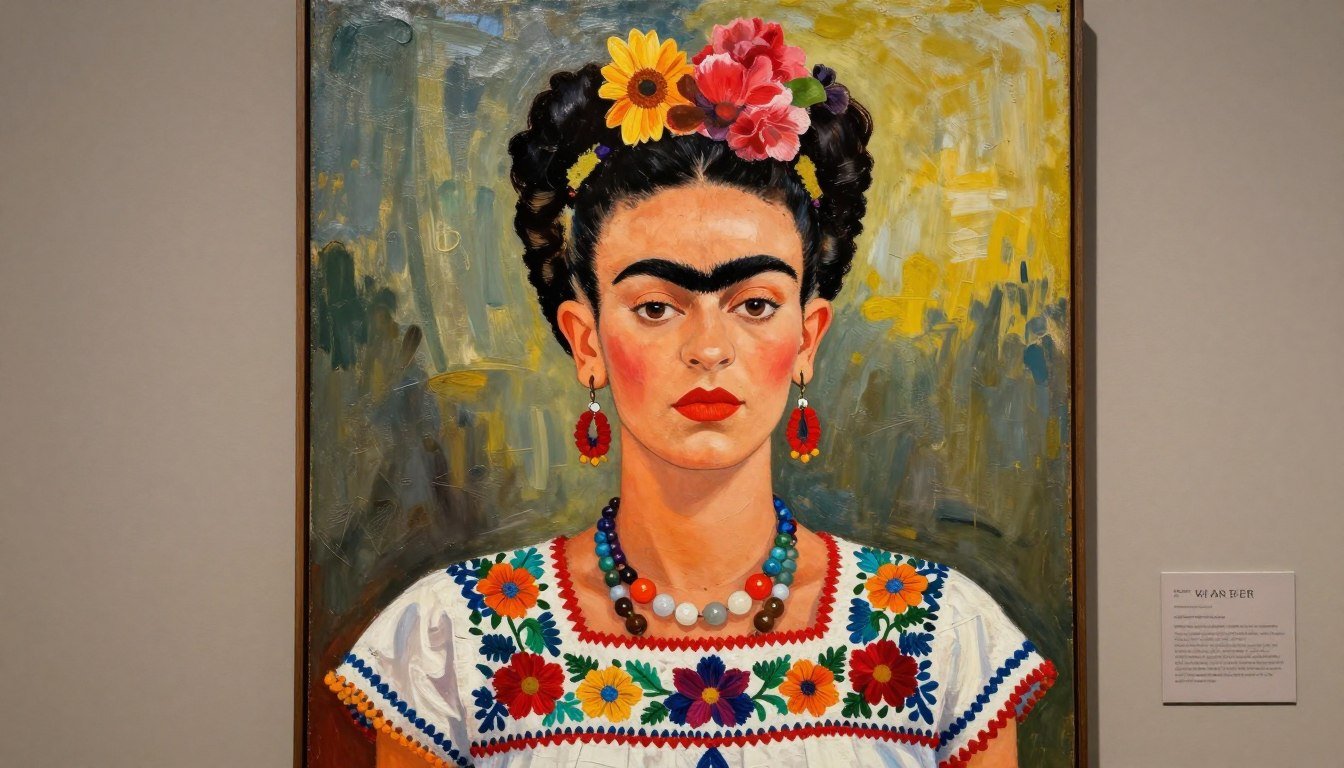
Frida Kahlo stands as one of the most recognizable artists in the world. Her distinctive unibrow, traditional Mexican dress, and powerful gaze have become cultural icons. But beyond her striking appearance lies a profound artistic legacy that continues to inspire millions.

Understanding why Frida Kahlo became famous requires exploring multiple dimensions of her life and work. Her art transcended personal expression to become a voice for pain, identity, and resilience. She transformed suffering into beauty and created a visual language that spoke to universal human experiences.
This comprehensive guide examines the key factors that cemented Frida Kahlo's place in art history. From her tumultuous personal life to her revolutionary artistic style, we'll explore what makes her work so compelling and why her influence continues to grow decades after her death.
If You Love Frida's Bold, Expressive Style
These prints bring that same powerful energy and artistic spirit into your space.
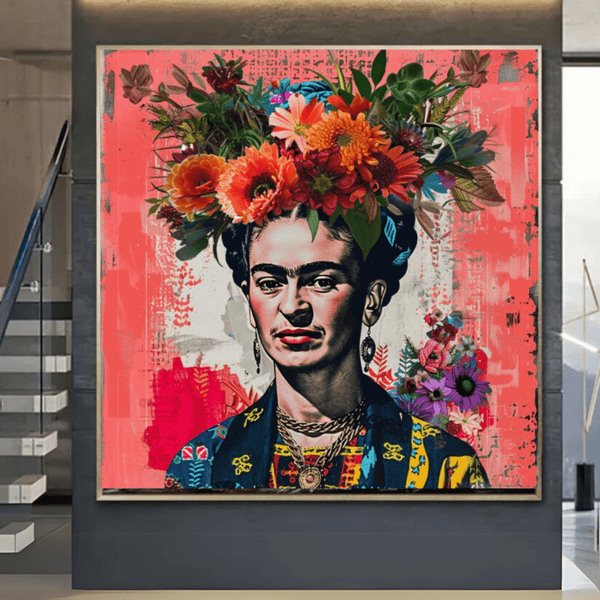
Frida Kahlo Self-portrait
Discover the vibrancy and emotional depth of Frida Kahlo through our exquisite Frida Canvas Painting collection.
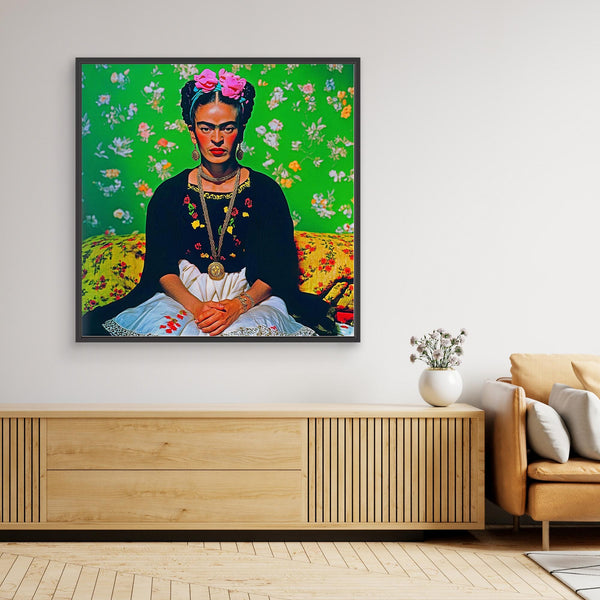
Frida Kahlo Art Prints
Feminine strength. Cultural pride. Timeless style.

Frida Kahlo Canvas Print Art
This vibrant Frida Kahlo canvas print is more than decoration — it's a statement. A celebration of color, courage, and unapologetic artistry, this bold portrait combines fine art with fierce attitude.
The Early Life That Shaped an Artist
Frida Kahlo was born on July 6, 1907, in Coyoacán, Mexico City. Her father, Guillermo Kahlo, was a German photographer who significantly influenced her artistic eye. He taught young Frida about composition, light, and capturing emotion through imagery.

At age six, Frida contracted polio. The illness left her right leg thinner than her left, a physical difference she later concealed with long skirts and traditional Mexican dress. This early experience with physical adversity foreshadowed the challenges that would define much of her life and art.
Education and Intellectual Development
In 1922, Frida enrolled at the prestigious National Preparatory School in Mexico City. She was one of only 35 girls among 2,000 students. This preparatory school experience exposed her to intellectual circles and revolutionary ideas that were transforming Mexico.
During this time, she met muralist Diego Rivera, who was working on a mural at her school. Their paths would cross again, leading to a relationship that profoundly impacted both their lives. The artistic environment at the preparatory school planted seeds that would later bloom in her own work.

The Bus Accident That Changed Everything
On September 17, 1925, Frida's life changed forever. She was riding a bus in Mexico City when it collided with a streetcar. The bus accident was catastrophic. A steel handrail pierced her abdomen and uterus, her spine was broken in three places, and her right leg sustained multiple fractures.

The accident left Frida bedridden for months. During her recovery, she began painting seriously. Her mother installed a special easel that allowed her to paint while lying in bed. A mirror was placed above her bed, enabling her to see herself, which explains why self-portraits became central to her work.
Physical Pain as Artistic Fuel
The bus accident resulted in lifelong pain. Frida underwent more than 30 surgeries throughout her life. Her broken spine never fully healed. She wore various corsets and back braces to support her damaged body.
Rather than letting pain defeat her, Frida channeled it into her art. Her paintings became visual diaries of suffering, resilience, and the human spirit's capacity to endure. This authentic representation of pain resonated with audiences who saw their own struggles reflected in her work.

One of her most powerful paintings, "The Broken Column," depicts her torso split open to reveal a crumbling stone column replacing her damaged spine. Steel nails pierce her body, representing her constant physical suffering. This raw honesty became a hallmark of her artistic style.
Diego Rivera: Love, Art, and Turbulence
In 1929, Frida Kahlo married muralist Diego Rivera. He was 21 years her senior and already an established artist. Their relationship was passionate, creative, and tumultuous. Both had affairs, and they divorced in 1939, only to remarry a year later.

Diego Rivera recognized Frida's talent early. He encouraged her painting and helped introduce her to the international art world. However, their relationship was far from balanced. Diego's numerous infidelities, including an affair with Frida's own sister, caused immense emotional pain that Frida processed through her art.
Mutual Artistic Influence
Despite the personal turmoil, Frida and Diego Rivera influenced each other's work significantly. Diego's large-scale murals celebrating Mexican history and working-class struggles inspired Frida's own embrace of Mexican culture. His bold use of color appears throughout her paintings.
Conversely, Frida's intimate, personal approach to painting may have influenced Diego's later work to become more introspective. They shared studio space, exchanged artistic ideas, and created a creative environment that, despite its dysfunction, produced remarkable art from both artists.

The Creative Partnership
Their home, known as La Casa Azul (The Blue House), became a gathering place for artists, intellectuals, and political figures. This environment fostered creativity and political discourse that enriched both their artistic visions.
The constant presence of other artists and thinkers helped Frida develop her unique voice. She learned from conversations, observed different artistic techniques, and refined her own approach to painting within this vibrant cultural community.
Exploring Frida's Artistic Journey
This video explores the deeper elements of artistic expression that made Frida's work so revolutionary and continues to inspire contemporary artists worldwide.
Her Revolutionary Artistic Style
Frida Kahlo developed a distinctive artistic style that defied easy categorization. While often associated with Surrealism, she rejected that label, famously stating: "I never painted dreams. I painted my own reality."

Self-Portraits as Mirror to the Soul
Approximately 55 of Frida's 143 paintings are self-portraits. She once explained: "I paint myself because I am so often alone and because I am the subject I know best." These weren't simple representations of her physical appearance but complex explorations of identity, emotion, and experience.
Her self-portraits often incorporated symbolic elements from Mexican culture. Animals like monkeys, birds, and dogs appeared alongside her, representing different aspects of her emotional state. Flowers, particularly those native to Mexico, adorned her hair and clothing, connecting her to her homeland.

Symbolism and Personal Mythology
Frida created a personal visual language filled with symbols. Broken spines represented physical damage. Tears indicated emotional pain. Roots and vines symbolized connection to Mexican earth and culture. This symbolic vocabulary made her paintings accessible yet deeply layered.
Unlike abstract art that requires extensive interpretation, Frida's symbols spoke directly to viewers. Even without art history knowledge, people could feel the emotion in her work. This emotional accessibility contributed significantly to her enduring popularity.

Cultural Symbols
Frida incorporated pre-Columbian imagery, Catholic symbolism, and Mexican folk art elements, creating a uniquely Mexican visual language.

Personal Pain
She visualized physical suffering through broken bodies, exposed organs, and medical imagery that was shocking yet profoundly honest.

Nature Connection
Plants, animals, and natural elements represented life force, growth, and her deep connection to Mexican landscape and traditions.
Match Frida's Bold Spirit to Your Space
Bring the same fearless artistic energy into your home with canvas prints that celebrate bold expression and powerful storytelling. Discover pieces that command attention and spark conversation.
Celebrating Mexican Culture Through Art
Frida Kahlo became an ambassador for Mexican culture at a time when European art dominated the international scene. She deliberately wore traditional Tehuana dress from the Tehuantepec region of Mexico, transforming herself into a living artwork that celebrated her heritage.

Reclaiming Indigenous Identity
During a time when many Mexican artists looked to Europe for inspiration, Frida looked inward to Mexican culture. She collected pre-Columbian artifacts, studied ancient Mexican art, and incorporated indigenous imagery into her paintings.
Her work celebrated Mexican folk art traditions that were often dismissed by the art establishment. She elevated retablos (small devotional paintings) and ex-votos (offerings given in gratitude) to fine art status by incorporating their aesthetic into her own paintings.

Political Statement Through Dress
Frida's choice to wear traditional Mexican dress was deeply political. Post-revolutionary Mexico was searching for national identity. By embracing indigenous and mestizo cultural elements, Frida made a statement about Mexican pride and resistance to cultural colonialism.
Her distinctive appearance in photographs and public events made her instantly recognizable. The traditional dress also served practical purposes, concealing her damaged right leg and the medical corsets she wore. What began as concealment became a powerful statement of identity.
Cultural Elements in Her Work
- Pre-Columbian symbols and deities
- Traditional Mexican color palettes
- Folk art composition techniques
- Indigenous Mexican flora and fauna
- Revolutionary political imagery
- Catholic and indigenous religious fusion

Art as Political Expression
Frida Kahlo was deeply political throughout her life. She joined the Mexican Communist Party in her youth and remained committed to leftist politics. Her art often contained political messages, though they were more subtle than Diego Rivera's overtly political murals.

Global Political Engagement
When Russian revolutionary Leon Trotsky fled to Mexico in 1937, Frida and Diego Rivera hosted him. Frida had a brief affair with Trotsky, and she painted his portrait. This connection to major historical figures brought additional attention to her work.
Her painting "Marxism Will Give Health to the Sick" from 1954 explicitly shows her political beliefs. In it, she depicted herself discarding crutches while being supported by Karl Marx's hands. This direct political statement was unusual for her normally more symbolic approach.
Feminism Before Its Time
Though Frida didn't identify as a feminist in the modern sense, her work addressed women's experiences in groundbreaking ways. She painted miscarriage, childlessness, female sexuality, and domestic violence – subjects rarely depicted by artists of her time.
Her refusal to conform to conventional beauty standards challenged social expectations. Her famous unibrow and slight mustache, which she emphasized rather than concealed, rejected Western beauty ideals. This authenticity resonated with later feminist movements that embraced her as an icon.

Rising International Fame
While Frida received some recognition during her lifetime, her fame exploded after her death. In 1938, she had her first solo exhibition in New York at the Julien Levy Gallery. The exhibition was successful, with several paintings selling and critics praising her unique vision.

European Exhibition Success
Later that same year, Frida traveled to Paris for an exhibition arranged by Surrealist leader André Breton. The Louvre purchased one of her paintings, "The Frame," making her the first 20th-century Mexican artist to be acquired by the museum. This achievement brought significant prestige.
Despite this success, Frida was critical of the Parisian art scene. She found it pretentious and disconnected from authentic emotion. This independent spirit and refusal to be categorized added to her mystique and appeal.

Solo Exhibition in Mexico
In 1953, Frida had her first solo exhibition in Mexico at the Galería Arte Contemporáneo. By this time, her health had deteriorated significantly. Doctors advised her not to attend. Characteristically defiant, she arrived by ambulance and was carried in on a stretcher to her bed, which had been placed in the gallery.
This dramatic appearance became legendary. It exemplified her determination and her understanding of herself as both artist and artwork. The event generated enormous publicity and cemented her status as a cultural icon in Mexico.
The Legacy of Frida's Art
Discover how Frida Kahlo's artistic legacy continues to influence contemporary art and why her work remains profoundly relevant to modern audiences around the world.
Transforming Personal Tragedy Into Art
What makes Frida Kahlo's work so powerful is her ability to transform personal tragedy into universal artistic statements. Her paintings don't just show suffering; they explore human vulnerability, resilience, and the complexity of identity.

The Broken Column: Visualizing Pain
Her 1944 painting "The Broken Column" stands as one of art history's most powerful depictions of physical suffering. Frida painted herself against a barren landscape, her body held together by a white corset while a broken ionic column replaces her damaged spine.
The broken column represents her crumbling physical structure. Nails pierce her entire body, visualizing constant pain. Yet her face remains stoic, tears on her cheeks but her gaze direct and unflinching. This juxtaposition of visible suffering and inner strength resonates deeply with viewers.

Exploring Identity and Duality
Many of Frida's paintings explore duality and identity. "The Two Fridas" (1939), painted during her divorce from Diego Rivera, shows two versions of herself sitting side by side. One wears traditional Tehuana dress, representing the Frida that Diego loved. The other wears European-style clothing, representing her rejected self.
Their hearts are exposed and connected by a single artery. One Frida attempts to stop the bleeding with surgical forceps while blood drips onto her white dress. This powerful image of emotional hemorrhaging spoke to anyone who has experienced heartbreak and rejection.

Major Themes in Her Work
- Physical pain and bodily trauma
- Emotional suffering and heartbreak
- Mexican identity and cultural pride
- Female experience and body
- Life, death, and fertility struggles
- Duality of identity and self
- Political consciousness and activism
The Frida Kahlo Museum: Preserving Her Legacy
The Frida Kahlo Museum, also known as La Casa Azul (The Blue House), is located in Coyoacán, Mexico City. This was Frida's childhood home and the place where she died. Diego Rivera donated the house to become a museum in 1958, four years after Frida's death.

Inside the Blue House
The Frida Kahlo Museum preserves the intimate spaces where she lived and worked. Visitors see her studio with painting supplies, her bedroom with the mirror above the bed, and her collection of traditional Mexican clothing. The museum displays many personal items that provide insight into her daily life.
The museum also houses some of her artwork, though many major pieces are in other museums worldwide. What makes this museum special is its preservation of context. You see where Frida created her art, understand her environment, and feel closer to understanding the woman behind the iconic image.

Visiting the Museum Today
The Frida Kahlo Museum has become one of Mexico City's most popular attractions. Advance reservations are necessary due to high demand. The museum offers a intimate glimpse into her life, far more personal than viewing her paintings in international art museums.
The courtyard features plants and gardens that Frida loved. Her collection of pre-Columbian artifacts fills several rooms. The kitchen, kept as it was during her lifetime, shows the domestic side of her existence. This holistic presentation helps visitors understand Frida as a complete person, not just an artist.
Why Her Fame Grew After Death
Frida Kahlo died on July 13, 1954, at age 47. While respected during her lifetime, she was often overshadowed by muralist Diego Rivera and other prominent Mexican artists. Her posthumous fame far exceeds anything she experienced while alive.

The Feminist Movement's Discovery
The feminist movement of the 1970s rediscovered Frida's work. Feminist scholars and artists recognized her as a pioneer who had addressed female experience with unprecedented honesty. Her paintings of miscarriage, female pain, and non-conforming beauty challenged patriarchal art history.
A 1978 article in Feminist Art Journal brought renewed attention to her work. Art historians began reevaluating her contributions. Major exhibitions followed, introducing her to new generations. This feminist reframing positioned Frida as a revolutionary figure rather than simply Diego Rivera's wife.
Pop Culture Icon Status
By the 1990s and 2000s, Frida had become a genuine pop culture icon. Her image appeared on everything from t-shirts to coffee mugs. While some critics decried this commercialization, it also introduced millions to her art who might never have encountered it otherwise.

The 2002 biographical film "Frida," starring Salma Hayek, brought her story to mainstream audiences. Books, documentaries, and exhibitions followed. Frida became synonymous with artistic authenticity, Mexican culture, and feminist strength. This cultural presence transcended the art world to reach global consciousness.
Record-Breaking Auction Prices
The art market reflected growing appreciation for Frida's work. In 2006, her painting "Roots" sold for $5.6 million, setting a record for Latin American art at the time. In 2016, "Two Nudes in a Forest" sold for $8 million. These prices demonstrated that collectors valued her work as highly as any male artist of her generation.
Influence on Contemporary Artists
Frida Kahlo's influence on contemporary art cannot be overstated. Artists across mediums cite her as inspiration. Her willingness to make deeply personal work universal created a template that countless artists have followed.

Impact on Portrait Art
Self-portraiture transformed after Frida. She demonstrated that portraits could be psychological investigations rather than simple representations. Contemporary portrait artists continue exploring identity, trauma, and personal narrative in ways she pioneered.
Her approach to the portrait as a site of symbolic meaning influenced artists like Cindy Sherman, whose photographic self-portraits explore identity construction. Kehinde Wiley's ornate portraits of African Americans incorporate decorative elements similarly to how Frida used Mexican folk art motifs.

Body Art and Performance
Artists working with body art and performance often reference Frida's work. Her paintings that showed her body opened and vulnerable anticipated performance artists who use their bodies as artistic material. Marina Abramović's endurance performances share Frida's willingness to make personal pain public.
Contemporary Portrait Artists
Modern artists explore identity through portraiture, following Frida's model of using the self as a site of universal exploration and symbolic representation.
Feminist Art Movement
Feminist artists draw inspiration from her honest depiction of female experience, body politics, and refusal to conform to male-defined beauty standards.
Latinx Artists
Latinx and Chicano artists cite her as a pioneering figure who celebrated cultural heritage and addressed political issues through personal narrative.
Why Frida Resonates With Modern Audiences
Understanding why is Frida Kahlo famous requires examining why her work continues to speak to contemporary audiences. Several factors explain her enduring relevance and growing popularity decades after her death.

Authenticity in the Age of Social Media
In an era of carefully curated social media personas, Frida's radical authenticity resonates powerfully. She showed her pain, her flaws, and her struggles without filter. This honesty feels refreshing in a culture often dominated by superficiality.
Young people especially connect with her willingness to be vulnerable. Her art validates emotional expression and rejects the pressure to present only polished, perfect versions of ourselves. In this way, she anticipated contemporary movements toward mental health awareness and authentic self-presentation.
Intersectional Identity
Modern discussions of identity are more nuanced and intersectional. Frida's exploration of multiple, sometimes conflicting identities feels remarkably contemporary. She navigated being Mexican and European, indigenous and mestizo, disabled and creative, political and personal.

Her refusal to be defined by single labels speaks to contemporary understanding of identity as complex and fluid. She showed that one person can contain contradictions and that exploring these tensions creates rich artistic material.
Disability Representation
Frida's open depiction of disability and chronic illness makes her important to disability rights movements. She didn't hide her physical challenges or pretend to be able-bodied. Instead, she incorporated her disabled body into her art, challenging definitions of beauty and worth.
At a time when disabled people were rarely represented in art except as objects of pity, Frida presented herself as strong, sensual, and creative despite pain. This representation matters deeply to disabled artists and audiences who see themselves reflected in her work.
Modern Relevance Factors
- Authentic self-expression and vulnerability
- Complex, intersectional identity exploration
- Disability representation and visibility
- Feminist icon challenging beauty standards
- Cultural pride and anti-colonial stance
- Political engagement through personal art
- Mental health awareness and processing trauma

Frida's Unique Painting Techniques
Beyond her subject matter, Frida Kahlo developed distinctive painting techniques that contributed to her recognizable style. Understanding these technical elements helps explain why her work remains so visually powerful and why it continues to influence artists today.

Scale and Intimacy
Unlike Diego Rivera's massive murals, Frida worked on a small scale. Most of her paintings measure less than two feet in any dimension. This intimate scale forces viewers to come close, creating a personal connection with the work.
The small size also reflected practical considerations. Due to her health issues, she couldn't stand for long periods or manage large canvases. But she transformed this limitation into an artistic choice that enhanced the psychological intensity of her work.
Detail and Precision
Frida painted with meticulous detail, influenced by her father's career as a photographer. She rendered faces, clothing, and symbolic elements with precise realism even when the overall composition was surreal or symbolic. This attention to detail makes her paintings compelling at any viewing distance.

She often used thin brushes and worked slowly, building up layers of paint. This technique created smooth surfaces with rich color depth. The precision also served symbolic purposes, making every element intentional and meaningful rather than decorative.
Color Palette and Symbolism
Frida's color choices were never arbitrary. She associated specific colors with emotions and concepts, often drawing from Mexican cultural symbolism. Reds represented blood, passion, and Mexican earth. Yellows signified warmth, sun, and madness. Blues evoked electricity, purity, and distance.
Her backgrounds often used bold, flat colors that focused attention on central figures. This technique drew from Mexican folk art and retablo traditions. The simplified backgrounds created stage-like settings that emphasized the symbolic drama unfolding in the foreground.
Transform Your Space With Museum-Quality Art
Discover ready-to-hang canvas prints that bring the same emotional power and bold visual storytelling to your home. Museum-quality materials. Free worldwide shipping. Art that makes a statement in any room.
Frida's Lasting Impact on Mexican Culture
In Mexico, Frida Kahlo holds a special place as a cultural ambassador who celebrated Mexican identity during a crucial period of national self-definition. Her impact extends beyond art into fashion, politics, and national pride.

Symbol of Mexican Identity
Frida's image appears throughout Mexico on murals, posters, and public art. She represents Mexican cultural pride, particularly the indigenous and mestizo heritage that defines Mexican identity. Her face has become as recognizable in Mexico as national heroes and political figures.
The Mexican government has declared her work to be national cultural heritage, meaning it cannot be exported permanently from the country. This designation recognizes her importance to Mexican cultural identity and ensures her major works remain accessible to Mexican people.
Influence on Mexican Fashion and Style
Frida's fashion choices influenced Mexican style and the global perception of Mexican traditional dress. The Tehuana style she popularized experienced renewed interest. Contemporary Mexican designers often reference her aesthetic, and traditional clothing she popularized remains fashionable.

International fashion designers like Jean Paul Gaultier, Riccardo Tisci, and Maria Grazia Chiuri have created collections inspired by Frida's style. This global fashion influence extends her cultural impact far beyond the art world into popular culture and everyday aesthetics.
Frida in Education and Art History
Art history textbooks and curricula have been revised to give Frida Kahlo prominent placement. She appears in courses on modern art, Latin American art, feminist art, and surrealism. This educational presence ensures new generations continue discovering her work.

Expanding the Art Historical Canon
Frida's inclusion in the art historical canon challenged traditional narratives that centered European male artists. Her presence forced recognition that significant art was being created outside Europe and North America and that women artists made crucial contributions.
Major museums worldwide now include her work in permanent collections. The Museum of Modern Art in New York, the Centre Pompidou in Paris, and other prestigious institutions display her paintings alongside recognized masters. This institutional validation cements her place in art history.
Inspiring Student Artists
Art students frequently cite Frida as inspiration. Her permission to make intensely personal work resonates with young artists searching for authentic voices. She demonstrated that local, specific experiences can communicate universal truths.

Her technical accessibility also matters. Unlike abstract expressionism or conceptual art that requires extensive theoretical knowledge, Frida's symbolic realism is approachable. Students can understand and apply her methods to their own lives and experiences.
Major Exhibitions and Global Recognition
Major Frida Kahlo exhibitions continue attracting record-breaking attendance worldwide. These exhibitions demonstrate sustained public interest and contribute to her growing fame across different cultures and demographics.

Blockbuster Exhibition Success
The 2007 exhibition "Frida Kahlo" at the Walker Art Center in Minneapolis drew over 157,000 visitors. A 2018 exhibition at the Victoria and Albert Museum in London became one of their most visited shows ever. These numbers exceed attendance for many exhibitions of more traditionally "famous" artists.
Exhibition catalogs become bestsellers. Museums create extensive educational programs around Frida exhibitions. The commercial success of these shows encourages museums to mount more exhibitions, creating a cycle that continually introduces her work to new audiences.
Digital Presence and Accessibility
The internet dramatically expanded access to Frida's work. Online collections allow people worldwide to view her paintings regardless of geographic location. Social media spreads her image and quotes, introducing her to audiences who might never visit art museums.

Virtual museum tours, especially those that increased during pandemic lockdowns, brought the Frida Kahlo Museum into homes globally. This digital accessibility democratizes art appreciation and ensures her legacy continues reaching expanding audiences.
The Frida Kahlo Brand and Commercialization
Frida Kahlo's image has become one of the most commercially exploited in art history. Her face appears on products ranging from pop art prints to makeup palettes. This commercialization raises complex questions about legacy and accessibility.

Balancing Accessibility and Exploitation
Critics argue that commercial exploitation trivializes Frida's serious artistic and political work. Others counter that widespread commercial presence introduces millions to her art who might otherwise never encounter it. Both perspectives contain truth.
The Frida Kahlo Corporation, run by her family, controls commercial use of her image. Licensing agreements generate revenue while theoretically maintaining quality standards. However, the sheer volume of Frida products makes quality control challenging.
Pop Culture Integration
Frida appears in contemporary pop culture constantly. Musicians reference her in lyrics. Fashion designers create Frida-inspired collections. Her image appears in street art worldwide. This cultural omnipresence keeps her relevant to each new generation.

Television shows, movies, and documentaries continue exploring her life. Each retelling introduces her story to new audiences and reinterprets her legacy for contemporary contexts. This ongoing cultural production ensures she remains part of public consciousness.
Frida Among Her Contemporaries
To fully understand why is Frida Kahlo famous, it helps to compare her to other artists of her time. While many talented artists worked during her lifetime, few achieved her level of lasting cultural impact and recognition.

Mexican Muralist Movement
Frida existed within the Mexican Muralist movement dominated by Diego Rivera, David Alfaro Siqueiros, and José Clemente Orozco. These muralist artists created massive public works celebrating Mexican history and revolutionary ideals. While respected, Frida chose a different path.
Her small, intimate paintings contrasted sharply with monumental murals. While muralists addressed collective political narratives, Frida explored personal, psychological territory. This difference initially marginalized her work but ultimately contributed to her unique position in art history.
Female Artists of Her Era
Frida's contemporary female artists faced similar challenges of recognition in male-dominated art worlds. Georgia O'Keeffe in America, Tamara de Lempicka in Europe, and Remedios Varo in Mexico all created significant work. Yet Frida's posthumous fame exceeded most of theirs.

Several factors explain this differential fame. Frida's distinctive appearance made her visually iconic. Her dramatic personal story provided narrative appeal. Her embrace of Mexican identity gave her work cultural specificity that paradoxically made it more universal. These elements combined to create lasting recognition.
Lessons for Contemporary Artists
Contemporary artists can learn valuable lessons from Frida Kahlo's approach to art-making and career development. Her strategies for creating authentic, meaningful work remain relevant for today's artists navigating complex art worlds and commercial pressures.

Authenticity Over Trends
Frida didn't follow artistic trends or try to please critics. She painted her reality regardless of whether it fit prevailing styles. This authenticity ultimately made her work timeless rather than dated to specific movements or periods.
Modern artists face pressure to create work that fits market demands or social media algorithms. Frida's example suggests that deeply personal, authentic work ultimately finds its audience, even if recognition comes slowly or posthumously.
Cultural Specificity Creates Universality
Rather than trying to make "universal" art by removing cultural markers, Frida embraced her Mexican identity completely. This specificity made her work more universal, not less. Audiences worldwide connected with her specific experiences because authenticity transcends cultural boundaries.

Contemporary artists, especially from marginalized communities, can learn from this approach. Specific, culturally-grounded work often communicates more powerfully than attempts to create art stripped of identity and context.
Building Personal Visual Language
Frida developed a consistent visual vocabulary of symbols and compositional approaches. This consistency made her work instantly recognizable. Contemporary artists benefit from developing distinctive visual languages that create coherent bodies of work.
This doesn't mean repeating the same painting endlessly, but rather finding core visual and conceptual concerns that can be explored through varied approaches. Such coherence helps audiences understand an artist's work and creates stronger artistic identity.
Bringing Frida's Aesthetic Into Your Home
Frida Kahlo's bold aesthetic continues inspiring home decorators worldwide. Her use of color, Mexican folk art elements, and fearless self-expression translate beautifully into interior design choices that create vibrant, personal living spaces.

Color and Pattern
Frida's fearless use of color inspires bold decorating choices. Deep blues, vibrant pinks, earthy terracottas, and rich greens create spaces with Mexican warmth. Mixing patterns – floral, geometric, traditional textiles – echoes her layered aesthetic without overwhelming spaces.
For those wanting Frida-inspired spaces, consider living room canvas art that incorporates bold colors and expressive imagery. Abstract pieces with vibrant palettes or botanical wall art celebrating nature can evoke her aesthetic without literal reproduction.

Bedroom Inspiration
Create intimate, personal spaces with expressive portraits and symbolic imagery. Bedroom canvas prints featuring bold subjects add character.

Dining Room Energy
Bold, celebratory artwork brings conversational energy to gathering spaces. Dining room wall art with rich colors creates warmth.

Entryway Impact
Make powerful first impressions with statement pieces. Entryway wall art sets the tone for your entire home aesthetic.
Continuing Your Art Journey
Understanding Frida Kahlo opens doors to exploring broader art movements and related artists. Her work connects to multiple traditions, from Mexican folk art to surrealism, from feminist art to political expression.

Exploring Related Art Movements
Readers interested in Frida might explore surrealism, even though she rejected the label. Artists like Salvador Dalí and René Magritte worked with similar symbolic imagery. The Rossetti Art blog explores various art movements and can help deepen your understanding of modern art history.
Mexican muralism offers context for understanding the artistic environment in which Frida worked. Exploring Diego Rivera's large-scale political murals shows the contrast with Frida's intimate approach. Both strategies created powerful, lasting art through different means.
Contemporary Artists to Discover
Many contemporary artists work in traditions Frida helped establish. Kehinde Wiley's ornate portraits, Jenny Saville's raw depictions of bodies, and Wangechi Mutu's layered female figures all trace lineage to Frida's groundbreaking work.

For those interested in original artwork, consider exploring original paintings by contemporary artists working in expressive, symbolic traditions. Supporting living artists continues the legacy of valuing authentic artistic expression.
Frequently Asked Questions About Frida Kahlo
Why is Frida Kahlo famous?
Frida Kahlo is famous for her revolutionary self-portraits that transformed personal suffering into powerful universal art. She became an icon through her distinctive visual style, celebration of Mexican culture, honest depiction of female experience, and authentic approach to expressing pain and identity. Her fame grew significantly after her death, particularly during the feminist movement of the 1970s, and continues expanding as new generations discover her work.
What happened to Frida Kahlo in the bus accident?
In 1925, when Frida was 18 years old, the bus she was riding collided with a streetcar in Mexico City. A steel handrail pierced her abdomen and uterus, her spine broke in three places, her pelvis was crushed, and her right leg sustained multiple fractures. The accident caused lifelong pain and required over 30 surgeries. During her lengthy recovery, she began painting seriously, which ultimately led to her artistic career.
Was Frida Kahlo married to Diego Rivera?
Yes, Frida Kahlo married muralist Diego Rivera in 1929. Their relationship was passionate, creative, and turbulent, marked by mutual infidelities and intense emotional connection. They divorced in 1939 but remarried in 1940, remaining together until Frida's death in 1954. Despite the personal difficulties, they significantly influenced each other's artistic development and created a dynamic creative partnership that became legendary in art history.
Where is the Frida Kahlo Museum located?
The Frida Kahlo Museum, also known as La Casa Azul (The Blue House), is located in Coyoacán, Mexico City. This was Frida's childhood home and the house where she lived with Diego Rivera and eventually died. The museum opened in 1958 and preserves her personal belongings, studio, artwork, and collection of Mexican folk art. It has become one of Mexico City's most popular cultural attractions, requiring advance reservations due to high visitor demand.
What art style did Frida Kahlo use?
Frida Kahlo developed a unique style that combined elements of Mexican folk art, symbolism, surrealism, and naive art. While often classified as a Surrealist, she rejected this label, stating she painted her reality rather than dreams. Her work featured intense symbolism, meticulous detail, bold colors, and deeply personal subject matter. She painted primarily small-scale self-portraits and symbolic compositions that explored pain, identity, Mexican culture, and the female experience.
How can I incorporate Frida Kahlo's aesthetic into my home decor?
To bring Frida's bold aesthetic into your home, consider using vibrant color combinations like deep blues, rich pinks, and earthy terracottas. Mix patterns fearlessly, incorporating floral and geometric designs. Display expressive portrait art or botanical prints that celebrate nature. Look for canvas prints featuring bold colors and symbolic imagery. Layer textiles, embrace Mexican folk art elements, and choose artwork that tells personal stories, reflecting Frida's approach to creating spaces filled with meaning and personality.
The Enduring Power of Frida Kahlo's Legacy
Understanding why Frida Kahlo is famous requires recognizing how multiple factors converged to create her extraordinary legacy. Her technical skill, symbolic vision, cultural authenticity, and personal courage combined with historical timing and cultural movements that amplified her voice.

Frida transformed personal suffering into universal art that speaks across cultures, generations, and experiences. Her willingness to show vulnerability, celebrate her heritage, and create authentic work regardless of trends established a template for meaningful artistic practice that remains relevant today.
Her fame continues growing because each generation finds new relevance in her work. Whether addressing identity politics, disability representation, feminist concerns, or simply the universal experience of pain and resilience, Frida's paintings offer insight and validation.

As we move further into the 21st century, Frida Kahlo's importance only increases. Her intersectional identity, authentic self-expression, and transformation of personal experience into powerful art make her not just historically significant but actively relevant to contemporary conversations about art, identity, and culture.
For those inspired by Frida's bold aesthetic and fearless self-expression, explore modern sculptures and contemporary artwork that carries forward her legacy of authentic, meaningful artistic creation. Her influence extends far beyond her paintings to inspire all forms of creative expression that celebrate identity, process pain, and create beauty from struggle.
Frida Kahlo's fame is not accidental or simply the result of dramatic biography. It rests on genuine artistic achievement, cultural significance, and her creation of a visual language that continues speaking to fundamental human experiences. This combination ensures her legacy will endure for generations to come.

About the Author
Chiara Rossetti
Chiara Rossetti is the founder of Rossetti Art, a canvas print and original art brand. She writes about interior design, wall art styling, and the art of making a home feel alive.



Leave a comment
This site is protected by hCaptcha and the hCaptcha Privacy Policy and Terms of Service apply.