
Art Consultant: What They Do, How They Charge, and When You Can Buy Direct
An art consultant helps clients choose, source, and place artwork. They may work with homeowners, businesses, hotels, hospitals, or institutions. Some buyers need that expert support. Others need clear product information and time to decide.
This guide explains what an art consultant does, how an art advisor may differ, and how to compare professional help with a direct gallery purchase. It also gives you a practical checklist for buying original art online.
Quick Answer
An art consultant is a paid adviser who sources, vets, and places artwork for a client. They usually charge a flat fee, hourly rate, or commission. Their help is valuable for large collections, complex projects, and high-value purchases. For a home, a transparent gallery may be enough when it states the medium, signature, production time, and return terms.
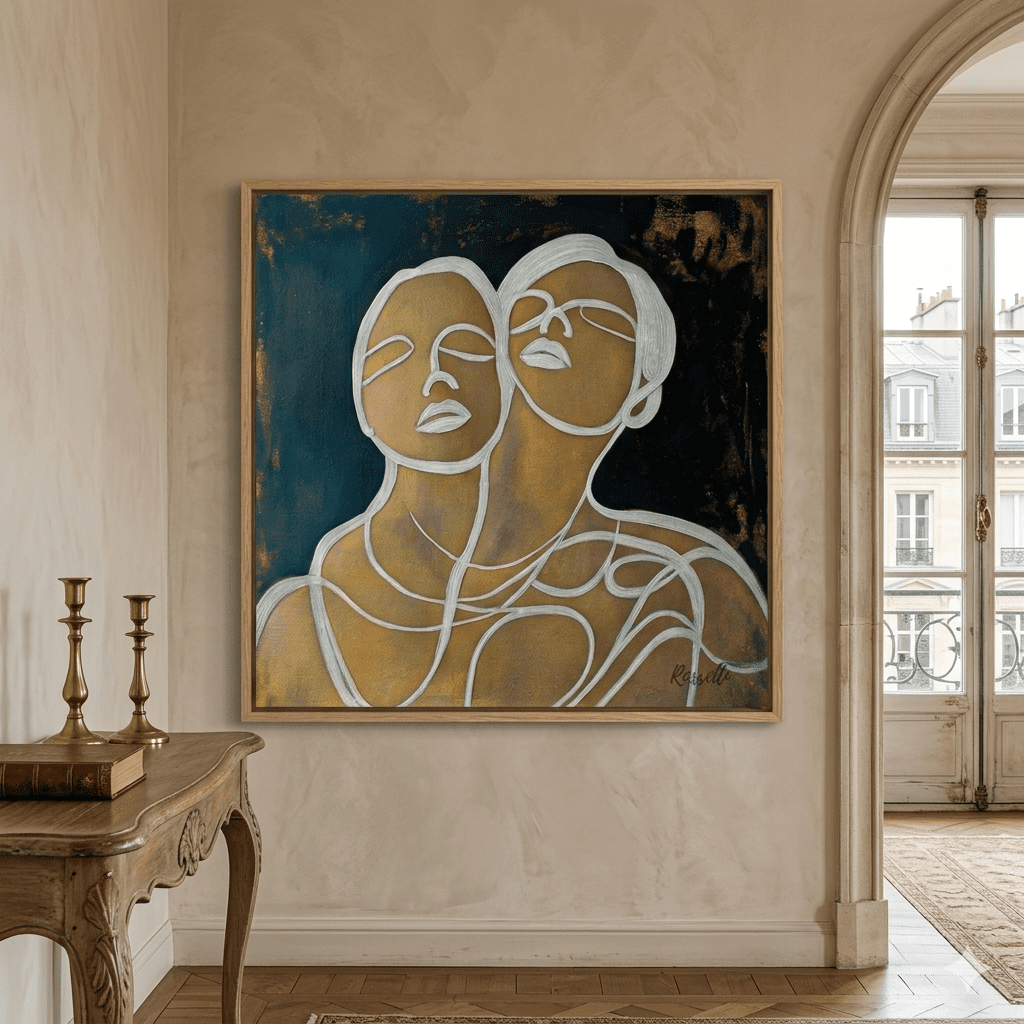
Start with original paintings
Browse works with product details before deciding if you need outside advice.
What an Art Consultant Actually Does
What does an art consultant do? The short answer is that they turn a client’s goals into an art plan. The work may include research, artist recommendations, sourcing, condition checks, framing guidance, shipping coordination, and installation planning.
A consultant can also help a client build a collection. They may study the room, budget, architecture, brand identity, and intended audience. A corporate office may need art that supports its business image. A hospital may need healthcare art that feels calm and suitable for different visitors.
1. They define the brief
The brief sets the direction. It may cover size, colors, subject, medium, location, budget, and deadline. A clear brief helps prevent random purchases and keeps the project focused.
2. They research and shortlist
Art consultants often work through galleries, studios, artists, auctions, and private contacts. Their knowledge of the art world can save time. Their relationships may also help clients find works that are not easy to discover through a basic search.
3. They manage practical details
Large art projects require more than taste. The consultant may coordinate quotes, delivery, framing, insurance information, hanging plans, and installation. This is useful for residential corporate spaces, hotels, healthcare projects, and institutions.
4. They advise, but the client decides
A good consultant explains why a work fits the brief. They should also state conflicts of interest and compensation. The client should understand who is being paid, by whom, and for what service.

How Art Consultants Get Paid
Consulting fees vary. Ask for the payment method, scope, and final deliverables in writing before work begins. A low quote may cover only a shortlist. A broader service may include sourcing, purchasing, installation, and project management.
| Payment model | How it works | What to confirm |
|---|---|---|
| Flat fee | One agreed amount covers a defined project or stage. | The number of revisions, site visits, and sourcing rounds. |
| Hourly rate | The client pays for time used on research, calls, or visits. | The billing interval, estimated hours, and approval process. |
| Commission | The consultant receives a percentage connected to an artwork purchase. | Who pays it and whether it changes the artwork cost. |
Some art consultants use more than one model. A project may begin with a planning fee and later include a commission. This is not automatically a problem. Clarity matters. Request an agreement that explains fees, refunds, ownership, delivery, and any relationships with galleries or artists.
An art advisor may use similar language. In many cases, “advisor” suggests ongoing guidance or collection strategy, while “consultant” may describe a project-based service. The terms overlap, so ask about the actual work rather than relying on the title.

When Hiring an Art Consultant Is Worth It
Hiring a consultant is often useful when the cost of mistakes is high or the project is difficult to manage alone. The advantage is not only art knowledge. It is also time, process, and access to a wider field of artists and galleries.
1. You are building a large collection
A collection needs a point of view. A consultant can help balance artists, periods, colors, sizes, and subjects. They can also record purchase information and create a plan for future acquisitions.
2. You are buying for a business
Business settings have extra concerns. Art may need to support a brand, fit a strict installation schedule, or work across several locations. Consultants who understand corporate and healthcare art can help reduce delays.
3. You have limited time
Researching galleries, comparing artwork, checking measurements, and arranging delivery takes time. A consultant can narrow the field and manage communication with artists, galleries, framers, and installers.
4. You need a specialist viewpoint
Some clients want help with a specific artist, medium, region, or period. A specialist may know the market better than a general interior professional. Ask what experience the consultant has in the type of art you want.
5. You want a full-service installation
If the project includes many rooms, oversized works, or several addresses, professional coordination can be valuable. The consultant can help create a sequence for delivery and placement.
Still deciding?
Use a free style exercise to clarify your taste before speaking with an art consultant or gallery.

When You Can Skip the Consultant and Buy Direct
Buying direct can work well when you know the room, understand your taste, and can review the product information yourself. A transparent gallery should make key details easy to find. That includes the medium, size, signature information, production time, shipping, and return policy.
Rossetti Art originals are made to order in about two weeks. They are signed on the back by Rossetti Gallery artists using initials and the year. The medium varies by piece and may be oil on canvas, plaster or textured work, or acrylic. Check the relevant product page instead of assuming.
Buy-direct checklist
- Measure the wall, furniture, doorway, and elevator before choosing a size.
- Confirm the medium on the individual product page.
- Read how the work is signed and who signs it.
- Confirm the production window and shipping information.
- Review final-sale terms before placing an order.
- Use Live Preview to see the piece at scale in a room mockup and in your own space through augmented reality or photo upload.
- Save the product page and order information for your records.
Original paintings and sculptures are final sale except for damage in transit or fulfillment error. That policy makes careful review important. If you want a lower-commitment option, compare an original with a canvas print in this guide to canvas prints versus original paintings.

“Threshold” — a neutral abstract original painting, the kind of piece many first-time collectors start with. View the piece →

Compare another art format
Modern sculptures can add form and depth when a wall painting is not the right fit.
Art Consultant vs Interior Designer vs Buying Direct
The difference between an art consultant and an interior designer is mainly the center of the work. Interior designers plan rooms. Art consultants focus on artwork, artists, sourcing, and collection decisions. There can be overlap, especially when a designer selects art as part of a larger project.
- Focuses on artwork and art collections.
- May source from artists, galleries, auctions, or studios.
- Can advise on selection, value, placement, and installation.
Art consultant
- Focuses on the complete interior environment.
- May coordinate furniture, lighting, finishes, and artwork.
- Often works from a broader design brief.
Interior designer
- Works best for a focused purchase.
- Lets the buyer review product information firsthand.
- Does not include independent project management.
Buying direct
Neither option is always better. Choose the service that matches the problem. A single painting for a known wall may not require consulting. A multi-site healthcare project probably needs more support. Buyers who want to learn can start with this guide on how to tell if a painting is original.
Choose a consultant when
- The project includes many works or locations.
- You need sourcing and installation support.
- You want collection advice over time.
Buy direct when
- You have a clear size and style brief.
- The gallery provides complete product information.
- You are comfortable making the final choice.

Questions to Ask Before You Hire One
A short interview can reveal how an art consultant works. Ask direct questions before discussing specific artwork. The goal is to understand the relationship, not to test the consultant’s taste.
- What type of clients and projects do you usually serve?
- Do you work mainly with residential, corporate, healthcare, or institutional clients?
- How are you paid: flat fee, hourly rate, commission, or a combination?
- Do you receive payment from any gallery, artist, auction house, or other seller?
- What does the fee include, and what costs are separate?
- How many artwork options and revisions will you provide?
- Who checks condition, authenticity, framing, shipping, and installation?
- What happens if I reject the shortlist or change the brief?
- Can you provide references for similar work?
- Will the agreement explain the scope and payment terms in writing?
Good consultants welcome clear questions. They should explain the process in language you understand. If the answers remain vague, pause before making a purchase.

How to Start Buying Art Without a Consultant
You can create a simple buying process. Start with the wall, not the product. Record the wall width, ceiling height, furniture height, viewing distance, and natural light. Then decide if you want an original painting, print, or sculpture.
Step 1: Write a one-page brief
Note the room, mood, colors, size range, medium preferences, and deadline. Include a realistic budget without sharing it publicly. This brief will help you compare works and speak with a gallery.
Step 2: Review the artist and gallery information
Look for clear descriptions, artist information, medium, dimensions, production time, shipping, and returns. Read the policy before you fall in love with a piece. You can also review this practical guide to buying original art online.
Step 3: Compare the work in context
Use room mockups and scale tools where available. Rossetti Art’s Live Preview shows a product at scale in a room mockup and in the visitor’s own space through augmented reality or photo upload. This can help with proportion, but it does not replace measuring the real wall.
Step 4: Check the final terms
Rossetti Art original paintings are made to order in about two weeks. They are final sale except for damage in transit or fulfillment error. Confirm the product details and policy before ordering.

“Sage Reverie Horizon” — an original painting in deep green with gold accents. View the piece →


Find your starting point
Not sure which direction fits your home? The style finder gives you a simple visual starting point.
Free Art Style Finder Quiz
Knowing your style saves time with an art consultant and makes buying direct easier. Use the quiz before you compare artists, galleries, or collections.
Download Free →

Prefer a print?
Explore canvas prints when you want more size options and a different way to bring art into the room.
Frequently Asked Questions
Is an art consultant worth it?
An art consultant can be worth the fee when you are building a large collection, buying for a business, managing several locations, or short on time. For one home purchase, direct buying may be enough if the gallery provides clear product, signature, shipping, and return information. Start with your project’s complexity, not the consultant’s title.
How much does an art consultant cost?
Fees vary by consultant, project size, experience, and scope. Common models include a flat fee, hourly rate, commission, or a combination. Do not rely on a verbal estimate. Ask for payment terms, deliverables, revisions, outside costs, and any seller relationships in writing before work begins.
What is the difference between an art consultant and an art advisor?
The terms overlap. An art consultant often handles a defined project, such as sourcing and placing artwork. An art advisor may provide continuing guidance or collection strategy. The useful distinction is the service offered, not the label. Ask how the person researches, charges, sources, and supports clients after a recommendation.
Can I buy original art online without a consultant?
Yes. You can buy original art online when you are comfortable reviewing the medium, dimensions, artist information, production time, shipping, and return terms. Use a room preview and measure the wall first. Rossetti Art originals are made to order and final sale except for damage in transit or fulfillment error.
Do interior designers do the same job as an art consultant?
Not usually. Interior designers plan the broader room, including furniture, lighting, finishes, and layout. Art consultants focus more closely on artists, artwork, sourcing, collections, and placement. Some designers offer art sourcing, so ask about their experience and scope. The right choice depends on whether you need room design, art advice, or both.
If you want to buy direct, explore Rossetti Art’s original paintings collection and canvas prints collection. An art consultant can add value to a complex project, but clear information can give a confident buyer a practical path forward.
Keep Reading
About the Author — Chiara Rossetti is the founder of Rossetti Art, a canvas print and original art brand. She writes about interior design, wall art styling, and the art of making a home feel alive.


Leave a comment
This site is protected by hCaptcha and the hCaptcha Privacy Policy and Terms of Service apply.