The allure of original artwork lies not just in its beauty, but in its authenticity—the knowledge that what hangs on your wall carries a unique story, created by the artist's own hand. Whether you're a seasoned collector or just beginning your art journey, knowing how to tell if a painting is original is essential for making informed acquisitions and building a collection that brings both joy and value. This guide walks you through the key indicators of authenticity, equipping you with the knowledge to approach the art world with confidence and discernment.
Visual Examination: First Steps to Determine if a Painting is Original

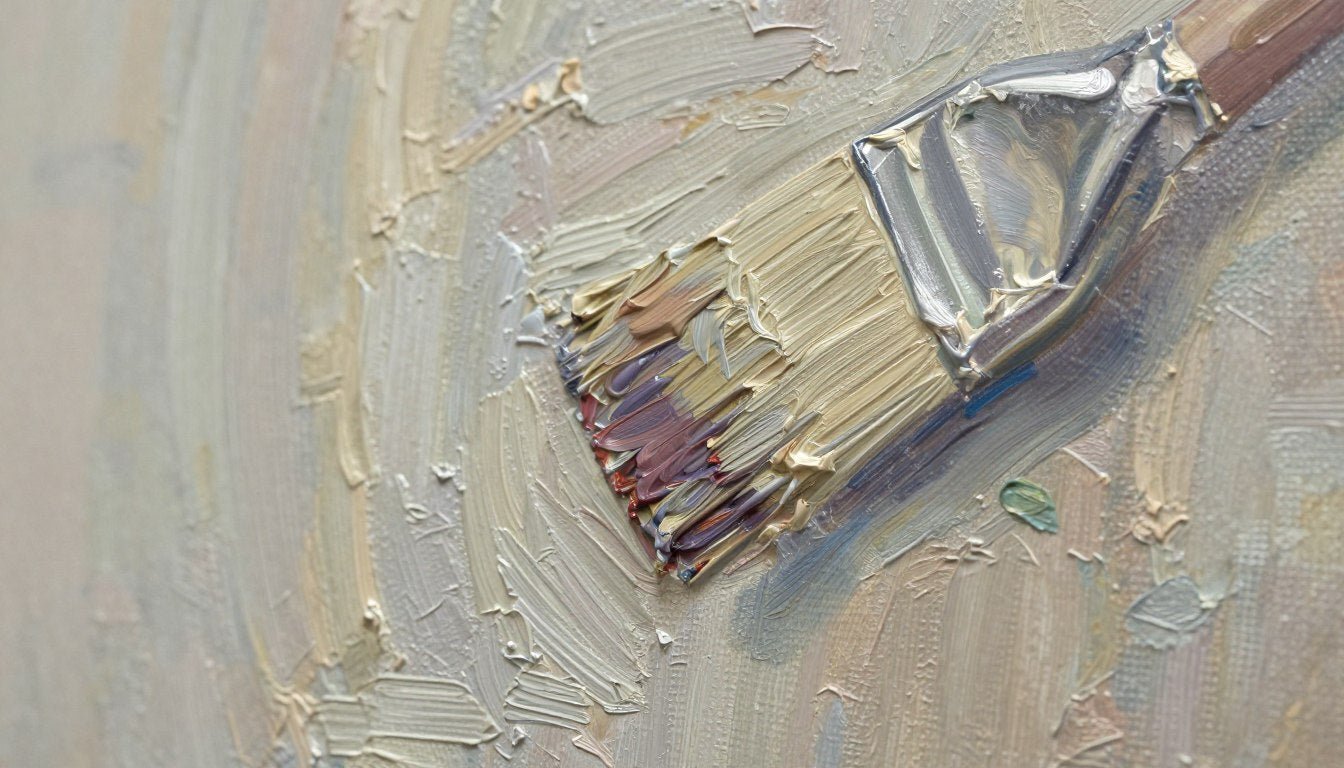
Original paintings typically display distinctive brush strokes and texture that reveal the artist's technique and hand movements.
Examining Brush Strokes and Texture
One of the most telling signs of an original painting is the presence of visible brush strokes and texture. When artists apply paint to canvas, they create unique patterns and textures that are difficult to replicate mechanically. Run your fingers gently over the surface—original paintings often have a tactile quality where paint has been applied with varying thickness.
Look closely at areas where colors meet or overlap. In original works, you'll often see slight imperfections, deliberate layering, or the artist's characteristic technique. These elements create what art experts call "painterly quality"—a certain liveliness and dimension that reproductions typically lack.
For collectors who appreciate textural dimension...
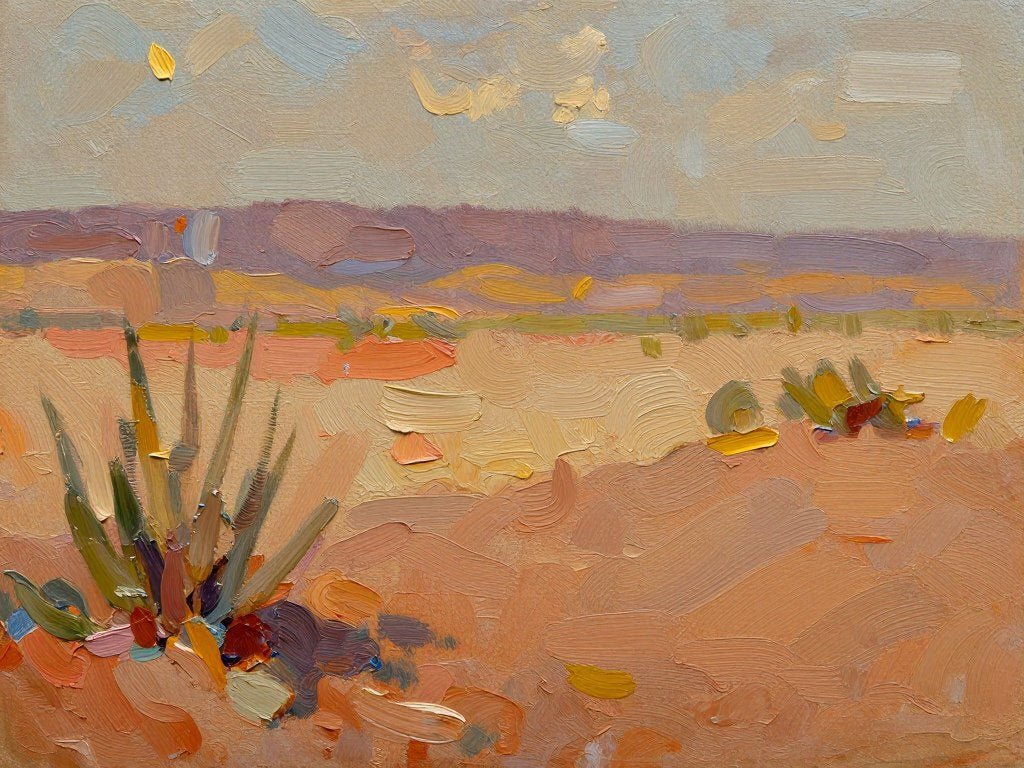
Original impasto works feature bold, expressive brush strokes that create dramatic shadows and highlights—perfect for spaces that benefit from artwork with visual depth and character.
Explore textural original paintingsCanvas and Support Materials
The materials upon which a painting is created can provide valuable clues about its authenticity. Original paintings are typically executed on canvas, wood panel, copper, or other traditional supports. Examine the edges and back of the artwork—original canvases often show signs of stretching, with staples or tacks visible along the sides or back.
Be wary of perfectly uniform canvas texture showing through thin paint. As noted by art appraisers, this can indicate a giclée print—a high-quality reproduction where images are printed directly onto canvas. While these may be signed by artists, they are reproductions rather than original paintings.
Signature Analysis and Artist Authentication

An authentic artist's signature (left) compared to a mechanically reproduced signature (right)—note the differences in texture and application.
Understanding Artist Signatures
An artist's signature can be a critical element in determining authenticity, though it requires careful examination. Authentic signatures are typically applied by hand and show the natural flow and pressure variations of the artist's hand. They may appear slightly different across various works by the same artist, reflecting natural variations in handwriting.
Be aware that many prints and reproductions include the artist's signature as part of the printed image. As Christie's specialists note, a true signed print will have a second, hand-rendered signature by the artist, usually in the margin, along with edition numbering for limited prints.
Researching the Artist's Style and History
Familiarize yourself with the artist's typical style, techniques, and subject matter. Inconsistencies with an artist's known body of work can raise red flags about authenticity. Research the artist's biography, exhibition history, and artistic development to gain context for evaluating the work in question.
Many artists maintain catalogues raisonnés—comprehensive listings of their complete works—which can be invaluable resources for authentication. Art reference libraries, museum archives, and reputable online databases can provide access to these resources.
For minimalist interiors seeking calm...
Original abstract works with subtle color palettes and balanced compositions create focal points that enhance serene spaces without overwhelming them.
Browse curated minimalist originalsProvenance: Tracing a Painting's History

Provenance documents provide a paper trail of ownership that can help establish a painting's authenticity and history.
The Importance of Documentation
Provenance—the documented history of ownership—is one of the most reliable indicators of a painting's authenticity. Strong provenance creates a chain of custody that can be traced back to the artist's studio. Look for certificates of authenticity, gallery labels, exhibition catalogs, auction records, and sales receipts.
As art experts recommend, always ask the seller for a certificate of authenticity and invoice when purchasing artwork. While certificates aren't mandatory for signed unique works, they become crucial for unsigned works or limited editions. Documentation should include the artist's name, the title of the work, date of creation, dimensions, medium, and the artist's or authorized representative's signature.
Identifying Gallery and Exhibition Labels
The back of a painting can reveal a wealth of information through labels and markings. Museums, galleries, and exhibitions typically attach labels that indicate the artist's name, the artwork's title, and often a date, inventory number, and institutional address.
These labels create a documented exhibition history that can substantiate authenticity. Christie's specialists note that even the smallest markings on the back of a painting can provide valuable information about its history and provenance.
Technical Examination Methods for Authentication

Ultraviolet light examination can reveal overpainting, repairs, and other details invisible to the naked eye.
Magnification and Close Inspection
Professional art appraisers often use magnification tools to examine artworks in detail. Under magnification, reproductions typically reveal dot patterns characteristic of mechanical printing processes. As Worth Wise Appraisers explain, "The first thing I do when I'm asked to appraise a fine art print is to look at it under a loupe or magnifying glass."
You can perform a basic version of this test yourself with a jeweler's loupe or strong magnifying glass. Original paintings will show continuous pigment application, while prints display regular patterns of dots or pixels. Digital reproductions, when magnified, reveal the uniform structure of their printing process.
For statement rooms needing bold color...
Original contemporary works with vibrant palettes and dynamic compositions create powerful focal points that transform and energize living spaces.
Discover gallery-quality statement piecesAge-Appropriate Materials and Techniques
The materials and techniques used should be consistent with the purported age of the artwork. For instance, certain pigments weren't available before specific dates, and canvas manufacturing techniques have evolved over time. As Christie's experts note, soft woods like poplar were commonly used in Italy, while hardwoods such as oak were preferred in Britain and the Netherlands.
Examining how canvas is attached to stretchers can also provide chronological clues—staples generally replaced nails after the 1940s. These material details can help identify anachronisms that might indicate a reproduction or forgery.
Market Research and Price Evaluation

Thorough market research is essential for evaluating a painting's authenticity and appropriate market value.
Understanding Market Value Indicators
The art market follows certain patterns that can help identify authentic works. Original paintings by established artists typically maintain consistent value ranges that reflect their market position. When a price seems extraordinarily low compared to an artist's typical market range, it warrants careful scrutiny.
Research comparable works by the same artist that have sold recently at auction or through reputable galleries. Online databases like Artnet, Artprice, and auction house archives provide valuable pricing information that can help establish reasonable value expectations.
Consulting Auction Records and Databases
Auction houses maintain detailed records of sales, often including information about provenance, condition, and authentication. These records can help verify if a painting has previously appeared on the market and under what attribution.
Many museums and foundations dedicated to specific artists maintain databases of known works. These resources can help confirm if a painting appears in the artist's recognized body of work. If a painting claiming to be by a well-documented artist doesn't appear in these records, it deserves additional scrutiny.
When to Seek Professional Authentication

Professional authenticators use specialized equipment and expertise to make definitive assessments about a painting's authenticity.
Types of Authentication Experts
Different types of experts can provide authentication services depending on your needs:
For valuable works or when significant doubt exists, professional authentication becomes essential. As Worth Wise Appraisers advise, "Don't hesitate to ask a professional for help if you're still stumped! Museum curators, framers, restoration specialists and art appraisers can all point you in the right direction."
For collectors who want a one-of-one story...
Original narrative works by emerging artists offer unique visual storytelling that creates meaningful connections and conversation pieces in personal spaces.
Explore narrative original paintingsScientific Testing Methods
For high-value works, scientific testing can provide definitive authentication evidence:
These technical approaches, while expensive, provide objective data that can conclusively establish authenticity for important works. The cost of such testing is typically justified only for paintings of significant value or historical importance.
Understanding Common Types of Reproductions

Understanding the differences between original paintings and various reproduction types helps collectors make informed decisions.
Giclée Prints and Canvas Transfers
Giclée prints are high-quality inkjet prints on canvas or fine art paper. While they can be remarkably detailed, they lack the dimensional texture of original paintings. As Worth Wise Appraisers explain, "A giclée will have a completely uniform canvas texture to it. There won't be any of the telltale swirls, skips, buildups or brushstrokes indicative of real paint."
Some artists create limited edition giclées of their own works that they then hand-embellish with paint, sign, and number. These hybrid works occupy a middle ground between reproductions and originals, typically valued higher than standard prints but lower than unique paintings.
Limited Edition Prints versus Open Editions
Limited edition prints are produced in controlled quantities, individually numbered (e.g., 54/150), and often hand-signed by the artist. The numbering indicates the print's position in the edition and the total edition size. Limited editions typically hold greater value than open edition prints, which can be produced indefinitely.
True limited edition prints will display both the edition number and the artist's hand signature, usually in pencil and in the margin outside the printed image. Be cautious of prints described as "limited editions" without visible numbering or with unusually large edition sizes (over 250), which may indicate mass production.
For spaces that balance tradition with modernity...
Original works that reference classical techniques while incorporating contemporary elements create sophisticated focal points for transitional interiors.
Discover transitional original artworksThe Final Verification: How to Tell if a Painting is Original Before You Buy

A thorough examination of both front and back of a painting provides crucial information about its authenticity.
Pre-Purchase Checklist
Before finalizing an art purchase, conduct a comprehensive verification using this checklist:
Remember that reputable sellers welcome questions about authenticity and will provide as much documentation as possible. Hesitation to share information or pressure to make quick decisions should raise concerns about the transaction.
Building Relationships with Reputable Galleries
Developing relationships with established galleries and dealers provides access to expertise and reduces authentication risks. Reputable galleries stake their reputation on the works they sell and typically conduct thorough due diligence before offering paintings.
These relationships also offer educational opportunities to refine your eye and understanding of original works. Many galleries host artist talks, exhibition openings, and collector events that provide valuable learning experiences and networking with other collectors and experts.
Embracing the Journey of Collecting Original Art

Original paintings bring unique presence, story, and value to living spaces that reproductions simply cannot match.
Learning how to tell if a painting is original is both a science and an art—a skill that develops with experience and exposure. While the process may seem daunting at first, each investigation builds your confidence and refines your eye. The reward is the assurance that the works you acquire are authentic expressions of artistic vision.
Beyond authentication, collecting original art creates meaningful connections to creative expression and human experience. Each original painting carries the energy of its creation—the decisions, emotions, and intentions of the artist captured in pigment and preserved for generations.
Begin Your Collection with Confidence
Explore original paintings created to live with you—today, and for years to come.
Discover original paintingsAt Rossetti Art, we celebrate original paintings and gallery-worthy pieces that bring emotion, harmony, and presence into your space. Our curated collection represents artists whose authentic vision and craftsmanship create works of lasting significance and beauty.
Frequently Asked Questions About Original Paintings
How can I tell the difference between an original oil painting and a high-quality reproduction?
Original oil paintings have dimensional texture created by brush strokes and paint application that you can see and often feel. Look for variations in paint thickness, visible brush or palette knife marks, and slight imperfections at color transitions. Under magnification, original paintings show continuous pigment application, while reproductions display dot patterns or pixels characteristic of printing processes.
Does an artist's signature guarantee that a painting is original?
Not necessarily. While an authentic signature is important, it alone doesn't guarantee originality. Many reproductions include printed signatures as part of the image. Authentic signatures typically show natural variations in pressure and flow, while printed signatures appear uniform. For limited edition prints, look for hand-signed signatures in the margin along with edition numbering.
What's the difference between a limited edition print and an original painting?
Original paintings are unique, one-of-a-kind works created entirely by the artist's hand. Limited edition prints are multiple copies of an artwork produced through printing processes (lithography, etching, screen printing, etc.) in a controlled quantity. While both can be valuable, original paintings typically command higher prices and offer the tactile qualities of the artist's direct hand.
How important is provenance when determining if a painting is original?
Provenance is extremely important—it establishes the chain of ownership from the artist to the present. Strong provenance can include certificates of authenticity, gallery receipts, exhibition history, and previous sales records. The more complete and verifiable the provenance, the stronger the case for authenticity, especially for valuable or historic works.
Can original paintings have restoration or conservation work?
Yes, many original paintings, especially older works, have undergone some degree of restoration or conservation. Professional restoration preserves the integrity of the original while addressing damage or deterioration. Extensive overpainting or inappropriate restoration can affect value, but proper conservation is considered part of responsible stewardship of original art.
What should I look for on the back of a painting to help determine authenticity?
The back of a painting can reveal gallery labels, exhibition stickers, inventory numbers, artist notes, and stretcher construction details. These elements provide valuable provenance information and technical insights. Original canvases often show stretching marks, while the construction of stretchers and frames can indicate age and origin.
Are giclée prints considered original art?
No, giclées are high-quality reproductions created using inkjet printing technology. While they may be signed and numbered by the artist, they are reproductions rather than originals. Some artists create "enhanced giclées" by adding hand-painted elements to prints, which occupy a middle ground between reproductions and originals but are still not considered fully original paintings.
How do I verify the authenticity of a painting by a deceased artist?
For deceased artists, authentication typically involves consulting the artist's catalogue raisonné (if one exists), contacting the artist's estate or foundation, consulting with recognized experts on the artist, and potentially seeking technical analysis. Provenance research becomes particularly important, as does stylistic analysis comparing the work to confirmed originals.
What's a reasonable price range for original paintings by emerging artists?
Original paintings by emerging artists typically range from $500 to $5,000, depending on size, medium, technique, exhibition history, and career trajectory. Prices can vary significantly based on regional markets, gallery representation, and the artist's development stage. Researching comparable works by artists at similar career stages provides helpful benchmarks.
How should I care for an original painting to maintain its authenticity and value?
Proper care includes hanging artwork away from direct sunlight, heat sources, and areas of high humidity. Maintain stable environmental conditions, avoid touching the painted surface, and have professional cleaning or restoration done only when necessary by qualified conservators. Keep all documentation and provenance materials together with records of the artwork's history and condition.


Leave a comment
This site is protected by hCaptcha and the hCaptcha Privacy Policy and Terms of Service apply.