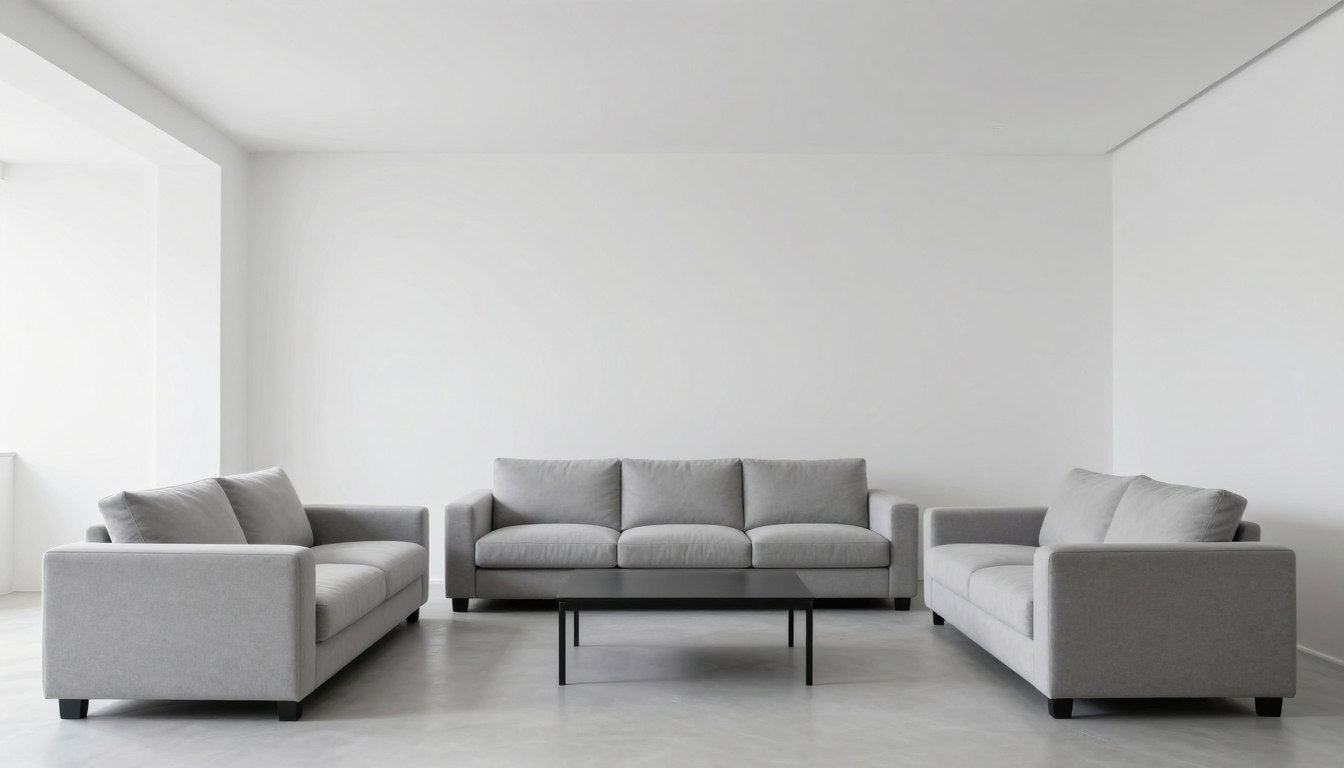

You walk into a room and immediately feel a chill. Not the temperature kind, but an emotional coldness that makes the space feel unwelcoming. This experience is more common than you think. Many modern homes suffer from design choices that create sterile, uninviting atmospheres.
The difference between a warm home and a cold space often comes down to specific design elements. Understanding these factors helps transform any room into a cozy retreat.
Interior designers spend years studying how environments affect our emotions. The way light bounces off walls, the textures we touch, and the colors surrounding us all shape our feelings about a space.

Golden Horizons Abstract Print
Warm abstract tones instantly soften cold walls and add visual warmth to any living room or bedroom.

Tropical Serenity Botanical Art
Bring nature indoors with botanical prints that create instant connection and organic warmth.

Warmth & Expression Portrait
Human presence through portraiture creates emotional connection and makes spaces feel inhabited.
The Missing Element: Texture and Materials

Smooth surfaces dominate many modern interiors. Glass, polished concrete, and sleek metals create visual interest but lack warmth. Without varied textures, a room feels flat and uninviting.
Materials speak a silent language in interior design. Hard surfaces reflect sound and light in ways that can feel harsh. Soft materials absorb and diffuse, creating gentler atmospheres.
The solution involves layering different textures throughout your space. Woven textiles, natural wood, and soft fabrics work together to build depth. Adding abstract canvas prints introduces another textural dimension through visible brushstrokes and canvas weave.
Natural materials particularly excel at adding warmth. Wood brings organic patterns and natural tones. Stone and ceramics offer earthy grounding. These elements balance the coldness of modern materials.
Cold Lighting Creates Unwelcoming Atmospheres

Overhead lighting dominates many homes. This single-source approach creates harsh shadows and eliminates the gentle gradations that make spaces feel cozy. Light fixtures positioned only on the ceiling fail to illuminate a room at human scale.
The color temperature of bulbs matters tremendously. Cool white lights emit blue tones that feel clinical and cold. These lights work well for task-oriented spaces but drain warmth from living areas.
Designers recommend layering different light sources at various heights. Floor lamps, table lamps, and wall sconces create multiple pools of illumination. This approach mimics natural light patterns and feels more organic.
Window treatments also affect how light enters a space. Bare windows let in abundant light but lack the softness that curtains or blinds provide. Living room canvas art positioned near windows can help balance natural light while adding visual warmth.
According to research from the Illuminating Engineering Society, warm white bulbs between 2700K and 3000K create the most inviting residential atmospheres. These temperatures mimic the golden glow of sunset and candlelight.
How Color Choices Make Spaces Feel Cold

All-white interiors became popular for their clean, modern aesthetic. While visually striking, these spaces often feel cold and clinical. The absence of color removes emotional resonance from a room.
Cool color palettes amplify the cold feeling. Blues, grays, and stark whites reflect rather than absorb light. These tones work beautifully in certain contexts but require careful balancing.
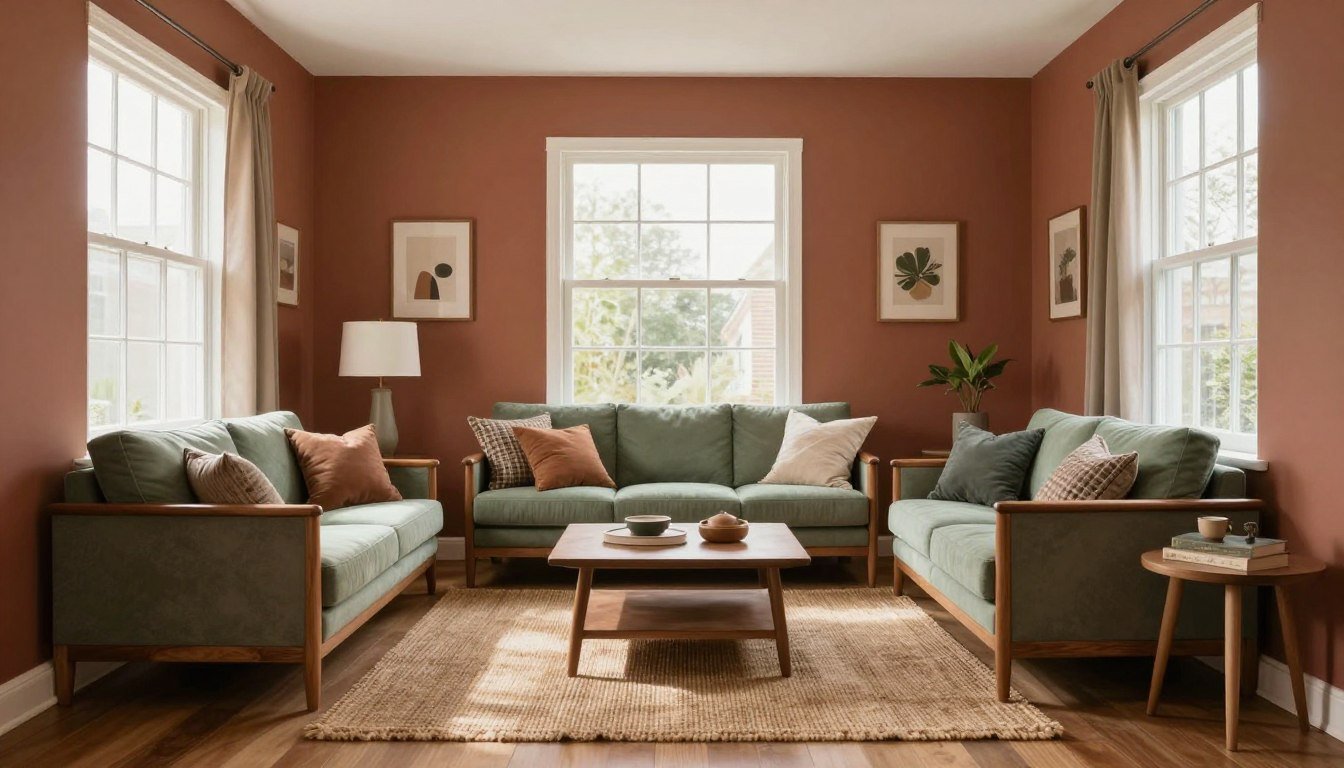
Warm tones transform the atmosphere immediately. Terracotta, warm grays, soft creams, and earthy browns create psychological warmth. These colors remind us of natural elements like sand, clay, and wood.
The solution doesn't require painting every wall. Strategic color placement through artwork makes significant impact. Botanical wall art prints introduce organic greens and natural tones that soften cold palettes.
Color psychology research shows that warm hues trigger feelings of comfort and security. Interior spaces benefit from incorporating these tones through textiles, artwork, and accent pieces.
Match This Cozy Vibe to Your Space
Explore curated collections designed to bring warmth and character to every room in your home. From abstract expressions to natural botanicals, find art that transforms cold walls into inviting focal points.
Bare Walls and Missing Personality

Empty walls create visual voids that make spaces feel unfinished and unwelcoming. The human eye seeks visual interest and focal points. Without these elements, rooms feel abandoned rather than minimalist.
Many homeowners fear cluttering their walls. This concern leads to overcorrection, leaving spaces bare. The goal isn't to cover every inch but to create intentional focal points.
Artwork serves multiple functions beyond decoration. It introduces color, texture, and personal expression. Well-chosen pieces anchor furniture arrangements and guide the eye through a room.
For living spaces, canvas prints for living rooms offer ready-to-hang solutions. These pieces add instant personality without requiring complex gallery wall planning.
Gallery walls work wonderfully when thoughtfully arranged. Canvas print sets take the guesswork out of arrangement while providing coordinated visual impact.
Furniture Layout and Spatial Flow Problems

Furniture pushed against walls creates distance between seating areas. This arrangement might maximize floor space but eliminates intimacy. Conversation becomes difficult when people sit too far apart.
The concept of conversation clusters matters in creating welcoming homes. Seating should allow people to comfortably interact without shouting across rooms. This typically means arranging furniture closer together.
Traffic flow through a space affects how welcoming it feels. Rooms where people must navigate obstacle courses feel hostile. Clear pathways with logical flow create ease and comfort.
Scale also plays a crucial role. Oversized furniture in small rooms creates claustrophobia. Tiny furniture in large rooms emphasizes emptiness. Proper proportion makes spaces feel balanced.
Layering different heights adds visual interest. Mix tall modern sculptures with low seating and mid-height artwork to create dynamic spatial rhythm.
The Absence of Personal Elements

Showroom-perfect interiors look beautiful in photographs but feel sterile in person. Homes need evidence of the people who live there. Personal items create stories and emotional connections.
Books, collections, and meaningful objects tell visitors who you are. These elements make guests feel they've entered a home rather than a hotel lobby. The key lies in curating rather than cluttering.
Family photographs warm a space immediately. They don't need to dominate every surface, but their presence signals that real life happens here. Mix them with artwork for balanced personalization.
Original artwork particularly adds personality. Unlike mass-produced decor, unique pieces spark conversation and reflect individual taste. Consider exploring original paintings for one-of-a-kind statements.
The founder of Rossetti Art, Chiara Rossetti, emphasizes that art should reflect the inhabitant's spirit. She believes every home deserves pieces that resonate personally rather than following generic trends.
Room-by-Room Warmth Solutions

Living Room Warmth Strategies
Living rooms serve as the heart of most homes. These spaces need particular attention to avoid cold, unwelcoming feelings. Start with a warm area rug that defines the seating area and adds softness underfoot.
Layer lighting at different levels. Combine overhead fixtures with floor lamps and table lamps. This creates ambient light that feels gentler than single-source illumination.
Add throw blankets and decorative pillows in warm textures. These elements invite people to get comfortable and stay awhile. Choose living room wall art that complements your color scheme while adding warmth.
Bedroom Comfort Elements
Bedrooms should feel like sanctuaries. Soft textiles become even more important in these private spaces. Layer bedding with different textures and warm tones.
Bedside lighting matters tremendously. Table lamps with warm bulbs create relaxing atmospheres better than overhead lights. Consider bedroom canvas prints with calming imagery above the bed.
Curtains or blinds soften the hard edges of windows. They also control light and add another layer of texture to the room.
Entryway First Impressions
Entryways set the tone for entire homes. A cold, bare entry makes poor first impressions. Small changes create immediate warmth.
Add a console table with a lamp for instant hospitality. Place a mirror to reflect light and visually expand the space. Entryway wall art prints create focal points that welcome guests.
A small rug or runner adds color and defines the space. These simple elements transform entries from pass-through zones to welcoming thresholds.
Dining Room Atmosphere
Dining rooms often feel cold because they're used infrequently. Combat this by adding elements that work even when the room sits empty.
Centerpieces with natural elements bring life to the table. A bowl of fruit, fresh flowers, or seasonal branches add organic warmth. Dining room wall art decor creates visual interest on otherwise bare walls.
Consider a dimmer switch for the dining room light fixture. Adjustable lighting allows you to set the mood for different occasions.
Bringing Nature Indoors for Warmth

Humans naturally crave connection to the outdoors. This phenomenon, called biophilic design, explains why nature elements make spaces feel warmer and more welcoming.
Plants offer the most obvious nature connection. They add color, texture, and life to any room. Even low-maintenance plants like pothos or snake plants transform atmospheres.
Natural materials echo outdoor environments. Wood furniture, stone countertops, and woven baskets bring organic textures inside. These materials age beautifully, adding character over time.
Nature-inspired artwork extends this connection. Botanical wall art prints work particularly well in spaces where living plants struggle, like bathrooms or dark corners.
Research from environmental psychology demonstrates that nature exposure, even through imagery, reduces stress and increases positive emotions. This makes nature-themed decor functionally beneficial beyond aesthetics.
Creating Visual Depth Through Contrast

Monochromatic spaces can feel flat and cold. The eye needs variation to remain engaged. Contrast creates visual interest that makes rooms feel dynamic rather than static.
This doesn't require dramatic black-and-white schemes. Subtle tonal variations achieve the same effect. Mix light walls with darker furniture or vice versa.
Texture creates contrast even within similar colors. A cream-colored knit throw against cream walls adds depth through textural variation. This principle applies throughout a space.
Black and white canvas prints add sophisticated contrast without introducing complex color schemes. These pieces work with virtually any palette while adding visual punch.
The principle of light and shadow also creates depth. Varied lighting heights cast gentle shadows that add dimensionality to flat walls and surfaces.
Balancing Modern Style With Warmth

Modern design doesn't have to feel cold. The minimalist movement unfortunately conflated simplicity with sterility. True modern design can embrace warmth while maintaining clean lines.
The key lies in material selection. Choose modern furniture in warm woods rather than cold metals. Select upholstery in natural fabrics like linen or wool instead of synthetic materials.
Color plays a crucial role in warm modern design. Instead of stark white, consider warm whites with cream or beige undertones. These subtle shifts dramatically affect atmosphere.
Modern spaces benefit from carefully curated artwork. Rather than multiple small pieces, select a few statement works. Abstract canvas prints complement modern aesthetics while adding warmth through color.
Chiara Rossetti, founder of Rossetti Art, notes that modern interiors need human elements to feel complete. Art serves as that humanizing factor, bridging minimalism and warmth.
Museum-Quality Canvas Prints, Delivered to Your Door
Each piece is ready to hang, printed on premium canvas, and ships free worldwide. Transform your space in days, not weeks. Add warmth and personality to any room with art that speaks to you.
Transforming Cold Spaces Into Welcoming Homes

Creating a warm, welcoming home doesn't require complete renovations. Small, intentional changes make significant differences. Start with one room and apply these principles gradually.
Focus on the elements that affect you most. If overhead lighting bothers you, begin there. If bare walls feel cold, add artwork first. Progress comes from addressing your specific pain points.
Remember that warmth comes from layers. Combine multiple elements—texture, lighting, color, and personal touches—to build inviting atmospheres. No single change creates complete transformation.
Your home should reflect who you are while serving your functional needs. Balance aesthetics with comfort. Design choices should enhance your daily life, not complicate it.
For more design inspiration and practical tips, explore the Rossetti Art blog. You'll find guidance on selecting artwork, arranging spaces, and creating homes that truly feel like yours.
Frequently Asked Questions
Why does my modern home feel cold even though I love minimalist design?
Minimalism doesn't require coldness. Many modern homes feel unwelcoming because they lack texture, warm lighting, and personal elements. The solution involves adding soft textiles, layered lighting, and carefully selected artwork. You can maintain clean lines while incorporating warmth through material choices and color temperature. Consider adding abstract canvas prints that complement minimalist aesthetics while adding visual warmth.
What's the fastest way to make a room feel warmer and more inviting?
The fastest transformation comes from adding layered lighting and textiles. Replace cool-white bulbs with warm-white alternatives (2700K-3000K). Add throw blankets, pillows, and area rugs in warm tones. Hang artwork on bare walls to create focal points. These changes require minimal investment and time but dramatically affect atmosphere. Living room wall art provides ready-to-hang solutions that add instant personality.
Can I add warmth without changing my neutral color palette?
Absolutely. Warmth comes from more than color alone. Focus on texture, lighting, and material variety. Choose warm-toned neutrals (cream, beige, warm gray) instead of cool neutrals (stark white, blue-gray). Add natural materials like wood and stone. Layer different textures through textiles and artwork. According to interior design experts at Architectural Digest, textural variation creates perceived warmth even within monochromatic schemes.
How much artwork should I put on my walls?
There's no universal rule, but avoid two extremes: completely bare walls and overwhelming clutter. A good starting point is one substantial piece or grouping per wall in main living areas. For bedrooms, artwork above the bed creates a natural focal point. Bedroom canvas prints work well in this application. Entryways benefit from welcoming pieces at eye level. The goal is creating intentional focal points rather than filling every space.
Why do overhead lights make my room feel cold?
Overhead lighting creates harsh, flat illumination without the gentle gradations of natural light. This single-source approach casts unflattering shadows and eliminates the warmth that comes from varied light levels. The solution involves adding multiple light sources at different heights—table lamps, floor lamps, and wall sconces. This layered approach mimics natural lighting patterns and creates cozy pools of illumination. Use warm-white bulbs (2700K-3000K) in all fixtures for maximum warmth.
What role does artwork play in making spaces feel welcoming?
Artwork serves multiple functions beyond decoration. It adds color, creates focal points, reflects personality, and signals that a space is cared for and inhabited. Well-chosen pieces anchor furniture arrangements and guide visual flow. Art introduces human creativity into spaces, counteracting the sterility of empty walls. For maximum impact, select pieces that resonate personally. Explore original paintings for unique statements or canvas prints for accessible, ready-to-hang options.


Leave a comment
This site is protected by hCaptcha and the hCaptcha Privacy Policy and Terms of Service apply.