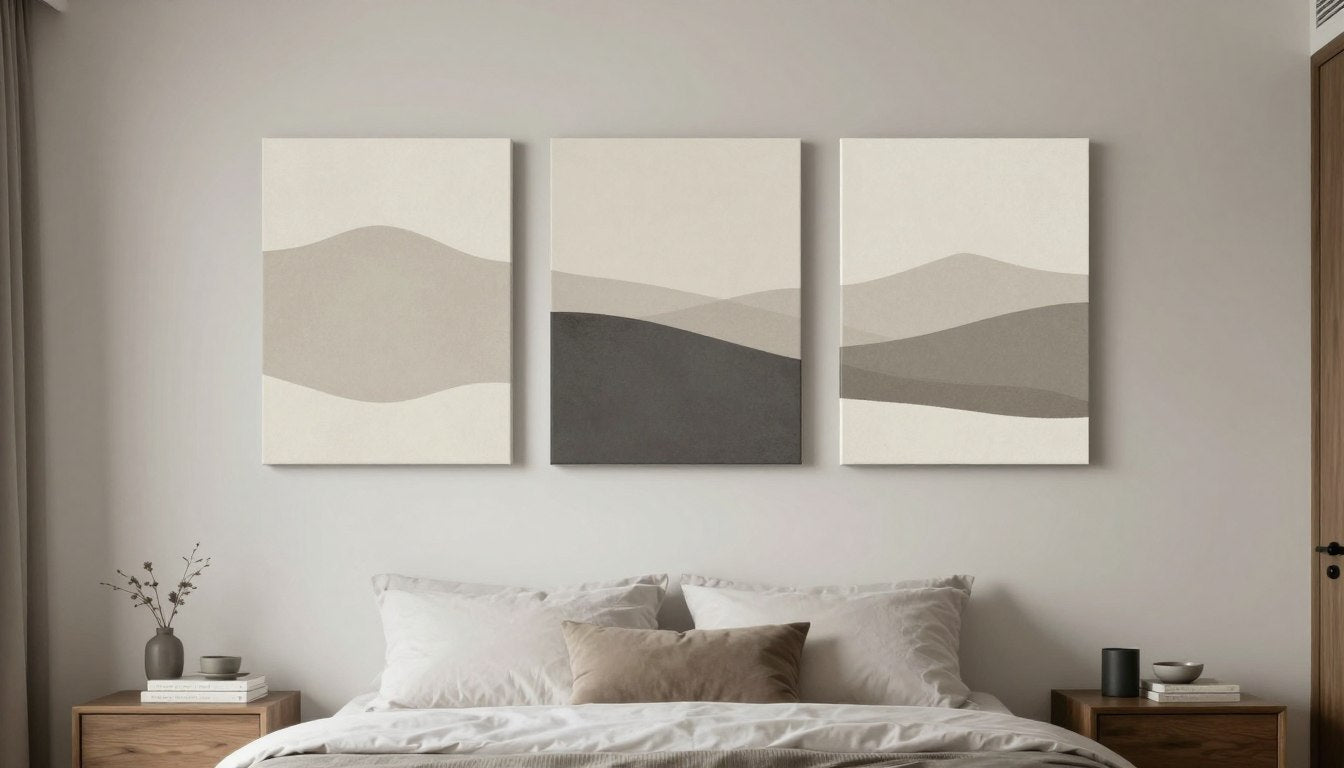

Your bedroom walls tell a story. They reflect your personality and shape the environment where you rest each night. Yet many people struggle with the simple question of how to arrange wall art in a bedroom effectively.
The right arrangement can transform a plain room into a personal sanctuary. Art adds visual interest and creates focal points that draw the eye naturally.
Wall art bedroom design goes beyond simply hanging frames. It involves understanding balance, proportion, and the relationship between pieces. Whether you prefer a single statement piece or a curated gallery wall, proper arrangement makes all the difference.
This article guides you through proven techniques for displaying artwork in your bedroom. You'll learn practical tips for choosing the right pieces, determining ideal placement, and creating arrangements that enhance your space rather than overwhelm it.
Bedroom Art Styles That Set the Mood

The style of art you choose influences the entire atmosphere of your room. Different approaches create distinct moods and complement various design aesthetics.
Abstract pieces bring energy and modern sophistication to bedroom spaces. These works feature bold colors and geometric shapes that catch attention without depicting specific subjects. Abstract canvas prints work well above beds or on accent walls where they become conversation starters.

Botanical art creates calming environments perfect for rest. Nature-inspired pieces featuring leaves, flowers, and landscapes connect indoor spaces with the outdoors. Botanical wall art prints in soft greens and earth tones promote relaxation and tranquility.

Portrait and figurative works add human interest and emotional depth. These pieces range from classical representations to modern interpretations of the human form. Portrait canvas prints create intimate spaces that feel personal and curated.

Transform Your Bedroom With These Curated Styles
Explore three distinctive art collections designed to create the perfect mood in your bedroom space. Each piece is ready to hang and crafted with museum-quality materials.

Abstract & Geometric
Bold shapes and modern colors that energize your space while maintaining bedroom tranquility.

Botanical & Nature
Bring the outdoors inside with calming nature-inspired prints that promote rest and relaxation.

Portrait & Figurative
Add human warmth and emotional depth with carefully curated portrait artwork.
Black and white photography offers timeless elegance that complements any decor style. These pieces provide contrast without competing with other room elements. Black and white canvas prints work particularly well in minimalist or monochromatic bedroom designs.

Pop art and retro designs inject personality and playfulness into bedroom spaces. These bold pieces celebrate color and cultural references. Pop art canvas prints suit eclectic styles and creative individuals who want rooms reflecting their unique tastes.
Planning Your Wall Art Layout

Successful wall art arrangements begin with careful planning. Taking time to measure and visualize saves frustration and prevents costly mistakes.
Measuring Your Wall Space
Start by measuring the wall dimensions where you plan to display art. Use a tape measure to record width and height in inches. Note any obstacles like windows, doors, or furniture that affect available space.
The area above your bed typically offers the most prominent display space. Measure from the headboard top to the ceiling, considering visual balance rather than filling every inch of wall.

Standard guidelines suggest artwork should span roughly two-thirds to three-quarters of your furniture width. For a queen bed measuring 60 inches wide, aim for art spanning 40 to 45 inches total.
Creating Paper Templates
Before putting holes in walls, create paper templates matching your artwork dimensions. Cut paper or newspaper to exact sizes of each piece you plan to hang.
Use painter's tape to attach templates to the wall in various arrangements. This technique lets you visualize different layouts without commitment. Move templates around until you find the arrangement that feels right.

Step back frequently to view arrangements from different angles. Consider the perspective from your bed, doorway, and sitting areas. What looks good up close might not work from across the room.
Considering Room Proportions
Room size influences art selection and arrangement decisions. Large rooms accommodate bigger pieces or expansive gallery walls. Smaller spaces require more restrained approaches to avoid visual clutter.
Ceiling height matters too. Standard eight-foot ceilings limit vertical arrangements, while higher ceilings offer opportunities for stacked compositions or tall vertical pieces.

The furniture in your room also affects art placement. Heavy dark furniture pairs well with substantial art that holds visual weight. Light minimalist furniture allows for delicate or airy artwork that doesn't overpower the space.
For comprehensive design guidance, visit the Rossetti Art blog for more tips on creating cohesive room decor.
The Single Statement Piece Approach

Sometimes less truly is more. A single large artwork creates immediate impact without the complexity of multiple pieces. This approach works beautifully in bedrooms where simplicity and calm matter most.
Choosing the Right Size
For statement pieces above beds, aim for artwork measuring 40 to 60 inches wide. This size creates presence without overwhelming the space. The piece should feel substantial but not cramped against the ceiling or furniture.
Vertical pieces work when wall space is limited horizontally or when you want to draw the eye upward. Horizontal pieces emphasize width and work well above standard bed configurations.

Consider the regular price when selecting statement pieces. Investment in quality art pays dividends in visual impact and longevity. Bedroom canvas prints offer museum-quality options at accessible price points.
Optimal Hanging Height
The standard rule places artwork so its center sits at 57 to 60 inches from the floor. This reflects average eye level and creates comfortable viewing angles.
For art above beds, adjust this guideline. Position pieces 5 to 9 inches above the headboard or mattress top. This spacing creates visual connection without artwork appearing to float or crash into furniture.

Test your placement using the paper template method. Live with the template for a day or two to confirm the height feels right from various room positions.
Style Considerations
Statement pieces work best when they complement rather than compete with room decor. Line art canvas prints offer sophisticated minimalism that pairs with many design styles.
For rooms with busy patterns in bedding or curtains, choose artwork with simpler compositions. In minimalist spaces, bolder more complex pieces add visual interest without overwhelming the aesthetic.

Color coordination matters but doesn't require exact matching. Pull one or two colors from your artwork that echo tones in your bedding, curtains, or accessories. This creates subtle connections that unify the space.
Gallery Wall Arrangements for Bedrooms

Gallery walls offer dynamic visual interest through collections of multiple pieces. This art bedroom arrangement style lets you display various works while creating a cohesive whole.
Grid Layout Arrangement
Grid layouts create order through symmetry and equal spacing. This formal approach works well in modern and contemporary bedrooms where clean lines matter.
Start with identical frame sizes or similar artwork dimensions. Arrange pieces in even rows and columns with consistent spacing between each frame. Two-inch gaps work well for most gallery walls.

Common grid configurations include three-by-three arrangements or two-by-four layouts. Canvas print sets provide pre-coordinated options designed to work together in grid formations.
This structured approach minimizes decision-making while maximizing visual impact. Grid arrangements suit those who appreciate organization and symmetry in their room decor.
Salon-Style Gallery Walls
Salon-style arrangements embrace variety and organic composition. This approach mixes different sizes, frames, and art styles for eclectic visual appeal.
Begin with your largest piece as an anchor. Position it slightly off-center or at eye level. Build around this focal point by adding smaller pieces that balance the composition.

Maintain relatively consistent spacing between pieces even when sizes vary. Aim for one to three inches between frames. This prevents the arrangement from looking chaotic while preserving the casual aesthetic.
Salon walls work particularly well in bohemian or eclectic bedroom styles. They allow personal expression and can incorporate different types of wall art including prints, paintings, and photographs.
Symmetrical Arrangements
Symmetrical layouts create calm through mirror-image balance. These arrangements feel intentional and restful, making them ideal for bedroom walls.
A simple symmetrical approach places identical pieces on either side of a central focal point. Two matching prints flanking a larger central piece creates classic three-piece symmetry.

For five or more pieces, create symmetry through careful positioning. Arrange works so each side mirrors the other in size, spacing, and visual weight. This doesn't require identical art, just balanced placement.
The modern canvas wall art collection offers coordinated sets perfect for symmetrical arrangements that maintain cohesive style.
Horizontal Line Arrangements
Horizontal arrangements emphasize width and work well above beds or long furniture pieces. This layout style creates visual flow across the wall space.
Align three to five pieces horizontally at the same height. Keep the bottom edges even for a clean line, or align centers for varied heights. Maintain consistent spacing between each piece.

This arrangement works particularly well with landscape-oriented pieces or when working with limited vertical space. The horizontal emphasis makes rooms feel wider and more expansive.
Consider your room environment when choosing this layout. Horizontal arrangements complement low-profile furniture and suit modern minimalist design aesthetics.
Match This Vibe to Your Space
Transform your bedroom into a personalized sanctuary with curated art collections designed for specific moods and aesthetics. Whether you prefer modern minimalism or cozy traditional style, find the perfect pieces to complete your space.

Spacing and Alignment Tips

Proper spacing and alignment separate amateur arrangements from professional-looking displays. These technical details significantly impact the final appearance of your wall art bedroom design.
Distance Between Pieces
Consistent spacing creates visual harmony in multi-piece arrangements. The standard gap between frames ranges from two to four inches depending on frame size and overall composition.
Smaller pieces benefit from tighter spacing around two inches. This prevents arrangements from looking scattered across the wall. Larger pieces can handle wider gaps of three to four inches while maintaining cohesion.

In grid layouts, maintain identical spacing in all directions. Measure carefully to ensure the gap between horizontal pieces matches the vertical spacing. This precision creates the clean look that makes grid arrangements work.
For asymmetrical or salon-style walls, consistency matters even when pieces vary in size. Keep spacing within a narrow range rather than mixing one-inch and six-inch gaps randomly.
Vertical Alignment Techniques
Alignment determines whether arrangements look intentional or haphazard. Even slight misalignment catches the eye and undermines the overall look.
The bottom-edge alignment method works well for horizontal arrangements with varied piece heights. Align all bottom edges at the same level, creating a stable baseline while allowing tops to vary.

Center alignment creates balance when mixing different sized pieces. Align the center point of each piece horizontally or vertically. This technique works particularly well for symmetrical layouts.
Use a level for every piece you hang. Even experienced designers rely on levels rather than eyeballing alignment. Digital levels offer precision and help ensure your artwork hangs straight.
The 57-Inch Rule
The 57-inch rule serves as a baseline for art hanging height. This standard places the center of artwork at 57 inches from the floor, representing average human eye level.
To apply this rule, measure 57 inches up from the floor and mark lightly with pencil. This mark represents where the center of your artwork should sit. From there, calculate where the top of your piece should be.

Adjust this standard for bedroom-specific situations. Above furniture, the art center might sit higher due to the furniture baseline. The goal is visual comfort rather than rigid adherence to rules.
In rooms with varied viewing points, consider the primary perspective. If you view your wall art bedroom arrangement mostly while in bed, optimize height for that viewpoint rather than standing perspective.
Using Hardware Properly
Quality hanging hardware ensures artwork stays securely in place while simplifying the installation process. Different pieces require different hanging solutions.
Picture hanging strips work well for lightweight prints and avoid wall damage. These adhesive strips hold firmly while removing cleanly when you want to rearrange.

Traditional picture hooks suit most standard frames. Use hooks rated for weights exceeding your artwork. A 20-pound capacity hook provides security for a 10-pound frame.
For heavy pieces or arrangements on drywall, use wall anchors. These expand behind the wall surface, distributing weight and preventing hooks from pulling through drywall. Canvas prints from professional art retailers often include appropriate hanging hardware.
Lighting Your Wall Art

Proper lighting transforms good artwork into stunning focal points. The right lighting approach enhances colors, adds depth, and creates ambiance in your bedroom space.
Natural Light Considerations
Natural light affects how artwork appears throughout the day. Morning light differs from afternoon sun, changing colors and contrast in your wall art prints.
Avoid hanging art directly opposite windows where harsh sunlight falls. Direct sun causes colors to fade over time and creates glare that obscures artwork details. Position pieces on walls perpendicular to windows for balanced natural lighting.

UV-protective glass or acrylic helps preserve art exposed to natural light. However, canvas prints typically don't use glass, making positioning even more critical for longevity.
Consider how seasons affect light in your room. Winter sun hits at different angles than summer light. Choose positions that work year-round rather than optimizing for one season.
Artificial Lighting Options
Artificial lighting gives you control over how artwork appears regardless of time of day. Several options work well for bedroom wall art lighting.
Picture lights mount directly above or beside artwork, casting focused illumination. These dedicated fixtures highlight specific pieces and work particularly well for statement artwork above beds.

Track lighting offers flexibility for illuminating multiple pieces or entire gallery walls. Adjustable heads let you direct light exactly where needed. This option suits art bedroom designs with multiple focal points.
Recessed spotlights provide clean integrated lighting that doesn't compete visually with your art. These ceiling-mounted fixtures work best in rooms with adequate ceiling height and suit modern minimalist aesthetics.

LED strip lights offer subtle accent lighting for contemporary spaces. These can install behind floating frames or along wall edges to create ambient glow that highlights art indirectly.
Color Temperature Selection
Light color temperature dramatically impacts how artwork colors appear. Understanding Kelvin ratings helps you choose appropriate bulbs for your room environment.
Warm white light (2700-3000K) creates cozy inviting spaces ideal for bedrooms. This temperature range enhances warm tones in artwork while maintaining comfortable ambiance for rest.

Neutral white (3500-4100K) provides balanced lighting that represents colors accurately. This range works well when you want to see artwork as the artist intended without warm or cool color casts.
Cool white (5000K+) creates crisp modern lighting but can feel harsh in bedrooms. Reserve this temperature for home offices or spaces where color accuracy matters more than ambiance.
Match bulb temperatures throughout your room for consistency. Mixed temperatures create confusing lighting that makes decor choices difficult and spaces feel disjointed.
Avoiding Glare and Shadows
Glare and shadows diminish artwork impact. Strategic positioning and light angle control minimize these issues.
Position lights at 30-degree angles from the wall surface. This angle illuminates artwork evenly while preventing both glare and harsh shadows. Lights aimed too directly create hotspots, while shallow angles cast unwanted shadows.

For glossy or glass-covered art, test viewing angles before finalizing placement. What looks perfect from one position might have glare from your bed or doorway. Adjust artwork angle slightly if needed to minimize reflections.
Multiple light sources reduce harsh shadows. Combine ambient room lighting with focused art lighting for the most flattering illumination. This layered lighting approach creates depth and prevents the flat appearance that single light sources create.
Color Coordination and Theme Selection

Color coordination ties room elements together into cohesive designs. Your wall art bedroom choices should work with existing decor while adding visual interest.
Working with Existing Color Palettes
Start by identifying the dominant colors in your bedroom. Look at bedding, curtains, rugs, and furniture to determine your base palette. These existing elements guide art selection.
The 60-30-10 rule provides a framework for color distribution. Sixty percent should be your dominant color, thirty percent your secondary color, and ten percent accent colors. Wall art often provides those crucial accent colors that complete the palette.

You don't need exact color matches. Pulling one or two tones from your artwork that echo room colors creates subtle connections. Abstract prints offer multiple colors, making coordination easier.
Consider undertones when selecting art. Cool-toned rooms benefit from artwork with blue, green, or purple undertones. Warm spaces work better with art featuring red, orange, or yellow bases.
Creating Contrast
Strategic contrast prevents rooms from feeling flat or monotonous. Artwork provides excellent opportunities for contrast that energizes spaces.
Light walls benefit from darker artwork that creates definition and focal points. Dark walls pair beautifully with lighter pieces that pop against the background. This value contrast draws attention and adds drama to room decor.

Color contrast works differently than value contrast. Complementary colors (opposites on the color wheel) create vibrant energetic combinations. A blue bedroom gains life from orange-toned artwork. Green walls pair beautifully with red or pink art pieces.
Texture provides another contrast dimension. Smooth minimalist rooms benefit from artwork with visible texture or detail. Busy spaces with many patterns work better with simpler graphic prints.
Monochromatic Approaches
Monochromatic schemes use variations of a single color for sophisticated cohesive looks. This approach creates calm environments perfect for bedroom spaces dedicated to rest.
Black and white canvas prints offer the ultimate monochromatic flexibility. These timeless pieces work with any color scheme while adding graphic interest through contrast alone.

Single-color schemes use different shades, tints, and tones of one hue. A blue bedroom might feature artwork ranging from navy to sky blue, creating depth through tonal variation rather than different colors.
Monochromatic doesn't mean boring. Vary the intensity and value of your chosen color. Mix light and dark versions, saturated and muted tones. This creates visual interest while maintaining the calm that monochromatic schemes provide.
Seasonal Artwork Rotation
Rotating artwork with seasons keeps bedroom spaces fresh without major decor overhauls. This approach lets you enjoy different pieces throughout the year.
Warm-toned art with oranges, reds, and golds suits fall and winter. These colors create cozy inviting atmospheres during cold months. Botanical prints in autumn colors bring seasonal warmth indoors.

Cool blues, greens, and neutral tones refresh spaces for spring and summer. These lighter palettes feel airy and relaxed during warmer months. Coastal or nature themes work particularly well for summer rotation.
Store off-season artwork properly to maintain condition. Keep pieces in cool dry spaces away from direct sunlight. Wrap canvas prints in acid-free paper to prevent dust accumulation and potential damage.
Arrangements for Different Bedroom Styles

Different design styles call for specific approaches to wall art arrangement. Matching your art bedroom strategy to your overall aesthetic creates cohesive spaces.
Modern Minimalist Bedrooms
Minimalist spaces embrace simplicity and restraint. Artwork in these environments should enhance rather than clutter the clean aesthetic.
Choose one large statement piece rather than multiple smaller works. This singular focus aligns with minimalist principles of "less is more." Position the piece with generous negative space around it.

Line art prints work beautifully in minimalist settings. Their simple compositions and limited color palettes complement rather than compete with minimalist decor.
If using multiple pieces, opt for identical frames and symmetrical arrangements. Three matching pieces in a horizontal line creates impact while maintaining the orderly aesthetic minimalism requires.
Traditional and Classic Styles
Traditional bedrooms accommodate more ornate frames and classic subject matter. These spaces welcome time-tested arrangement approaches.
Symmetrical layouts feel at home in traditional settings. Two matching pieces flanking a bed or centered artwork with balanced accessories creates the formality traditional styles embrace.

Portraiture fits naturally into traditional aesthetics. Portrait canvas prints add sophistication and timeless appeal to classic bedroom designs.
Layer artwork with other wall decor in traditional spaces. Ornate mirrors, wall sconces, and decorative plates can mix with framed art to create the collected look traditional styles often feature.
Bohemian and Eclectic Spaces
Bohemian bedrooms celebrate personal expression and creative mixing. These spaces welcome diverse art styles and adventurous arrangements.
Salon-style gallery walls suit bohemian aesthetics perfectly. Mix different sizes, styles, and subject matter. Include various art types from prints to textiles to found objects.

Don't worry about perfect spacing or alignment in boho spaces. Slightly irregular arrangements add to the casual collected-over-time aesthetic these rooms embrace.
Pop art prints inject personality into bohemian bedrooms. Their bold colors and graphic qualities contribute to the vibrant energy these spaces cultivate.
Contemporary and Transitional Designs
Contemporary bedrooms balance current trends with timeless appeal. These spaces allow flexibility while maintaining sophistication.
Asymmetrical arrangements work well in contemporary settings. Position artwork off-center or use odd numbers of pieces for visual interest that avoids formal stuffiness.

Mix abstract and representational art in contemporary spaces. This combination creates depth and prevents rooms from feeling too themed or matched.
Transitional styles bridge traditional and modern aesthetics. Choose classic subjects rendered in contemporary styles, or modern subjects in traditional formats. This duality reflects the transitional approach to design.
Industrial and Urban Styles
Industrial bedrooms feature raw materials and urban aesthetics. Artwork should complement rather than soften these edgy spaces.
Large-scale pieces work well against exposed brick or concrete walls. The substantial artwork holds its own against textured architectural elements.

Cityscape prints reinforce urban themes. Black and white photography of architecture or street scenes feels particularly at home in industrial environments.
Skip fussy frames in industrial spaces. Frameless canvas prints or simple metal frames suit the pared-down aesthetic. Let the artwork speak without ornamental frame distraction.
Common Wall Art Arrangement Mistakes

Even with good intentions, certain mistakes appear repeatedly in wall art bedroom arrangements. Recognizing these pitfalls helps you avoid them in your own space.
Hanging Art Too High
The most common mistake involves hanging artwork too high on walls. Pieces floating near the ceiling disconnect from furniture and room life below.
Remember the guideline of 5 to 9 inches above furniture for art positioned above beds or dressers. This creates visual connection between furniture and artwork rather than leaving artwork isolated in upper wall space.

When measuring from the floor, aim for art centers around 57 to 60 inches unless furniture changes this baseline. Test placements before committing to final positions.
Ignoring Scale and Proportion
Artwork too small for the wall space gets lost, while oversized pieces overwhelm. Finding the right balance requires attention to proportion.
As a general rule, wall art should cover roughly two-thirds of the furniture width it hangs above. A 72-inch-wide dresser calls for artwork spanning approximately 48 inches.

In gallery walls, the entire arrangement's footprint matters more than individual piece sizes. Plan the total dimensions of your gallery wall to ensure it fits the space appropriately.
Small pieces in large spaces create spotty incomplete looks. Either scale up to larger artwork or create arrangements that fill space more substantially.
Overcrowding Wall Space
More isn't always better with wall art. Overcrowded arrangements create visual chaos that defeats the purpose of decoration.
Negative space serves important purposes. It gives eyes places to rest and prevents sensory overload. Not every wall needs art, and spaces between pieces matter as much as the art itself.

In bedrooms particularly, restraint creates the calm environments conducive to rest. Choose quality over quantity, allowing each piece room to breathe and be appreciated.
The three-wall rule suggests leaving at least one wall relatively bare. This prevents rooms from feeling like galleries and maintains the bedroom's primary function as a rest space.
Mismatched Frame Styles
While eclectic arrangements can work, completely mismatched frames often look unintentional rather than curated. Some consistency creates cohesion.
Choose a common element that ties different frames together. This might be color, finish, or style era. Black frames in different styles look intentionally mixed, while random frame colors and styles look accidental.

For simplest coordination, stick with one frame style throughout an arrangement. This works especially well in modern and minimalist spaces where uniformity aligns with overall aesthetic goals.
Canvas prints offer frameless alternatives that eliminate the frame-matching challenge entirely. Gallery-wrapped canvas provides finished edges that need no frames.
Forgetting About Lighting
Artwork hung in perpetual shadow loses impact. Lighting makes the difference between artwork that enhances a room and pieces that disappear into walls.
Consider lighting during the arrangement planning phase, not as an afterthought. Identify how natural and artificial light falls throughout the day in your bedroom.

Add dedicated art lighting for important pieces. Picture lights or spotlights ensure your artwork shows beautifully regardless of time or season.
Test lighting angles before installation. What works in theory might create glare or shadows in practice. Make adjustments until artwork displays optimally from key viewing positions.
Relating Wall Art to Bedroom Furniture

Furniture placement influences where and how you display wall art. Understanding these relationships creates balanced cohesive bedroom spaces.
Art Above the Bed
The wall above your bed provides the most prominent display space in most bedrooms. This focal point deserves careful consideration.
Center artwork horizontally above the bed or headboard. Measure to find the exact center point and work from there. Off-center positioning looks unintentional unless part of a deliberate asymmetrical design.

The 5 to 9-inch spacing above the headboard prevents artwork from appearing to float. This gap creates visual connection without artwork sitting directly on the headboard.
For beds without headboards, position art 8 to 12 inches above mattress height. This slightly higher placement compensates for the missing headboard while maintaining proper visual weight.
Bedroom-specific canvas prints come in sizes optimized for standard bed widths, simplifying the selection process.
Dressers and Nightstands
Furniture pieces other than beds also create opportunities for wall art display. Dressers and nightstands benefit from artwork above them.
Leave 6 to 8 inches between the furniture top and artwork bottom. This spacing allows room for lamps, accessories, or decorative items on the furniture surface without crowding.

Keep artwork width narrower than the furniture beneath it. Art that extends beyond furniture edges looks disconnected from the piece below. Aim for art spanning 50 to 75 percent of furniture width.
Nightstand art creates balance in spaces with asymmetrical furniture arrangements. A single piece above each nightstand frames the bed beautifully while maintaining the symmetry bedrooms often benefit from.
Empty Wall Spaces
Not all wall art must relate to furniture below. Empty wall spaces offer opportunities for standalone displays that serve as room focal points.
Large accent walls without furniture work well for substantial gallery wall arrangements. These blank canvases let you create without worrying about furniture relationships or spacing from objects below.

The wall opposite your bed provides another prime location. This wall catches your eye when you wake and serves as a view from the bed. Choose artwork that sets the mood you want to wake up to.
Corner spaces often go unused but offer interesting display opportunities. Artwork in corners draws attention to these typically forgotten areas while making rooms feel more complete and considered.
Working Around Windows and Doors
Architectural features like windows and doors create parameters for art placement. Work with these features rather than fighting against them.
Avoid positioning artwork directly next to door frames where it interferes with door swing or gets damaged by regular use. Leave at least 6 inches between door trim and art edges.

The wall space between windows offers perfect spots for vertical pieces. This placement takes advantage of narrow spaces while drawing attention to natural light sources.
Above windows, maintain 4 to 6 inches between the window trim top and artwork bottom. This spacing prevents artwork from looking cramped against the window frame.
Consider window treatments in your planning. Long curtains need clearance, and hardware for drapes might interfere with artwork placement. Account for these practical elements during arrangement planning.
Adapting Arrangements to Room Size

Room dimensions significantly impact appropriate wall art choices and arrangements. Different room sizes require different approaches to achieve balanced results.
Small Bedroom Solutions
Small bedrooms benefit from strategic artwork that enhances rather than overwhelms limited space. Thoughtful choices make rooms feel larger and more intentional.
One medium to large piece often works better than multiple small pieces in compact rooms. A single focal point prevents walls from looking busy or cluttered.

Vertical pieces draw eyes upward, making rooms feel taller. This technique works particularly well in bedrooms with standard ceiling heights where vertical emphasis creates the illusion of greater space.
Light colors and simple compositions prevent artwork from visually crowding small rooms. Botanical prints in soft tones add interest without weight.
Mirror strategic positioning alongside artwork reflects light and creates depth. The combination of art and mirrors makes small bedrooms feel more spacious and layered.
Large Bedroom Opportunities
Spacious bedrooms accommodate more ambitious art arrangements without risk of overcrowding. These rooms offer opportunities to make bold statements.
Gallery walls work beautifully in large spaces where substantial arrangements fill expansive walls appropriately. Plan arrangements spanning 4 to 6 feet wide for proper scale in large rooms.

Multiple focal points work in generous bedrooms. Art above the bed might anchor one wall while a gallery wall or statement piece on another wall creates secondary interest.
Larger individual pieces suit spacious rooms better than numerous small works. A 60-inch-wide canvas print creates impact that multiple 12-inch pieces cannot match, regardless of arrangement.
Consider the viewing distance in large rooms. Artwork that works at 6 feet might lack detail or impact when viewed from 12 feet across a spacious bedroom.
Ceiling Height Impact
Ceiling height affects how artwork appears and what arrangements work best. Standard eight-foot ceilings require different approaches than nine-foot or vaulted ceilings.
In standard-height rooms, keep the space between artwork tops and ceilings to at least 12 inches. Artwork too close to ceilings looks cramped and poorly planned.

High ceilings allow vertical stacking of artwork. Two pieces arranged vertically create drama in rooms with 10-foot or higher ceilings. This arrangement option doesn't work in standard-height spaces.
Vaulted or sloped ceilings present unique challenges. Position artwork on the straight portions of walls rather than trying to work with angles. Use the architecture's drama rather than competing with it.
In rooms with varied ceiling heights, maintain the 57-inch center rule rather than adapting to ceiling height. This consistency prevents arrangements from looking off when ceiling heights change within a room.
Trending Wall Art Styles for Bedrooms

Design trends evolve, bringing fresh approaches to bedroom wall art. Understanding current trends helps you create spaces that feel contemporary while remaining personally meaningful.
Abstract and Geometric Designs
Abstract art continues dominating modern bedroom trends. These pieces add visual interest through color, shape, and composition rather than recognizable subjects.
Geometric patterns bring structure and modern sophistication. Clean lines and mathematical precision appeal to contemporary aesthetics while offering versatility across various color schemes.

Abstract geometric prints work across design styles from minimalist to maximalist. Their adaptability makes them practical choices for rooms that might evolve over time.
Watercolor abstracts offer softer alternatives to hard-edged geometric pieces. These flowing compositions create dreamy atmospheres perfect for bedroom environments focused on relaxation.
Minimalist Line Art
Line art has surged in popularity for bedroom spaces. These simple continuous-line drawings create sophisticated focal points with minimal visual weight.
Single-line portraits and figure studies bring human interest without overwhelming minimalist aesthetics. The economy of line creates elegance that suits contemporary bedrooms.

Botanical line drawings combine the calming effect of nature subjects with the clean appeal of minimal line work. These pieces bridge organic and geometric aesthetics beautifully.
Line art canvas prints come in various scales from small intimate pieces to large statement works, offering options for any room size or arrangement plan.
Nature and Botanical Themes
Biophilic design principles drive the ongoing popularity of nature-themed artwork. These pieces connect indoor spaces with natural world elements.
Large-scale leaf prints create dramatic focal points while maintaining the calming effect nature imagery provides. Monstera leaves, palm fronds, and fern patterns appear frequently in current bedroom designs.

Pressed botanical prints offer vintage appeal with botanical accuracy. These scientific-style illustrations bring sophistication and reference traditional naturalist study.
Landscape photography, particularly aerial and abstract nature views, provides another approach to nature themes. These pieces offer natural subjects through unexpected perspectives.
Monochrome and Black-White Photography
Black and white photography maintains enduring appeal in bedroom design. These timeless pieces transcend trends while offering sophistication and versatility.
Architectural photography in black and white brings urban sophistication to bedroom spaces. Clean lines and strong contrasts create striking focal points.

Portrait photography works beautifully in monochrome, emphasizing emotion and composition over color distraction. These pieces add human interest to personal spaces.
Nature photography in black and white offers fresh perspectives on familiar subjects. Without color, form, texture, and light become primary elements creating visual interest.
The versatility of black and white prints makes them practical investments that work regardless of how often you update other decor elements.
Budget-Friendly Wall Art Solutions

Creating beautiful wall art bedroom designs doesn't require enormous budgets. Strategic choices and creative approaches deliver impressive results at various price points.
Mixing High and Low Pieces
Combine investment pieces with affordable prints for balanced arrangements that look curated rather than cheap. This strategy stretches budgets while maintaining quality appearance.
Purchase one statement piece for your most prominent wall position. Surround this anchor piece with more affordable complementary prints that enhance rather than compete with your investment.

Printed canvas offers affordable alternatives to original paintings while delivering similar visual impact. Quality prints from reputable sources provide the look of fine art without the fine art regular price.
Consider where pieces appear in your room. Prime focal points warrant investment, while artwork in less prominent positions can be more budget-conscious without compromising overall appearance.
Creating DIY Arrangements
Do-it-yourself approaches offer personalization and budget savings. Simple projects create custom artwork reflecting your unique style and personality.
Frame fabric swatches, wallpaper samples, or decorative paper for instant affordable art. This approach works particularly well for creating coordinated sets where pattern and color matter more than subject matter.

Photograph your own nature subjects or architectural details, then print and frame these personal images. Original photography adds authentic personal connection that purchased art cannot provide.
Paint your own abstract canvases using online tutorials as guides. Simple geometric patterns or color-block designs require minimal artistic skill while delivering custom colors perfectly matching your room decor.
Utilizing Prints Over Originals
High-quality art prints deliver visual impact at fractions of original artwork costs. Modern printing technology creates reproductions virtually indistinguishable from originals at normal viewing distances.
Digital downloads offer the most budget-friendly option. Purchase digital files, print locally, and frame yourself. This approach works well when you have specific size requirements or want to experiment with arrangements before committing.

Canvas prints provide ready-to-hang solutions that skip framing costs. Gallery-wrapped edges eliminate the need for frames entirely, simplifying installation and reducing overall expense.
Explore various print mediums beyond standard paper. Metal prints, acrylic prints, and wood prints offer distinctive looks at varying price points, providing options for different aesthetic preferences and budgets.
Shopping Strategically
Timing purchases around sales events significantly reduces art acquisition costs. Strategic shopping delivers better value without compromising quality or style.
End-of-season sales often feature deep discounts on artwork. Purchase pieces during these events for next year's refresh, planning ahead to maximize savings.
Explore curated collections where sets cost less than individual pieces purchased separately. These coordinated groups simplify arrangement decisions while offering economic advantages.

Consider less common sizes that might be discounted. Non-standard dimensions often cost less than popular sizes, and unique proportions can create distinctive arrangements that standard sizes cannot achieve.
Build your art collection gradually rather than trying to complete arrangements immediately. Acquiring pieces over time spreads costs while allowing you to refine your vision as you live with each addition.
Maintaining and Caring for Wall Art

Proper care ensures your wall art prints maintain their beauty for years. Regular maintenance and protective measures preserve your investment and keep bedroom spaces looking fresh.
Cleaning Techniques
Dust accumulation dulls artwork over time. Regular gentle cleaning prevents buildup that damages surfaces and diminishes visual impact.
For canvas prints, use a clean soft dry cloth or feather duster weekly. Wipe gently in one direction rather than circular motions that might grind dust into the canvas texture.

Avoid liquid cleaners on canvas unless specifically designed for artwork. Water or household cleaners can damage canvas surfaces, leaving spots or causing colors to run.
For framed pieces under glass, use glass cleaner on the glass surface only. Spray cleaner on your cloth rather than directly on glass to prevent liquid from seeping behind glass and damaging artwork.
Protecting from Environmental Damage
Environmental factors slowly damage artwork over time. Awareness and prevention extend the life of your wall art bedroom collections significantly.
Direct sunlight fades colors gradually. Even artwork not directly in sun paths experiences fading from ambient UV exposure over months and years. Position pieces away from direct sunlight or use UV-protective glazing.

Humidity affects canvas and paper-based artwork. Bedrooms with attached bathrooms face higher humidity levels. Use dehumidifiers if necessary to maintain consistent humidity levels protecting your art collection.
Temperature fluctuations stress artwork materials. Avoid hanging pieces directly above heating vents or air conditioning units where temperature changes constantly.
When to Rotate or Replace Pieces
Even well-maintained artwork eventually needs rotation or replacement. Knowing when to make changes keeps bedroom spaces fresh and protects valuable pieces.
Visible fading signals time for rotation or retirement. If colors appear significantly lighter than when first hung, either move the piece to a less sunny location or replace it entirely.

Warping or buckling in canvas suggests humidity or temperature damage. While minor warping sometimes resolves with environmental adjustments, significant distortion requires replacement.
Rotate artwork seasonally if you have collections larger than your wall space. This practice keeps your bedroom looking fresh while protecting stored pieces from constant light exposure.
Personal taste evolution provides another reason for updates. As your style develops, refresh your art bedroom selections to reflect your current aesthetic preferences. Quality pieces from reputable sources retain value and can transition to other home spaces when bedroom preferences change.
Ready to Transform Your Bedroom?
Discover museum-quality canvas prints designed specifically for bedroom spaces. Each piece arrives ready to hang with free worldwide shipping, bringing gallery-level art directly to your personal sanctuary.

- Museum-quality canvas materials
- Ready-to-hang gallery-wrapped edges
- Free worldwide shipping on all orders
- Curated collections for every bedroom style
- Perfect sizing for standard furniture dimensions
Shop by Style
Find the perfect collection that matches your bedroom aesthetic and personal taste:
Additional Design Inspiration

Arranging wall art extends beyond bedrooms into every room of your home. Understanding principles that work in bedroom spaces helps you apply similar strategies throughout your environment.
Living Room Wall Art Strategies
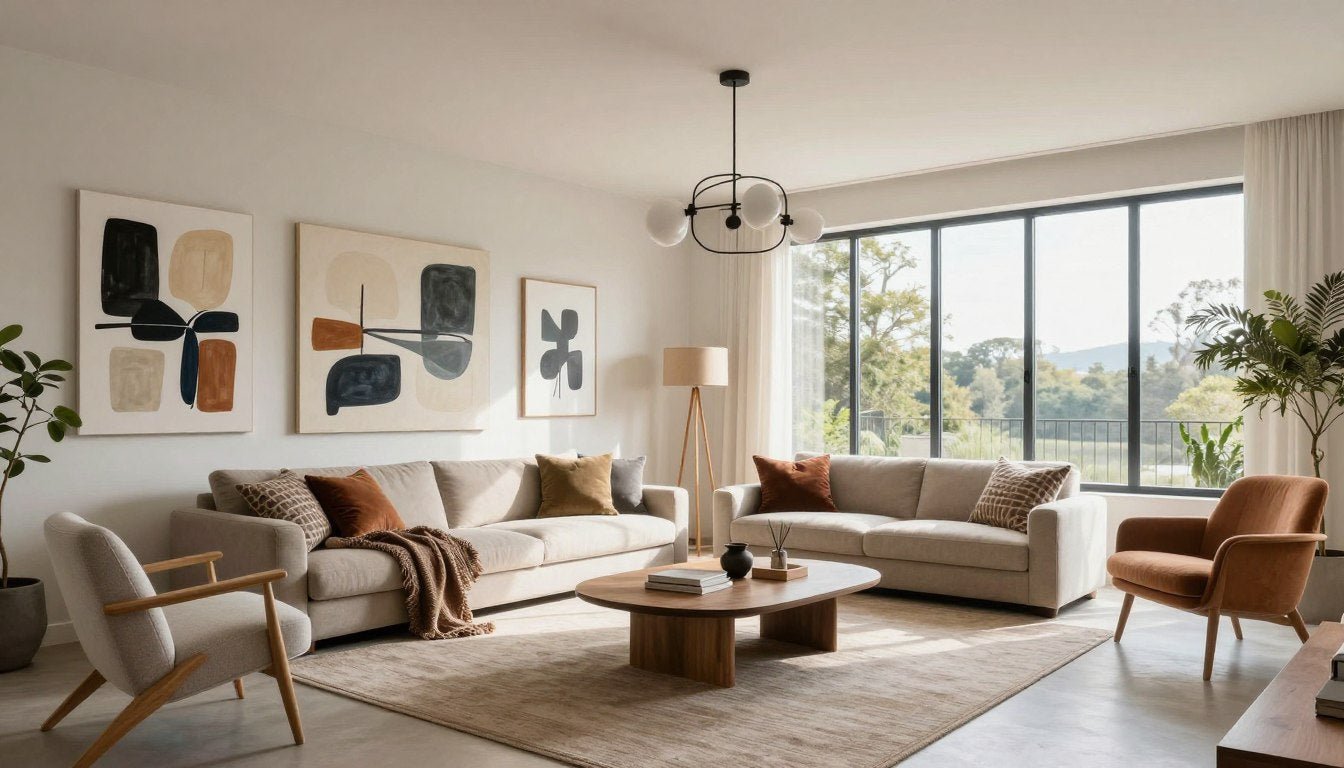
The principles you've learned for bedroom wall art apply to living spaces with slight modifications for different room functions. Living room wall art typically accommodates bolder statements since these spaces welcome guests and conversation.

Living rooms often feature larger gallery walls since viewing distances increase in these more spacious areas. The same arrangement that works above a bed might feel too small above a sofa in a generous living room.
Creating Cohesive Multi-Room Design
Carry design elements from your bedroom into adjacent spaces for cohesive home aesthetics. This doesn't mean identical artwork everywhere, but rather complementary styles that create flow throughout your home.
If your bedroom features botanical prints, consider complementary nature themes for hallways or bathrooms. This connection creates intentional design while allowing each space its own character.

Color palettes provide another cohesion tool. Pull accent colors from bedroom artwork into living spaces, creating subtle connections that unify your entire home decor.
Explore room-specific collections including entryway wall art and dining room wall art that complement your bedroom choices while serving different spatial functions.
Final Thoughts on Bedroom Wall Art

Learning how to arrange wall art in a bedroom transforms empty walls into personal expressions. The techniques covered in this article provide frameworks for creating arrangements that enhance your space and reflect your personality.
Start with careful planning. Measure your spaces, consider proportions, and use paper templates before committing to final placements. These preparatory steps prevent mistakes and build confidence in your design decisions.
Choose artwork that resonates personally. Whether you prefer abstract designs, nature themes, or minimalist line art, select pieces that make you feel something. Your bedroom should reflect your tastes and support the mood you want to create.
Balance serves as the foundation of successful arrangements. Consider visual weight, color distribution, and spacing to create compositions that feel intentional and harmonious rather than random or cluttered.
Lighting makes the difference between artwork that enhances your room and pieces that disappear. Invest time in lighting considerations during planning, ensuring your carefully selected art displays beautifully day and night.
Remember that room decor evolves. What works today might need adjustment as your tastes develop or life circumstances change. Quality artwork from sources like original paintings collections and sculpture galleries maintains value and can move to new spaces as your home evolves.
The tips and techniques in this article serve as guidelines rather than rigid rules. Trust your instincts, experiment with different arrangements, and create bedroom spaces that truly feel like home.
For ongoing design inspiration and expert tips, visit the Rossetti Art blog regularly. New articles explore various aspects of home decor, helping you create beautiful spaces throughout your entire home.
Frequently Asked Questions
How high should I hang wall art above my bed?
Position wall art 5 to 9 inches above your headboard or mattress top. This spacing creates visual connection between the artwork and your bed without the pieces appearing to float separately. For beds without headboards, measure 8 to 12 inches above the mattress height. The center of your artwork should typically sit around 57 to 60 inches from the floor when no furniture is below it.
What size wall art should I choose for above my bed?
Wall art above beds should span approximately two-thirds to three-quarters of your bed or headboard width. For a standard queen bed measuring 60 inches wide, aim for artwork spanning 40 to 45 inches total. This proportion creates visual balance without the art appearing too small or overwhelmingly large. Single pieces typically range from 40 to 60 inches wide for queen and king beds, while multiple piece arrangements should fill similar total dimensions.
How do I arrange multiple pieces of wall art in my bedroom?
Multiple piece arrangements work best with consistent spacing of 2 to 4 inches between frames. Create paper templates of each piece and test arrangements on your wall using painter's tape before making holes. Grid layouts use uniform sizes with even spacing, while salon-style arrangements mix sizes around a central anchor piece. Maintain at least one common element like frame color or art style to create cohesion across multiple pieces.
Should bedroom wall art match my bedding?
Artwork doesn't need to exactly match bedding, but should coordinate with your overall room color palette. Pull one or two accent colors from your artwork that echo tones in bedding, curtains, or accessories rather than seeking perfect matches. This creates subtle connections that unify the space without everything looking overly coordinated. Consider the mood you want to create—calming artwork in soft tones for restful spaces, or bold pieces for energizing environments.
What are the best wall art styles for small bedrooms?
Small bedrooms benefit from one medium to large statement piece rather than multiple small works that make spaces feel cluttered. Choose vertical pieces to draw eyes upward and make rooms feel taller. Light colors and simple compositions prevent visual crowding. Botanical prints in soft tones, minimalist line art, or abstract pieces in light color palettes work particularly well. Avoid heavy dark pieces or busy gallery walls that overwhelm compact spaces.
How do I light my bedroom wall art properly?
Position artwork to avoid direct sunlight that causes fading and creates glare. Add dedicated art lighting through picture lights mounted above pieces, track lighting with adjustable heads, or recessed spotlights positioned at 30-degree angles from the wall. Use warm white bulbs (2700-3000K) for cozy bedroom ambiance. Test lighting angles before permanent installation to ensure illumination without glare from key viewing positions like your bed.
Can I hang wall art without damaging walls?
Picture hanging strips provide strong hold for lightweight to medium weight prints while removing cleanly without wall damage. These adhesive strips work well for canvas prints and lighter framed pieces up to specified weight limits. For heavier artwork, use proper wall anchors that expand behind drywall for secure mounting. Always check weight ratings and follow manufacturer instructions. Renters should check lease agreements regarding wall modifications before installation.
How often should I change my bedroom wall art?
Change bedroom wall art when pieces no longer resonate with your style, show visible fading or damage, or when you want to refresh your space. Some people rotate artwork seasonally for variety, while others keep beloved pieces for years. Quality canvas prints maintain appearance for many years with proper care including avoiding direct sunlight and regular gentle dusting. Let personal preference guide refresh timing rather than following strict schedules.
What's the difference between canvas prints and framed prints?
Canvas prints feature images printed on canvas material stretched over wooden frames with gallery-wrapped edges, requiring no additional framing. These ready-to-hang pieces offer modern clean aesthetics and cost less than custom framing. Framed prints place paper or photo prints behind glass in traditional frames, offering protection and formal presentation. Canvas prints suit contemporary spaces while framed prints fit traditional designs. Both options deliver quality results depending on your aesthetic preferences and room style.
Where else can I hang wall art besides above the bed?
Hang wall art above dressers leaving 6 to 8 inches between furniture and artwork. Position pieces above nightstands for bedroom symmetry. Use the wall opposite your bed as a focal point visible when you wake. Empty corner spaces offer opportunities for vertical arrangements or single statement pieces. Wall space between windows works well for narrower vertical artwork. Consider creating small gallery walls on empty accent walls that don't have furniture beneath them.

About the Author
Chiara Rossetti
Chiara Rossetti is the founder of Rossetti Art, a canvas print and original art brand. She writes about interior design, wall art styling, and the art of making a home feel alive.

Leave a comment
This site is protected by hCaptcha and the hCaptcha Privacy Policy and Terms of Service apply.