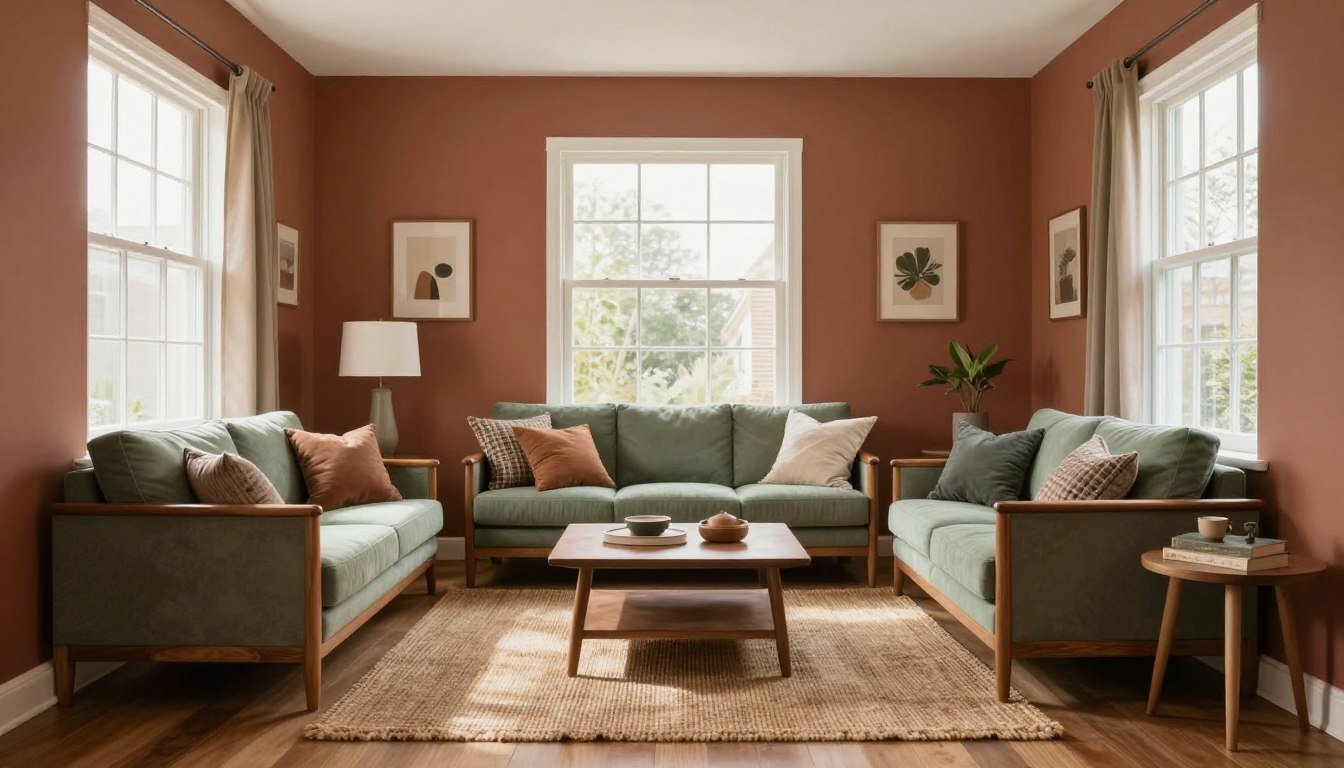

Small rooms present unique design challenges. Many homeowners worry that using earth tones might make their compact spaces feel darker or more cramped.
The truth is quite different. When applied thoughtfully, earthy color palettes can actually make small rooms feel more spacious and inviting.
Earth tones bring warmth, depth, and a connection to nature that transforms tight quarters into cozy sanctuaries. The key lies in understanding which shades to choose and how to layer them effectively.
This comprehensive guide walks you through proven strategies for using earthy tones in small spaces. You'll discover how to select the right color palette, incorporate natural materials, and use art to enhance your design vision.
Understanding Earth Tone Color Palettes for Small Spaces
Earth tones draw inspiration from the natural world. These colors include warm browns, soft terracotta, muted greens, and gentle neutrals that mirror landscapes and organic materials.
The earth tone color palette creates an inherently calming atmosphere. This makes these shades particularly valuable in small rooms where you want to maximize comfort without visual clutter. If you want to explore the complete formula behind this look, check out our full earthy interior design guide.

Core Colors in Earth Tone Palettes
The foundation of any earth tone scheme starts with understanding the core color families. Each brings distinct qualities to small room design.
Browns range from light tan to deep chocolate. These shades ground a space and provide visual stability that makes rooms feel secure rather than confined.
Terracotta and rust tones add warmth without overwhelming brightness. These colors work particularly well as accent walls in small rooms because they create depth while maintaining an earthy feel.
Sage and olive greens introduce freshness. Green tones connect indoor spaces to nature and can make walls appear to recede, which helps small rooms feel larger.
Warm neutrals like beige, cream, and warm white serve as perfect base colors. These shades reflect light effectively while maintaining the earthy aesthetic.
Warm Earth Tones
These colors add coziness and invitation to small spaces through their inherent warmth.
- Terracotta and clay reds
- Warm browns and tans
- Golden ochre shades
- Rust and burnt orange
Cool Earth Tones
These shades create breathing room and visual expansion in compact areas.
- Sage and olive greens
- Cool gray-browns
- Muted blue-greens
- Stone and slate grays
Neutral Earth Tones
These versatile colors form the foundation of successful small room palettes.
- Warm beige and cream
- Natural linen shades
- Soft taupe tones
- Warm white variations
Accent Earth Tones
These deeper shades add personality and visual interest when used strategically.
- Deep forest green
- Rich chocolate brown
- Charcoal with warm undertones
- Deep terracotta
Undertones Matter in Small Rooms
Understanding undertones becomes critical when working with limited square footage. The subtle color beneath the surface tone dramatically affects how a room feels.
Warm undertones include hints of red, orange, or yellow. These make colors feel cozy but can make small rooms feel smaller if used without balance.
Cool undertones contain traces of blue, green, or purple. These tend to make walls recede visually, which helps create the illusion of more space.
Neutral undertones fall somewhere between warm and cool. These versatile options work well as base colors in small room earth tone palettes.
Test paint samples in your actual room before committing. Light changes throughout the day, and undertones that look perfect in morning light might feel completely different in evening illumination.
For comprehensive guidance on color selection, the Architectural Digest guide to earth tone paints offers expert recommendations.
Earthy Tone Art That Enhances Small Rooms
Wall art plays a powerful role in small space design. The right pieces can introduce your earth tone palette while adding visual interest without physical clutter.
Canvas prints offer an ideal solution for small rooms. They provide color, texture, and personality without requiring floor space or bulky frames.
Earth Tone Canvas Art for Intimate Spaces
If you love the warmth of natural colors, these three prints bring that organic aesthetic into your room while enhancing the sense of space.

Botanical Serenity Canvas
Soft sage greens and warm neutrals create breathing room on your walls. This piece adds natural beauty without overwhelming compact spaces.

Terracotta Abstract Canvas
Warm terracotta and brown tones add depth and personality. Abstract forms create visual interest while maintaining the calming earth palette.

Minimalist Earth Lines Canvas
Clean lines in warm browns keep spaces feeling open. This understated piece adds sophistication without visual weight.
Each of these canvas print options works specifically well in small rooms because they introduce color without creating visual clutter.
Choosing Art Scale for Small Spaces
Size selection matters tremendously in compact rooms. Many people make the mistake of choosing art that's too small, which can make the space feel cluttered rather than curated.
A single larger piece often works better than multiple small artworks. One statement canvas in earthy tones creates a focal point that draws the eye and makes walls appear larger.
For rooms with low ceilings, vertical pieces add height. Landscape-oriented art works well above furniture or in wider wall spaces.
Leave breathing room around your art. White space or wall color showing around a canvas actually makes both the art and the room feel more spacious.
Strategic Wall Color Selection in Small Rooms
Your wall color creates the foundation for everything else in your earth tone design. This decision impacts how spacious and inviting your small room ultimately feels.
Light earth tones work exceptionally well for walls in compact spaces. Warm beige, soft cream, or pale taupe reflects natural and artificial light, which makes rooms feel more open.

The Four-Wall Strategy
You don't need to paint all walls the same color. Strategic variation adds depth and makes small rooms feel more dynamic and larger.
The accent wall approach uses a deeper earth tone on one wall while keeping others light. Choose the wall you see when entering the room for maximum impact.
Terracotta, warm brown, or sage green accent walls create focal points. These deeper tones add warmth and personality without making the entire space feel enclosed.
Keep the remaining three walls in lighter neutrals. This contrast creates depth perception that tricks the eye into seeing more space than physically exists.
The ceiling matters too. Painting your ceiling in a warm white or very light beige rather than stark white maintains your earthy palette from floor to ceiling.
Light Direction and Wall Color
Natural light direction should influence your color choices. North-facing rooms receive cooler light, while south-facing spaces get warmer illumination.
Rooms with limited natural light benefit from warmer earth tones. These colors compensate for cool or dim lighting by adding perceived warmth.
Spaces with plenty of sunlight can handle slightly cooler earth tones. Sage greens and cool taupe shades won't feel cold when bathed in natural light.
Test your chosen colors at different times of day. Morning, afternoon, and evening light all affect how earth tones appear on your walls.
Layering Natural Materials Like Wood and Rattan
Materials like wood, rattan, and jute bring three-dimensional expression to your earth tone palette. These elements add warmth and depth that paint alone cannot achieve.
Natural materials introduce subtle color variation. Each piece of wood or woven fiber contains multiple earth tone shades within its grain or weave.

Wood Tones as Design Elements
Wood furniture and accents bring warmth that painted surfaces can't replicate. The organic grain patterns add visual interest without overwhelming small spaces.
Light to medium wood tones work best in compact rooms. Oak, ash, and maple provide earthy warmth while keeping spaces feeling open and airy.
Darker woods like walnut can work as accent pieces. A single dark wood chair or side table adds depth without making the room feel heavy.
Mix wood finishes thoughtfully. Combining two or three wood tones in similar undertones creates richness, while too many different woods create visual chaos.
Wooden shelving serves double duty in small rooms. Open shelves in light wood add storage while maintaining the airy quality crucial for compact spaces.
Woven Textures That Add Dimension
Rattan and jute introduce texture without color competition. These materials blend seamlessly with any earth tone palette while adding tactile interest.
Rattan furniture feels light and airy despite being substantial. A rattan chair or headboard brings earthy warmth without the visual weight of solid wood pieces.
Jute rugs ground a space in neutral earth tones. The natural fiber adds warmth underfoot while its texture creates dimension that flat surfaces lack.
Woven baskets provide practical storage with aesthetic value. These functional pieces reinforce your earth tone scheme while reducing visible clutter.
Layer textures at different heights. Combine a jute rug on the floor, rattan furniture at mid-level, and wooden shelves above to create visual movement up the walls.
Natural Material Benefits
- Add warmth without adding color intensity
- Introduce organic texture and pattern
- Create visual interest through natural variation
- Improve room acoustics by absorbing sound
- Bring authentic character to small spaces

Selecting Furniture and Decor in Earth Tones
Furniture selection makes or breaks small room design. Each piece must serve its function while contributing to your earthy color palette without creating visual clutter.
Choose furniture with exposed legs rather than solid bases. Pieces that show floor beneath them create sight lines that make rooms feel more spacious.

Upholstery Colors and Patterns
Fabric choices bring softness to your earth tone scheme. Upholstered pieces in natural colors add comfort while reinforcing your organic palette.
Solid earth tone upholstery creates calm foundations. A sofa in warm beige, soft brown, or muted sage provides a versatile anchor for your room design.
Subtle patterns add interest without overwhelming small spaces. Consider tone-on-tone patterns or very small-scale prints in your earth tone colors.
Linen and cotton fabrics feel inherently earthy. These natural textiles in neutral tones complement your color palette while adding textural dimension.
Layer throw pillows in varying earth tones for easy updates. Pillows in terracotta, sage, and cream let you adjust seasonal color intensity without replacing major furniture.
Accent Pieces That Add Personality
Small decor items let you experiment with deeper earth tones. These pieces add visual interest without the commitment of painting walls or buying large furniture.
Terracotta pots introduce warm orange-brown tones. These classic containers work for plants or as standalone decorative elements on shelves.
Ceramic vases in earthy glazes add sculptural interest. Look for pieces in sage green, warm brown, or cream that complement your overall palette.
Wooden bowls and trays layer in additional natural texture. These functional items serve practical purposes while reinforcing your earth tone aesthetic.
Explore living room art that coordinates with your decor pieces for a cohesive look throughout your small space.
Lighting Strategies That Enhance Earth Tones
Light transforms how earth tones appear in your space. Strategic lighting makes colors appear richer while helping small rooms feel more expansive and welcoming.
Natural light remains your most powerful tool. Maximize existing windows by keeping treatments minimal and choosing light-filtering options over heavy drapes.

Layering Light Sources
Multiple light sources create depth and prevent flat, shadowy corners that make small rooms feel cramped. Three types of lighting work together in successful designs.
Ambient lighting provides overall illumination. Ceiling fixtures with warm bulbs maintain your earthy atmosphere while ensuring adequate general light levels.
Task lighting serves specific functions. Reading lamps or under-cabinet lights in warm tones add practical illumination while creating cozy pools of light.
Accent lighting highlights features you want to emphasize. Picture lights on earthy canvas art or uplights on plants create visual interest and depth.
Choose bulb temperatures carefully. Warm white bulbs around 2700-3000K enhance earth tones, while cooler bulbs can make warm colors appear muddy.
Reflective Surfaces and Light Bouncing
Mirrors and glossy surfaces multiply your available light. Strategic placement of reflective elements makes small rooms feel brighter and more spacious.
Position mirrors opposite windows to bounce natural light. A mirror reflecting outdoor greenery also brings additional natural elements into your earth tone scheme.
Metallic accents in warm finishes complement earth tones. Brass, copper, and warm gold reflect light while maintaining your organic color story.
Semi-gloss paint on trim reflects more light than flat finishes. This subtle detail helps brighten rooms without abandoning your matte earth tone walls.
Glass and lucite furniture pieces allow light to pass through. These modern materials work surprisingly well with earthy palettes in contemporary small spaces.
Creating Visual Depth Through Color Layering
Depth perception makes small rooms feel larger. Layering different values and tones of earth colors creates dimensional quality that expands perceived space.
The concept of color layering involves using multiple shades from the same color family. This technique adds richness without introducing competing colors that fragment small spaces.

The Light to Dark Progression
Moving from light at eye level to darker tones below grounds your space. This natural color progression feels intuitive and creates stability in small rooms.
Start with light walls in soft neutrals or pale earth tones. These upper surfaces reflect light and prevent the ceiling from feeling too close.
Add medium earth tones at furniture level. Beige upholstery, light wood pieces, or sage green chairs introduce color intensity at the middle visual plane.
Anchor the room with darker earth tones near the floor. A jute rug in natural brown or terracotta floor cushions create visual weight that balances lighter upper elements.
This top-to-bottom gradation mimics the natural world. Sky appears lighter above while earth grows darker below, creating subconscious comfort and spatial logic.
Creating Focal Points with Contrast
Strategic contrast adds depth by drawing the eye to specific areas. Darker earth tone accents against lighter backgrounds create focal points that add dimension.
One deep brown or terracotta wall creates a visual anchor. This accent wall appears to advance while lighter walls recede, creating perceived depth.
Dark earth tone artwork on light walls creates strong focal points. The contrast draws attention and makes the wall behind appear to extend beyond the art.
Deep-toned furniture pieces against pale walls add visual interest. A chocolate brown chair on cream walls becomes a statement piece that adds personality.
Balance is crucial in small spaces. One or two darker elements provide contrast without overwhelming the light, airy quality you're working to maintain.
Adapting Earth Tones for Different Small Rooms
Each room type has unique requirements. Successful earth tone application considers the room's function, existing light, and how you want the space to feel.
The principles remain consistent, but the specific color choices and intensity levels shift based on whether you're designing a bedroom, living room, or other space.
Small Living Room Applications
Living rooms require versatile earth tone palettes that work for various activities. These social spaces benefit from warm, inviting colors that encourage gathering.
Use warm neutrals as your base color. Beige, cream, or soft taupe walls create a welcoming foundation that works from morning coffee to evening relaxation.
Add terracotta or rust accents for energy. These warm earth tones bring vitality to living spaces without the intensity of bright reds or oranges.
Layer in sage or olive green through plants and textiles. These cooler earth tones balance warmer elements and bring refreshing natural energy.
Your living room wall art serves as a key element that ties together your earth tone palette while adding visual interest at eye level.

Small Bedroom Earth Tone Schemes
Bedrooms need calming earth tones that promote rest. These intimate spaces work best with softer, more muted color palettes than active living areas.
Soft browns and warm beiges create cocoon-like comfort. These gentle earth tones make bedrooms feel secure and restful without heaviness.
Avoid intense terracotta in large quantities in bedrooms. Save these energizing tones for small accent pieces if you use them at all.
Sage green works beautifully in bedrooms. This calming earth tone connects to nature and promotes the tranquil atmosphere conducive to quality sleep.
Keep bedroom palettes slightly lighter overall than living spaces. The relaxing function of bedrooms benefits from gentler, less contrasted earth tone applications.
Browse bedroom canvas prints in soothing earth tones that complement your restful color scheme.

Other Small Room Considerations
Home offices benefit from earth tones that balance calm and focus. Warm browns promote concentration while sage greens reduce eye strain during long work sessions.
Bathrooms in earth tones feel spa-like and serene. Natural stone tones, warm beiges, and soft grays create relaxing atmospheres perfect for unwinding.
Entryways set the tone for your entire home. A welcoming earth tone entry in warm neutrals with a terracotta accent creates positive first impressions.
Common Mistakes to Avoid with Earth Tones
Even experienced decorators make missteps when working with earth tones in small spaces. Awareness of these common errors helps you create more successful designs.
Understanding what doesn't work proves as valuable as knowing what does. These mistakes can make small rooms feel smaller, darker, or visually confused.
The Mud Trap
Using too many different earth tones without a clear strategy creates muddy, undefined spaces. This happens when you combine warm and cool earth tones randomly.
Stick to a cohesive palette with clear undertone consistency. Choose either predominantly warm earth tones or cooler ones, then add small amounts of the opposite temperature for balance.
Three to five earth tone colors work better than seven or eight. More colors fragment small spaces and create visual chaos rather than calm.
Insufficient Contrast
All similar-value earth tones create flat, boring spaces. Rooms need variation between light and dark to create depth and visual interest.
Include earth tones across the value scale from light cream to deep brown. This range creates dimension crucial for making small rooms feel larger.
Don't fear darker accents. One deeper earth tone piece prevents spaces from feeling washed out while maintaining your natural color story.
Forgetting About Light
Earth tones require adequate light to prevent dinginess. Dark earth tones in poorly lit small rooms create cave-like atmospheres that feel oppressive.
Compensate for limited natural light with warm artificial lighting. Multiple light sources prevent shadowy corners that make earth tones look muddy.
Test colors in your actual lighting before committing. A beautiful sage green in the store might look gray and dreary in your north-facing room.
Add glossy or metallic elements to bounce available light. These reflective touches prevent earth tone rooms from absorbing too much illumination.
Neglecting Warm White Balance
Pairing earth tones with stark white creates jarring contrast. Bright white trim against warm brown walls fights rather than complements your palette.
Choose warm whites or cream for trim and ceilings. These softer whites harmonize with earth tones and maintain your cohesive natural color story.
Consider off-white or ivory for window treatments. Pure white curtains can look harsh against earthy walls, while warm white blends beautifully.
The right white matters as much as your accent colors. This detail distinguishes amateur attempts from professional-looking earth tone designs.
Incorporating Living Plants Into Your Earth Tone Design
Plants bring the ultimate earth tone element into your small room. Living greenery adds authentic natural color while improving air quality and creating visual interest.
The greens in plants range from sage to forest tones. These natural shades complement every earth tone palette while adding organic movement and life.

Best Plants for Small Earth Tone Spaces
Choose plants that thrive in your specific light conditions. Healthy, growing plants enhance your design, while struggling specimens detract from your aesthetic.
Snake plants work in low-light conditions and require minimal care. Their upright form adds vertical lines that make ceilings appear higher.
Pothos vines bring cascading greenery that softens harsh corners. These easy-care plants thrive in various light levels and add movement to static spaces.
Fiddle leaf figs make dramatic statements in brighter small rooms. Their large leaves create bold focal points that draw the eye upward.
Small succulents in groups add texture without requiring much space. Cluster several in earth tone pots for maximum impact with minimal footprint.
Planters as Design Elements
Container choice matters as much as plant selection. Planters contribute to your earth tone palette and can reinforce or complement your color scheme.
Terracotta pots bring authentic earthy warmth. These classic containers in various sizes create cohesive plant groupings that feel intentional.
Ceramic planters in sage, cream, or brown add color coordination. Match planter colors to other earth tone elements in your room for visual flow.
Natural baskets in jute or seagrass add texture. These woven containers work as pot covers that maintain your organic materials theme.
Wooden plant stands elevate greenery to different heights. This creates visual layers that add depth perception to small rooms.
Consider complementing your plants with botanical canvas art that extends the natural theme across your walls.
Seasonal Updates to Your Earth Tone Palette
Earth tones adapt beautifully across seasons. Small adjustments in accent colors and materials keep your small room feeling fresh without requiring complete redesigns.
The base earth tone palette remains constant year-round. Seasonal changes happen through easily updated elements like textiles, accessories, and temporary decor.

Spring and Summer Earth Tone Adjustments
Warmer months call for lighter, fresher earth tone applications. Shift emphasis toward cooler earth tones while maintaining your natural palette.
Bring in more sage and olive greens during spring. These fresh tones connect to new growth and feel lighter than winter's deeper earth shades.
Use lighter weight fabrics in neutral earth tones. Linen throws and cotton pillows in cream and beige feel appropriate for warmer weather.
Add white or cream accents to brighten the palette. These light neutrals lift earth tone schemes without abandoning the natural color story.
Fresh flowers in earth tone containers bring seasonal color. Choose blooms in cream, peach, or soft yellow that complement rather than compete with your palette.
Fall and Winter Earth Tone Enrichment
Cooler months invite deeper, richer earth tone applications. Layer in warmer shades and cozier textures while keeping the same basic palette.
Emphasize terracotta, rust, and warm browns in autumn. These colors mirror the season while creating the warmth craved as temperatures drop.
Add chunky knit textiles in earth tones for winter texture. Wool throws and cable-knit pillows in cream, camel, or chocolate brown increase coziness.
Introduce deeper wood tones through temporary accents. A dark wood tray or bowl adds seasonal richness without permanent commitment.
Candles in earth tone vessels create warm atmospheric lighting. Choose unscented or naturally scented options in ceramic holders that match your palette.
Match This Earth Tone Vibe to Your Space
Curated Collections for Every Room
Your small room deserves art that complements its earthy aesthetic. Explore our thoughtfully curated collections designed to enhance intimate spaces with natural warmth.

Botanical Nature Collection
Bring organic calm to your walls with botanical prints in soft greens, warm browns, and natural neutrals that expand small spaces.

Abstract Earth Tones Collection
Add contemporary flair with abstract designs featuring your favorite earthy shades in sophisticated geometric and organic compositions.

Bedroom Serenity Collection
Create your peaceful retreat with art specifically selected for bedroom spaces in restful earthy palettes that promote calm.
Budget-Friendly Ways to Add Earth Tones
Transforming your small room with earth tones doesn't require expensive renovations. Strategic, budget-conscious updates create significant impact without financial strain.
Start with the highest-impact, lowest-cost changes first. These foundational updates create the biggest visual transformation for minimal investment.
Paint as Primary Investment
Paint delivers maximum transformation per dollar spent. One gallon of quality earth tone paint can completely change a small room's atmosphere.
Focus paint budget on the most visible wall first. An accent wall in terracotta or sage creates drama without requiring four walls worth of premium paint.
Sample sizes let you test multiple earth tones affordably. Invest a few dollars in samples before committing to full gallons of your chosen colors.
DIY painting saves professional labor costs. Small rooms require less time and effort, making them perfect starter projects for confident DIYers.
Thrifted and Natural Elements
Secondhand stores offer earth tone treasures at fraction of retail prices. Look for wooden pieces, ceramic vessels, and woven baskets that fit your palette.
Nature provides free decorating materials. Branches, stones, and dried grasses in earth tones cost nothing but create authentic organic style.
Repaint existing furniture in earth tone colors. A can of warm brown or sage green paint transforms outdated pieces into cohesive design elements.
Swap throw pillow covers instead of buying new pillows. Affordable covers in earth tones update your look without replacing pillow inserts.
Affordable Art Solutions
Canvas prints offer gallery-quality art at accessible prices. These ready-to-hang pieces create sophisticated focal points without custom framing expenses.
Create your own earth tone art with simple techniques. Abstract paintings in browns, greens, and neutrals require minimal artistic skill but maximum impact.
Frame fabric swatches in earth tones for instant wall art. This clever hack creates cohesive color displays at craft store prices.
Visit our design blog for more budget-friendly decorating inspiration and earth tone styling tips.
When to Add Non-Earth Tone Accents
Pure earth tone palettes work beautifully, but strategic non-earthy accents can add personality. The key lies in knowing which colors complement rather than compete.
Consider whether your space needs additional color at all. Many successful small room designs rely entirely on earth tones without feeling limited.

Colors That Complement Earth Tones
Certain colors naturally harmonize with earthy palettes. These shades share the muted, natural quality that prevents jarring contrast in small spaces.
Dusty blue works surprisingly well with warm earth tones. This muted blue shares the natural, softened quality of earth shades while adding cool refreshment.
Soft coral brings warmth without intensity. This gentle peachy-pink complements terracotta and warm browns while adding subtle feminine softness.
Muted mustard or golden yellow enhances warm earth tone schemes. These colors feel naturally connected to earth palettes through their golden, sun-warmed quality.
Charcoal gray adds sophisticated depth. This near-neutral works as a grounding element that complements rather than competes with earth tones.
How Much Accent Color to Use
The 80-20 rule serves earth tone rooms well. Keep 80% of your palette in earth tones and limit non-earthy accents to 20% or less.
Use accent colors in small, easily changed items. Throw pillows, small vases, or artwork allow experimentation without permanent commitment.
Distribute accent color throughout the room rather than clustering it. Three small dusty blue elements across the space feel more intentional than one large blue piece.
Remember that accent colors should enhance, not dominate. Your earth tone palette should remain the star while accents provide subtle supporting interest.
Maintaining the Earth Tone Aesthetic Over Time
Earth tone rooms require thoughtful maintenance to preserve their fresh, intentional appearance. Small spaces show clutter and dirt more readily than larger rooms.
Develop systems that keep your carefully designed space looking its best. Consistent care prevents the gradual decline that undermines even beautiful design.
Preventing Visual Clutter
Clutter destroys earth tone serenity faster than anything else. Every item in your small room should serve a purpose or bring genuine joy.
Adopt a "one in, one out" rule for decor items. When adding new earth tone accessories, remove something else to maintain visual balance.
Use closed storage to hide necessary items that don't fit your aesthetic. Baskets in natural fibers hide clutter while reinforcing your earthy material palette.
Regular decluttering sessions prevent accumulation. Monthly reviews help identify items that no longer serve your design vision.
Keeping Earth Tones Fresh
Earth tone surfaces can show dust and dirt. Regular cleaning maintains the fresh, intentional look crucial for successful small room design.
Vacuum fabric furniture weekly to prevent dulling. Earth tone upholstery looks dingy when dusty, so consistent cleaning preserves color vibrancy.
Dust wood furniture and decor regularly. Clean wood shows its beautiful grain and color, while dusty wood looks neglected regardless of quality.
Wash or dry clean throw pillows and blankets seasonally. Fresh textiles in earth tones look rich and inviting rather than tired and worn.
Clean canvas art gently with a soft, dry cloth. Dust accumulation can dull artwork, and regular gentle cleaning keeps pieces looking gallery-fresh.
Drawing Inspiration from Nature
Nature provides endless earth tone inspiration. Observing natural color combinations helps you create palettes that feel inherently harmonious and balanced.
The natural world combines earth tones with effortless sophistication. These organic combinations offer foolproof guidance for your small room design.
Desert Landscapes
Desert environments showcase warm earth tone mastery. Sandy beiges, terracotta rocks, and sage brush create perfectly balanced warm-cool earth tone combinations.
Notice how desert tones include both warm and cool neutrals. This natural mix prevents the muddy quality that happens when combining only warm earth shades.
Desert palettes work exceptionally well in small sunny rooms. The warm, dry color story complements bright natural light beautifully.
Forest Floor Inspiration
Forest floors demonstrate rich brown and green earth tone layering. Deep soil browns, various leaf greens, and gray-brown bark create complex, sophisticated palettes.
Forest-inspired rooms feel especially cozy and protected. These schemes work wonderfully in bedrooms or reading nooks where comfort is paramount.
Add multiple brown tones from light tan to deep chocolate. This natural variation creates the depth that makes small rooms feel dimensional rather than flat.
Coastal Earth Tones
Beaches and cliffs offer cooler earth tone inspiration. Weathered driftwood grays, sand neutrals, and sage coastal plants create refreshing palettes.
Coastal earth tones feel lighter and airier than forest schemes. These combinations work well in small rooms that need maximum brightness.
Include cool gray-browns alongside warmer beiges. This balance prevents spaces from feeling too warm or too cold.
For more nature-inspired design ideas, explore the Elle Decor guide to earthy color palettes.
Ready to Transform Your Small Room
Museum-Quality Canvas Art for Your Earth Tone Space
Complete your earth tone transformation with ready-to-hang canvas art. Every piece features museum-quality printing on premium canvas with free worldwide shipping.

- Premium canvas and archival inks that last for generations
- Ready-to-hang with included mounting hardware
- Sizes perfect for small room proportions
- Earth tone designs specifically curated for intimate spaces
- Free worldwide shipping on all orders
- Satisfaction guaranteed with easy returns
Your small room holds incredible potential. Earth tones unlock that potential by creating warmth, depth, and visual expansion that makes compact spaces feel intentionally cozy rather than accidentally cramped.
The strategies in this guide give you everything needed to confidently design with earth tones. From wall color selection to furniture choices, lighting strategies to art selection, you now understand how to layer these natural colors effectively.
Remember that successful earth tone design balances light and dark, warm and cool, smooth and textured. This balance creates the dimensional quality that prevents small rooms from feeling flat or boring.
Start with one change and build from there. Perhaps begin with an earth tone accent wall, or introduce abstract canvas art in your chosen palette. Each addition builds toward your complete earth tone vision.
The beauty of earth tones lies in their timeless appeal. Unlike trendy color schemes that quickly date, natural earth palettes remain fresh and relevant year after year, making them smart long-term investments for your small space.
Frequently Asked Questions About Using Earthy Tones in Small Rooms
Do earth tones make small rooms look smaller?
Not when used correctly. Light earth tones like cream, beige, and soft taupe actually make small rooms feel larger by reflecting light. The key is using lighter shades on walls and ceilings while adding deeper earth tones as accents. This creates depth without sacrificing the open feeling crucial for small spaces.
What is the best earth tone for small room walls?
Warm beige or soft greige (gray-beige) works best for most small room walls. These versatile neutrals reflect plenty of light while providing an earthy foundation. They pair beautifully with both warm terracotta accents and cool sage green elements, giving you flexibility in your overall color palette.
Can I use dark brown in a small room?
Yes, but strategically. Use deep brown as an accent color rather than a dominant shade. A dark brown accent wall, furniture piece, or large abstract canvas print adds sophisticated depth. Balance darker browns with plenty of lighter earth tones to maintain an airy feeling.
How many earth tone colors should I use in one small room?
Three to five earth tone colors create the most successful small room palettes. Choose one dominant light neutral, one or two medium-value earth tones, and one deeper accent shade. This range provides visual interest and depth without the fragmented feeling that too many colors create in compact spaces.
What undertones work best for small rooms with limited natural light?
Warm undertones compensate for limited natural light better than cool undertones. Choose earth tones with hints of yellow, peach, or red rather than blue or gray undertones. These warmer shades prevent dim rooms from feeling cold or dreary. Pair with warm-white LED bulbs around 2700K for best results.
Should I paint my small room ceiling in an earth tone?
Paint ceilings in warm white or the lightest shade from your earth tone palette. Pure white ceilings can create harsh contrast, while overly dark ceilings lower visual height. A warm white or pale cream ceiling maintains cohesion with your earth tone walls while preserving the sense of height crucial in small rooms.
How do I prevent my earth tone room from looking boring?
Layer different textures and vary your earth tone values. Combine smooth painted walls with woven jute, natural wood grain, and varied fabric textures. Include earth tones across the value range from very light to quite dark. Add visual interest through botanical canvas art and sculptural elements in your earth palette.
Can I mix warm and cool earth tones in the same small room?
Yes, mixing is actually recommended for balanced design. Combine warm terracotta or brown with cool sage green or gray-taupe. The contrast between warm and cool earth tones creates visual interest and depth. Maintain balance by choosing one temperature as dominant (about 70%) and the other as accent (about 30%).
What size art works best for small room walls?
One larger piece typically works better than multiple small artworks. For small rooms, choose canvas art between 24-36 inches in the largest dimension. This creates a focal point without cluttering limited wall space. Leave breathing room around the piece rather than filling every inch of wall, which actually makes rooms feel larger.
How can I update my earth tone room seasonally without repainting?
Change textiles and small accessories in different earth tone shades. Use lighter sage greens and creams in spring and summer, then shift to deeper terracotta and warm browns for fall and winter. Swap throw pillow covers, blankets, and small decor items. This maintains your earth tone foundation while keeping the room feeling fresh throughout the year.


Leave a comment
This site is protected by hCaptcha and the hCaptcha Privacy Policy and Terms of Service apply.