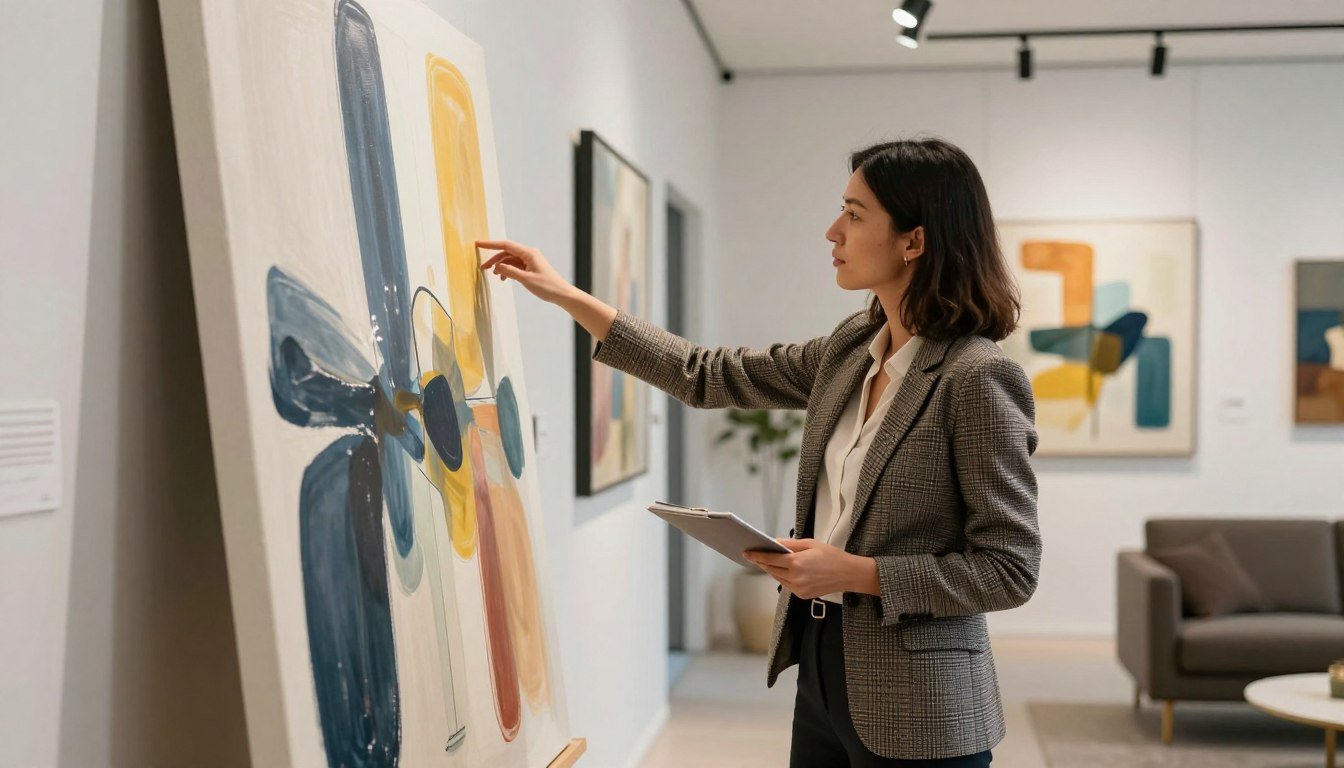

Finding exceptional wall art separates good interior design from truly memorable spaces. While homeowners browse familiar retail chains, professional designers tap into exclusive sources that deliver unique pieces their clients never see elsewhere. The art world remains surprisingly fragmented, with quality sources scattered across traditional galleries, online platforms, artist studios, and trade-only showrooms.
This guide reveals where interior designers actually buy wall art. You'll discover both established and emerging sources that professionals rely on daily. Whether you're a practicing designer seeking new resources or a homeowner wanting access to designer-quality pieces, these insider sources will transform how you approach art acquisition.
The search for the perfect wall art involves more than aesthetic appeal. Designers consider print quality, framing options, sizing flexibility, delivery timelines, and return policies. Many also prioritize vendors offering trade discounts, custom services, and reliable customer support. Understanding where interior designers buy wall art means recognizing that sourcing extends beyond a simple transaction into building lasting relationships with trusted suppliers.
Premium Online Art Galleries Where Interior Designers Buy Wall Art

The digital transformation of the art world has created sophisticated online galleries that rival traditional brick-and-mortar spaces. These platforms offer interior designers unprecedented access to artists worldwide, extensive filtering capabilities, and the convenience of sourcing from anywhere. Many provide detailed specifications, room visualization tools, and comprehensive return policies that traditional galleries cannot match.
Online galleries excel at presenting curated collections that align with specific design styles. Designers appreciate the ability to search by color palette, size, orientation, and style, streamlining the selection process for client projects. The best platforms maintain rigorous quality standards while offering competitive pricing structures that make them essential resources for design professionals.
Rossetti Art: Curated Collections for Design Professionals

Rossetti Art has become a preferred source where interior designers buy wall art for residential and commercial projects. The platform specializes in contemporary abstract pieces, modern minimalist works, and sophisticated prints that complement high-end interior design. Each piece undergoes careful curation to ensure it meets professional standards for color accuracy, print quality, and visual impact.
Designers particularly value the extensive size options and premium framing choices available. The collection spans from intimate gallery walls to statement pieces for large commercial spaces. Custom sizing accommodates specific project requirements without the typical delays associated with bespoke orders.
Explore Designer-Approved Collections
Browse curated artwork trusted by interior design professionals for residential and commercial projects. Discover pieces that transform spaces with sophistication and style.
Saatchi Art: Global Artist Network

Saatchi Art connects interior designers with emerging and established artists from around the world. The platform hosts over one million original paintings, photographs, sculptures, and prints. This extensive inventory makes it a valuable resource when designers need highly specific pieces or want to discover new artistic voices.
The trade program offers qualified designers access to special pricing and dedicated support. Many designers maintain accounts specifically for clients seeking original artwork rather than prints. The platform's artist verification process and buyer protection policies provide confidence when purchasing sight unseen.
Artfully Walls: Trade Program Specialist

Artfully Walls built its reputation specifically serving the interior design community. The platform understands designer workflows and offers streamlined ordering processes, extensive framing options, and reliable delivery schedules. Their trade program provides substantial discounts that make them competitive on project budgets.
Designers appreciate the curated collections organized by style, color, and room type. The gallery wall builder tool helps visualize arrangements before purchasing, reducing returns and client revisions. Many designers report that Artfully Walls has become their first stop for accessible, design-forward art.
Minted: Crowd-Sourced Design Excellence

Minted operates on a unique model where independent artists submit designs that community members vote on. The highest-rated designs enter production, ensuring popular appeal. This crowd-sourcing approach yields trend-forward pieces that resonate with contemporary tastes.
Interior designers value Minted for accessible price points that work within moderate budgets. The extensive framing options and quality printing standards maintain professional presentation. Many designers use Minted for secondary spaces, children's rooms, or budget-conscious projects while reserving premium galleries for primary living areas.
Brick-and-Mortar Galleries and Art Dealers

Traditional galleries remain essential sources where interior designers buy wall art, particularly for high-end residential and corporate projects. These physical spaces offer tactile experiences that digital platforms cannot replicate. Designers can assess actual colors, textures, and scale while building relationships with gallery owners who provide valuable market insights and access to emerging artists.
Gallery relationships open doors to private viewings, first access to new collections, and flexible hold policies during client approval processes. Many galleries offer interior design trade programs with professional discounts, payment terms, and return privileges. These partnerships become particularly valuable when sourcing original artwork where investment value matters to clients.
Major Metropolitan Galleries

Design hubs like New York City, Los Angeles, Chicago, and Miami host concentration of galleries specializing in contemporary and modern art. Cities such as New York offer dense gallery districts where designers can visit multiple spaces efficiently. The Chelsea neighborhood in New York City alone features over 200 galleries within walking distance.
Los Angeles has emerged as a major contemporary art center with galleries in Downtown LA, Culver City, and West Hollywood. These spaces often showcase West Coast artists whose work complements the relaxed, indoor-outdoor living aesthetic popular in California design. Many designers plan sourcing trips to these cities specifically to discover new artists and build gallery relationships.
Regional and Secondary Market Galleries

Secondary art markets in cities throughout the country offer distinct regional perspectives and often better pricing than major metropolitan galleries. These venues feature local and regional artists whose work may be overlooked by larger markets but offers genuine quality and originality. Designers working on geographically specific projects often seek regional galleries to incorporate local artistic voices.
Building relationships with regional galleries provides designers with exclusive access and favorable terms. Many gallery owners appreciate designer partnerships and will hold pieces, offer approval periods, and provide installation services. These personal relationships often yield better service than larger, impersonal galleries in major cities.
Art Fairs and Design Markets

Annual art fairs concentrate hundreds of galleries in single locations, allowing designers to survey vast inventories efficiently. Events like Art Basel, The Armory Show, Frieze, and regional fairs offer unparalleled access to international galleries and artists. Many designers schedule client consultations around major fairs to source directly with client input.
Design markets such as High Point Market and Las Vegas Market feature art vendors alongside furniture and accessories. These events cater specifically to design professionals with trade-only access and wholesale pricing. The concentrated format allows designers to compare options, negotiate volume pricing, and discover new sources all in one trip.
Direct Purchasing from Artist Studios

Buying directly from artists eliminates gallery markups while building meaningful relationships between designers and creators. This approach works particularly well for designers who develop signature styles or work repeatedly with specific artistic aesthetics. Direct relationships provide opportunities for commissioned work, custom sizing, and color customization impossible through traditional retail channels.
Artists appreciate designer partnerships because they provide consistent income and exposure to new clients. Many offer professional discounts, flexible payment terms, and priority access to new work. These relationships often evolve into long-term collaborations where artists create pieces specifically for designer projects.
Finding Artists Through Studio Tours and Open Houses

Many cities host organized studio tours where multiple artists open their workspaces to the public. Events like these provide designers with efficient ways to meet numerous artists in single days. Studio environments reveal artistic processes and often display pieces not yet available through galleries, giving designers first access to fresh work.
Regular attendance at these events helps designers build networks of go-to artists for different styles and needs. Many lasting professional relationships begin at casual open studio events where designers discover artists whose aesthetic aligns perfectly with their design philosophy.
University Art Programs and Graduate Shows

University art departments regularly host exhibitions showcasing student and faculty work. Graduate thesis shows particularly offer high-quality pieces at accessible prices. Designers who cultivate relationships with art programs gain early access to emerging talent before gallery representation drives prices higher.
Faculty members at respected art schools often maintain active studio practices alongside teaching. These artists typically have strong technical skills and professional presentation standards while remaining more accessible than gallery-represented artists. Many welcome commissions and enjoy working collaboratively with designers.
Art Residency Programs and Non-Profit Art Spaces

Artist residency programs bring creators together for intensive working periods that culminate in public exhibitions. These shows present bodies of work created during residency, often exploring specific themes or techniques. Designers attending residency exhibitions discover artists during productive creative periods when new directions emerge.
Non-profit art spaces operate outside commercial gallery pressures, often showcasing experimental or challenging work. While not every piece suits interior design applications, these venues help designers stay current with contemporary art discourse and occasionally yield distinctive pieces for adventurous clients.
Design Trade Showrooms and To-the-Trade Resources

Trade showrooms provide interior designers with exclusive access to art vendors who sell only to design professionals. These spaces offer trade discounts, designer support services, and curated selections aligned with current interior design trends. The to-the-trade model ensures designers can offer clients exclusive sources not available through retail channels.
Design centers in major cities house multiple trade showrooms under one roof, allowing efficient sourcing across categories. Art vendors in these centers understand designer workflows and provide services like approval privileges, flexible holds, and coordinated delivery schedules that retail sources cannot match.
Major Design Centers

The New York Design Center, Dallas Design District, D&D Building in New York, and Merchandise Mart in Chicago represent landmark design centers where established showrooms operate. These facilities require professional credentials for entry, maintaining exclusive trade-only access. Art vendors within these centers typically represent multiple lines and artists, providing one-stop access to diverse sources.
Regional design centers in cities nationwide offer similar resources scaled to local markets. Many feature art galleries alongside furniture and textile showrooms, recognizing that designers source entire rooms in single trips. The trade-only environment allows candid discussions about pricing, lead times, and client considerations impossible in retail settings.
Online Trade Platforms

Digital platforms now extend trade-only access beyond physical showrooms. Sites like 1stDibs Trade Program, Chairish Trade, and Dering Hall provide verified design professionals with wholesale pricing and exclusive inventory. These platforms aggregate thousands of dealers and galleries, creating comprehensive sourcing tools accessible from anywhere.
The convenience of online trade platforms makes them increasingly popular where interior designers buy wall art for projects. Advanced search filters, saved collections, and client presentation tools streamline the specification process. Many platforms integrate with design software, allowing seamless incorporation into presentation boards and procurement documents.

Benefits of Trade-Only Sources
Working through trade channels provides interior designers with tangible advantages beyond simple discounts. Professional margins allow sustainable business practices while offering clients competitive pricing. Trade vendors understand project timelines and can prioritize rush orders when necessary.
Exclusivity matters in luxury design. Clients hiring professional designers expect access to sources beyond typical retail options. Trade-only relationships ensure the art specified won't appear in every neighbor's home, maintaining the distinctive quality clients seek.
Return policies and approval privileges accommodate the reality of client decision-making. Many trade sources allow designers to order pieces on approval, presenting them in actual spaces before client commitment. This flexibility reduces risk and streamlines the design process.
Curated Online Marketplaces and Art Platforms

The proliferation of online art marketplaces has democratized access to artwork from around the world. These platforms serve where interior designers buy wall art by aggregating thousands of artists and dealers into searchable databases. The best marketplaces maintain quality standards through dealer vetting and clear return policies while offering the convenience of centralized shopping.
Designers value marketplaces that provide detailed filtering by size, color, style, and price point. Room visualization tools help clients envision pieces in their spaces before purchasing. Comprehensive specifications including exact dimensions, framing options, and material details allow informed decisions without physical inspection.
1stDibs: Vintage and Antique Specialists

1stDibs specializes in vintage, antique, and high-end contemporary pieces from vetted dealers worldwide. The platform has become essential where interior designers buy wall art for projects requiring period-appropriate or investment-quality pieces. Strict dealer requirements ensure authenticity and quality across the marketplace.
The trade program offers qualified designers significant discounts and direct dealer relationships. Many pieces listed are one-of-a-kind vintage or antique works impossible to find elsewhere. For designers creating historically informed interiors or seeking distinctive statement pieces, 1stDibs provides unmatched access to rare artwork.
Chairish: Accessible Designer Resale

Chairish occupies the space between high-end antiques and mass retail, offering curated vintage and contemporary pieces at accessible prices. The platform attracts both professional dealers and individual sellers, creating diverse inventory that refreshes constantly. Designers appreciate the treasure-hunt aspect of discovering unique pieces among regular inventory checks.
The trade program provides professionals with purchasing advantages and priority customer service. Many designers maintain regular search alerts for specific criteria, allowing them to jump on appropriate pieces immediately. The mix of vintage finds and contemporary work makes Chairish particularly useful for eclectic or transitional design styles.
Society6 and Redbubble: Artist Print-on-Demand

Print-on-demand platforms like Society6 and Redbubble connect independent artists with buyers through automated fulfillment systems. Artists upload designs that customers can purchase as prints in various sizes and formats. This model provides access to thousands of artists without gallery representation while maintaining affordable pricing.
These platforms work well for budget-conscious projects, rental properties, or spaces requiring trendy, temporary art. Print quality has improved significantly, making these sources viable for professional projects when expectations align with capabilities. Many emerging artists build followings through these platforms before gallery representation.
Etsy: Handmade and Independent Artists

Etsy hosts thousands of independent artists selling original work and prints. The platform's search functionality and review system help designers identify reliable sellers producing consistent quality. Many professional artists maintain Etsy shops alongside gallery representation, offering more accessible price points for their work.
Designers value Etsy for discovering distinctive pieces and supporting independent artists. The direct artist communication facilitates custom requests, sizing adjustments, and color modifications. Many successful designer-artist relationships begin through Etsy connections that evolve into ongoing partnerships.
Specialty Art Retailers and Design-Forward Brands

Certain retailers have built reputations for consistently offering design-quality art at accessible price points. These brands understand interior design aesthetics and curate collections that align with current trends while maintaining timeless appeal. Many serve as reliable sources where interior designers buy wall art for budget-conscious projects without sacrificing style.
The advantage of specialty retailers lies in their understanding of the complete room. Art selections coordinate with furniture, textiles, and accessories from the same source, simplifying the design process. Trade programs often extend across all categories, allowing designers to outfit entire spaces with professional discounts.
West Elm: Modern Accessible Design

West Elm has established itself as a go-to source for modern, affordable art that maintains design credibility. The brand partners with emerging artists and established names to create exclusive collections that balance trend awareness with enduring style. Regular rotations keep offerings fresh while maintaining the clean, contemporary aesthetic the brand is known for.
The West Elm trade program provides designers with substantial discounts and dedicated support. Many designers use West Elm for secondary spaces, rental properties, or projects with moderate budgets. The combination of accessible pricing, consistent quality, and modern aesthetic makes it a reliable resource in designer toolkits.
Anthropologie: Eclectic and Curated

Anthropologie curates distinctive art that reflects the brand's bohemian, eclectic aesthetic. Offerings range from vintage-inspired prints to contemporary abstracts with unique framing and presentation. The brand excels at discovering interesting artists and art forms that feel collected rather than mass-produced.
Designers working on spaces with personality and collected charm often turn to Anthropologie for one-of-a-kind pieces. The brand's ability to make new art feel vintage and curated suits transitional and eclectic interiors. While not offering formal trade programs, the distinctive aesthetic provides value for specific project needs.
CB2: Contemporary Edge

CB2, Crate & Barrel's contemporary sibling brand, offers art with modern edge and architectural sensibility. Collections emphasize bold graphics, abstract expressions, and pieces that make statements without overwhelming spaces. The brand successfully bridges accessible pricing with sophisticated design that works in urban, contemporary interiors.
Design professionals appreciate CB2's understanding of scale and proportion. Pieces are thoughtfully sized for modern living spaces where artwork needs to hold attention without dominating. The brand regularly collaborates with artists to create exclusive collections that provide freshness alongside core offerings.
Discover Sophisticated Alternatives
While specialty retailers serve important roles in design projects, explore curated collections that offer distinctive character with the professional quality your projects deserve.
Auction Houses and Estate Sales

Auction houses provide access to investment-quality art, vintage pieces, and estate collections impossible to find through retail channels. Major houses like Sotheby's, Christie's, and Phillips handle museum-quality works, while regional auctioneers offer more accessible pieces. Designers serving high-net-worth clients often source significant artworks through auction channels where provenance and investment value matter.
The auction format requires different skills than traditional purchasing. Understanding estimates, condition reports, and bidding strategies helps designers navigate this specialized market. Preview events allow physical inspection before sale days. Many auction houses now conduct online bidding, expanding access beyond those physically present.
Major International Auction Houses

Sotheby's and Christie's dominate the high-end art market, handling works from established masters to contemporary stars. These houses provide extensive catalogs, condition reports, and price estimates that help designers advise clients on acquisitions. While most lots exceed typical design project budgets, certain sales feature accessible contemporary prints and works on paper.
Regional offices of major houses often conduct more accessible sales featuring decorative arts, prints, and secondary market works. Designers building relationships with auction specialists gain insights into upcoming sales and private treaty opportunities where pieces sell outside public auction.
Regional and Online Auction Platforms
 Local and regional auction houses provide more accessible entry points into the auction market. These venues handle estate sales, consignments, and local collections that yield interesting finds at reasonable prices. Designers who regularly attend local auctions discover vintage and antique pieces with character that mass retail cannot replicate.
 Online auction platforms like LiveAuctioneers and Invaluable aggregate auctions from houses worldwide. Designers can search across multiple simultaneous auctions, set alerts for specific criteria, and bid remotely. This democratization of auction access has made previously regional sales available to national audiences.
Estate Sales and Estate Liquidation Companies

Estate sales offer opportunities to acquire quality artwork at favorable prices. Many estates contain collected art from decades of acquisitions, ranging from amateur local work to valuable pieces. Designers who regularly work estate sales develop eyes for hidden gems among more common offerings.
Professional estate liquidation companies often pre-price and organize sales, making them more accessible than chaotic private estate sales. Some companies specialize in high-end estates where quality concentrations are more likely. Building relationships with estate sale professionals provides advance notice of promising sales.
Direct from Photographers and Printmakers

Photography has become increasingly prominent in interior design, with contemporary spaces often featuring large-scale photographic prints. Working directly with photographers provides access to unique images while supporting artists who often struggle to reach design audiences. Many photographers offer licensing arrangements allowing designers to print images in custom sizes and formats.
Printmakers create original works through various techniques including screen printing, lithography, etching, and relief printing. These pieces offer handmade quality that distinguishes them from mass-produced prints. Limited edition printmaking provides affordable access to original art while maintaining collectible value.
Fine Art Photography Sources

Platforms like 20x200, LUMAS, and Minted's photography collections connect designers with photographers offering prints at various price points. These curated sources maintain quality standards while providing accessible pricing through edition structures. Many photographers sell through their websites with portfolio galleries and direct ordering capabilities.
Instagram has emerged as a primary discovery tool for contemporary photographers. Designers follow photographers whose aesthetic aligns with their work, often commissioning custom shoots or licensing existing images. The platform's visual nature makes it ideal for assessing photographic style before making contact.
Printmaking Studios and Collectives

Printmaking studios in many cities offer both studio space for artists and retail galleries selling finished works. These collectives provide access to multiple printmakers in single locations. The studio environment allows designers to see production processes and often commission custom editions in specific colors or sizes.
Many printmakers welcome design trade inquiries and offer professional discounts. The handmade nature of printmaking means small custom runs are often possible, allowing designers to create truly exclusive pieces for clients. Limited edition numbering and artist signatures add collectible value that mass-produced prints lack.
Hospitality Art Specialists

Commercial projects in hospitality require specialized art sourcing. Hotels, restaurants, and other public spaces demand durability, appropriate scale, and often multiple coordinated pieces. Vendors specializing in hospitality art understand commercial requirements including fire ratings, anti-fade treatments, and vandal-resistant framing.
These specialists often provide comprehensive art programs including site surveys, curating, installation, and maintenance. The scale of hospitality projects justifies custom solutions including commissioned work, site-specific installations, and coordinated collections throughout properties. Many hospitality art consultants work exclusively with interior designers specifying commercial projects.
Major Hospitality Art Vendors

Companies like Architectural Systems Inc., ARTSOURCE Consulting, and Christie's Mural Studio have built businesses serving hospitality design. These vendors maintain extensive inventories suitable for commercial applications while offering customization services. Understanding of building codes, installation requirements, and property maintenance protocols makes them valuable partners for hospitality projects.
Many work on project basis rather than piece-by-piece sales. This approach allows comprehensive art programs that create cohesive experiences throughout properties. Designers benefit from single-source responsibility and professional project management that ensures on-time, on-budget delivery.
Custom Hospitality Solutions

Large hospitality projects often warrant commissioned artwork created specifically for the space. This approach ensures perfect scale, color coordination, and thematic alignment while creating unique pieces that reinforce property identity. Commissioned work typically involves detailed design development with renderings, color studies, and client approvals before final execution.
Murals and site-specific installations make particularly strong statements in hospitality environments. Artists specializing in commercial work understand durability requirements and can work within construction timelines. These pieces become property signatures that contribute to brand identity and guest experience.
International Art Sources and Import Considerations

Global art markets offer distinctive regional styles and access to international artists. European galleries maintain strong traditional art markets while Asian sources increasingly contribute contemporary perspectives. Designers working on projects with specific cultural influences or seeking truly unique pieces often source internationally.
Importing art requires understanding customs regulations, duties, and shipping logistics. Working with experienced international shippers ensures proper packaging and documentation. Customs duties vary by country of origin and artwork value. Many galleries handle international shipping routinely and can guide designers through the process.
European Art Markets

Cities like Paris, London, Berlin, and Amsterdam host thriving art scenes with distinct regional characteristics. Parisian galleries excel at classical and romantic styles while Berlin offers cutting-edge contemporary work. London's market spans traditional to ultra-contemporary, reflecting the city's position as a global art hub.
Many European galleries participate in international art fairs, making their inventory accessible without international travel. However, visiting European markets provides cultural immersion that informs design work and strengthens relationships with gallery owners. Many designers build European sourcing trips into project timelines for significant commissions.
Asian Contemporary Art

Asian art markets in Hong Kong, Singapore, Seoul, and Tokyo have emerged as major contemporary art centers. These markets offer distinct aesthetic perspectives shaped by cultural traditions merged with contemporary sensibilities. Designers seeking pieces for Asian-inspired interiors or globally influenced contemporary spaces increasingly source from Asian galleries.
Online platforms have made Asian art more accessible to Western designers. Sites focusing on Asian contemporary art provide curated selections with international shipping. Language barriers that once complicated direct artist relationships have diminished as English has become the international art market language.
Latin American Art Sources

Latin American art offers rich color palettes and cultural narratives that resonate in diverse design contexts. Markets in Mexico City, Buenos Aires, and São Paulo feature both traditional and contemporary work. Miami has become a major gateway for Latin American art through events like Art Basel Miami Beach and dedicated galleries.
Many Latin American artists work in styles that translate well across cultural contexts while maintaining distinctive character. The market offers excellent value compared to European and American galleries for comparable quality. Designers working on projects in Latin American communities often incorporate regional art to honor cultural connections.
Digital Art and Emerging Platforms

Digital art displayed on dedicated screens represents an emerging category in interior design. High-resolution displays with museum-quality color reproduction allow rotating art collections in single frames. This format particularly suits contemporary, tech-forward interiors where dynamic elements enhance the design experience.
The NFT (non-fungible token) boom introduced new art acquisition models and brought digital art into mainstream consciousness. While the speculative frenzy has cooled, legitimate digital art markets have emerged where artists create works specifically for screen display. Designers must understand both the technology and the evolving market to guide clients effectively.
Digital Art Display Technology

Companies like Meural, Samsung Frame, and Canvia produce dedicated art displays designed to blend into interiors like traditional framed pieces. These devices typically feature matte screens that minimize glare, customizable frames, and apps that allow easy content changes. Resolution and color accuracy have improved dramatically, making digital display viable for serious art presentation.
The subscription model many digital art platforms employ provides access to thousands of works from museums and contemporary artists. This format works well for clients who enjoy variety or spaces that benefit from seasonal or thematic rotation. Corporate environments particularly appreciate the ability to update artwork without physical reinstallation.
NFT and Crypto Art Markets

NFT marketplaces like Foundation, SuperRare, and OpenSea create venues where digital artists sell unique or limited edition works verified on blockchain. This technology solves digital art's reproduction problem by creating verifiable scarcity. While many NFTs serve as speculative investments, legitimate artistic expressions exist within these markets.
Designers must educate themselves on cryptocurrency wallets, blockchain technology, and market dynamics to guide clients interested in this space. The volatility and technical complexity present challenges, but for clients drawn to cutting-edge technology and contemporary culture, NFTs represent relevant artistic expression.
Generative and AI Art

Generative art created through algorithms and AI tools represents another emerging category. Artists program systems that create unique outputs, often producing editions that are similar but distinct. Some generative artists mint their work as NFTs while others sell high-quality prints of algorithm-generated images.
This art form appeals to technology enthusiasts and creates conversation pieces around the nature of creativity and authorship. For appropriate projects, generative art provides access to cutting-edge artistic expression. The market remains developing, with some work proving ephemeral while other artists establish lasting reputations.
Art Sourcing Across Different Budget Levels

Strategic art sourcing requires matching quality expectations with budget realities. Every project has financial constraints, and skilled designers know where to allocate art budgets for maximum impact. Understanding which sources serve different budget tiers ensures appropriate specification without overspending or underdelivering.
Budget allocation typically follows the room hierarchy principle, investing more in primary living spaces while economizing in secondary areas. This approach allows statement pieces where they matter most while maintaining overall quality throughout the home. Many projects combine high-end originals in focal areas with quality prints elsewhere.
Luxury Budget Projects ($500-$5,000+ Per Piece)

High-budget projects access original artwork, gallery-represented artists, and investment-quality pieces. These budgets allow working directly with established galleries, commissioning custom work, and sourcing through auction houses. Clients at this level often view art as investment with appreciation potential alongside aesthetic value.
Designers working at luxury levels typically maintain relationships with gallery owners and art consultants who provide first access to desirable work. The personal service, approval privileges, and market expertise these relationships provide justify gallery markups. Documentation including certificates of authenticity and provenance matters significantly at this level.
Mid-Range Projects ($200-$500 Per Piece)

Mid-range budgets access quality prints, emerging artist originals, and pieces from online galleries and design retailers. This tier allows professional-quality work without investment-grade pricing. Many online galleries, print-on-demand services with high standards, and emerging artist studios serve this market effectively.
Designers maximize value at this level through careful source selection and strategic framing choices. Quality printing and professional framing elevate mid-priced art significantly. Mixing custom-framed prints with budget-conscious pieces in simple frames allows varied presentation without uniform middle-tier appearance.

Accessible Contemporary
Explore curated collections offering professional quality at accessible price points. Sophisticated designs that elevate spaces without luxury budgets.

Minimalist Elegance
Discover refined minimalist pieces that prove less is more. Clean compositions that bring sophistication to contemporary interiors.

Statement Pieces
Find bold works that anchor rooms with confidence. Carefully curated pieces that deliver visual impact and sophisticated style.
Budget-Conscious Projects (Under $200 Per Piece)

Budget projects require creative sourcing through retailers like IKEA, Target, HomeGoods, and online print services. These sources provide acceptable quality at low price points when expectations align with capabilities. Rental properties, secondary homes, and cost-conscious clients benefit from knowing legitimate budget sources exist.
DIY framing from craft stores substantially reduces costs when labor budget exists. Printable art from Etsy allows purchasing digital files for local printing. Creative approaches like framing fabric, wallpaper samples, or pages from art books create custom looks at minimal cost. Budget constraints inspire creativity that sometimes yields more interesting results than unlimited spending.
Evaluating Art Quality and Authenticity

Assessing art quality requires understanding print technologies, paper types, framing standards, and authenticity markers. Designers specify art with confidence when they can evaluate what they're purchasing. Poor quality becomes apparent in finished installations, damaging designer credibility and client satisfaction.
Quality manifests in multiple ways beyond the image itself. Print technology, paper selection, color accuracy, and archival properties all contribute to longevity and presentation value. Understanding these technical factors allows designers to match quality levels with project requirements and budgets appropriately.
Print Technologies and Quality Indicators

Giclée printing has become the standard for fine art reproduction, using archival inks on quality papers or canvas. The term indicates museum-quality standards with color accuracy and fade resistance. However, "giclée" alone doesn't guarantee quality – paper choice, ink quality, and printer calibration all affect results.
Digital printing, offset lithography, and screen printing represent other common methods, each with appropriate applications. Understanding which technology suits specific needs helps designers specify appropriately. Original prints created by artists through processes like etching or lithography carry different value than reproductions of paintings.
Paper and Substrate Selection

Paper quality dramatically affects both appearance and longevity. Cotton rag papers offer archival properties and luxurious feel but cost more than wood pulp alternatives. Textured papers add dimension that complements certain artistic styles while smooth papers suit photography and detailed work.
Canvas provides texture and traditional fine art associations but requires proper stretching and finishing. Acrylic and metal prints offer contemporary alternatives with unique visual properties. Understanding substrate options allows designers to recommend appropriate selections for specific applications and aesthetics.
Authenticity and Provenance

Original artwork requires authentication through certificates of authenticity, gallery documentation, and provenance records. Established artists typically provide certificates with purchases while emerging artists should be encouraged to document their work. These documents protect investment value and provide important information for insurance purposes.
Limited edition prints should include edition numbers (e.g., 25/100 indicates the 25th print in an edition of 100) and artist signatures. Open edition prints lack the scarcity that gives limited editions value, but may still offer quality reproduction at accessible prices. Understanding edition types helps designers set appropriate client expectations regarding collectible value.
Building Relationships with Artists and Galleries

Long-term relationships with artists and gallery owners provide designers with competitive advantages. Trusted sources offer first access to new work, flexible terms, and personalized service that enhance designer value to clients. These relationships develop over time through consistent engagement, fair dealing, and mutual respect.
Gallery owners appreciate designers who understand their business models and work within them. Asking for excessive discounts or extended payment terms without established relationships damages credibility. Starting with reasonable requests and building trust over multiple transactions creates foundations for more flexible arrangements as relationships mature.
Professional Etiquette in Gallery Relationships

Galleries expect designers to understand professional protocols. Requesting trade discounts requires proper credentials – typically a business license, tax ID, and professional website or portfolio. Most galleries offer 10-20% trade discounts to verified designers, with larger discounts possible for volume purchases or established relationships.
Respecting gallery hold policies, payment terms, and return conditions maintains positive relationships. Most galleries will hold pieces for short periods during client approval processes, but abusing this privilege strains relationships. Clear communication about timelines and client status helps galleries manage inventory while accommodating designer needs.
Commission Relationships with Artists

Commissioned work requires clear agreements about concept, sizing, color palette, timeline, and pricing before work begins. Written agreements protect both parties and prevent misunderstandings. Deposits typically range from 25-50% with balance due upon completion, though terms vary by artist and project scope.
The commission process usually involves concept development, preliminary sketches or digital mockups, and client approvals before final execution. Building revision expectations into initial agreements prevents scope creep. Most artists allow one or two rounds of modifications, with additional changes incurring extra fees.
Networking within the Art Community
 Regular attendance at gallery openings, art fairs, and community events builds designer presence in local art scenes. These events provide opportunities to meet artists, gallery owners, and fellow designers while staying current with trends. Many significant professional relationships begin through casual conversations at art events.
 Joining professional organizations like ASID or IIDA provides networking opportunities with other designers who share art sources and recommendations. Designer-specific art events and trade days at galleries create focused networking environments. Social media, particularly Instagram, has become essential for discovering artists and maintaining relationships between in-person meetings.
Art Installation and Presentation Best Practices

Proper installation elevates even modest artwork while poor hanging ruins expensive pieces. Designers must understand hanging heights, lighting techniques, and arrangement principles that showcase art effectively. Many designers develop relationships with professional art installers for complex or valuable pieces, while handling simpler installations in-house.
The standard rule places art so center points sit at 57-60 inches from the floor, approximating average eye height in standing positions. However, this guideline adjusts for furniture arrangements, ceiling heights, and viewing conditions. Rooms where people primarily sit, like dining rooms, may warrant slightly lower placement.
Gallery Wall Design and Execution

Gallery walls require planning to achieve balanced, professional appearance. Creating paper templates of each frame and arranging them on the floor allows experimentation before committing to wall holes. The goal is balanced visual weight rather than rigid symmetry, though grid arrangements work well for uniform frames.
Proper spacing between frames typically ranges from 2-6 inches depending on frame sizes and overall arrangement scale. Consistent spacing creates cohesion while varied spacing can feel chaotic. Starting with anchor pieces and building around them helps achieve balanced arrangements. Digital tools and apps can help plan gallery walls before installation.
Lighting Art for Maximum Impact

Proper lighting transforms how art appears and functions in spaces. Natural light provides ideal color rendering but risks fading artwork over time. UV-filtering glazing protects valuable pieces displayed in bright rooms. Many designers specify UV-protective glass for all framed work as standard practice.
Dedicated picture lights or adjustable track lighting allows precise illumination. LED technology provides excellent color rendering without heat damage or fading concerns of older bulbs. The rule of thumb suggests lighting intensity of 150-300 lux for art viewing, though specific requirements vary by piece and setting.
Framing and Matting Considerations

Quality framing significantly impacts art presentation and longevity. Custom framing allows perfect sizing and style matching, though ready-made frames serve many applications adequately. Conservation framing using acid-free materials prevents artwork damage over time and should be specified for valuable pieces.
Mat selection involves color, width, and texture considerations. Wider mats suit traditional aesthetics while narrow or no mats complement contemporary styles. Double matting adds depth and sophisticated detail. Frame profiles range from ornate traditional to sleek contemporary, each creating different visual effects. Designers develop preferences for reliable framers who deliver consistent quality on schedule.
Current Trends in Wall Art for Interior Design

The art world continuously evolves with aesthetic movements, cultural shifts, and technological innovations. Staying current with trends helps designers create relevant, contemporary spaces while understanding which trends have staying power versus fleeting fashion. The best design balances trend awareness with timeless appeal that endures beyond current moments.
Social media, particularly Instagram and Pinterest, has accelerated trend cycles in interior design and art. Viral aesthetic moments spread globally within days, creating demand for specific styles. However, this same rapid cycle means trends exhaust quickly, making discernment essential when deciding which movements merit incorporation into lasting design work.
Oversized Statement Pieces

Maximalist scale has become increasingly popular as homeowners seek dramatic focal points. Pieces measuring 5+ feet dominate walls and anchor rooms with confidence. This trend reflects cultural shifts toward bold expression and the influence of commercial spaces where large-scale art has long been standard.
The technical challenge of large format work has diminished with improved printing technology allowing quality reproduction at significant scales. Canvas stretching services can produce pieces up to 10+ feet while maintaining proper tension and presentation. Many online galleries now offer oversized options specifically because designers regularly request them.
Abstract Expressionism and Bold Color

Abstract works with gestural brushwork and saturated color palettes dominate contemporary tastes. This style works across traditional to ultra-modern interiors depending on execution. The emotional resonance of abstract expressionism allows personal interpretation while the bold color provides instant visual impact.
Many designers specify abstract pieces as starting points for room color palettes. A single vibrant painting can inspire entire color schemes, with tones pulled from the artwork repeated in textiles, accessories, and finishes throughout spaces. This approach creates cohesion while allowing artistic expression to drive design decisions.
Minimalism and Line Art

The opposite end of the spectrum from bold abstracts, minimalist line art has surged in popularity alongside Scandinavian and Japanese-inspired design aesthetics. Simple line drawings, often in black and white, create sophisticated focal points without overwhelming spaces. This style particularly suits small rooms where busy artwork might feel claustrophobic.
Digital illustration tools have democratized this art form, with many artists creating minimalist work specifically for print reproduction. The clean aesthetic translates well across printing methods and looks equally appropriate in simple or elaborate frames, making it versatile for various interior styles and budgets.
Mixed Media and Texture

Dimensional work incorporating mixed media adds tactile interest impossible in flat prints. These pieces might include collage elements, heavy impasto paint application, or sculptural components extending from surfaces. The trend reflects desire for handmade quality and unique objects that clearly aren't mass-produced.
Technology now allows replication of texture through techniques like gel medium overlay on prints. While not equivalent to original mixed media work, these processes add dimensional interest at accessible price points. Designers working at various budget levels can incorporate textural elements through original work, high-quality reproductions, or handmade pieces from emerging artists.
Expert Tips for Art Sourcing Success

Successful art sourcing combines aesthetic judgment with practical business skills. Experienced designers develop systems that streamline selection processes while ensuring quality results. Understanding both the creative and logistical aspects of art procurement prevents costly mistakes and builds designer reputations for delivering complete, well-executed projects.
The relationship between designer and client around art selection requires particular sensitivity. Art preferences are deeply personal, and clients who confidently delegate most design decisions may have strong opinions about artwork. Reading clients accurately and adjusting involvement levels appropriately ensures satisfaction without endless revision cycles.
Building Your Art Library and Resources

Maintaining organized files of favorite sources, artists, and past specifications saves substantial time on future projects. Digital tools like Pinterest, Saved Instagram collections, and dedicated project management software help track options. Many designers create style-specific boards they can quickly reference when appropriate projects arise.
Physical samples including framing corners, paper swatches, and small art prints help clients visualize options during selections. Building a lending library of art pieces that can be brought to job sites for client approval streamlines the process compared to directing clients to visit galleries. Some designers maintain relationships with galleries that will loan pieces for in-situ approval before purchase commitment.
Managing Client Expectations and Budgets

Establishing art budgets early prevents disappointment when clients fall in love with pieces they cannot afford. Clear conversations about quality levels achievable at different price points helps clients make informed decisions. Showing examples at various prices during initial consultations educates clients while setting realistic expectations.
Many designers allocate 5-15% of overall project budgets to art, though percentages vary by project type and client priorities. Luxury projects may dedicate larger percentages while budget-conscious renovations require creative solutions. Transparency about costs including shipping, framing, and installation prevents budget surprises later.
Timing and Lead Time Considerations

Art sourcing requires adequate lead time, particularly for custom work, framing, or pieces requiring shipping. Standard framing typically needs 2-4 weeks while custom sizes or elaborate frames may require 6-8 weeks. Commissioned artwork demands months depending on artist schedules and piece complexity. Building these timelines into project plans prevents rushed decisions or installation delays.
Rush fees often apply when tight timelines demand expedited service. Designers should either absorb these costs or communicate them transparently to clients. Planning ahead avoids rush situations, but understanding available expedited options helps when unexpected timeline changes occur.
Documentation and Installation Coordination

Comprehensive documentation including specifications, receipts, certificates of authenticity, and care instructions should be compiled for clients. This documentation proves particularly important for valuable pieces requiring insurance coverage. Creating professional presentation of these materials demonstrates thoroughness that clients appreciate.
Coordinating art installation with other trades prevents damage and ensures proper timing. Art should typically be installed after painting and wallpaper but can be coordinated with furniture depending on circumstances. Professional art installers carry proper insurance and tools that protect valuable pieces while ensuring secure mounting that meets safety standards.
Sustainable and Ethical Art Sourcing

Environmental consciousness increasingly influences design decisions, including art sourcing. Clients seeking sustainable interiors expect designers to specify responsibly produced artwork and framing. Understanding eco-friendly options and artist practices allows designers to align art specifications with broader sustainability goals.
Ethical considerations extend beyond environmental impact to fair artist compensation and transparent supply chains. The art world has historically struggled with fair compensation for artists, particularly women and BIPOC creators. Conscious designers can influence positive change through mindful sourcing that values artistic labor appropriately.
Eco-Friendly Printing and Materials

Sustainable printing uses water-based or latex inks rather than solvent-based alternatives that release VOCs. Many quality printers have adopted eco-friendly practices including recycling programs and renewable energy. Seeking printers with environmental certifications demonstrates commitment to responsible sourcing.
Paper choices significantly impact environmental footprints. FSC-certified papers ensure sustainable forestry practices while recycled content options reduce virgin material consumption. Some artists and print services now offer hemp paper, agricultural waste papers, or other innovative sustainable substrates. Quality sustainable papers match conventional options in appearance and archival properties.
Supporting Diverse Artists

The art world has traditionally marginalized women artists, BIPOC creators, and other underrepresented groups. Conscious designers can contribute to positive change by actively seeking diverse artistic voices. This intention creates richer, more interesting design work while supporting equitable opportunities in the arts.
Many organizations and galleries focus specifically on underrepresented artists. Platforms highlighting diverse creators make discovery easier for designers committed to inclusive sourcing. Social media has partially democratized access, allowing artists to build audiences without traditional gallery gatekeepers who historically limited opportunities.
Local and Regional Artist Support

Sourcing from local and regional artists reduces shipping environmental impacts while supporting local creative economies. Many communities host talented artists who welcome opportunities to work with designers. These partnerships strengthen local art scenes while providing designers with exclusive sources and personal relationships.
Clients increasingly value local connections and stories behind purchases. Being able to explain that a piece was created by a local artist adds meaningful context that mass-produced work cannot provide. Some designers make local sourcing a signature aspect of their practice, differentiating their services through authentic regional connections.
Creating Curated Art Collections for Your Projects

Understanding where interior designers buy wall art opens access to resources that transform design projects from functional to truly memorable. The sources explored throughout this guide represent entry points into the vast art world, each serving specific needs and project requirements. Success comes not from mastering every source but from developing expertise with those that align with your design aesthetic and client base.
The most successful designers develop signature approaches to art curation that become recognizable aspects of their work. Some specialize in discovering emerging artists while others excel at mixing high and low sources for collected, layered looks. Finding your authentic voice in art selection differentiates your work and attracts clients who resonate with your aesthetic vision.
Building relationships within the art community enriches both professional practice and personal life. The connections formed with artists, gallery owners, and fellow designers create networks that support career growth while exposing you to creative perspectives that inform your work. The investment in these relationships pays dividends throughout your design career.
Begin Your Art Journey with Curated Collections
Discover sophisticated artwork trusted by interior design professionals. Explore collections specifically curated for designers who demand quality, uniqueness, and professional-grade presentation for their most important projects.
The journey from finding where interior designers buy wall art to curating meaningful collections for clients evolves throughout your career. Each project teaches lessons about client communication, quality assessment, and resource management. The designers who thrive continuously refine their approaches while remaining open to new sources, artists, and possibilities.
Technology continues reshaping how art is discovered, purchased, and displayed. Digital platforms expand access while online tools streamline processes. Yet the fundamentals remain unchanged – great design requires excellent taste, quality sources, and commitment to craftsmanship. The designers who balance technological efficiency with these timeless values create work that endures beyond trend cycles.
Frequently Asked Questions About Where Interior Designers Buy Wall Art
Do interior designers get discounts on wall art?
Yes, most galleries, online platforms, and art vendors offer trade discounts to verified interior designers. Trade discounts typically range from 10-20% off retail prices, with some sources offering up to 30% for established relationships or volume purchases. To qualify for trade pricing, designers usually need to provide business credentials including a business license, tax identification number, and professional website or portfolio.
Trade programs often include additional benefits beyond discounts, such as approval privileges, extended hold times, priority access to new collections, and dedicated account representatives. Some platforms require annual membership fees for trade access while others provide free enrollment to qualified professionals.
What is the best website for interior designers to buy art?
The "best" website depends on project requirements, aesthetic preferences, and budget constraints. Rossetti Art specializes in curated contemporary and abstract pieces specifically for design professionals. Artfully Walls offers extensive trade programs and design-focused curation. Saatchi Art provides access to original work from global artists. 1stDibs excels for vintage and high-end pieces while Minted serves accessible price points.
Many successful designers maintain accounts with multiple platforms to access different price points, styles, and specialties. Developing relationships with 3-5 go-to sources covering various needs creates efficient workflows without overwhelming options.
How do interior designers source original artwork?
Interior designers source original artwork through traditional art galleries, direct relationships with artists, auction houses, art fairs, university art programs, and online platforms like Saatchi Art. Building relationships with gallery owners provides access to emerging artists and private sales before public exhibitions. Many designers attend art fair events, studio tours, and graduate exhibitions to discover artists early in their careers.
Direct artist relationships often develop through social media, particularly Instagram, where artists showcase portfolios and connect with potential buyers. These direct connections allow for commissioned work, custom sizing, and negotiated pricing that gallery representation might complicate.
What percentage of an interior design budget should go toward art?
Art typically represents 5-15% of overall interior design budgets, though percentages vary significantly based on project scope, client priorities, and budget levels. Luxury residential projects may allocate 15-20% or more to art, particularly when clients view artwork as investment. Commercial projects often dedicate 10-15% of budgets to art programs. Budget-conscious renovations might reduce art allocation to 3-5% while still achieving quality results through strategic sourcing.
The guideline should flex based on room hierarchy, with primary living spaces receiving larger allocations than secondary areas. Some designers work with fixed per-room budgets rather than overall percentages, ensuring each space receives appropriate attention regardless of total project spend.
Can interior designers commission custom artwork?
Yes, commissioning custom artwork represents a significant advantage professional designers offer clients. Custom commissions allow perfect sizing, color coordination with interior palettes, and thematic alignment with design concepts. Designers typically connect clients with appropriate artists based on aesthetic preferences and project requirements, negotiating terms and managing the commission process.
Commission agreements should clearly outline concept, dimensions, color palette, timeline, pricing, revision allowances, and payment terms before work begins. Deposits typically range from 25-50% with balance due upon completion. The process usually involves preliminary sketches or digital mockups, client approvals, and final execution. Timeline expectations should account for artist schedules, with most commissions requiring 2-6 months depending on complexity.
Where do luxury interior designers buy art?
Luxury interior designers source art through established galleries in major art centers like New York, Los Angeles, London, and Paris. They work with art consultants who provide access to private sales, auction houses including Sotheby's and Christie's, and direct artist relationships with gallery-represented creators. Many maintain relationships with galleries in design centers like the New York Design Center and D&D Building.
High-end designers often travel to major art fairs including Art Basel, Frieze, and The Armory Show to source directly with clients. Some work with art advisors who handle acquisition for investment-quality pieces requiring authentication, provenance research, and market analysis. These luxury sources provide not just artwork but expertise, authentication, and ongoing relationship value.
How do designers choose art for client projects?
Designers choose art through a collaborative process balancing their aesthetic expertise with client preferences and project requirements. The process typically begins with understanding client tastes through questionnaires, reviewing their existing art, and discussing favorite pieces. Designers then curate selections reflecting both client input and professional recommendations.
Practical considerations include scale appropriate for wall dimensions, color coordination with interior palettes, style alignment with overall design aesthetics, and budget constraints. Many designers present 2-3 options per space, providing choice without overwhelming clients. Digital visualization tools help clients envision pieces in their actual spaces before purchasing. The most successful designers balance strong professional perspectives with flexibility to accommodate client preferences, creating collaborative experiences that educate while respecting personal taste.
What is the difference between designer trade programs and retail purchasing?
Trade programs provide verified interior designers with wholesale or discounted pricing, typically 10-30% below retail, allowing professional margins while offering clients competitive pricing. Beyond discounts, trade programs often include approval privileges allowing designers to order pieces for client review before commitment, extended hold policies accommodating client decision timelines, priority customer service with dedicated account representatives, and early access to new collections.
Trade-only sources ensure exclusivity by selling solely through design professionals, guaranteeing clients access to sources beyond typical retail channels. This exclusivity maintains value proposition of hiring professional designers. Some trade programs require annual fees or minimum purchases while others offer free enrollment to qualified professionals with proper credentials.

About the Author
Chiara Rossetti
Chiara Rossetti is the founder of Rossetti Art, a canvas print and original art brand. She writes about interior design, wall art styling, and the art of making a home feel alive.

Leave a comment
This site is protected by hCaptcha and the hCaptcha Privacy Policy and Terms of Service apply.