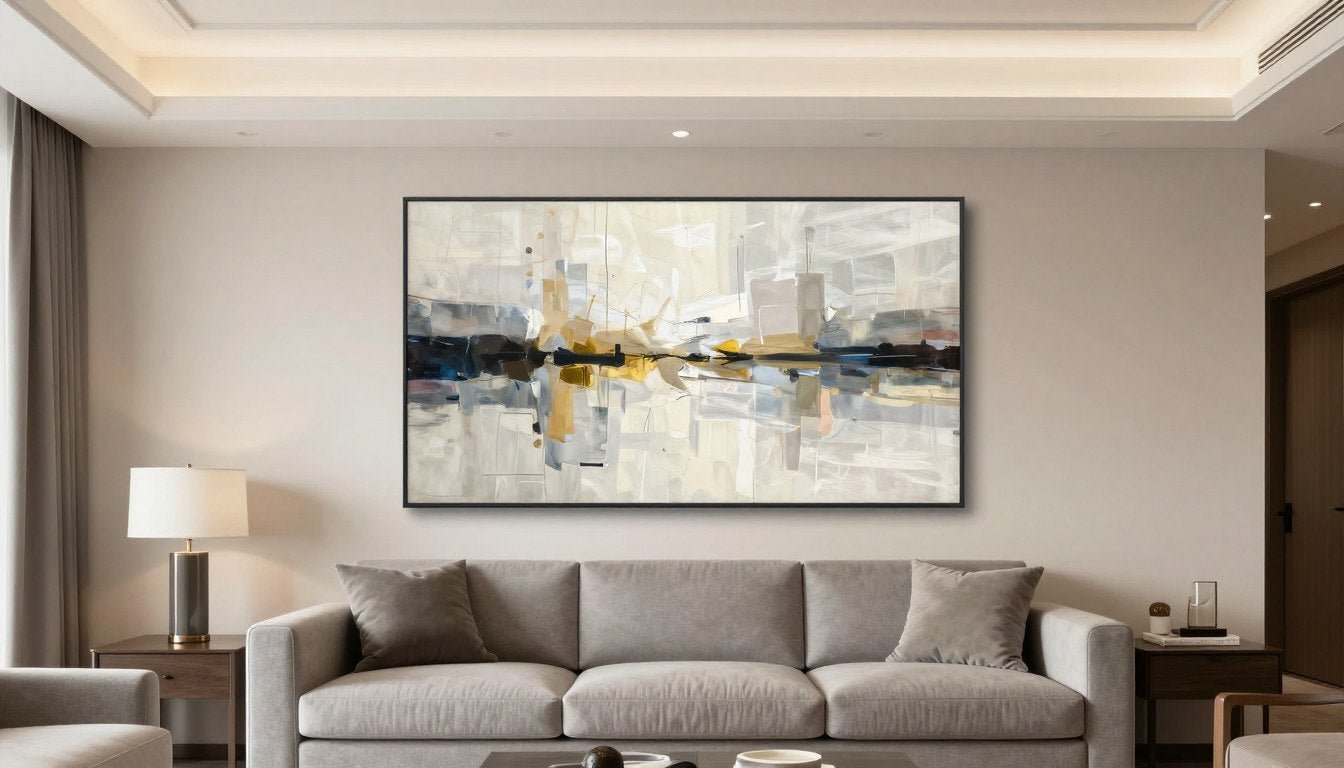
Bare walls can make even the most beautifully furnished room feel incomplete. The right wall art transforms your space from ordinary to extraordinary. It adds personality, creates focal points, and ties your entire design together.
Yet many homeowners struggle with this decision. They worry about choosing the wrong size, clashing with existing decor, or making an expensive mistake. The good news is that selecting perfect wall art doesn't require a design degree.
This comprehensive guide walks you through every step of how to choose wall art for a room. You'll learn practical strategies for size, placement, style, and color. By the end, you'll feel confident making choices that reflect your taste and enhance your home.

Start Your Wall Art Journey
Discover curated collections designed for every style and space. From modern abstracts to timeless classics, find pieces that speak to your aesthetic.
Understanding Your Space Before Choosing Wall Art
Every room has unique characteristics that influence your art choices. The size, lighting, function, and existing decor all play crucial roles. Starting with a clear understanding of these elements sets you up for success.
Assess Your Room Dimensions and Wall Space
Room size directly impacts the scale of artwork you should consider. Large rooms can handle oversized statement pieces that would overwhelm a smaller space. Measure your available wall space carefully before shopping.
Consider the wall's height and width. A piece of art that works beautifully on a standard eight-foot wall might look lost on a vaulted ceiling. Take photos of your walls from different angles. These visual references help when browsing options online or in galleries.
Look at architectural features too. Windows, doors, built-in shelving, and fireplaces all affect where you can hang art. Work with these elements rather than fighting against them.

Evaluate Lighting Conditions
Natural and artificial light dramatically affect how colors and textures appear. A piece that looks vibrant in a sun-filled room might appear muted in a space with limited natural light. Consider your room's primary light sources.
North-facing rooms receive cooler, more consistent light throughout the day. South-facing spaces get warm, bright natural light. East rooms shine in the morning, while west-facing areas glow in the afternoon and evening.
Artificial lighting matters just as much. Warm bulbs enhance reds and yellows. Cool lighting brings out blues and greens. Test how your current lighting affects colors by observing your space at different times.
Consider Room Function and Mood
The room's purpose should guide your art selection. A living room invites conversation and relaxation. Your art can be bold and thought-provoking. A bedroom benefits from calming, peaceful imagery that promotes rest.
Home offices need art that inspires focus and creativity without causing distraction. Dining rooms welcome pieces that enhance the social atmosphere. Think about the vibe you want to create. Wall art is a powerful tool for setting the emotional tone of any area.

Choosing the Right Size Wall Art for Your Room
Scale might be the most critical factor in wall art selection. The right size piece commands attention and balances your space. Too small, and it gets lost. Too large, and it overwhelms. Follow these guidelines to find the perfect dimensions.
The Two-Thirds Rule for Above Furniture
When hanging art above furniture, aim for pieces that span about two-thirds of the furniture's width. This creates visual harmony and proper proportion. For a six-foot sofa, look for artwork approximately four feet wide.
This rule works for any furniture piece. Above a bed, your art should be roughly two-thirds the width of the mattress. Over a console table, the same principle applies. This guideline prevents pieces from looking disproportionately small or large.
You can achieve this width with a single large piece or a gallery wall arrangement. Multiple smaller pieces grouped together count as one visual unit. Calculate the overall width of your arrangement to follow this principle.
Statement Pieces for Large Walls
Expansive blank walls call for bold, large-scale art. A substantial piece becomes an instant focal point. It anchors the room and gives the eye a place to rest. Large wall art typically measures 40 inches or more in any dimension.
These statement pieces work beautifully above sofas, in dining rooms, or on prominent walls visible from entry points. They make a space feel intentional and finished. Canvas prints in this size range offer an affordable way to fill big spaces with impact.
Don't fear going big. A common mistake is choosing art that's too small for the space. When in doubt, size up. Your room can handle more visual weight than you might think.

Find Your Perfect Statement Piece
Transform your space with large-scale artwork that commands attention and fills your walls beautifully. Browse our collection of oversized pieces designed to make an impact.
Gallery Walls for Flexibility
Gallery walls offer creative freedom and flexibility. They work in any size space. You combine multiple pieces to create one cohesive display. This approach lets you showcase a collection or mix different art styles.
Start by laying out your arrangement on the floor. Take photos to test different configurations. Keep spacing consistent between pieces, typically two to three inches. The overall shape should form a rectangle or square for visual balance.
Gallery walls let you start small and grow over time. Add pieces gradually as you discover new favorites. This approach works well for those building an art collection on a budget.
Vertical vs. Horizontal Orientation
Wall shape and furniture arrangement determine whether vertical or horizontal art works best. Horizontal pieces emphasize width and work above long furniture. They make walls appear wider and rooms feel more spacious.
Vertical pieces draw the eye upward. They work beautifully in narrow spaces, beside doorways, or on walls with vertical architectural elements. Tall pieces make ceilings appear higher and add drama to a room.
Consider your furniture's orientation too. A horizontal sofa pairs naturally with horizontal art. A tall bookcase or narrow wall space calls for vertical pieces.

Selecting the Right Art Style for Your Space
Art style sets the visual tone for your entire room. Your choice should reflect your personal taste while complementing your existing decor. Understanding different style categories helps narrow your options and find pieces you'll love for years.
Modern and Contemporary Art
Modern art features clean lines, bold colors, and abstract forms. It works beautifully in minimalist spaces and contemporary homes. These pieces often become the room's focal point through striking visual elements.
Contemporary wall art includes current trends and diverse approaches. It ranges from geometric patterns to photographic prints. This style pairs well with neutral color schemes and simple furniture. The art provides visual interest without cluttering the space.
Abstract prints offer particular versatility. They can complement multiple design styles while adding sophistication. Choose pieces with colors that echo your room's palette for cohesion.
Traditional and Classic Artwork
Traditional art brings timeless elegance to any room. Landscapes, portraits, and classical compositions never go out of style. These pieces work wonderfully in formal spaces and homes with traditional architecture.
Vintage prints and reproductions of famous works add cultural depth. They create conversation starters and reflect refined taste. Framed artwork in this category often features ornate frames that become part of the overall design.
Classic art styles suit living rooms, dining areas, and home libraries. They create a sense of permanence and sophistication. These pieces often appreciate in perceived value over time.

Minimalist and Neutral Designs
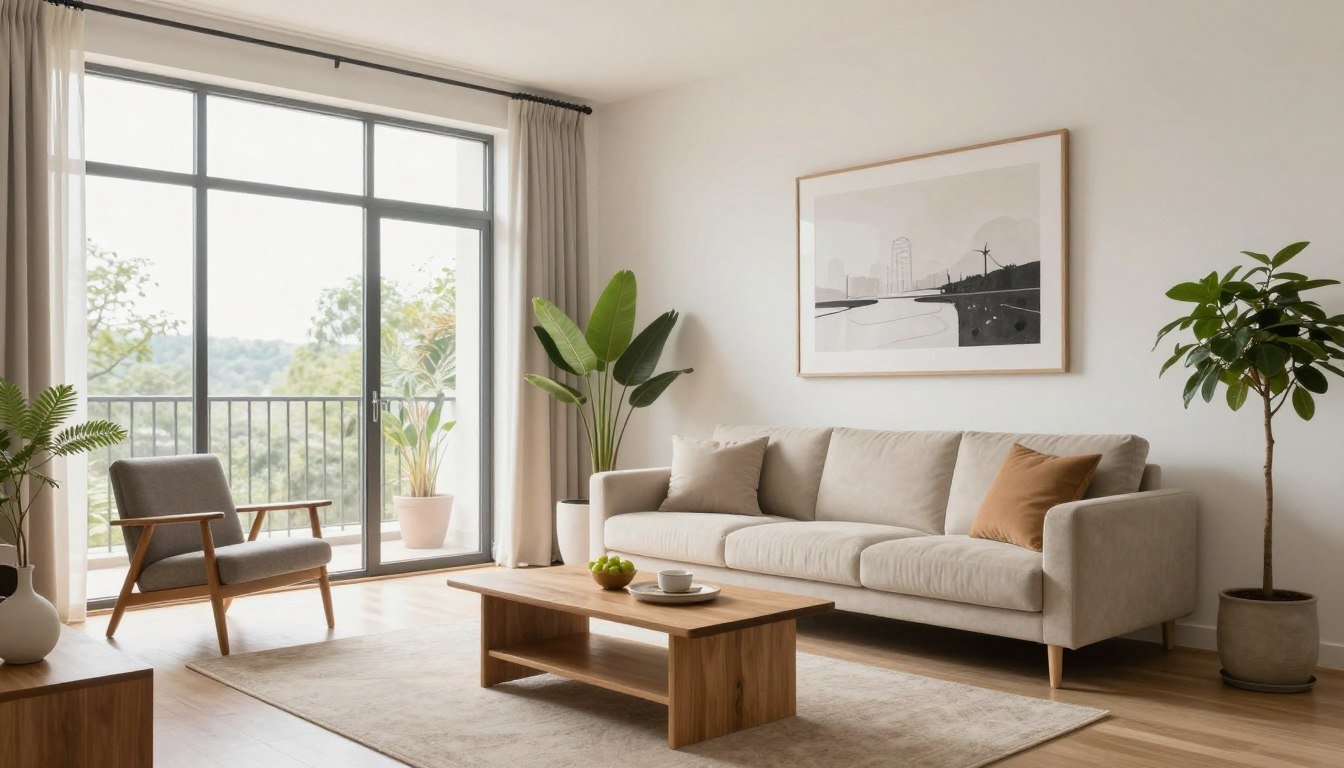
Minimalist art embraces simplicity and negative space. These pieces use limited colors and clean compositions. They work perfectly in modern homes and spaces following Scandinavian design principles.
Black and white prints offer timeless appeal. They match virtually any color scheme and add visual interest without color commitment. Line drawings, simple typography, and monochromatic photography fall into this category.
This style creates calm, uncluttered spaces. It lets architectural features shine while still providing wall interest. Minimalist art works well when you want the room itself to be the star.
Bold and Eclectic Pieces
Eclectic art combines multiple styles, eras, or themes. It celebrates personality and breaks traditional design rules. These collections tell stories and reflect diverse interests.
Bold art makes statements through vivid colors, unusual subjects, or large scale. It works for those who want their home to feel unique and personal. Mix different art styles confidently when they share a common element like color or frame style.
This approach requires confidence but rewards with character. Your space becomes truly one-of-a-kind. Start with pieces you absolutely love, then build around them gradually.

Discover Your Perfect Style
Explore curated collections that match your aesthetic vision. From bold contemporary pieces to timeless classics, find artwork that truly speaks to you.
Color Coordination and Matching Wall Art to Your Room
Color creates emotional impact and visual flow throughout your space. The right palette ties everything together seamlessly. Understanding color relationships helps you choose art that enhances rather than clashes with your existing decor.
Working with Your Existing Color Palette
Start by identifying your room's dominant colors. Look at walls, furniture, rugs, and curtains. Your art should complement this foundation. It can either blend harmoniously or provide strategic contrast.
The 60-30-10 rule guides color distribution. Your room likely has a dominant color covering about 60% of the space. Secondary colors make up 30%, with accent colors at 10%. Your wall art can reinforce any of these layers.
For cohesive design, choose art containing at least one color from your existing palette. This creates visual connection even if the art introduces new hues. The shared color acts as a bridge between elements.

Creating Contrast or Harmony
You have two main approaches: harmonious or contrasting color schemes. Harmonious palettes use colors close together on the color wheel. They create calm, unified spaces. Think blues with greens or warm earth tones together.
Contrasting palettes use complementary colors opposite on the color wheel. Blue and orange, purple and yellow, red and green create dynamic energy. A contrasting piece of art becomes a bold focal point.
Consider your personality and the room's purpose. Bedrooms often benefit from harmonious schemes that promote relaxation. Living spaces can handle more contrast and energy. Your home decor should reflect how you want to feel in each area.
Neutral Art for Versatile Spaces
Neutral wall art offers incredible flexibility. Black, white, gray, and beige work with virtually any color scheme. These pieces let you change accent colors over time without replacing your art.
Neutral doesn't mean boring. Texture, composition, and subject matter create interest beyond color. A black and white photograph can be as striking as a colorful canvas print. The play of light and shadow provides depth.
This approach particularly suits rental spaces or rooms you plan to redecorate. Invest in quality neutral pieces that transition beautifully through style changes. Add color through easily changed elements like pillows and accessories.
Using Art to Introduce New Colors
Wall art provides an easy way to test new colors before committing. A piece art introducing a new hue lets you see how it feels in your space. If you love it, expand that color through other decor elements.
This strategy works beautifully when you want to refresh a room without major renovation. A new piece of art in an unexpected color can completely transform the vibe. Start with one statement piece and build around it.
Choose colors that complement your furniture and floor color. A room with dark wood furniture might welcome bright, cheerful art. Light, airy spaces can handle deeper, moodier tones.
Room-by-Room Guide to Choosing Wall Art
Each room in your home serves a different purpose and benefits from thoughtful art selection. What works in a living room might not suit a bedroom. This section provides specific guidance for every area of your home.
Living Room Wall Art Ideas
The living room is your home's social heart. Art here should reflect your personality and create conversation. This space can handle bold, large pieces that make statements. Above the sofa is prime real estate for a striking piece.
Consider a large canvas print or a curated gallery wall. Living room wall art sets the tone for your entire home. Guests form first impressions based on this space. Choose pieces that represent your aesthetic confidently.
This room offers flexibility in subject matter and style. Landscapes, abstracts, photography, or portraits all work well. Mix different art types if you love variety. Maintain connection through color, frame style, or theme.

Transform Your Living Room
Discover artwork that creates the perfect ambiance for gathering, relaxing, and entertaining. Our living room collection features pieces designed to become the heart of your home.
Bedroom Wall Decor Selections
Bedrooms benefit from calming, peaceful artwork. This is your sanctuary for rest and relaxation. Choose pieces that promote tranquility. Soft colors, serene landscapes, or gentle abstracts work beautifully.
The wall above your bed provides the perfect spot for a focal point. A single large piece or a symmetrical arrangement creates visual balance. Keep the vibe personal and intimate. This is your private space.
Avoid overly stimulating colors or chaotic compositions in bedrooms. You want to feel peaceful when you see this art. Nature scenes, minimalist prints, or dreamy abstract pieces support restful sleep.
Home Office and Study Art
Home office art should inspire focus and creativity without causing distraction. Choose pieces that motivate you. Inspirational quotes, architectural photography, or abstract designs work well in work spaces.
Consider art that reflects your professional identity or aspirations. A lawyer might choose classical pieces. A creative professional might go bold and unconventional. Your art can reinforce your work mindset.
Avoid busy, complex pieces that pull attention away from tasks. You want art that provides occasional visual breaks without becoming a distraction. Simple, elegant pieces often work best in these functional areas.
Dining Room Wall Art
Dining rooms welcome art that enhances social experiences. Food-related subjects, botanical prints, or cultural pieces work wonderfully. This space lets you showcase more formal or traditional art styles.
Consider the room's formality level. A casual breakfast nook might feature playful, whimsical art. A formal dining room suits more sophisticated pieces. The art should complement your entertaining style.
Lighting is crucial in dining spaces. Ensure your art looks good under artificial light since meals often happen in the evening. Test how your chandelier or pendant lights affect the art's appearance.

Kitchen and Bathroom Art Options
Kitchens and bathrooms have unique considerations. Humidity and temperature changes affect certain materials. Canvas prints and sealed paper prints hold up better than unprotected pieces. Consider frames with glass protection.
Kitchen art can be fun and casual. Food photography, vintage advertisements, or colorful abstract pieces add personality. Keep it lighthearted and appetizing. This isn't the space for serious, heavy subjects.
Bathroom art creates a spa-like atmosphere. Water-related themes, beach scenes, or minimalist botanical prints work beautifully. Keep pieces away from direct water contact. Properly sealed prints and frames prevent moisture damage.
Hallways and Entryways
Hallways and entryways set the tone for your entire home. These transitional spaces benefit from gallery walls or a series of coordinated pieces. They guide visitors through your space while showcasing your style.
Narrow hallways work well with vertically oriented pieces or a linear gallery arrangement. Entryways can handle a striking focal point piece that makes an immediate impression. This is your home's first handshake.
Consider sightlines from other rooms. Hallway art should complement adjacent spaces. Create visual flow by repeating colors or themes throughout your home. This unifies your design and feels intentional.
Proper Placement and Hanging Techniques
Even perfect artwork can fail if poorly placed. Proper hanging height, spacing, and installation make the difference between professional and amateurish results. These techniques ensure your art looks its absolute best.
The Eye-Level Rule
The standard rule places art so its center sits at eye level, approximately 57 to 60 inches from the floor. This height works for most spaces and most people. Your eye naturally falls at this point when standing.
This guideline applies to the artwork's center, not its hanging point. Measure to the middle of the piece itself. For very large artwork, you might adjust slightly to prevent it from feeling too high.
In spaces where people typically sit, like dining rooms, you can lower art slightly. The goal is comfortable viewing from the room's natural vantage points. Test different heights with temporary hanging before committing.

Spacing Above Furniture
Leave four to eight inches between furniture tops and your art's bottom edge. This visual breathing room connects the pieces without cramping the space. Too much gap looks disconnected. Too little feels crowded.
For large pieces above sofas, six to eight inches works well. Smaller pieces can come closer, around four to six inches. The art should feel related to the furniture without sitting directly on it.
Consider the visual weight of both elements. Heavy, dark furniture can handle slightly more space. Light, minimal pieces work with tighter spacing. Use your eye and test with paper templates before installing.
Gallery Wall Layout Tips
Gallery walls require planning but deliver impressive results. Start by creating templates of each piece using paper or cardboard. Tape these to your wall to test arrangements. This prevents unnecessary holes and achieves balance before hanging.
Keep spacing consistent between all pieces, typically two to three inches. Treat the entire collection as one large piece. The outer edges should form a cohesive shape, usually rectangular or square.
Start with your largest or favorite piece as the anchor. Build around it with complementary sizes. Step back frequently to check balance. The arrangement should feel intentional, not haphazard. Mix frame styles sparingly or keep them uniform for different effects.
Installation Hardware and Safety
Use proper hardware for your wall type and art weight. Drywall anchors, toggle bolts, or wall studs support different weights. Small frames under five pounds can use picture-hanging hooks. Heavier pieces need more substantial support.
Always use hardware rated above your artwork's weight. Add a safety margin for peace of mind. For valuable or heavy pieces, consider professional installation. The modest cost prevents damage and ensures security.
Check your hanging system periodically. Hardware can loosen over time with temperature changes and settling. A quick quarterly check prevents accidents. Properly installed art should feel solid, not wobbly.

Frame and Material Options for Wall Art
The right frame and material elevate your artwork from good to gallery-quality. These choices affect durability, appearance, and maintenance. Understanding your options helps you invest wisely in pieces that last.
Canvas Prints vs. Framed Prints
Canvas prints offer a contemporary, gallery-wrapped look. The image extends around the edges, creating depth without framing. They work beautifully in modern and casual spaces. Canvas provides texture and a painterly quality.
Framed prints deliver a more traditional, polished appearance. The frame adds an extra design element and protective layer. Glass or acrylic shields the print from dust, moisture, and damage. Frames suit formal spaces and traditional decor styles.
Consider your maintenance preferences. Canvas requires minimal upkeep but can't be easily cleaned if damaged. Framed pieces behind glass can be wiped clean. Both options have longevity when properly cared for.
Frame Style Selection
Frame style dramatically impacts the overall look. Sleek, thin frames suit modern art and minimalist spaces. They keep focus on the artwork itself. Ornate, wide frames complement traditional pieces and formal rooms.
Wood frames bring warmth and natural texture. They work across many style categories. Metal frames offer contemporary sophistication. Black frames provide classic versatility. White frames create fresh, gallery-like presentation.
Match frame color to your room's existing wood tones or metal finishes. This creates cohesion throughout the space. When building a gallery wall, choose one frame style for unity or deliberately mix for eclectic charm.

Paper Quality and Archival Materials
Print quality affects longevity and appearance. Museum-quality paper resists yellowing and degradation over time. It's worth the investment for pieces you plan to keep long-term. These prints maintain vibrancy for decades.
Archival inks prevent fading from light exposure. They keep colors true and bright. Combined with quality paper, archival prints preserve your investment. Look for pieces that specify acid-free materials and UV-resistant inks.
Understanding these options helps you make informed decisions. Not every piece needs museum-quality materials. For trendy art you'll rotate out, standard prints work fine. For heirloom-quality pieces, invest in superior materials.
Specialty Options: Metal, Acrylic, and Wood
Metal prints create stunning, modern statements. The image infuses into aluminum, creating luminous depth and vibrant colors. They're durable, lightweight, and incredibly contemporary. Perfect for modern homes and high-impact areas.
Acrylic prints offer gallery-like sophistication. The clear acrylic layer creates incredible depth and makes colors pop. These pieces catch light beautifully and resist damage. They're sleek, elegant, and increasingly popular.
Wood prints bring rustic, organic charm. The wood grain shows through, becoming part of the image. They work wonderfully in farmhouse, industrial, or natural-themed spaces. Each piece is unique due to natural wood variations.
Budget Considerations and Where to Source Wall Art
Great wall art doesn't require unlimited funds. Understanding your options helps you find quality pieces at every price point. Smart sourcing strategies stretch your budget while building a collection you love.
Setting a Realistic Art Budget
Determine what you can comfortably spend before shopping. Art ranges from affordable prints to investment pieces. Both have their place in a well-designed home. Your budget should reflect the room's importance and how long you'll keep the piece.
Consider the cost per year approach. A $200 piece you'll keep for ten years costs just $20 annually. This perspective makes quality investments feel more reasonable. Balance splurges with budget-friendly options throughout your home.
Allocate more budget to high-visibility areas like living rooms and entryways. These spaces benefit most from statement pieces. Guest bedrooms and utility areas can feature more affordable options without compromising your overall design.
Affordable Art Options
Prints offer the most affordable entry into quality wall art. Digital printing technology makes museum-quality reproductions accessible. You can find stunning pieces at modest prices. Canvas prints and paper prints both provide excellent value.
Downloadable prints let you print at your preferred size. You control framing costs and can update easily. This flexibility particularly suits renters and those who enjoy frequent changes. Many artists offer digital downloads at fraction costs.
Thrift stores and estate sales hide incredible finds. Vintage prints and unique pieces emerge with patient hunting. Reframe old art for fresh looks. This approach adds character while saving money. You might discover genuine treasures.

Original Art and Limited Editions
Original artwork and limited edition prints command higher prices but offer unique value. You own something irreplaceable. Original pieces from emerging artists can be surprisingly affordable. They increase in value as the artist's reputation grows.
Limited edition prints provide middle ground between mass-produced prints and originals. They're numbered and signed, making them collectible. They cost more than standard prints but less than originals. This option suits those building serious collections.
Support local artists through community galleries and art fairs. You'll find distinctive pieces while investing in your creative community. Building relationships with artists can lead to commissioned work perfectly suited to your space.
Building a Collection Over Time
You don't need to fill every wall immediately. Building a collection gradually lets you find pieces you truly love. It spreads costs over time and allows your taste to evolve naturally. Each addition feels intentional.
Start with one statement piece for your primary living area. Add to your collection as you discover artwork that speaks to you. Mix investment pieces with affordable prints. This approach creates depth and interest while respecting your budget.
Follow artists and galleries you love. Sign up for newsletters about new collections and sales. Many retailers offer periodic promotions. Timing purchases strategically maximizes your budget without compromising on quality.
Common Mistakes to Avoid When Choosing Wall Art
Even with good intentions, certain pitfalls trip up many homeowners. Learning from these common errors saves time, money, and frustration. Avoid these mistakes to ensure your wall art choices succeed from the start.
Choosing Art That's Too Small
The most frequent mistake is selecting pieces too small for the space. Tiny art on a large wall looks lost and amateurish. It fails to make the intended impact. When in doubt, size up rather than down.
Use the two-thirds rule consistently. Measure before shopping. Create paper templates to visualize scale. Don't trust your memory or eyeball measurements. A few minutes of planning prevents expensive undersized purchases.
Remember that larger pieces often cost only marginally more than smaller versions. The visual impact difference is dramatic. Investing in proper scale immediately elevates your space's appearance. Size matters significantly in wall art.
Ignoring the Room's Color Scheme
Buying art without considering existing colors creates discord. The piece might be beautiful in isolation but clash in your space. Always reference your room's palette when shopping. Take photos of your space for color comparison.
This doesn't mean perfect matching. Art can introduce new colors successfully. However, it should share at least one hue with your existing scheme. This creates visual connection and prevents the piece from feeling alien.
Consider bringing paint chips or fabric samples when shopping in person. For online purchases, view art on a properly calibrated screen in your room's lighting. Colors can appear surprisingly different in various contexts.

Hanging Art at the Wrong Height
Improper hanging height undermines even the best artwork. Too high makes it feel disconnected. Too low looks awkward and amateurish. Follow the eye-level rule as your starting point. Adjust based on furniture and room function.
Use a level for perfect horizontal alignment. Crooked art distracts the eye and appears careless. Take time to measure and mark before hammering. The extra few minutes ensure professional results that last.
For gallery walls, map the entire arrangement before hanging anything. Use templates and painter's tape to test layouts. This prevents multiple holes and ensures balanced, professional-looking results. Patience during installation pays off.
Following Trends Over Personal Taste
Trendy art becomes dated quickly. What's popular today might feel tired in a year or two. While staying current has appeal, your personal connection to art matters more. Choose pieces you genuinely love, regardless of trends.
Timeless styles and subjects have lasting appeal. Classic landscapes, quality abstracts, and meaningful photographs never truly go out of style. They continue bringing joy long after trends fade. Your home should reflect your authentic taste.
If you love a trending style, incorporate it through easily changed elements. Use trendy art in spaces you redecorate frequently. Save investment dollars for timeless pieces in permanent locations. This balanced approach keeps your home fresh without constant replacement.
Neglecting Lighting Considerations
Beautiful art can disappear in poor lighting. Shadows, glare, and insufficient illumination all diminish impact. Consider how natural and artificial light affect your pieces. Test viewing at different times of day before finalizing placement.
Add picture lights or track lighting for important pieces. Proper illumination transforms art, revealing details and enhancing colors. This relatively small investment significantly improves your viewing experience. It shows you value your collection.
Avoid direct sunlight on valuable pieces. UV rays fade colors and damage materials over time. If sun exposure is unavoidable, invest in UV-protective glass for framed pieces. Position art away from windows when possible.
Final Tips for Successfully Choosing Wall Art
These additional insights help you make confident, successful wall art decisions. They refine your approach and ensure results that enhance your home for years to come. Consider these final points as you shop and design.
Trust Your Instincts
Guidelines provide helpful structure, but your personal response matters most. If you love a piece, find a way to make it work. Rules exist to help, not restrict. Your emotional connection to art trumps perfect technical compliance.
Live with images before purchasing when possible. Pin prints to walls or display them digitally on screens. This test period reveals whether initial attraction has staying power. Art you'll live with daily needs to resonate beyond first impressions.
Don't buy art simply because it matches or fills space. Wait for pieces that genuinely excite you. Empty walls are better than mediocre art. Your patience will be rewarded with a collection that brings lasting joy.
Mix and Match With Confidence
Don't feel locked into single styles or artists. Eclectic collections often feel most personal and interesting. The key is finding connections between diverse pieces. This might be color, subject matter, or emotional tone.
Vary sizes and orientations throughout your home for visual interest. A house full of identically sized horizontal pieces feels monotonous. Mix large statement pieces with smaller supporting works. Create rhythm and flow as visitors move through your space.
Balance formal and casual areas with appropriate art. Your bedroom can be whimsical while your dining room stays elegant. Each room tells part of your story. Together, they create a complete picture of your lifestyle and preferences.

Consider Professional Help
Interior designers and art consultants offer valuable expertise. They see possibilities you might miss and prevent costly mistakes. For significant investments or challenging spaces, professional guidance pays for itself through better results.
Many art retailers offer free or low-cost consultation services. Take advantage of this expertise. Consultants understand how pieces look in different settings. They can suggest options you wouldn't have considered independently.
Virtual design services provide affordable access to professional advice. You share photos and measurements remotely. Designers create custom recommendations suited to your space and budget. This option delivers professional results at DIY prices.
Maintain and Rotate Your Collection
Art requires minimal maintenance but benefits from attention. Dust frames and canvas regularly. Check hanging hardware periodically. Keep pieces away from humidity extremes and direct sunlight. Proper care preserves your investment.
Consider rotating pieces seasonally or annually. This refreshes your space without new purchases. Art from storage feels new when rehung after time away. Rotation prevents visual fatigue and lets you appreciate pieces with fresh eyes.
Document your collection with photos and receipts. This helps with insurance and tracking value over time. Note dimensions, artists, and purchase dates. This information becomes increasingly valuable as your collection grows.
Conclusion: Creating Your Perfect Wall Art Collection
Choosing wall art for a room transforms empty spaces into personal sanctuaries. The right pieces reflect your personality, complement your design, and bring daily joy. You now have the knowledge to make confident selections that enhance your home.
Start by understanding your space and defining your style preferences. Consider room function, lighting, and existing decor. Apply the practical guidelines for size, placement, and color coordination. Trust your instincts while following proven principles.
Remember that building a great collection takes time. You don't need to fill every wall immediately. Choose pieces you genuinely love, even if it means waiting for the perfect find. Quality and personal connection matter more than speed or completeness.
Wall art is an investment in your living environment. It affects your mood, impresses guests, and makes your house feel like home. Whether you choose bold statement pieces or subtle elegance, let your selections tell your unique story. Your walls are waiting to showcase your style and personality.

Explore Our Complete Wall Art Collection
Ready to transform your space with beautiful wall art? Discover pieces curated for every room, style, and budget. Our collection brings together quality, artistry, and affordability to help you create the home you've always envisioned.

Canvas Prints
Gallery-wrapped canvas prints that bring museum-quality art into your home. Ready to hang, these pieces offer rich textures and contemporary appeal for any room.

Framed Artwork
Professionally framed pieces that arrive ready to hang. Choose from classic to contemporary frames that protect your art while enhancing its beauty and your decor.

Gallery Wall Sets
Perfectly coordinated collections that take the guesswork out of creating stunning gallery walls. These curated sets deliver professional results with effortless style.
Need Personalized Guidance?
Choosing the perfect wall art can feel overwhelming with so many beautiful options. Our art consultants understand the challenge and are here to help. We offer personalized guidance to ensure you select pieces that truly transform your space.
Share details about your room, style preferences, and design goals. We'll provide expert recommendations tailored specifically to your needs. This complimentary service helps you make confident decisions and avoid costly mistakes.
Frequently Asked Questions About Choosing Wall Art
How do I determine the right size wall art for my room?
Use the two-thirds rule as your starting point. Art above furniture should span approximately two-thirds of the furniture's width. For a 6-foot sofa, look for artwork around 4 feet wide. This creates proper visual proportion.
Measure your available wall space carefully before shopping. Consider the wall's height and width. Take photos from different angles to reference while browsing. For large, empty walls, don't be afraid to go big. A common mistake is choosing pieces that are too small rather than too large.
Should wall art match my furniture and decor exactly?
No, exact matching isn't necessary or even desirable. Your art should complement rather than match your space. It can either harmonize with existing colors or provide strategic contrast that adds visual interest.
The key is connection, not matching. Choose art containing at least one color from your existing palette. This creates visual cohesion while allowing for variety. Your wall art can introduce new accent colors that you then echo through pillows, accessories, or other easily changed elements.
What's the proper height for hanging wall art?
The standard rule places the center of your artwork at eye level, approximately 57-60 inches from the floor. This height works for most spaces and most people. Measure to the artwork's center, not its hanging hardware.
When hanging art above furniture, leave 4-8 inches between the furniture top and the art's bottom edge. For very large pieces, you might adjust slightly lower. In dining rooms where people sit, you can lower art for comfortable viewing. The goal is natural, comfortable viewing from the room's typical vantage points.
How many pieces of art should I have in one room?
There's no fixed rule, but balance is key. One large statement piece can be sufficient for smaller rooms. Larger spaces benefit from multiple pieces that create visual interest without overwhelming.
Consider the room's function and your personal style. A gallery wall might include 5-12 pieces arranged cohesively. Alternatively, place one piece on each major wall. Avoid cluttering every available space. Empty wall areas provide visual rest and help featured pieces stand out. Quality and placement matter more than quantity.
Is it better to buy canvas prints or framed prints?
Both options have merits depending on your style and needs. Canvas prints offer contemporary, gallery-wrapped aesthetics with the image extending around edges. They work beautifully in modern and casual spaces, requiring no frame.
Framed prints provide traditional, polished appearance with protective glass or acrylic. They suit formal spaces and offer better protection from dust and damage. Frames add an extra design element. Consider your maintenance preferences and room style when choosing. Many homes successfully incorporate both types in different rooms.
How do I choose wall art for a small room?
Small rooms can absolutely handle substantial art. The common mistake is going too small, which makes the space feel even smaller. One or two medium-to-large pieces work better than many tiny ones.
Choose lighter colors and simpler compositions for small spaces. These create openness rather than visual clutter. Mirrors and art with depth perspective can make rooms feel larger. Vertical pieces draw the eye upward, making ceilings appear higher. Proper scale relative to your furniture still applies regardless of room size.
What wall art is best for rental properties?
Renters should choose versatile pieces that work across different spaces and design schemes. Neutral-colored art in black, white, gray, or beige adapts to style changes and different rooms.
Invest in quality pieces with timeless appeal rather than trendy options. Use removable hanging strips or hooks that don't damage walls. Build a collection gradually that you can take with you and rearrange in your next home. Canvas prints are particularly renter-friendly as they're lightweight and don't require glass that could break during moves.
How do I create a cohesive gallery wall?
Start by creating paper templates of each piece and arranging them on the floor. Test different configurations until you find a layout you love. Take photos to reference during installation.
Maintain consistent spacing between pieces, typically 2-3 inches. The overall arrangement should form a cohesive shape, usually rectangular or square. Begin with your largest piece as the anchor point and build around it. Connect diverse pieces through shared color, frame style, or theme. Step back frequently while arranging to check balance from a distance.
Can I mix different frame styles in the same room?
Yes, mixing frame styles can create interesting, eclectic looks when done thoughtfully. The key is finding connections between diverse frames. This might be consistent color, similar thickness, or complementary materials.
For gallery walls, you can successfully mix frames if they share at least one common element. All black frames in different styles work well together. Alternatively, various colored frames with similar proportions create unity through shape. In different parts of the same room, frame styles can vary more freely as long as each grouping has internal consistency.
How often should I change my wall art?
There's no set timeline, but rotating pieces prevents visual fatigue and refreshes your space. Some people enjoy seasonal changes while others keep favorites for years. Consider rotating art annually or when you tire of current pieces.
Store extra pieces properly and swap them periodically. Art you haven't seen in months feels new when rehung. This approach lets you build a larger collection without overcrowding walls. Change art more frequently in high-traffic areas where you see it constantly, less often in spaces you use occasionally. Follow your instincts about what feels stale versus what still brings joy.


Leave a comment
This site is protected by hCaptcha and the hCaptcha Privacy Policy and Terms of Service apply.