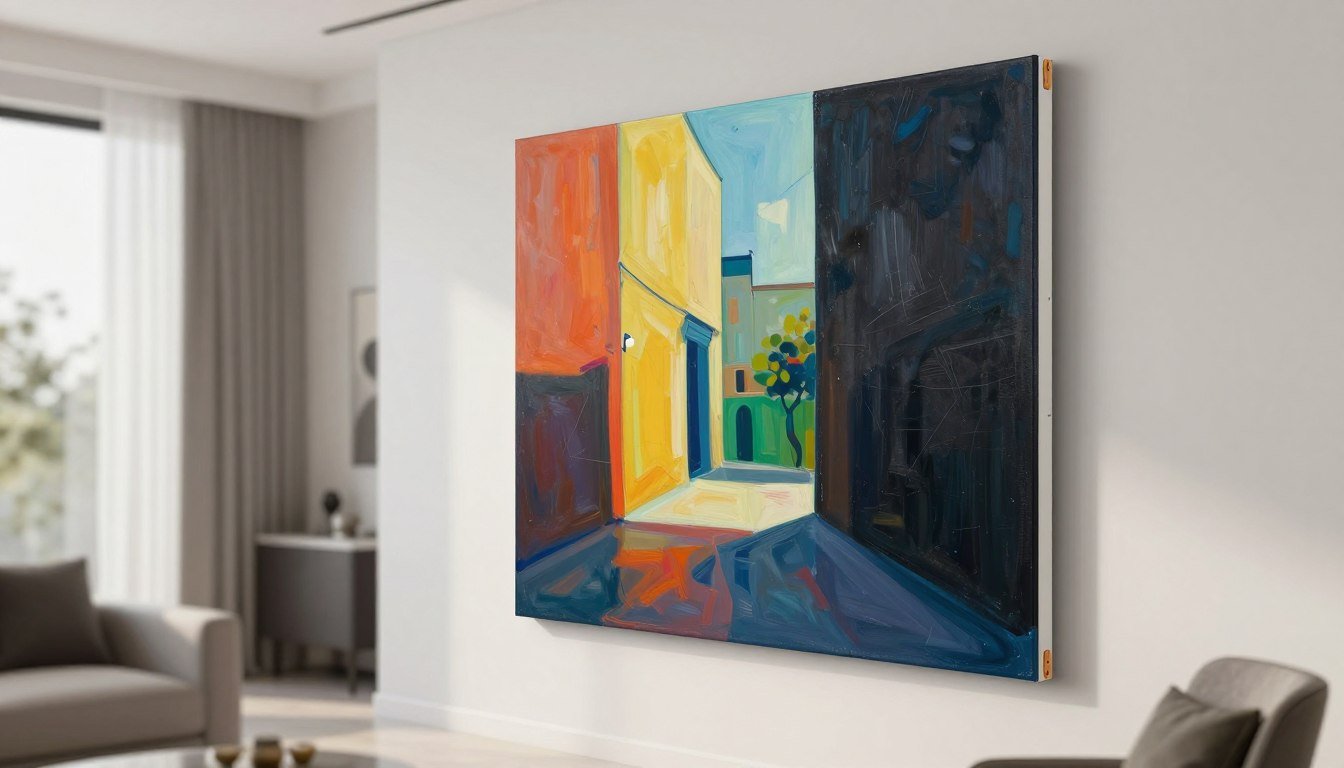
The right piece of art transforms a blank wall into a statement. Yet many people hesitate when considering canvas prints for their homes. They worry these pieces will look cheap or generic.
This concern makes sense. Mass production has flooded the market with low-quality reproductions. These prints often fade quickly and lack depth.
But museum-quality canvas prints tell a different story. They combine archival materials with expert craftsmanship. The result is wall art that rivals original paintings in visual impact.

Understanding what separates premium prints from mass-produced alternatives helps you make informed decisions. The difference lies in materials, printing techniques, and finishing details. Each element contributes to the final appearance and longevity of your canvas prints.
This guide reveals the specific factors that determine quality. You will learn to identify superior craftsmanship and understand why certain prints command higher prices. The investment in genuine quality delivers value that lasts for years.
Museum-Quality Examples: 3 Canvas Prints That Defy Mass Production
Seeing the difference between quality levels helps clarify what makes certain prints exceptional. These three examples demonstrate how materials and craftsmanship create wall art that stands apart from generic reproductions.

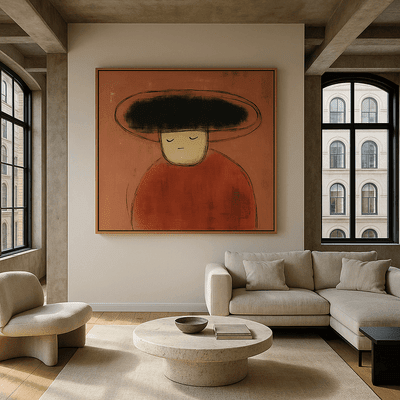
Portrait Canvas Prints
Fine art portraits demand accurate skin tones and subtle gradations. Quality portrait prints capture these nuances through precise color calibration and high-resolution printing. The canvas texture adds depth without obscuring facial details.
Professional stretching ensures the image remains taut and centered. This prevents warping over time and maintains the intended visual impact.

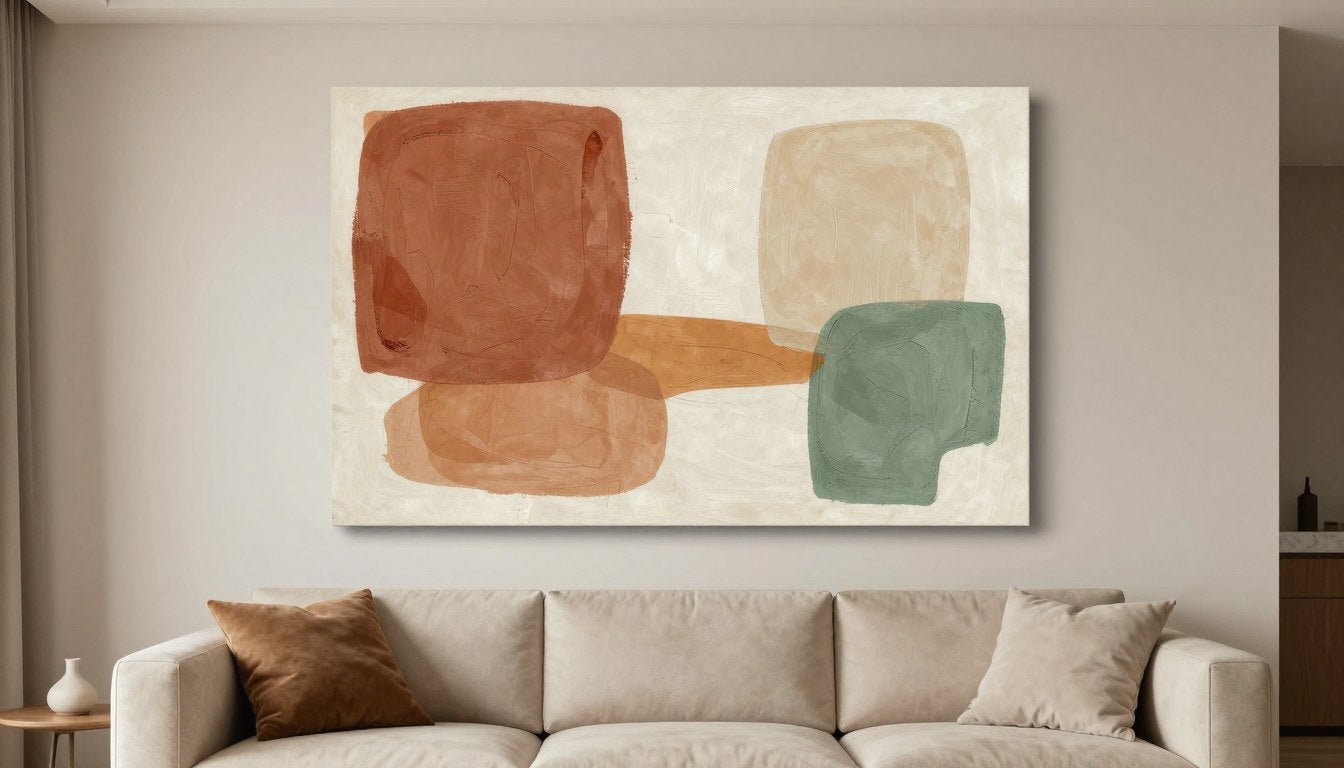
Abstract Canvas Prints
Abstract compositions test a printer's capabilities. Bold colors must remain vibrant without oversaturation. Blacks need to be truly deep, not grayish. Abstract canvas prints showcase the full potential of quality inks and materials.
The canvas weave becomes part of the artistic expression. It adds dimension to geometric shapes and enhances the overall aesthetic.

Botanical Wall Art Prints
Nature-inspired art requires faithful color reproduction. The greens in botanical wall art prints must match the organic originals. Detail in leaves and petals cannot be lost to poor resolution or inferior materials.
Quality printing reveals every subtle variation in tone. This creates pieces that bring the outdoors inside with convincing realism.
Each of these examples demonstrates specific quality markers. The materials resist fading for decades. The printing captures detail that mass production misses. The finishing preserves the artist's intended vision.
The Materials That Make the Difference
Canvas quality forms the foundation of any superior print. The fabric itself determines how inks absorb and how the final piece presents. Museum-quality prints use cotton or poly-cotton blends with tight, consistent weaves.
Pure cotton canvas provides a traditional fine art appearance. The natural fiber has been used by artists for centuries. It accepts inks beautifully and creates a classic aesthetic that collectors appreciate.

Poly-cotton blends offer enhanced durability. These materials resist humidity changes better than pure cotton. They maintain tension over longer periods and work well in varying climates.
Cheap canvases use thin, loosely woven materials. These fabrics show through printed images, creating an obviously inferior appearance. The weave pattern becomes distractingly visible, especially in areas of solid color.
Canvas weight matters significantly. Quality pieces typically use 340-400 GSM (grams per square meter) canvas. This substantial weight prevents transparency issues and sagging over time.
The coating applied to canvas before printing also affects quality. Premium coatings create an ideal surface for ink adhesion. They prevent colors from bleeding or appearing dull. These preparations allow for accurate color reproduction across the entire spectrum.
Stretcher bars provide the framework for canvas prints. Museum-quality pieces use solid wood bars, typically 1.5 to 2 inches thick. These substantial frames prevent warping and create an impressive depth when viewed from the side.
The difference between quality materials and cheap alternatives becomes obvious when compared directly. Premium canvases maintain their appearance for decades. Inferior materials begin deteriorating within months or a few years.
Investing in proper materials ensures your living room wall art maintains its visual impact. The cost difference between quality and cheap materials seems minimal when spread across years of enjoyment.
Why Printing Technology Matters More Than You Think
The printing process determines how accurately artwork translates to canvas. Modern giclée printing represents the gold standard for fine art reproduction. This technique uses specialized inkjet printers with exceptional precision.
Giclée printers employ microscopic droplets to build up color. They can produce millions of distinct hues through sophisticated ink mixing. This capability allows for smooth gradations and accurate color matching.
Standard commercial printers cannot achieve this level of detail. They work with limited color palettes, creating banding in gradients and inaccurate color representation. The difference becomes immediately apparent when viewing the finished piece.

Archival inks provide longevity that ordinary inks cannot match. These specialized formulations resist fading from UV exposure and environmental factors. Quality prints use pigment-based inks rather than dye-based alternatives.
Pigment inks bond with canvas fibers at a molecular level. They create permanent color that maintains vibrancy for 100 years or more when properly displayed. Dye-based inks begin fading within months when exposed to light.
Resolution determines the sharpness and clarity of printed images. Museum-quality prints work from high-resolution digital files, typically 300 DPI or higher. This ensures crisp details even when viewing the artwork up close.
Low-resolution prints show pixelation and blurriness. These flaws become glaringly obvious in larger sizes. The lack of detail immediately identifies the piece as inferior quality.
Color management throughout the printing process ensures accuracy. Professional printers calibrate their equipment regularly and use color profiles specific to each canvas type. This attention to detail produces prints that match the original artwork precisely.
The printing environment also affects quality. Temperature and humidity must be controlled carefully. These factors influence how inks dry and how canvas behaves during the printing process.
Mass production facilities prioritize speed over quality. They run large batches without individual attention to each piece. This approach inevitably produces inconsistent results with visible flaws.
Quality-focused producers treat each print as an individual work of art. They inspect results carefully and reject pieces that do not meet exacting standards. This commitment to excellence shows in the final product.
The Craftsmanship Behind Professional Finishing
How a canvas gets stretched and mounted dramatically affects its final appearance. Professional finishing transforms printed canvas into gallery-worthy wall art. This process requires skill and attention to detail.
Gallery wrapping represents the premium finishing method. The image continues around the sides of the stretcher bars. This creates a polished look that requires no additional framing.

Museum wrapping uses similar techniques but mirrors the edge of the image. This prevents important visual elements from disappearing around the sides. The choice between these methods depends on the specific artwork and intended display.
Hand-stretching ensures even tension across the entire canvas surface. Skilled craftspeople pull the fabric taut without creating ripples or distortions. They adjust tension as needed to accommodate the canvas characteristics.
Mechanical stretching cannot match this level of precision. Automated processes apply uniform force that may be too loose in some areas and too tight in others. The result often shows waves or sagging over time.
Corner folding requires particular expertise. Professional finishers create clean, tight corners that enhance the overall appearance. Poorly folded corners bunch up noticeably and detract from the presentation.
Staple placement matters more than most people realize. Quality finishing places staples on the back of the stretcher bars, completely hidden from view. This clean presentation looks professional from every angle.
Cheap finishing uses staples on the sides or even the front edges. These visible fasteners create an obviously mass-produced appearance. They also make framing more difficult if desired later.
The stretcher bar thickness affects the overall presence of the artwork. Substantial 1.5 to 2-inch bars create impressive dimension when mounted on walls. Thin bars make pieces look flat and cheap by comparison.
Quality finishers also add protective backing to canvas prints. This paper or fabric layer prevents dust accumulation and protects the canvas from behind. It completes the professional presentation.
Attention extends to hanging hardware as well. Properly installed wire or D-rings ensure secure mounting. They account for the weight of the completed piece and allow for level hanging.
The difference between professional and amateur finishing becomes obvious when pieces hang on your walls. Quality work presents your bedroom canvas prints with the dignity they deserve.
Match This Quality to Your Space
Understanding quality differences helps you select appropriate art for different rooms. Each space in your home presents unique opportunities for premium canvas prints. The right placement enhances both the artwork and the environment.

Living Spaces Deserve the Best
Living rooms serve as primary gathering areas. They deserve artwork that makes strong first impressions. Museum-quality prints elevate these spaces from ordinary to memorable.
Large-scale pieces work particularly well here. The substantial size commands attention and demonstrates your commitment to quality. Visitors notice the difference immediately.

Professional Environments
Office spaces benefit from sophisticated artwork that inspires productivity. Quality prints convey professionalism to clients and create pleasant work environments. The investment reflects your business values.
Office canvas art prints should withstand scrutiny. Colleagues and clients often study artwork during meetings and conversations.

Personal Retreats
Bedrooms offer opportunities for more personal art selections. Quality pieces create calming environments conducive to rest. The colors and subjects you choose here reflect your individual taste without compromise.
Premium materials ensure these pieces maintain their beauty through years of daily viewing. Your private spaces deserve the same quality standards as public areas.
Every room benefits from thoughtful art selection. Quality materials and printing ensure your investment looks impressive from day one and continues delivering value for decades. The difference between premium and mass-produced becomes more apparent over time as inferior pieces fade and deteriorate.
How to Identify Quality Before You Buy
Recognizing quality markers helps you make informed purchasing decisions. Several specific factors reveal whether a canvas print meets museum standards. Learning to spot these indicators protects you from overpaying for inferior products.
Canvas weight provides an immediate quality clue. Hold the sample or examine product specifications carefully. Quality prints use substantial materials that feel solid and substantial. Flimsy canvas indicates corners were cut during production.

Color accuracy separates premium prints from cheap reproductions. Compare the print to reference images if possible. Look for rich, saturated colors with accurate hues. Dull or obviously incorrect colors reveal poor color management.
Print resolution becomes visible when examining details closely. Sharp text, crisp lines, and clear fine details indicate high-resolution printing. Blurriness or pixelation shows the printer cut corners on source file quality or equipment capability.
Edge finishing tells you immediately about production standards. Gallery-wrapped edges with continued images demonstrate care and quality. Visible staples or poorly wrapped edges indicate mass production with minimal attention to presentation.
Stretcher bar quality affects both appearance and longevity. Solid wood frames at least 1.5 inches thick indicate serious construction. Thin or composite materials suggest the manufacturer prioritized cost savings over quality.
Ink type influences how long colors remain vibrant. Ask specifically about archival or pigment-based inks. Many sellers highlight this feature because it represents a significant quality difference. Hesitation to discuss ink types raises red flags.
The canvas texture should complement the artwork rather than distracting from it. Examine how the weave interacts with the printed image. Quality pieces show balanced texture that adds depth without obscuring details.
Corner construction reveals finishing expertise. Well-made corners appear tight and clean without excess fabric bunching. Sloppy corners indicate rushed production without attention to craftsmanship.
Backing materials matter for long-term preservation. Quality producers add protective backing to shield the canvas from dust and damage. The absence of backing suggests minimal investment in the finished product.
Packaging indicates how seriously the seller takes quality. Premium prints arrive with protective corners and careful wrapping. Minimal packaging suggests the producer does not expect buyers to care about condition upon arrival.
Return policies and guarantees demonstrate confidence in product quality. Generous return windows and satisfaction guarantees indicate the seller believes their products will meet expectations. Restrictive policies suggest otherwise.
- Request detailed product specifications before purchasing
- Ask about canvas weight, ink types, and stretcher bar materials
- Look for customer reviews that specifically mention quality and longevity
- Compare prices across sellers but understand that significant undercutting usually indicates compromised quality
- Examine sample images closely for color accuracy and detail
- Verify the seller offers proper packaging and shipping protection
These quality indicators help you evaluate options confidently. Understanding what to look for prevents disappointment and ensures your investment delivers lasting satisfaction. The time spent researching quality markers pays dividends in long-term enjoyment.
Understanding Cost Versus Long-Term Value
Price differences between mass-produced and museum-quality prints reflect genuine cost distinctions. Understanding these factors helps justify the investment in superior products. The initial price represents only one component of total value.
Materials account for significant cost variations. Premium cotton canvas costs substantially more than cheap synthetic alternatives. Archival inks command higher prices than standard dye-based options. These materials deliver value through longevity and appearance.
Production time varies dramatically between quality levels. Mass producers run prints through automated systems with minimal inspection. Premium producers invest time in color calibration, careful printing, and quality control.

Skilled labor adds to costs but ensures superior results. Professional stretching, careful finishing, and expert quality control require experienced craftspeople. Their expertise produces pieces that look professional from every angle.
The longevity difference creates enormous value gaps. A cheap print might last two to five years before obvious deterioration. Museum-quality pieces maintain their appearance for decades or even centuries when properly cared for.
Replacement costs favor quality investments. Purchasing multiple cheap prints to replace faded pieces costs more over time than buying quality once. The inconvenience of constant replacement adds hidden costs beyond the purchase price.
Aesthetic value increases with quality materials and printing. Premium pieces enhance your spaces more effectively than obvious reproductions. This improvement in daily living environment has value that extends beyond simple cost calculations.
Resale value differs significantly between quality levels. Museum-quality prints from recognized artists or limited editions can appreciate over time. Mass-produced pieces have essentially no resale value and often end up discarded.
Consider the cost per year rather than initial price. A museum-quality print costing $300 that lasts 30 years costs $10 annually. A cheap print costing $50 that lasts 3 years costs $16.67 annually with inferior appearance throughout its lifespan.
The investment in quality art reflects personal values. Choosing superior materials and craftsmanship demonstrates appreciation for genuine quality. This decision affects how you feel about your living spaces daily.
Budget considerations remain important for most buyers. However, understanding true value helps prioritize spending. Many people find that buying fewer pieces of higher quality creates more satisfaction than filling walls with cheap alternatives.
Sales and promotions on quality pieces offer opportunities for value-conscious buyers. Waiting for appropriate discounts on premium products makes more sense than settling for inferior alternatives at any price.
Exploring Different Artistic Styles in Premium Quality
Museum-quality printing techniques work across all artistic styles. Different genres present unique challenges that quality materials and printing overcome. Understanding these style-specific considerations helps you select pieces that showcase quality effectively.
Line art demands exceptional precision and contrast. Line art canvas prints reveal printing quality immediately through crisp edges and pure blacks. Any blurring or grayish tones indicate inferior reproduction.
Black and white photography requires subtle tonal gradations. Black and white canvas prints showcase a printer's ability to render delicate grayscale variations. Mass production often crushes these subtleties into muddy grays.

Pop art and retro designs feature bold colors and graphic elements. These styles benefit enormously from accurate color reproduction. Pop art canvas prints should display vibrant hues that command attention without appearing garish.
Animal portraits present similar challenges to human portraiture. Animal canvas prints require precise color matching and detail rendering. Fur texture and eye details test reproduction capabilities thoroughly.
Cityscape imagery often includes fine architectural details. Cityscape canvas prints need sharp resolution to capture building features and urban complexity. Low-resolution printing turns these details into blurry messes.
Automotive art demands metallic sheen and precise color matching. Cars canvas prints should convey the gleam of paint and chrome. Quality printing captures these reflective qualities convincingly.
Movie and music legends require faithful representation. Movie canvas art prints celebrating icons deserve reproduction quality that honors these cultural figures. Poor quality diminishes their impact and appears disrespectful.
Children's room artwork balances fun aesthetics with durability. Kids room canvas prints endure more handling and environmental exposure. Quality materials withstand these challenges while maintaining cheerful appearances.
Canvas print sets create cohesive visual statements. Canvas print sets require consistent quality across all pieces. Variations in color or finishing ruin the unified effect these arrangements intend to create.
Each artistic style benefits from museum-quality standards. The appropriate materials and techniques allow every genre to display its strengths. Quality reproduction respects the original artwork regardless of subject matter or aesthetic approach.
Selecting Quality Prints for Specific Rooms
Different rooms present unique environmental conditions and viewing circumstances. Understanding these factors helps you select appropriate artwork and ensures quality investments perform optimally. Museum-quality prints adapt to various spaces when chosen thoughtfully.
Dining spaces require artwork that complements meals and conversation. Dining room wall art decor prints should feature appealing colors and subjects. Quality materials ensure these pieces maintain their appetizing appearance despite temperature fluctuations from cooking.
Entryways create first impressions for visitors. Entryway wall art prints need immediate visual impact. Premium quality signals the care you invest in your entire home. These pieces withstand high traffic and varying light conditions near doors.
Children's spaces benefit from durable, engaging artwork. Kids room wall art faces sticky fingers, thrown toys, and constant activity. Quality construction survives childhood chaos while providing visual stimulation that grows with developing tastes.

Lighting conditions vary significantly between rooms. North-facing spaces receive cool, consistent light that shows artwork accurately. South-facing walls get warm, strong light that can fade inferior prints. Quality archival inks resist fading regardless of light exposure.
Humidity levels affect canvas stability. Bathrooms and kitchens present challenging environments. Museum-quality materials handle these conditions better than cheap alternatives. Proper finishing prevents warping and deterioration in moisture-prone areas.
Viewing distances influence size and detail requirements. Artwork in hallways gets viewed from various distances as people pass. Pieces in sitting areas receive extended close examination. Quality printing ensures impressive appearance at all viewing distances.
Color schemes affect artwork selection. Premium prints offer accurate colors that coordinate effectively with existing palettes. The ability to match specific hues matters when integrating art into carefully designed spaces.
Scale considerations change by room dimensions. Large spaces accommodate oversized pieces that would overwhelm smaller rooms. Quality construction matters more in larger formats where any flaws become more visible.
Seasonal considerations affect some spaces. Sunrooms and enclosed porches experience extreme temperature swings. Quality materials withstand these variations without deteriorating. Cheap prints warp and fade quickly in such demanding environments.
How Quality Prints Relate to Original Artwork
Understanding the relationship between prints and original art provides valuable perspective. Museum-quality reproductions serve different purposes than one-of-a-kind pieces. Both have legitimate places in art collecting and home decoration.
Original paintings carry unique qualities that prints cannot replicate. Brushstrokes, texture, and the artist's hand create distinctive characteristics. These pieces represent singular creative moments with inherent scarcity value.
Quality prints democratize access to art. They allow people to enjoy beautiful imagery without the substantial investment original pieces require. This accessibility expands art appreciation beyond wealthy collectors.

The printing quality determines how faithfully reproductions honor original artwork. Museum-quality techniques capture color, composition, and mood with remarkable accuracy. Poor reproductions insult the original artist's work through inferior representation.
Some artists create work specifically for print reproduction. Digital art and photography exist primarily in reproducible formats. For these works, premium printing becomes essential to the artistic vision. The print is the intended final form.
Limited edition prints offer middle ground between mass production and unique originals. Numbered and signed prints carry more value than open editions. Quality production becomes crucial for limited editions that command premium prices.
Museum shops sell quality reproductions of masterworks from their collections. These institutions understand that excellent prints serve educational purposes. They introduce people to art who might never see originals.
Combining originals and quality prints creates dynamic collections. Modern sculptures pair beautifully with canvas prints to create varied visual interest. This mixing allows for larger collections within reasonable budgets.
Conservation considerations favor prints for certain applications. Irreplaceable originals require controlled environments and security measures. Quality prints allow enjoying similar aesthetics in everyday living spaces without preservation anxiety.
The emotional connection to art matters more than production method for many people. A museum-quality print of meaningful subject matter provides more daily joy than an original piece that fails to resonate personally.
Understanding these distinctions helps you build collections that serve your needs. Original art investment follows different criteria than selecting quality prints. Both approaches enhance living spaces when pursued thoughtfully.
Preserving Your Investment Through Proper Care
Museum-quality prints reward proper care with decades of beauty. Understanding basic preservation principles protects your investment. These simple practices prevent damage and maintain appearance over time.
Placement away from direct sunlight prevents unnecessary fading. Even archival inks deteriorate faster under constant UV exposure. Position pieces on walls that avoid direct sun or use UV-filtering window treatments in bright rooms.
Humidity control prevents canvas expansion and contraction. Extreme moisture swings cause warping and loosening over time. Maintaining consistent indoor humidity between 40-60% protects canvas integrity. Dehumidifiers or humidifiers may be necessary in challenging climates.

Temperature stability matters for long-term preservation. Avoid hanging canvas prints near heating vents, fireplaces, or air conditioning outlets. Rapid temperature changes stress materials unnecessarily. Stable environments between 65-75°F prove ideal for canvas longevity.
Regular dusting prevents dirt accumulation that dulls appearance. Use soft, dry cloths or feather dusters monthly. Avoid chemical cleaners that may damage inks or canvas coatings. Gentle dry cleaning maintains fresh appearance without risks.
Avoid touching the printed surface whenever possible. Oils from fingers gradually damage inks and canvas coatings. Handle pieces by edges or frame when necessary. This simple practice prevents deterioration from accumulated handling.
Proper hanging hardware prevents damage from falls. Use appropriate anchors for wall types and canvas weights. Distribute weight across multiple points for larger pieces. Check hardware security annually to prevent accidents.
Inspect pieces periodically for any developing issues. Look for loosening canvas, corner damage, or color changes. Early detection of problems allows for professional restoration before damage becomes severe. Most issues prove easier to address when caught early.
Professional cleaning may become necessary eventually. Specialists understand how to clean canvas safely without damaging delicate materials. This service proves worthwhile for valuable pieces showing significant dirt accumulation.
Storage requires similar care when pieces rotate seasonally. Wrap canvas prints in acid-free paper or cloth. Store flat or carefully upright in climate-controlled spaces. Never place heavy objects on stored canvas that could create permanent impressions.
These preservation practices extend the life of quality investments significantly. The small effort required pays dividends in maintained appearance and value. Proper care allows museum-quality pieces to look impressive for generations.
Additional care information appears in detailed blog articles covering specific preservation topics. Professional conservators also provide guidance for valuable pieces requiring special attention.
Ready to Transform Your Walls?
Understanding quality differences empowers confident purchasing decisions. You now recognize the materials, techniques, and finishing details that separate museum-quality prints from mass-produced alternatives. This knowledge protects your investment and ensures satisfaction.
The choice between quality and cheap prints affects daily life in your home. Premium pieces provide lasting beauty that enhances your environment for years. Mass-produced alternatives fade quickly and never achieve the visual impact of quality work.

Cost considerations balance against long-term value. While premium prints require larger initial investments, their longevity and superior appearance justify the difference. The cost per year of enjoyment favors quality decisively.
Different rooms and styles all benefit from museum-quality standards. Whether you prefer abstract compositions, realistic portraits, or graphic pop art, superior materials and printing honor every aesthetic. The right piece in the right space creates transformative results.
Museum-Quality Canvas Prints
Experience the difference that premium materials and expert craftsmanship make. Each print features archival inks, hand-stretched cotton canvas, and professional gallery wrapping. Free worldwide shipping on all orders.
Your walls deserve artwork that reflects your standards and taste. Museum-quality canvas prints provide accessible fine art that transforms ordinary spaces into personal galleries. The investment in genuine quality delivers rewards that compound over time.
The difference between mass-produced and museum-quality becomes obvious once you experience superior pieces in your own home. The clarity, color accuracy, and professional presentation create impacts that cheap alternatives never achieve.
Make informed choices that honor your spaces and budget. Prioritize quality in pieces that matter most. Build your collection thoughtfully with an emphasis on materials and craftsmanship that endure. Your home will reflect these choices daily for years to come.
Frequently Asked Questions
What exactly makes a canvas print "museum-quality"?
Museum-quality canvas prints use archival materials and professional printing techniques. This includes premium cotton or poly-cotton canvas, pigment-based inks rated for 100+ years of fade resistance, high-resolution giclée printing, and hand-stretching on solid wood frames.
The term indicates the piece meets preservation standards that museums use for their collections. These materials and methods ensure artwork maintains its appearance for decades rather than months. Quality control processes verify each print meets exacting standards before shipping.
How long do museum-quality canvas prints actually last?
Properly cared for museum-quality prints maintain their vibrancy for 100 years or more. Archival pigment inks resist fading even with moderate light exposure. The canvas materials themselves remain stable for centuries when kept in reasonable environmental conditions.
In contrast, mass-produced prints using dye-based inks begin showing noticeable fading within months to a few years. The dramatic longevity difference justifies the investment in quality materials for pieces you plan to enjoy long-term.
Can you really see the difference between quality levels in canvas prints?
The difference becomes obvious when comparing pieces directly. Museum-quality prints show richer colors, sharper details, and superior overall appearance. The canvas texture complements rather than distracts from the image.
Finishing quality also stands out immediately. Professional gallery wrapping, hidden staples, and solid construction create polished presentations. Cheap prints show visible shortcuts like thin materials, poor color accuracy, and sloppy finishing work.
Are museum-quality prints worth the higher price?
The value proposition favors quality when considering longevity and appearance. A museum-quality print costing three times more than a cheap alternative lasts ten times longer while looking significantly better throughout its life.
Calculate cost per year rather than initial price. Premium pieces often prove less expensive over their lifetime than repeatedly replacing inferior prints. The superior daily aesthetic experience adds value beyond simple cost calculations. Explore quality options to see the difference yourself.
What should I look for when shopping for quality canvas prints?
Check specifications for canvas weight (340-400 GSM minimum), archival or pigment-based inks, and solid wood stretcher bars at least 1.5 inches thick. Examine product photos for sharp details and accurate colors.
Read customer reviews specifically mentioning quality and longevity. Verify the seller provides detailed product information and generous return policies. Hesitation to discuss materials or printing methods raises red flags about quality standards.
Do canvas prints need additional framing?
Gallery-wrapped museum-quality prints do not require frames. The image wraps around thick stretcher bars creating a finished, polished appearance ready to hang. This frameless presentation works beautifully in contemporary settings.
Framing remains an option for those preferring traditional presentations. Quality construction with gallery wrapping makes framing easier when desired. The clean edges and professional finishing ensure attractive results either way.
How do I care for museum-quality canvas prints?
Avoid direct sunlight, maintain stable humidity between 40-60%, and dust gently with soft dry cloths monthly. Keep pieces away from heating vents and extreme temperature changes. Never use chemical cleaners on canvas surfaces.
These simple practices preserve your investment for decades. Professional cleaning becomes available if pieces accumulate significant dirt over many years. Proper care ensures museum-quality materials deliver their full longevity potential.
What is the difference between giclée and standard printing?
Giclée printing uses specialized fine art printers with microscopic ink droplets that create millions of color variations. This produces smooth gradations and exceptional detail impossible with standard commercial printing.
Standard printers work with limited color palettes, creating visible banding in gradients and inaccurate color reproduction. Giclée represents the gold standard for museum-quality fine art reproduction. The difference shows clearly in side-by-side comparisons.
Can museum-quality prints look as good as original paintings?
Quality prints capture the color, composition, and visual impact of originals with remarkable accuracy. They cannot replicate unique brushwork texture or the singular nature of one-of-a-kind pieces.
For practical purposes in home decoration, museum-quality prints provide excellent alternatives to originals. They allow enjoying beautiful art without the substantial investment and preservation requirements of original pieces. Many people successfully combine original artwork with quality prints in their collections.
Why do some canvas prints cost so much less than others?
Price differences reflect genuine variations in materials, printing technology, and labor. Cheap prints use thin synthetic canvas, dye-based inks, low-resolution printing, and automated finishing. These shortcuts reduce costs but severely compromise quality and longevity.
Premium prints invest in archival materials, high-resolution giclée printing, hand-stretching, and quality control. Skilled craftspeople ensure professional results. These factors increase costs but deliver vastly superior products that justify the investment.
Final Thoughts on Quality Canvas Prints
The distinction between museum-quality and mass-produced canvas prints matters significantly for anyone investing in wall art. Materials, printing techniques, and finishing details combine to create pieces that either enhance your spaces for decades or disappoint within months.
Understanding these differences empowers you to make choices aligned with your values and budget. Quality investments pay dividends in daily aesthetic pleasure and long-term value. The superior appearance and longevity of premium pieces justify their initial costs many times over.
Your home deserves artwork that reflects your standards. Museum-quality canvas prints provide accessible fine art that transforms ordinary walls into personal galleries. The investment in genuine craftsmanship creates lasting beauty that mass production can never match.
Make informed decisions based on materials, printing methods, and finishing quality. Recognize the markers of superior work and demand appropriate standards from sellers. Your walls will showcase these choices every day for years to come.
The art you select shapes your living environment and influences your daily experience. Choose pieces that honor this important role through quality materials and expert craftsmanship. Museum-quality standards ensure your canvas prints deliver the visual impact and longevity you deserve.

Leave a comment
This site is protected by hCaptcha and the hCaptcha Privacy Policy and Terms of Service apply.