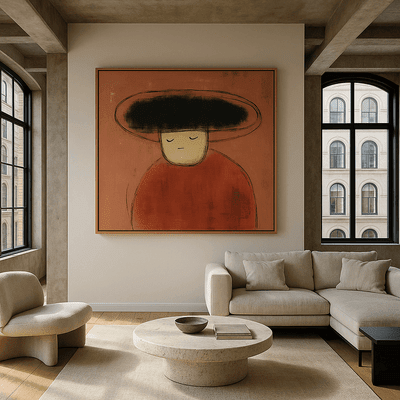

Your living room serves as the heart of your home. It welcomes guests and provides comfort for your family. Yet many spaces feel incomplete despite having all the furniture basics.
The difference between ordinary and extraordinary often comes down to a few strategic decor choices. These items transform blank walls and empty surfaces into personality-filled spaces that reflect who you are.
Throughout this guide, we'll explore the decor elements that create the most dramatic visual impact. You'll discover how to select pieces that work together and elevate your entire interior design scheme.
Wall Art Creates the Foundation of Your Design Scheme

Wall art stands as the single most impactful decor element in any living room. A thoughtfully chosen piece immediately draws the eye and sets the tone for your entire space.
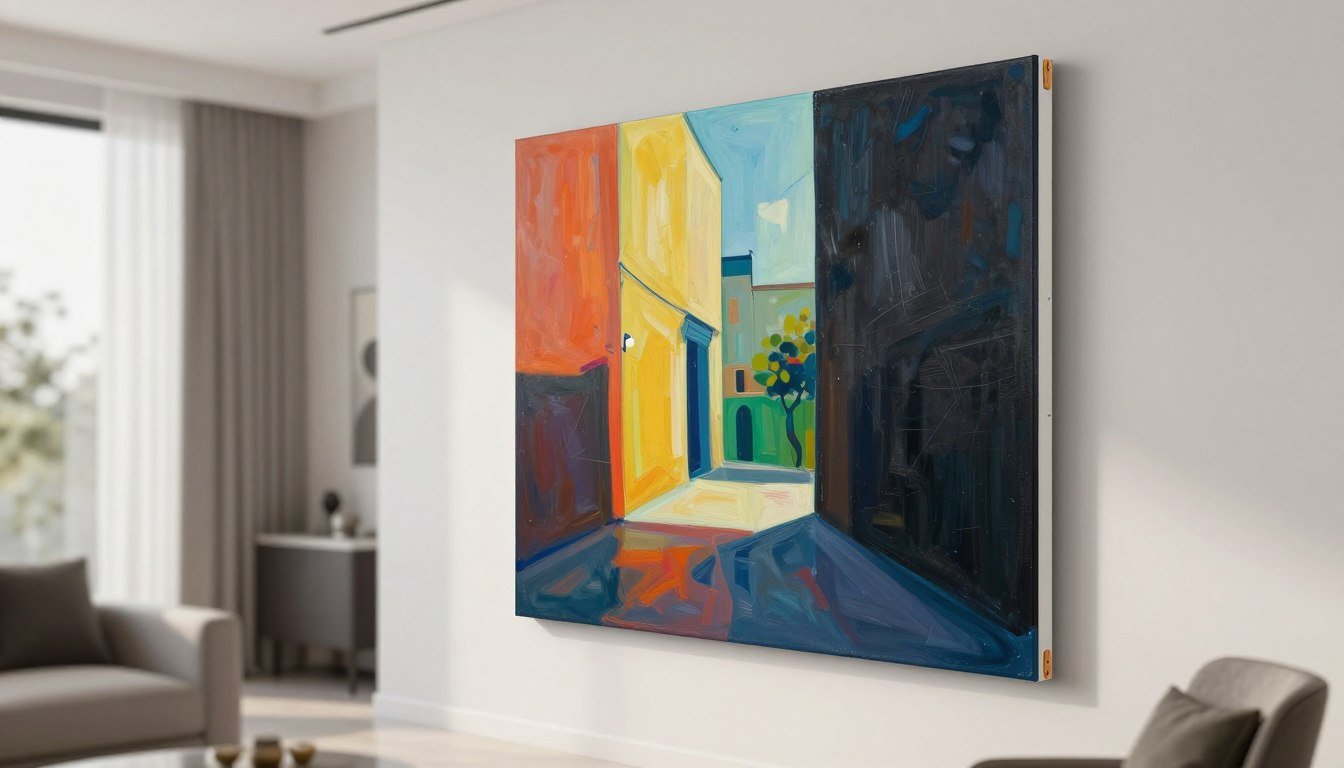
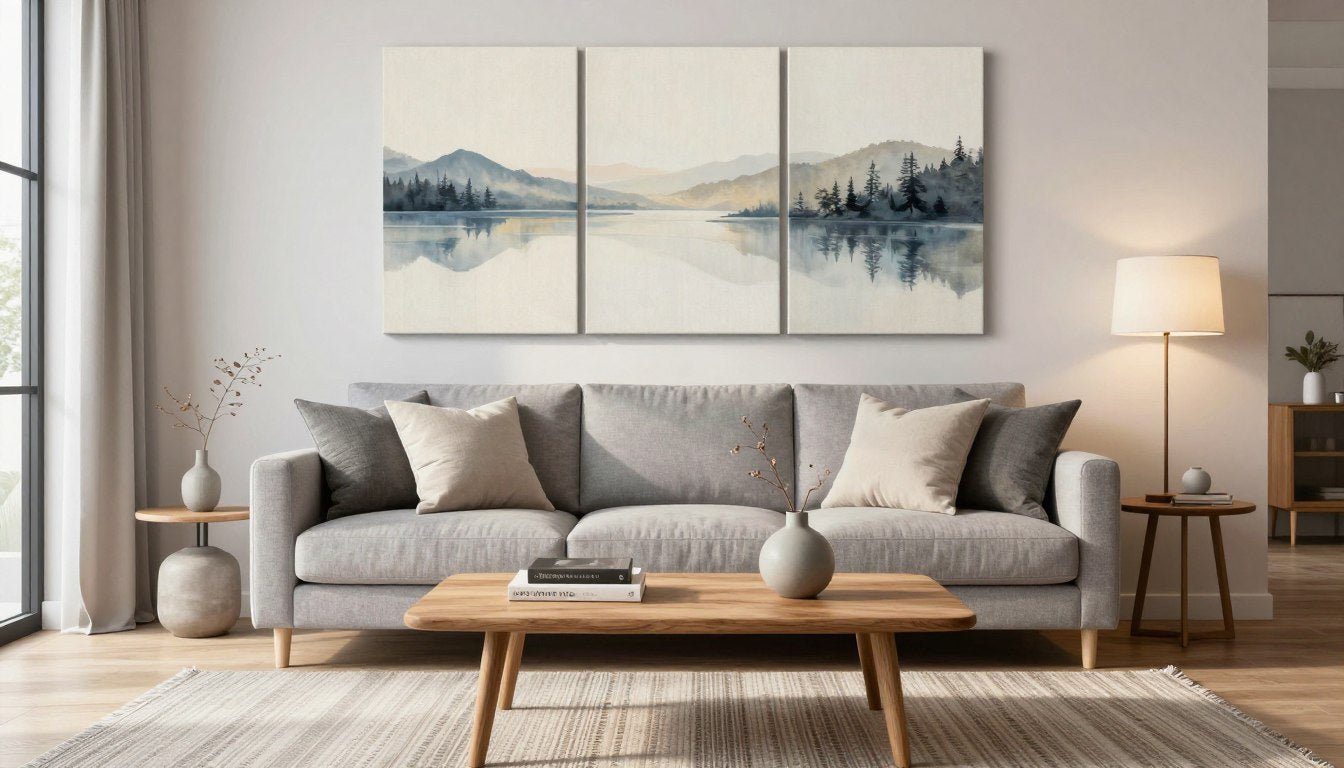
Large-scale canvas prints for living rooms create dramatic focal points that anchor your furniture arrangement. These statement pieces work especially well above sofas or fireplace mantels.
Choosing the Right Size and Scale

The size of your wall art matters tremendously. A common mistake involves selecting pieces that are too small for the wall space.
For above a sofa, your art should span roughly two-thirds to three-quarters of the furniture width. This creates visual balance and prevents the piece from looking lost on a large wall.

Single Statement Pieces
One large canvas creates immediate impact. This approach works brilliantly in minimalist or contemporary interiors where simplicity reigns.
Consider abstract canvas prints for versatile style that complements various furniture choices. The bold shapes and colours become conversation starters.

Gallery Wall Arrangements
Multiple smaller pieces create visual interest through careful arrangement. This technique adds personality while allowing you to display varied art styles.
Mix and match line art canvas prints with botanical themes for an eclectic yet cohesive look. The variety keeps eyes moving across your wall.
Colour Coordination with Your Interior

Your wall art should either complement or deliberately contrast with your existing colour scheme. Both approaches work when executed thoughtfully.
Monochromatic spaces benefit from black and white canvas prints that add sophistication without overwhelming the palette. The high contrast creates visual drama.
For neutral rooms, bold colour in your art injects energy and personality. A vibrant abstract piece becomes the focal point that ties together scattered accent colours in cushions and accessories.
Transform Your Space: Statement Prints for Modern Living Rooms
These hand-selected canvas prints demonstrate how art creates instant impact in living areas. Each piece offers museum-quality printing on premium canvas with ready-to-hang convenience.
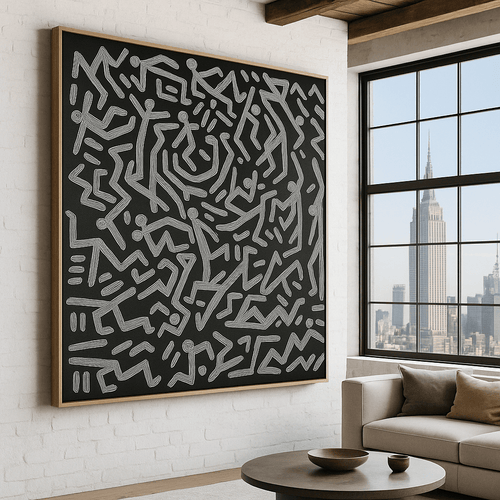
Bold Geometric Abstraction
This striking abstract piece commands attention with rich navy and metallic gold tones. The geometric composition adds contemporary sophistication to any living room wall.
Perfect for modern or transitional interiors seeking a statement focal point above seating areas.
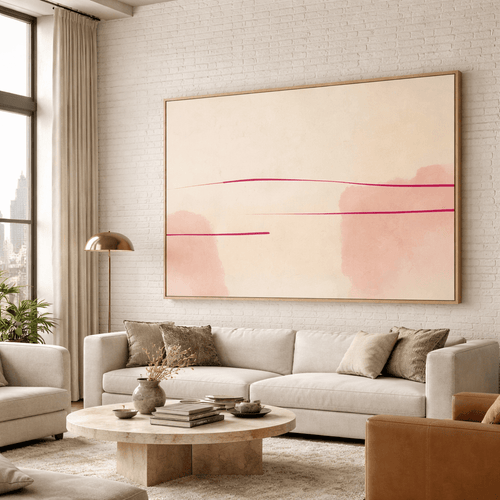
Botanical Line Elegance
Sophisticated simplicity defines this botanical line art. The flowing continuous line creates an organic focal point that brings nature indoors.
Ideal for Scandinavian, minimalist, or contemporary living spaces that embrace natural elements.
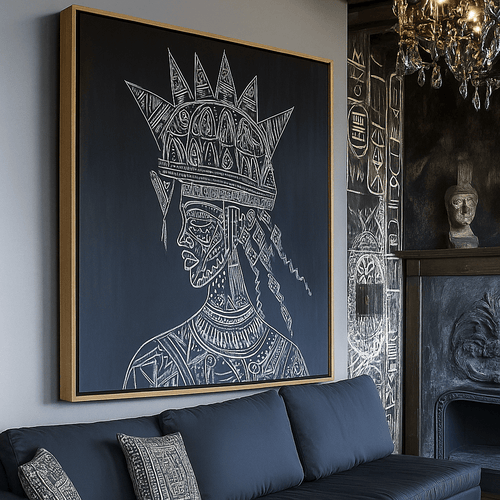
Dramatic Portrait Statement
High-contrast portraiture creates immediate visual drama. This black and white piece adds artistic depth and sophisticated edge to modern interiors.
Excellent choice for creating gallery-worthy atmosphere in living areas and entertainment spaces.
Sculptural Decor Adds Three-Dimensional Interest

While wall art dominates vertical space, sculptural elements bring life to horizontal surfaces. These three-dimensional pieces add depth and tactile interest that flat decor cannot achieve.
Modern sculptures work beautifully on console tables, shelving units, and coffee tables. They create visual anchors that draw the eye through your space.
Selecting Sculptural Pieces by Style

Your sculpture choices should reflect your overall interior design aesthetic. Contemporary spaces suit abstract forms while traditional rooms accommodate classic figurative pieces.
Consider material finishes that complement your existing home accessories. Metallic sculptures add glamour, while ceramic or stone pieces provide organic warmth.

Metal sculptures introduce reflective surfaces that catch and play with light. Gold, bronze, and brass finishes particularly enhance warm-toned interiors.
These pieces work as coffee table centerpieces or bookshelf accents. Their reflective quality adds a touch of luxury without overwhelming your space.
Material Considerations
- Metal sculptures offer modern sophistication and light-reflective properties
- Ceramic pieces provide texture and organic warmth in neutral colour palettes
- Stone or marble elements ground a space with natural materiality
- Wood sculptures bring rustic or Scandinavian influences to contemporary designs
- Glass or crystal forms create elegant focal points with transparency
Placement and Proportion Principles

Scale matters just as much with sculptures as with wall art. Your pieces should relate proportionally to the surfaces they occupy.
A large coffee table can accommodate a substantial sculpture, while narrow console tables require more delicate pieces. Consider the negative space around each object.
Group sculptures in odd numbers for the most pleasing visual arrangements. Three pieces of varying heights create dynamic displays that feel intentional rather than random.
Lighting Fixtures Function as Sculptural Decor

Lighting serves dual purposes in living room design. Beyond illumination, fixtures themselves become decorative elements that define your space.
Floor lamps, table lamps, and pendant lights contribute to your room's visual interest while providing essential task and ambient lighting. Strategic placement enhances both function and aesthetics.
Floor Lamps as Vertical Accents

Floor lamps introduce vertical lines that balance horizontal furniture masses. These fixtures draw the eye upward and make ceilings feel higher.
Arc floor lamps prove particularly effective in creating focal points. Their curved forms add sculptural drama while directing light exactly where you need it.
Position floor lamps beside seating areas for reading light or in dark corners to balance room illumination. The fixture itself becomes part of your decorative scheme.
Table Lamps Create Ambient Warmth

Table lamps on console tables or side tables create layers of lighting that make spaces feel warm and inviting. These fixtures operate at eye level when seated.
Select lamp bases that serve as decorative sculptures in their own right. Ceramic, glass, or metal bases contribute to your overall design narrative during daylight hours.
Choosing Lamp Styles
- Contemporary spaces suit clean-lined geometric bases
- Traditional rooms accommodate ceramic or porcelain designs
- Industrial aesthetics pair well with metal or concrete fixtures
- Coastal themes benefit from glass or driftwood elements
- Glamorous interiors shine with crystal or metallic finishes

Pendant and Chandelier Drama

Overhead lighting fixtures make powerful design statements. A dramatic pendant or chandelier becomes instant architecture in your living room.
Consider scale carefully when selecting overhead fixtures. Your pendant should relate proportionally to the furniture grouping beneath it without overwhelming the space.
These fixtures work especially well in rooms with high ceilings where they fill vertical space and draw the eye upward. The play of light and shadow adds another dimension to your interior.
Textiles Introduce Colour and Texture Layers

Soft furnishings transform hard-surfaced rooms into welcoming spaces. Cushions, throws, and rugs add comfort while introducing pattern, colour, and texture.
These elements offer the easiest way to update your interior seasonally. Swapping cushion covers or throws refreshes your entire room without major investment.
Cushions Create Colour Stories

Cushions introduce concentrated doses of colour and pattern. A well-edited selection can completely change your room's mood and colour scheme.
Vary sizes and shapes for visual interest. Combine large square cushions with smaller rectangular or round options. This creates depth and prevents monotony.
Cushion Styling Principles
Start with a colour anchor that connects to other room elements. Perhaps you've got bold pop art canvas prints on your wall. Echo those colours in your cushion selection.
Mix patterns thoughtfully by varying scale. Pair large-scale prints with smaller geometric designs or solid colours. This creates visual harmony rather than chaos.
Texture adds another layer of interest. Combine smooth velvet with nubby linen or cable-knit covers. The tactile variety enriches your space without additional colour.

Throws Add Casual Elegance

A beautifully draped throw adds instant coziness to any seating area. These pieces introduce another texture layer while serving practical comfort purposes.
Drape throws casually rather than folding them precisely. This relaxed approach feels more inviting and adds visual softness to structured furniture pieces.
Choose materials that complement your climate and lifestyle. Chunky knits work wonderfully in cooler months, while lightweight cotton or linen suits warmer seasons.
Rugs Ground Your Furniture Arrangement

Area rugs define zones within your living room while adding warmth underfoot. A properly sized rug unifies furniture groupings and creates visual coherence.
Your rug should extend under at least the front legs of your seating furniture. This anchors pieces together and prevents the rug from appearing too small for the space.
Consider pattern and colour carefully. A bold rug can serve as your room's focal point, while neutral options provide grounding without competing for attention.

Bold Pattern Rugs
Patterned rugs inject personality and visual interest into neutral spaces. Geometric designs suit contemporary interiors while traditional motifs complement classic furniture.
Balance a busy rug with simpler upholstery and wall treatments. Let the floor be your statement piece.

Neutral Foundation Rugs
Solid or subtly textured rugs create calm foundations that allow other decor elements to shine. This approach works when your wall art or accessories provide colour.
Natural fiber rugs add organic texture while maintaining neutral palettes. Jute, sisal, and wool options bring warmth without visual weight.
Match This Vibe to Your Space
Discover canvas art collections curated for specific interior design aesthetics. Each collection features coordinating pieces that create cohesive visual stories in your living room.
Decorative Accessories Add Personality and Polish

Smaller decorative objects bring personality to surfaces throughout your living room. These finishing touches make spaces feel lived-in and intentionally designed.
The key lies in thoughtful curation rather than cluttering every surface. Select pieces that tell your story or contribute to your overall design narrative.
Coffee Table Styling Essentials

Your coffee table serves as a central focal point where decorative accessories make significant impact. Create balanced arrangements that leave space for practical use.
Stack coffee table books to add height variation. Top these with small sculptural objects or candles. This layering technique creates visual interest.
Essential Coffee Table Elements
- Coffee table books add colour, height, and conversation topics
- Decorative trays corral smaller items and create organization
- Candles introduce warmth and ambient lighting potential
- Small sculptures or ornaments add artistic focal points
- Fresh flowers or greenery bring life and organic elements
- Decorative boxes provide hidden storage with style

Vases as Sculptural Elements

Vases function as decorative pieces whether filled with flowers or displayed empty. Select interesting shapes and finishes that complement your interior design style.
Group vases in odd numbers with varying heights. This creates dynamic arrangements that draw the eye across surfaces.
Consider material and colour carefully. Ceramic vases in neutral tones suit most interiors, while coloured glass adds vibrant accents.
Wall Clocks Combine Function and Design

A well-designed wall clock serves practical purposes while contributing to your decorative scheme. Modern designs transform this functional item into artistic statements.
Select clock styles that complement your overall aesthetic. Minimalist designs suit contemporary spaces, while ornate frames work in traditional interiors.
Size your clock appropriately for the wall space. A too-small clock disappears while an oversized piece makes a deliberate design statement.
Decorative Storage Solutions

Storage pieces that look beautiful solve practical problems while enhancing your decor. Baskets, decorative boxes, and stylish containers hide clutter without sacrificing aesthetics.
Woven baskets add organic texture while storing throws, magazines, or remote controls. Natural materials like seagrass or rattan bring warmth to contemporary interiors.
Display decorative boxes on shelves or coffee tables. These provide hidden storage while contributing to your layered accessory arrangements.
Mirrors Amplify Light and Visual Space

Mirrors work magic in living rooms by reflecting light and creating the illusion of additional space. These functional decorative pieces brighten rooms while serving as artistic focal points.
Strategic mirror placement maximizes natural light distribution. Position mirrors opposite or adjacent to windows to bounce daylight throughout your space.
Mirror Styles and Frame Selection

Your mirror frame should complement your overall interior design aesthetic. Ornate gilded frames suit traditional spaces while clean-lined designs enhance contemporary rooms.
Consider frame colour and material carefully. Gold and brass add warmth, silver and chrome provide cool sophistication, while natural wood brings organic elements.

Frameless mirrors create seamless modern looks. The beveled edges add subtle detail while maintaining minimalist aesthetics.
These designs work particularly well in contemporary or Scandinavian-inspired interiors where simplicity reigns.
Frame Finish Considerations
- Gold or brass frames add traditional elegance and warmth
- Black frames create strong graphic statements in modern spaces
- White or cream frames suit coastal or Scandinavian aesthetics
- Natural wood frames bring organic warmth and texture
- Antique or distressed finishes add character and history
Size and Placement Strategies

Mirror size should relate proportionally to the wall space and furniture beneath. A mirror above a console table typically spans half to two-thirds the furniture width.
Floor-length mirrors leaning against walls create casual elegance. This relaxed styling approach adds height without the commitment of wall mounting.
Group smaller mirrors in gallery-style arrangements for eclectic appeal. Mix frame styles and shapes while maintaining a cohesive colour palette.
Plants Bring Life and Natural Elements Indoors

Living greenery introduces organic vitality that no artificial decor can replicate. Plants improve air quality while adding colour, texture, and visual interest to your living room.
Select plants appropriate for your light conditions and maintenance willingness. Low-light tolerant varieties suit rooms with limited natural light, while sun-loving plants thrive near windows.
Floor Plants Create Vertical Interest

Large floor plants fill empty corners and add height to room compositions. Fiddle leaf figs, rubber plants, and monstera create dramatic architectural statements.
Pair plants with decorative planters that complement your interior style. Ceramic pots in neutral tones suit most aesthetics, while woven baskets add bohemian warmth.
Consider scale carefully. Tall plants work in rooms with high ceilings, while medium-sized options suit standard ceiling heights without overwhelming the space.
Shelf and Table Plants Add Organic Touches

Smaller plants on shelves, side tables, and console surfaces introduce greenery at eye level. These create opportunities for styling vignettes with other decorative accessories.
Trailing plants like pothos or string of pearls add movement and soften hard architectural lines. Position these on high shelves where tendrils can cascade downward.
Easy-Care Plant Options
- Snake plants tolerate low light and infrequent watering
- Pothos vines thrive in various light conditions with minimal care
- ZZ plants survive neglect while maintaining glossy green leaves
- Succulents require bright light but minimal watering
- Peace lilies bloom in medium light with regular watering

Planters as Decorative Elements

Your planter choices significantly impact your overall decor aesthetic. Select vessels that coordinate with your design scheme and other home accessories.
Mix materials and finishes for visual interest. Combine ceramic planters with woven baskets or concrete vessels. This variety adds texture while maintaining cohesion through colour.
Consider drainage needs when selecting planters. Ceramic pots with drainage holes protect your furniture while keeping plants healthy. Add saucers to catch excess water.
Seasonal Decor Updates Keep Spaces Fresh

Refreshing your decor seasonally prevents visual stagnation while allowing you to celebrate changing seasons. Small updates create significant impact without requiring complete room overhauls.
Focus on easily changed elements like cushion covers, throws, and decorative accessories. These updates transform your space affordably while maintaining your foundational design.
Colour Palette Shifts by Season

Seasonal colour adjustments create different moods throughout the year. Spring and summer suit lighter, cooler tones while autumn and winter embrace warmer, richer hues.
Swap cushion covers from linen in pale blues and greens during warmer months to velvet in deep jewel tones for winter. This simple change dramatically alters your room's atmosphere.
Similarly, rotate throw blankets by season. Lightweight cotton works for summer while chunky knits add cozy warmth during colder months.
Accessories and Seasonal Touches

Small decorative accessories provide opportunities for seasonal expression. Swap out vases, candles, and ornaments to reflect current seasons without major investment.
Bring natural elements indoors to celebrate seasons. Spring branches, summer flowers, autumn leaves, and winter evergreens connect your interior to the natural world outside.
Adjust candle choices seasonally. Fresh citrus scents suit spring and summer while spiced or woody fragrances enhance autumn and winter ambiance.
Personal Collections Tell Your Story

The most meaningful decor often comes from your personal collections and cherished objects. These items transform generic spaces into homes that reflect your unique story and experiences.
Display collections thoughtfully to create visual impact rather than clutter. Edit ruthlessly and showcase your best pieces rather than everything you own.
Art and Photography Collections

Mix personal photography with purchased art for galleries that tell your story. Travel photos gain gravitas when matted and framed professionally alongside cityscape canvas prints of places you love.
Family photos deserve prominent display in living spaces. Group frames in cohesive colours even when mixing photo sizes. This creates unity within variety.
Consider adding original paintings to your collection for investment pieces that appreciate over time. Original art brings authenticity and conversation to your walls.
Object Collections on Display

Collections of objects gain impact through thoughtful curation and display. Whether vintage cameras, pottery, or travel souvenirs, showcase pieces with intention.
Group similar items together rather than scattering throughout the room. This creates focal points and prevents collections from looking like random clutter.
Leave breathing room around displayed objects. Overcrowded shelves diminish individual pieces while spacious arrangements allow each item to shine.
Display Principles for Collections
- Edit collections to show only your finest or most meaningful pieces
- Group items by colour, material, or theme for cohesion
- Vary heights and depths to create visual interest
- Leave negative space to prevent overwhelming displays
- Rotate collections seasonally to maintain freshness
- Light collections from above or below for drama

Layering Techniques Create Design Depth

Professional interior designers create depth through layering multiple decor elements. This technique prevents flat, one-dimensional spaces while adding visual richness.
Successful layering involves combining various elements at different heights, depths, and scales. The result feels collected over time rather than purchased all at once.
Horizontal and Vertical Layering

Create depth by placing items at varying distances from walls. Position a console table away from the wall with a large mirror behind it, then layer with lamps and accessories at different heights.
On walls, layer art pieces of different sizes. Lean smaller frames against larger pieces on shelves or layer a clock over a larger art piece for unexpected dimension.
Texture Layering for Visual Interest

Combine different textures within single vignettes. Pair smooth glass vases with rough ceramics, soft textiles with hard metals, matte finishes with glossy surfaces.
This textural variety creates sensory richness that engages touch as well as sight. Rooms with multiple textures feel more sophisticated and intentionally designed.
Consider your overall interior design strategy when selecting textures. Cohesive colour palettes allow bolder texture mixing without visual chaos.
Creating Styled Vignettes

Small vignettes on side tables, shelves, and consoles demonstrate layering principles in miniature. These carefully composed groupings include items at varied heights with different purposes.
Follow the rule of three when creating vignettes. Odd numbers feel more dynamic and natural than even groupings. Vary heights within your three items for visual interest.
Anchor vignettes with larger pieces, then add smaller supporting elements. A table lamp provides height, books add colour and substance, while a small sculpture or plant completes the grouping.
Ready-to-Hang, Museum-Quality Canvas. Free Worldwide Shipping.
Every Rossetti Art canvas print arrives ready to display straight from the box. Printed on premium canvas using archival inks, your art comes gallery-wrapped on solid wood frames with hanging hardware included. Transform your living room with confidence, backed by our quality guarantee and complimentary global delivery.
Budget-Conscious Decor Strategies

Transforming your living room doesn't require unlimited funds. Strategic investments in key pieces combined with budget-friendly finds create impactful interiors at various price points.
Prioritize where you invest versus where you save. Splurge on items you'll keep long-term while saving on trendy pieces you'll replace seasonally.
Investment-Worthy Items

Certain decor elements justify higher budgets due to their visual impact and longevity. Quality canvas prints and original art fall into this category as focal point pieces you'll enjoy for years.
Large-scale wall art creates the biggest visual impact per pound spent. One stunning piece transforms an entire wall and sets your room's tone.
Where to Invest Your Budget
- Large-scale wall art that serves as focal points
- Quality lighting fixtures used daily
- Durable area rugs that withstand foot traffic
- Statement furniture pieces in neutral colours
- Window treatments that control light and privacy
Where to Save Money
- Seasonal cushion covers and throws you'll rotate
- Trendy small accessories you'll replace
- Decorative storage solutions like baskets
- Candles and other consumable decor items
- Seasonal decorative accents you'll update
High-Impact Low-Cost Updates

Paint remains the most cost-effective way to transform spaces. A fresh wall colour changes your entire room's mood for minimal investment.
Rearrange existing furniture and decor before buying new items. Fresh arrangements often create the change you seek without spending anything.
Shop your home by moving items between rooms. That vase languishing in the bedroom might be perfect for your living room console table.
Mixing High and Low

The most sophisticated interiors often mix investment pieces with budget finds. This approach prevents rooms from looking too precious while maintaining quality where it matters.
Pair your investment living room wall art with high-street cushions and throws. The art elevates affordable textiles while soft furnishings make expensive pieces feel approachable.
Quality doesn't always correlate with price. Hunt charity shops and vintage markets for unique finds that add character your budget can't buy new.
Common Living Room Decor Mistakes to Avoid

Understanding common decorating pitfalls helps you avoid expensive mistakes. These errors diminish your room's potential despite good intentions and investment.
Most mistakes involve scale, proportion, or overcrowding. Learning to edit ruthlessly and respect negative space elevates your entire interior.
Scale and Proportion Errors

The most frequent mistake involves selecting decor items too small for their spaces. Tiny art above a large sofa looks lost and diminishes impact.
Furniture and decor should relate proportionally to each other and the room. Oversized furniture in small rooms feels oppressive, while tiny pieces in large spaces appear insignificant.
Scale Mistakes to Avoid
- Hanging artwork too small for wall space
- Selecting area rugs that don't extend under furniture
- Choosing undersized coffee tables for seating areas
- Using too many small accessories that create clutter
- Hanging curtains at window height instead of ceiling
- Placing tiny lamps on large side tables

Overcrowding and Clutter

More decor doesn't equal better design. Overcrowded surfaces and walls create visual chaos rather than interest.
Edit your accessories ruthlessly. Display fewer items with breathing room between them. This approach allows each piece to make its own statement.
Negative space proves as important as filled space. Empty wall areas provide visual rest that makes your displayed items more impactful.
Ignoring Room Function

Decorative choices must respect how you actually use your living room. Beautiful but impractical rooms fail to serve their purpose.
Maintain clear traffic paths through furniture arrangements. People shouldn't navigate obstacle courses to cross your living room.
Ensure adequate lighting for activities you perform in the space. Reading areas need task lighting regardless of how minimalist your aesthetic.
Neglecting Height Variation

Rooms where everything sits at the same height feel flat and uninteresting. Create visual rhythm through varied vertical placement.
Combine floor plants, table lamps, and wall art at different heights. This draws the eye around the room and creates dimensional interest.
Use furniture of varying heights within your seating arrangement. Mix standard sofas with lower chairs or higher-backed occasional seats.
Bringing It All Together: Your Decor Action Plan

Transforming your living room involves strategic selection of decor items that work together harmoniously. The most impactful spaces combine statement pieces with supporting elements in balanced compositions.
Start with your largest impact items and build from there. Wall art establishes your colour palette and style direction, then additional pieces reinforce these choices.
Prioritizing Your Decor Investments

Begin with wall art as your foundational piece. A stunning abstract canvas or portrait print sets your room's tone immediately.
Add lighting fixtures next. Proper illumination showcases your art and creates ambiance essential for comfortable living spaces.
Layer in textiles through rugs, cushions, and throws. These soften hard surfaces while introducing colour and pattern that complement your art.
- Select Statement Wall Art: Choose pieces that resonate emotionally and work with your colour scheme
- Add Sculptural Elements: Introduce three-dimensional interest through sculptures or decorative objects
- Install Proper Lighting: Layer ambient, task, and accent lighting for functionality and mood
- Incorporate Soft Textiles: Add comfort and colour through cushions, throws, and area rugs
- Include Living Greenery: Bring nature indoors with plants appropriate for your light conditions
- Finish with Accessories: Complete the look with curated small decorative items
Creating Cohesion Across Elements

Successful interiors feel intentional rather than random. Achieve this through consistent colour palettes, repeated materials, or echoed shapes across different items.
If your wall art features geometric shapes, echo these in cushion patterns or rug designs. Repetition creates visual rhythm that feels professionally designed.
Limit your colour palette to three main colours plus neutrals. This restraint creates sophisticated cohesion even when mixing diverse decor styles.
Allowing Your Space to Evolve

The best living rooms develop gradually rather than being completed overnight. Live with pieces before adding more to understand what your space truly needs.
Collect items you genuinely love rather than filling spaces quickly with compromise pieces. Patience yields better long-term results.
Don't fear empty spaces while you find the perfect piece. A thoughtfully sparse room beats one cluttered with items you'll replace later.
Transform Your Living Room with Confidence

The decor items that make the biggest difference in your living room combine visual impact with personal meaning. Wall art creates immediate transformation, while lighting, textiles, and accessories build upon that foundation.
Remember that successful interiors reflect your personality and lifestyle. The "rules" serve as guidelines, but your comfort and joy in your space matter most.
Start with one impactful change rather than attempting everything simultaneously. Perhaps that perfect piece of living room wall art that has caught your eye. Let that inspire your next choices.
Your living room transformation awaits. Each thoughtful decor selection brings you closer to a space that truly feels like home.
Frequently Asked Questions About Living Room Decor
What is the single most important decor item for living rooms?
Wall art makes the single biggest impact in living room design. A properly sized, well-chosen piece instantly establishes your style, colour palette, and focal point. Statement canvas prints for living rooms transform blank walls into design features that anchor your entire furniture arrangement. While other elements certainly matter, nothing creates dramatic visual transformation as immediately as the right artwork.
How much should I budget for living room decor items?
Budget allocation depends on room size and existing furnishings, but a general guideline suggests 10-15% of your total living room budget for decorative accessories and wall art. Invest more in permanent focal pieces like large canvas art (£200-£800 for quality pieces) while saving on seasonal items like cushions and throws (£20-£50 each). Prioritize quality over quantity—one stunning art piece makes more impact than numerous small, mediocre accessories.
Can I mix different decor styles in one living room?
Absolutely, when done thoughtfully. Successful style mixing requires a unifying element—typically a consistent colour palette or repeated material. You might combine contemporary abstract art with vintage furniture if they share complementary colours. The 80/20 rule works well: choose one dominant style for 80% of items, then add 20% from contrasting styles for interest. Avoid mixing more than two distinct styles to prevent visual chaos.
How high should I hang wall art above my sofa?
Hang artwork 15-20cm (6-8 inches) above your sofa back. The art's center should sit at eye level when standing, typically 145-150cm (57-60 inches) from the floor. For large pieces above sofas, ensure the artwork spans roughly two-thirds to three-quarters of the furniture width for proper proportion. If hanging multiple pieces, treat the entire grouping as one unit when calculating placement height.
What colours make living rooms feel larger?
Light, cool colours create the illusion of more space. Whites, pale greys, soft blues, and gentle greens reflect light and visually expand walls. However, don't feel limited to these alone—strategic use of darker accent colours on a single feature wall with monochrome artwork can actually add depth. Mirrors amplify whatever colour scheme you choose by reflecting light and creating visual expansion.
How many cushions should I have on my sofa?
For a three-seater sofa, 5-7 cushions create balanced styling without overcrowding. Use odd numbers for visual interest and vary sizes—typically two or three larger cushions (50-60cm) at the back, with smaller ones (40-45cm) in front. Two-seater sofas work well with 3-5 cushions. Ensure your cushion arrangement leaves adequate seating space. Remember that cushions serve both decorative and comfort purposes.
Should my living room rug go under all furniture?
Ideally, your area rug should extend under at least the front legs of all major seating furniture. In larger rooms, the rug can accommodate all furniture legs. In smaller spaces, placing just front legs on the rug works well and actually makes the room feel larger. Ensure at least 15-30cm (6-12 inches) of rug extends beyond furniture on all sides. Avoid rugs that sit entirely underneath coffee tables without touching seating—this makes them appear too small.
How do I choose the right size canvas print for my wall?
Measure your wall space and furniture beneath the intended art placement. For above sofas or consoles, select art spanning two-thirds to three-quarters of the furniture width. On empty walls, artwork should fill 50-75% of the wall width for impact without overwhelming. Larger rooms accommodate bigger pieces—don't be afraid of oversized canvas prints. When uncertain, err on the larger side; undersized art is a more common mistake than oversized pieces.
What's the best lighting combination for living rooms?
Layer three types of lighting for optimal results: ambient (overhead fixtures or ceiling lights), task (floor and table lamps for reading), and accent (highlighting artwork or architectural features). Aim for multiple light sources rather than relying on a single overhead fixture. Include dimmers where possible to adjust mood and brightness. A typical living room benefits from one overhead fixture, two table lamps, and one floor lamp minimum, creating flexible lighting options for different activities and times of day.
How often should I update my living room decor?
Investment pieces like quality wall art and furniture should last years or decades. Update smaller elements like cushion covers, throws, and seasonal accessories annually or bi-annually to keep spaces feeling fresh. Rotate decorative objects from storage to create perceived newness without purchasing items. Major decor overhauls typically occur every 5-7 years unless your style significantly changes. Focus on timeless foundational pieces with trendy accents you can easily swap as fashions evolve.

Leave a comment
This site is protected by hCaptcha and the hCaptcha Privacy Policy and Terms of Service apply.