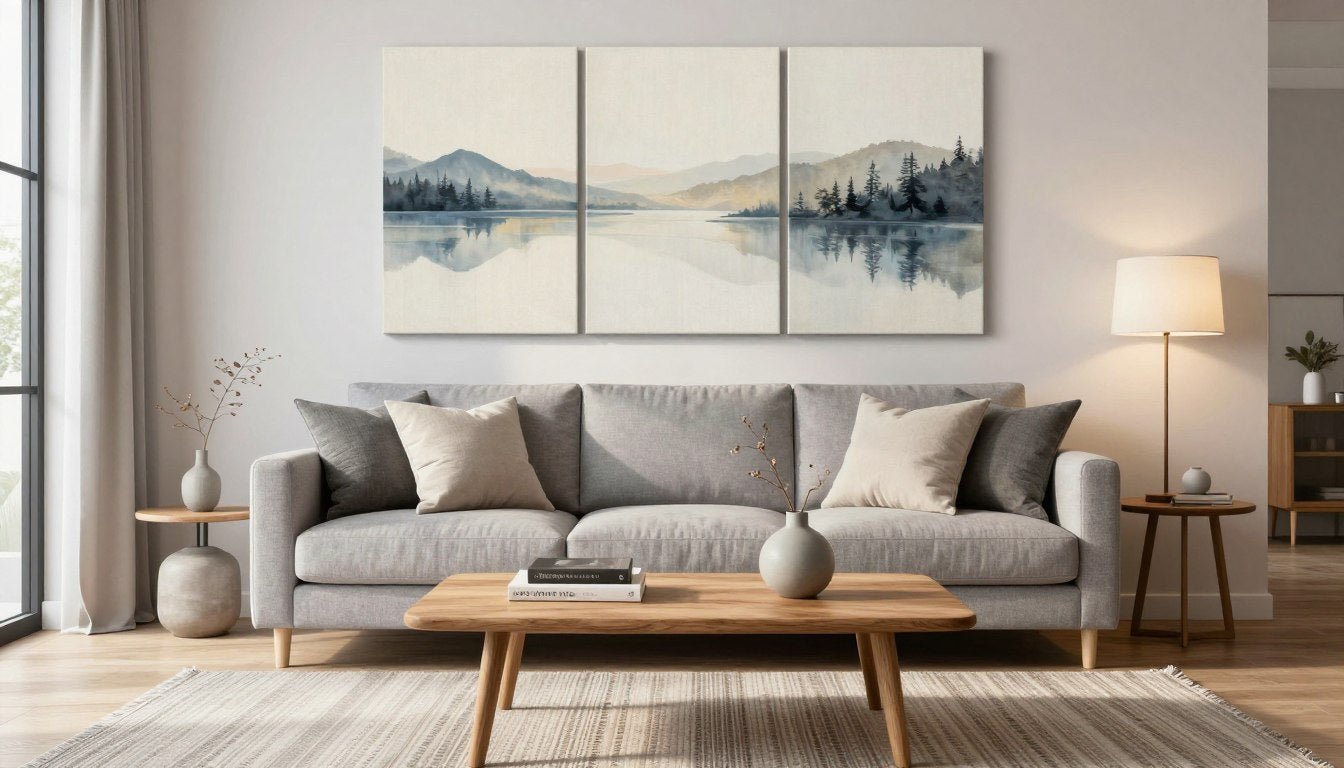

Your living room serves as the heart of your home. It's where family gathers and guests feel welcome. The right decor items can transform this space from ordinary to extraordinary. Many people struggle with knowing which pieces truly make an impact.
Small changes create big results. You don't need a complete renovation to refresh your living area. Strategic decor choices elevate the entire room's atmosphere. Understanding what works helps you invest wisely in pieces that matter.
This guide reveals the decor items that make the biggest difference in a living room. You'll discover how wall art, lighting, textiles, and accessories work together. These elements create a cohesive design that reflects your personal style.
If You Love Modern Aesthetics, Here Are 3 Prints That Bring That Mood Into a Room
Transform your living space with museum-quality canvas prints that create instant visual impact.

Abstract Geometric Canvas
Bold lines and neutral tones create a sophisticated focal point. This piece anchors your living room with contemporary elegance.

Black & White Portrait
Timeless monochrome portraits add drama and personality. These prints work beautifully above sofas or console tables.

Botanical Nature Print
Bring the outdoors inside with botanical artwork. These pieces create a calming, organic atmosphere in any living space.
Wall Art: The Single Most Transformative Element
Wall art stands as the most powerful decor item in any living room. A single large canvas print can completely change how a space feels. Blank walls make rooms feel unfinished and cold. The right artwork adds personality, color, and visual interest instantly.

Size matters when selecting wall art. A common mistake involves choosing pieces that are too small. Your artwork should take up about two-thirds of the wall space above your sofa. This creates proper visual balance. Large-scale pieces make stronger statements than gallery walls of small prints.
The style of your wall art sets the tone for the entire room. Abstract canvas prints work well in modern spaces. They introduce color and movement without specific imagery. Portrait art adds sophistication and human connection. Botanical prints bring nature's calming influence indoors.
Canvas prints offer several advantages over traditional framed art. They're ready to hang without additional framing costs. The gallery-wrapped edges create a finished look from all angles. Gallery-quality canvas prints maintain vibrant colors for years. Free shipping makes them an accessible option for most budgets.
Placement strategy affects how artwork impacts your living room. The center of your art piece should hang at eye level. This typically means 57 to 60 inches from the floor to the artwork's center. Above furniture, leave 6 to 12 inches between the furniture top and the art bottom.
Color coordination between artwork and room elements creates cohesion. Your wall art can pull accent colors from throw pillows, rugs, or other decor items. This approach ties the whole design together. Alternatively, artwork can introduce new colors to refresh your existing palette.
Lighting: Layering Light for Ambiance and Function
Lighting transforms a living room's mood more than people realize. A single overhead light creates harsh shadows and an uninviting atmosphere. Layered lighting combines ambient, task, and accent light sources. This approach offers flexibility for different activities and times of day.

Floor lamps serve as both functional and decorative pieces. Arc floor lamps work beautifully beside sofas for reading light. They also create visual interest with their sculptural shapes. Tripod floor lamps add a mid-century modern touch. Adjustable floor lamps offer flexibility for different tasks and moods.
Table lamps on side tables or console tables provide intimate lighting. They create pools of light that make spaces feel cozy. Lamp shades affect how light diffuses through the room. Fabric shades create soft, warm light. The lamp base itself becomes a decorative accent during daylight hours.
Accent lighting highlights architectural features or artwork. Picture lights above canvas prints draw attention to your wall art. LED strip lighting behind furniture creates a floating effect. Dimmer switches allow you to adjust ambient light levels throughout the day.
Natural light remains the most valuable light source. Window treatments should maximize daylight while offering privacy control. Sheer curtains filter harsh sunlight while maintaining brightness. Heavy drapes can be drawn for movie time or evening privacy.
The color temperature of bulbs affects room atmosphere significantly. Warm white bulbs (2700-3000K) create cozy, inviting spaces. Cool white bulbs (3500-4100K) work better for task areas. Smart bulbs offer adjustable color temperatures for different times and activities.
Area Rugs: Grounding Your Living Space
An area rug anchors furniture and defines the living room space. Hardwood or tile floors feel cold without a rug. The right rug adds warmth, texture, and sound absorption. It also protects floors from furniture wear and creates visual boundaries.

Rug size makes or breaks the look. A common mistake involves choosing rugs that are too small. Your rug should be large enough for all furniture front legs to rest on it. This creates a cohesive seating area. In smaller living rooms, just the coffee table and front sofa legs need to be on the rug.
Rug placement follows specific rules for best results. Leave 12 to 18 inches of floor space between the rug edge and walls. This creates a frame effect that makes rooms feel larger. The coffee table should sit entirely on the rug with space on all sides.
Material selection affects both comfort and durability. Wool rugs offer softness and natural stain resistance. They work well in high-traffic family living rooms. Jute and sisal rugs bring natural texture and durability. Synthetic rugs resist stains and cost less than natural fibers.
Pattern and color in rugs add visual interest without overwhelming the space. Solid rugs create calm foundations for patterned furniture. Patterned rugs can hide wear and stains better than solid colors. The rug color should complement your wall art and throw pillows.
Rug layering creates depth and texture in larger living rooms. A large neutral rug serves as the base layer. A smaller patterned rug on top adds visual interest. This technique works especially well in eclectic or bohemian design styles.
Match This Vibe to Your Space
Discover curated collections designed specifically for living room walls. Find the perfect style that reflects your personality and complements your existing decor.
Throw Pillows and Blankets: Comfort Meets Style
Throw pillows and blankets add layers of comfort and color. They're among the easiest decor items to change seasonally. This flexibility allows you to refresh your living room's look without major investment. These soft furnishings also invite people to sit and relax.

Pillow arrangement follows a specific formula for visual appeal. Start with larger pillows in the back corners. These are typically 22 to 24 inches square. Medium pillows (20 inches) go in front of those. Smaller accent pillows (16 to 18 inches) complete the arrangement in front.
Mixing textures creates visual and tactile interest. Combine smooth velvet pillows with nubby linen or cotton. Faux fur pillows add luxury and warmth. Woven or embroidered pillows introduce pattern and craftsmanship. This variety makes your sofa more inviting and sophisticated.
Color coordination ties pillows to your overall design scheme. Pull accent colors from your wall art or rug. Use the 60-30-10 color rule: 60% dominant color, 30% secondary color, 10% accent color. This creates balance without overwhelming the space with too many colors.
Throw blankets serve multiple purposes in living rooms. They provide warmth during cooler months. Draped over a sofa arm or chair, they add texture and casual elegance. Chunky knit blankets create cozy, hygge-inspired atmospheres. Lighter throws work for year-round styling.
Seasonal changes keep your living room feeling fresh. Switch to lighter fabrics and brighter colors in spring and summer. Warmer textures and deeper tones work for fall and winter. This simple swap costs little but makes a significant visual impact.
Coffee Table Styling: The Art of Curation
Your coffee table serves as a functional centerpiece in the living room. How you style this surface affects the entire room's aesthetic. A cluttered coffee table creates chaos. A thoughtfully curated table brings sophistication and personality to your space.

The foundation piece anchors your coffee table arrangement. A decorative tray corrals smaller items and creates organization. Coffee table books add height and personality. Choose books that reflect your interests or feature beautiful photography. Stack two to three books in varying sizes.
Height variation creates visual interest on flat surfaces. Combine tall elements like vases with shorter objects. Candlesticks or small sculptures add vertical dimension. This layering technique makes arrangements more dynamic and engaging.
Natural elements bring life and freshness to coffee tables. A vase with fresh or faux flowers adds color and organic shapes. Potted succulents require minimal care while adding greenery. A bowl of decorative balls or natural objects like pine cones connects to nature.
Functional items can also be decorative when chosen carefully. An attractive coaster set protects the table while adding design interest. A beautiful box can store remote controls out of sight. Candles provide ambiance when lit and sculptural beauty when not in use.
The rule of three guides coffee table styling. Group items in odd numbers for more dynamic arrangements. Three items create triangle compositions that feel balanced. Leave negative space on the table surface. This prevents the cluttered look and allows room for drinks or snacks.
Sculptural Accents: Three-Dimensional Art
Sculptures add three-dimensional interest that flat art cannot provide. These pieces create focal points on shelves, side tables, or pedestals. The right sculpture becomes a conversation starter. It reveals your aesthetic preferences and adds sophistication to any living room.

Size and scale determine where sculptures work best in your space. Large floor sculptures anchor corners or flank fireplaces. Medium pieces work on console tables or bookshelves. Small sculptures group well with books or plants for layered vignettes.
Material choice affects the sculpture's impact on your room. Bronze or brass sculptures add warmth and traditional elegance. Marble or stone pieces bring natural beauty and weight. Modern sculptures in metal or resin create contemporary statements with lighter visual weight.
Abstract sculptures work in various design styles. Their non-representational forms don't compete with other decor elements. They add visual interest without dictating a specific theme. Organic shapes soften angular modern furniture. Geometric sculptures complement mid-century or contemporary spaces.
Placement strategy maximizes sculptural impact. Position pieces where light hits them at different times of day. This creates changing shadows and highlights. Group sculptures in odd numbers on shelves. Leave breathing room around each piece to appreciate its form.
Sculptures at different heights create rhythm in a room. Tall pieces draw eyes upward, making ceilings feel higher. Low, horizontal sculptures ground spaces and create stability. This vertical variation adds architectural interest to rooms lacking built-in features.
Mirrors: Expanding Space and Light
Mirrors serve both functional and decorative purposes in living rooms. They reflect light, making spaces feel brighter and more open. A well-placed mirror can visually double a room's size. The frame style contributes to your overall design aesthetic.

Mirror placement affects how effectively they expand space. Position mirrors opposite windows to reflect natural light deeper into the room. This brightens dark corners and reduces the need for artificial lighting. Mirrors behind light sources amplify their effect by doubling the perceived light output.
Size considerations matter for maximum impact. Large mirrors make bolder statements than small ones. A mirror should be at least two-thirds the width of the furniture beneath it. Oversized floor mirrors leaning against walls create casual, modern looks while maximizing light reflection.
Frame styles complement your living room's design direction. Ornate gilded frames suit traditional or glamorous interiors. Simple metal or wood frames work in contemporary or minimalist spaces. Frameless mirrors create seamless, modern aesthetics. The frame becomes an additional decorative element in the room.
Mirror shapes add architectural interest to plain walls. Round mirrors soften rooms with many straight lines and angles. Arched mirrors bring elegance and height. Geometric or asymmetric shapes create modern, artistic statements. The shape you choose should balance other elements in the space.
Avoid placing mirrors where they reflect clutter or unattractive views. Position them to reflect your best decor elements like artwork or attractive furniture. This doubles the visual impact of your favorite pieces. Mirrors can also reflect outdoor views, bringing nature into your living space.
Plants and Greenery: Bringing Life Indoors
Living plants transform sterile spaces into vibrant, healthy environments. They purify air while adding organic shapes and colors. Even people without green thumbs can maintain hardy indoor plants. The presence of greenery makes rooms feel more welcoming and connected to nature.

Plant selection depends on your living room's light conditions. Snake plants and pothos thrive in low light and require minimal care. Fiddle leaf figs make dramatic statements in bright, indirect light. Succulents work well on sunny coffee tables or windowsills. Choose plants that match your maintenance commitment level.
Planters contribute significantly to your decor style. Ceramic pots in neutral tones suit most design aesthetics. Woven baskets add texture and natural elements. Modern geometric planters complement contemporary spaces. The planter should enhance the plant without competing for attention.
Size and scale create varying impacts in living rooms. Large floor plants like monstera or bird of paradise anchor corners or flank furniture. Medium plants on stands add height variation. Small plants group well on shelves or side tables for layered greenery.
Plant placement follows similar rules to other decor items. Odd numbers create more dynamic arrangements. Vary heights for visual interest. Group plants with different leaf shapes and textures together. This creates mini indoor gardens that feel intentional and designed.
Faux plants offer maintenance-free alternatives that still provide visual benefits. High-quality artificial plants look remarkably realistic. They work well in low-light areas where real plants would struggle. Mix faux and real plants if desired. This extends greenery throughout your living room without excessive care requirements.
Window Treatments: Framing Your View
Window treatments affect both aesthetics and functionality. They control natural light, provide privacy, and frame your windows architecturally. The right curtains or blinds can make windows appear larger. They also add softness and color to hard architectural elements.

Curtain length and installation height dramatically impact room proportions. Hang curtain rods close to the ceiling rather than just above the window frame. This draws eyes upward and makes ceilings feel higher. Curtains should puddle slightly on the floor or hover just above it for the most polished look.
Fabric choice affects how window treatments function and appear. Linen curtains provide casual elegance with natural texture. Velvet drapes add luxury and excellent light blocking. Sheer curtains filter light beautifully while maintaining privacy during the day. Layering sheers with heavier drapes offers flexibility.
Color and pattern in window treatments connect to your overall design. Neutral curtains create calm backdrops that won't compete with wall art. Patterned curtains add visual interest to simple rooms. Match or complement curtain colors to throw pillows or rugs for cohesion.
Hardware selection completes the window treatment look. Decorative rods and finials become jewelry for your windows. Brass or gold hardware adds warmth. Black or bronze creates modern, grounded looks. The hardware style should align with other metal finishes in your living room.
Blinds or shades offer streamlined alternatives to curtains. Cellular shades provide energy efficiency and light control. Wood blinds bring natural warmth and adjust easily. Roman shades offer fabric softness with the clean lines of blinds. These options work especially well in contemporary or minimalist spaces.
Decorative Objects: Personal Touches That Tell Your Story
Decorative objects transform houses into homes through personalization. These items reflect your interests, travels, and memories. Carefully curated objects create layers of interest on shelves and surfaces. They reveal personality without requiring words.

The rule of three applies to decorative object arrangements. Group items in odd numbers for more dynamic displays. Three objects at varying heights create triangle compositions. This arrangement feels balanced while remaining interesting to view.
Mixing materials adds depth and prevents monotony. Combine wood, metal, ceramic, and glass objects. This variety creates tactile and visual interest. Natural materials like stone or shells bring organic elements. Each material catches light differently throughout the day.
Color coordination ties decorative objects to your broader design scheme. Pull accent colors from your canvas wall art or rug. This creates intentional connections between elements. Alternatively, use all neutral objects for sophisticated, monochromatic styling.
Negative space matters as much as the objects themselves. Don't crowd every surface with decor items. Empty space allows eyes to rest and individual pieces to shine. This approach prevents the cluttered look while maintaining interest.
Seasonal rotation keeps your living room feeling fresh. Store some decorative objects and rotate them quarterly. This prevents boredom with your space. It also allows you to adjust for seasonal color palettes or themes without buying new items.
Original Paintings: Investment Pieces with Soul
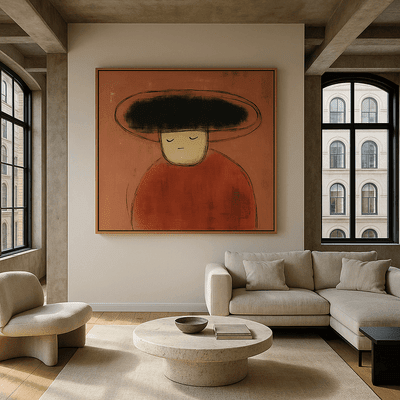
Original paintings carry energy and presence that prints cannot match. Each brushstroke represents the artist's hand and vision. These pieces become conversation starters and family heirlooms. Investing in original art supports living artists while adding irreplaceable character to your living room.

Size selection for original paintings follows the same rules as canvas prints. Large pieces make bold statements and anchor spaces. Smaller original works group beautifully in gallery walls. The painting size should be proportional to the wall and surrounding furniture.
Style matching connects paintings to your overall aesthetic. Abstract expressionist works complement modern, minimalist interiors. Traditional landscapes suit classic or transitional spaces. Contemporary figurative paintings bridge multiple design styles successfully.
Color palette in original paintings can drive your entire room design. Pull accent colors from the painting into throw pillows, rugs, or accessories. This creates a cohesive look anchored by the artwork. Alternatively, choose paintings that complement your existing color scheme.
Lighting original paintings properly protects your investment and enhances viewing. Picture lights mounted above the frame eliminate glare while highlighting texture. Track lighting offers flexibility for repositioning. Avoid direct sunlight, which can fade pigments over time.
Acquiring original art doesn't require gallery budgets. Emerging artists offer affordable original works. Art fairs and online platforms connect buyers directly with creators. Starting a collection with smaller pieces allows you to develop your taste while building a meaningful art collection over time.
Ready-to-Hang, Gallery-Quality Canvas
Transform your living room with artwork by Chiara Rossetti. Each piece ships worldwide for free and arrives ready to hang. Gallery-wrapped edges mean no framing needed. Start creating the space you've always wanted.
Bringing It All Together: Creating Cohesive Design
Individual decor items work best when they connect to create a unified design. Your living room should feel intentional rather than randomly assembled. Understanding how different elements interact helps you make smarter purchasing decisions. A cohesive space feels more expensive and sophisticated.

Color palettes tie diverse elements together. Choose a dominant color, a secondary color, and one or two accent colors. Apply these consistently across wall art, textiles, and accessories. This repetition creates harmony even when styles vary. Monochromatic schemes offer sophisticated simplicity for beginners.
Style consistency doesn't mean everything matches perfectly. Mixing complementary styles creates depth and interest. Pair modern furniture with vintage accessories. Combine industrial lighting with soft textiles. The key involves choosing pieces that share some common element like color, material, or era.
Scale and proportion affect how decor items relate to each other. Large rooms accommodate bigger pieces without feeling cramped. Smaller living rooms need carefully sized items that don't overwhelm. Vary sizes within categories to create visual rhythm throughout the space.
Focal points guide how people view and experience your living room. Your main wall art piece often serves as the primary focal point. Arrange furniture and other decor to support this focus. Secondary focal points like fireplaces or statement furniture create visual paths around the room.
Layering creates the collected-over-time look that interior designers achieve. Start with foundational pieces like rugs and wall art. Add furniture and lighting next. Finally, layer in accessories, textiles, and plants. This approach prevents the matchy-matchy look while building cohesive design.
Budget allocation prioritizes high-impact items. Invest more in pieces you'll keep long-term like quality wall art or a beautiful rug. Save on easily changed items like throw pillows or seasonal decor. This strategy builds a quality foundation you can refresh affordably.
Common Mistakes to Avoid
Understanding what doesn't work helps you avoid costly design mistakes. Many living rooms suffer from the same preventable problems. Learning from these common errors saves time, money, and frustration. Your space deserves thoughtful choices that enhance rather than detract.
Sizing Errors
- Choosing wall art that's too small for the space
- Selecting area rugs that don't accommodate furniture properly
- Buying coffee tables that are disproportionate to seating
- Installing curtain rods too close to window frames
Lighting Problems
- Relying solely on overhead lighting
- Placing lamps where they create harsh shadows
- Choosing bulbs with wrong color temperature
- Ignoring natural light when arranging furniture
Pushing all furniture against walls creates awkward conversation distances. Float furniture to create intimate groupings. This arrangement encourages interaction and makes rooms feel larger. Leave pathways for easy movement around the space.
Ignoring room architecture wastes opportunities for enhancement. Work with existing features like fireplaces or built-in shelving. Don't fight the room's natural layout. Use decor items to highlight architectural details rather than hide them.
Over-cluttering surfaces makes spaces feel chaotic and smaller. Edit your decorative objects ruthlessly. Each item should either be beautiful, meaningful, or functional. Negative space allows your best pieces to shine.
Neglecting proper lighting layers creates flat, uninviting spaces. Combine ambient, task, and accent lighting for flexibility. Different activities require different light levels. Multiple light sources let you adjust atmosphere throughout the day.
Following trends too closely dates your space quickly. Invest in classic pieces you genuinely love. Add trendy elements through easily changed items like pillows or small accessories. This approach keeps your living room feeling current without requiring constant renovation.
Making the Biggest Impact on Any Budget
Transforming your living room doesn't require unlimited funds. Smart shopping and strategic choices maximize every dollar spent. Understanding where to invest and where to save helps you prioritize effectively. Beautiful spaces emerge from thoughtful curation, not expensive price tags.

Prioritize high-impact items that you'll keep for years. Quality wall art transforms spaces instantly and lasts indefinitely. A beautiful rug anchors your design and withstands daily use. These foundational pieces justify higher investment. Save on easily changed accessories and seasonal decor.
Shopping secondhand uncovers unique pieces at fraction of retail prices. Thrift stores, estate sales, and online marketplaces offer furniture and decorative objects. Look for solid wood pieces you can refinish. Vintage mirrors and lamps often need only minor updates to shine again.
DIY projects add personalized touches while saving money. Create custom throw pillow covers from affordable fabric. Paint thrifted picture frames to match your color scheme. Make your own coffee table arrangements using items from nature or dollar stores.
Rearranging existing furniture costs nothing but creates fresh perspective. Try different layouts to improve conversation flow and light access. Moving pieces you already own to new locations makes rooms feel redesigned. Sometimes the solution involves rethinking rather than buying.
Sales and discount codes reduce costs on quality items. Sign up for newsletters from favorite stores for exclusive deals. Shop end-of-season sales for textiles and decorative objects. Patient shoppers find designer pieces at accessible prices by waiting for promotions.
Focus resources on one room at a time. Completing your living room fully feels more satisfying than partially decorating multiple spaces. This approach allows proper budget allocation for quality pieces. The finished room becomes a showcase that motivates completing other areas.
Free resources provide endless design inspiration and education. Follow interior designers on social media for styling tips. Watch home design videos for DIY techniques. Visit furniture showrooms to study how professionals arrange pieces without buying.
Frequently Asked Questions
What is the single most important decor item for a living room?
Wall art makes the biggest single impact in most living rooms. A large, well-chosen canvas print or painting instantly transforms blank walls into focal points. Art adds color, personality, and visual interest that affects the entire room's atmosphere. While other elements like rugs and lighting are also important, wall art creates immediate dramatic change. You can explore various styles in curated living room art collections to find pieces that match your aesthetic.
How much should I budget for living room decor?
Budget allocation depends on your total living room size and existing furniture. As a general guideline, plan to spend 10-15% of your furniture budget on decor items. Prioritize foundational pieces like wall art and area rugs that you'll keep long-term. These justify higher investment. Save on easily changed accessories like throw pillows and seasonal decorative objects. Quality pieces purchased thoughtfully over time create better results than buying everything at once on a tight budget.
Should I match all my living room decor items?
No, perfectly matched decor creates a showroom look that lacks personality. Instead, choose pieces that share common elements like color palette, style era, or material. This creates cohesion without feeling too coordinated. Mix textures, patterns, and finishes within your chosen color scheme. For example, pair abstract canvas prints with solid-colored pillows, then add patterned throws. This layered approach feels collected over time rather than purchased in a single shopping trip.
How often should I update my living room decor?
Major decor items like wall art, rugs, and quality furniture can last 5-10 years or longer. Update these pieces when they wear out or your style evolves significantly. Refresh smaller accessories seasonally or annually for variety. Swap throw pillow covers, rotate decorative objects, or change out plants. This approach keeps your space feeling current without constant major purchases. Listen to your own comfort level rather than following arbitrary timelines.
What size area rug do I need for my living room?
Your rug should be large enough for all furniture front legs to rest on it, or at minimum, for the coffee table and sofa front legs to fit. Common living room rug sizes include 8x10 feet for medium spaces and 9x12 feet for larger rooms. Measure your furniture arrangement before shopping. Leave 12-18 inches of floor space between the rug edge and walls. This creates a frame effect that makes rooms feel larger. When in doubt, size up rather than choosing a rug that's too small.
How high should I hang wall art above my sofa?
Leave 6-12 inches of space between your sofa top and the bottom edge of your artwork. The center of the art piece should hang at 57-60 inches from the floor, which is average eye level. For large pieces above sofas, adjust slightly higher if needed to maintain the 6-12 inch gap. Your wall art should be about two-thirds the width of the furniture beneath it for proper proportion. These guidelines create balanced, professionally styled arrangements.
Can I mix different art styles in one living room?
Yes, mixing art styles adds depth and personality when done thoughtfully. Choose a common element to tie different pieces together, such as color palette, frame style, or subject matter. For example, combine black and white portraits with abstract pieces that share similar tones. Keep the dominant style consistent (about 70% of wall art) and use contrasting styles as accents (30%). This creates an eclectic yet cohesive gallery wall or room design.
What are the best low-maintenance plants for living rooms?
Snake plants, pothos, and ZZ plants thrive with minimal care and tolerate low light conditions. These hardy varieties forgive occasional watering lapses. For brighter living rooms, consider fiddle leaf figs or rubber plants which make dramatic statements. Succulents work well on sunny coffee tables or windowsills. Choose plants based on your room's natural light and your realistic maintenance commitment. High-quality faux plants offer maintenance-free alternatives that still provide visual benefits.
How many throw pillows should I have on my sofa?
A standard three-seat sofa looks best with 5-7 throw pillows in varying sizes. Start with two large pillows (22-24 inches) in the corners, add two medium pillows (20 inches) in front, then finish with one to three smaller accent pillows (16-18 inches). For loveseats, use 3-5 pillows total. The odd number creates more dynamic, asymmetrical arrangements. Mix textures and patterns while maintaining a cohesive color palette. Remember that pillows should invite sitting, not create barriers.
Do I need professional help to decorate my living room?
Most homeowners can successfully decorate their living rooms without professional help. Start by identifying your style preferences through design magazines, websites, and social media. Create a mood board with images that inspire you. Invest in key foundational pieces first, then layer in accessories over time. Online resources offer extensive guidance on arrangement, color coordination, and styling. Consider professional consultation if you're making major purchases or feel overwhelmed. Many designers offer hourly consultations that provide direction without full-service costs.
Transform Your Living Room with Intentional Choices
Creating a beautiful living room comes down to selecting the right decor items strategically. Wall art anchors your design and sets the mood. Layered lighting creates ambiance for every occasion. Area rugs ground furniture arrangements while adding warmth and texture.
Throw pillows and blankets introduce comfort and easily changed color. Coffee table styling reveals your personality through curated objects. Sculptures add three-dimensional interest that flat art cannot provide. Mirrors expand space while reflecting light throughout the room.
Plants bring life and freshness that artificial elements cannot replicate. Window treatments frame views while controlling light and privacy. Decorative objects tell your personal story through meaningful collections. Original paintings become investment pieces that grow in value and sentiment.
The decor items that make the biggest difference work together as a cohesive whole. Each element supports the others while serving its specific purpose. Color coordination, proper scale, and thoughtful placement transform individual pieces into unified design.
Start with foundational items you'll keep long-term. Add layers gradually as your budget and style evolve. Trust your instincts about what feels right in your space. Your living room should reflect your lifestyle and make you happy every time you enter.
Beautiful living rooms emerge from intention rather than expense. Small changes create significant impact when chosen wisely. The transformation begins with a single piece that speaks to you. Let that piece guide your journey toward the living room you've always wanted.

About the Author
Chiara Rossetti
Chiara Rossetti is the founder of Rossetti Art, a canvas print and original art brand. She writes about interior design, wall art styling, and the art of making a home feel alive.


Leave a comment
This site is protected by hCaptcha and the hCaptcha Privacy Policy and Terms of Service apply.