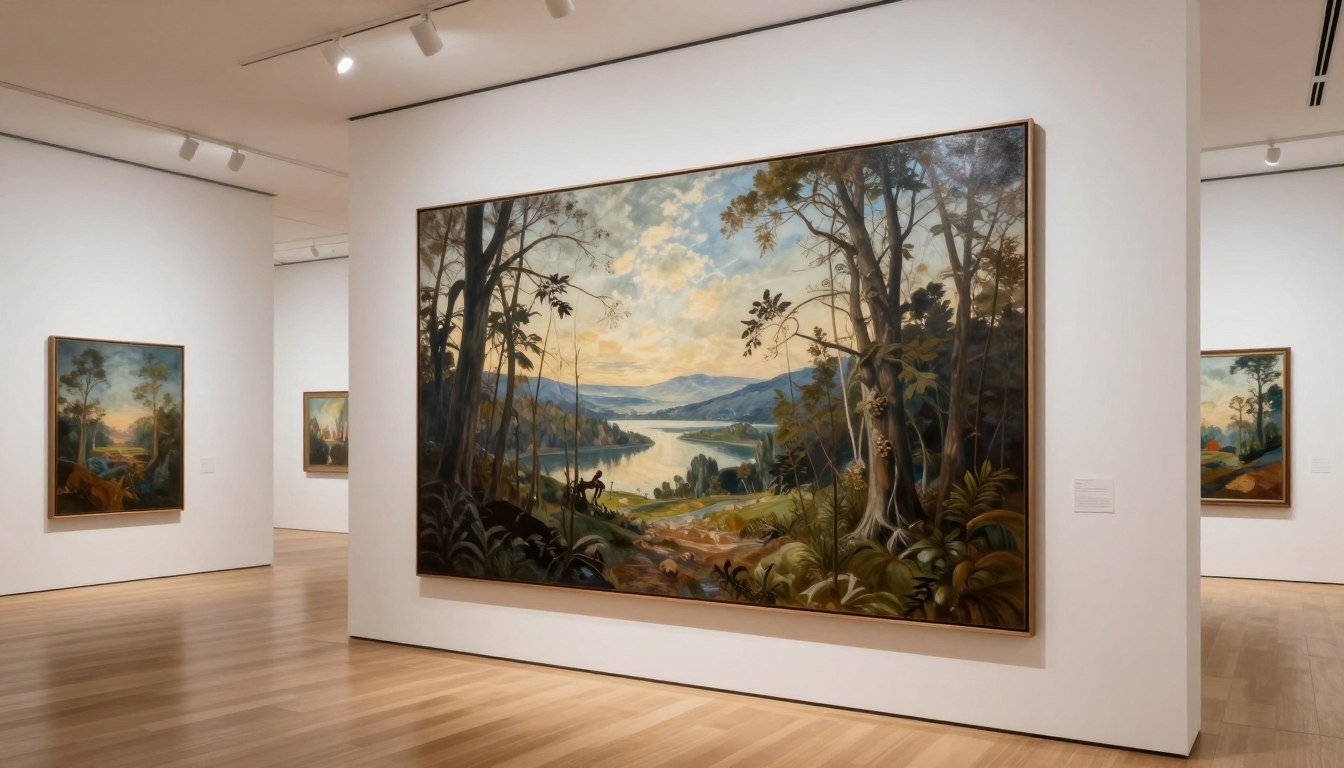

Art prints have transformed how collectors bring museum-quality artwork into their homes. The question "what is a giclee art print" matters now more than ever. These exceptional reproductions bridge the gap between original paintings and mass-produced posters. Understanding giclee technology helps you make informed decisions about wall art investments.
The term carries weight in fine art circles. Galleries worldwide recognize giclee prints as legitimate art forms. Artists trust this method to reproduce their work with precision. At Rossetti Art, we've dedicated ourselves to mastering this craft. Our commitment to excellence ensures every print meets gallery standards.
This comprehensive guide explores everything you need to know about giclee art prints. You'll discover the technology behind these remarkable reproductions. We'll examine what separates superior prints from ordinary copies. Quality matters when selecting art for your home or collection.
Understanding Giclee Printing Technology

The word "giclée" comes from French, meaning "to spray." This describes the precise inkjet printing process perfectly. Modern giclee printing uses specialized inkjet printers designed specifically for fine art reproduction. These machines differ significantly from standard home or office printers.
Professional giclee printers employ pigment-based inks rather than dye-based alternatives. This distinction proves crucial for longevity and color accuracy. Pigment inks contain microscopic particles suspended in liquid. They sit on the paper surface rather than absorbing into it. This creates richer, more vibrant colors that resist fading.
The resolution distinguishes giclee prints from other reproductions. Most giclee prints feature at least 300 dpi (dots per inch) resolution. Many exceed this standard significantly. Higher resolution captures intricate details invisible to standard printing methods. Brushstrokes, texture variations, and subtle color transitions emerge with remarkable clarity.
Essential Components
Several elements combine to create authentic giclee prints. Understanding these components helps you evaluate quality.
- Archival pigment inks with extended color gamut
- High-resolution inkjet printers (typically 2400+ dpi)
- Museum-quality substrates (canvas or fine art paper)
- Color-calibrated workflow for accuracy
- Acid-free materials throughout the process
The printing process requires meticulous attention to detail. Color management systems ensure accurate reproduction of the original artwork. Professional printers calibrate their equipment regularly. They maintain controlled environments with specific temperature and humidity levels. These precautions prevent color shifts and material distortion.
Artists appreciate how giclee printing preserves their creative vision. The technology captures subtle nuances that other methods miss. From delicate watercolor washes to bold acrylic textures, giclee reproduction handles diverse artistic styles. This versatility makes it the preferred choice for fine art reproductions worldwide.
What Makes Giclee Prints Different from Standard Prints

The difference between giclee and standard canvas prints becomes immediately apparent upon close inspection. Standard commercial printing typically uses four-color CMYK process. This limited color range struggles to reproduce the full spectrum of artistic colors. Giclee printers often use eight to twelve individual ink colors.
This expanded color range captures subtle gradations impossible with basic printing. Skin tones appear more natural. Sky blues show proper depth. The rich burgundies and deep forest greens maintain their intensity. Standard prints often appear flat or oversaturated in comparison.
Giclee vs Canvas Print Quality Standards
When examining giclee vs canvas print options, material quality plays a significant role. Standard canvas prints often use lighter-weight fabric with synthetic coatings. These materials may yellow or crack over time. Giclee canvas prints require heavyweight cotton or linen canvas.

The archival quality of pigment-based inks sets giclee apart. Standard prints using dye-based inks may fade within five to ten years. Properly produced giclee prints last 100 years or more under normal display conditions. This longevity justifies the investment for serious collectors and decorators.
Experience Rossetti's Gallery-Quality Difference
Every print in our collection meets strict giclee standards. We use premium pigment inks and museum-grade materials exclusively. Our color-calibrated process ensures accurate reproduction of every artistic detail. Discover why collectors trust Rossetti for fine art prints that endure generations.
Resolution and Detail Preservation
Resolution differences impact the final artwork significantly. Standard inkjet printers typically operate at 720 to 1200 dpi. Professional giclee printers reach 2400 dpi or higher. This increased resolution captures fine details that standard printers simply cannot reproduce.
Artists who work in detailed styles benefit most from high-resolution giclee printing. Miniature paintings, botanical illustrations, and photorealistic artwork require this level of precision. The technology preserves every intentional mark and subtle color transition.
Standard Print Characteristics
- Four-color CMYK ink process
- Resolution typically 720-1200 dpi
- Dye-based inks prone to fading
- Lighter-weight canvas or paper
- Shorter lifespan (5-10 years)
- Limited color gamut reproduction
Giclee Print Characteristics
- Eight to twelve pigment ink colors
- Resolution 2400+ dpi standard
- Archival pigment inks (100+ year lifespan)
- Museum-quality heavyweight substrates
- Extended longevity with proper care
- Expanded color range for accuracy
The investment in giclee printing technology reflects in the final product. These prints command higher prices because they deliver superior quality. For collectors building lasting collections, this quality difference justifies the cost. Standard prints serve temporary decorative purposes. Giclee prints become heirloom pieces.
Premium Materials: Paper and Canvas Options

Substrate selection dramatically affects the final appearance of giclee art prints. Two primary categories dominate the fine art printing world: paper and canvas. Each offers distinct aesthetic qualities and practical advantages.
Fine Art Paper for Giclee Prints
Museum-quality paper provides exceptional detail reproduction. Fine art papers come in various weights, typically ranging from 200 to 400 gsm (grams per square meter). Heavier papers resist warping and feel substantial to the touch.
The surface texture influences the artwork's character. Smooth papers suit photographic reproductions and detailed illustrations. Textured papers complement paintings and works with visible brushstrokes. Popular options include hot-press, cold-press, and rough surfaces. Each creates different visual effects with the same image.

Cotton rag paper represents the gold standard for giclee prints. This archival material contains no wood pulp or acids. It resists yellowing and deterioration indefinitely when stored properly. Many fine art papers contain 100% cotton fibers for maximum longevity.
Canvas for Giclee Printing
Giclee canvas prints offer a traditional painting aesthetic. The fabric texture adds dimensional quality that paper cannot match. Canvas works particularly well for reproducing oil and acrylic paintings. The texture mimics the original artwork's surface.
Professional-grade canvas for giclee printing requires specific characteristics. Cotton or linen fibers provide the best results. Poly-cotton blends offer durability but may lack the premium feel. The canvas should be acid-free and specially primed for inkjet printing.
Weight matters significantly with canvas selection. Lighter canvases may sag over time. Professional giclee canvas typically weighs 340 to 450 gsm. This substantial weight maintains tension when stretched over frames. The fabric resists sagging even in larger formats.

Smooth Fine Art Paper
Ideal for photographic reproductions and detailed illustrations. Provides maximum sharpness and color saturation. Popular for contemporary art and digital artwork.

Textured Art Paper
Complements paintings and traditional media reproductions. Adds tactile dimension to flat prints. Enhances the handmade quality of artwork.

Gallery Canvas
Traditional painting aesthetic with fabric texture. Suitable for any room without additional framing. Provides authentic artwork appearance.
The coating applied to canvas affects ink absorption and color vibrancy. Giclee-specific coatings allow pigment inks to sit properly on the surface. This prevents excessive ink absorption while maintaining color brilliance. Uncoated or improperly coated canvas produces dull, inconsistent results.
Stretching and mounting methods impact the final presentation. Gallery-wrap style extends the image around the frame edges. Traditional stretching keeps the image on the front surface only. Both approaches work well for different aesthetic preferences. Quality stretching prevents canvas warping and maintains proper tension over time.
Color Accuracy and Archival Longevity

Color management separates professional giclee printing from amateur operations. Accurate color reproduction requires calibrated equipment and standardized workflows. Without proper color management, prints may look dramatically different from the original artwork.
The Color Calibration Process
Professional print studios calibrate their monitors, scanners, and printers regularly. This creates a consistent color space throughout the production workflow. Calibration devices measure and adjust equipment to industry standards. The process ensures what you see on screen matches the final print.
Color profiles describe how devices interpret color information. Each printer, ink set, and paper combination requires a unique profile. Professional printers create custom profiles for their specific equipment and materials. This attention to detail produces consistent, predictable results.
The range of colors a device can reproduce is called its color gamut. Giclee printers with expanded ink sets reproduce wider color ranges than standard printers. This expanded gamut captures colors previously impossible to print accurately. Deep saturated blues, vibrant magentas, and rich earth tones all benefit from this technology.
Pigment Inks and Fade Resistance
Pigment-based inks form the foundation of archival giclee printing. These inks contain color particles that rest on the paper or canvas surface. Unlike dye-based inks that absorb into materials, pigment inks maintain their integrity longer.

Fade resistance testing provides scientific data about print longevity. Independent laboratories subject prints to accelerated aging conditions. These tests simulate years of light exposure in compressed time frames. Quality giclee prints regularly test at 100+ years of display life under glass.
Environmental factors affect print longevity significantly. Direct sunlight accelerates fading in any print. Humidity and temperature fluctuations can damage both inks and substrates. Proper display conditions extend print life considerably. Museums use these same principles to preserve valuable artwork.
Preservation Best Practices: Display giclee prints away from direct sunlight. Maintain consistent temperature and humidity levels. Frame under UV-protective glass for maximum longevity. Handle prints with clean, dry hands or cotton gloves. These simple steps ensure your investment lasts generations.
The combination of archival substrates and pigment inks creates remarkably stable artwork. When properly displayed and cared for, giclee prints rival the longevity of many original artworks. This permanence makes them suitable for museum collections and serious private collectors.
When to Choose Giclee: Applications and Use Cases

Giclee prints serve multiple purposes in the art world and beyond. Understanding appropriate applications helps you determine when this premium printing method makes sense. Several scenarios particularly benefit from giclee quality standards.
For Serious Art Collectors
Collectors building meaningful art collections prioritize giclee reproductions. These prints maintain value better than standard reproductions. Limited edition giclee prints signed by artists can appreciate over time. The archival quality ensures the collection remains pristine for decades.
Emerging artists use giclee printing to make their work accessible. Original paintings command high prices that limit potential buyers. Giclee reproductions allow more collectors to enjoy the artist's work. This creates multiple revenue streams while building the artist's reputation and following.

Museums and galleries rely on giclee technology for several purposes. Gift shop reproductions introduce visitors to artwork they admire. Traveling exhibitions use giclee prints when originals cannot travel. Conservation projects create archival records of important works. The technology serves preservation and education goals simultaneously.
Interior Design Applications
Interior designers specify giclee prints for high-end residential and commercial projects. The quality matches the investment in premium furnishings and architecture. Color accuracy ensures prints complement carefully chosen paint colors and fabrics. Designers appreciate the ability to specify exact sizes for challenging wall spaces.
Commercial spaces benefit from giclee durability and appearance. Hotel lobbies, corporate offices, and upscale restaurants require artwork that impresses clients. Giclee prints deliver sophistication without the insurance and security concerns of original artwork. They withstand higher traffic environments while maintaining their appearance.
Photography and Fine Art Reproduction
Professional photographers choose giclee printing for exhibition-quality prints. The expanded color gamut captures subtle tonal variations in photographic work. Black and white photography particularly benefits from the smooth gradations giclee printing provides.
Artists working in various media find giclee reproduction suitable for their needs. Watercolorists appreciate the delicate color rendering. Oil painters value the texture options canvas provides. Digital artists rely on the color accuracy and detail resolution. The versatility accommodates diverse artistic styles and techniques.
Explore Rossetti's Curated Collections
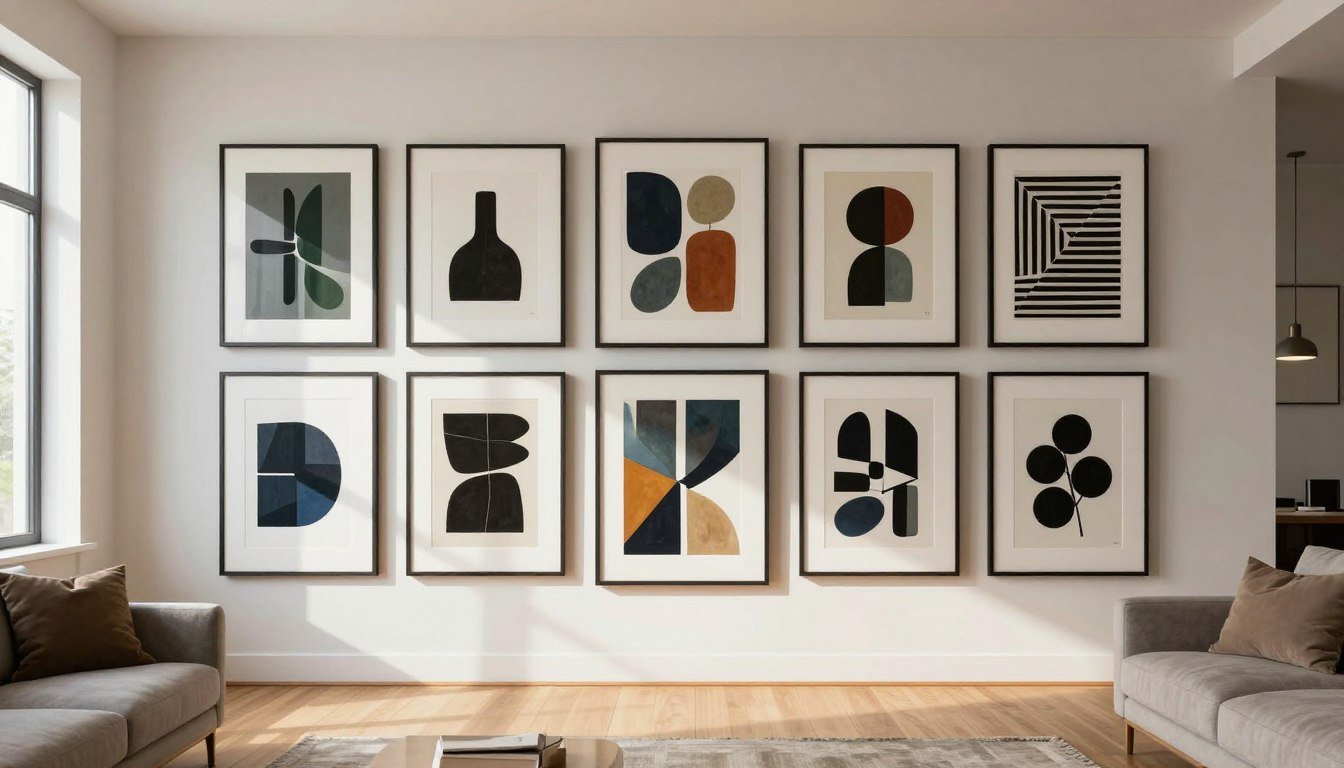
Our carefully selected collections showcase the possibilities of gallery-quality giclee printing. From bold abstract geometric designs to timeless classics, each piece demonstrates the superior color accuracy and detail that defines true giclee work. We also offer original paintings for collectors seeking one-of-a-kind pieces.
When Standard Printing Suffices
Not every printing need requires giclee quality. Temporary decorative projects work fine with standard prints. Mass-market posters for promotional purposes don't justify giclee expense. Understanding these distinctions helps allocate resources appropriately.
Budget constraints sometimes necessitate choosing standard prints initially. However, understanding giclee quality helps you make informed decisions. When resources allow upgrading to archival prints, the knowledge gained becomes valuable. Many collectors start with standard prints and gradually upgrade their collections over time.
Rossetti Art's Commitment to Giclee Excellence

At Rossetti Art, we've built our reputation on uncompromising quality standards. Our giclee printing process incorporates every best practice discussed in this guide. We understand that art collectors and designers trust us with important projects. This responsibility drives our commitment to excellence.
Our Quality Assurance Process
Every print begins with high-resolution digital files captured or created to professional standards. Our color management workflow ensures accurate reproduction from start to finish. We calibrate equipment daily to maintain consistent output. Each print receives individual inspection before leaving our studio.
We use premium pigment-based inks exclusively. Our ink sets provide expanded color gamuts that capture subtle nuances. The archival quality guarantees your investment remains vibrant for generations. We never compromise on ink quality to reduce costs.
Materials We Use
Substrate selection significantly impacts final print quality. We offer multiple museum-quality options for different aesthetic preferences. Each material meets strict archival standards for longevity.
- 100% cotton rag fine art papers (300-400 gsm)
- Premium cotton canvas (380-450 gsm)
- Acid-free mounting and framing materials
- UV-protective glazing for framed pieces
- Archival-quality stretcher bars for canvas

Expertise You Can Trust
Our team includes experienced fine art professionals who understand both technical and aesthetic requirements. This combination of skills ensures prints that satisfy the most discerning collectors. We don't just operate equipment—we understand art.
Years of experience have taught us how different artworks respond to various substrates and printing approaches. We can recommend optimal combinations for specific images. This consultative approach helps clients achieve their vision while maintaining technical excellence.
Our collection represents careful curation of artwork suitable for diverse tastes and spaces. We work with talented artists to bring their visions to collectors worldwide. Each piece in our catalog demonstrates the quality standards we uphold. Browse our offerings to see the Rossetti difference firsthand.
Making Informed Giclee Print Purchasing Decisions

Shopping for giclee art prints requires understanding what questions to ask. Not all vendors maintain the same standards. Knowing what distinguishes true giclee printing protects your investment. Several key factors deserve consideration when evaluating potential purchases.
Questions to Ask Print Providers
Legitimate giclee print sellers welcome questions about their processes and materials. Transparency indicates confidence in quality standards. Be wary of vendors who cannot or will not provide detailed specifications.
What type of printer and inks do you use?
Professional giclee printers should specify high-end inkjet equipment designed for fine art reproduction. They should use archival pigment-based inks from reputable manufacturers. Eight or more individual ink colors indicate professional-grade equipment. Avoid vendors using standard office printers or dye-based inks.
What is the print resolution?
Minimum giclee standards require 300 dpi output. Professional operations typically print at 2400 dpi or higher. Higher resolution captures finer details and smoother color transitions. This specification directly impacts final print quality.
What substrates do you offer?
Quality providers offer multiple museum-grade substrate options. Look for 100% cotton rag papers and heavyweight cotton or linen canvas. The vendor should specify paper weight (gsm) and archival properties. Avoid generic descriptions without specific technical details.
How do you ensure color accuracy?
Professional operations use calibrated color management workflows. They should mention regular equipment calibration and custom color profiles. Ask about their proofing process for custom work. Color management expertise separates professional operations from amateurs.
What is the expected print lifespan?
Properly produced giclee prints should last 100+ years under normal display conditions. Vendors should provide fade-resistance testing data from independent laboratories. Wilhelm Imaging Research represents the industry standard for longevity testing. Be skeptical of vague longevity claims without supporting data.
Evaluating Print Quality
Examining actual print samples reveals quality standards better than descriptions alone. Visit showrooms when possible to inspect prints in person. Online images cannot fully convey print quality characteristics.

Look for smooth color gradations without visible banding or posterization. Check edge quality and color consistency across the entire print. Examine dark areas for detail retention. Inspect the substrate for proper coating and professional finishing. These observations reveal production quality standards.
Understanding Pricing Structures
Giclee prints cost more than standard reproductions for legitimate reasons. Premium materials, specialized equipment, and skilled labor justify higher prices. Understanding cost factors helps evaluate whether pricing reflects quality or simply marketing.
Size affects pricing proportionally. Larger prints require more ink, materials, and handling care. Limited edition numbering may increase prices due to exclusivity. Artist signatures command premiums for original artwork reproductions. Custom sizing and framing add to base print costs.
Investment Perspective: Quality giclee prints represent long-term value rather than disposable decoration. The archival nature means one-time purchasing rather than periodic replacement. Factor longevity into cost comparisons with cheaper alternatives. A print lasting 100 years costs less per year than replacing standard prints every decade.
Beware of suspiciously low pricing on supposed giclee prints. True giclee production involves significant material and equipment costs. Drastically discounted "giclee" prints likely cut corners on quality standards. Remember that authentic archival materials cost substantially more than standard alternatives.
Caring for Your Giclee Art Prints

Proper care maximizes the lifespan of giclee prints. While these reproductions resist fading better than standard prints, environmental factors still affect longevity. Simple precautions protect your investment for decades or centuries.
Display Considerations
Light exposure represents the primary threat to print longevity. Direct sunlight accelerates fading even in archival prints. Position artwork away from windows receiving direct sun. South-facing walls in the Northern Hemisphere receive the most intense light. Consider this when planning display locations.
Artificial lighting requires attention as well. Halogen and incandescent bulbs emit heat that can damage prints over time. LED lighting provides cooler operation while offering excellent color rendering. Use UV-filtering picture lights for displayed artwork. These specialized lights protect prints while enhancing visibility.
Humidity and temperature fluctuations stress both inks and substrates. Maintain consistent conditions in display areas. Avoid hanging prints near heat sources or air conditioning vents. Basements and bathrooms present challenging environments for fine art. The humidity extremes in these spaces can cause paper warping and mold growth.
Framing Best Practices
Professional framing enhances appearance while providing crucial protection. Use acid-free materials throughout the framing process. Mat boards should be museum-quality, buffered, and lignin-free. Standard framing materials can damage prints over decades through acid transfer.

Glazing options significantly impact print protection. Standard glass offers minimal UV protection. Museum glass blocks up to 99% of harmful UV rays while providing excellent clarity. Acrylic glazing alternatives offer shatter resistance for high-traffic areas or large formats. The investment in quality glazing pays dividends in extended print life.
Spacers prevent prints from touching glazing directly. This air gap prevents moisture condensation and stuck materials. Canvas prints typically don't require glazing but benefit from protective varnishes. Apply varnishes carefully following manufacturer instructions or hire professionals for this delicate work.
Cleaning and Maintenance
Minimal intervention represents the best approach to print maintenance. Dust frames regularly with soft, dry cloths. Avoid touching the print surface directly. Skin oils and moisture can damage inks and substrates over time.
Canvas prints may accumulate dust in texture crevices. Use a soft brush to gently remove surface dust. Never use water or cleaning solutions on unvarnished canvas. For stubborn dirt, consult professional art conservators rather than attempting aggressive cleaning.
Paper prints under glass require less frequent attention. Clean glass with standard glass cleaners, but spray onto the cloth rather than directly on glass. This prevents solution from seeping behind the glazing. Remove frames from walls for thorough cleaning to avoid drips and moisture damage.
Never Do These: Don't use tape or adhesives directly on prints. Avoid displaying unframed prints in humid environments. Never attempt to iron or flatten wrinkled prints yourself. Don't spray cleaners directly onto framed artwork. Avoid hanging prints in direct sunlight regardless of glazing protection. When in doubt, consult professional conservators for advice on specific situations.
Storage Recommendations
Proper storage protects prints not currently displayed. Store prints flat when possible to prevent creasing. Use acid-free folders or portfolios for protection. Interleave prints with glassine or acid-free tissue paper to prevent surface abrasion.
Climate-controlled storage areas maintain consistent temperature and humidity. Avoid attics and basements where conditions fluctuate dramatically. Keep stored prints away from floor level to protect against potential flooding. Check stored artwork periodically for any signs of deterioration.
Canvas prints should not be stored rolled for extended periods. Rolling can crack inks and damage canvas fibers. If rolling becomes necessary, roll face-out with the largest possible diameter. Use acid-free paper around the roll for protection. Store rolled canvas vertically to prevent crushing.
Investing in Quality Art for Your Space

Understanding what is a giclee art print empowers you to make informed decisions about wall art. These exceptional reproductions bring museum-quality artwork into homes and offices worldwide. The technology combines artistic vision with scientific precision. Results rival original artwork in appearance while offering greater accessibility.
Quality distinctions matter significantly in fine art printing. Giclee standards separate lasting investments from temporary decoration. Archival materials and pigment-based inks ensure your artwork endures generations. This longevity transforms prints from expenses into heirloom pieces passed down through families.
The applications for giclee prints span from serious art collectors to interior designers creating sophisticated spaces. Museums trust this technology for reproductions and conservation. Commercial spaces leverage giclee quality to impress clients and visitors. Home collectors build meaningful collections accessible at various price points.
Rossetti Art exemplifies the commitment to quality that defines legitimate giclee printing. Our processes incorporate every best practice and premium material discussed throughout this guide. We understand the responsibility collectors place in our hands. Each print receives the attention to detail that creates gallery-worthy results.
Begin Your Giclee Art Collection Today
Discover the Rossetti Art difference in every print we produce. Our collections showcase diverse artistic styles, all rendered with uncompromising giclee quality standards. From contemporary abstract designs to classic compositions, each piece demonstrates the superior color accuracy, detail resolution, and archival longevity that defines true giclee work. Invest in artwork that enriches your space for decades to come.
Make informed choices when selecting giclee art prints. Ask providers detailed questions about their processes and materials. Examine print samples in person when possible. Understand pricing structures and what justifies investment in quality reproductions. These steps protect you from misleading marketing and inferior products.
Care for your giclee prints properly to maximize their exceptional lifespan. Display artwork away from direct sunlight and environmental extremes. Use museum-quality framing materials and UV-protective glazing. These simple precautions ensure your investment maintains its beauty for a century or more.
The world of fine art printing continues evolving with technological advances. Giclee standards represent current best practices for quality reproduction. Understanding these standards helps you navigate the market confidently. Whether building a serious collection or selecting perfect pieces for your home decor, knowledge empowers better decisions.
Your walls deserve artwork that inspires and endures. Giclee prints offer the perfect balance of quality, accessibility, and longevity. The investment in proper giclee reproduction pays dividends in daily enjoyment and lasting value. Choose wisely, display properly, and enjoy gallery-quality art in your own space for generations.

About the Author
Chiara Rossetti
Chiara Rossetti is the founder of Rossetti Art, a canvas print and original art brand. She writes about interior design, wall art styling, and the art of making a home feel alive.


Leave a comment
This site is protected by hCaptcha and the hCaptcha Privacy Policy and Terms of Service apply.