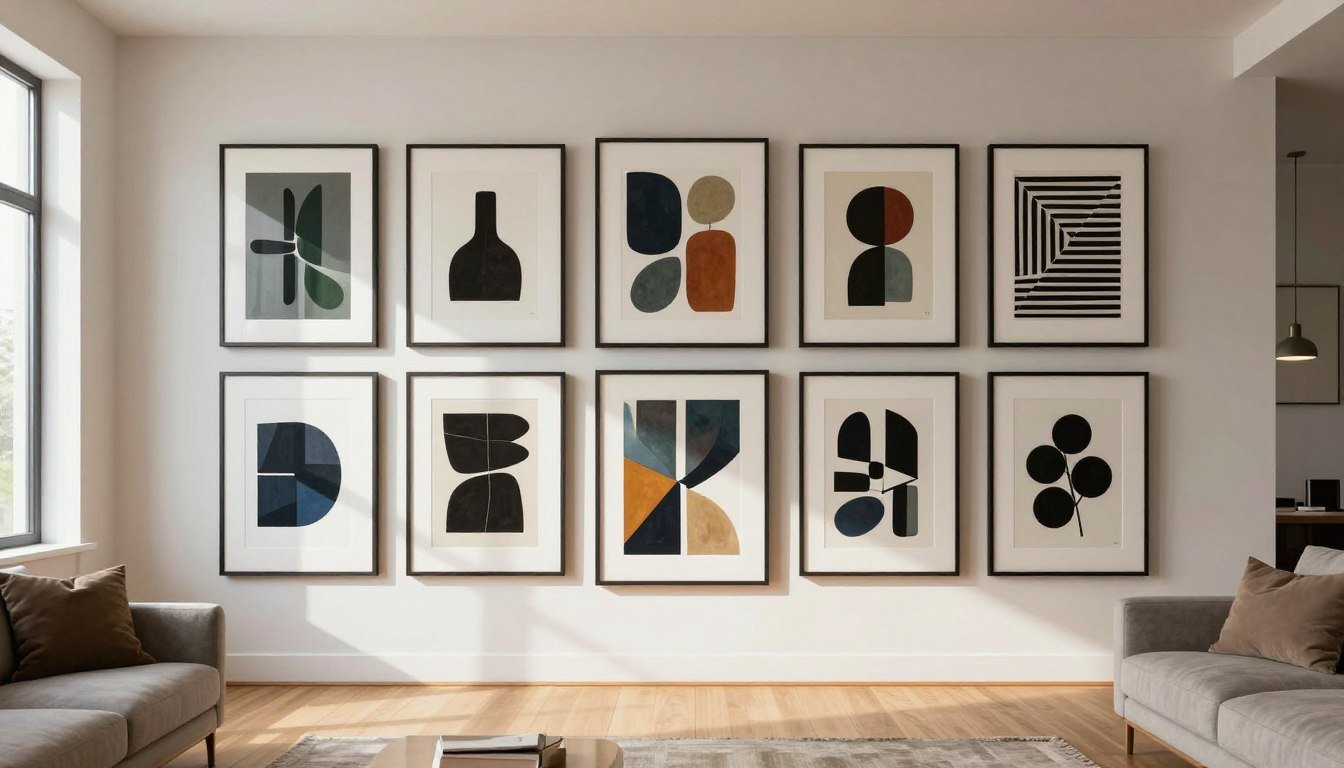

The fine art print market has transformed dramatically. What was once a niche reserved for galleries and collectors has become accessible to discerning homeowners seeking authentic quality for their spaces. Yet navigating the difference between genuine fine art and mass-produced reproductions remains challenging for many buyers.
This comprehensive guide illuminates what truly defines a fine art print. You'll discover the materials that matter, the production standards that separate exceptional from ordinary, and how to select pieces that elevate your environment while holding lasting value.
Explore Curated Fine Art Collections
Discover museum-quality prints and original artwork selected for discerning collectors and design enthusiasts.
What Defines a Fine Art Print: Beyond Standard Reproductions

A fine art print transcends mere reproduction. It represents a carefully controlled artistic process where materials, technology, and craftsmanship converge to create museum-worthy artwork. The distinction lies not just in appearance but in longevity and authenticity.
The Giclée Standard
Modern fine art printing relies predominantly on giclée technology. This French term meaning "to spray" describes a specialized inkjet process using archival pigment inks. Unlike standard printing methods that use four colors, giclée printers employ eight to twelve individual ink cartridges.
This expanded color palette captures subtle gradations impossible with conventional printing. The result reproduces the original artwork's nuance with remarkable fidelity. Artists and photographers worldwide trust this method for limited edition releases.

Limited Editions and Artist Proofs
Authentic fine art prints typically exist as numbered limited editions. Each print receives a number indicating its position within the total run, such as "15/100." This scarcity preserves value and collectibility.
Artist proofs represent an even more exclusive category. Marked "A/P" or "E/A," these prints traditionally comprise ten to fifteen percent of the edition. Originally created for the artist's approval, they now command premium prices among collectors.

Canvas Versus Paper Distinctions
Fine art prints manifest on two primary media, each offering distinct aesthetic qualities. Canvas prints deliver texture and presence that echoes traditional paintings. The woven surface creates dimensionality that changes subtly with viewing angle and light.
Paper prints emphasize precision and detail. Premium canvas prints from specialized studios offer both media with identical quality standards. The choice depends entirely on your aesthetic preferences and display environment.
Certification and Provenance
Legitimate fine art prints include certificates of authenticity. These documents verify the edition number, printing method, paper type, and artist signature. They establish provenance essential for insurance and resale value.
Documentation should specify ink permanence ratings and paper archival standards. This information confirms the print meets museum preservation criteria for light exposure and environmental stability.
Materials and Production Quality: The Foundation of Excellence

Material selection determines whether your fine art print remains vibrant for generations or fades within years. Understanding these components empowers informed purchasing decisions that protect your investment.
Art Paper: The Archival Foundation
Museum-grade art paper begins with fiber content. The finest prints use one hundred percent cotton rag paper, completely acid-free and lignin-free. These natural fibers resist yellowing and deterioration that plague wood-pulp alternatives.
Paper weight matters significantly. Professional fine art paper typically ranges from 190 to 350 GSM (grams per square meter). Heavier weights provide superior durability and a luxurious feel that announces quality immediately.

Surface Texture Variations
Fine art paper surfaces range from smooth hot-press to heavily textured cold-press varieties. Smooth papers excel for photography and detailed artwork requiring precision. Textured papers enhance paintings and abstracts by adding tactile dimension.
Popular surfaces include smooth matte, fine art textured, and watercolor. Each imparts unique character to the final print. Matte surfaces minimize glare in bright spaces, while textured options add painterly qualities.
Pigment Ink Technology
Archival pigment inks separate fine art prints from standard reproductions. These microscopic particles suspend in liquid rather than dissolving like dyes. The physical nature provides superior light resistance and longevity.
Quality pigment inks carry lightfastness ratings exceeding one hundred years under museum display conditions. Independent testing by Wilhelm Imaging Research establishes these benchmarks. Manufacturers like Epson UltraChrome and Canon LUCIA achieve these standards consistently.

Canvas Quality Standards
Premium canvas for fine art prints uses natural cotton or poly-cotton blends. Pure cotton offers traditional texture and archival properties. Poly-cotton blends provide enhanced durability and moisture resistance for challenging environments.
Canvas weight typically ranges from 350 to 450 GSM for fine art applications. This substantial weight prevents sagging and maintains tension over time. The weave density affects texture visibility and image sharpness.
Frame Specifications
Framing elevates fine art prints from mere decoration to gallery-worthy installations. Museum-quality frames use solid hardwood construction with archival matting. The mat board must be acid-free and lignin-free to prevent chemical migration.
UV-protective glass or acrylic shields prints from light damage while maintaining visual clarity. Anti-reflective coatings enhance viewing under various lighting conditions. Framed wall art from reputable sources includes these protective elements as standard.

Premium Frame Materials
Solid hardwood frames provide stability and longevity. Common choices include oak, maple, walnut, and ash. Each wood species offers distinct grain patterns and color tones that complement different art styles.

Glass Protection Levels
Conservation glass blocks up to seventy percent of UV light. Museum glass achieves ninety-nine percent UV filtration with anti-reflective coating. This investment significantly extends print lifespan in light-exposed locations.
Museum-Quality Framed Wall Art
Browse our collection of professionally framed fine art prints featuring archival materials and UV-protective glazing.
How to Choose Fine Art Prints for Your Space

Selecting fine art prints requires balancing aesthetic preferences with practical considerations. The right choice enhances your environment while reflecting personal taste and design sensibility.
Scale and Proportion Guidelines
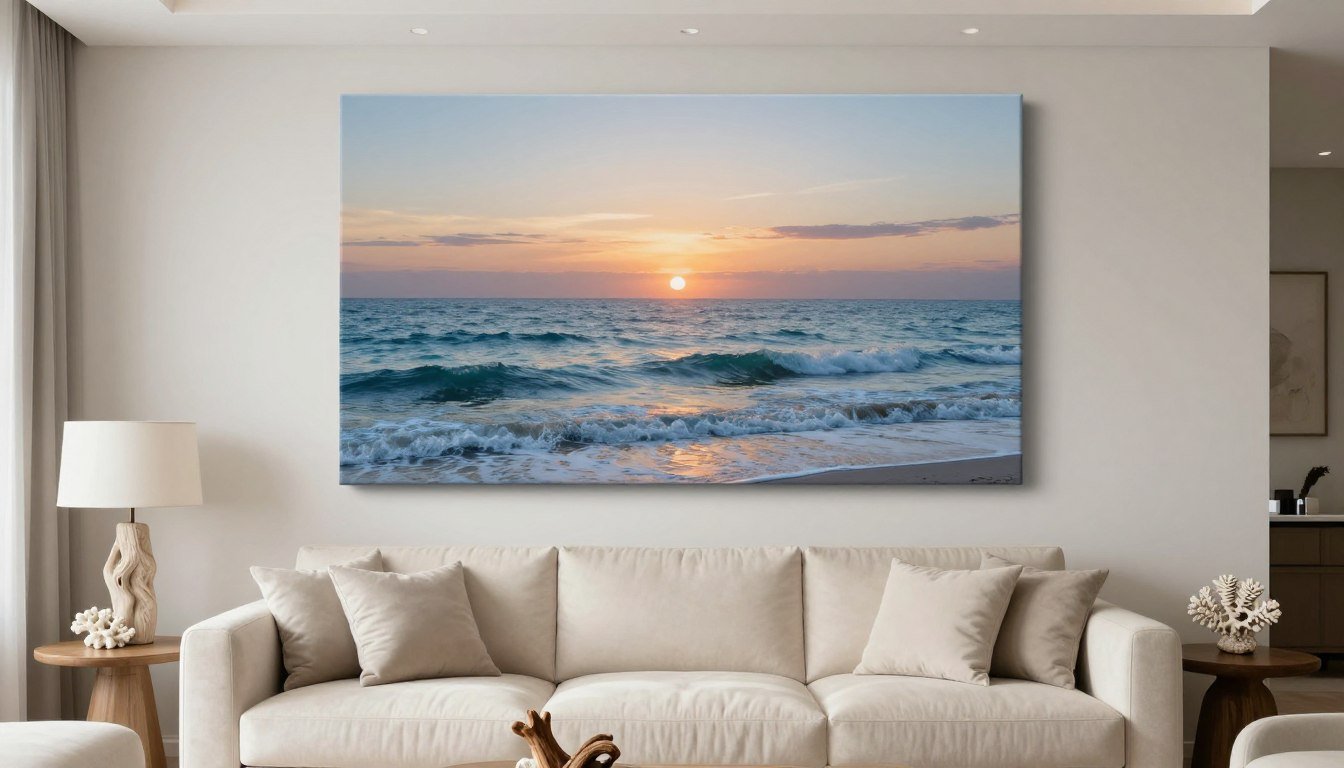
Size relationships determine visual impact and harmony. As a general rule, wall art should occupy sixty to seventy-five percent of available wall space width. A print spanning forty-eight to sixty inches works well above a standard sixty-inch sofa.
Ceiling height influences vertical proportions. Standard eight-foot ceilings accommodate prints up to forty inches tall comfortably. Higher ceilings permit larger formats that command attention without overwhelming the space.

Color Coordination Strategies
Successful color integration follows one of two approaches: complementary or analogous schemes. Complementary selections introduce contrasting hues that energize spaces. Analogous choices use adjacent color wheel positions for harmonious calm.
Contemporary interiors often feature one bold statement piece with strong color presence. Alternatively, curated collections using consistent color palettes create sophisticated visual narratives. Both strategies work when executed with intention.
Style Consistency
Your home's architectural style guides appropriate art selection. Modern minimalist spaces benefit from abstract geometric canvas prints with clean lines. Traditional interiors accommodate classical subjects and ornate frames.
Contemporary eclectic design permits mixing styles intentionally. The key lies in identifying connecting elements like color palette, frame finish, or subject matter that unify diverse pieces.

Lighting Considerations
Natural and artificial lighting dramatically affect print appearance. South-facing walls receive intense sunlight requiring UV-protective glazing. North-facing locations offer consistent indirect light ideal for displaying fine art without additional protection.
Artificial lighting should use LED fixtures with high CRI (Color Rendering Index) ratings above ninety. This ensures accurate color representation. Avoid direct spotlights that create hot spots and accelerate fading.

Room-Specific Recommendations
Each room presents unique opportunities for fine art display. Living rooms serve as primary galleries where larger statement pieces anchor conversation areas. These high-visibility locations justify investing in premium prints that reflect your aesthetic seriously.
Bedrooms benefit from calming subjects and softer color palettes. Photography, landscapes, and abstracts in muted tones promote relaxation. Personal spaces permit more adventurous choices that might overwhelm public areas.
Dining rooms traditionally feature still life paintings, but contemporary approaches embrace any subject that sparks conversation. The key consideration involves avoiding direct cooking moisture and grease exposure.

Living Room Collections
Statement pieces ranging from forty to seventy inches create dramatic focal points. Consider gallery walls combining multiple prints for visual interest and personalization.

Bedroom Selections
Medium-sized prints measuring twenty-four to forty inches work well above beds. Horizontal orientations complement standard bed widths while maintaining visual balance.

Dining Spaces
Vertical prints suit narrow dining room walls effectively. Choose subjects that complement your entertaining style without dominating table conversation.
Living Room Fine Art Collections
Discover curated collections specifically selected for living spaces, featuring appropriate scales and styles for your home's main gathering area.
Why Fine Art Prints Matter: Investment Value Versus Mass Production

The price gap between fine art prints and mass-produced alternatives raises questions for many buyers. Understanding what justifies premium pricing reveals value that extends far beyond initial purchase cost.
Longevity and Preservation
Mass-produced prints use dye-based inks on acid-laden paper. These materials begin degrading immediately upon light exposure. Visible fading occurs within months in sunny locations. Within five years, even protected pieces show significant color shift.
Fine art prints using archival materials maintain color accuracy for generations. Properly displayed pieces retain original vibrancy exceeding one hundred years. This longevity transforms purchases into heirlooms rather than temporary decoration.

Aesthetic Superiority
The visual difference between production methods becomes apparent upon close examination. Mass production uses four-color offset printing with visible dot patterns under magnification. Colors appear flat with limited tonal range.
Giclée printing eliminates visible patterns while rendering subtle gradations impossible with conventional methods. The expanded color gamut captures nuances that bring images to life with dimensionality and depth.
Collectibility and Appreciation
Limited edition fine art prints can appreciate in value, particularly works by recognized artists. Numbered editions with proper documentation establish provenance essential for resale markets. Collectors actively seek quality pieces from established and emerging artists.
Mass-produced prints hold no secondary market value. They function as disposable decoration with negligible resale potential. This fundamental difference affects how you view art purchases financially.

Supporting Artists and Craftsmanship
Purchasing fine art prints directly supports working artists, photographers, and skilled printmakers. Your investment funds creative processes and sustains artistic communities. This connection adds meaningful dimension to ownership.
Mass production benefits large corporations with minimal artistic involvement. The disconnect between creator and consumer diminishes the personal significance that makes art meaningful beyond mere decoration.
Environmental Considerations
Quality fine art printing prioritizes sustainable materials. Cotton rag paper uses renewable resources. Archival inks contain fewer volatile compounds than industrial alternatives. Premium printers often implement environmentally conscious practices.

Customization Options
Fine art print services offer size customization, paper selection, and framing choices impossible with mass-market alternatives. This flexibility ensures perfect integration with your specific space requirements and aesthetic preferences.

The Original Artwork Alternative
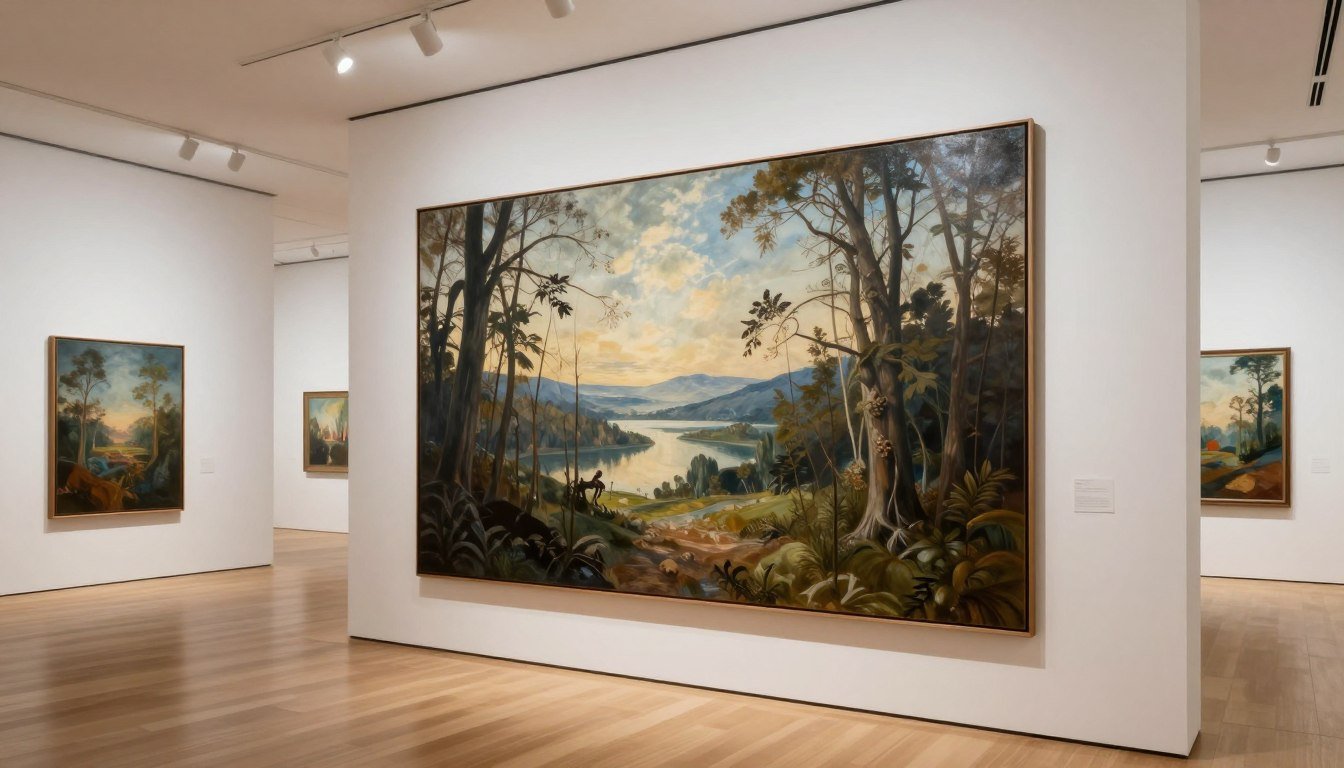
For those seeking absolute uniqueness, original paintings represent the ultimate investment. One-of-a-kind works carry inherent value that reproductions cannot match. They offer direct connection to the artist's hand and creative process.
Original artwork appreciation potential exceeds limited edition prints significantly. Established artists see steady value increases, while emerging artists offer accessible entry points with growth potential. The emotional and financial rewards justify serious consideration.

Invest in Original Paintings
Explore our collection of original artwork from established and emerging artists. Each piece represents a unique investment in authentic creativity.
Making Informed Fine Art Print Decisions

The choice between fine art prints and mass-produced alternatives ultimately reflects your values regarding quality, longevity, and aesthetic standards. Understanding materials, production methods, and selection criteria empowers confident decisions that enhance your environment for decades.
Fine art prints offer accessible entry to collecting while maintaining museum-worthy quality. They bridge the gap between poster reproductions and original artwork, providing exceptional value for those who appreciate craftsmanship and lasting beauty.
Your home deserves art that inspires daily and withstands time's passage. Whether selecting contemporary abstracts, classical photography, or modern interpretations, choosing archival quality ensures your investment remains vibrant and meaningful for generations.
Begin Your Fine Art Collection
Explore Rossetti Art's curated collections featuring museum-quality fine art prints, original paintings, and professionally framed artwork. Each piece meets the highest standards for materials, production, and artistic excellence.

About the Author
Chiara Rossetti
Chiara Rossetti is the founder of Rossetti Art, a canvas print and original art brand. She writes about interior design, wall art styling, and the art of making a home feel alive.

Leave a comment
This site is protected by hCaptcha and the hCaptcha Privacy Policy and Terms of Service apply.