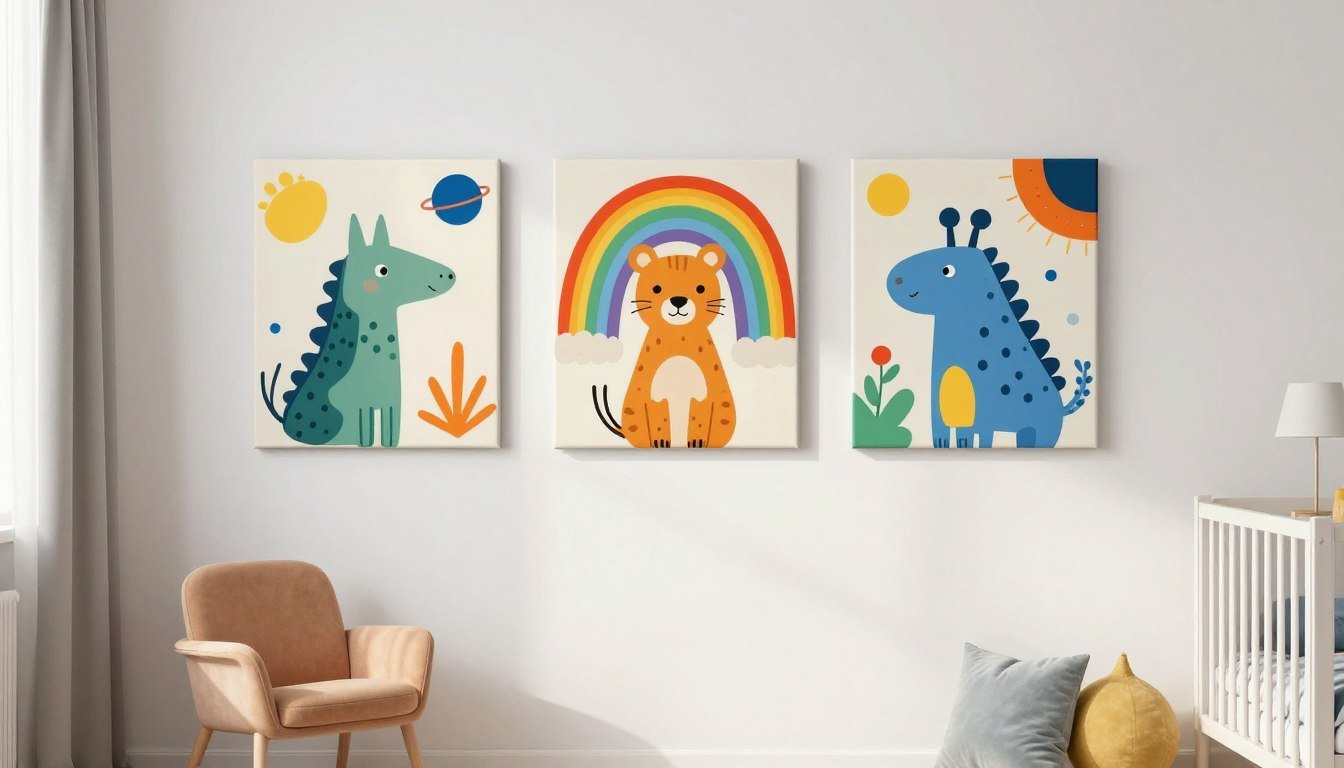

Creating the perfect space for your child means more than just picking furniture. Wall art for children's bedroom design shapes how kids feel, learn, and grow in their personal space. The right piece can spark imagination and create a room your child truly loves.
Parents today face countless choices when decorating kids' rooms. From playful animal prints to educational designs, the options seem endless. This guide breaks down everything you need to know about selecting wall décor that works for your child's age, interests, and room style.
Your child's bedroom should inspire creativity while feeling safe and comfortable. We'll explore themes, colors, placement strategies, and practical tips to help you make confident decisions. Whether you're designing a nursery or updating a teenager's space, you'll find actionable advice here.
Why Wall Art Matters in Children's Bedroom Design

Wall art serves multiple purposes beyond decoration. Research shows that visual stimulation affects child development. The pieces you choose influence mood, learning, and emotional growth. A well-decorated room becomes a foundation for creativity.
Children spend significant time in their bedrooms. These spaces function as play areas, study zones, and retreat spots. Art on the walls defines the atmosphere and makes the room feel personalized. Kids develop stronger connections to spaces that reflect their personalities.
The right art choices create focal points that organize a room visually. They draw the eye and establish color schemes. Quality pieces grow with your child through different developmental stages. Investment in thoughtful décor pays dividends in your child's comfort and happiness.

Developmental Benefits of Visual Stimulation
Babies and toddlers benefit from high-contrast images and simple shapes. These elements support visual development and cognitive growth. As children age, more complex art introduces new concepts and ideas. Wall décor becomes an educational tool.
Studies indicate that exposure to art encourages creative thinking. Children who grow up surrounded by visual stimulation develop stronger problem-solving skills. The colors, patterns, and subjects in bedroom art contribute to this development naturally.
Creating Emotional Connections to Space
A personalized room helps children feel secure and valued. When kids participate in choosing their wall art, they develop ownership of their space. This involvement builds confidence and decision-making skills at any age.
Art pieces featuring favorite animals, characters, or colors create positive associations. These connections make bedtime routines easier and encourage independent play. The emotional comfort of a well-designed room supports better sleep and reduced anxiety.
If You Love Playful Kids' Art, Here Are 3 Prints That Bring Joy to Any Room
These popular canvas prints from our collection capture the perfect blend of whimsy and style for children's spaces. Each piece is printed on museum-quality canvas and arrives ready to hang.

Playful Safari Animals
Gentle watercolor animals bring warmth and imagination to any nursery or playroom. These friendly creatures create a calm, nurturing atmosphere.

Rainbow Geometry
Bold shapes and bright colors stimulate creativity and learning. Perfect for energetic kids who love vibrant, modern design elements in their space.

Dreamy Botanicals
Soft florals and nature scenes create peaceful environments. Ideal for bedrooms where calm and rest are priorities, especially for baby girl nurseries.
Choosing Age-Appropriate Wall Art for Children's Bedroom Spaces

Children's needs change dramatically as they grow. Wall art should evolve with developmental stages. What captivates a newborn differs entirely from what inspires a preteen. Understanding these differences helps you make choices that remain relevant longer.
Age-appropriate art considers cognitive development, interests, and room function. Infants need different visual stimulation than school-age children. Selecting pieces with growth potential prevents constant redecorating while maintaining age-appropriate design.
Infant and Toddler Rooms (Ages 0-3)

Newborns see best at close range with high contrast. Black and white prints support early visual development. Simple shapes and patterns hold infant attention without overwhelming. Soft colors promote calm for better sleep patterns.
As babies become toddlers, introduce gentle colors and friendly animals. Avoid scary or intense imagery. Choose animal canvas prints with welcoming expressions. These pieces comfort children and spark early language development when parents name the creatures.
Safety remains paramount. Secure all wall art properly above cribs and changing areas. Avoid glass frames in rooms with active toddlers. Canvas prints offer durability without safety concerns. Choose simple, calming themes that won't overstimulate before sleep time.
Preschool and Early Elementary (Ages 4-7)

This age group thrives on bright colors and recognizable subjects. Educational pieces featuring letters, numbers, or maps support learning. Children develop strong preferences during these years. Involving them in art selection builds confidence.
Popular themes include favorite storybook characters, dinosaurs, space, and vehicles. Kids room canvas prints featuring these subjects create excitement about their personal space. Mix fun imagery with educational elements for balanced decoration.
Consider gallery walls with multiple smaller pieces. This approach lets you combine different themes and easily swap pieces as interests change. Line art prints work well for this age, offering visual interest without clutter. The playroom aesthetic carries naturally into bedroom design.

Older Children and Preteens (Ages 8-12)

Older kids want spaces that feel more grown-up. Move away from baby themes toward sophisticated designs. Sports, hobbies, and personal interests should guide selections. Abstract or geometric patterns appeal to this age group.
Children this age often request input on decoration decisions. Their opinions matter more as they develop identity. Pop art canvas prints or music-related imagery resonates with preteens exploring cultural interests.
Black and white photography or minimalist line art creates teen-adjacent style. These choices transition well into adolescence. Focus on quality over quantity. A few statement pieces work better than busy, childish collections. The bedroom becomes a reflection of maturing taste.
Teenagers (Ages 13+)

Teenagers need control over their space. Wall art becomes self-expression. They gravitate toward prints reflecting personal style, favorite cities, or inspirational messages. Give them budget parameters and let them choose.
Many teens prefer cityscape canvas prints or abstract designs over kid-focused art. Movie icons, band imagery, or vintage posters align with developing tastes. The room evolves into a young adult space rather than a child's bedroom.
Quality matters more at this stage. Invest in pieces that could transition to college dorms or first apartments. Canvas print sets allow flexibility in arrangement. Teens appreciate aesthetic cohesion and design principles. Trust their judgment while offering guidance on quality and longevity.
Popular Themes and Styles for Children's Bedroom Wall Art

Theme selection sets the foundation for room design. Popular subjects emerge across age groups and genders. Understanding trending themes helps narrow overwhelming options. The best themes balance child appeal with design versatility.
Some themes withstand time better than others. Classic subjects offer longevity while trendy choices may need updating. Consider your willingness to redecorate when choosing between timeless and current popular options. Many parents blend both approaches successfully.
Animals and Nature

Animal art remains perpetually popular across all ages. From baby safari prints to realistic wildlife photography, creatures captivate kids. Animal canvas prints work in virtually any room style. They introduce children to biodiversity and environmental awareness.
Woodland creatures suit nature-themed nurseries. Ocean animals work beautifully in coastal or nautical rooms. Dinosaurs fascinate children interested in science and history. Birds, butterflies, and insects appeal to curious minds. The variety within animal art ensures perfect matches for any child.
Botanical prints offer gentler nature themes. Flowers, trees, and plants create peaceful atmospheres. These pieces work especially well in girl nurseries or rooms needing calming energy. Botanical wall art prints introduce natural beauty without overwhelming young children.

Space and Science

The universe fascinates children of all ages. Planets, rockets, and astronauts inspire wonder and curiosity. Space themes work particularly well for boys but appeal across genders. These prints encourage interest in STEM subjects naturally.
Stars and constellations create magical nighttime atmospheres. Glow-in-the-dark elements add interactive fun. Solar system art serves educational purposes while looking stunning. Space themes remain relevant from toddlerhood through teenage years with appropriate style updates.
Fantasy and Imagination

Unicorns, dragons, and fairy tale scenes spark imagination. Fantasy themes create magical environments where anything feels possible. These subjects encourage creative play and storytelling. Castles, princesses, and knights remain classic choices.
Cloud and rainbow art bridges fantasy with abstract design. These pieces work in various room styles while maintaining whimsy. Fantasy themes particularly appeal to children who love reading and make-believe play. The imagery supports developing creativity and narrative thinking.
Educational and Learning-Focused

Alphabet and number art makes learning part of daily environment. Maps introduce geography and cultural awareness. Educational prints serve dual purposes as decoration and teaching tools. Parents appreciate functionality combined with style.
Choose designs that don't feel like classroom posters. Modern typography and creative presentations keep educational art stylish. These pieces work best in play areas or study zones rather than directly over beds. Balance learning elements with purely decorative pieces throughout the room.
Abstract and Geometric

Modern parents increasingly choose abstract designs over literal imagery. Geometric patterns offer sophistication while remaining playful. Abstract canvas prints grow with children without feeling juvenile. These pieces suit contemporary design aesthetics.
Color blocking and shape studies stimulate visual development. Abstract art encourages interpretation and personal meaning-making. Children see different things in abstract pieces as they age. This evolution makes abstract choices particularly long-lasting investments.

Sports and Activities

Athletic kids love seeing their favorite sports represented. Soccer, basketball, dance, and gymnastics art reflects personal passions. These themes work particularly well for children heavily involved in activities. Sports imagery motivates and celebrates achievements.
Vintage sports posters offer nostalgic charm. Action photography captures movement and energy. Team colors can coordinate with existing room palettes. Sports themes strongly appeal to active children needing physical expression outlets.
Vehicles and Transportation

Cars, planes, trains, and construction vehicles captivate many children. Cars canvas prints range from vintage classics to modern supercars. Transportation themes suit active, mechanical-minded kids. These subjects encourage interest in engineering and technology.
Vintage vehicle posters add retro charm to rooms. Bold, simplified transportation graphics work in modern spaces. This theme particularly resonates with boys but appeals to many vehicle-enthusiastic children regardless of gender.
Color Psychology in Children's Bedroom Wall Art

Colors profoundly affect mood and behavior. The hues in wall art influence how children feel in their space. Understanding color psychology helps create environments supporting desired activities. Different areas of the room may benefit from different color approaches.
Sleep zones need calming colors while play areas can handle brighter stimulation. Art selection allows targeted color placement without painting entire rooms. Strategic use of color through wall décor shapes room atmosphere effectively.
Calming Colors for Rest and Relaxation

Blue promotes relaxation and reduces anxiety. It lowers heart rate and encourages calmness. Soft blues work beautifully in bedrooms prioritizing sleep quality. Ocean and sky imagery naturally incorporates these soothing tones.
Green connects children to nature and creates balance. It's neither too stimulating nor too sedating. Green promotes concentration and peace. Forest scenes and botanical wall art prints bring these calming benefits naturally.
Lavender and soft purple reduce stress and promote tranquility. These colors work especially well for anxious children or busy households. Purple adds sophistication while maintaining gentle energy. It bridges pink and blue, making it versatile across genders.
Energizing Colors for Play and Creativity

Yellow stimulates happiness and mental activity. It energizes without aggression. Sunny yellow art brightens rooms and lifts spirits. Use yellow in play areas or study zones rather than directly above beds. Too much yellow can actually increase anxiety in some children.
Orange combines energy with warmth. It encourages social interaction and creativity. Orange works well in playrooms or shared sibling spaces. It's less overwhelming than red while still providing stimulation. Sunset and autumn imagery introduces orange naturally.
Red increases energy and excitement. It stimulates appetite and activity. Use red sparingly in small children's rooms as it can be overstimulating. Red accents in art rather than dominant red pieces work better for most bedrooms. Active children may have more difficulty settling with too much red.
Neutral and Versatile Color Choices

Neutrals provide longevity and flexibility. Beige, gray, and cream work across age ranges and design changes. Black and white canvas prints offer striking contrast without color commitment. These pieces adapt to evolving room styles effortlessly.
Neutral art allows bold color in other room elements. Bedding, rugs, and accessories provide changeable color while wall art remains constant. This approach reduces redecorating needs as children's color preferences change. Neutrals create sophisticated, timeless spaces.
Line art in black or gray adds visual interest without color saturation. Line art canvas prints work in modern, minimalist rooms. They appeal to older children wanting mature aesthetics. Neutral art choices demonstrate that children's spaces can be stylish without being juvenile.
Balancing Multiple Colors

Rainbow and multi-colored art requires careful consideration. Too many competing colors create visual chaos. When choosing colorful pieces, ensure they share common tones or intensity levels. This creates cohesion despite variety.
Use the 60-30-10 rule: 60% dominant color, 30% secondary color, 10% accent color. Apply this principle when selecting multiple art pieces. The wall art can contain all three colors while room elements reinforce the ratio. This creates professional-looking, balanced design.
Consider existing room elements when choosing art colors. Coordinate with furniture, bedding, and flooring. Wall art should complement rather than clash with established elements. Pull colors from patterns in textiles to create unified schemes. Cohesive color use elevates the entire space.
Match This Vibe to Your Space
Ready to bring these ideas to life? Our curated collections make it easy to find the perfect wall art for your child's unique personality and room style.

Kids & Nursery Collection
Discover gentle animals, soft colors, and age-appropriate designs perfect for little ones. Every print is carefully curated for safety and developmental appropriateness.

Animal Canvas Prints
From safari adventures to woodland friends, bring nature indoors with prints that educate and inspire. Perfect for animal-loving kids of all ages.

Abstract & Geometric
Stimulate creativity with modern designs that grow with your child. Bold colors and shapes that never feel too childish or dated.

Botanical Nature Prints
Create calming, nature-inspired spaces with gentle florals and plants. Ideal for bedrooms where peace and rest are priorities.
Strategic Placement and Sizing for Children's Bedroom Wall Art

Where you hang art matters as much as what you hang. Proper placement creates visual balance and maximizes impact. Size relationships between art and furniture ensure cohesive design. Strategic positioning makes rooms feel larger and more intentional.
Children's height differs from adults. Consider viewing angles from child's perspective. Art positioned for adult appreciation may not engage children effectively. Thoughtful placement creates accessible, enjoyable spaces for the primary occupants.
Height and Viewing Angles

Standard gallery height (57 inches center) works for adults but may be too high for children's rooms. Lowering art slightly helps kids connect with pieces. Position art so children can easily see it from standing and playing positions.
Above beds, hang art 6-12 inches above headboard or pillow line. This creates visual connection without overwhelming. Over dressers or desks, maintain 4-8 inches of space between furniture top and art bottom. This proportion looks intentional and balanced.
In play areas, consider hanging some art at child eye level. This makes it part of their immediate environment. Lower positioning encourages engagement and interaction. Mix heights throughout the room for visual interest and accessibility.
Size Proportions and Scale

Art should be roughly two-thirds the width of furniture below it. A 48-inch dresser works with 30-36 inch wide art. This proportion creates visual balance. Too-small art looks insignificant. Oversized pieces overwhelm furniture and room.
For gallery walls, treat the entire arrangement as one unit. The overall dimensions should follow the two-thirds rule. Plan layouts on paper before hanging. Maintain 2-3 inches between individual pieces for cohesion without crowding.
Large walls need substantial art to avoid looking bare. Canvas print sets fill space impressively while maintaining visual interest through repetition. Vertical spaces suit tall, narrow pieces. Horizontal walls accommodate landscape orientation better.
Creating Gallery Walls

Gallery walls work beautifully in children's rooms. They accommodate changing interests by allowing piece swapping. Start with largest piece as anchor, then build around it. Maintain consistent spacing between all pieces for professional appearance.
Use templates to plan arrangements. Cut paper to match frame sizes and tape to wall. This lets you experiment without nail holes. Photograph arrangements before committing. Step back frequently to assess balance and spacing.
Mix sizes for dynamic interest but maintain visual weight balance. Heavier, darker pieces balance lighter subjects. Create symmetry or intentional asymmetry. Random, unplanned arrangements rarely look good. Thoughtful gallery walls become room focal points.

Single Statement Pieces

Sometimes one large piece makes more impact than multiple small ones. Statement art creates instant focal points. It simplifies decorating decisions and looks sophisticated. This approach works especially well in smaller rooms where gallery walls might feel cluttered.
Choose statement pieces carefully as they dominate space. The subject should have longevity and broad appeal within your child's interests. Quality matters more for single focal pieces. These prints justify higher investment than gallery wall components.
Furniture-Integrated Arrangements

Art above beds creates cozy, enclosed feelings. Choose calming subjects for these locations. Above dressers, art fills blank wall space beautifully. Coordinate art with furniture style. Modern furniture pairs well with abstract art. Traditional pieces suit classic imagery.
Reading nooks benefit from inspirational or educational art nearby. Study areas work well with motivational messages or subject-related imagery. Consider room zones and match art to activity. This creates purposeful, functional design beyond pure decoration.
Safety Considerations for Placement

Secure all art properly with appropriate hanging hardware. Use wall anchors in drywall for heavier pieces. Check security regularly, especially in rooms with active play. Never hang art directly over cribs where infants sleep.
Avoid glass frames in young children's rooms. Canvas prints eliminate breakage risks. Keep cords from hanging systems out of reach. Consider earthquake putty in seismic areas or homes with climbing children. Safety trumps aesthetics always.
In shared sibling rooms, position art away from bed-to-bed pathways. This prevents accidental bumping during nighttime movement. Clear zones around doors ensure safe entry and exit. Thoughtful placement considers both design and practical safety.
Design Tips for Styling Wall Art in Children's Bedroom Spaces

Wall art should complement overall room design rather than existing in isolation. Coordination with furniture, textiles, and accessories creates polished looks. Styling involves more than hanging art. It requires thinking about the entire space holistically.
Professional designers use specific techniques to make rooms feel collected and intentional. These same principles apply to children's spaces. Understanding basic design concepts elevates amateur decorating to impressive results. Small styling adjustments make significant visual differences.
Coordinating with Existing Décor

Pull colors from art into other room elements. If artwork features blue and yellow, incorporate these shades in pillows, rugs, or curtains. This creates intentional color stories. Repetition of hues throughout space unifies design.
Match art style to furniture aesthetic. Modern furniture pairs with contemporary art. Vintage pieces suit retro or classic imagery. Mixing styles can work but requires careful curation. When in doubt, keep style consistent throughout the room.
Consider pattern scale across room elements. If bedding has large patterns, choose simpler art. If art is busy, keep textiles more subdued. Balance pattern and solid elements. Too much pattern overwhelms. Too little feels boring. Find the sweet spot between.
Layering and Accessorizing

Floating shelves below or beside art add dimension. Display small toys, books, or plants on shelves. This creates curated, collected looks. Layering different depths makes walls more interesting. Flat, single-layer approaches feel less dynamic.
Three-dimensional elements complement two-dimensional art. Wall-mounted night lights, hooks, or small shelving units add functionality. Mix decorative and practical elements. Children's rooms need storage. Styling can make storage attractive rather than purely utilitarian.
Avoid cluttering walls with too many elements competing for attention. Edit ruthlessly. Less often creates more impact. Each item should serve purpose or bring joy. Remove anything feeling like visual noise. Clean, edited spaces feel more sophisticated.
Creating Themes Without Going Overboard

Themed rooms can feel magical or overwhelming depending on execution. Use art to suggest themes rather than bludgeon viewers with them. A few well-chosen nautical prints create ocean feelings without turning room into literal boats.
Limit theme to 60-70% of decorative elements. Leave room for neutral, non-themed pieces. This prevents spaces from feeling like theme park attractions. Children grow out of intense themes quickly. Subtle approaches have longer lifespans.
Quality matters more than quantity with themed pieces. Three excellent safari prints surpass fifteen mediocre ones. Invest in fewer, better pieces. Curated collections look intentional. Overcrowded walls look chaotic regardless of how well items coordinate.
Using Art to Define Zones

Different room areas serve different purposes. Art helps define these zones visually. Calming pieces above beds create sleep zones. Energetic art in play areas encourages activity. Educational prints near desks support focus.
Use art to subtly separate shared sibling spaces. Different styles or subjects on each child's wall create individual territories. This reduces conflicts while maintaining overall room cohesion. Personalization within shared space satisfies both children.
In studio-style bedrooms combining sleep and play, art placement reinforces zone separation. Position active, stimulating art away from sleep areas. This visual division helps children's brains recognize different space functions. It supports better sleep hygiene and focused play.
Incorporating Personal Touches

Mix purchased art with children's own creations. Frame special drawings alongside professional prints. This validates children's artistic efforts while maintaining design standards. Personal art makes rooms feel unique and loved.
Name signs or initial art adds personalization. Choose styles complementing overall design. Monograms work in sophisticated spaces. Playful name signs suit younger children's rooms. Personal elements should enhance, not dominate, design.
Display meaningful items like first shoes, special blankets, or beloved toys as art objects. Shadow boxes or floating frames transform keepsakes into décor. These personal touches make rooms feel special beyond generic decoration. They tell your family's unique story.
Updating Art as Children Grow

Plan for evolution from the beginning. Gallery walls allow piece swapping without complete overhauls. Neutral base elements accommodate changing accent pieces. This approach saves money and reduces waste over time.
Store outgrown art properly for possible future use with younger siblings or nostalgic purposes. Rotate seasonal prints to keep rooms feeling fresh. Small updates prevent expensive full redecorates. Children appreciate seeing spaces evolve with their changing tastes.
Involve children in update decisions as they age. This builds decorating skills and respects growing autonomy. Teenage resentment often stems from feeling controlled. Collaborative design decisions create investment in maintaining nice spaces. Respect their input within reasonable boundaries.
Room-Specific Wall Art Recommendations for Children

Different room types have unique needs and considerations. Nurseries require different approaches than teen bedrooms. Understanding room-specific requirements helps you make appropriate selections. Context matters as much as personal preference.
Consider room size, natural light, and primary functions. These factors influence what works best. A play-focused room differs from a sleep-only space. Thoughtful, context-appropriate choices create functional, beautiful environments.
Nurseries and Infant Rooms

Nurseries need calming, simple designs. Avoid overstimulation that disrupts sleep. Soft colors and gentle subjects work best. Kids nursery canvas prints specifically curated for this age provide age-appropriate options.
Position art where parents see it during nighttime feedings. This provides visual interest during quiet moments. Avoid placing art directly over changing tables where it distracts babies during diaper changes. Safety and function guide placement more than in older children's rooms.
Choose gender-neutral designs if planning multiple children. Neutrals and classics work across genders, saving money on future redecorating. If creating gender-specific nurseries, avoid extreme stereotypes. Soft palettes work without limiting children to rigid pink or blue expectations.

Toddler and Preschool Rooms

This age needs durable, wipeable surfaces. Canvas prints withstand curious fingers better than paper prints. Choose interactive subjects that encourage learning and language development. Animals to name, colors to identify, and shapes to recognize all support growth.
Toddlers notice everything. Wall art becomes part of daily rituals and routines. Familiar images comfort during bedtime. Choose subjects your child consistently enjoys. Their favorites become security objects providing emotional stability.
Height matters significantly at this age. Hang some art at toddler eye level for engagement. This demonstrates respect for their perspective. It makes art accessible for the room's primary user, not just adult visitors.
School-Age Children's Rooms

School-age children have strong opinions. Involve them in selections within your parameters. This age appreciates art reflecting hobbies, interests, and aspirations. Sports, musical instruments, or subject-specific themes resonate.
Create study-supportive environments with motivational messages or subject-related art. Maps, historical figures, or scientific diagrams can be both decorative and educational. Design inspiration helps balance education with aesthetics.
This age often wants to display awards, certificates, or projects. Designate wall space for rotating displays of achievements. This builds pride and motivation while keeping curated art separate from temporary displays.

Teen Bedrooms

Teens require autonomy over spaces. Give them control within budget constraints. They gravitate toward cityscape canvas prints, music references, or abstract designs. Respect emerging adult tastes.
Quality becomes more important than quantity. Teens appreciate nice things and develop aesthetic sophistication. Investment pieces transition to college or first apartments. Choose timeless designs over trendy options when possible.
Encourage teens to create cohesive designs rather than random posters. Teach basic design principles. This life skill serves them beyond current bedrooms. Frame inexpensive posters for elevated looks. Small upgrades make significant visual differences.
Shared Sibling Rooms

Shared rooms require diplomatic design. Find common ground between siblings' preferences. Neutral themes that both enjoy prevent conflicts. Each child needs some personalized art representing individual identity within shared space.
Use art to define individual territories. Different styles or subjects on each child's wall establish ownership. Maintain overall room cohesion through color coordination. This satisfies both unity and individuality needs.
Consider age differences when selecting art. Pieces appropriate for both age ranges prevent one child from feeling too young or mature for décor. Timeless, quality selections work across developmental stages better than age-specific choices.

Playrooms and Activity Spaces

Playrooms can handle more energetic, stimulating art than bedrooms. Bright colors and active subjects encourage creative play. These spaces benefit from durability over delicacy. Canvas stands up to active play better than fragile options.
Educational art works beautifully in playrooms. Alphabet, numbers, maps, and informational pieces support learning through play. Position educational art at child height for maximum engagement and interaction.
Playroom art can be more trend-forward since sleep doesn't occur there. Experiment with bold choices you might avoid in bedrooms. Current popular characters or themes work better here than in spaces requiring long-term satisfaction. Rotation and updates feel more acceptable in activity spaces.
Design Inspiration and Installation Tips
Watch this helpful guide showing different canvas print options and styling ideas perfect for children's spaces. See how quality prints transform ordinary rooms into inspiring environments.
Learn practical installation techniques and creative arrangement strategies in this demonstration. Discover how to create professional-looking gallery walls and statement pieces in children's bedrooms.
What to Consider When Shopping for Children's Bedroom Wall Art

Shopping for wall art feels overwhelming given endless options. Understanding quality indicators helps you make confident purchases. Not all prints are created equal. Price differences often reflect meaningful quality variations.
Smart shopping balances budget with quality and longevity. Cheap options may need frequent replacement. Investment pieces last through childhood and beyond. Consider cost-per-year rather than just upfront price when evaluating value.
Material Quality and Print Types

Canvas prints offer durability, depth, and texture. They feel substantial and professional. Quality canvas uses archival inks that won't fade. Cheap canvas prints may crack, peel, or discolor over time. Investment in quality shows immediately.
Paper prints require framing for protection and presentation. Frame costs add to total investment. Glass frames pose breakage risks in children's rooms. Acrylic alternatives cost more but increase safety. Consider total costs when comparing options.
Gallery-wrapped canvas eliminates framing needs entirely. The image wraps around sides creating finished edges. This streamlined look suits modern design aesthetics. It also reduces installation complexity and overall costs.
Size and Format Options

Larger sizes make bigger impacts but cost more. Assess wall space before ordering. Measure carefully and visualize size with painter's tape on walls. Many people order too-small art then regret it. When uncertain, size up rather than down.
Multi-panel sets create impressive installations at reasonable per-piece costs. Canvas print sets offer coordinated designs across multiple pieces. Triptychs or diptychs add sophistication to children's rooms.
Standard sizes (16x20, 18x24, 24x36) offer more framing options if desired later. Custom sizes provide perfect fits but limit future flexibility. Consider long-term plans when selecting dimensions.
Safety Features

Verify non-toxic materials and inks, especially for nurseries. Reputable sellers provide material safety information. Avoid pieces with strong chemical smells indicating questionable materials. Children's safety justifies paying more for certified products.
Check mounting hardware quality. Cheap hangers fail and create hazards. Quality canvas includes secure hanging systems. Additional wall anchors may be necessary for heavier pieces. Never compromise on installation safety.
Avoid sharp edges or corners on frames in young children's rooms. Rounded corners or frameless options increase safety. Consider earthquake putty in seismic regions or homes with climbing children. Secure everything properly.
Longevity and Adaptability

Consider how long pieces will remain appropriate. Very juvenile designs outgrow usefulness quickly. Classic subjects and sophisticated executions last longer. Balance immediate child appeal with reasonable longevity expectations.
Neutral or abstract pieces adapt to changing color schemes and design updates. Character-specific art dates quickly as children's preferences evolve. Theme-flexible choices save money over time by reducing redecorating needs.
Quality construction ensures physical longevity matching style longevity. Cheap prints deteriorate regardless of subject appropriateness. Investment in quality pieces that work for years beats repeatedly buying disposable décor.
Return Policies and Guarantees

Understand return policies before purchasing. Colors appear differently on screens than in person. Reputable sellers offer satisfaction guarantees. This protection justifies higher prices from established companies versus unknown sellers.
Check reviews before buying from new sources. Previous customer experiences indicate quality and service reliability. Poor reviews often reveal problems with color accuracy, shipping damage, or customer service issues. Do research before committing.
Shipping damage happens despite best efforts. Verify sellers replace damaged items promptly. Quality companies stand behind products. This customer service separates professional operations from problematic sellers.
Budget Considerations

Set realistic budgets before shopping. Quality children's art requires reasonable investment. Extremely cheap options usually disappoint. Mid-range prices often offer best value combining quality with affordability.
Prioritize investment in main focal pieces. Fill secondary spaces with less expensive options. This strategy creates impressive overall looks within budget constraints. Not every piece needs top-tier quality if a few star pieces anchor design.
Watch for sales and promotions from quality retailers. Many offer seasonal discounts or bulk purchase savings. Sign up for newsletters to catch deals. Patience and planning stretch budgets significantly without compromising quality.
Maintaining and Caring for Children's Bedroom Wall Art

Proper maintenance extends art lifespan significantly. Children's rooms accumulate dust and occasional messes. Regular care prevents damage and keeps pieces looking fresh. Simple maintenance habits protect investments.
Different materials require specific care approaches. Understanding proper techniques prevents accidental damage. A few minutes of regular maintenance beats costly replacement or professional restoration.
Regular Cleaning and Dusting

Dust canvas prints weekly with soft, dry microfiber cloths. Gentle brushing prevents buildup that dulls images. Avoid wet cleaning unless absolutely necessary. Most canvas doesn't tolerate moisture well without special treatments.
For framed pieces behind glass, use glass cleaner on glass only. Never spray directly onto art. Spray cleaner on cloth, then wipe glass. This prevents liquid seeping behind glass and damaging prints.
Address spills immediately to prevent permanent staining. Blot rather than rub to lift liquids. Test any cleaning products on inconspicuous areas first. When in doubt, consult professional art cleaners rather than risk damage.
Protecting from Sunlight Damage

Direct sunlight fades even quality prints over time. Position art away from windows when possible. Use UV-protective glass in frames for valuable pieces. Window treatments reduce overall room UV exposure protecting all furnishings.
Rotate pieces periodically if sun exposure can't be avoided. This distributes fading across multiple pieces rather than destroying one. Consider this when initially hanging art in sunny rooms.
Watch for early fading signs like color shifts or dulling. Address problems quickly before damage becomes severe. Some fading proves irreversible despite intervention. Prevention beats treatment for sun damage.
Handling Kids' Inevitable Messes

Canvas generally tolerates fingerprints better than paper. Clean prints promptly prevent oils from setting. Gentle soap solution on slightly damp cloth often removes marks. Always test first in inconspicuous spots.
Hang art slightly higher in rooms with very young children to minimize reaching and touching. As children mature and understand art care, lower placement becomes safer. Adjust based on your child's behavior and understanding.
Accept that some wear adds character. Pristine perfection isn't realistic in actively used children's rooms. Focus on preventing serious damage rather than maintaining showroom condition. These are lived-in spaces, not museums.
Safe Storage for Rotated or Outgrown Pieces

Store canvas flat or standing vertically, never leaned at angles. Pressure points cause permanent creasing. Wrap pieces in acid-free paper or clean cloth. Plastic trapping moisture may cause mildew. Allow air circulation.
Climate-controlled spaces prevent warping and deterioration. Avoid attics, basements, or garages with temperature extremes. Moderate, stable conditions preserve art best. Think long-term when storing pieces for future children or nostalgic purposes.
Label stored items with contents and dates. This organization prevents damage from searching through stacks. Photograph arrangements before storing. This documents what you have without unwrapping everything later.
When to Replace or Update

Replace obviously damaged, faded, or outgrown pieces. Holding onto damaged art diminishes overall room appearance. Sometimes retirement makes sense even for sentimental favorites showing their age.
Update when children express strong dissatisfaction with current pieces. Their connection to space matters more than your attachment to purchases. Involve them in replacement selections within reasonable boundaries.
Seasonal or periodic updates keep rooms feeling fresh without complete overhauls. Swapping a few pieces annually maintains interest and accommodates evolving tastes affordably. Strategic updates stretch budgets while preventing stagnation.
Museum-Quality Canvas Prints, Ready to Hang
Every piece in our collection features premium materials, archival inks, and expert craftsmanship. Your child deserves art that inspires and endures.
What Makes Our Canvas Prints Special:
- Museum-grade canvas and fade-resistant archival inks
- Gallery-wrapped edges for frameless, modern look
- Ready-to-hang hardware included with every piece
- Handcrafted quality inspection before shipping
- Child-safe materials and non-toxic inks
- Free worldwide shipping on all orders
- Satisfaction guaranteed or your money back

Explore our full range of styles and themes. Find the perfect pieces that speak to your child's personality and your family's aesthetic. Create a room they'll love for years to come.
Expert Design Tips from Interior Professionals

Interior designers develop expertise through years of experience and training. Their insights prevent common mistakes and elevate results. Professional tips help achieve designer looks without hiring designers. Small adjustments make significant differences.
Understanding professional principles transforms amateur attempts into polished results. These experts share knowledge generously. Applying their wisdom to your project creates impressive outcomes. Learn from those who perfect these skills professionally.
The Power of Negative Space

Empty wall space is design element, not problem needing solving. Resist impulse to cover every inch. Negative space allows art to breathe and make impact. Overcrowded walls create visual chaos regardless of individual piece quality.
Professional designers often use less art than amateurs expect. Restraint demonstrates confidence and sophistication. Each piece receives proper attention when surrounded by breathing room. This principle elevates children's spaces beyond cluttered, overwhelming environments.
Consider negative space during initial planning. Mark proposed placements with tape. Live with arrangements before committing. Often removing one or two pieces improves overall composition dramatically. Edit ruthlessly for best results.
Creating Visual Flow Throughout Room

Guide eyes through space using strategic art placement. Create visual paths connecting different room areas. This makes spaces feel larger and more intentional. Random placement lacks this sophisticated flow.
Repeat colors, shapes, or themes across multiple areas for cohesion. This repetition creates rhythm and unity. The eye follows these repeated elements naturally. Professional spaces always demonstrate this principle.
Balance visual weight across walls. If one wall has large, dark pieces, balance with lighter elements on opposite walls. Symmetry pleases but isn't required. Asymmetrical balance often creates more interesting, dynamic spaces.
Mixing Art Styles Successfully

Mixing styles requires common threads connecting disparate pieces. Shared colors, similar frames, or consistent sizes create unity despite variety. Without connecting elements, mixed styles feel chaotic rather than curated.
Limit yourself to two or three distinct styles maximum per room. More variety creates confusion. This restraint allows comfortable mixing without overwhelming. For example, combine animal canvas prints with abstract designs if they share color palettes.
Test combinations before committing to permanent installation. Lean pieces against walls. Photograph arrangements. Live with temporary setups before hanging. This experimentation prevents costly mistakes and ensures satisfaction.
Lighting's Impact on Wall Art

Lighting dramatically affects art appearance. Natural light changes throughout day, altering how colors appear. Consider primary viewing times when selecting and placing pieces. Evening artificial light creates different moods than afternoon sun.
Picture lights add drama and professionalism. They highlight special pieces making them focal points. Track lighting or adjustable fixtures offer flexibility. Good lighting transforms adequate art into stunning displays.
Avoid harsh lighting creating glare on canvas or glass. Soft, diffused light flatters art best. Multiple light sources at different levels create layered, sophisticated ambiance. Lighting deserves as much attention as art selection itself.
Common Mistakes to Avoid

Hanging art too high ranks as most common error. Remember the 57-inch gallery rule but adjust for children's rooms. Too-small art for space size creates insignificant, lost appearance. Measure carefully before purchasing.
Matching everything too perfectly creates sterile, uninspiring spaces. Some variation and personality make rooms feel lived-in and loved. Perfect symmetry often looks forced. Aim for balanced rather than identical.
Ignoring child's input leads to disconnection from space. While you make final decisions, their preferences matter. Rooms should reflect occupants' personalities. Dictating every choice prevents them from developing ownership and care for space.
Trend-chasing creates dated looks quickly. Current popular characters or styles feel tired rapidly. Classic, quality pieces outlast trends significantly. Balance some trendy elements with timeless foundations for longevity.
Making Your Final Selection

Choosing wall art for children's bedroom spaces combines practical considerations with creative vision. The perfect pieces balance child appeal, design quality, safety, and longevity. Trust your instincts while applying principles learned here.
Remember that rooms evolve as children grow. Choose pieces offering flexibility and updating potential. Investment in quality pays dividends in satisfaction and durability. Your thoughtful selections create spaces supporting your child's development and happiness.
Start with one or two key pieces rather than attempting complete decoration immediately. Live with initial selections before adding more. This prevents overwhelming decisions and allows natural design evolution. Children's rooms should feel collected over time, not instantly finished.

Taking the Next Step
Armed with this comprehensive guide, you're ready to select perfect art for your child's space. Consider their age, interests, room function, and your design vision. Balance these factors with practical concerns like budget and safety.
Quality retailers like Rossetti Art offer curated selections specifically for children's spaces. Browse collections designed for kids rather than sifting through general art. Specialized options save time and ensure age-appropriate choices.
Visit our Kids & Nursery Canvas Prints collection to explore gentle, age-appropriate designs. For older children, our Kids Room Wall Art offers more sophisticated options. Every piece is crafted with children's needs and safety in mind.
Looking for more inspiration and decorating guidance? Our design blog offers regular tips, trends, and ideas for creating beautiful children's spaces. Join our community of parents creating inspiring rooms for their children.
External resources from design authorities like HGTV's Kids Room Design Section and Apartment Therapy's Kids Channel provide additional professional perspectives on children's room design.
Frequently Asked Questions About Wall Art for Children's Bedroom Spaces
What size wall art should I choose for my child's bedroom?
Art should be approximately two-thirds the width of furniture below it. For a 48-inch dresser, choose 30-36 inch wide art. Above beds, 3-4 feet wide works for twin beds, while full or queen beds accommodate 4-6 foot pieces. Measure your space carefully and use painter's tape to visualize size before purchasing. When uncertain, slightly larger usually looks better than too small. Gallery walls can be sized as a single unit following the same two-thirds rule for the overall arrangement.
How high should I hang wall art in a children's bedroom?
Position art 6-12 inches above headboards or 4-8 inches above dressers and furniture. For wall art not above furniture, aim for centers around 48-54 inches from floor (slightly lower than standard 57-inch gallery height). Consider your child's height and perspective. Some pieces can be hung at child eye level to encourage engagement. In play areas, lower positioning makes art more accessible and meaningful to the room's primary users.
Is canvas or framed art better for kids' rooms?
Canvas prints generally work better for children's rooms due to safety and durability. They eliminate glass breakage risks and withstand accidental bumps better than framed pieces. Quality canvas wall art arrives ready to hang without additional framing costs. Canvas also weighs less than framed alternatives, reducing wall stress and installation complexity. For very young children's rooms, canvas is the safest choice. Older children's spaces can incorporate some framed pieces if desired.
How do I choose age-appropriate wall art for my child?
For infants (0-1 year), select high-contrast images and simple shapes supporting visual development. Toddlers (1-3 years) enjoy friendly animals and gentle colors. Preschoolers (3-5 years) benefit from educational pieces with letters, numbers, and recognizable subjects. School-age children (6-12 years) appreciate hobby-related themes, sports, or nature. Teenagers need sophisticated designs like cityscapes, abstract art, or inspirational messages. Always consider individual preferences within age guidelines, and involve children in selections as they mature.
What colors are best for children's bedroom wall art?
Blues and greens promote calmness and better sleep, making them ideal for bedroom environments. Yellows and oranges energize and stimulate creativity, working well in play zones but potentially disrupting sleep if overused. Lavender reduces anxiety and creates peaceful atmospheres. Neutral colors like beige, gray, and cream offer versatility and longevity. Consider room zones when selecting colors—calming hues near beds, energizing colors in play areas. Balance is key; too much of any strong color can overwhelm children. Read our guide on color psychology in kids' spaces for more detailed information.
How many pieces of wall art should I put in a child's bedroom?
Quality over quantity applies to children's rooms. One large statement piece often makes more impact than multiple small ones. Alternatively, a gallery wall of 5-9 coordinated pieces creates visual interest. Avoid overcrowding—walls need negative space to allow art to breathe. Small rooms (under 120 sq ft) work best with 1-3 pieces. Medium rooms (120-200 sq ft) accommodate 3-5 pieces. Larger rooms can handle more, but restraint creates sophistication. Leave some walls empty to prevent overwhelming visual chaos.
Should I let my child choose their own wall art?
Involve children age-appropriately in art selection. Young children (under 5) can choose between parent-curated options. School-age children (6-12) should have significant input within budget and appropriateness boundaries. Teenagers deserve substantial autonomy over their space. This involvement builds confidence, decision-making skills, and connection to space. Set parameters (budget, subject matter appropriateness, overall style) then let them choose within those limits. Their bedroom should reflect their personality and preferences, making involvement crucial for satisfaction and care of space.
How do I create a gallery wall in my child's room?
Start by selecting a theme or color scheme connecting all pieces. Cut paper templates matching your frame sizes and arrange on the floor until satisfied. Tape templates to wall to visualize final arrangement. Photograph your layout before removing templates. Maintain 2-3 inches between pieces for cohesion without crowding. Start with your largest piece as the anchor, building around it. Aim for overall arrangement roughly two-thirds the width of furniture below. Use level and measuring tape for precision. Consider pre-made gallery wall kits for easier installation. Canvas print sets simplify the process with coordinated designs and sizes.
Is wall art safe for babies and toddlers?
Wall art is safe when properly installed with appropriate materials. Choose canvas over glass to eliminate breakage risks. Ensure all mounting hardware is secure and suitable for wall type. Never hang art directly over cribs where infants sleep. Verify low-emission, child-safe materials and inks—reputable sellers provide this information. Check installations regularly for security, especially in rooms with climbing toddlers. Keep hanging cords out of reach. Canvas prints from quality sources like Rossetti Art's kids collection are specifically designed with child safety in mind.
How often should I update my child's bedroom wall art?
Update when art no longer reflects your child's age, interests, or developmental stage. For young children, major updates typically occur every 3-5 years as they transition through developmental phases. Choose timeless, quality pieces that accommodate some growth. Gallery walls allow easy piece swapping without complete overhauls. Listen to your child's feedback—if they express dissatisfaction, updates may be needed sooner. Some families rotate seasonal or themed art to keep rooms feeling fresh without permanent changes. Strategic partial updates every 1-2 years maintain relevance affordably while avoiding complete redecorates.
What wall art works best for shared children's bedrooms?
Select neutral themes both children enjoy, avoiding gender stereotypes or age-specific subjects if siblings differ significantly in age. Use art to define individual zones—different styles or subjects on each child's wall establish personal territory within shared space. Maintain overall color coordination for cohesion while allowing personality expression. Abstract designs, nature themes, or educational pieces often appeal across genders and ages. Involve both children in selections to ensure fair representation. Animal prints and botanical art work particularly well in shared spaces.
Where can I buy quality wall art for children's bedrooms?
Quality children's wall art is available from specialty retailers focusing on kids' décor. Rossetti Art offers curated collections specifically designed for children's spaces with child-safe materials and age-appropriate designs. Our Kids & Nursery Canvas Prints feature gentle themes for young children, while our Kids Room Wall Art collection suits older children. Look for retailers offering satisfaction guarantees, detailed material information, and secure shipping. Read reviews and verify return policies before purchasing, especially from new or unfamiliar sources.
Creating Inspiring Spaces Your Children Will Love

Wall art for children's bedroom design goes beyond simple decoration. It shapes how children feel, learn, and grow in their personal spaces. The pieces you choose become part of daily life, influencing mood and inspiring creativity. This investment in your child's environment pays dividends in their comfort and development.
Throughout this guide, we've explored themes, colors, placement strategies, and practical considerations. You now understand how to select age-appropriate art that balances child appeal with design quality. You know how to create cohesive, safe, inspiring environments reflecting your child's unique personality.
Remember that perfect rooms evolve gradually. Start with key pieces, then build over time. Involve your child in decisions as appropriate for their age. Choose quality over quantity, and don't be afraid to update as children grow and preferences change. The journey of creating their ideal space can be as rewarding as the final result.
Your thoughtful approach to wall art selection demonstrates love and care for your child's wellbeing. These spaces become foundations for happy memories, creative play, and peaceful rest. The time invested in getting it right creates lasting value far beyond aesthetic appeal.

Start your journey toward creating the perfect children's bedroom today. Explore our carefully curated collections designed specifically for kids' spaces. Every piece is crafted with quality materials, child-safe inks, and attention to detail that makes lasting impressions.
Visit Rossetti Art's Kids Room Wall Art Collection to discover hundreds of options perfect for children of all ages. Whether you're decorating a nursery, updating a grade-schooler's room, or helping a teenager express their style, you'll find inspiring choices that combine beauty, quality, and value.
Transform your child's bedroom into a space they'll love for years to come. The perfect wall art awaits—ready to inspire, delight, and grow alongside your child through every stage of their journey. For the rest of the home, explore our bedroom canvas prints collection for equally thoughtful pieces in every bedroom.

About the Author
Chiara Rossetti
Chiara Rossetti is the founder of Rossetti Art, a canvas print and original art brand. She writes about interior design, wall art styling, and the art of making a home feel alive.


Leave a comment
This site is protected by hCaptcha and the hCaptcha Privacy Policy and Terms of Service apply.