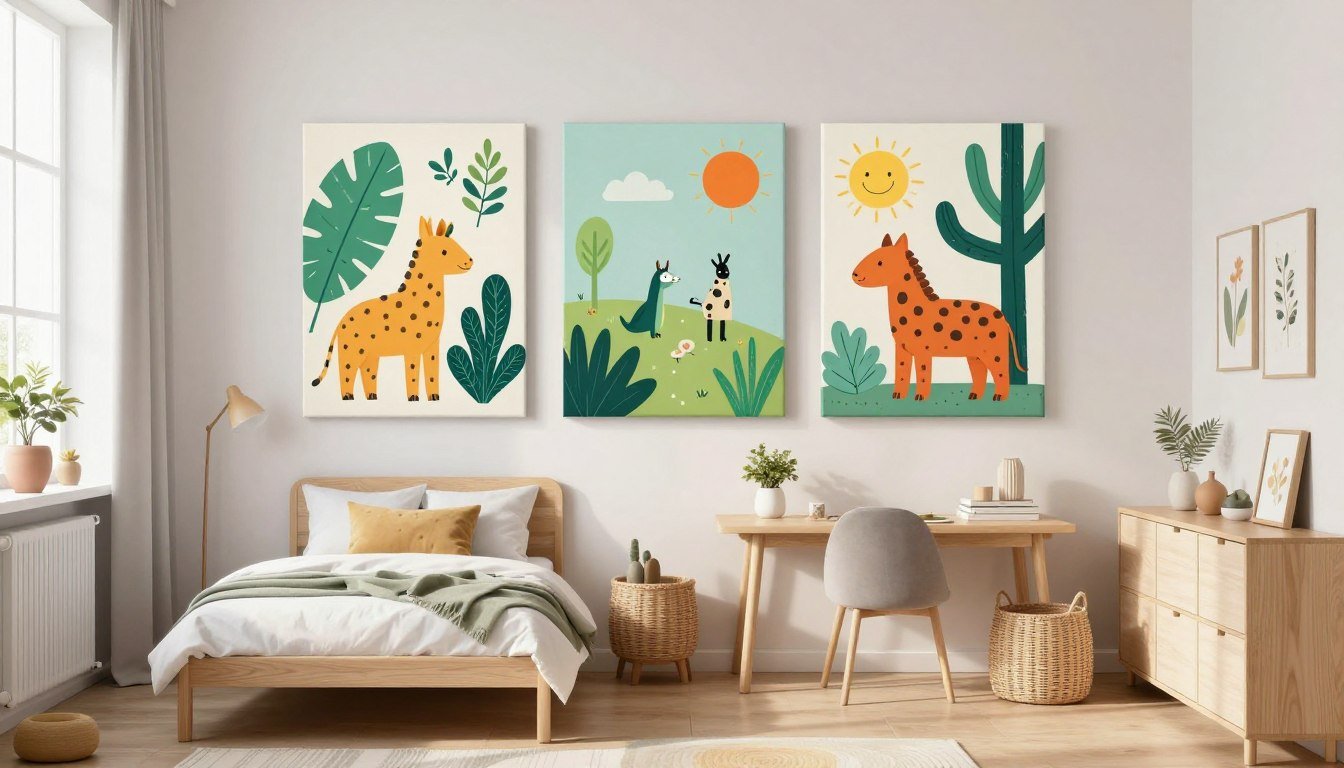
Creating a space where your child feels inspired, safe, and excited is every parent's dream. The walls in a kids room offer endless possibilities. They can spark imagination and support learning.
Whether you're decorating a nursery or updating a tween's bedroom, the right wall art makes all the difference. From colorful canvas prints to educational posters, there are countless ways to bring personality into your child's room.
This guide explores creative kids room wall art ideas. You'll discover practical tips to match your child's interests and age. Let's turn those blank walls into playful masterpieces.
Why Wall Art Matters in Kids Rooms
Wall decor does more than fill empty space. It shapes how children feel in their environment. Thoughtful art choices can encourage creativity and boost mood.
Research shows that visual stimulation helps child development. Bright colors and engaging designs capture attention. They create a sense of wonder.
The right wall art also reflects your child's personality. It shows them that their space is uniquely theirs. This sense of ownership builds confidence.

Art can serve educational purposes too. Alphabet charts and world maps turn walls into learning tools. Children absorb information through daily exposure.
Finally, wall decor grows with your child. You can update pieces as interests change. This flexibility makes it a smart investment for any room.
Curated Picks to Spark Imagination
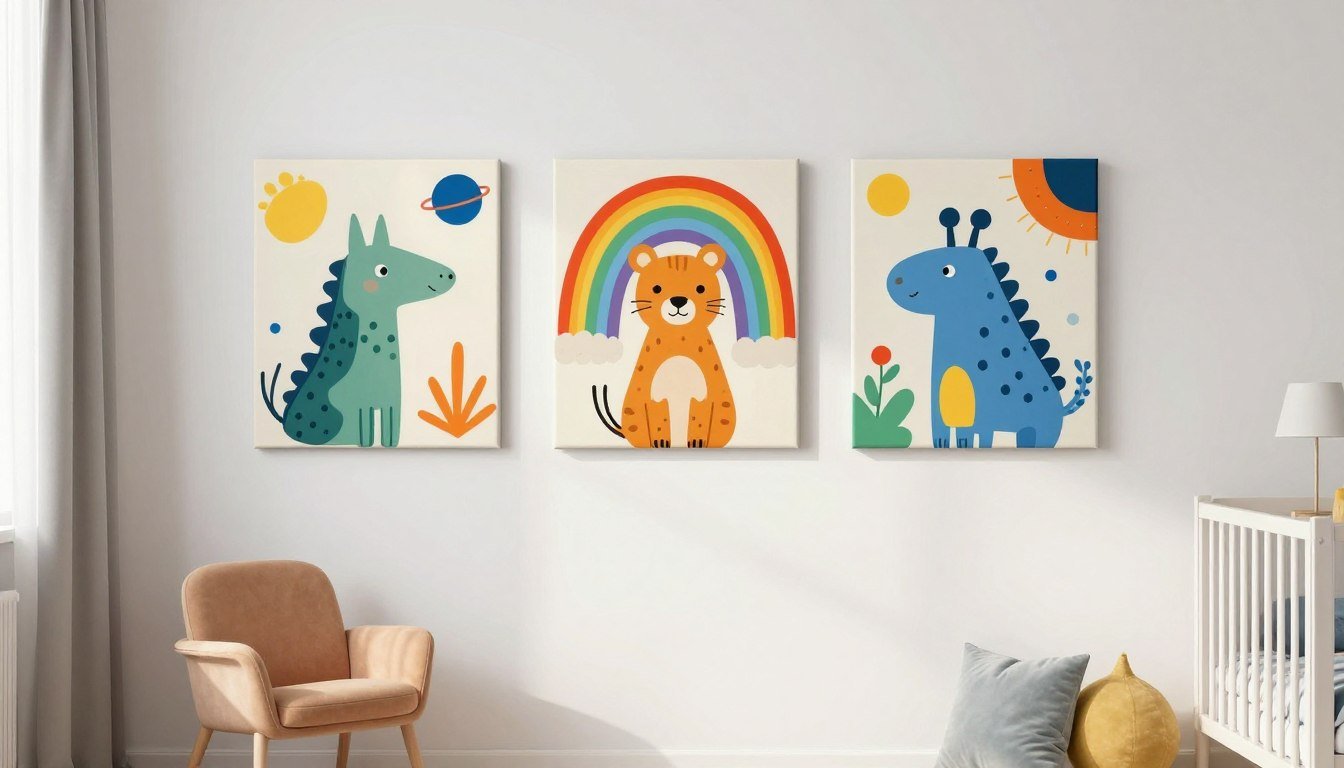
If you're looking for high-quality canvas prints that inspire creativity, these three options are popular with parents. Each piece brings a unique mood to a child room.

Whimsical Animal Friends
Bring the charm of the forest indoors with friendly animal characters. Perfect for sparking imagination and conversation.

Botanical Learning Art
Introduce children to the beauty of nature with botanical wall art. These prints educate while they decorate.

Playful Abstract Shapes
Colorful geometric designs stimulate visual development and creativity. These works grow with your child's changing tastes.
Personalized Name Art for Individual Identity
Every child deserves to see their name displayed proudly in their space. Personalized name art creates an instant connection. It tells children this room belongs to them.
Custom name prints come in countless styles. You can choose from playful fonts to elegant scripts. Colors can match any existing room decor.

Name art works well above cribs or beds. It becomes a focal point in the room. Visitors immediately know whose special space they've entered.
This type of wall decor also helps with early literacy. Young children begin recognizing the letters in their name. It's a natural way to introduce the alphabet.
Consider combining name art with other elements. Add birth date, inspirational quotes, or favorite characters. This creates a complete wall display that tells your child's story.
Educational Wall Art That Makes Learning Fun
Transform walls into interactive learning spaces with educational posters and prints. These pieces make knowledge accessible every day. Children learn through constant exposure.
Alphabet and Number Charts
Alphabet posters are classics for good reason. They support letter recognition and phonics learning. Choose designs with both uppercase and lowercase letters.
Number charts work similarly for math concepts. Look for versions that include counting objects. Visual associations help children understand quantity.

Modern alphabet art goes beyond basic charts. You can find illustrated versions with animals or objects. Each letter connects to something familiar and fun.
World Maps and Geography
World maps open children's eyes to the bigger world. They spark curiosity about different places and cultures. Geography becomes an adventure.
Interactive maps with bright colors work best. Some include animals or landmarks by region. This helps children remember continents and countries.
Maps also support social studies learning as kids grow. They reference their wall art during homework. It becomes a permanent study aid.
Solar System and Space Themes
Space-themed wall decor captures imagination like nothing else. Planet posters introduce astronomy concepts. Stars and galaxies create a sense of wonder.
Glow-in-the-dark elements add extra excitement. Children discover new details at bedtime. Their room becomes a window to the universe.
For deeper learning, consider adding constellation guides. Name the stars together during bedtime routines. This turns education into quality family time.
Thematic Ideas Matching Interests and Hobbies
The best kids room wall art reflects what your child loves. Themed decor shows you understand their passions. It makes the room feel truly personal.
Animal and Nature Themes
Animal artwork appeals to children of all ages. Jungle scenes, ocean life, or farm animals bring nature indoors. These themes work for both boys and girls.

Consider your child's favorite creatures. Safari animals create adventurous energy. Woodland creatures feel gentle and calming. Ocean themes add tranquility.
Nature prints can also be educational. Label different species or habitats. Children learn biology while enjoying beautiful art.
The Animals & Whimsical Canvas Prints collection offers many options. Each piece combines artistic quality with child-friendly design.
Sports and Activity Themes
Active children love seeing their favorite sports represented. Soccer, basketball, or dance themes celebrate their interests. This wall decor motivates and inspires.
Action shots or illustrated athletes work well. Choose dynamic compositions that show movement. Energy flows through the entire room.
Sports themes also teach about dedication and teamwork. Pair images with inspirational quotes. Your child's walls become daily motivation.
Fantasy and Adventure Themes
Castles, dragons, and magical forests transport children to other worlds. Fantasy themes encourage storytelling and imagination. Every wall becomes part of an adventure.
These themes work especially well for creative children. They inspire drawing, writing, and pretend play. The room supports their imaginative development.
Choose artwork that leaves room for interpretation. Children fill in the story themselves. This makes the art more engaging over time.
Video Inspiration for Kids Room Decor
Sometimes seeing ideas in action helps more than reading descriptions. This video showcases real room transformations with wall art. You'll see different styles and arrangements.
Notice how the right placement makes a significant difference. The video demonstrates hanging techniques and spacing. These practical tips help you create professional-looking displays.
Watch how different art styles change room atmosphere. You'll gain confidence in choosing pieces for your space. Visual inspiration often sparks the best ideas.
Gallery Walls: Creating Visual Stories
Gallery walls combine multiple pieces into one cohesive display. They add visual interest and tell a complete story. This approach works in rooms of any size.
Start by choosing a theme or color palette. This unifies different artwork styles. Consistency creates harmony across the wall.

Mix different sizes and orientations. Larger pieces anchor the arrangement. Smaller works fill in around them. This creates balanced visual weight.
Lay out your arrangement on the floor first. Take a photo to reference while hanging. This prevents unnecessary wall holes from trial and error.
Leave consistent spacing between pieces. Two to three inches works for most displays. Consistent gaps create a polished, intentional look.
Gallery walls can evolve over time. Add new pieces as your child's interests grow. Swap out artwork seasonally to keep the space fresh.
Match This Vibe to Your Child's Space
Find the Perfect Style Match
Every child has a unique personality that deserves to shine through their room decor. Whether your little one loves bold colors, gentle nature scenes, or playful characters, we've curated collections to match every vibe. Explore themes designed specifically for kids rooms—from educational pieces to pure imagination.
The right collection can transform your search from overwhelming to enjoyable. Browse by style, color, or theme. Each category helps narrow your choices to what truly fits.
Remember that room decor should grow with your child. Choose timeless pieces that adapt to changing tastes. Quality canvas prints last for years.
Chalkboard and Interactive Wall Elements
Interactive wall elements transform rooms into creative studios. Chalkboard paint or peel-and-stick boards invite daily creativity. Children express themselves freely on dedicated drawing areas.
A chalkboard wall becomes an ever-changing art display. Your child is both artist and curator. This builds confidence in their creative abilities.

Pair chalkboard areas with other wall art. The contrast between permanent and temporary creates visual interest. It also shows that both types of art have value.
Magnetic paint adds another interactive layer. Children can rearrange magnetic letters or shapes. Learning becomes hands-on and playful.
Consider dry-erase boards as an alternative. They're cleaner and easier to maintain. Many designs now look stylish and modern.
Interactive elements work especially well in play areas. They define the creative zone within the room. This helps with organization and purpose.
Sizing and Placement: Getting It Right
Even beautiful art looks wrong if poorly placed. Size and positioning matter as much as design. Follow these guidelines for professional results.
Choosing the Right Size
Measure your wall space before shopping. Art should fill two-thirds to three-quarters of the available width. Too small looks lost; too large overwhelms.
Above furniture, leave six to twelve inches of space. This connects pieces visually while maintaining breathing room. The art should relate to the furniture below.
For gallery walls, measure the entire arrangement. Treat multiple pieces as one large element. The overall grouping follows the same sizing rules.
Optimal Hanging Heights
Hang art at your child's eye level when possible. This makes it more engaging for them. Adult eye level works for pieces meant to grow with the room.
The standard rule is 57 inches from floor to center. This matches average adult eye height. Adjust lower for younger children's rooms.
In nurseries, place art where parents can enjoy it while feeding or rocking. The baby benefits from visual stimulation. Parents appreciate beauty during long nights.
Creating Balance
Distribute visual weight evenly across the room. Don't crowd all art on one wall. This creates an unbalanced, cluttered feeling.
Consider the room's focal point. Usually this is the bed or play area. Art should enhance, not compete with, this natural center.
Use larger pieces to anchor empty walls. Smaller works complement them or fill transitional spaces. This creates flow throughout the room.
Color Psychology in Kids Room Art
Colors affect mood and behavior more than we realize. Choosing the right palette supports your child's well-being. Understanding color psychology helps create the perfect environment.

Blue tones promote calmness and focus. They're ideal for bedrooms and study areas. Blues help children relax and wind down.
Yellow and orange stimulate energy and creativity. These work well in play areas or art corners. Warm colors encourage activity and engagement.
Green provides balance and promotes growth. It connects to nature and health. Green works beautifully in any kids room area.
Red increases excitement but can overstimulate. Use it as an accent rather than dominant color. Small doses add energy without overwhelming.
Soft pastels create gentle, nurturing spaces. They work especially well for babies and young children. Pastels grow sophisticated as children age.
Consider your child's personality when selecting colors. Active children might need calming tones. Quiet children could benefit from energizing hues.
The Botanical Nature Canvas Prints collection offers many green options. These bring the outdoors in with calming natural tones.
Seasonal and Rotating Displays
Kids' interests change quickly as they grow and learn. Rotating wall art keeps their space fresh and relevant. This approach extends your decor investment.
Create a collection of different prints. Swap them seasonally or when interests shift. Storage keeps unused pieces ready for rotation.

Use command strips or picture rails for easy changes. These allow hanging without damaging walls. Your child can help with swapping artwork.
Seasonal rotations teach about time and change. Winter snowflakes give way to spring flowers. Children anticipate and participate in the transitions.
This system also accommodates developmental stages. Toddler-focused art transitions to preschool themes. Eventually tweens choose their own pieces.
Keep costs manageable by building your collection gradually. Add new pieces as interests emerge. Quality prints last through multiple children if needed.
Inspiration from Around the Web
Learning from design experts accelerates your decorating journey. External resources provide fresh perspectives and professional tips. Here are trusted sources for kids room inspiration.
The Verywell Family guide to children's wall art offers developmental insights. They explain how art choices support different age groups. This helps you make informed decisions.
Interior design blogs showcase real room transformations. Seeing before-and-after results builds confidence. You'll discover what works in actual homes, not just staged photos.
Social media platforms offer endless inspiration too. Search hashtags like #kidsroomdecor or #nurseryart. Real parents share their creative solutions and budget-friendly ideas.
Don't forget to visit the Rossetti Art blog for regular decorating tips. Articles cover everything from color theory to hanging techniques. Each post helps you become a more confident decorator.
Art as Room Grows: Transitioning Through Ages
Children's needs change rapidly from infancy through teenage years. Your wall art strategy should adapt with them. Planning for transitions saves money and maintains continuity.
Infant and Toddler Years (0-3)
Newborns benefit from high-contrast images. Black and white designs support early visual development. Simple shapes work better than complex scenes.
As mobility increases, choose durable materials. Canvas prints withstand curious hands better than paper. Mount everything securely out of reach.
Toddlers respond to familiar objects and animals. Their wall art should reflect daily life. Recognition builds vocabulary and understanding.
Preschool and Early Elementary (3-7)
This age loves bright colors and playful characters. Educational elements become more valuable. Alphabet and number art supports early learning.
Children start expressing preferences now. Involve them in artwork choices when possible. This builds decision-making skills and investment in their space.
Themes from favorite books or shows create comfort. These familiar characters feel like friends. Balance trendy items with timeless pieces for longevity.
Middle Childhood (8-12)
Older children develop distinct interests and hobbies. Sports, music, or science themes reflect their passions. Wall art becomes a form of self-expression.
Move away from obviously "babyish" designs. Choose more sophisticated artwork that respects their maturity. Abstract or line art pieces work beautifully.
The Line Art Canvas Prints collection offers age-appropriate options. These modern designs grow with children into their teen years.
Teen Years (13+)
Teenagers want complete control over their space. Wall art becomes deeply personal. Your role shifts to facilitator rather than decision-maker.
Teens often prefer photography or modern art. Bold statements or minimalist designs reflect their developing tastes. Respect their choices even if different from yours.
Consider removable options like tapestries or posters. Teens change preferences frequently. Flexibility prevents constant repainting and redecorating.
Budget-Friendly Wall Art Solutions
Beautiful kids room wall decor doesn't require unlimited funds. Creative solutions deliver impact without breaking budgets. Smart shopping and DIY options stretch every dollar.

Start with versatile pieces that work in multiple ways. Neutral base artwork accepts seasonal accessories. This one-purchase-many-looks approach maximizes value.
Print your own designs on quality paper. Frame them for a polished finish. This costs a fraction of custom artwork while looking professional.
Shop during sales or off-seasons. Many retailers offer significant discounts periodically. Sign up for email lists to catch these opportunities.
Consider purchasing canvas print sets. Buying multiple pieces together costs less than individual purchases. Sets also ensure coordinated designs.
Frame children's own artwork for personalized decor. This costs almost nothing while being deeply meaningful. Rotate displayed pieces regularly to honor all creations.
Visit thrift stores for unique frames. A fresh coat of paint makes old frames look new. Mismatched frames create eclectic, intentional gallery walls.
Installation Tips and Tools
Proper installation makes the difference between amateur and professional results. Having the right tools simplifies the process. Follow these steps for perfect placement every time.
Essential Tools
A laser level ensures perfectly straight hanging. This small investment prevents crooked artwork. Digital versions are affordable and highly accurate.
Quality picture hangers support proper weight limits. Check your artwork weight before selecting hangers. Too-light hardware creates safety hazards.
Painter's tape helps plan arrangements without damaging walls. Mark corners and spacing before making holes. This visualization prevents placement mistakes.
A pencil, measuring tape, and hammer complete your toolkit. These basics handle most hanging situations. Keep them together in a designated spot.
Step-by-Step Installation
First, determine your center point. Measure the wall width and mark the middle. This guides balanced placement.
Hold artwork against the wall at the desired height. Mark the top edge lightly with pencil. Measure down to find hanger placement.
For gallery walls, arrange pieces on the floor first. Maintain consistent spacing between items. Photograph the layout for reference.
Start with the center piece in gallery arrangements. Work outward from there. This maintains balance as you build the display.
Use a level after each piece. Check horizontal alignment carefully. Small adjustments now prevent obvious problems later.
This demonstration shows professional hanging techniques. Notice the methodical approach and attention to detail. These practices ensure long-lasting, secure displays.
Safety Considerations for Kids Rooms
Beautiful decor must also be safe decor. Children's rooms require special attention to potential hazards. Following safety guidelines protects your most precious treasures.
Secure all wall hangings properly. Use anchors rated for your artwork weight plus a safety margin. Over-engineering beats risking fallen art.
Avoid hanging heavy items above cribs or beds. If artwork falls, it shouldn't land where children sleep. Prioritize safety over perfect design placement.
Choose shatterproof materials when possible. Acrylic glazing is safer than glass in children's spaces. Canvas prints eliminate glass entirely.
Keep cords from wall-mounted items out of reach. Window blind cords and hanging wires pose strangulation risks. Secure or eliminate these hazards completely.
Regularly inspect hanging hardware. Tighten loose screws and replace worn hangers. Quarterly checks catch problems before they cause incidents.
For young children, mount everything above their reach. Curious hands pull at accessible items. Height prevents both damage and injury.
Consider rounded corners on frames. Sharp edges pose risks during active play. Small details make big safety differences.
Ready to Transform Your Child's Space?
Ready-to-Hang, Museum-Quality Canvas. Free Worldwide Shipping.
Every child deserves a room that inspires, educates, and reflects who they are. Our curated collections make decorating easy with high-quality canvas prints designed specifically for kids' spaces. Each piece arrives ready to hang with durable materials that last for years. Browse options from whimsical animals to educational designs—all backed by our satisfaction guarantee and free shipping worldwide.
Transforming your child's room starts with a single piece of art. Whether you choose educational posters, playful canvas prints, or personalized name designs, each addition brings character and warmth. The investment in quality wall decor pays dividends in your child's daily happiness and development.
Remember that your child's room is more than just a bedroom. It's where imagination flourishes and learning happens naturally. The walls you decorate today become the backdrop for countless memories.
Start small if needed, but start today. One piece of meaningful art changes the entire feel of a space. Build from there as your vision and budget allow.
Frequently Asked Questions
What type of wall art is best for a newborn's nursery?
High-contrast black and white designs work best for newborns. Their developing vision responds to bold contrasts more than colors initially. Simple shapes and patterns provide visual stimulation without overwhelming. As your baby grows, introduce gentle colors and more complex designs. The Kids & Nursery Canvas Prints collection includes age-appropriate options for every developmental stage.
How do I choose wall art that will grow with my child?
Select pieces with timeless designs rather than trendy characters. Abstract art, nature themes, and geometric patterns remain relevant through childhood. Choose quality materials that physically last for years. Consider your child's core personality traits rather than temporary interests. A child who loves animals at three will likely still appreciate nature-themed art at thirteen, even if specific favorite creatures change.
What size canvas print should I choose for above a twin bed?
For a standard twin bed (39 inches wide), choose artwork between 24-30 inches wide. This fills the space without overwhelming it. A single large piece works beautifully, or create a gallery arrangement within those dimensions. Leave 6-12 inches between the mattress top and artwork bottom. This creates visual connection while maintaining breathing room. The canvas prints guide offers detailed sizing recommendations.
Are canvas prints safe for children's rooms?
Yes, canvas prints are actually safer than framed glass artwork. They eliminate the risk of broken glass while providing durability. Ensure proper installation with appropriate wall anchors for the weight. Mount all artwork securely, especially in rooms with young children. Canvas material withstands minor bumps and touching better than paper or glass alternatives. Quality canvas prints use non-toxic inks safe for children's environments.
How many pieces of art should I put in a kids room?
This depends on room size and layout, but avoid overcrowding. A small room (under 100 square feet) works well with 2-4 pieces. Medium rooms (100-150 square feet) can accommodate 4-6 pieces comfortably. Larger rooms allow for more, including gallery walls. Consider blank space as important as decorated space. Walls need breathing room to prevent visual chaos. Start with fewer pieces and add gradually as you see what works.
Can I mix different art styles in the same kids room?
Absolutely! Mixing styles adds visual interest and personality. The key is finding a unifying element like color palette, frame style, or theme. An eclectic gallery wall can combine abstract geometric prints with whimsical animal art successfully if colors coordinate. Trust your eye—if pieces look good together, they work together. Cohesion matters more than matching perfectly.
What's the best way to display my child's own artwork?
Create a dedicated display area using clipboards, cork boards, or wire with clips. This allows easy rotation as new creations arrive. Frame exceptional pieces in actual frames for permanence. Limit the number displayed at once to prevent clutter. Consider scanning favorites before storage to preserve memories digitally. Involving your child in choosing which pieces to display builds their curatorial skills and decision-making abilities.
How high should I hang wall art in a child's room?
For younger children, consider hanging some pieces at their eye level (roughly 36-42 inches from floor to center). This makes art more engaging for them personally. Other pieces can follow standard adult height (57 inches to center) for longevity as they grow. Above furniture, maintain 6-12 inches of space between furniture top and artwork bottom. Adjust these guidelines based on your specific room layout and ceiling height.
What colors are best for promoting sleep in a child's bedroom?
Cool tones like blues, soft greens, and lavenders promote calmness and sleep. These colors lower heart rate and reduce anxiety. Avoid bright reds, oranges, or intense yellows in sleeping areas as they stimulate energy. Soft pastels work beautifully for restful environments. If your child loves brighter colors, use them in play areas and keep sleeping zones calm. The bedroom wall art near the bed should support relaxation.
Where can I find more kids room decoration ideas?
The Rossetti Art blog regularly publishes decorating tips and inspiration for children's spaces. You'll find guidance on color selection, arrangement techniques, and seasonal updates. Each article provides practical advice you can implement immediately. Additionally, browse our curated collections to see how different styles work in various room settings. Real customer photos show authentic installations rather than just staged photography.
Conclusion: Creating Spaces That Inspire
The walls in your child's room hold tremendous potential. With thoughtful art choices, they become sources of daily inspiration. Every piece contributes to the environment where your child grows and dreams.
Remember that perfect wall decor balances beauty with purpose. Educational elements support learning naturally. Playful designs encourage creativity and imagination. Personal touches build confidence and identity.
Start with pieces that reflect your child's current interests. Add timeless elements that adapt as they grow. Quality materials ensure your investment lasts through changing preferences and developmental stages.
Don't rush the process. Building a meaningful art collection happens over time. Each carefully chosen piece adds more value than random purchases made quickly.
Most importantly, involve your child in the decision-making. Their input creates ownership and pride in their space. The room becomes truly theirs through participation.
Transform those blank walls into celebrations of childhood. Create an environment that supports who your child is today while nurturing who they're becoming. The perfect kids room wall art ideas are waiting to bring your vision to life.

About the Author
Chiara Rossetti
Chiara Rossetti is the founder of Rossetti Art, a canvas print and original art brand. She writes about interior design, wall art styling, and the art of making a home feel alive.


Leave a comment
This site is protected by hCaptcha and the hCaptcha Privacy Policy and Terms of Service apply.