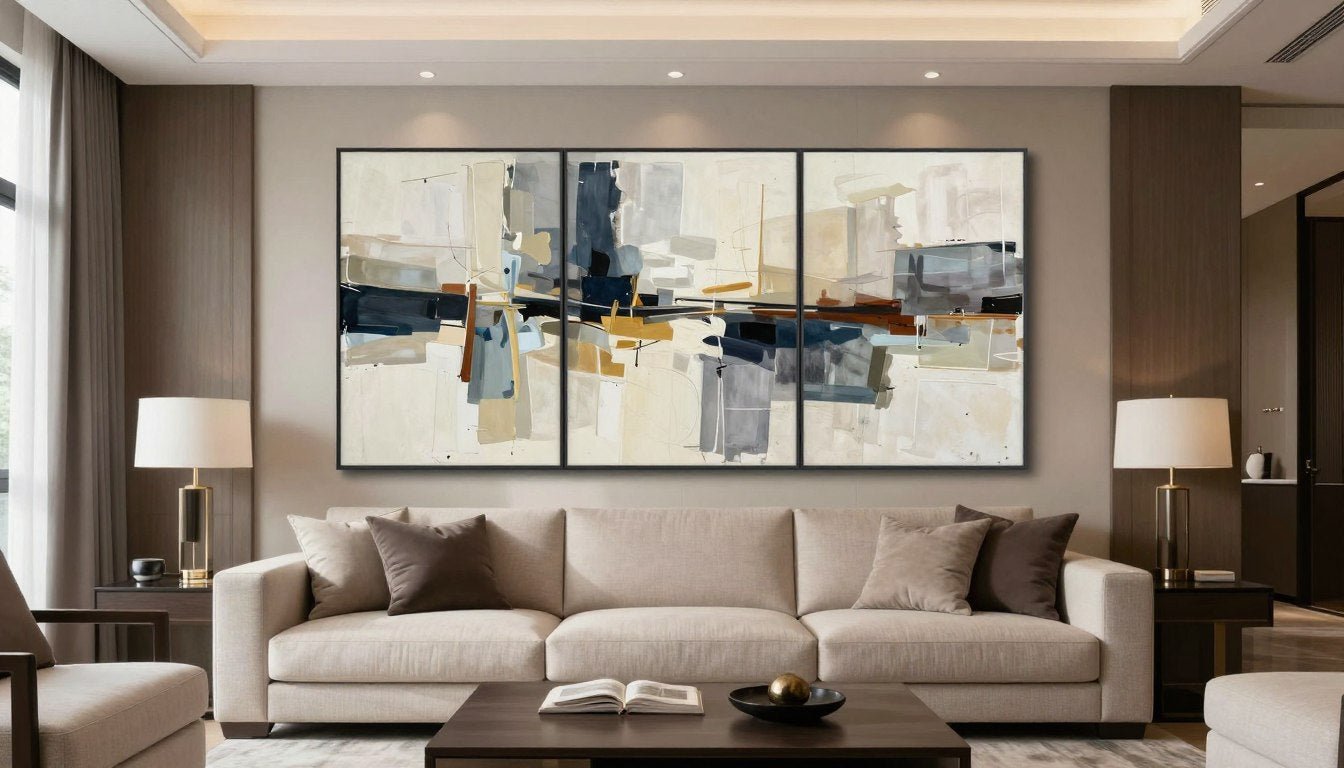

Triptych wall art has emerged as one of the most compelling ways to create visual drama in contemporary interiors. These three-panel compositions offer something unique: the cohesive impact of a single large piece combined with the dynamic rhythm of segmented artwork. Whether you're drawn to abstract landscapes, textured compositions, or bold contemporary designs, understanding how to select and display triptych wall art transforms your space with gallery-worthy impact.
This comprehensive guide provides expert insights into choosing the perfect triptych for your room, precise placement guidelines, and styling strategies that interior designers use to create stunning focal points. You'll discover actionable advice on sizing, color coordination, and common mistakes to avoid, ensuring your investment in wall art delivers maximum visual and emotional impact.
Understanding Triptych Wall Art: History and Modern Appeal

The Artistic Heritage of Triptych Design
The triptych format traces its roots to medieval religious art, where three-panel altarpieces told visual stories across connected panels. This historical foundation gave triptychs an inherent sense of importance and narrative flow. Today, contemporary artists embrace this format for its unique ability to create movement and visual rhythm that single-panel artwork cannot achieve.
Modern triptych wall art adapts this classical structure to fit today's design sensibilities. The three-panel format allows artists to explore extended compositions, create panoramic vistas, or develop abstract sequences that guide the eye across the entire piece. This creates a sense of journey and discovery that engages viewers far longer than traditional single-panel work.
Why Triptych Art Works in Contemporary Spaces
The triptych format solves several design challenges simultaneously. In large, open-plan spaces, a single piece of art can appear lost or undersized. A triptych fills substantial wall space while maintaining visual interest through its segmented structure. The breaks between panels create natural breathing room that prevents the composition from overwhelming the room.

For rooms with challenging proportions, triptych wall art offers flexibility. The horizontal orientation naturally complements furniture arrangements, particularly above sofas, beds, and console tables. The repetition of three panels creates rhythm and balance, while the unified composition maintains cohesion. This makes triptychs particularly effective in living rooms, bedrooms, and dining spaces where you want to establish a commanding focal point.
The segmented nature of triptych art also accommodates architectural features. Unlike a single large canvas, triptych panels can navigate around light switches, thermostats, or wall-mounted fixtures with strategic spacing adjustments. This practical advantage makes installation easier while maintaining the visual impact of large-scale wall art.
Triptych Art Versus Other Multi-Panel Formats
While diptychs (two panels) and polyptychs (four or more panels) exist, triptychs strike an optimal balance. Two panels can feel incomplete or create unwanted symmetry. Four or more panels risk visual fragmentation and installation complexity. Three panels offer the perfect middle ground: enough segmentation to create interest, but not so much that the composition loses unity.
The odd number of panels in a triptych also provides a natural focal point. The center panel typically anchors the composition, with flanking panels supporting and extending the visual narrative. This creates an inherent sense of balance that even-numbered panel arrangements struggle to achieve without careful composition.
Choosing the Right Triptych Wall Art for Different Rooms

Living Room Triptych Selection
The living room demands triptych wall art that commands attention without overwhelming conversation and relaxation. This space typically accommodates the largest scale artwork in your home, making it ideal for bold, dramatic triptych compositions. Consider pieces that range from sixty to eighty inches in total width for standard living rooms, with proportionally larger options for expansive great rooms.
Abstract landscape triptychs work exceptionally well in living spaces. These pieces provide visual interest and depth while maintaining a calming presence. Textured abstract compositions add tactile dimension that rewards closer inspection, creating a sense of discovery that keeps the artwork engaging over time. The key is selecting art that complements your existing color palette while introducing enough contrast to serve as a genuine focal point.

For living rooms with neutral furniture and decor, your triptych wall art can introduce bold color and pattern. Conversely, in spaces with vibrant furnishings, consider more subdued artwork that provides visual relief. The triptych format allows you to balance these elements across three panels, perhaps featuring a bolder center panel with more restrained flanking pieces.
Bedroom Triptych Considerations
Bedroom triptych art requires a different approach focused on creating calm and cohesion. This intimate space benefits from artwork that promotes relaxation while reflecting personal style. Softer color palettes work better than highly contrasted, energetic compositions. Consider abstract pieces in muted tones, serene landscape paintings, or minimalist designs that won't disrupt the room's restful atmosphere.
The typical placement above the bed means the artwork sits at eye level when standing, but is viewed from a reclined position during the day and while preparing for sleep. This viewing angle favors horizontal compositions with visual interest distributed across the full width. Avoid artwork with jarring elements or unsettling imagery that might affect sleep quality.

Scale remains important in bedrooms. For queen and king beds, aim for triptych dimensions between fifty and seventy inches total width. The artwork should span roughly two-thirds of the bed width, creating visual balance without overwhelming the headboard area. This proportion guideline ensures the piece feels intentionally sized rather than arbitrarily placed.
Dining Room and Kitchen Art Set Selection
Dining spaces offer unique opportunities for triptych wall art that stimulates conversation and enhances the dining experience. These rooms can accommodate more adventurous color choices and dynamic compositions since guests typically view the artwork during social gatherings rather than during quiet reflection.
Consider triptych pieces with warm color temperatures that complement dining. Rich earth tones, warm reds, and golden hues create inviting atmospheres that enhance appetite and conversation. Abstract compositions work particularly well, providing talking points without depicting specific imagery that might conflict with various cuisine types or cultural preferences.
Kitchen spaces demand practical considerations. If mounting artwork near cooking areas, opt for canvas prints rather than original paintings to simplify cleaning. The natural texture of canvas adds depth while being more resistant to kitchen humidity and temperature fluctuations. Protective glass may be warranted in some installations, though this can create glare issues depending on lighting placement.

Home Office and Study Wall Art
Home office environments benefit from triptych wall art that inspires productivity without creating distraction. The three-panel format naturally organizes visual space, which can subconsciously reinforce the organization and structure needed for focused work. Abstract designs in blues and greens promote concentration, while earth tones create grounded, stable atmospheres.
The scale in office spaces typically runs smaller than living areas but shouldn't diminish into insignificance. A triptych measuring forty to sixty inches total width provides sufficient presence behind a desk or along a wall without dominating the workspace. The artwork should be visible during video calls if the wall serves as your backdrop, adding professional polish to your virtual presence.
Consider artwork with subtle movement and depth that rewards occasional glances during work breaks. Textured abstract pieces or gentle landscape compositions provide mental respite without being so captivating that they derail productivity. The triptych format supports this by creating visual rhythm that the eye can follow during brief moments of rest.
Discover Expertly Curated Triptych Collections
Explore Rossetti Art's selection of premium canvas print triptychs, carefully chosen by art consultants to create stunning focal points in any room. Each piece is selected for its visual impact, color harmony, and gallery-quality presentation.
Triptych Wall Art Sizing and Placement Guidelines

The Two-Thirds Rule for Triptych Proportions
Interior designers rely on the two-thirds rule when sizing wall art above furniture. Your triptych should span approximately two-thirds the width of the furniture piece below it. For a ninety-inch sofa, this means selecting a triptych with a total width of around sixty inches. This proportion creates visual harmony, making the artwork feel intentionally related to the furniture rather than arbitrarily placed.
This guideline applies across furniture types. Above a queen bed measuring sixty inches wide, look for triptych art spanning approximately forty inches. For dining buffets, console tables, and credenzas, measure the furniture width and multiply by 0.67 to find your ideal artwork width. Remember that this total width includes the spacing between panels, not just the canvas dimensions.
Panel Spacing and Installation Considerations
The space between triptych panels significantly impacts the overall visual effect. Too narrow, and the panels read as a single interrupted image. Too wide, and the composition loses cohesion. The ideal spacing typically ranges from two to four inches between panels, depending on the overall size and style of the artwork.

For triptychs under forty inches total width, maintain two-inch spacing. Medium-sized pieces from forty to seventy inches work best with three-inch spacing. Large-scale triptychs exceeding seventy inches can accommodate four-inch spacing without losing visual unity. These measurements create rhythm and breathing room while maintaining the cohesive composition that makes triptych wall art effective. If you want set-size recommendations at a glance without re-reading the math, our quick triptych wall art style guide condenses these spacing and sizing pairings into an easy cheat-sheet.
Installation height follows the universal fifty-seven-inch rule used in galleries and museums. The center of your artwork should sit at fifty-seven inches from the floor, representing average human eye level. For triptychs, this means measuring to the center point of the middle panel. This placement ensures comfortable viewing whether you're seated or standing, creating an instinctive sense of proper positioning.
Adjusting for Furniture Height and Room Proportions
While the fifty-seven-inch rule provides an excellent baseline, furniture placement requires adjustments. When hanging triptych wall art above a sofa, bed, or console table, position the bottom edge of the artwork six to eight inches above the furniture top. This clearance prevents the piece from appearing to sit directly on the furniture while maintaining visual connection.
For standard thirty-inch-tall sofas, this guideline places your artwork's bottom edge at approximately thirty-six to thirty-eight inches from the floor. The center point of a twenty-four-inch-tall triptych would then sit at roughly forty-eight to fifty inches, slightly lower than the traditional fifty-seven-inch gallery height but appropriate for the furniture relationship.

In rooms with unusually high or low ceilings, adjust proportions to maintain balance. Ten-foot ceilings can accommodate larger artwork and slightly higher placement without the piece appearing lost. Conversely, eight-foot ceilings may require more compact triptych selections and strict adherence to spacing guidelines to avoid overwhelming the vertical space.
Creating Gallery Walls with Triptych Art
While triptychs typically stand alone as focal points, they can anchor larger gallery wall arrangements. In this configuration, the triptych serves as the central element, with smaller complementary pieces surrounding it. Maintain generous spacing around the triptych to preserve its identity as a unified composition rather than three separate images.
When building a gallery wall around triptych wall art, select supporting pieces that echo colors or themes from the main artwork without competing for attention. Smaller prints, photographs, or sculptural elements can flank the triptych at appropriate distances. Keep the overall arrangement asymmetrical but balanced, with the triptych weighted toward one side and complementary pieces balancing the opposite side.
The complexity of multi-piece arrangements requires careful planning. Map the layout on the floor first, ensuring proper spacing and visual flow. The triptych should maintain its two-to-four-inch internal panel spacing, with at least eight to twelve inches separating it from other gallery wall elements. This breathing room preserves the triptych's cohesive impact while allowing it to interact harmoniously with surrounding pieces.
Style Considerations: Matching Triptych Wall Art to Your Interior Design

Triptych Art for Modern and Contemporary Interiors
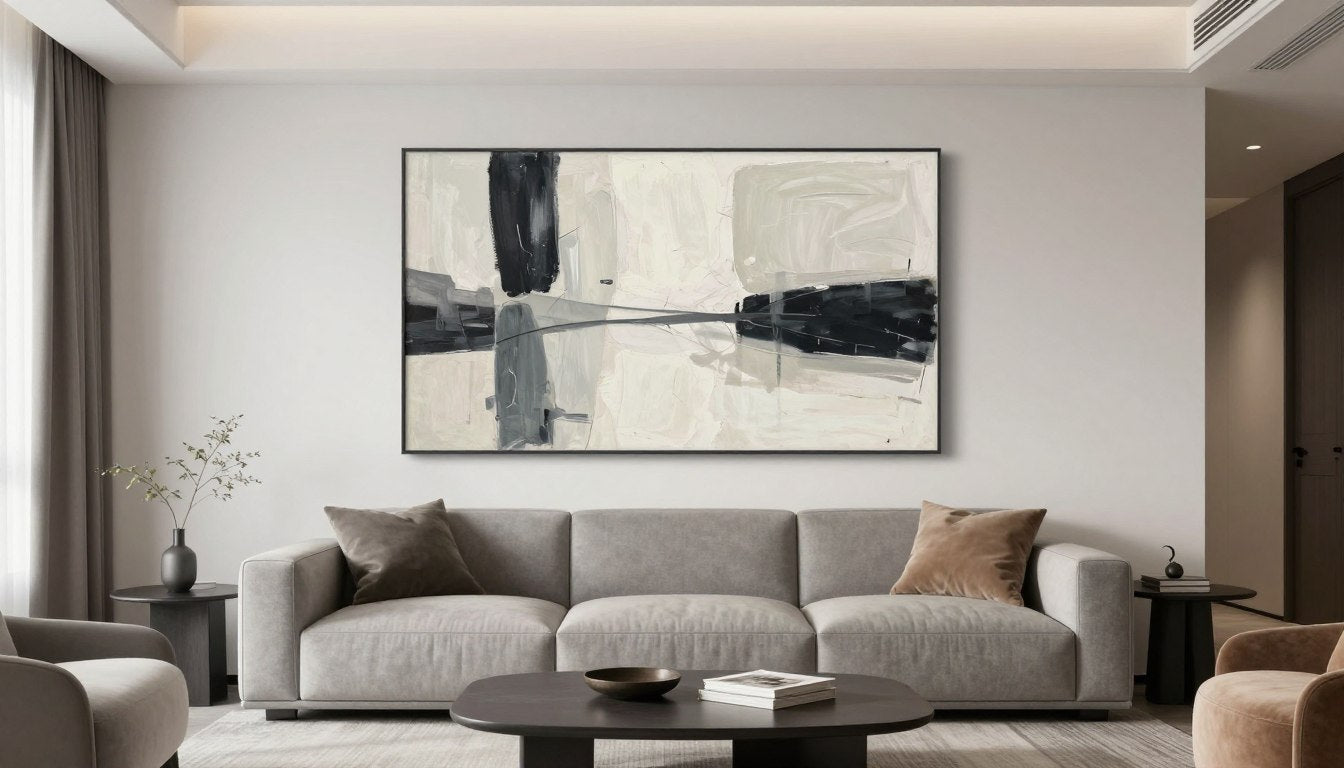
Modern interiors characterized by clean lines, minimal ornamentation, and neutral color palettes provide the perfect backdrop for bold triptych wall art. These spaces can support dramatic abstract compositions, high-contrast pieces, or oversized landscape paintings that serve as the room's primary visual statement. The simplicity of modern design allows artwork to take center stage without competing against busy patterns or decorative elements.
Abstract triptych pieces excel in contemporary settings. Look for compositions featuring geometric forms, bold color blocking, or fluid organic shapes that echo the clean aesthetic of modern furniture. Textured abstract works add tactile dimension that introduces warmth to spaces dominated by smooth surfaces like glass, metal, and polished wood. The three-panel format naturally complements the linear quality of modern architecture.

Color selection in modern spaces often focuses on a limited palette with strategic accent colors. Your triptych can either harmonize with existing tones or introduce a bold accent that energizes the space. A monochromatic room benefits from artwork incorporating unexpected pops of color across the three panels, creating movement and interest while maintaining the overall refined aesthetic.
Traditional and Transitional Space Artwork
Traditional interiors require a more nuanced approach to triptych wall art. While the multi-panel format feels inherently contemporary, certain styles bridge classical and modern sensibilities beautifully. Look for triptych landscape paintings with more representational imagery, classic color palettes featuring rich burgundies and deep blues, or compositions with subtle gold accents that complement traditional gilded frames and fixtures.
Transitional spaces that blend traditional architecture with contemporary furnishings offer ideal settings for triptych art. These rooms allow more experimental pieces that wouldn't work in strictly traditional settings but maintain enough classical elements to feel cohesive. Consider abstract landscapes that reference classical painting techniques, or contemporary interpretations of traditional subjects rendered across three panels.

Frame selection significantly impacts how triptych wall art reads in traditional spaces. While many contemporary triptychs feature frameless gallery-wrapped canvases, traditional rooms may benefit from coordinating frames that echo existing woodwork and furniture. Thin, elegant frames in complementary wood tones or subtle metallics can bridge the gap between contemporary artwork and classical architecture.
Bohemian and Eclectic Design Integration
Bohemian and eclectic interiors celebrate artistic expression and personal curation, making them natural homes for distinctive triptych wall art. These spaces support bold color combinations, mixed patterns, and unexpected juxtapositions that would overwhelm more restrained design styles. Your triptych can embrace maximalism, featuring rich textures, vibrant hues, and dynamic compositions that contribute to the room's collected-over-time aesthetic.
Textured abstract triptychs particularly shine in bohemian settings. Pieces featuring visible brushwork, mixed media elements, or three-dimensional texture complement the layered, tactile quality of boho interiors. The artwork should feel like a discovered treasure rather than a perfectly coordinated design element, adding character and visual richness to the space.
In eclectic rooms that mix design periods and styles, triptych wall art can serve as either a unifying element or an additional layer of visual interest. A cohesive three-panel piece in complementary tones can anchor a room filled with diverse furniture and accessories. Alternatively, a bold, unexpected artwork choice can lean into the eclectic aesthetic, celebrating the joy of mixing disparate elements with confidence.
Minimalist and Scandinavian Aesthetic Pairing
Minimalist and Scandinavian interiors demand triptych wall art with restrained palettes and refined compositions. These design styles prioritize quality over quantity, making artwork selection particularly important. Each piece must earn its place through exceptional design and meaningful contribution to the space. A well-chosen triptych becomes not just decoration but an essential element of the room's carefully curated aesthetic.

Look for triptych pieces featuring muted color palettes in whites, grays, soft blues, and warm neutrals. Abstract compositions with plenty of negative space align with minimalist principles, while landscape paintings emphasizing light and atmosphere suit Scandinavian sensibilities. The artwork should enhance the sense of calm and spaciousness rather than filling every inch with visual activity.
The three-panel format supports minimalist design by creating visual interest through structure rather than ornamentation. The repetition and rhythm of three panels provide enough complexity to engage the eye without cluttering the space. This makes triptych wall art particularly effective in minimalist rooms where a single large canvas might feel too heavy and a smaller piece would disappear against expansive walls.
Explore Gallery-Quality Original Paintings
From abstract landscapes to textured contemporary pieces, discover triptych art that perfectly complements your interior design vision. Rossetti Art's collection of original paintings features carefully selected works that create stunning focal points while honoring your space's unique aesthetic.
Creating Visual Balance with Triptych Color and Composition

Understanding Color Flow Across Three Panels
The unique advantage of triptych wall art lies in how color can flow and evolve across the three panels. Unlike single-panel artwork with static color distribution, triptychs can guide the eye through gradual color transitions, create rhythm through repeated accent tones, or establish balance through strategic color placement across the composition.
Successful triptych color compositions often follow one of several approaches. Gradient progressions move from light to dark or shift between related hues across the three panels, creating a sense of journey and transformation. Alternating color patterns establish rhythm, perhaps featuring a dominant color in panels one and three with a contrasting accent in the center panel. Unified palettes distribute colors evenly across all panels, creating cohesion while varying their proportions and intensities.

When selecting triptych wall art for a specific room, consider how the artwork's colors will interact with your existing palette. The piece should incorporate at least one or two colors already present in the space through furniture, textiles, or accessories. This creates visual connection and intentionality. However, the artwork should also introduce something new—whether a deeper shade, a complementary accent, or an unexpected neutral that adds depth to your color story.
Compositional Balance and Visual Weight
Composition in triptych artwork requires balancing unity and variety. The three panels must work together as a cohesive whole while each panel contributes something distinct to the overall composition. This balance creates visual interest that sustains engagement over time, revealing new details and relationships as you live with the piece.
Strong triptych compositions often feature a focal point that draws initial attention, typically located in or near the center panel. This anchor point gives the eye somewhere to land before exploring the rest of the composition. From there, visual elements should guide attention across all three panels through color echoes, repeated shapes, or directional lines that create flow.
Visual weight distribution affects how balanced the artwork feels. A composition heavily weighted to one side creates dynamic tension and movement, while evenly distributed weight feels stable and serene. Neither approach is inherently superior; the choice depends on the energy you want to create in the room. Living spaces might benefit from more dynamic compositions, while bedrooms typically favor balanced, calming arrangements.
Texture and Depth in Multi-Panel Art
Textured abstract triptychs offer a dimension that smooth, flat artwork cannot provide. Visible brushwork, layered paint applications, or mixed media elements create shadows and highlights that change with lighting throughout the day. This dynamic quality keeps the artwork interesting, revealing different aspects in morning light versus evening ambiance.

Depth in triptych art can be literal or illusional. Literal depth comes from physical texture and layered paint. Illusional depth emerges through color relationships, overlapping forms, and atmospheric perspective. Landscape triptychs often employ illusional depth, creating the sense of vast space within the two-dimensional surface. Abstract pieces might use color temperature—advancing warm tones and receding cool tones—to build spatial complexity.
The interplay between texture and light affects installation decisions. Heavily textured pieces benefit from lighting that skims across the surface at an angle, emphasizing the dimensional quality. Smooth, illusionistic work might prefer even, frontal lighting that prevents glare while revealing subtle color and tonal variations. Consider your room's natural and artificial light sources when selecting between textured and smooth triptych options.
Scale Relationships Within the Triptych
While many triptychs feature three equal-sized panels, variations in panel dimensions can create compelling visual effects. Some compositions use a larger center panel flanked by narrower side panels, creating emphasis and hierarchy. Others vary height rather than width, with panels at staggered elevations that add playful asymmetry to the traditional format.
Equal-sized panels project stability and balance, making them versatile choices for most interiors. They read as a unified set, clearly related and intentionally grouped. Unequal panel sizes introduce dynamism and contemporary edge, signaling a more adventurous design sensibility. These variations work particularly well in modern and eclectic spaces that embrace asymmetry and visual tension.
When considering non-traditional panel proportions, ensure the overall composition maintains the two-thirds furniture width guideline. Measure the total width spanning all three panels plus spacing, not individual panel dimensions. This ensures the entire triptych set maintains proper scale relationships with the surrounding furniture and architecture.
Expert Tips for Hanging and Arranging Triptych Wall Art

Essential Tools and Preparation
Professional-quality triptych installation requires specific tools that ensure level, secure mounting. Gather a quality level, measuring tape, pencil, hammer or drill, appropriate wall anchors or screws, and painter's tape for marking positions. A laser level simplifies the process significantly, especially for ensuring all three panels align perfectly, but a traditional bubble level works with careful attention.
Before making any wall marks, create a paper template of your triptych layout. Cut kraft paper or newspaper to match each panel's exact dimensions, then tape these templates to the wall with painter's tape. This allows you to visualize the final arrangement and make adjustments without creating unnecessary holes. Step back frequently to assess the positioning from typical viewing distances throughout the room.
The Professional Installation Process
Begin installation by locating wall studs within your desired hanging area. While quality wall anchors can support canvas prints effectively, mounting directly to studs provides maximum security for heavier original paintings. Mark stud locations lightly with pencil, noting which panels can benefit from stud mounting.

Measure and mark the center point of your wall space, then work outward to position the three panels symmetrically. For the middle panel, mark the desired center height at fifty-seven inches from the floor, or at the appropriate height above furniture following the six-to-eight-inch clearance guideline. Use the level to draw a light horizontal reference line that will guide all three panels.
Install the center panel first, as it anchors the entire composition. Once securely mounted and level, measure outward from its edges to mark positions for the flanking panels. Maintain consistent spacing—typically two to four inches—on both sides. Double-check that all three panels align horizontally using your level before making final installations.
Ready-to-Hang Canvas Considerations
Many canvas triptychs come ready to hang with pre-installed hanging hardware, simplifying the installation process. Gallery-wrapped canvases with wire or D-ring hardware require only appropriate wall anchors and careful measurement. Check the hardware quality before hanging; replace flimsy wire with picture wire rated for the canvas weight if needed.
Canvas prints on stretcher bars typically feature hanging hardware recessed from the top edge. Account for this offset when measuring installation height. If the hardware sits one inch below the canvas top edge, you'll need to mount your hook one inch higher than your intended canvas position to achieve proper placement.
For frameless gallery-wrapped canvases, consider French cleat hanging systems that provide ultra-stable mounting and easy leveling adjustments. These interlocking brackets distribute weight evenly and allow subtle repositioning after installation. While requiring slightly more complex wall preparation, cleats offer superior stability for valuable original paintings or large-scale canvas prints.
Dealing with Challenging Wall Surfaces
Different wall materials require adapted hanging approaches. Standard drywall works well with quality anchors rated for your artwork's weight. Plaster walls demand specialized anchors or toggle bolts that expand behind the wall surface. Brick and concrete require masonry anchors and a drill with masonry bits, making installation more labor-intensive but extremely secure.

Textured walls present special challenges for achieving level alignment. Use longer screws or anchors that penetrate beyond the texture layer to reach solid substrate. The uneven surface may create small gaps between the wall and canvas back. This is normal and typically invisible from viewing distances, but can be minimized with careful anchor placement.
For rental situations or temporary installations, consider adhesive hanging strips rated for your artwork weight. Quality products can support substantial canvas pieces without damaging walls upon removal. However, follow weight ratings carefully and use multiple strips per panel to distribute load. Test adhesive compatibility on an inconspicuous wall area first, as some paint finishes may not bond effectively.
Lighting Your Triptych for Maximum Impact
Proper lighting transforms good triptych wall art into spectacular focal points. Natural light provides ideal illumination but requires consideration of direct sun exposure, which can fade colors over time. Position artwork perpendicular to windows when possible, or use UV-filtering window treatments to protect pieces from harmful light exposure.
Artificial lighting offers controlled illumination that highlights your artwork intentionally. Picture lights mounted directly above the triptych provide focused illumination ideal for textured pieces, as the angled light emphasizes dimensional surfaces. Recessed ceiling lights or track lighting offer flexible positioning that can wash the entire wall with even light or spotlight specific panels for dramatic effect.

For three-dimensional textured abstract works, experiment with lighting angles that create shadows emphasizing the surface depth. Side lighting or light positioned at forty-five-degree angles reveals texture dramatically. Smooth abstract or landscape paintings benefit from even, frontal lighting that prevents glare while revealing subtle color variations. Dimmable fixtures provide flexibility to adjust lighting intensity based on time of day and room usage.
Common Triptych Wall Art Mistakes to Avoid

Sizing Errors That Diminish Impact
The most frequent mistake involves selecting triptych wall art that's too small for the intended space. Undersized artwork appears tentative and fails to anchor the room effectively. When in doubt, size up rather than down. A piece that's slightly oversized creates confident visual impact, while undersized art always looks like a placeholder for something better.
Conversely, artwork that's dramatically oversized for the available wall space feels overwhelming and unbalanced. Measure your wall dimensions carefully before shopping, accounting for architectural features like windows, doors, and built-in elements. The triptych should have adequate breathing room—typically twelve to eighteen inches of blank wall on all sides—to exist comfortably within its space without crowding edges.
Incorrect Spacing Between Panels
Panel spacing dramatically affects how triptych art reads. Too little space makes the composition feel cramped, as if the panels were accidentally placed too close together. Excessive spacing destroys the unified composition, making the three panels read as separate artworks that happen to be coordinated rather than as an intentional triptych set.
The ideal spacing balances separation and unity. Two to four inches creates this balance effectively for most triptych sizes. Smaller pieces need tighter spacing to maintain cohesion, while large-scale works can accommodate slightly wider gaps. Maintain absolutely consistent spacing between panels—even a half-inch variation is visually jarring and suggests careless installation.

Ignoring Room Proportions and Ceiling Height
Artwork selection must respond to room proportions beyond just wall width. Rooms with high ceilings can accommodate vertically oriented or larger-scale triptych pieces that would overwhelm standard eight-foot ceiling heights. The vertical dimension matters as much as horizontal span in creating balanced compositions.
Low ceilings require particular care with artwork placement. The fifty-seven-inch eye-level rule may need adjustment in rooms with eight-foot or lower ceilings to prevent artwork from feeling too close to the ceiling line. Maintain at least twelve inches between the artwork's top edge and the ceiling to avoid a cramped appearance. In such spaces, consider slightly lower mounting heights that prioritize comfortable viewing over abstract measurement rules.
Mismatching Artwork Style to Interior Design
While eclectic mixing can create compelling interiors, dramatic style mismatches typically appear accidental rather than intentional. Ultra-modern abstract triptychs clash with heavily traditional interiors featuring ornate moldings and classical furniture. Conversely, representational landscape paintings may feel dated in sleek, minimalist contemporary spaces.
The solution involves finding bridge pieces that honor your interior style while introducing contemporary energy through the triptych format. For traditional rooms, seek artwork with classical color palettes or recognizable subjects rendered in contemporary techniques. Modern spaces can embrace representational work if the composition, color treatment, or framing approach maintains contemporary sensibilities.
Neglecting Color Coordination
Triptych wall art should connect to the room's color story without matching exactly. Precise color matching appears contrived and limits design flexibility as your decor evolves. Instead, look for artwork that echoes one or two colors present in the space while introducing complementary or analogous tones that add depth to the palette.

Avoid artwork that introduces completely foreign colors with no connection to the existing space unless you're committed to redesigning around the art. If you fall in love with a triptych featuring colors not currently present, add supporting accessories in those tones—pillows, throws, or decorative objects—to create intentional color bridges that make the artwork feel integrated rather than randomly placed.
Poor Installation Quality
Nothing undermines beautiful artwork faster than poor installation. Crooked panels, inconsistent spacing, or visible hardware suggest carelessness that devalues even exceptional pieces. Invest time in measuring accurately, using quality hanging hardware, and achieving perfectly level alignment. The difference between amateur and professional installation is obvious and affects how viewers perceive both the artwork and your overall design sensibility.
Inadequate hardware poses both aesthetic and safety concerns. Wall anchors rated below the artwork's weight can fail, causing panel falls that damage both the art and your walls. Always exceed minimum weight ratings, especially for valuable original paintings. When mounting heavy pieces, distribute the load across multiple anchor points rather than relying on a single hanger.
Maintaining and Caring for Your Triptych Wall Art Investment

Regular Cleaning and Dusting
Canvas prints and original paintings require minimal but consistent maintenance to preserve their appearance. Dust accumulation dulls colors and can embed in textured surfaces over time. Address this with gentle, regular dusting using a clean, soft-bristled brush or microfiber cloth. Work in gentle, sweeping motions from top to bottom, allowing dust to fall away from the canvas surface.
Never use liquid cleaners, water, or chemical solutions on canvas artwork unless specifically recommended by the artist or manufacturer. These can damage paint layers, stain canvas, or dissolve protective varnishes. For stubborn dust or debris on varnished paintings, very lightly dampened microfiber cloths may be used with extreme care, testing first in an inconspicuous area and following with immediate drying.
Protecting Artwork from Environmental Damage
Light exposure represents the primary environmental threat to wall art. Direct sunlight fades pigments over time, with certain colors like reds and purples particularly vulnerable. Position triptych wall art away from direct sun exposure when possible. For pieces that must occupy sun-exposed walls, UV-filtering window treatments or protective glass glazing provide defense against damaging wavelengths.

Humidity fluctuations stress canvas and paint layers, potentially causing warping, cracking, or separation. Maintain consistent indoor humidity between forty and fifty-five percent, using humidifiers or dehumidifiers as needed in extreme climates. Avoid hanging artwork directly above heating vents, radiators, or air conditioning units where temperature and humidity vary dramatically.
Temperature extremes similarly threaten artwork integrity. Canvas expands and contracts with temperature changes, while paint layers may crack under thermal stress. Keep artwork in climate-controlled environments, avoiding unheated spaces, direct heat sources, or areas prone to freezing temperatures. These precautions apply particularly to original paintings, where preserving the artist's work justifies extra environmental care.
Long-Term Preservation Strategies
Quality framing provides substantial protection for valuable triptych pieces. While many contemporary canvases feature frameless gallery-wrapped edges, adding floating frames creates a protective barrier that prevents accidental contact damage. UV-filtering acrylic or glass in framed pieces blocks harmful light while allowing full color appreciation.
For canvas prints, professional varnishing adds a protective layer against dust, humidity, and minor impacts. This clear coating seals the printed surface while providing easy-clean properties that simplify maintenance. Many high-quality canvas prints arrive pre-varnished, but older pieces or those showing wear may benefit from professional re-varnishing to restore protection and revive colors.
Original paintings may require periodic professional conservation, especially for older or valuable pieces. Art conservators can clean, repair damage, and apply protective treatments that preserve the work for future generations. Establish relationships with qualified conservators in your area if you invest in significant original artwork, seeking their guidance on appropriate care intervals and techniques.
Seasonal Adjustments and Inspections
Conduct seasonal inspections of your triptych wall art, checking for signs of environmental stress, hardware failure, or developing problems. Look for paint cracking, canvas warping, or separation between canvas and stretcher bars. Inspect hanging hardware for corrosion, wear, or loosening that might compromise security.

Seasonal humidity changes affect canvas tension. Very dry winter air may cause slight canvas slackening, while humid summer conditions create tightening. Minor variations are normal, but extreme looseness suggests the need for professional canvas re-stretching. Never attempt to adjust canvas tension yourself on valuable original paintings, as improper technique can cause irreversible damage.
Update your home insurance documentation to include significant art purchases. Photograph your triptych artwork from multiple angles, retain purchase receipts, and document any authentication or provenance information. This documentation proves invaluable for insurance claims and establishes value should you later decide to sell or donate pieces.
Triptych Wall Art as an Interior Design Investment

Understanding Value in Wall Art Purchases
Triptych wall art represents both aesthetic and financial investment, with value determined by multiple factors beyond visual appeal. Original paintings command premium prices reflecting the artist's skill, reputation, and the unique nature of one-of-a-kind work. These pieces may appreciate over time, particularly if the artist gains recognition or the work represents a significant period in their development.
Canvas prints offer accessible entry points to quality wall art without the premium cost of originals. High-quality canvas prints on archival materials with professional printing techniques provide excellent value, delivering gallery-quality aesthetics at practical price points. These pieces serve design needs beautifully while allowing budget allocation across multiple rooms or art styles.
Balancing Quality and Budget
Art investment demands balancing immediate budget constraints against long-term satisfaction and value. A moderately priced original painting from an emerging artist may provide greater long-term value and enjoyment than an inexpensive print of lesser quality. Consider the total cost of ownership, including framing, installation, and insurance, when evaluating options.

Quality indicators include canvas weight and texture, color accuracy and vibrancy, protective coatings, and stretcher bar construction. Examine pieces in person when possible, as photographs rarely convey texture, scale, and color accuracy adequately. Request detailed specifications about materials, printing processes, and expected longevity to make informed decisions.
Budget-conscious collectors can build impressive collections over time through strategic purchases. Start with one significant investment piece for your primary living space, then add complementary works as budget allows. This approach creates a cohesive collection reflecting evolving taste while spreading costs across multiple purchases rather than forcing compromises to complete rooms quickly.
Working with Art Consultants and Galleries
Professional art consultants provide valuable guidance when selecting significant triptych wall art purchases. These experts understand artistic merit, market value, and design integration, helping you make informed decisions aligned with both aesthetic goals and financial considerations. Many galleries offer consultation services, some complimentary with purchase.
Reputable galleries and curated online art retailers provide authenticity guarantees, return policies, and quality assurances that protect your investment. Established sellers stand behind their offerings with documentation, certificates of authenticity for original works, and customer service that addresses concerns arising after purchase.
Creating Cohesive Multi-Room Collections
Developing triptych wall art collections across multiple rooms requires strategic planning that balances variety and cohesion. Select pieces that share common elements—perhaps color families, artistic styles, or thematic connections—while allowing each room to express its unique character. This approach creates flow throughout your home without monotonous repetition.

Consider the journey through your home when planning art placement. Guests moving from entry to living spaces to private areas should experience evolving but related artistic expressions. Perhaps bolder, more dramatic pieces in public spaces transition to calmer, more intimate works in bedrooms and personal areas, united by consistent quality and complementary color stories.
Budget allocation for multi-room collections should prioritize high-traffic, high-impact spaces. Invest most significantly in living room and dining area artwork where guests and family gather. Bedrooms and home offices can feature slightly more modest pieces that still maintain quality standards but allow budget flexibility for the most prominent locations.
Transform Your Space with Museum-Quality Triptych Art
Ready to create a stunning focal point in your home? Explore Rossetti Art's expertly curated collections featuring premium canvas prints and original paintings selected for their visual impact and timeless appeal. Each piece is chosen by art consultants who understand both artistic merit and interior design principles.
Frequently Asked Questions About Triptych Wall Art
What is triptych wall art and how does it differ from regular wall art?
Triptych wall art consists of three separate panels designed to work together as a unified composition. Unlike single-panel artwork, triptychs create visual rhythm through segmentation while maintaining cohesive themes, colors, or imagery across all three pieces.
The three-panel format originated in medieval religious art but has evolved into a popular contemporary design choice. Modern triptychs excel at filling large wall spaces, creating focal points, and adding architectural interest through their structured, multi-panel arrangement. The format works particularly well above sofas, beds, and dining buffets where horizontal compositions complement furniture layouts.
Compared to single large canvases, triptychs offer installation flexibility and visual variety. The breaks between panels create breathing room and rhythm that prevents the composition from feeling overwhelming while still delivering substantial visual impact.
How do I determine the right size triptych for my space?
The ideal triptych size follows the two-thirds rule: your artwork should span approximately two-thirds the width of the furniture below it. For a ninety-inch sofa, select a triptych with a total width around sixty inches, including spacing between panels.
Measure your available wall space carefully, accounting for architectural features like windows and doors. The artwork needs breathing room—typically twelve to eighteen inches of blank wall on all sides. For rooms with high ceilings, you can accommodate larger or taller pieces, while standard eight-foot ceilings require more modest proportions to avoid overwhelming the vertical space.
When in doubt, slightly oversized artwork creates more confident visual impact than undersized pieces. Visit showrooms or use painter's tape to outline potential sizes on your wall before purchasing to visualize the final effect accurately.
What spacing should I maintain between triptych panels?
Ideal spacing between triptych panels ranges from two to four inches, depending on the overall artwork size. Smaller pieces under forty inches total width work best with two-inch spacing. Medium-sized triptychs from forty to seventy inches benefit from three-inch spacing, while large pieces exceeding seventy inches can accommodate four-inch gaps.
Consistent spacing across both gaps is essential—even slight variations appear unprofessional and disrupt visual harmony. Too little space makes panels feel cramped, while excessive spacing destroys the unified composition and makes the three pieces read as separate artworks rather than an intentional triptych set.
Use painter's tape to mark spacing on your wall before installation, stepping back frequently to assess the visual effect from typical viewing distances throughout the room.
Where can I find quality triptych wall art for my home?
Quality triptych wall art is available through various channels, each offering different advantages. Art galleries provide original paintings with authenticity guarantees and expert guidance, ideal for serious collectors and significant investments. Online art retailers offer extensive selections across price points, often with detailed specifications and customer reviews to guide decisions.
Established brands specializing in premium home decor, like Rossetti Art's canvas print collection and original paintings, provide curated selections chosen by art consultants. These sources ensure quality materials, professional printing or painting techniques, and customer service that supports your investment.
When shopping, prioritize sellers offering detailed product information, quality guarantees, and reasonable return policies. Request information about canvas weight, stretcher bar construction, and protective coatings to ensure your purchase meets quality standards that justify the investment.
Can I mix different art styles in a room with a triptych?
Mixing art styles in a room with a triptych is absolutely possible when done with intention. The triptych typically serves as the primary focal point, with complementary pieces in different styles adding visual interest without competing for attention. The key is establishing a unifying element—shared color palette, similar scale, or common framing approach—that creates cohesion despite style variety.
Allow generous spacing between the triptych and other artwork to preserve its identity as a unified composition. In gallery wall arrangements, the triptych should anchor the display with supporting pieces arranged asymmetrically around it. Maintain at least eight to twelve inches between the triptych and other elements to prevent visual confusion.
Consider the room's overall aesthetic when mixing styles. Eclectic and bohemian interiors embrace style variety naturally, while minimalist and traditional spaces require more restrained mixing to maintain their refined character. Let the triptych establish the room's artistic tone, then add complementary pieces that enhance rather than conflict with this primary statement.
How high should I hang triptych wall art above furniture?
When hanging triptych wall art above furniture, position the bottom edge six to eight inches above the furniture's top surface. This clearance creates visual connection between the artwork and furniture while preventing the piece from appearing to sit directly on the furniture surface.
For standard thirty-inch-tall sofas, this guideline places your artwork's bottom edge at approximately thirty-six to thirty-eight inches from the floor. The artwork's center point will sit slightly below the traditional fifty-seven-inch gallery height, but this adjustment accounts for the furniture relationship and typical viewing angles in furnished rooms.
On walls without furniture below, follow the fifty-seven-inch rule, positioning the center of your triptych at average eye level. This height ensures comfortable viewing whether standing or seated and creates the instinctive sense of proper placement that professional galleries achieve. Adjust for rooms with unusually high or low ceilings, maintaining proportional relationships between artwork, architecture, and surrounding elements.
Are triptychs suitable for small rooms or only large spaces?
Triptych wall art works beautifully in rooms of all sizes when properly scaled. Small rooms benefit from compact triptychs that create visual interest without overwhelming limited space. Select pieces with total widths between thirty and fifty inches for smaller areas, maintaining the two-thirds furniture width guideline to ensure appropriate scale.
In compact spaces, triptych art actually offers advantages over large single canvases. The segmented format creates rhythm and visual complexity that makes rooms feel more carefully curated. The horizontal orientation naturally complements furniture arrangements in tight quarters, particularly above beds in cozy bedrooms or sofas in apartment living rooms.
Light colors and minimal compositions work particularly well in small spaces, preventing the artwork from visually shrinking the room. Abstract pieces with plenty of negative space maintain the triptych's presence while supporting the sense of openness essential in compact areas. Proper installation following spacing and height guidelines ensures even modest-sized triptychs deliver maximum impact regardless of room dimensions.
Should I choose canvas prints or original paintings for my triptych?
The choice between canvas prints and original paintings depends on budget, collecting goals, and personal preferences. Original paintings represent unique, one-of-a-kind artwork created by artists, offering investment potential and the satisfaction of owning singular pieces. These works feature actual brushwork, texture, and dimensional quality that prints cannot replicate. Original triptych paintings suit collectors prioritizing artistic merit and potential appreciation.
Canvas prints provide excellent value, delivering gallery-quality aesthetics at accessible price points. High-quality prints on archival canvas with professional printing techniques offer vibrant colors, sharp details, and impressive visual impact. Modern printing technology creates prints virtually indistinguishable from originals at typical viewing distances, making them practical choices for design-focused buyers.
Consider your priorities: if owning unique artwork matters most, invest in original paintings. If you want beautiful, impactful art within a practical budget, quality canvas prints deliver exceptional results. Both options create stunning focal points when properly selected and installed. Many collectors combine both, featuring original works in primary spaces and quality prints in secondary areas, maximizing impact across their entire home.
Conclusion: Elevating Your Interior with Thoughtfully Selected Triptych Wall Art

Triptych wall art transforms ordinary spaces into thoughtfully curated environments that reflect sophisticated design sensibilities. These three-panel compositions offer unique advantages: the substantial presence of large-scale artwork combined with the dynamic visual rhythm that segmented pieces provide. Whether you select textured abstract pieces, serene landscape paintings, or bold contemporary designs, understanding how to choose, scale, and install triptych art ensures your investment delivers maximum impact.
The principles explored throughout this guide—the two-thirds proportion rule, the fifty-seven-inch hanging height, proper panel spacing, and style coordination—represent the foundation of professional interior design. These guidelines aren't arbitrary restrictions but proven approaches that create visual harmony and balance. Applying them thoughtfully transforms wall art from mere decoration into intentional design elements that elevate your entire living space.
Remember that art selection ultimately comes down to personal connection and emotional response. Technical guidelines provide the framework for success, but the piece that speaks to you, that you'll enjoy viewing daily for years, represents the right choice regardless of trends or conventional wisdom. Trust your instincts while applying the practical knowledge you've gained about appropriate sizing, placement, and care.
As you embark on selecting triptych wall art for your home, consider the journey as an opportunity to express your unique aesthetic vision. Each room offers different possibilities and challenges, from creating bold focal points in living spaces to establishing serene retreats in bedrooms. The three-panel triptych format adapts beautifully across these varied contexts, providing flexibility while maintaining the cohesive impact that makes these pieces so compelling.
Quality matters significantly in art purchases. Whether investing in original paintings or selecting premium canvas prints, prioritize pieces created with archival materials, professional techniques, and attention to detail that ensures your artwork remains beautiful and vibrant for decades. Established art sources with expertise in curation and customer service protect your investment while providing guidance that supports confident decision-making.
Discover Your Perfect Triptych at Rossetti Art
Transform your space with expertly curated triptych wall art from Rossetti Art. Our collection features premium canvas prints and original paintings selected by art consultants who understand both artistic excellence and interior design principles. From abstract landscapes to textured contemporary pieces, find artwork that creates the stunning focal point your home deserves.

About the Author
Chiara Rossetti
Chiara Rossetti is the founder of Rossetti Art, a canvas print and original art brand. She writes about interior design, wall art styling, and the art of making a home feel alive.


Leave a comment
This site is protected by hCaptcha and the hCaptcha Privacy Policy and Terms of Service apply.