

Your walls tell a story about who you are. The art you choose shapes how you feel in your home every single day. Modern wall art ideas blend contemporary aesthetics with timeless design principles to create spaces that inspire and comfort.
This guide shares expert insights on selecting and arranging modern wall art for your home. You will learn proven design rules, discover fresh approaches to wall decor, and understand how different art pieces work together. Whether you are decorating a living room, bedroom, or dining space, these practical strategies help you make confident decisions about modern art for your walls.
Understanding Modern Wall Art and Contemporary Design

Modern wall art represents a design philosophy that emerged in the mid-20th century. This style emphasizes clean lines, bold colors, and abstract forms. Contemporary wall decor builds on these foundations while incorporating current trends and materials.
Key Characteristics of Modern Wall Art
Modern art pieces share distinct visual qualities. These works feature simplified forms that avoid excessive ornamentation. The color palette often includes bold primaries or sophisticated neutrals. Geometric shapes appear frequently, creating visual interest through repetition and contrast.
Texture plays an important role in modern wall art. Canvas prints offer a subtle weave that adds depth. Original paintings bring brushwork that catches light throughout the day. Three-dimensional pieces like sculptures create dramatic shadows that change with time.
How Modern Art Differs from Traditional Decor

Modern Approach
Modern wall decor focuses on impact through simplicity. A single large piece can anchor an entire room. The space around the art matters as much as the art itself. This negative space lets each piece breathe and command attention.
Traditional Approach
Traditional wall art often fills walls more densely. Multiple smaller pieces cluster together. Ornate frames add decorative elements. The overall effect creates a collected, layered appearance that builds over time.
Material Choices in Modern Wall Art
Canvas prints dominate modern wall decor for good reason. This medium offers rich color reproduction and a professional gallery finish. The fabric texture adds warmth that flat prints cannot match. Canvas also works in various room types, from formal dining areas to casual bedrooms.
Metal prints bring a sleek, contemporary edge to modern spaces. The reflective surface creates depth and luminosity. Wood-mounted pieces introduce organic texture that softens minimalist interiors. Each material choice affects how light interacts with your wall art throughout the day.

Understanding these foundational elements helps you recognize quality modern wall art. The right pieces elevate your space while reflecting your personal style. As you explore different options, consider how each work contributes to the overall atmosphere you want to create in your home.
Choosing the Perfect Size and Placement for Modern Wall Art

The right size and placement make the difference between art that enhances your space and art that feels out of place. Professional designers follow specific rules that ensure your wall art creates the intended visual impact.
The 57-Inch Eye-Level Rule
Museums and galleries hang art with its center at 57 inches from the floor. This measurement represents average human eye level and creates the most comfortable viewing experience. Apply this rule in your home for a professional look that feels natural.
Measure from the floor to mark 57 inches on your wall. This point should align with the center of your art piece, not the top or bottom. When hanging multiple pieces together, treat the entire grouping as one unit and center the whole arrangement at this height.
The Two-Thirds Rule for Wall Art Size
Your wall art should occupy approximately two-thirds the width of the furniture below it. This proportion creates visual balance and anchors the piece to the room. A sofa measuring 90 inches wide pairs well with art spanning 60 inches.
Quick Measurement Tip: Before purchasing art, cut paper to the exact dimensions and tape it to your wall. Live with this mockup for a few days. You will quickly sense whether the size feels right for your space.

Room-Specific Placement Guidelines
Different rooms call for different approaches to wall art placement. The living room often serves as your main gallery space. Here you can display your largest, most impactful pieces. Position art above sofas, mantels, or accent walls where people naturally focus their attention.
Bedroom wall art should promote calm and rest. Hang pieces above the headboard at a height that looks balanced when you enter the room. Avoid placing art directly over the bed where it might feel overwhelming when lying down. Consider the view from your bed when selecting both the subject matter and colors.
Dining room walls benefit from art that sparks conversation without demanding constant attention. Position pieces where diners can appreciate them comfortably. The art should complement your meals rather than compete for focus during intimate dinners or lively gatherings.
Creating Visual Flow Between Rooms
Modern wall art works best when it creates a cohesive story throughout your home. Select pieces that share a common element, whether color palette, style, or theme. This does not mean everything must match perfectly. Instead, create subtle connections that guide the eye naturally from one space to another.

Hallways and transitional spaces deserve special attention. These areas connect your main rooms and offer opportunities for smaller pieces or collections. Art in these spaces should feel intentional rather than like afterthoughts. Even a narrow hallway can showcase a series of smaller works that create rhythm and movement.
Light affects how you experience wall art throughout the day. Natural light brings out true colors but can cause glare on glossy surfaces. Position art to avoid direct sunlight, which fades colors over time. Artificial lighting should illuminate your pieces without creating harsh shadows or reflections that obscure the artwork.
Color Coordination: Making Modern Wall Art Ideas Work in Your Space

Color creates emotional impact in your home. The wall art you choose either harmonizes with your existing palette or introduces intentional contrast. Both approaches work when applied thoughtfully.
Understanding Color Harmony in Modern Interiors
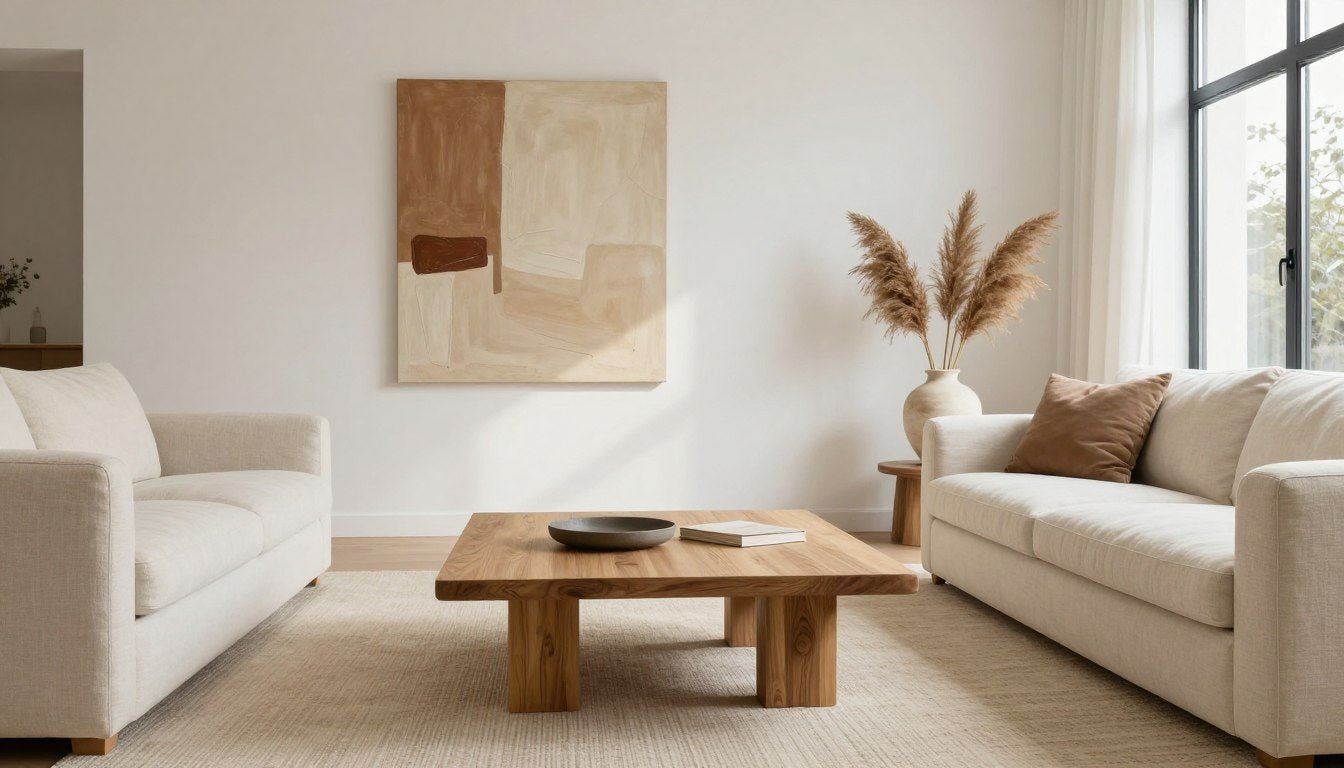
Your wall art should relate to your room's color scheme in a deliberate way. Pick up one or two colors from your art and echo them in smaller decor pieces. A painting with hints of terracotta might connect to throw pillows or a ceramic vase. These subtle repetitions create a designed look rather than a random collection.
Neutral walls give you the most flexibility with colorful wall art. White, gray, and beige backgrounds let bold pieces shine without visual competition. This approach works especially well in modern spaces where the art serves as the focal point. The surrounding simplicity amplifies the artwork's impact.
Monochromatic Schemes with Modern Wall Art
A single color family creates sophisticated, calming spaces. Modern wall art in varying shades of one color adds depth without visual chaos. Consider blue-toned pieces ranging from navy to powder blue. This variation creates interest while maintaining a cohesive, restful atmosphere.

Black and white wall art offers timeless versatility. These pieces work in virtually any color scheme and adapt as your decor evolves over time. Graphic prints, line drawings, and high-contrast photography all fall into this category. The absence of color puts emphasis on form, composition, and texture.
Using Accent Colors Through Wall Art
Introduce new colors to your space through carefully chosen wall decor. A predominantly neutral room comes alive with a vibrant abstract piece. This art becomes your accent color source. Pull that same shade into smaller accessories throughout the room for a pulled-together look.
Warm Color Palettes
Warm tones create inviting, energetic spaces. Modern wall art featuring reds, oranges, and yellows adds vitality to living areas and kitchens. These colors stimulate conversation and appetite, making them perfect for social spaces in your home.

Cool Color Palettes
Cool tones promote calm and focus. Blues, greens, and purples work beautifully in bedrooms and home offices. These colors recede visually, making rooms feel more spacious. Modern wall art in cool tones helps create the serene atmosphere essential for rest and concentration.

Seasonal Flexibility in Modern Wall Art
Some people enjoy changing their wall decor with the seasons. Lighter, brighter pieces feel right in spring and summer. Deeper, richer tones suit fall and winter months. If you like this approach, choose pieces that share a similar style but differ in color temperature.
Canvas prints make seasonal rotations practical and affordable compared to original paintings. Store off-season pieces properly to protect them from dust and moisture. This strategy keeps your home feeling fresh throughout the year without requiring a complete decor overhaul.

The colors you live with affect your daily mood and energy. Choose modern wall art that supports how you want to feel in each space. Trust your instinctive response to colors while also considering how they function within your overall design scheme.
Ready to Find Your Perfect Modern Wall Art?
Explore our curated collection of contemporary canvas prints, original paintings, and sculptures designed for modern interiors. Each piece is selected for its quality, impact, and versatility in today's homes.
Creating Stunning Gallery Wall Arrangements with Modern Art

Gallery walls bring dynamic energy to modern spaces. These curated arrangements combine multiple pieces into one cohesive statement. The key lies in planning the layout before making a single hole in your wall.
Planning Your Gallery Wall Layout
Start by arranging your pieces on the floor. Experiment with different configurations until you find a layout that feels balanced. Take a photo of your final arrangement from above. This becomes your reference when you hang the actual pieces on your wall.
The spacing between pieces matters as much as the pieces themselves. Maintain consistent gaps of 2 to 3 inches between frames for a professional look. This uniform spacing creates unity even when frame sizes and art styles vary significantly.

Symmetrical vs. Organic Gallery Walls
Symmetrical arrangements suit formal spaces and traditional architecture. Create a grid pattern with uniform frame sizes and equal spacing. This approach works particularly well in dining rooms and home offices where order and structure enhance the environment.
Organic gallery walls embrace intentional irregularity. Mix frame sizes, orientations, and even frame colors. This salon-style hanging feels more casual and collected. It works beautifully in living rooms, hallways, and creative spaces where you want to express personality.

Grid Gallery Walls
Choose identical frame sizes and arrange them in a perfect grid. This creates a strong architectural element on your wall. The uniformity of the frames lets the art itself provide the variety and visual interest.
Salon-Style Arrangements
Mix different frame sizes and art types for an eclectic look. Start with your largest piece as an anchor, then build around it. Vary the spacing slightly to create rhythm and movement across the wall.
Choosing Frames for Modern Gallery Walls
Frame selection unifies diverse art pieces. Black frames create a contemporary gallery aesthetic that works with virtually any art style. White frames feel lighter and more casual. Natural wood frames add warmth and organic texture to modern spaces.
You can mix frame styles successfully by maintaining one consistent element. Keep all frames the same color but vary the widths. Or use the same frame profile in different finishes. This creates visual interest while preserving overall cohesion.

Common Gallery Wall Mistakes to Avoid
Hanging art too high remains the most common gallery wall error. Remember the 57-inch center point rule even with multiple pieces. Treat the entire arrangement as one unit when calculating this measurement.
Another mistake involves starting to hang before planning the full layout. People often begin with one piece and try to add others around it. This approach rarely produces balanced results. Always plan the complete arrangement first.
Professional Tip: Create paper templates of each piece in your gallery wall. Tape these to the wall and adjust until the arrangement feels right. Mark your nail holes through the paper before removing it. This eliminates guesswork and prevents extra holes in your wall.
Gallery Wall Themes for Modern Homes
Thematic coherence makes gallery walls feel intentional rather than random. Choose pieces that share a visual connection. This might be color, subject matter, artistic style, or even the era when the works were created.
Abstract modern wall art creates compelling gallery walls when pieces share similar color palettes or compositional elements. Mix different sizes and orientations while maintaining this visual thread. The variety keeps the eye moving while the shared elements provide unity.

Photography galleries work beautifully in modern interiors. Black and white images create drama and sophistication. Keep matting and frames consistent to let the photographic content provide the variation. This approach works in both personal spaces and public areas of your home.
Living with a gallery wall brings ongoing pleasure. Unlike a single large piece, these arrangements offer multiple focal points. Your eye discovers new details and relationships between pieces over time. This complexity adds richness to your daily experience of your space.
Popular Modern Wall Art Styles and How to Use Them

Modern wall art encompasses several distinct styles. Understanding these categories helps you articulate your preferences and create cohesive spaces. Each style brings specific qualities that work better in certain rooms and design contexts.
Abstract Expressionism in Modern Homes
Abstract art focuses on color, form, and texture rather than recognizable subjects. These pieces invite personal interpretation. One person might see stormy seas where another finds urban energy. This openness makes abstract work versatile across different spaces and design schemes.
Large-scale abstract pieces anchor modern living rooms with bold confidence. The sweeping gestures and layered colors create visual interest that remains engaging over time. Choose abstracts with colors that complement your existing palette for easy integration into your decor.

Smaller abstract pieces work beautifully in bedrooms and home offices. These spaces benefit from art that stimulates without overwhelming. Look for pieces with softer color transitions and more subtle compositions for areas dedicated to rest or focus.
Geometric and Minimalist Modern Art
Geometric art uses shapes, lines, and patterns to create structured compositions. These pieces feel orderly and intentional. Circles, squares, and triangles arrange themselves in balanced or dynamic configurations. The mathematical precision appeals to people who appreciate clarity and organization.
Minimalist wall art strips away everything except essential elements. A single brushstroke, one bold shape, or a subtle color gradation comprises the entire work. This restraint creates powerful impact through what is absent as much as what is present.

Geometric Patterns
Repeating shapes create rhythm and movement. These pieces work well in modern kitchens and home offices where their structured energy supports productivity and precision.

Minimalist Works
Subtle compositions provide visual rest. Place these pieces in bedrooms and meditation spaces where calm takes priority over stimulation. The simplicity clears mental space.

Color Blocking
Bold color fields meet in crisp edges. This style adds vibrant energy to neutral spaces. The graphic quality works particularly well in contemporary interiors with clean lines.
Line Art and Illustrations
Line drawings bring a hand-drawn quality to modern spaces. These works range from simple continuous line portraits to intricate botanical illustrations. The monochromatic nature of most line art makes it exceptionally versatile in various color schemes.
Face line art has become particularly popular in modern interiors. The simple, flowing lines capture human features with minimal detail. These pieces add a personal, humanistic element to contemporary spaces that might otherwise feel cold or impersonal.

Landscape and Nature-Inspired Modern Art
Modern landscapes differ significantly from traditional scenic paintings. Contemporary artists abstract natural forms into color fields, geometric interpretations, or impressionistic suggestions. Mountains become triangular color blocks. Forests transform into vertical line patterns. Water appears as fluid color gradations.
These nature-inspired pieces bring the outside world into your home without literal representation. They offer the calming benefits of natural imagery while maintaining a contemporary aesthetic. This makes them ideal for spaces where you want both modern style and organic warmth.

Mixed Media and Textural Modern Art
Mixed media pieces combine different materials and techniques. Paint meets paper, fabric, or found objects. These works bring significant texture that changes appearance throughout the day as light shifts. The dimensional quality adds depth that flat prints cannot achieve.
Textural wall art works particularly well in minimalist spaces where it provides the tactile interest that simple furnishings lack. The raised surfaces catch light and shadow, creating subtle variations that reward close viewing. These pieces become conversation starters that reveal new details over time.
Understanding these style categories helps you identify what resonates with your aesthetic preferences. You may gravitate toward one style or enjoy mixing different approaches in various rooms. The goal is creating spaces that feel authentically yours while maintaining visual coherence throughout your home.
Consider exploring our canvas prints collection to see how these different modern art styles translate into pieces perfect for contemporary interiors.
Room-by-Room Modern Wall Art Ideas for Every Space

Each room in your home serves different functions and creates different moods. Your wall art should support these purposes while contributing to a cohesive overall design. Let us explore how modern art enhances specific spaces.
Living Room Wall Art Strategies
The living room receives the most guests and serves as your primary relaxation space. This room can handle your boldest, largest wall art pieces. Position a statement work above the sofa or on the main focal wall. This piece should be substantial enough to anchor the room visually.
Consider the viewing distances in your living room. Art placed across from seating areas can include finer details that reward longer observation. Pieces near circulation paths should make their impact quickly with bold forms and colors that register even in passing.

Layer your living room wall art by adding smaller pieces on adjacent walls. These secondary works complement the main piece without competing for attention. Maintain a visual connection through shared colors or similar framing to create a designed rather than random appearance.
Bedroom Wall Art for Rest and Renewal
Bedroom art should promote calm and personal connection. Choose pieces with softer colors and gentler compositions than you might select for public spaces. This room is yours alone, so let your most personal art preferences guide your choices.
The wall above the headboard provides the natural focal point for bedroom art. Keep the width within the two-thirds rule based on your bed size. Hang the piece at a height that looks balanced when entering the room rather than optimizing for the lying-down view.

Avoid busy or aggressive imagery in bedroom spaces. Abstract pieces in cool tones promote rest. Gentle landscapes or simplified nature scenes work beautifully. Even minimalist line drawings can create the serene atmosphere that supports quality sleep.
Dining Room Art That Encourages Connection
Dining room wall art sets the tone for meals and gatherings. Choose pieces that feel celebratory or contemplative depending on how you use this space. Rich colors and confident compositions enhance the festive atmosphere of dinner parties.
Position dining room art where diners can appreciate it comfortably without constant neck craning. The wall opposite the head of the table works well, as does art placed on either side of a buffet or credenza. Scale matters here—too small and the piece gets lost, too large and it overwhelms the intimate scale of dining.

Kitchen Wall Decor Ideas
Kitchen walls present unique challenges due to moisture, cooking residue, and practical storage needs. Choose canvas prints or framed art behind glass that you can clean easily. Avoid delicate original works that might be damaged by kitchen conditions.
Modern kitchens often feature open walls above cabinets or small wall sections between windows and appliances. These spaces welcome smaller art pieces or collections of related works. Keep the style aligned with your kitchen's aesthetic—sleek and minimal for contemporary kitchens, warmer and more textural for transitional spaces.

Food and beverage themes work naturally in kitchen spaces but avoid literal or overly decorative imagery in modern settings. Abstract pieces in warm tones or modern botanical prints maintain the contemporary aesthetic while acknowledging the room's purpose.
Home Office and Study Spaces
Office wall art should support focus and creativity without creating distraction. Geometric patterns and structured compositions work well in spaces dedicated to analytical work. Abstract pieces with movement and energy suit creative pursuits and brainstorming sessions.
Position art within your natural sight line when seated at your desk. This placement allows brief visual breaks that rest your eyes during computer work. Choose pieces that inspire or energize you personally—this space serves your professional needs first.

Color psychology matters in office spaces. Blues and greens promote calm focus. Warmer colors add energy and enthusiasm. Consider what mental state supports your best work and choose art accordingly.
Hallways and Transitional Spaces
Hallways connect your rooms and deserve thoughtful art placement. These narrow spaces work beautifully with gallery walls or series of similar pieces. The linear quality of hallways suits sequential viewing—each step reveals new pieces or new perspectives on a larger work.
Keep hallway art scaled appropriately for the space width. Oversized pieces in narrow hallways feel cramped. Instead, choose multiple smaller works that create rhythm along the wall. Maintain consistent hanging heights to create visual flow as you move through the space.

Lighting plays a crucial role in hallways, which often lack natural light. Add picture lights or track lighting to properly illuminate your wall art. This makes transitional spaces feel intentional rather than forgotten, turning necessary circulation areas into genuine galleries.
Each room in your home offers opportunities to display modern wall art that enhances both function and atmosphere. The pieces you choose shape daily experiences in subtle but meaningful ways. Take time to consider how you use each space and what emotional quality you want art to bring to those moments.
Adding Texture and Dimension to Modern Wall Decor

Flat art creates impact through color and composition. Dimensional pieces add another layer of visual interest through actual depth and texture. These works interact with light differently throughout the day, making them dynamic additions to your walls.
Three-Dimensional Wall Sculptures
Wall sculptures extend beyond the picture plane into your living space. Metal wall art creates dramatic shadows that shift as sunlight moves across the room. Wood sculptures bring organic warmth and natural texture. These pieces work particularly well in modern interiors where flat surfaces dominate.
Position sculptural wall art where it receives interesting light. Side lighting enhances shadows and emphasizes the dimensional quality. Avoid placing dimensional pieces in dark corners where their depth becomes invisible. These works deserve prominent placement where light reveals their full impact.

Textured Canvas and Mixed Media Works
Thick paint applications create texture on canvas surfaces. These impasto techniques add touchable dimension that invites close viewing. The raised brushstrokes catch light and create subtle variations that photographs cannot capture. Original paintings with heavy texture offer this quality naturally.
Mixed media pieces combine paint with paper, fabric, or found materials. These works bring unexpected elements to your walls. The varied surfaces create visual complexity that rewards extended observation. Each viewing reveals new details as light changes throughout the day.

Woven and Fabric Wall Hangings
Textile wall art introduces soft texture to modern spaces. Woven pieces add warmth that hard surfaces cannot provide. The natural fibers create subtle color variations and tactile appeal. These works suit bedrooms and living areas where comfort matters as much as style.
Modern macramé moves beyond traditional designs into minimalist geometric patterns. Natural cotton or linen in neutral tones maintains contemporary aesthetics while adding handcrafted texture. These pieces work beautifully in spaces that need softening without sacrificing modern clean lines.

Fiber Art Benefits
Woven and textile pieces absorb sound, making them practical in spaces with hard surfaces and high ceilings. They add acoustic comfort while serving as beautiful wall decor. The natural materials also bring organic elements into contemporary interiors.

Sculptural Impact
Three-dimensional pieces create ever-changing displays as light moves through your space. Morning, afternoon, and evening each reveal different shadow patterns. This dynamic quality keeps your walls visually interesting day after day.
Wood Wall Art and Natural Materials
Wood brings inherent texture through grain patterns and natural variations. Modern wood wall art ranges from geometric carved pieces to organic driftwood arrangements. The material adds warmth that balances sleek contemporary furnishings and cool color palettes.
Reclaimed wood creates wall art with history and character. Each piece tells a story through weathering, nail holes, and color variations. These works bring sustainable, organic elements into modern homes while maintaining contemporary design sensibilities.

Layered Art Installations
Create depth by layering multiple pieces at different distances from the wall. Mount one piece directly to the wall, then add smaller works on small standoffs in front. This technique creates a shadow box effect that brings genuine three-dimensionality to your wall decor.
Shelf ledges allow you to lean art rather than hanging it permanently. This approach lets you layer pieces easily and change arrangements when inspiration strikes. Mix framed works with small sculptures or other decorative objects for a curated, personal display.

Combining Flat and Dimensional Works
Mix flat and dimensional pieces thoughtfully for maximum impact. A textured sculpture draws the eye first through its physical presence. Surround it with flatter pieces that provide visual context without competing for attention. This combination creates rich, layered wall displays.
Balance is essential when mixing art types. Too many dimensional pieces create visual chaos. Use textured and sculptural works as focal points, then support them with simpler flat art. This creates hierarchy and prevents your wall from feeling cluttered despite multiple pieces.
Texture and dimension transform walls from simple backgrounds into active design elements. These pieces create ongoing visual interest that goes beyond initial impact. The way light plays across dimensional surfaces means your art looks different morning, afternoon, and evening, keeping your space perpetually fresh.
For those interested in adding sculptural elements to their modern interiors, explore our sculptures collection featuring contemporary three-dimensional works designed for wall and shelf display.
Budget-Friendly Modern Wall Art Ideas That Look Expensive

Creating beautiful walls does not require unlimited funds. Strategic choices and smart styling make affordable art look intentional and sophisticated. The difference between cheap-looking and budget-friendly lies in how you select and present your pieces.
Choosing Quality Over Quantity
One excellent piece outperforms three mediocre ones every time. Save for works that genuinely resonate with you rather than filling walls quickly with whatever fits your immediate budget. Empty wall space feels better than poorly chosen art that you plan to replace eventually.
Canvas prints offer the look of original paintings at accessible price points. High-quality printing technology reproduces fine art with remarkable accuracy. The canvas texture adds dimension that paper prints lack. Choose pieces with rich colors and interesting compositions that hold up to daily viewing.

Frame Selection Makes the Difference
A simple black or white frame elevates even inexpensive prints. Avoid ornate or fussy frames that date quickly and look cheap. Clean, simple profiles in matte finishes create a gallery aesthetic that works with any modern art style.
Pre-made frames in standard sizes cost significantly less than custom framing. Purchase your art in common dimensions like 16x20, 24x36, or 30x40 inches. Then find quality ready-made frames that fit these measurements. The savings allow you to invest more in the art itself.
Money-Saving Tip: Buy frames during end-of-season sales at home goods stores. Stock up on standard sizes when you find them on clearance. Quality frames remain useful for years as you rotate art or move to new homes.
Creating Large-Scale Impact Affordably
Large modern wall art creates maximum impact but often carries premium prices. Create your own large-scale pieces by dividing a single image across multiple canvases. Triptychs and multi-panel works look intentionally artistic while costing less than single oversized pieces.
Another approach pairs smaller original works with larger prints. Place a small piece of original art alongside a large reproduction. The genuine artwork brings authenticity while the print provides scale. This combination looks curated and intentional rather than purely budget-driven.

Strategic Placement Maximizes Visual Impact
Even modest art looks impressive when placed perfectly. Use the design rules covered earlier—the 57-inch eye-level standard and the two-thirds proportion guideline. Proper placement signals that you take design seriously regardless of art budget.
Focus your budget on the most visible walls in your home. The wall you see when entering your living room deserves investment. Secondary spaces can feature more budget-friendly pieces without compromising the overall design quality of your home.
Mix High and Low Strategically
Combine a few investment pieces with more affordable works. The quality pieces set the standard, making budget-friendly additions look more expensive by association. This approach builds a collection over time rather than requiring immediate significant expenditure.

Thrift stores and estate sales sometimes yield vintage modern pieces at remarkable prices. Original works from lesser-known artists cost far less than famous names while offering genuine artistic merit. Develop your eye for quality composition and technique rather than shopping by signature.
Rotating Your Collection
Living with less art at any given time actually increases your enjoyment of each piece. Rotate works seasonally or whenever you want a fresh look. Store unused pieces properly and bring them back later. This makes a smaller collection feel larger and keeps your walls from becoming visual wallpaper you stop noticing.
Build your modern wall art collection gradually and intentionally. Each piece should earn its place through genuine personal connection or design merit. This thoughtful approach creates spaces that feel authentic and designed rather than decorated according to trends or budget limitations alone.
Quality modern wall art remains accessible when you prioritize thoughtful selection and smart presentation. The pieces you choose matter more than the amount you spend, especially when proper placement and framing elevate each work to its full potential.
Maintaining and Caring for Your Modern Wall Art

Proper care preserves your wall art investment and keeps pieces looking fresh for years. Different materials require specific maintenance approaches. Understanding these needs protects your collection from preventable damage.
Protecting Art from Environmental Damage
Direct sunlight fades pigments over time. Position valuable pieces away from windows that receive intense afternoon sun. If you must hang art in bright areas, use UV-protective glass for framed works. Canvas prints can receive protective varnish that filters harmful light.
Humidity affects art materials differently. Canvas can develop mold in damp conditions. Paper warps and buckles. Keep art in climate-controlled spaces when possible. Avoid hanging pieces directly above radiators or heating vents where temperature fluctuations occur.
Regular Cleaning and Dusting
Dust accumulates on all wall surfaces, including art. Use a soft, dry microfiber cloth to gently remove dust from frames and canvas surfaces. Never spray cleaning products directly on artwork. For glass-covered pieces, spray cleaner on your cloth first, then wipe the glass.
Clean your art monthly to prevent buildup that embeds in textured surfaces. This regular light maintenance beats attempting to remove heavy dust accumulation that might require more aggressive cleaning. Gentle, consistent care preserves your pieces better than infrequent deep cleaning.

Handling and Repositioning Art Safely
Always handle framed art by the frame, never by the hanging wire. The wire can pull away from the frame under weight. When repositioning pieces, work with a partner for anything larger than 24 inches. One person should support the bottom while the other steadies the top.
Wear clean cotton gloves when handling unframed canvas or valuable original works. Natural oils from your skin transfer to art surfaces and attract dirt over time. This simple precaution prevents gradual degradation from repeated handling.
Proper Hanging Hardware and Techniques
Use appropriate anchors for your wall type. Drywall requires different hardware than plaster or concrete. Heavy pieces need wall anchors rated for their weight. Never trust a single nail to hold valuable art—invest in proper picture hanging systems.
D-rings and wire systems distribute weight more evenly than sawtooth hangers. For pieces over 20 pounds, use two hanging points instead of one. This prevents the art from tilting over time and reduces stress on hanging hardware.
Safety Note: Check your hanging hardware annually. Screws can work loose over time, especially in drywall. Tighten any loose fixtures before they fail. This simple inspection prevents art damage from unexpected falls.
Storing Art Between Displays
Wrap stored art in acid-free paper rather than plastic, which traps moisture. Store pieces vertically rather than stacked flat to prevent pressure damage. Keep stored art in stable temperature and humidity environments away from attics and basements prone to extremes.
Label stored pieces with basic information about dimensions and content. This saves time when you want to rotate your collection. Keep an inventory with photos so you remember what you have without unwrapping everything to check.

When to Seek Professional Help
Valuable original paintings should receive professional cleaning every few years. Conservators have specialized training and materials that safely remove accumulated grime without damaging delicate surfaces. This investment protects pieces worth significant money or holding irreplaceable sentimental value.
If your art suffers water damage, contact a conservator immediately. Water can cause permanent staining and mold growth if not addressed quickly. Professional intervention within 48 hours often prevents what would otherwise be irreversible damage.
Proper care extends the life and beauty of your modern wall art collection. These simple practices protect your investment while ensuring that pieces continue bringing joy and visual interest to your space for many years to come.
Frequently Asked Questions About Modern Wall Art Ideas
What size modern wall art should I choose for above my sofa?
Your wall art should span approximately two-thirds the width of your sofa. For a standard 90-inch sofa, look for art between 54 and 60 inches wide. This proportion creates visual balance without overwhelming the space. You can achieve this width with a single large piece or a gallery arrangement of multiple smaller works. Measure your sofa first, calculate two-thirds of that measurement, then shop within a few inches of that target size.
How high should I hang modern wall art in my home?
Hang art with its center at 57 inches from the floor, which represents average human eye level. This standard applies to museums, galleries, and residential spaces. Measure 57 inches up from the floor and mark that point lightly with a pencil. This spot should align with the vertical center of your artwork, not the top or hanging hardware. When creating gallery walls with multiple pieces, treat the entire arrangement as one unit and center the whole grouping at 57 inches.
Can I mix different art styles in one room?
Yes, mixing art styles can create dynamic, personal spaces when done thoughtfully. Maintain visual cohesion through consistent framing, a unified color palette, or complementary subject matter. For example, pair abstract pieces with geometric works that share similar colors. Or combine different styles in similar frames for unity. Avoid mixing more than three distinct styles in a single room, as this risks creating visual chaos rather than intentional eclecticism.
What colors of modern wall art work best in small rooms?
Light, cool colors make small rooms feel more spacious. Choose modern wall art in soft blues, greens, and cool grays. These hues recede visually, creating the illusion of depth. Avoid dark, heavy colors that absorb light and make spaces feel smaller. Monochromatic pieces or works with significant white space also help maintain an open, airy feeling. That said, one bold accent piece can add personality without overwhelming the room if you keep surrounding walls and furnishings neutral.
How do I choose wall art that will stay in style?
Select pieces based on personal connection rather than current trends. Abstract works, geometric designs, and quality landscape interpretations remain visually relevant across decades. Avoid overly trendy colors or subjects that feel tied to a specific moment. Classic modern styles like mid-century abstract or minimalist compositions have proven staying power. Invest in quality pieces with strong composition and craftsmanship. Well-made art in timeless styles ages better than trendy pieces that date quickly as fashions change.
Should I match my wall art to my furniture and decor?
Wall art should coordinate with your decor without matching it exactly. Pull one or two accent colors from your art and echo them in smaller decor pieces like pillows or vases. This creates cohesion without being overly matchy, which can feel dated. Let your art lead the color story rather than forcing it to match existing furnishings. Furniture changes more frequently than wall art in most homes, so choose pieces you love that work with various decor schemes over time.
Where can I find quality modern wall art at reasonable prices?
Quality modern wall art is available at various price points through several channels. Premium art retailers like Rossetti Art offer curated collections of canvas prints, original paintings, and sculptures designed for contemporary interiors. Local art fairs and open studios connect you directly with emerging artists whose work costs less than established names. Online marketplaces offer reproductions of modern classics. Thrift stores occasionally yield vintage modern pieces at bargain prices. Focus on quality composition and personal resonance rather than brand names to find pieces that look expensive regardless of actual cost.
Transforming Your Space with Modern Wall Art

Your walls shape how you experience your home every single day. The modern wall art ideas you choose create atmosphere, express personality, and influence your mood in subtle but meaningful ways. From understanding design principles to selecting specific pieces for each room, you now have the knowledge to make confident decisions about wall decor.
Remember the foundational rules: hang art at 57 inches center height, choose pieces approximately two-thirds the width of furniture below them, and maintain consistent spacing in gallery wall arrangements. These guidelines ensure professional results that look intentional rather than accidental.
Color coordination, proper placement, and thoughtful scale all contribute to successful wall art integration. Mix different styles carefully while maintaining visual coherence through shared elements. Balance bold statement pieces with quieter supporting works. Create layers of interest through texture, dimension, and varied art types throughout your space.
Building a meaningful art collection happens gradually. Start with pieces that genuinely resonate with you rather than filling walls quickly with mediocre choices. One excellent work outperforms several forgettable ones. Your collection should evolve as your taste develops and your home changes over time.

Budget considerations need not limit your options. Strategic choices and smart presentation make affordable art look sophisticated and intentional. Invest in quality framing, position pieces perfectly, and combine high and low price points for a curated appearance that transcends individual piece costs.
Proper care preserves your investment and keeps your wall art looking fresh for years. Simple maintenance practices protect pieces from environmental damage while regular cleaning prevents buildup that dulls colors and surfaces.
Each room offers unique opportunities for modern wall art that enhances both function and beauty. Living rooms can handle bold statements. Bedrooms benefit from calming compositions. Dining rooms welcome pieces that encourage connection. Even transitional spaces like hallways become meaningful when you treat them as intentional galleries rather than afterthoughts.
Ready to bring these modern wall art ideas into your own space? Explore our carefully curated collections designed for contemporary interiors. Discover canvas prints that bring gallery-quality reproduction to your walls, original paintings that add authentic artistic presence, and sculptures that introduce dimension and texture to modern spaces.
Your journey toward more beautiful, personalized spaces begins with a single piece that speaks to you. Trust your instincts, apply these proven design principles, and create walls that inspire you every day. The right modern wall art transforms houses into homes that truly reflect who you are and how you want to live.

About the Author
Chiara Rossetti
Chiara Rossetti is the founder of Rossetti Art, a canvas print and original art brand. She writes about interior design, wall art styling, and the art of making a home feel alive.


Leave a comment
This site is protected by hCaptcha and the hCaptcha Privacy Policy and Terms of Service apply.