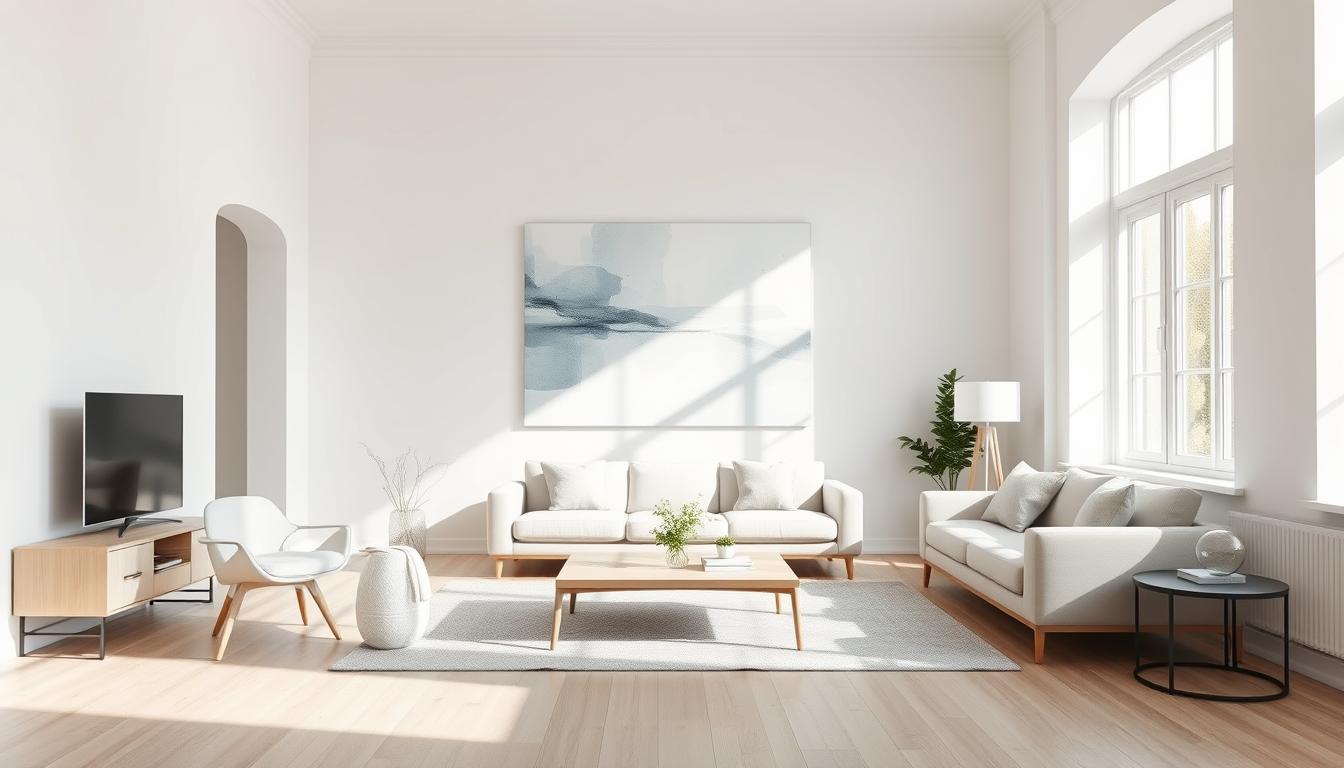
Contemporary minimalist interior design celebrates the beauty of simplicity, clean lines, and thoughtful curation. It's not about empty spaces or stark environments, but rather about creating intentional sanctuaries where every element serves a purpose. In a world filled with constant stimulation and clutter, minimalist interiors offer a respite—a place where the mind can rest and the spirit can rejuvenate.
While many associate minimalism with barren walls and absence of personality, the truth is quite the opposite. The careful introduction of meaningful art pieces can transform minimalist spaces from cold to captivating, adding depth and character without compromising the serene aesthetic. Rossetti Art's curated collection of fine art prints offers the perfect balance—bringing emotion and visual interest to minimalist interiors while maintaining the clean, purposeful design that defines this timeless style.

The Essence of Minimalism: Finding Beauty in Simplicity
At its core, contemporary minimalist interior design embraces the philosophy that "less is more." This approach isn't about deprivation but rather about intentionality—choosing quality over quantity and purpose over excess. The result is a space that feels both liberating and nurturing, where every element has earned its place.

Core Principles of Minimalist Design
Understanding the fundamental principles of minimalism helps create spaces that feel balanced rather than bare. These principles guide every decision, from architectural elements to the smallest decorative objects:
When these principles are applied thoughtfully, the result is a space that feels both serene and substantial. Contrary to common misconceptions, minimalist interiors aren't cold or impersonal—they're simply free from distraction, allowing the carefully chosen elements to speak more powerfully.

The beauty of minimalism lies in its ability to create breathing room—both physically and mentally. By removing excess, we make space for what truly matters. In these thoughtfully designed environments, even the simplest moments become more meaningful, whether it's morning light casting shadows across a wall or the perfect proportions of a carefully selected chair.
Color Palettes & Materials: Creating Depth Through Restraint
The minimalist approach to color and materials might seem restrictive at first glance, but within this restraint lies tremendous creative potential. By working with a carefully edited palette, each element gains significance and contributes to a cohesive whole.

Harmonious Color Selection
The color foundation of minimalist interiors typically revolves around neutral tones that create a sense of calm and continuity. These aren't limited to whites and grays—warm neutrals like taupe, sand, and soft beige can create equally minimalist spaces with added warmth.


While neutrals form the base, thoughtful color accents can add dimension without overwhelming the space. This is where art becomes particularly valuable—introducing controlled color moments that enhance rather than disrupt the minimalist aesthetic.
Texture and Material Interplay
In the absence of bold colors and patterns, texture becomes essential for creating visual interest and depth. Consider these material combinations that maintain minimalist principles while adding richness:

The interplay between these materials creates subtle contrasts that engage the eye without overwhelming it. When paired with carefully selected art pieces, these textural elements create spaces that feel complete and considered rather than sparse or unfinished.
Choosing the Right Art Prints for Minimalist Interiors
Art plays a crucial role in minimalist design, serving as both a focal point and an expression of personality. The key is selecting pieces that complement rather than compete with the space's serene quality. Fine art prints offer an accessible way to bring museum-quality artwork into minimalist interiors, adding depth without disrupting the carefully balanced environment.

Art Selection Principles for Minimalist Spaces
When selecting art for minimalist interiors, consider these guiding principles:
Recommended Art Styles for Minimalist Design
Certain artistic styles naturally complement the minimalist aesthetic while adding visual interest and emotional depth:

Abstract Minimalism
Works featuring simple forms, subtle color gradients, and negative space create visual interest without overwhelming the eye.

Architectural Photography
Clean lines and geometric compositions in black and white or muted tones complement minimalist architectural elements. If your space leans toward raw concrete and bold geometric massing, our guide to brutalist architecture in interiors shows how to translate that strong form into art choices.

Japanese-Inspired Art
Ink wash paintings and prints with significant negative space reflect minimalist principles of restraint and balance.

Minimalist Nature Photography
Landscapes with clean compositions and limited elements bring nature's serenity into minimalist spaces.
Rossetti Art Canvas Print Collection
Transform your minimalist space with our curated selection of fine art prints. Each piece is carefully selected to enhance contemporary minimalist interiors with subtle sophistication and emotional depth.
Explore the CollectionFeatured Art Prints for Minimalist Spaces
These selected pieces from Rossetti Art's collection exemplify the perfect balance between visual impact and minimalist restraint. Each print has been chosen for its ability to enhance contemporary minimalist interiors while maintaining the sense of calm and purpose that defines this design approach.

Canvas Print : "Zen Circle Harmony"
Add a touch of minimalist elegance to your space with this modern abstract wall art print. Featuring a bold red circle within a striking black circular stroke, all set on a textured beige background, this artwork exudes balance and harmony, inspired by Zen and Japanese design principles.

Canvas Print: Quiet Division – Minimalist Abstract
Add refined balance to your space with Quiet Division, a minimalist canvas print combining a bold red vertical line with a soft cloud of pastel speckles. This serene composition brings modern sophistication and calm to lofts, galleries, or minimalist interiors.

Canvas Print: Bold Shapes Harmony
Add bold personality to your home with Bold Shapes Harmony, a premium geometric canvas wall art designed to elevate any modern space, from urban lofts to Scandinavian dining rooms. This abstract canvas print combines bold colors, clean lines, and artistic symmetry to deliver the perfect balance between playful and polished.
Styling Tips: Integrating Art into Minimalist Spaces
The way art is displayed in minimalist interiors is just as important as the pieces themselves. Thoughtful placement and proper scaling ensure that your chosen artwork enhances the space while maintaining the clean, intentional aesthetic that defines minimalist design.

Placement Principles
Where and how you position artwork can dramatically impact both the piece itself and the overall space:


Scaling and Proportion
In minimalist design, the scale of artwork relative to the space is particularly important:

The beauty of minimalist styling lies in its intentionality. Each decision about art placement should feel deliberate and purposeful, creating a sense of visual calm while still allowing the artwork to make its intended impact.
Elevate Your Space with Curated Art
Browse our collection of fine art prints specifically selected to enhance minimalist interiors. Each piece is available in multiple sizes to perfectly fit your space.
Find Your Perfect PieceArt Prints That Transform Minimalist Spaces
These carefully selected pieces from our collection demonstrate how the right artwork can elevate minimalist interiors from simple to sophisticated. Each print maintains the clean aesthetic of minimalism while adding depth, interest, and personality.

Canvas Print: Golden Shadows – Modern Abstract Gold & Black Canvas Print
“Golden Shadows” by Chiara Rossetti is a captivating modern abstract canvas print, blending gold abstract art and black minimalist design to create a striking harmony between light and depth. This luxury wall art piece embodies the refined essence of modern decor, ideal for collectors of fine art canvas prints and lovers of gallery-quality canvas art.

Canvas Print: Golden Eclipse – Modern Abstract Gold Circle
Bathed in soft luminescence, “Golden Eclipse” by Chiara Rossetti captures the poetic moment between fullness and dissolution — a half-golden sphere gently dissolving into shimmering fragments. This modern abstract canvas print evokes both cosmic wonder and quiet contemplation, merging minimalist wall art design with the radiant allure of gold abstract art.

Canvas Print : Golden Solitude – Minimalist Yellow Canvas Print
Golden Solitude by Chiara Rossetti Art is a luminous expression of minimalist abstract wall art, blending refined simplicity with radiant emotion. ✨
This modern yellow canvas print transforms pure color into feeling — a statement of light, calm, and contemporary sophistication designed for modern homes, art collectors, and luxury interior spaces.
The Harmonious Balance: Minimalism and Fine Art
Contemporary minimalist interior design offers more than just a visual aesthetic—it provides a framework for living with intention and purpose. By embracing simplicity, thoughtful curation, and quality over quantity, minimalist interiors create spaces where both the mind and eye can rest. The careful integration of fine art prints adds the final layer that transforms these spaces from merely simplified to truly sophisticated.

The beauty of minimalism lies not in what is removed, but in what remains. When every element is chosen with intention—from architectural details to furniture to art—the result is a home that feels both personally meaningful and visually harmonious. Fine art serves as the perfect complement to minimalist design, adding layers of emotion, story, and visual interest while maintaining the clean, purposeful aesthetic.
At Rossetti Art, we specialize in fine art prints that embody the essence of elegance and emotion. Each piece curated by Chiara Rossetti transforms minimalist interiors into meaningful sanctuaries. Discover the full collection today and bring the quiet beauty of art into your modern home.
Complete Your Minimalist Space
Browse our complete collection of fine art prints perfect for contemporary minimalist interiors. Each piece is printed on museum-quality canvas and available in multiple sizes.
Explore the Full CollectionEditor's Picks: Signature Pieces for Minimalist Homes
These signature pieces from our collection represent the perfect finishing touch for contemporary minimalist interiors. Each print has been selected for its ability to enhance minimalist spaces while maintaining the serene, purposeful aesthetic that defines this design approach.

Canvas Print: Golden Radiance – Luxury Geometric Canvas Print
Ethereal, luminous, and irresistibly elegant ✨
Golden Radiance is a modern abstract wall art canvas print that celebrates the timeless harmony between light and geometry.
Designed by Chiara Rossetti Art, this luxury geometric wall decor transforms minimalist lines into radiant gold energy — a striking centerpiece for your modern living room, home office, or sophisticated interior.

Canvas Print: Azure Rhythm – Modern Abstract Canvas Print
Fresh, free, and full of movement — Azure Rhythm embodies the effortless beauty of light dancing upon water. 💫
This modern abstract canvas print by Chiara Rossetti Art captures a serene interplay of sky blue, white, and sunlit orange, evoking summer air, ocean calm, and minimalist harmony.

Canvas Print: Radiant Bloom – Contemporary Abstract Canvas Print in Pink
Like a burst of sunlight breaking through deep ocean hues, Radiant Bloom by Chiara Rossetti captures a moment of joyful expansion—a celebration of light, color, and motion. Vivid pinks and golden yellows dance over a midnight blue background, balanced by streaks of pure white that illuminate the entire composition.

About the Author
Chiara Rossetti
Chiara Rossetti is the founder of Rossetti Art, a canvas print and original art brand. She writes about interior design, wall art styling, and the art of making a home feel alive.

Leave a comment
This site is protected by hCaptcha and the hCaptcha Privacy Policy and Terms of Service apply.