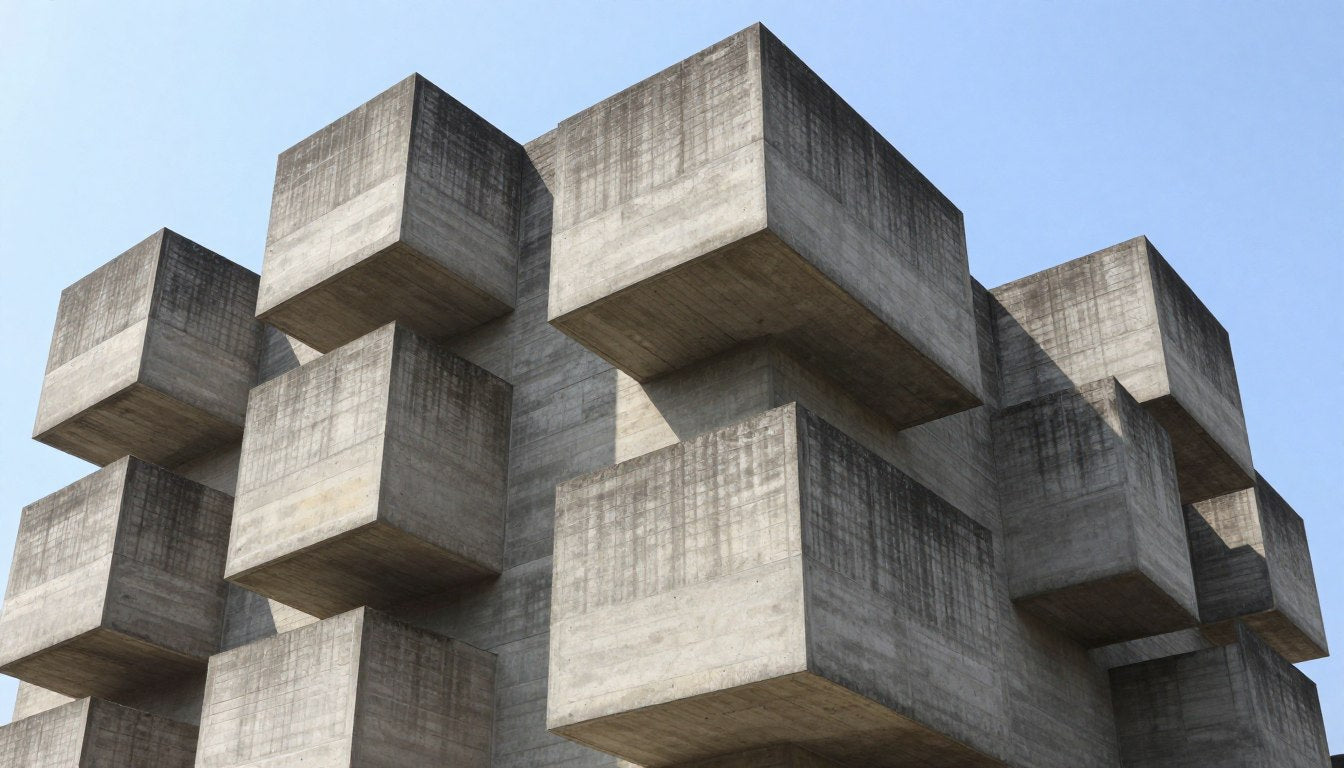

Brutalist architecture stands as one of the most polarizing design movements of the twentieth century. These massive concrete structures command attention through their raw materials and unapologetic forms.
The movement emerged from post-war necessity and philosophical conviction. Today, brutalist buildings spark intense debate about beauty, function, and the role of architecture in urban life.
This guide explores how brutalist architecture principles translate into residential interiors and art. You'll discover practical ways to incorporate bold geometric forms, exposed materials, and structural honesty into your living environment without sacrificing warmth or livability.
Understanding Brutalist Architecture: Origins and Philosophy

The term "brutalist architecture" derives from the French phrase "béton brut," meaning raw concrete. British architects Alison and Peter Smithson popularized this terminology in the 1950s. The movement represented a dramatic departure from ornamental design traditions.
Architect Le Corbusier pioneered the aesthetic through his Unité d'Habitation housing complex in Marseille. His work demonstrated that exposed concrete could serve as both structure and finish. This approach challenged conventional expectations about building materials and architectural expression.
The philosophy behind brutalism emphasized honesty in construction. Architects exposed structural elements rather than concealing them behind decorative facades. This transparency reflected modernist ideals about truth in materials and functional design.
The Post-War Context of Brutalist Buildings
World War II devastated European cities and created urgent housing shortages. Governments needed affordable construction methods that could deliver large-scale housing quickly. Concrete offered an economical solution that required less skilled labor than traditional masonry.
The years following the war saw rapid urbanization across Europe and North America. Brutalist buildings emerged as practical responses to demographic pressures and limited budgets. Cities commissioned architects to design efficient structures for education, housing, and civic functions.
This historical context shaped the movement's aesthetic choices. The raw concrete surfaces reflected material scarcity and construction pragmatism. Yet architects transformed these limitations into a distinctive design language that celebrated structural boldness.
Key Figures in the Brutalist Movement

Le Corbusier's influence extended beyond his own projects. His writings on modern architecture provided theoretical foundations for younger architects. The concept of béton brut became central to brutalist design philosophy across continents.
British architects Alison and Peter Smithson championed brutalism through built work and theoretical writings. Their Hunstanton School in Norfolk demonstrated how exposed building systems could create architectural honesty. The project influenced a generation of architects working in Britain and beyond.
In the United States, Paul Rudolph emerged as a leading brutalist architect during the 1960s. His Yale Art and Architecture Building showcased complex spatial arrangements within sculptural concrete forms. Marcel Breuer brought European modernist sensibilities to American institutional buildings. His work at universities demonstrated brutalism's adaptability to educational environments.
These architects shared commitment to structural expression and material authenticity. Their buildings united states and nations through a common design language. The movement transcended national boundaries while responding to local contexts and needs.
Defining Characteristics of Brutalist Design
Brutalist architecture exhibits several consistent features that distinguish it from other modernist approaches. Understanding these elements helps translate the style into interior and art applications. Each characteristic contributes to the movement's powerful visual impact.
Raw Concrete as Primary Material

Concrete forms the foundation of brutalist aesthetic identity. The material appears in its unfinished state, preserving marks from wooden formwork. These surface imperfections become intentional design features rather than flaws requiring concealment.
The béton brut approach celebrates concrete's inherent qualities. Architects valued the material's monolithic character and sculptural possibilities. Board-formed concrete reveals the construction process through wood grain impressions left by temporary molds.
This honest material expression extended to other building elements. Steel, glass, and brick appeared without applied finishes. The building revealed its construction methods to occupants and observers, creating architectural transparency.
Bold Geometric Forms and Massing
Brutalist buildings employ strong geometric shapes that create dramatic visual statements. Rectangular blocks, cylindrical towers, and angular projections combine into complex compositions. These forms emphasize architectural presence in urban landscapes.
The massing strategies often feature repetitive modular elements. Identical window openings or concrete panels create rhythmic patterns across facades. This repetition reflects industrial production methods and creates visual unity across large structures.
Cantilevered sections and inverted pyramidal forms demonstrate structural capabilities. These gravity-defying elements showcase engineering achievements while creating distinctive silhouettes. The bold shapes make brutalist buildings immediately recognizable in city skylines.
Functional Clarity and Structural Honesty

Brutalism rejected decorative elements that obscured building function. Architects exposed mechanical systems, structural supports, and circulation paths. This transparency allowed building users to understand how the structure operated.
The movement prioritized functional efficiency over aesthetic refinement. Stairwells, elevators, and utility conduits became visible architectural features. This approach aligned with modernist principles about truth in design and rational planning.
Structural honesty extended to spatial organization. The exterior form typically reflected interior arrangements. Large public spaces appeared as distinctive volumes in the overall composition. This readable quality helped occupants navigate complex buildings.
Repetitive Modular Elements
Standardization played a crucial role in brutalist construction economics. Architects designed repeating components that could be mass-produced and assembled efficiently. This modularity reduced construction time and costs while creating characteristic visual patterns.
Precast concrete panels offered particular advantages for large-scale projects. Factories produced identical elements that workers installed on-site. The technique enabled rapid building construction during periods of urgent housing need.
These repetitive elements created distinctive facade treatments. Regular window patterns, textured concrete panels, and standardized balconies established visual rhythm. The approach demonstrated how industrial production methods could generate architectural character.
Iconic Examples of Brutalist Architecture

Certain brutalist buildings have achieved landmark status and influenced architectural discourse globally. These structures demonstrate the movement's range and adaptability across different building types. Examining specific examples reveals how architects applied brutalist principles to diverse programmatic requirements.
Boston City Hall: Civic Monumentality
Gerhard Kallmann and Michael McKinnell designed Boston City Hall as a powerful statement of democratic governance. The building opened in 1968 and immediately sparked controversy. Its massive concrete form dominates Government Center plaza in downtown Boston.
The structure expresses governmental hierarchy through its massing strategy. Public spaces occupy the ground level with large open volumes. Administrative offices fill the upper stories in repetitive concrete modules. This arrangement makes the building's social organization visible in its physical form.
The exterior features deeply sculpted concrete surfaces and projecting elements. Cantilevered sections create dramatic overhangs that shelter pedestrian areas. The building exemplifies how brutalist architecture could serve civic functions while making bold urban design statements.
National Theatre in London: Cultural Expression

Denys Lasdun designed the National Theatre as a "urban landscape" along London's South Bank. The complex opened in 1976 after years of planning and construction. Its terraced concrete forms create multiple levels for public circulation and social interaction.
The building houses three performance venues within its sculptural concrete mass. Lasdun organized the complex as a series of strata that step down toward the River Thames. This geological metaphor shaped both the building's form and its relationship to the urban environment.
The National Theatre demonstrates brutalism's cultural applications beyond housing and government functions. The raw concrete surfaces provide neutral backdrops for artistic activities. The building's open circulation spaces foster community gathering and cultural exchange.
Habitat 67: Modular Housing Innovation
Moshe Safdie designed Habitat 67 for the Montreal World's Fair as an experimental housing complex. The project stacked prefabricated concrete modules to create distinctive stepped terraces. Each unit features private outdoor space despite the building's high density.
The design challenged conventional apartment building typologies. The modular system allowed for unit customization and expansion. The visual result resembles an inhabited concrete sculpture rather than a traditional housing block.
Habitat 67 influenced discussions about mass housing and architectural innovation. The project demonstrated how industrialized construction could generate architectural variety. The building remains a celebrated example of brutalist housing design and continues to function as a residential complex.
Geisel Library: Sculptural Form in California

William Pereira designed the Geisel Library at the University of California, San Diego with a distinctive inverted pyramid form. The building opened in 1970 and became an instant architectural landmark. Its unusual shape makes it one of the most recognizable brutalist buildings in the United States.
The structure cantilevers outward as it rises, creating dramatic overhangs. Glass walls fill the spaces between concrete supports at upper levels. This design provides abundant natural light for reading spaces while protecting book collections in the solid lower portions.
The library demonstrates brutalism's sculptural possibilities beyond rectangular forms. The building serves functional requirements while creating an iconic campus presence. The design influenced later discussions about how institutional buildings could balance utility with symbolic expression.
Trellick Tower: Residential High-Rise in London
Ernő Goldfinger designed Trellick Tower as social housing in North Kensington. The building completed construction in 1972 and rises 31 stories above the London skyline. Its distinctive service tower stands separate from the main residential block, connected by elevated walkways.
The design organized apartments around a central corridor system with skip-stop elevators. This efficiency measure reduced construction costs while creating architectural variation. The exposed service tower houses mechanical systems and emergency stairs.
Initially controversial, Trellick Tower has gained appreciation as an architectural landmark. The building achieved listed status protecting it from demolition. Its robust concrete construction and efficient layout continue to provide quality housing decades after completion.
Explore More Brutalist Design Insights
Discover detailed analyses of brutalist movements, architectural theory, and design evolution on our comprehensive blog. Learn how these principles continue to influence contemporary art and design.
Translating Brutalist Architecture Principles Into Interior Design

Applying brutalist principles to residential interiors requires thoughtful adaptation. The scale and intensity of architectural brutalism need refinement for livable home environments. The key lies in selective incorporation of brutalist elements balanced with warmth and human comfort.
The challenge involves maintaining brutalism's essential character while avoiding institutional coldness. Successful interior applications honor the movement's emphasis on honest materials and structural clarity. Yet they introduce softening elements that make spaces welcoming for daily life.
Material Honesty in Interior Spaces
Brutalist interiors embrace exposed structural elements as design features. Concrete walls, steel beams, and brick surfaces remain visible rather than covered with finishes. This approach creates visual texture and architectural authenticity within living spaces.
The material palette typically includes raw concrete, exposed wood, steel, and glass. These elements appear in their natural states without applied colors or decorative treatments. The honest material expression connects interior spaces to brutalist architectural values.
Natural materials gain emphasis through their inherent qualities. Wood displays visible grain patterns and natural coloration. Metal develops patina that reveals age and use. These authentic surface qualities create visual interest without applied ornamentation.
When incorporating concrete elements indoors, consider modern sculptures that echo brutalist forms. These art pieces bring architectural scale down to human proportions while maintaining material authenticity.
Geometric Forms and Spatial Clarity

Brutalist interiors employ strong geometric shapes in furniture, architectural elements, and spatial organization. Rectangular forms, cubic volumes, and angular compositions create visual order. This geometric clarity provides structure to open floor plans and multifunctional spaces.
The spatial planning emphasizes functional clarity similar to brutalist architecture. Circulation paths remain unobstructed and easily readable. Storage solutions and room divisions use straightforward geometric forms that announce their purposes.
Furniture selection favors pieces with bold silhouettes and structural presence. Low-profile sofas, cubic side tables, and angular shelving systems complement the architectural aesthetic. The geometric consistency creates visual harmony across interior elements.
Textural Contrast and Layering
Successful brutalist interiors balance hard architectural surfaces with softer textural elements. Raw concrete walls gain warmth through textile additions like area rugs, throw pillows, and fabric upholstery. This layering prevents spaces from feeling cold or unwelcoming.
Natural fiber textiles work particularly well in brutalist contexts. Wool, linen, and cotton introduce organic softness without compromising the aesthetic's integrity. These materials provide tactile comfort while maintaining the honest, unprocessed material philosophy.
Wood elements add visual warmth to concrete-dominated spaces. Wooden furniture, flooring, or accent walls create temperature contrast with cooler stone and metal surfaces. The combination honors brutalism's material diversity while enhancing livability.
Lighting Strategies for Concrete Spaces

Lighting plays a crucial role in brutalist interiors where concrete surfaces can absorb significant light. Strategic illumination enhances texture while providing adequate brightness for daily activities. Multiple light sources at varying heights create dimensional interest.
Natural light deserves priority in space planning. Large windows or glass walls connect interiors with outdoor environments while flooding spaces with daylight. The play of natural light across concrete surfaces creates dynamic visual effects throughout the day.
Artificial lighting should emphasize architectural features and material textures. Track lighting, recessed fixtures, and sculptural pendants provide functional illumination. Accent lighting directed at textured concrete walls creates dramatic shadows that enhance surface depth.
Color Palettes and Material Combinations
Brutalist interiors typically employ restrained color schemes that emphasize material authenticity. The palette derives from natural building materials rather than applied paints. This approach creates cohesive environments where material characteristics generate visual interest.
Monochromatic Neutrals as Foundation

Gray concrete establishes the baseline for brutalist color schemes. Various concrete tones ranging from light gray to dark charcoal create depth without introducing external colors. This monochromatic foundation allows architectural forms to dominate the visual experience.
Black and white elements provide contrast within the neutral framework. Black steel window frames, white painted ceilings, or black accent furniture create punctuation points. These high-contrast elements enhance spatial definition without compromising the restrained palette.
The neutrality allows flexibility for future modifications. Occupants can introduce color through changeable elements like artwork, textiles, or accessories. The architectural backdrop remains constant while personal expression varies over time.
Natural Material Colors
Wood introduces warm browns and honey tones that complement concrete's coolness. Natural wood finishes display grain patterns and color variations that add organic warmth. The material contrast creates visual temperature balance in predominantly concrete spaces.
Leather furniture in tan, cognac, or brown tones provides additional warmth. The material ages beautifully, developing character that aligns with brutalism's honest aging philosophy. Leather's durability suits the architectural style's emphasis on lasting construction.
Plants add living green elements that soften hard surfaces. Large-scale indoor plants like fiddle leaf figs or rubber trees complement brutalist interiors. Their organic forms provide visual counterpoint to geometric architectural elements while improving indoor air quality.
Strategic Color Accents

While brutalist interiors favor neutral palettes, strategic color introduction can enhance spaces. Single accent walls in deep colors like navy, forest green, or burgundy create focal points. These concentrated color applications provide visual relief without overwhelming the architecture.
Artwork offers opportunities for color expression within restrained environments. Canvas prints with bold geometric compositions introduce color while maintaining brutalist aesthetic principles. The artwork becomes a controlled color intervention that respects the architectural context.
Colorful accessories allow for seasonal variation and personal expression. Throw pillows, blankets, or decorative objects in jewel tones provide changeable color accents. This approach maintains architectural neutrality while accommodating evolving tastes and trends.
Metal Finishes and Glass Elements
Brushed steel, raw iron, and blackened metal finishes complement concrete surfaces. These industrial materials share brutalism's honest expression philosophy. Metal elements add reflective qualities that contrast with concrete's matte absorption.
Brass and copper introduce warmer metallic tones when appropriate. These metals develop natural patinas over time, creating visual interest through aging. The changing surfaces align with brutalist values about honest material expression and time's visible passage.
Glass provides transparency and light transmission within solid concrete environments. Large glass panels, glass block walls, or glass furniture maintain openness while defining space. The material's clarity contrasts effectively with concrete's opacity and weight.
Furniture and Fixture Selection for Brutalist Interiors

Furniture selection significantly impacts how successfully brutalist principles translate into livable interiors. The right pieces enhance architectural character while providing necessary comfort and function. Furniture should complement rather than compete with strong architectural elements.
Selecting Appropriate Furniture Styles
Mid-century modern furniture harmonizes naturally with brutalist interiors. Designers like Le Corbusier, Marcel Breuer, and Ludwig Mies van der Rohe created pieces that share brutalism's modernist roots. Their furniture emphasizes structural clarity and honest material expression.
Contemporary minimalist furniture also suits brutalist spaces. Pieces with clean lines, geometric forms, and restrained ornamentation maintain the aesthetic's visual discipline. Avoid overly ornate or traditional furniture that conflicts with architectural simplicity.
Industrial-style furniture pieces complement raw concrete environments. Metal frame tables, steel shelving units, and factory-inspired lighting fixtures echo brutalism's industrial construction methods. These elements create stylistic continuity between architecture and furnishings.
Material Considerations for Furniture
Leather upholstery provides durability and develops character through use. Full-grain leather in natural tones complements concrete's texture and color. The material's aging process creates patina that aligns with brutalist philosophy about honest material expression.
Solid wood furniture adds necessary warmth to concrete-dominated spaces. Oak, walnut, and teak offer visual richness and tactile comfort. Live-edge wood pieces introduce organic irregularity that contrasts effectively with geometric architectural precision.
Metal furniture frames in steel or iron maintain industrial aesthetic continuity. Powder-coated finishes in black or gray coordinate with concrete tones. Exposed metal construction reveals structural logic similar to brutalist architectural expression.
Scale and Proportion Considerations

Brutalist interiors often feature substantial ceiling heights and open volumes. Furniture must achieve adequate visual weight without appearing lost in large spaces. Low-profile pieces work well, maintaining openness while defining functional zones.
Oversized furniture can anchor seating areas within expansive rooms. Large sectional sofas, substantial coffee tables, and significant case goods provide necessary mass. These pieces establish human-scale comfort zones within architecturally dominant spaces.
Vertical elements like tall bookshelves or floor-to-ceiling storage units emphasize ceiling height. These pieces draw the eye upward while providing functional storage. The vertical emphasis complements brutalist architecture's often dramatic proportions.
Lighting Fixtures as Sculptural Elements
Lighting fixtures offer opportunities for artistic expression within restrained interiors. Sculptural pendant lights become focal points while providing functional illumination. Fixtures with geometric forms or industrial materials complement brutalist aesthetics.
Oversized pendants suit high-ceilinged brutalist spaces. Large drum shades, clustered globe pendants, or industrial cage lights provide appropriate scale. These statement fixtures fill vertical space while creating visual interest at eye level.
Track lighting systems offer flexibility in highlighting architectural features. Adjustable fixtures can accent concrete textures, artwork, or specific areas. The exposed track systems align with brutalism's honest expression of building systems and infrastructure.
Integrating Art Into Brutalist-Inspired Spaces

Art selection transforms brutalist interiors from architectural statements into personalized living environments. The right artwork complements raw materials while introducing color, emotion, and individual expression. Art provides the human element that makes concrete spaces feel welcoming and inhabited.
Scale and Impact in Art Selection
Brutalist interiors demand artwork with sufficient visual presence. Large-scale pieces command attention against expansive concrete walls. Oversized canvases, multi-panel works, or significant sculptures provide necessary impact in architecturally dominant spaces.
Gallery walls create visual interest through curated collections. Multiple smaller pieces arranged in geometric grids or asymmetric compositions fill wall space effectively. This approach allows for personal curation while maintaining visual cohesion.
Statement pieces anchor rooms and define character. A single powerful artwork can establish the tone for an entire space. Original paintings with strong geometric forms particularly suit brutalist contexts, their bold compositions matching architectural confidence.
Artistic Styles That Complement Brutalism
Abstract expressionism's bold gestures and dramatic compositions suit brutalist interiors. Large abstract canvases with strong color fields or gestural marks create visual excitement against neutral concrete. The artwork's emotional intensity balances architectural severity.
Geometric abstraction naturally aligns with brutalist design principles. Hard-edge paintings, color field works, and minimalist compositions echo architectural geometry. These pieces create visual dialogue between artistic and architectural forms.
Contemporary photography, particularly architectural and urban imagery, complements brutalist spaces. Large-format photographs of industrial landscapes, structural details, or urban environments reinforce the aesthetic's relationship with built environments.
Sculptural Elements as Three-Dimensional Art

Three-dimensional artwork adds spatial depth to brutalist interiors. Floor sculptures, wall-mounted relief pieces, or suspended installations create dimensional interest. Sculptural elements activate spaces beyond flat wall surfaces.
Material selection matters significantly for sculptural pieces. Metal sculptures complement industrial finishes and structural elements. Stone or concrete sculptures create material continuity with architectural surfaces. Wood sculptures introduce organic warmth and textural contrast.
Abstract geometric sculptures particularly suit brutalist contexts. Cubic forms, angular compositions, and modular structures echo architectural language. These pieces function as both art objects and spatial dividers that enhance room organization.
Explore contemporary sculptures with bold geometric forms that translate brutalist architectural principles into accessible art pieces. These works bridge the scale between monumental architecture and human-sized objects.
Artwork Placement Strategies
Artwork positioning affects visual impact in high-ceilinged brutalist spaces. Hanging pieces at appropriate heights maintains viewer connection despite vertical space. Standard gallery height (57-60 inches to center) works for most residential applications.
Leaning large-scale artwork against walls creates casual sophistication. This placement strategy suits contemporary interiors and allows easy rearrangement. Leaned pieces work particularly well on concrete floors where drilling may be undesirable.
Integrated lighting enhances artwork visibility and creates dramatic effects. Picture lights, track lighting, or recessed spots directed at art pieces increase visual impact. Proper illumination compensates for light-absorbing concrete surfaces.
Creating Gallery Walls in Concrete Spaces

Gallery walls require careful planning in brutalist contexts. Geometric arrangements complement architectural precision. Grid layouts, linear arrangements, or salon-style hangs each create different visual effects against concrete backgrounds.
Frame selection impacts overall cohesion. Consistent framing in black, white, or natural wood creates unity across diverse artworks. Alternatively, varied frames in complementary materials add visual interest through intentional eclecticism.
Color coordination matters when assembling gallery walls. Curated color palettes create visual harmony despite varied subjects and styles. Alternatively, monochromatic collections in black and white maintain brutalist restraint while offering artistic variety.
Using Textiles to Soften Brutalist Interiors
Textiles provide essential counterbalance to brutalist architecture's hard surfaces. Fabric elements introduce softness, warmth, and acoustic absorption. Strategic textile use transforms potentially harsh concrete environments into comfortable living spaces.
Area Rugs and Floor Coverings

Area rugs define spaces and add warmth to concrete or polished floors. Large-scale rugs anchor furniture groupings and create visual boundaries. Natural fiber rugs in wool, jute, or sisal complement brutalist material palettes.
Geometric rug patterns echo architectural forms while introducing pattern interest. Bold stripes, abstract designs, or modernist motifs maintain stylistic consistency. Pattern scale should match room proportions—larger patterns suit spacious areas.
Layered rugs create dimensional interest and additional softness. A larger neutral rug provides base coverage while a smaller patterned rug defines specific zones. This layering technique adds visual complexity without cluttering minimalist spaces.
Window Treatments for Concrete Spaces
Window treatments control light while softening architectural severity. Floor-to-ceiling curtains emphasize vertical space and add fabric draping. Linen or heavy cotton drapes in neutral tones maintain color restraint while providing texture.
Simple hardware suits brutalist aesthetics better than ornate rods. Industrial pipe curtain rods, minimalist tracks, or basic black rods complement architectural simplicity. Hardware should enhance rather than compete with windows and walls.
Layered window treatments offer functional flexibility. Sheer curtains filter light during daytime while heavier drapes provide privacy and insulation. This practical approach aligns with brutalism's emphasis on functional design solutions.
Upholstered Furniture and Cushions

Upholstered seating introduces necessary softness for daily comfort. Deep-cushioned sofas and plush armchairs balance concrete's visual and tactile hardness. Fabric selections in natural fibers maintain material authenticity while providing comfort.
Throw pillows offer color and pattern opportunities without permanent commitment. Geometric prints, solid colors, or textured fabrics add visual interest to neutral furniture. Pillows allow seasonal updates and personal expression within restrained palettes.
Textured upholstery fabrics create subtle visual interest. Bouclé, chenille, or heavy linen weaves add dimensional texture that catches light. These surface variations provide visual warmth without introducing pattern or color.
Blankets and Throws as Layering Elements
Draped blankets and throws introduce casual comfort to formal architectural settings. Wool throws in neutral tones add warmth both visually and functionally. These changeable elements allow easy seasonal adjustment and style updates.
Textile layering creates visual depth on seating. Multiple pillows and throws in coordinating colors and textures build comfortable, inviting environments. The layered approach softens minimalist furniture while maintaining clean lines.
Natural fiber blankets align with brutalist material philosophy. Wool, cotton, or linen throws avoid synthetic materials that conflict with authentic material expression. These textiles age gracefully, developing character through use.
Incorporating Plants and Natural Elements

Living plants introduce organic vitality to brutalist interiors. Greenery provides visual softness, improves air quality, and creates connections with natural environments. Plants humanize concrete spaces while maintaining design simplicity.
Selecting Plants for Industrial Environments
Large-scale plants suit brutalist interiors' generous proportions. Fiddle leaf figs, rubber plants, and bird of paradise varieties provide significant visual presence. Their substantial foliage creates focal points while filling vertical space.
Sculptural plants with architectural forms complement geometric design language. Snake plants, ZZ plants, and agaves offer bold silhouettes that echo brutalist angularity. These low-maintenance varieties suit busy lifestyles while providing visual interest.
Groupings of smaller plants create living installations. Multiple plants at varying heights generate visual complexity and lushness. This approach transforms corners or empty areas into green focal points.
Container Selection and Display Methods
Plant containers should complement brutalist aesthetics through material and form choices. Concrete planters create material continuity with architectural surfaces. Metal containers in black steel or raw iron maintain industrial character.
Geometric planter shapes echo architectural forms. Cubic concrete planters, cylindrical metal containers, or rectangular wooden boxes reinforce the design language. Simple forms allow plants themselves to provide organic contrast.
Elevated plant stands add vertical interest and display variety. Metal plant stands, wooden pedestals, or stacked concrete blocks create height variation. This vertical layering activates space at multiple levels.
Creating Green Walls and Vertical Gardens

Vertical gardens maximize greenery in space-limited environments. Wall-mounted planters, modular systems, or climbing plants create living art installations. These vertical elements activate wall space while improving indoor air quality.
Climbing plants soften architectural edges and corners. Pothos, philodendron, or string of pearls cascade gracefully from elevated positions. Their organic growth patterns contrast effectively with rigid architectural geometry.
Moss walls introduce subtle texture and sound absorption. Preserved moss installations require no maintenance while providing visual softness. The natural texture complements concrete surfaces while maintaining color restraint.
Natural Wood Elements as Organic Accents
Wood introduces warmth and organic irregularity to geometric concrete spaces. Live-edge wood tables, wooden beam accents, or reclaimed wood shelving add natural character. Wood's visible grain patterns provide visual interest through authentic material expression.
Wooden screens or room dividers create spatial definition while maintaining openness. Slatted wood panels filter views and light without solid barriers. These elements add human scale to large open areas.
Natural wood finishes preserve material authenticity. Clear oils or matte sealants protect wood while showcasing natural color and grain. This approach aligns with brutalist values about honest material presentation.
Lighting Design for Atmosphere and Function

Lighting design critically impacts brutalist interior success. Concrete surfaces absorb light, requiring thoughtful illumination strategies. Layered lighting approaches create functional brightness while establishing mood and atmosphere.
Natural Light Maximization
Natural light should drive space planning in brutalist interiors. Large windows, glass walls, or skylights flood spaces with daylight. The changing natural light creates dynamic effects across concrete surfaces throughout the day.
Window treatments should allow light control without blocking valuable illumination. Sheer curtains diffuse harsh sunlight while maintaining brightness. Adjustable blinds offer flexibility for different times and activities.
Reflective surfaces amplify available natural light. Mirrors, glass furniture, or polished floors bounce light deeper into spaces. This multiplication effect compensates for concrete's light-absorbing properties.
Ambient Lighting Strategies
Overall ambient lighting establishes base illumination levels. Recessed ceiling fixtures provide even light distribution without visual clutter. Dimmer controls allow adjustment for different times and activities.
Indirect lighting creates soft ambient glow without harsh shadows. Cove lighting, wall washers, or uplights directed at ceilings generate gentle illumination. This approach enhances architectural features while providing comfortable general lighting.
Statement pendants serve both functional and decorative roles. Large-scale fixtures provide substantial light output while creating focal points. Industrial-style pendants, geometric fixtures, or minimalist designs complement brutalist aesthetics.
Task and Accent Lighting

Task lighting addresses specific functional needs in work and reading areas. Adjustable desk lamps, reading lights, or under-cabinet fixtures provide concentrated illumination. Flexible positioning adapts to changing needs and activities.
Accent lighting highlights architectural features and art. Track lights, picture lights, or directional spots create visual interest through selective illumination. This targeted approach adds drama while drawing attention to key elements.
Floor lamps provide flexible ambient and task lighting. Arc floor lamps extend light over seating areas without ceiling fixtures. Their sculptural forms complement brutalist interiors while offering practical functionality.
Lighting Control and Automation
Dimming systems allow lighting adjustment for different moods and activities. Individual circuit control enables scene creation for entertaining, working, or relaxing. This flexibility maximizes lighting investment through varied use cases.
Smart lighting systems offer convenient control through apps or voice commands. Automated schedules align lighting with daily routines. Color temperature adjustment creates warmer evening light or energizing daytime illumination.
Layered lighting control provides ultimate flexibility. Independent control of ambient, task, and accent lighting allows precise atmosphere creation. This sophisticated approach transforms spaces throughout the day.
Practical Steps for Implementing Brutalist Design
Translating brutalist principles into actual living spaces requires methodical planning and execution. The process involves balancing architectural boldness with residential livability. These practical steps guide implementation while avoiding common pitfalls.
Assessing Your Space and Architectural Features

Begin by identifying existing architectural features that support brutalist design. Exposed concrete walls, steel beams, or industrial windows provide authentic foundations. These elements deserve emphasis rather than concealment during renovation.
Evaluate spatial proportions and ceiling heights. Brutalist design flourishes in generous vertical spaces. Lower-ceilinged rooms require more careful balance to avoid oppressive feelings. Scale furniture and elements appropriately to room dimensions.
Consider light sources and natural illumination patterns. Map sunlight exposure throughout the day. This information guides furniture placement, window treatment selection, and artificial lighting requirements.
Budgeting for Brutalist Renovations
Brutalist design can range from budget-conscious to luxury depending on approach. Exposing existing concrete costs less than applying new concrete finishes. Prioritize impactful elements that define the aesthetic rather than comprehensive renovation.
Allocate budget for quality materials that age well. Solid wood furniture, genuine leather upholstery, and quality lighting fixtures represent worthwhile investments. These durable elements align with brutalist values about lasting construction.
Consider phased implementation if budget constraints exist. Start with essential architectural modifications, then add furniture and artwork gradually. This approach allows time to find perfect pieces while living with the evolving space.
Balancing Brutalism With Livability

Successful residential brutalism requires tempering architectural severity. Introduce sufficient softening elements through textiles, plants, and warm materials. The goal creates visual interest and architectural drama without sacrificing comfort.
Maintain human scale through furniture choices and spatial organization. Create intimate zones within larger open spaces. Room dividers, area rugs, or furniture arrangements define comfortable areas within expansive volumes.
Allow personality and individual expression through art and accessories. Brutalist architecture provides the framework, but personal objects create home. Collections, family photos, and meaningful items prevent spaces from feeling sterile or impersonal.
Working With Design Professionals
Interior designers experienced with brutalist aesthetics provide valuable guidance. They understand how to balance architectural boldness with residential comfort. Professional expertise prevents costly mistakes and accelerates successful implementation.
Architects may be necessary for structural modifications exposing concrete or removing walls. Their technical knowledge ensures safety while achieving desired aesthetic effects. Proper engineering preserves structural integrity during renovation.
Art consultants assist with selecting and placing appropriate artwork. Their expertise helps identify pieces that complement architectural scale and aesthetic. Professional guidance prevents common sizing and placement mistakes.
Residential Case Studies: Brutalism Done Right

Examining successful residential brutalist projects reveals practical implementation strategies. These case studies demonstrate how abstract principles become lived reality. Learning from executed projects helps avoid common pitfalls while inspiring creative solutions.
Urban Loft Conversion
A converted industrial loft in New York embraced existing concrete columns and exposed ductwork. The owners painted the concrete floor high-gloss white to increase light reflection. Large-scale abstract paintings added color against neutral architectural surfaces.
Custom steel and wood furniture balanced industrial elements with warmth. A glass-enclosed bedroom maintained openness while providing privacy. Strategic plant placement throughout the space softened hard surfaces and improved acoustics.
The project succeeded by working with existing architecture rather than fighting it. The industrial bones provided authentic brutalist foundation. Thoughtful additions created comfortable residential character within architectural constraints.
Suburban Home Renovation
A 1970s suburban home renovation exposed previously covered concrete block walls. The owners removed dropped ceilings to reveal structural concrete above. Large windows installed during renovation flooded spaces with natural light.
Wood ceiling treatments warmed the overhead plane while concrete dominated walls. Custom millwork in white oak provided storage and visual warmth. The material combination balanced cool concrete with organic wood elements.
Vintage mid-century furniture complemented the architectural period and aesthetic. The owners collected pieces gradually, ensuring quality and fit. The patient approach created cohesive interiors without rushed decisions or mismatched elements.
New Construction Inspired by Brutalism

A newly constructed home in San Diego incorporated board-formed concrete walls as primary design feature. The architect designed strategic window placement to frame views while creating dramatic light effects. Concrete floors with radiant heating provided comfort and thermal mass.
The home integrated indoor-outdoor living through large glass walls. Concrete continued from interior to exterior, blurring boundaries. Native landscaping complemented architectural geometry while softening building edges.
Built-in furniture minimized freestanding pieces and emphasized clean lines. Custom concrete kitchen island and integrated seating demonstrated material versatility. The cohesive approach created architecturally unified spaces throughout.
Translating Brutalist Forms Into Wall Art and Sculptures

Art provides the most accessible entry point for incorporating brutalist aesthetics into existing homes. Carefully selected pieces bring architectural principles to human scale. Art allows experimentation with brutalist style without permanent architectural commitment.
Geometric Abstract Canvas Prints
Large-scale geometric abstracts echo brutalist architecture's bold forms. Angular compositions in monochromatic or limited color palettes maintain aesthetic consistency. These works create focal points while reinforcing design language throughout spaces.
Oversized canvas prints provide impact without sculpture's spatial requirements. Their two-dimensional nature allows placement in areas where freestanding objects would obstruct circulation. Multiple canvases can create dramatic installations across large wall expanses.
Discover modern canvas wall art featuring strong geometric compositions that translate brutalist architectural principles into accessible art. These pieces bring architectural scale and boldness to residential walls.

Angular Abstraction Series
Bold geometric compositions featuring intersecting planes and strong angular forms. These pieces echo brutalist architecture's emphasis on structural clarity and geometric precision.

Concrete Texture Collection
Artworks that capture concrete's textural qualities through abstract interpretation. Surface treatments evoke board-formed concrete while maintaining artistic expression and visual interest.

Color Block Compositions
Strategic color introduction through geometric abstraction. These pieces demonstrate how limited color palettes create impact while maintaining brutalist restraint and architectural harmony.
Original Paintings With Architectural Presence

Original artwork brings unique character and investment value to brutalist interiors. Hand-painted pieces display texture and materiality that reproductions cannot replicate. The visible brushwork and surface variation add dimensional interest to flat walls.
Large-scale originals command appropriate visual weight in architecturally dominant spaces. Paintings measuring five feet or larger compete effectively with concrete expanses. These significant works anchor rooms and establish design hierarchies.
Artists working with bold geometric abstraction create pieces naturally suited to brutalist contexts. Works emphasizing structure, form, and restrained color palettes complement architectural aesthetics. The artistic interpretation adds human creativity to built environments.
Browse original paintings featuring strong forms and architectural compositions perfect for brutalist-inspired interiors. These unique works provide focal points while maintaining stylistic coherence.
Sculptural Objects and Three-Dimensional Art
Sculpture activates spaces beyond wall surfaces. Three-dimensional works occupy floor space and create spatial dialogue with architecture. Sculptural elements provide vertical interest and establish human-scale reference points.
Abstract geometric sculptures echo architectural forms at accessible scale. Cubic, cylindrical, or angular pieces reinforce design language throughout interiors. Material choices in concrete, metal, or wood connect sculptures with architectural surfaces.
Modular sculptures offer flexibility and visual variety. Pieces that can be rearranged create changing compositions. This adaptability allows ongoing creative expression within established aesthetic frameworks.
Explore modern sculptures with bold geometric forms that bring brutalist principles into three-dimensional art. These pieces bridge architectural scale and collectible art.

Steel Form Studies
Angular metal sculptures exploring geometric relationships and structural balance. Raw steel finishes complement concrete interiors while introducing dimensional art elements.

Material Contrast Series
Sculptures combining concrete and wood explore material relationships. These pieces demonstrate how contrasting textures and temperatures create visual interest through material dialogue.

Modular Compositions
Reconfigurable sculptural elements allow ongoing creative expression. Multiple arrangements create varied visual effects while maintaining cohesive aesthetic through geometric consistency.
Maintaining Brutalist Interiors Over Time

Brutalist interiors evolve beautifully when properly maintained. The honest materials age gracefully, developing character through time. Understanding maintenance requirements preserves aesthetic integrity while allowing natural aging processes.
Concrete Care and Cleaning
Sealed concrete requires minimal maintenance beyond regular cleaning. Sweep or vacuum regularly to remove abrasive dirt particles. Damp mop with neutral pH cleaners avoids damaging sealers or staining surfaces.
Reseal concrete surfaces periodically to maintain protection. Most sealers require reapplication every two to three years depending on traffic. This maintenance preserves appearance while protecting against stains and moisture damage.
Address spills promptly to prevent staining. Acidic liquids like wine or citrus can etch concrete if left standing. Blot spills immediately and clean with appropriate cleaners designed for concrete surfaces.
Metal and Wood Element Maintenance
Steel and iron elements develop patina naturally over time. This aging process aligns with brutalist values about honest material expression. Clear coat applications can slow oxidation if desired, though natural aging often enhances character.
Wood surfaces benefit from periodic oiling or waxing. Natural oils penetrate wood fibers to protect and nourish. This maintenance preserves wood's appearance while allowing natural color development through aging.
Dust metal and wood surfaces regularly with soft cloths. Avoid harsh chemical cleaners that strip protective finishes. Gentle maintenance preserves materials while allowing them to develop authentic patina.
Furniture and Textile Care

Leather furniture develops rich patina through regular use and care. Clean leather periodically with specialized products that condition while cleaning. This maintenance prevents drying and cracking while enhancing natural aging beauty.
Rotate cushions regularly to ensure even wear across upholstered pieces. This simple practice extends furniture life and maintains appearance. Professional cleaning every few years refreshes fabrics while removing accumulated soil.
Vacuum textile elements like rugs and curtains regularly using appropriate attachments. Professional cleaning services handle deep cleaning without damaging delicate fibers. Regular maintenance prevents permanent staining and extends textile lifespan.
Artwork Preservation
Protect artwork from direct sunlight to prevent fading. UV-filtering window treatments or glazing protects valuable pieces. Even light-stable pigments benefit from reduced UV exposure over decades.
Maintain stable temperature and humidity levels to preserve artwork. Concrete interiors often provide naturally stable environments. Avoid placing artwork near heat sources or areas with dramatic temperature fluctuations.
Professional art installation ensures proper hanging and security. Experienced installers protect walls while securing artwork appropriately. Investment in professional installation protects both art and architecture.
Common Mistakes When Implementing Brutalist Design
Understanding typical pitfalls helps avoid expensive errors during brutalist interior creation. Many failures stem from incomplete understanding of the style's principles. Learning from common mistakes accelerates successful implementation.
Over-Emphasizing Severity

The most common mistake involves creating spaces that feel institutional rather than residential. Pure architectural brutalism without softening elements produces uncomfortable living environments. Balance remains essential for successful residential applications.
Introducing sufficient textiles, plants, and warm materials prevents excessive severity. These elements don't compromise brutalist principles but make spaces livable. The goal creates architectural drama within comfortable, welcoming environments.
Personal touches and individual expression humanize brutalist interiors. Family photos, collections, and meaningful objects prevent sterility. These additions create home rather than architectural exhibition.
Incorrect Scale Choices
Furniture sized inappropriately for space proportions creates visual discord. Tiny furniture disappears in expansive rooms with high ceilings. Conversely, oversized pieces overwhelm standard residential spaces lacking architectural grandeur.
Artwork scale matters significantly in brutalist contexts. Small pieces appear lost against expansive concrete walls. Invest in appropriately sized art that commands visual attention within architectural context.
Consider ceiling heights and room volumes when selecting furnishings. Vertical elements help fill tall spaces while maintaining openness. Proper scale creates visual harmony between architecture and contents.
Neglecting Lighting Requirements

Insufficient lighting creates dark, oppressive environments in concrete spaces. Light-absorbing surfaces demand generous illumination. Multilayered lighting approaches provide necessary brightness while creating atmospheric flexibility.
Natural light maximization deserves priority during planning stages. Window treatments should control light without blocking valuable daylight. Every opportunity for natural illumination improves spatial quality and reduces artificial lighting dependence.
Install lighting controls that allow adjustment for different uses and times. Dimming capabilities and independent circuit control maximize lighting investment. This flexibility transforms spaces throughout the day.
Ignoring Acoustic Considerations
Hard surfaces create sound reflection problems in brutalist interiors. Concrete, glass, and metal reflect sound rather than absorbing it. The result produces echoey, uncomfortable acoustic environments without mitigation.
Incorporate sound-absorbing elements through textiles, upholstered furniture, and plants. Area rugs, curtains, and fabric-covered walls reduce problematic reflections. These additions improve acoustics while contributing to visual softness.
Consider acoustic panels disguised as artwork in particularly problematic spaces. Modern acoustic treatments come in attractive designs that complement brutalist aesthetics. Addressing sound quality dramatically improves living comfort.
Contemporary Interpretations and Future Directions

Brutalist design continues evolving through contemporary reinterpretations. Modern applications address sustainability concerns while honoring foundational principles. Understanding current trends helps create relevant, forward-looking interiors.
Sustainable Material Choices
Contemporary brutalism emphasizes environmentally responsible material selection. Recycled concrete aggregates reduce environmental impact while maintaining aesthetic qualities. Reclaimed wood and salvaged steel honor resource conservation principles.
Low-VOC sealers and finishes protect health without compromising honest material expression. Modern products allow authentic surface appearance while meeting current environmental and health standards. These choices align brutalism with contemporary sustainability values.
Energy-efficient systems integrate into brutalist design frameworks. Radiant floor heating in concrete slabs provides comfortable warmth efficiently. Solar panels and green roofs complement geometric forms while addressing energy concerns.
Technology Integration
Smart home systems integrate seamlessly into brutalist interiors. Minimalist control panels and hidden technology maintain clean aesthetic lines. Voice control eliminates visible switches and controls that clutter surfaces.
LED lighting technology enables sophisticated illumination effects impossible with earlier technologies. Color temperature adjustment and dimming create varied atmospheres throughout the day. Modern lighting serves both functional and aesthetic purposes more effectively.
Automated climate control maintains comfort while respecting architectural integrity. Concealed systems avoid visible intrusions while providing modern conveniences. Technology enhances rather than compromises brutalist principles when thoughtfully implemented.
Hybrid Aesthetic Approaches

Contemporary designers increasingly blend brutalist elements with other aesthetics. Scandinavian minimalism combines naturally with brutalist structure. The hygge emphasis on coziness balances architectural severity while maintaining clean lines.
Industrial design elements complement brutalist foundations. Exposed utilities, metal fixtures, and factory-inspired furniture enhance rather than conflict with concrete architecture. The shared material palette creates stylistic coherence.
Biophilic design principles integrate nature into brutalist frameworks. Extensive planting, natural materials, and outdoor connections soften architectural harshness. This combination addresses both aesthetic and wellness concerns.
Renewed Architectural Appreciation
Brutalist buildings face preservation battles as appreciation grows. Landmark designations protect significant structures from demolition. This architectural recognition influences interior design trends toward authentic brutalist applications.
Social media platforms showcase brutalist architecture to new audiences. Instagram and Pinterest accounts dedicated to brutalism inspire residential applications. Digital exposure democratizes previously niche architectural appreciation.
Architecture tourism includes brutalist landmarks in itineraries. Visitors experience these buildings firsthand, influencing design preferences. Direct experience with successful brutalist architecture informs residential interior choices.
Creating Your Personal Brutalist-Inspired Space

Brutalist architecture offers powerful design language for contemporary interiors. The movement's emphasis on honest materials, structural clarity, and bold forms translates effectively into residential spaces. Success requires balancing architectural drama with human comfort and personal expression.
Start with careful assessment of existing architectural features. Identify elements worth emphasizing and areas requiring softening. This foundation guides subsequent decisions about materials, furniture, and art selections.
Implement changes gradually to avoid overwhelming spaces or budgets. Begin with impactful architectural modifications, then add furnishings and artwork over time. Patient curation creates more cohesive results than rushed decoration.
The key to successful brutalist interiors lies in thoughtful material selection and scale consideration. Natural materials like concrete, wood, and metal provide authentic foundations. Appropriate furniture and art scales ensure elements neither disappear nor overwhelm.
Lighting deserves particular attention in concrete-dominated spaces. Layer multiple light sources at different heights and intensities. This approach creates adequate brightness while establishing atmosphere and highlighting architectural features.
Remember that brutalism provides architectural framework, not complete interior solution. Personal objects, collections, and individual touches transform architectural statements into homes. Allow your personality to emerge within the structured aesthetic.
Art selection offers accessible entry into brutalist design principles. Large-scale geometric abstracts, bold sculptures, and architecturally-inspired pieces bring the aesthetic to any space. These elements work within existing architecture while signaling design direction.
Transform Your Space With Brutalist-Inspired Art
Ready to bring bold architectural forms into your home? Discover our curated collection of canvas prints, original paintings, and modern sculptures designed to translate brutalist principles into powerful interior statements.
The brutalist movement continues to influence contemporary design through renewed appreciation for honest materials and structural expression. Modern interpretations address sustainability and technology integration while honoring foundational principles. This evolution ensures brutalism's ongoing relevance.
Whether undertaking comprehensive renovation or simply adding brutalist-inspired elements to existing spaces, the principles remain consistent. Embrace material honesty, celebrate geometric forms, and maintain functional clarity. These core values guide successful implementation at any scale.
Your journey into brutalist design starts with education and inspiration. Study historical examples, visit landmark buildings when possible, and examine contemporary interpretations. This research informs decisions and builds confidence in your aesthetic choices.
Ultimately, brutalist interior design celebrates architecture's power to shape human experience. The style's boldness demands commitment but rewards with distinctive, memorable spaces. Your home becomes architectural statement and comfortable sanctuary simultaneously.

About the Author
Chiara Rossetti
Chiara Rossetti is the founder of Rossetti Art, a canvas print and original art brand. She writes about interior design, wall art styling, and the art of making a home feel alive.

Leave a comment
This site is protected by hCaptcha and the hCaptcha Privacy Policy and Terms of Service apply.