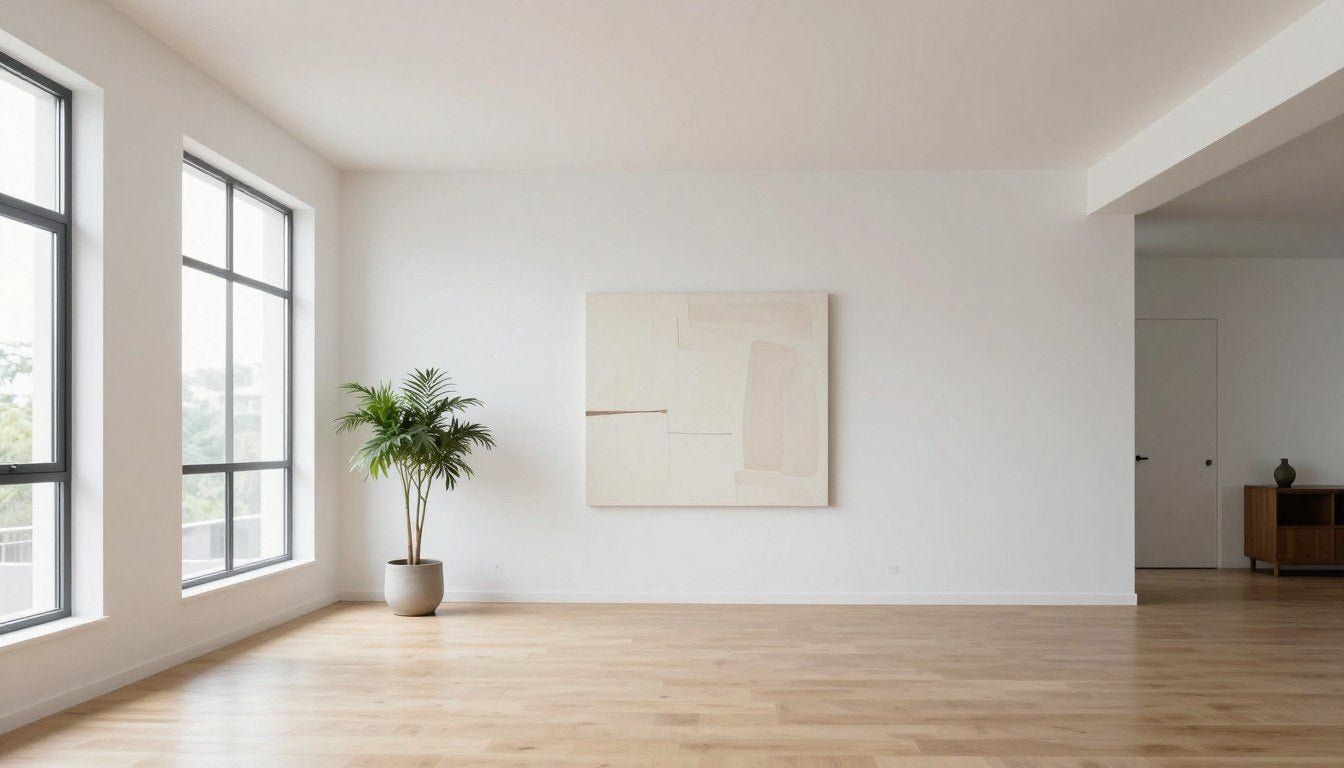
Walking into a minimalist space feels different. Your shoulders relax. Your mind clears. The room breathes.
This happens because minimalist interior design is not about empty rooms. It is about intentional choices. Every piece matters. Every element serves a purpose.
The phrase "less but better" captures this philosophy perfectly. You keep fewer items but select higher quality pieces. You reduce visual noise while increasing functionality. Your space becomes a tool for better living.
This guide explores minimalist design principles in depth. You will learn how to create calm, functional spaces. We provide a practical wall checklist you can use immediately. Whether you are redesigning a living room or refreshing a dining area, these strategies work.
Understanding Minimalist Interior Design Fundamentals

Minimalist interior design emerged from multiple cultural movements. Japanese aesthetics introduced "ma" - the concept of meaningful negative space. Scandinavian design contributed functionality and natural materials. The Bauhaus movement added clean geometry.
These influences created a unified approach. Minimalism prioritizes essential elements. It removes excess decoration. The result is spaces that support daily life without distraction.
Core Principles of Minimalist Design
Understanding minimalism requires examining its foundation. These principles guide every decision in minimalist spaces.
Intentionality drives minimalist interior design. Each object enters your home for a reason. You ask whether items add value. This process eliminates impulse purchases and random decoration.
Functionality stands equally important. Beautiful objects must serve practical purposes. A chair should provide comfort. Lighting should illuminate effectively. Form follows function in minimalist interiors.
Quality trumps quantity in minimalist spaces. One exceptional piece outperforms five mediocre items. This principle applies to furniture, artwork, and accessories. Investment in fewer better pieces creates lasting value.
The Psychology Behind Minimalist Spaces
Research shows that cluttered environments increase stress hormones. Visual complexity demands cognitive processing. Your brain constantly scans busy spaces.
Minimalist design reduces this mental load. Simplified environments allow focus on important activities. Studies link minimal spaces to improved concentration and creativity.
The aesthetic also promotes mindfulness. When you own fewer items, you appreciate each one more. This shift changes consumption patterns and life satisfaction.
Benefits of Minimalist Interior Design
- Reduced cleaning and maintenance time
- Lower stress from visual simplicity
- Enhanced focus on important activities
- Better air quality from fewer dust-collecting items
- Financial savings through intentional purchasing
Common Minimalist Design Misconceptions
- Minimalism does not mean sterile white rooms
- You can include color and warmth
- Comfort remains a priority
- Personal style still shines through
- Minimalism adapts to different lifestyles
Key Elements That Define Minimalist Interior Spaces

Creating minimalist interiors requires understanding specific design elements. These components work together to produce cohesive spaces. Master these elements and your rooms transform.
Color Palette and Material Choices
Minimalist color palettes favor neutrals. White, beige, gray, and black create foundational layers. These shades provide calm backgrounds that highlight architecture and select pieces.
This does not mean colorless spaces. Minimalist design uses color strategically. A single accent wall or bold artwork creates focal points. The restraint makes these moments more impactful.
Natural materials add essential warmth to minimalist interiors. Wood brings organic texture. Stone provides weight and permanence. These elements prevent spaces from feeling cold despite simplified decoration.
Different shades of wood create visual interest without clutter. Light oak floors pair beautifully with walnut furniture. The variation adds depth while maintaining simplicity.
Furniture Selection and Arrangement
Functional furniture forms the backbone of minimalist spaces. Each piece should serve clear purposes. Avoid items that exist solely for decoration.
Clean lines characterize minimalist furniture. Ornate carvings and excessive details disappear. Geometric shapes and simple silhouettes dominate. This approach creates visual coherence across rooms.
Scale matters significantly in minimalist design. Oversized furniture overwhelms small spaces. Undersized pieces look lost in large rooms. Proportion creates harmony and functionality.
Open floor plans support minimalist aesthetics. Furniture arrangement should facilitate movement. Leave generous space between pieces. This openness defines the minimalist look and improves livability.
Lighting Design for Minimalist Aesthetics
Light transforms minimalist interior design. Natural light should flood spaces whenever possible. Large windows, minimal window treatments, and strategic mirror placement maximize daylight.
Artificial lighting requires equal attention. Recessed fixtures provide ambient light without visual clutter. Pendant lights serve as functional sculpture. Floor lamps illuminate reading areas while maintaining clean profiles.
Layer lighting to create depth in minimalist rooms. Ambient light provides overall illumination. Task lighting supports specific activities. Accent lighting highlights architectural features or artwork. This layering adds dimensionality to simplified spaces.
Applying Minimalist Design Principles Room by Room

Different rooms present unique challenges for minimalist interior design. Understanding space-specific needs helps create functional minimalist environments throughout your home.
Minimalist Living Room Design
Living rooms serve multiple purposes. They accommodate relaxation, entertainment, and social gathering. Minimalist living room design balances these needs with aesthetic simplicity.
Start with essential furniture only. A comfortable sofa, coffee table, and seating for guests form the foundation. Avoid filling every wall with furniture. Empty space creates the breathing room that defines minimalism.
Storage solutions should disappear. Built-in cabinetry conceals electronics and media. Closed storage keeps visual clutter minimal. What remains visible should be intentionally displayed.
Wall decoration requires restraint in minimalist living spaces. One large piece creates more impact than multiple small items. Canvas prints designed for minimalist spaces provide focal points without overwhelming simplicity.
Creating Minimalist Dining Rooms
Minimalist dining rooms emphasize gathering and conversation. The dining table becomes the room's centerpiece. Choose clean-lined tables in wood or other natural materials.
Seating should be comfortable yet simple. Chairs with basic designs work better than ornate options. Consider benches for flexible seating that maintains clean lines.
Lighting above dining tables requires special attention. A single statement pendant or linear fixture provides necessary illumination. This becomes the room's primary decorative element.
Minimalist dining spaces often connect to kitchens. Maintain visual continuity between areas. Consistent color palettes and materials create seamless flow in open floor plans.
Bedroom Minimalism for Better Sleep
Bedrooms benefit enormously from minimalist design. Simplified sleeping environments improve rest quality. Remove electronics, excess furniture, and visual stimulation.
The bed dominates minimalist bedrooms. Invest in quality bedding in neutral shades. Simple headboards or none at all maintain clean aesthetics. Platform beds with built-in storage combine function with minimalist form.
Closets should completely contain clothing. Visible clothing storage creates visual noise. If you lack adequate closet space, consider minimalist wardrobes with doors rather than open storage solutions.
Bedroom walls in minimalist spaces often remain mostly bare. One piece of calming artwork above the bed suffices. Original paintings in serene palettes enhance relaxation without cluttering the space.
Mastering Minimalist Wall Decoration

Walls present a particular challenge in minimalist interior design. Empty walls can feel unfinished. Overcrowded walls destroy minimalist aesthetics. Balance requires strategy.
The "Less is More" Approach to Wall Art
Minimalist wall decoration follows strict principles. Quality significantly outweighs quantity. One carefully selected piece beats a gallery wall of mediocre prints.
Scale matters when choosing wall art. Large pieces create impact in minimalist spaces. Small artwork gets lost on expansive walls. A single oversized canvas commands attention without cluttering.
Placement requires thoughtfulness. Center artwork at eye level. Leave generous empty space around pieces. This negative space frames your art and maintains the minimalist aesthetic.
Color coordination between walls and artwork creates cohesion. Artwork can introduce accent colors while coordinating with your overall palette. Abstract pieces work particularly well in minimalist interiors.
Functional Wall Elements
Some wall elements serve practical purposes while maintaining minimalist design. Floating shelves provide storage without bulk. Install them sparingly and keep contents minimal.
Mirrors expand space visually while serving functional needs. Large frameless mirrors or simple frames work best. Position mirrors to reflect natural light throughout rooms.
Architectural features can act as wall decoration. Exposed brick, textured plaster, or wood paneling adds interest without objects. These elements provide visual depth in minimalist spaces.
The Essential Minimalist Wall Checklist

This checklist provides a practical framework for decorating walls in minimalist interior spaces. Use it when planning any room in your home.
Step 1: Assess Your Wall Space
Before adding anything, evaluate what you have. Understanding your walls helps you make better decisions.
- Measure wall dimensions accurately
- Note natural light sources and patterns
- Identify architectural features worth highlighting
- Consider viewing angles from furniture
- Photograph walls for planning purposes
Step 2: Determine Functional Needs
What does each wall need to accomplish? Function guides minimalist design choices.
- Identify storage requirements
- Consider lighting needs
- Evaluate whether mirrors would enhance space
- Determine if the wall needs visual warmth
- Assess whether the wall should create focal points
Step 3: Select Your Statement Piece
Choose one primary element for each wall. This becomes the wall's defining feature.
- Pick artwork proportional to wall size
- Choose pieces that reflect your aesthetic
- Consider color relationship to room palette
- Ensure the piece adds warmth or interest
- Verify the style aligns with minimalist principles
Step 4: Plan Placement and Spacing
Proper positioning makes minimalist wall decoration work. Poor placement ruins the effect.
- Center artwork at 57-60 inches from floor
- Leave at least 12 inches of empty space around pieces
- Align multiple pieces carefully if necessary
- Consider furniture height when positioning art
- Create visual balance across the room
Minimalist Wall Decoration Decision Framework
When considering any wall addition, ask these questions. They filter decisions through minimalist design principles.
- The piece serves a clear purpose
- It enhances room functionality or aesthetics
- The item is high quality and meaningful
- Placement feels intentional and balanced
- It adds warmth without creating clutter
- The piece coordinates with your color palette
- You genuinely love the item
Add to Wall If:
- You are filling space just to fill it
- The piece duplicates another item's purpose
- Quality is mediocre or temporary
- Placement feels random or forced
- It creates visual noise or complexity
- Colors clash with your established palette
- You feel uncertain about the choice
Avoid Adding If:
Transform Your Walls with Minimalist Art
Discover curated collections designed specifically for minimalist interior spaces. Each piece brings warmth and intention without overwhelming your carefully designed environment.
Using Color and Texture in Minimalist Design

Color and texture prevent minimalist interior design from feeling sterile. Strategic use of these elements adds warmth while maintaining simplicity.
Building a Minimalist Color Palette
Effective color palettes in minimalist design start with neutrals. White, cream, beige, and gray form the foundation. These shades create calm backgrounds that support daily life.
Introduce accent colors sparingly. One or two accent shades add personality without overwhelming. Navy, forest green, or terracotta work beautifully as minimalist accents. Use these colors in controlled doses through artwork, textiles, or small accessories.
Different shades of the same color create depth. Layer warm whites with cool whites. Combine light gray with charcoal. This tonal variation adds sophistication to minimalist spaces.
Consider how natural light affects colors throughout the day. Test paint samples on multiple walls. Observe how morning and evening light changes their appearance. Choose shades that remain appealing in different lighting conditions.
Incorporating Texture for Warmth
Texture provides essential visual interest in color-restrained spaces. Multiple textures create depth without adding objects or colors.
Natural materials bring organic texture to minimalist interiors. Wood grain adds warmth. Stone provides visual weight. Linen and cotton introduce soft tactile elements. These materials prevent minimalist spaces from feeling cold or institutional.
Layer different textures throughout rooms. Combine smooth surfaces with rough ones. Pair matte finishes with subtle shine. A wool rug on hardwood floors creates textural contrast. Linen curtains against painted walls add soft texture.
Architectural texture serves minimalist design well. Exposed concrete, brick, or plaster adds character without clutter. These elements become focal points while maintaining simplicity.
Smart Storage Solutions for Minimalist Homes

Storage challenges minimalist interior design. You need places for belongings without visible clutter. Thoughtful storage solutions make minimalism livable.
Hidden Storage Strategies
Built-in storage provides maximum capacity with minimal visual impact. Floor-to-ceiling cabinets blend into walls. Custom solutions fit your exact needs and space dimensions.
Furniture with integrated storage serves dual purposes. Beds with drawers underneath hide linens and off-season clothing. Coffee tables with lift tops conceal remotes and magazines. This approach maintains clean surfaces while storing necessary items.
Closets require special attention in minimalist homes. Well-organized closets contain more while appearing neat. Install proper shelving and hanging systems. Use uniform hangers. Store items by category. These steps reduce visible clutter throughout your home.
Open Storage in Minimalist Design
Some open storage works in minimalist spaces if carefully curated. Floating shelves display select items while maintaining clean lines. Limit shelf contents to essentials or beautiful objects.
Apply the "one in, one out" rule to open storage. When adding something new, remove something existing. This prevents gradual accumulation that destroys minimalist aesthetics.
Group similar items together on open storage. This creates visual order. Five books stacked neatly look intentional. Five books scattered randomly create chaos. Organization maintains minimalist principles even with visible storage.
Choosing Accessories and Decor for Minimalist Spaces

Accessories personalize minimalist interior design. The key lies in thoughtful selection and restrained quantity.
The Role of Accessories in Minimalism
Minimalist decor serves specific purposes. Accessories should provide function, add warmth, or express personality. Purely decorative items without meaning have no place in true minimalism.
Quality dramatically outweighs quantity in accessory selection. One beautiful ceramic vase surpasses ten cheap versions. Investment pieces last longer and provide greater satisfaction. This approach aligns with minimalist values of intentionality and sustainability.
Negative space matters as much as the objects you include. Empty surfaces allow your selections to shine. A single modern sculpture on a console table creates impact. Five items on the same surface create visual noise.
Plants in Minimalist Interiors
Plants add life to minimalist spaces without clutter. Greenery introduces organic shapes that contrast with clean lines and geometric forms.
Select plants thoughtfully. Large floor plants make bold statements. Small succulents add subtle organic elements. Choose varieties that match your lighting conditions and maintenance ability.
Display plants in simple containers. White ceramic, concrete, or natural wood pots complement minimalist aesthetics. Avoid decorative planters with patterns or excessive details.
Textiles as Minimalist Accessories
Textiles introduce softness and warmth to minimalist interior design. Select pieces in neutral colors or subtle patterns. Natural fibers like linen, cotton, and wool work best.
Throw pillows should be limited and cohesive. Two or three pillows in coordinating neutrals suffice for most sofas. Avoid mixing numerous patterns or colors.
Area rugs define spaces in open floor plans. Choose rugs in natural fibers and neutral tones. Ensure rug size fits your space properly. Too small ruins proportions. Correct sizing anchors furniture and defines areas.
Maintaining Your Minimalist Interior Over Time

Creating minimalist interior design takes effort. Maintaining it requires ongoing commitment. These strategies help preserve your simplified spaces.
Preventing Clutter Accumulation
Minimalism requires vigilance against clutter. Stuff accumulates gradually. Without systems, minimalist spaces quickly fill with unnecessary items.
Implement the "one in, one out" rule strictly. When you acquire something new, remove something existing. This maintains equilibrium in your belongings. The practice also makes you consider purchases more carefully.
Designate specific homes for every item. Mail goes in one location. Keys hang in another. When everything has a place, putting items away becomes automatic. This simple system prevents surfaces from collecting random objects.
Regular decluttering maintains minimalist standards. Schedule quarterly reviews of your belongings. Remove items that no longer serve purposes. Donate things you have not used in a year. This prevents gradual backsliding into clutter.
Adapting Minimalism to Life Changes
Life circumstances shift over time. Minimalist interior design should adapt while maintaining core principles.
New hobbies might require equipment storage. Children introduce toys and supplies. Work-from-home setups need office space. Address these needs within minimalist frameworks. Incorporate storage solutions. Choose multi-functional furniture. Maintain organization even with additional items.
Seasonal changes present challenges in minimalist homes. Rotate seasonal items efficiently. Store off-season clothing and decor completely out of sight. Display only current-season elements. This keeps your space consistently minimal year-round.
Common Minimalist Design Mistakes to Avoid

Even experienced designers make mistakes with minimalist interior design. Awareness of common pitfalls helps you avoid them.
Going Too Minimal
The biggest mistake is creating spaces that feel uncomfortable. Minimalism should enhance life, not restrict it. Rooms need adequate seating, sufficient lighting, and practical storage.
Eliminating too much creates cold, unwelcoming spaces. Some warmth is essential. Include textiles, natural materials, and a few personal items. Balance simplicity with livability.
Functionality must never suffer for aesthetics. If you lack places to sit, your minimalist living room fails. If you have nowhere to work, your minimalist home office does not work. Function always comes first in true minimalism.
Misunderstanding the Philosophy
Minimalism is not about empty rooms or all-white spaces. This misconception leads to sterile environments that lack personality.
Minimalist interior design welcomes personal style. Your favorite color can appear as an accent. Meaningful items deserve display. The approach is intentional, not restrictive.
Copying minimalist aesthetics without understanding principles creates hollow imitations. True minimalism reflects your values and lifestyle. It should make your daily life better, not just look good in photographs.
Neglecting Comfort and Warmth
Beautiful minimalist spaces that lack comfort fail their purpose. Invest in comfortable furniture. Include adequate lighting for all activities. Ensure proper temperature control.
Add warmth through materials and textures. Wood, natural fibers, and soft textiles prevent minimalist spaces from feeling stark. These elements make rooms inviting despite simplified decoration.
Consider how spaces feel, not just how they look. Sit in your chairs. Walk through your rooms. Live in your space before deciding it works. Comfort should never be sacrificed for aesthetics.
Achieving Minimalist Design on Any Budget

Minimalist interior design does not require expensive furniture or complete renovations. Smart strategies create minimalist spaces affordably.
Starting with What You Have
Begin by removing rather than adding. Declutter existing spaces. Rearrange furniture for better flow. Clear surfaces of excess accessories. These actions cost nothing and immediately improve your space.
Repurpose items you already own. A dresser becomes a TV stand. Bookshelves create room dividers. Thinking creatively about existing furniture saves money while supporting minimalist goals.
Paint transforms spaces inexpensively. White or light neutral walls create minimalist backgrounds. This simple change makes rooms feel larger and cleaner. Paint costs far less than new furniture.
Strategic Investment Priorities
When buying new items, prioritize wisely. Invest in furniture you use daily. A quality sofa or bed matters more than decorative accessories. These pieces should last years.
Buy fewer items of higher quality. One solid wood table outlasts three particle board versions. This approach aligns with minimalist principles while proving economical long-term.
Shop secondhand for minimalist pieces. Simple designs appear in thrift stores regularly. Clean-lined furniture from any era works in minimalist spaces. Vintage items often show better craftsmanship than new budget options.
DIY Minimalist Projects
Simple DIY projects enhance minimalist interiors affordably. Build basic floating shelves from quality lumber. Create simple artwork using canvas and paint. These projects add personal touches while controlling costs.
Focus DIY efforts on storage solutions. Built-in shelving, closet organization, and custom cabinets improve functionality significantly. Basic carpentry skills allow you to create these features yourself.
Minimalism and Sustainable Living

Minimalist interior design naturally supports sustainability. The principles align with environmental consciousness and reduced consumption.
Reduced Consumption Patterns
Minimalism dramatically decreases unnecessary purchases. When you buy intentionally, you acquire far fewer items. This reduces manufacturing demand and environmental impact.
Quality-focused purchasing further supports sustainability. Durable goods last longer, reducing replacement cycles. One piece used for decades creates less waste than multiple cheap replacements.
The minimalist approach to clothing, furniture, and decor opposes fast fashion and disposable design. This philosophical shift benefits both your space and the environment.
Sustainable Material Choices
Minimalist design favors natural materials. Wood, stone, cotton, and linen are renewable resources. These materials also age beautifully, another sustainability benefit.
Choose furniture made from sustainable sources when possible. Certified wood, recycled materials, and locally produced items reduce environmental impact. These choices align with minimalist values of intentionality.
Energy efficiency naturally follows minimalist design. Fewer possessions mean less climate control needs. Simplified spaces require less lighting. Natural light plays a larger role. These factors reduce energy consumption.
Embracing "Less but Better" in Your Home
Minimalist interior design transforms how you live. Simplified spaces reduce stress. Intentional choices improve satisfaction. Functional design supports daily activities.
The journey toward minimalism is personal. Your space should reflect your needs and values. Use the principles and checklist provided here as guides, not rigid rules. Adapt minimalism to your circumstances.
Start small if complete transformation feels overwhelming. Apply minimalist principles to one room. Experience the benefits before expanding. Gradual change often proves more sustainable than dramatic overhauls.
Remember that minimalist interior design serves you. The goal is better living through thoughtful simplification. If something enhances your life, keep it. If it adds only clutter, remove it. This simple filter guides all decisions.
Quality, functionality, and intentionality form minimalism's foundation. Keep these principles central as you create and maintain your spaces. The result will be rooms that breathe, support your activities, and bring daily satisfaction.
Your minimalist journey is unique. The spaces you create should feel authentically yours while embracing simplicity. This balance between personal style and minimalist principles creates homes that truly work.

About the Author
Chiara Rossetti
Chiara Rossetti is the founder of Rossetti Art, a canvas print and original art brand. She writes about interior design, wall art styling, and the art of making a home feel alive.


Leave a comment
This site is protected by hCaptcha and the hCaptcha Privacy Policy and Terms of Service apply.