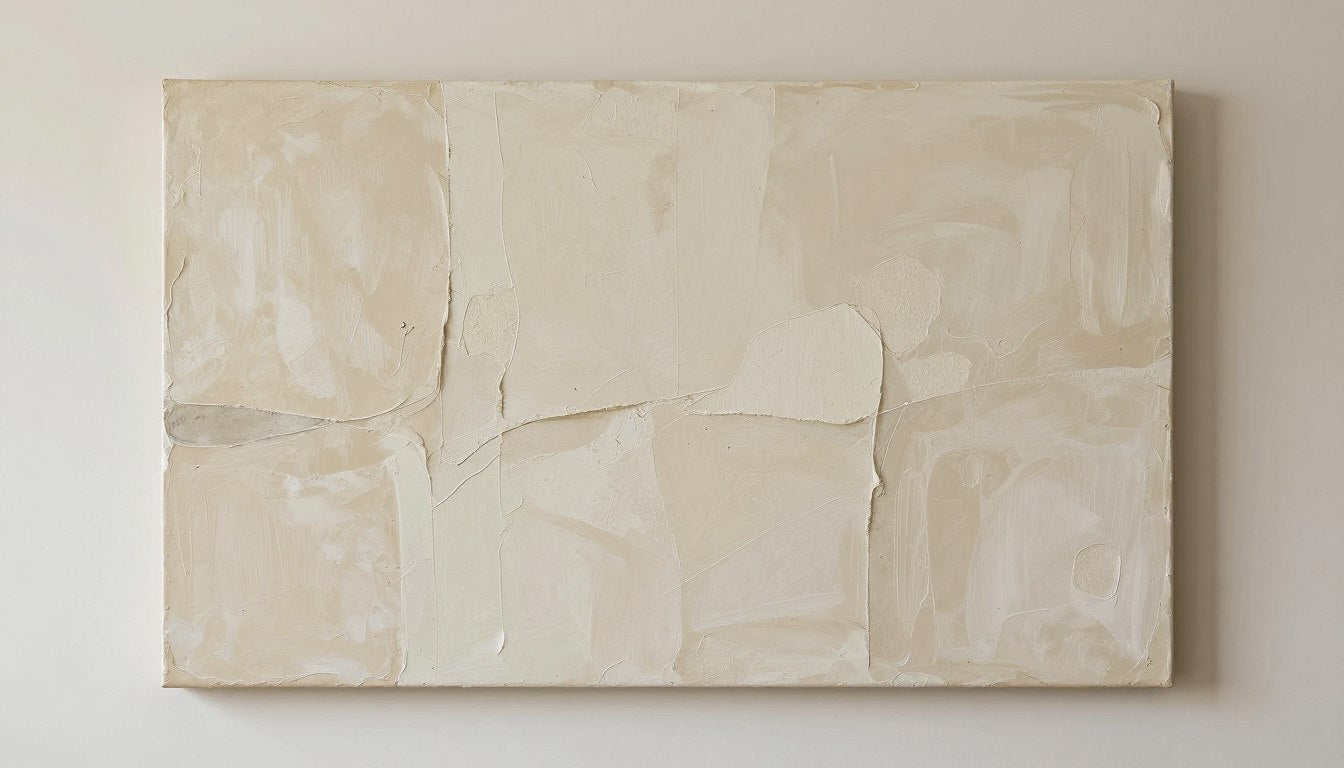

The Japanese philosophy of wabi-sabi celebrates beauty in imperfection and impermanence. This ancient aesthetic has transformed modern wall art, offering spaces tranquility through organic textures and natural simplicity. Unlike perfect minimalism, wabi-sabi wall art embraces the authentic marks of creation.
Contemporary homes crave this honest approach to beauty. Each piece tells a story through visible brushstrokes, weathered surfaces, and asymmetrical compositions. Our blog explores how these principles transform living spaces into sanctuaries of calm elegance.
This guide reveals how to select authentic wabi-sabi artwork. You'll discover the essential elements that define this aesthetic and learn to identify pieces that truly honor its philosophy.
Understanding the Wabi-Sabi Philosophy in Wall Art

Wabi-sabi emerged from Japanese tea ceremonies centuries ago. The philosophy finds perfection in what appears flawed or incomplete. This worldview celebrates three core principles: accepting impermanence, honoring authenticity, and embracing simplicity.
Wall art embodying wabi-sabi moves beyond surface decoration. These pieces invite contemplation through their honest presentation. Natural materials, visible age marks, and organic irregularities become intentional design elements rather than flaws to hide.

The aesthetic rejects mass production's sterile perfection. Each artwork carries the maker's hand, celebrating human touch over machine precision. This authenticity creates emotional resonance that perfectly manufactured pieces cannot achieve — as seen in our Organic Modern Wall Art, with its soft, pebble-like forms in warm sand and ivory.
Core Wabi Elements
These characteristics define the wabi aspect of the philosophy, focusing on rustic simplicity and natural beauty.
- Weathered surfaces and aged materials
- Earthy color palettes
- Handmade craftsmanship marks
- Organic, irregular shapes
Essential Sabi Qualities
Sabi represents the beauty that comes with age and the passage of time in artistic expression.
- Patina and natural wear
- Asymmetrical compositions
- Visible creation process
- Serene, contemplative mood
Material Authenticity
Genuine wabi-sabi pieces honor natural materials and their inherent characteristics without artificial enhancement.
- Natural canvas and linen
- Stone and mineral pigments
- Wood and organic fibers
- Clay and earth elements
Emotional Impact
The philosophy creates specific emotional responses through its honest, unadorned approach to beauty.
- Promotes quiet reflection
- Reduces visual anxiety
- Connects to natural rhythms
- Encourages present-moment awareness
Modern artists interpret these ancient principles through abstract compositions. Original paintings that honor wabi-sabi often feature muted palettes and visible texture. The work invites closer inspection rather than demanding immediate attention.
Texture: The Foundation of Authentic Wabi-Sabi Art

Tactile richness distinguishes authentic wabi-sabi wall art from printed reproductions. Layers of oil paint create dimensional surfaces that catch light differently throughout the day. This physical depth adds life to static artwork, making each viewing unique.
Artists achieve this texture through deliberate technique. Heavy brushstrokes remain visible, celebrating the act of creation. Some incorporate sand, ash, or natural fibers into the medium. These materials create unpredictable patterns that machines cannot replicate.

The best pieces reveal new details upon close examination. You might discover tiny cracks in aged pigment or subtle variations in surface height. These imperfections make the artwork feel alive rather than static. They honor the natural aging process that the philosophy celebrates.

When selecting canvas prints, texture remains important. Quality reproductions maintain dimensional qualities through advanced printing on textured surfaces. The canvas weave itself contributes to the overall tactile experience.
Explore Textured Wabi-Sabi Collections
Discover artwork that honors authentic texture and organic imperfection. Our curated collection features pieces celebrating the tactile beauty of wabi-sabi aesthetics.
Embracing Imperfection as Beauty

Perfect symmetry contradicts wabi-sabi principles. The philosophy finds beauty in what Western aesthetics might consider flaws. Drips, uneven edges, and color variations become intentional design elements that add character and authenticity.
This acceptance of imperfection extends beyond visual elements. The artwork's history matters as much as its current appearance. Small cracks or faded areas tell stories of time's passage. These marks honor impermanence rather than fight against it.

Artists working in this tradition deliberately preserve spontaneous moments. A brush loaded with too much paint creates unexpected drips. Rather than correcting these "mistakes," the artist incorporates them into the composition. This honesty makes each piece unique and irreproducible.
Why Imperfection Matters
The deliberate embrace of flaws creates deeper meaning. Imperfection connects artwork to natural processes and human experience.
Mass-produced art offers sterile perfection. Wabi-sabi pieces provide something more valuable: authenticity. The visible hand of the maker creates emotional connection impossible in mechanically perfect reproductions.
This philosophy challenges contemporary design's obsession with flawlessness. It suggests that character emerges through variation and age rather than pristine condition. Each irregularity adds story and depth to the artwork.

Contemporary collectors increasingly value this authentic approach. Original paintings that show the artist's process command premium prices. The imperfections verify authenticity and celebrate human creativity over mechanical reproduction.
Color Palette: Creating Spaces of Tranquility

Wabi-sabi wall art typically embraces earth tones and muted palettes. Beige, cream, taupe, and warm grays dominate authentic pieces. These colors echo natural materials like stone, sand, and aged wood. They create calm rather than demand attention.
The palette reflects nature's subtle beauty. You'll find variations in tone rather than stark contrasts. Colors blend organically as they do in natural settings. This gentle approach promotes tranquility in living spaces.

Some pieces incorporate deeper tones like charcoal or rust. These accent colors appear sparingly, adding depth without disrupting serenity. The overall effect remains peaceful and grounding. Bold colors would contradict the philosophy's emphasis on quiet contemplation.

Neutral Foundation Pieces
Beige and cream artworks serve as anchors — like our Cream Abstract Painting. They provide calm backgrounds that complement any decor while maintaining the wabi-sabi aesthetic of natural simplicity.

Earth Tone Expressions
Deeper earth tones add warmth and grounding. These pieces bring nature's palette indoors through ochre, umber, and sienna hues that age beautifully over time.

Monochromatic Serenity
Single-color explorations in gray or beige create ultimate tranquility. These pieces rely on texture and form rather than color contrast for visual interest.
Abstract compositions allow colors to interact organically. Pigments blend naturally at edges, creating soft transitions. This mimics how colors meet in nature: gradually and imperfectly. The result feels harmonious rather than forced.

When building a collection, color harmony matters. A set of pieces in related tones creates cohesive wall arrangements. The unified palette strengthens the contemplative atmosphere while allowing individual artworks to retain their character.
Selecting the Right Wabi-Sabi Piece for Your Space

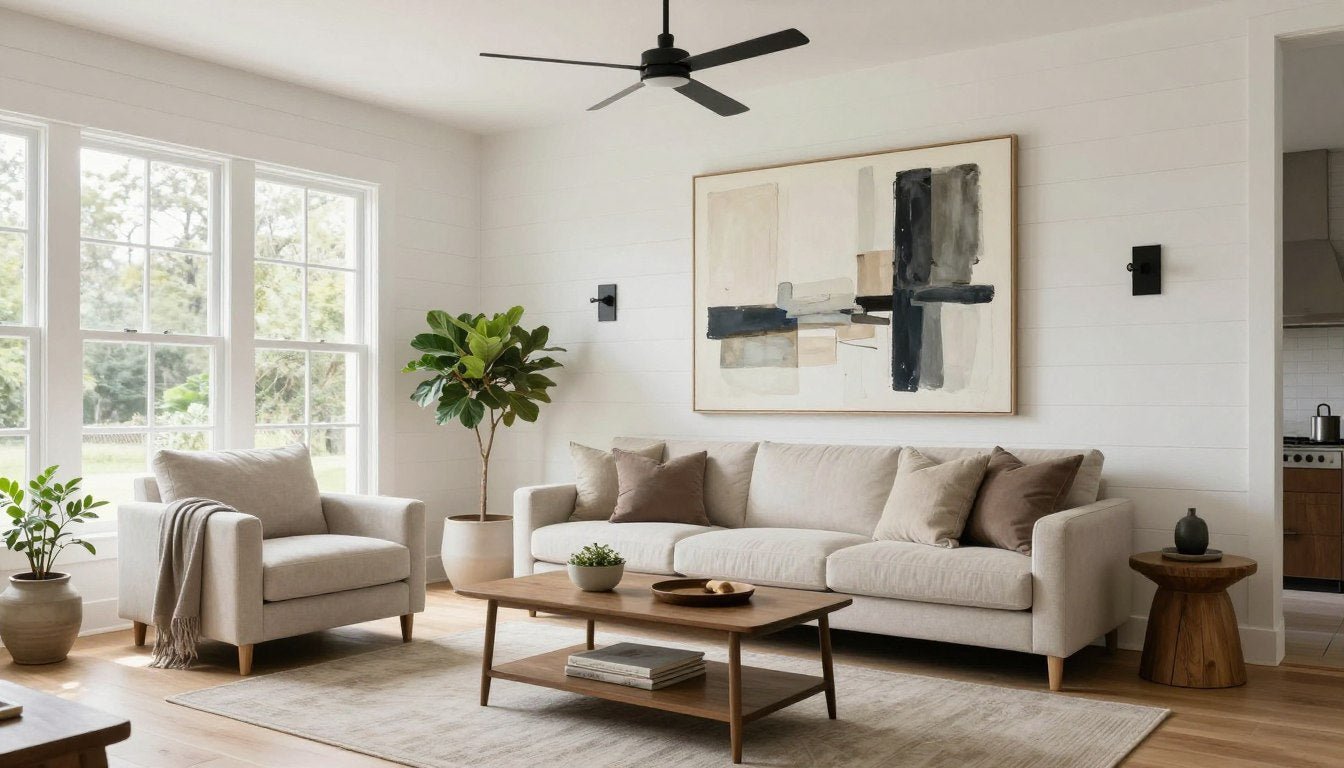
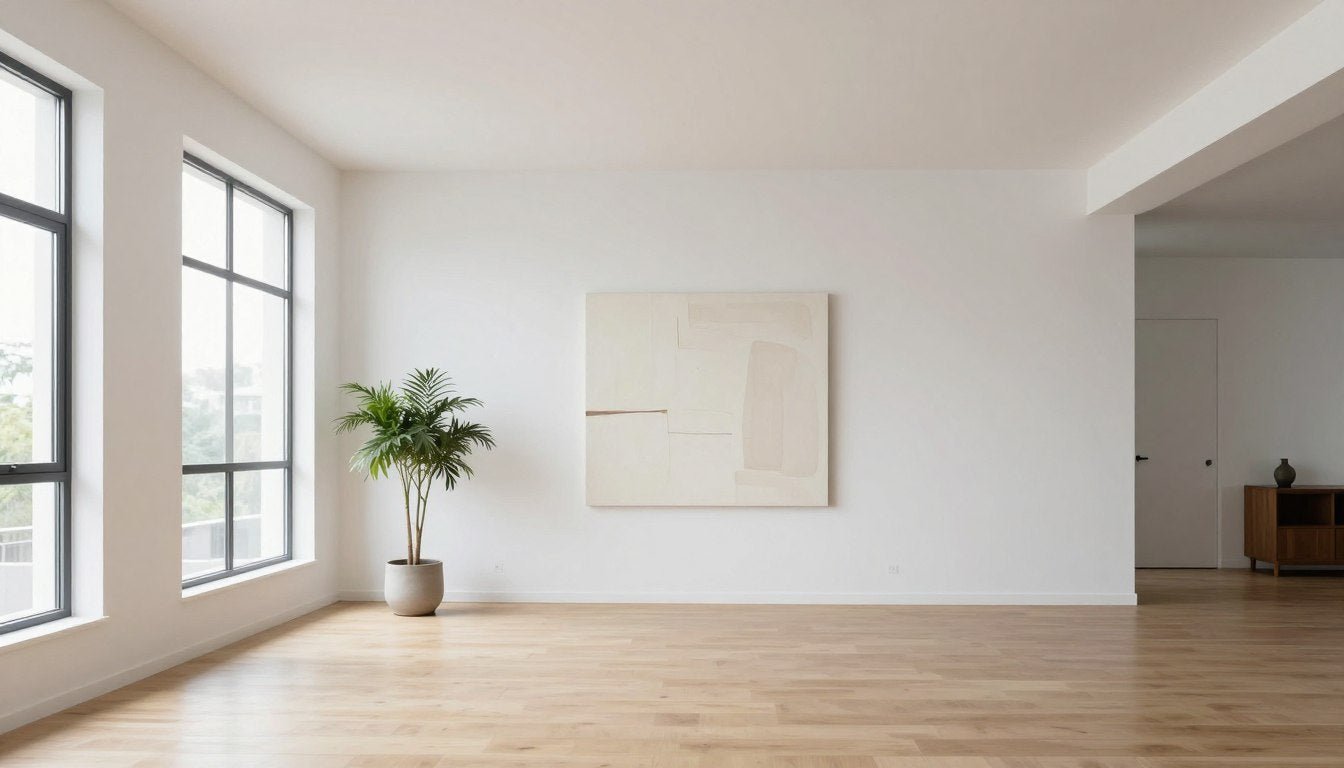
Size considerations extend beyond measurements. Large-scale abstract pieces create focal points that anchor entire rooms. The artwork's physical presence should match the space's energy without overwhelming it. A single substantial piece often serves better than multiple small works.
Consider your room's existing textures and materials. Wabi-sabi art complements natural elements like wood, stone, and linen. The artwork should feel like a natural extension of your space rather than an addition. This organic integration honors the philosophy's emphasis on harmony.

Lighting dramatically affects how texture reads. Side lighting emphasizes surface variation, while diffused light softens the overall appearance. Natural light changes throughout the day, making the artwork feel dynamic. Consider placement relative to windows and artificial light sources.
- Above natural wood furniture
- In spaces with abundant natural light
- Bedrooms and meditation areas
- Entryways for immediate calm
- Living rooms with neutral palettes
Ideal Placement Locations
- High-humidity spaces like bathrooms
- Direct sunlight exposure
- Busy patterns and bold colors nearby
- Rooms with excessive artificial lighting
- Cluttered or overly decorated spaces
Challenging Environments
Original artwork offers investment value beyond decoration. Each painting represents unique artistic vision. While canvas prints provide accessibility, original pieces appreciate over time. They carry the authentic energy of hand-created work.

Three-dimensional elements extend wabi-sabi principles into space. Modern sculptures add depth and shadow play. These pieces create changing compositions as light shifts throughout the day. They complement two-dimensional work beautifully.


Investing in Authentic Wabi-Sabi Wall Art

Quality indicators separate authentic pieces from mass-market imitations. Original paintings feature hand-applied media with visible texture. The canvas edges show wrapped continuation of the artwork. Signature and dating typically appear on the reverse, respecting the composition's integrity.
Artist reputation matters in establishing value. Research the creator's background and exhibition history. Established artists with consistent wabi-sabi practice command higher prices but offer better investment potential. Their work demonstrates genuine understanding of the philosophy rather than trendy appropriation.

Materials affect longevity and value retention. Gallery-quality canvas and professional-grade oil paint ensure the artwork survives decades. Cheaper materials deteriorate quickly, undermining both aesthetic and financial value. Quality construction includes proper stretcher bars and secure mounting hardware.
Certificate of authenticity accompanies serious artwork. This documentation proves provenance and supports future resale. It should include the artist's signature, work details, and creation date. Reputable galleries always provide this verification.

Price ranges reflect multiple factors. Original oil paintings from established artists start at several hundred dollars for smaller works. Large-scale pieces commanding wall presence reach thousands. Canvas prints offer accessibility while maintaining aesthetic value at lower price points.

Caring for Your Wabi-Sabi Collection

Maintenance honors the artwork without contradicting wabi-sabi principles. Natural aging adds character, but environmental damage doesn't. Protect pieces from direct sunlight to prevent fading. UV-filtering glass helps for particularly vulnerable works, though it adds reflective barriers.
Dust accumulation dulls texture over time. Gentle cleaning with soft brushes removes particles without damaging surface. Avoid liquid cleaners on oil paintings unless conservation-trained. The goal maintains the piece's natural aging process while preventing destructive deterioration.

Climate control matters more than obsessive cleaning. Extreme temperature fluctuations and humidity cause canvas expansion and contraction. This movement creates cracks in paint layers. Stable conditions preserve artwork while allowing natural aging that enhances wabi-sabi character.
Recommended Practices
- Soft brush dusting quarterly
- Maintain 40-60% humidity levels
- Avoid direct sunlight exposure
- Keep away from heating vents
- Allow natural aging process
- Professional cleaning every 5-7 years
- Document condition changes
Avoid These Actions
- Liquid cleaners on canvas
- Abrasive cleaning materials
- Hanging in bathrooms
- Direct AC or heater airflow
- Attempting DIY repairs
- Over-polishing or "restoring"
- Ignoring visible damage
Frame selection requires consideration. Simple frames in natural materials complement the aesthetic. Avoid ornate or gilded frames that contradict the philosophy's simplicity. Some collectors prefer floating frames that emphasize the canvas edges and texture.

Insurance documentation protects your investment. Photograph each piece from multiple angles, capturing texture details and any existing imperfections. Store these images with purchase receipts and certificates. Update documentation as the collection grows and values change.

Bringing Wabi-Sabi Philosophy Home

Authentic wabi-sabi wall art transforms spaces through honest beauty. The philosophy's emphasis on imperfection, texture, and tranquility creates environments that nourish rather than stimulate. These pieces invite quiet contemplation in our overstimulated world.
Building a collection requires patience and discernment. Each piece should speak to your personal aesthetic while honoring the philosophy's core principles. Quality matters more than quantity. A single authentic work surpasses multiple derivative pieces.

The journey of selecting wabi-sabi art mirrors the philosophy itself. Accept imperfection in the process. Trust your intuition alongside expert guidance. The right piece will resonate beyond intellectual appreciation, creating emotional connection through its honest presentation.
Begin Your Wabi-Sabi Collection
Explore curated artwork that honors texture, imperfection, and tranquility. Each piece celebrates authentic beauty through the timeless wabi-sabi philosophy.
Your space deserves art that brings calm rather than chaos. Wabi-sabi wall art offers this gift through centuries-proven principles. Begin with one piece that truly speaks to you, and let your collection grow organically over time.

About the Author
Chiara Rossetti
Chiara Rossetti is the founder of Rossetti Art, a canvas print and original art brand. She writes about interior design, wall art styling, and the art of making a home feel alive.

Leave a comment
This site is protected by hCaptcha and the hCaptcha Privacy Policy and Terms of Service apply.