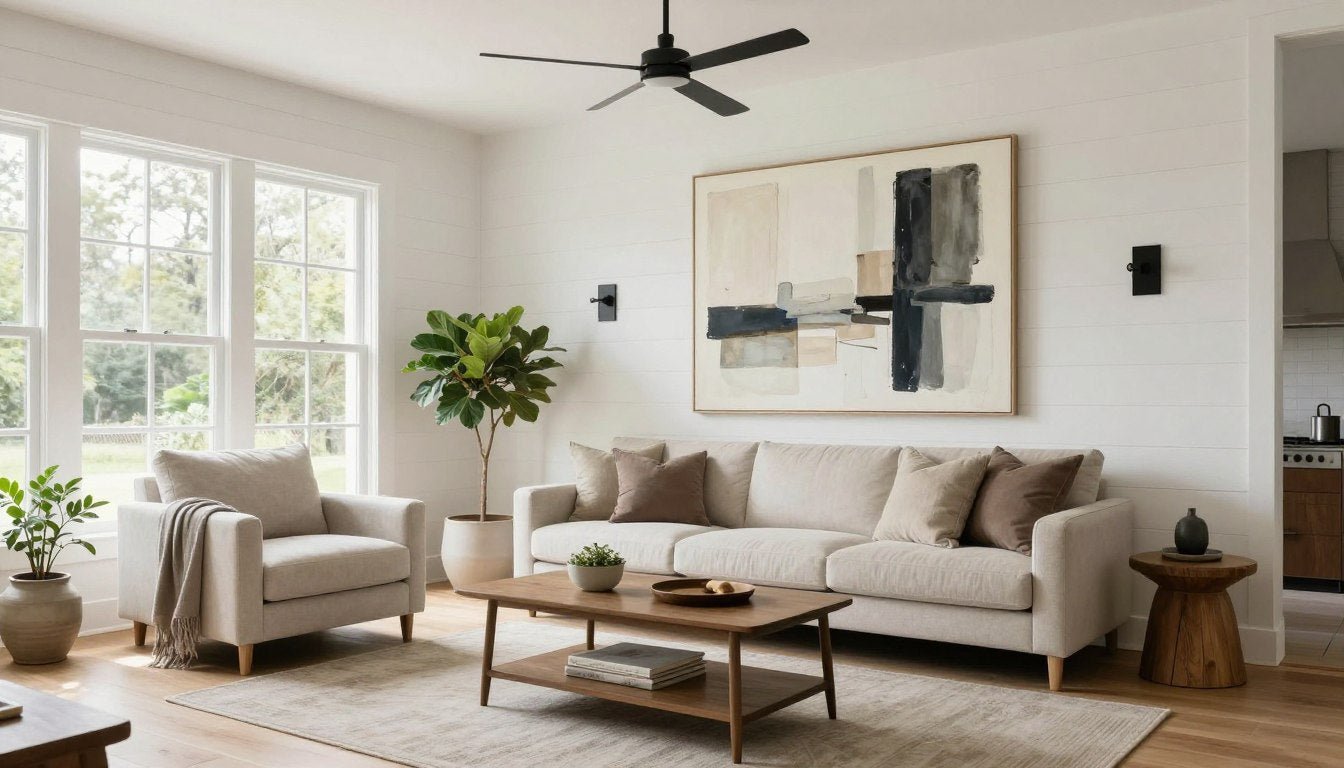

Farmhouse style has taken the design world by storm. Yet many homeowners fall into the same trap. They create spaces that feel more like country store displays than livable modern homes.
The problem is rustic overload. Too much distressed wood, too many mason jars, excessive vintage signage. What starts as charming quickly becomes cluttered and dated.
The good news? You can absolutely achieve authentic farmhouse style while keeping your space contemporary. The secret lies in understanding balance.
This guide shows you exactly how to blend rustic elements with modern design. You'll discover the precise formula for creating a farmhouse aesthetic that feels fresh, sophisticated, and distinctly yours.
Understanding Modern Farmhouse Style: The Foundation

Modern farmhouse represents an evolution of classic farmhouse design. It takes the warmth and character of country living and filters it through a contemporary lens.
Traditional farmhouse style emerged from actual working farms. Every element served a practical purpose. Wood beams supported structures. Apron-front sinks handled large washing loads. Wide plank floors withstood heavy use.
Today's modern farmhouse honors these functional roots while embracing current lifestyle needs. The aesthetic maintains rustic charm without sacrificing contemporary comfort or style.
Core Elements That Define the Look
Several key elements characterize authentic farmhouse style. Natural materials form the foundation. Wood, stone, and metal appear throughout the space in various forms.
Neutral color palettes dominate. Whites, creams, grays, and warm beiges create a calm backdrop. These allow architectural details and carefully chosen accents to shine.
The modern twist comes through restraint and editing. Instead of covering every surface with rustic elements, you select a few statement pieces. Contemporary wall art provides the perfect counterbalance to rustic architectural features.
Classic Farmhouse Characteristics
Traditional elements that ground the aesthetic in authentic country charm and historical reference.
- Exposed wood beams and rustic ceiling details
- Shiplap or board-and-batten wall treatments
- Apron-front farmhouse sinks
- Wide plank wood floors in natural finishes
- Vintage or vintage-inspired light fixtures
Modern Farmhouse Updates
Contemporary elements that prevent the space from feeling dated or overly themed.
- Clean-lined furniture with simple silhouettes
- Sleek modern lighting mixed with rustic fixtures
- Contemporary art and abstract pieces
- Minimalist window treatments or none at all
- Edited accessory displays with breathing room
Materials and Textures
The tactile foundation that creates warmth without overwhelming the senses.
- Reclaimed or weathered wood used sparingly
- Natural linen and cotton textiles
- Matte black metal accents and fixtures
- Marble or concrete countertops
- Woven baskets and natural fiber rugs
Color and Pattern Approach
The palette that ties everything together while maintaining visual calm.
- Predominantly white and neutral foundation
- Warm wood tones for contrast and depth
- Black accents for definition and edge
- Minimal pattern, primarily through texture
- Organic shapes rather than busy prints

What Makes It "Modern" Rather Than Just "Farmhouse"
The distinction matters enormously for execution. Modern farmhouse prioritizes livability and current lifestyle over historical accuracy.
You'll notice more open floor plans. Kitchen, dining, and living areas flow together rather than existing as separate rooms. This reflects how families actually live today.
Technology integration happens seamlessly. Smart home features, hidden charging stations, and modern appliances don't compromise the aesthetic. They simply hide behind period-appropriate facades when necessary.
The modern aspect also means better quality of life. Large windows flood spaces with natural light. Comfortable, well-designed furniture replaces stiff antiques. The home functions beautifully for contemporary family needs.
The Rustic Overload Problem: Common Mistakes to Avoid

Rustic overload happens when enthusiasm overtakes restraint. Every surface gets a distressed finish. Every wall displays vintage signage. The space starts resembling a themed restaurant rather than a sophisticated home.
This mistake stems from misunderstanding the farmhouse aesthetic. Real farmhouses never looked like curated Pinterest boards. They featured simple, functional elements with plenty of breathing room.
The Most Common Rustic Overload Pitfalls
Certain mistakes appear repeatedly in overly rustic spaces. Recognizing these helps you avoid them in your own home design.
Distressing everything creates visual fatigue. When every piece of furniture shows wear, nothing feels special. The eye has nowhere to rest. Real farmhouses mixed old and new naturally over time.
Word art and signs proliferate excessively. "Gather," "Blessed," "Farmhouse" spelled out repeatedly. These felt fresh initially but now scream dated. Your walls deserve better.

Excessive Distressing and Artificial Aging
Every piece shouldn't look like it survived a barn fire. Limit heavily distressed items to one or two statement pieces per room. Let most furniture maintain clean lines and smooth finishes. This creates visual hierarchy and prevents the space from feeling chaotic.

Word Art and Sign Overload
Typography has its place but shouldn't dominate. Replace most word signs with meaningful artwork or family photos. If you love a particular phrase, choose one well-designed piece rather than multiple variations. Better yet, let your space speak for itself without literal instructions.

Pattern Proliferation and Buffalo Check Everywhere
Buffalo check had its moment but shouldn't appear on every textile. If you love the pattern, choose one application per room maximum. Balance it with plenty of solid neutrals. Your space needs visual rest areas. Too much pattern reads as busy rather than cozy.
Mason jars serve actual functions in real farmhouses. As storage containers. For canning and preservation. Using them purely as decorative vessels in every room misses the point entirely.
The same applies to galvanized metal everything. Buckets, tubs, and containers work beautifully for their intended purposes. Scattered randomly as decor, they lose meaning and impact.
Why Less Is More in Modern Farmhouse Design
Restraint separates sophisticated farmhouse style from themed excess. Real working farms operated on necessity, not decoration. Every item earned its place through function first.
Modern farmhouse honors this practical spirit. You select each element intentionally. Does it serve a purpose? Does it bring you joy? Does it enhance the overall design? If not, it doesn't belong.
This edited approach creates breathing room. White space becomes as important as the objects you display. Your carefully chosen pieces gain prominence and meaning.
The minimalist tendency in modern design perfectly complements farmhouse warmth. Together, they create spaces that feel collected rather than decorated. Lived-in rather than staged.
Key Principle: In modern farmhouse design, subtracting elements often makes a bigger impact than adding them. When in doubt, remove rather than add. You can always bring items back, but starting with less forces intentionality.
The Balance Formula: Mixing Rustic Charm with Modern Sophistication

Creating perfect balance requires understanding proportions. Think of it as a design equation. For every rustic element you introduce, incorporate an equally weighted modern element.
This doesn't mean literal one-to-one matching. It means considering visual weight and impact. A large reclaimed wood table makes a substantial rustic statement. Balance it with sleek modern chairs rather than distressed vintage seating.
The 70/30 Rule for Modern Farmhouse Success
Many successful designers follow an informal ratio. Roughly seventy percent modern, thirty percent rustic. This prevents spaces from tipping too far in either direction.
Your foundation should be clean and contemporary. Modern furniture, updated lighting, and current technology form the base. Then layer in rustic elements as accents and character pieces.
This ratio shifts slightly by room. Kitchens might lean more rustic with farmhouse sinks and open shelving. Living rooms might swing more contemporary with modern furniture and art.
Elevate Your Farmhouse Aesthetic with Contemporary Art
The fastest way to modernize farmhouse style? Replace rustic signs with sophisticated artwork. Our curated collection of modern canvas prints provides the perfect counterbalance to rustic elements, preventing that dated country store look while adding gallery-worthy sophistication to your space.
Strategic Element Placement for Visual Harmony
Where you place elements matters as much as what you choose. Rustic features work best as architectural details. Wood beams, shiplap accent walls, and original wood floors provide authentic character.
Modern elements excel in movable pieces. Furniture, lighting, and art update easily as trends shift. This strategy keeps your space current without requiring major renovation.

Kitchen Balance Strategies
Kitchens naturally incorporate farmhouse elements through functional features. An apron-front sink provides authentic character. Open shelving displays dishes while maintaining traditional farmhouse practicality.
Balance these rustic touches with modern conveniences. Sleek appliances, contemporary lighting fixtures, and clean-lined bar stools keep the space current. Choose either rustic lower cabinets or upper shelving, not both.
Countertops offer another opportunity for balance. If you select a rustic wood island top, pair it with modern marble or quartz perimeter counters. This contrast highlights both materials beautifully.
Hardware makes a difference too. Instead of ornate vintage pulls, opt for simple brass or matte black. These finishes work with farmhouse style while reading more contemporary.

Texture Layering Without Visual Clutter
Farmhouse style thrives on texture. Wood grains, woven fibers, natural linens, and metal finishes create depth and interest. The key is layering these textures thoughtfully rather than randomly.
Start with your largest surfaces. Floors, walls, and major furniture pieces establish the textural foundation. Wide plank wood floors provide natural texture without trying too hard.
Add texture through textiles next. A chunky knit throw, linen pillows, or a jute rug introduce organic elements. Keep colors neutral so textures shine without competing.
Finally, bring in accent pieces. A woven basket for blanket storage. A ceramic vase with natural branches. These finishing touches complete the layered look without overwhelming the space.
- Smooth painted walls with rough wood beam accents
- Sleek leather sofa with chunky knit throw
- Polished marble counters with woven pendant shades
- Clean linen curtains with rustic wood floors
- Matte black fixtures with natural fiber rugs
Effective Texture Combinations
- Distressed walls with heavily distressed furniture
- Too many woven elements competing for attention
- Rough textures on every surface without relief
- Mixing warm and cool woods randomly
- Layering multiple busy patterns together
Texture Overload Mistakes
Color Palette Strategy: Keeping Farmhouse Fresh and Current

Color makes or breaks modern farmhouse execution. The wrong palette ages your space instantly. The right colors create timeless appeal that stays fresh for years.
Traditional farmhouse relied on whites and creams extensively. These colors reflected practical origins. White painted surfaces were easy to clean and brighten dark interiors.
Modern farmhouse expands the palette while maintaining neutrality. Warm grays, greiges, soft taupes, and subtle earth tones join the mix. These additions prevent the stark, sterile look of all-white spaces.
The Modern Neutral Foundation
Your base palette should consist of soft, sophisticated neutrals. These create calm backgrounds that let architectural details and carefully chosen accents shine.
Avoid harsh bright white unless your space receives abundant natural light. Warmer whites with cream or beige undertones feel more inviting and less clinical.
Gray works beautifully in farmhouse style when you choose warm gray rather than cool. Look for grays with beige or greige qualities. These complement wood tones instead of clashing.
Primary Wall Colors That Work
- Warm white with slight cream undertone
- Light greige balancing gray and beige
- Soft sage or muted olive green
- Pale warm gray with brown undertones
- Creamy off-white for warmth
Accent and Detail Colors
- Matte black for fixtures and accents
- Warm natural wood tones
- Soft brass or aged bronze metallics
- Deep charcoal for occasional contrast
- Muted earthy greens in small doses

Adding Depth Without Adding Color
Successful modern farmhouse spaces create visual interest through tonal variation rather than bold color. You layer shades of your neutral palette to build depth.
This approach looks sophisticated and remains timeless. Unlike trend-driven color choices, neutral layering works indefinitely. You can update accessories and accents without repainting entire rooms.
Wood tones contribute significantly to this layered neutral effect. Light, medium, and occasional dark wood elements create natural variation. Just avoid mixing too many different wood species in one space.
Textile layers add another dimension. Varying shades of white, cream, and gray in throw pillows, blankets, and window treatments build richness. The eye perceives depth even within a tight color range.
Strategic Color Accents: When and How
While neutral foundations dominate, strategic color accents prevent blandness. The key word is strategic. Choose one or two accent colors maximum and use them sparingly.
Nature-inspired colors work best in farmhouse settings. Soft sage greens, muted blues, warm terracotta, or deep forest tones feel organic and appropriate. Avoid bright, artificial-looking colors.
Introduce accent colors through easily changeable elements. Throw pillows, artwork, plants, and small decor items work perfectly. This allows seasonal updates without major investment or commitment.
Plants deserve special mention as color accents. Greenery brings life to neutral spaces while maintaining the organic farmhouse feel. Large leafy plants make bold statements. Smaller herbs in the kitchen add practical charm.
Add Sophisticated Color Through Original Artwork
Struggling to introduce color without compromising your neutral palette? Original paintings offer the perfect solution. Our curated collection features subtle earth tones and sophisticated abstract designs that complement farmhouse style while adding visual interest and artistic sophistication. Each piece brings personality without overwhelming your carefully chosen palette.

Furniture Selection: Modern Lines Meet Farmhouse Function

Furniture choices determine whether your farmhouse style feels modern or dated. The pieces you select either elevate the aesthetic or drag it backward into rustic theme territory.
Modern farmhouse furniture balances comfortable proportions with clean lines. You want pieces substantial enough to feel grounded but streamlined enough to read contemporary.
Avoid furniture that tries too hard to look old. Heavily distressed pieces, overly ornate details, and obvious reproduction antiques feel forced. Instead, select quality furniture with simple silhouettes and subtle nods to traditional forms.
Upholstered Furniture: Comfort Meets Clean Design
Your sofa and chairs carry significant visual weight in any room. These major pieces should lean decidedly modern while remaining comfortable and inviting.
Look for upholstered furniture with straight or gently rolled arms. Avoid heavy skirting, excessive tufting, or ornate carved wood details. These elements read Victorian rather than farmhouse.
Neutral upholstery fabrics work best. Performance linens, durable cottons, and quality microfibers in cream, gray, or warm beige integrate seamlessly. Save pattern for accent pillows if desired.

Living Room Seating Choices
Select sofas and chairs with exposed legs rather than skirted bases. This creates visual lightness appropriate for modern design. Natural wood or metal legs complement the farmhouse aesthetic perfectly while maintaining contemporary appeal.

Dining Room Furniture Mix
Pair a rustic wood farmhouse table with modern chairs for perfect balance. The table provides farmhouse character while contemporary seating keeps the look current. Metal chairs work especially well, bringing industrial edge that complements farmhouse warmth.

Bedroom Furniture Guidelines
Bedroom furniture should feel serene and uncluttered. Simple upholstered headboards or clean-lined wood frames work better than heavy carved pieces. Pair with streamlined nightstands and dressers. One rustic accent piece maximum per bedroom prevents overcrowding.
Wood Furniture and Tables: Making the Right Rustic Choices
Wood furniture brings essential warmth to farmhouse spaces. The trick is choosing pieces that read as quality investment items rather than distressed decorator pieces.
Look for solid wood construction in natural finishes. Light to medium wood tones work best in modern farmhouse settings. Avoid orange-toned stains that feel dated.
A farmhouse dining table serves as an excellent anchor piece. Choose one with clean lines and minimal ornamentation. The wood itself provides character without excessive carving or turned legs.
Coffee tables and side tables offer opportunities for interesting wood pieces. A single reclaimed wood coffee table makes a statement. Balance it with simpler side tables in natural wood or metal.
Wood Finish Guidelines: Stick with natural, lightly stained, or whitewashed wood finishes. Avoid heavy dark stains, orange tones, or overly distressed painted finishes. The wood's natural grain should be visible and celebrated, not obscured by heavy treatment.
Storage Solutions That Don't Scream "Farmhouse"
Storage furniture often becomes a rustic overload trap. Resist the urge to fill your space with distressed cabinets, vintage trunks, and reproduction pie safes.
Modern storage solutions work better. Simple bookcases in natural wood or white. Streamlined media consoles without excessive detailing. Clean-lined dressers and wardrobes.
If you love a vintage piece, limit yourself to one per room. Let that piece stand out as a collected item rather than part of a themed set. Pair it with contemporary storage for balance.

Lighting Design: Illuminating Modern Farmhouse Style

Lighting transforms farmhouse spaces from dated to sophisticated. The fixtures you choose dramatically impact the overall aesthetic, making this design element crucial to get right.
Traditional farmhouse lighting leaned heavily rustic. Wrought iron chandeliers, lantern-style pendants, and reproduction oil lamp fixtures dominated. While charming in moderation, these pieces easily tip into theme territory.
Modern farmhouse lighting balances vintage inspiration with contemporary design. You want fixtures that nod to traditional forms without recreating them literally. Clean lines and updated materials keep the look current.
Statement Fixtures That Strike the Right Balance
Your main light fixtures serve as jewelry for the room. These statement pieces deserve careful consideration. They create visual interest while providing necessary illumination.
For dining rooms and kitchens, pendant lights work beautifully. Choose fixtures with simple geometric shapes in matte black metal or natural materials. Avoid overly ornate or reproduction-style pieces.
Chandeliers can work in farmhouse settings when you select wisely. Look for modern interpretations rather than traditional forms. A chandelier with clean lines in black metal or brass reads contemporary while maintaining farmhouse compatibility.
Kitchen and Dining Lighting Strategies
Kitchen islands deserve special attention for lighting. Three pendant lights in a row creates classic symmetry. Choose fixtures with clear glass shades and simple metal frames for timeless appeal.
Over dining tables, center one larger fixture or use a linear chandelier for rectangular tables. The fixture should hang approximately thirty to thirty-six inches above the table surface for proper proportion.
Task lighting matters in kitchens. Under-cabinet LED strips provide functional illumination while maintaining clean lines. These hidden lights don't compete visually with your statement fixtures.
Natural light deserves emphasis in farmhouse design. Maximize windows and keep treatments minimal. Light airy spaces feel more modern than dark, heavily curtained rooms.


Ambient and Task Lighting Integration
Successful lighting design layers multiple sources. Overhead fixtures provide general illumination. Table and floor lamps add ambient glow. Task lighting serves specific functional needs.
This layered approach creates flexibility and atmosphere. You can adjust lighting levels for different times of day and activities. It also prevents harsh overhead-only lighting that feels institutional.
Floor lamps work excellently in living rooms and bedrooms. Choose styles with clean lines and simple shades. Black metal tripod lamps or brass arc lamps bring modern edge while complementing farmhouse warmth.
Table lamps on nightstands and end tables complete the lighting picture. Ceramic bases in neutral colors or simple metal designs work well. Avoid overly decorative or fussy lamp bases that compete with the overall aesthetic.
- Matte black metal pendant fixtures with simple shapes
- Clear or seeded glass globe lights
- Brass or bronze fixtures with clean lines
- Modern wagon wheel chandeliers (minimal spokes)
- Geometric cage pendants in metal
- Simple ceramic table lamps in neutral colors
Modern Farmhouse Lighting Winners
- Heavy wrought iron with excessive scrollwork
- Mason jar light fixtures (overdone trend)
- Reproduction antique oil lamp styles
- Heavily distressed wood beam chandeliers
- Overly ornate crystal mixed with rustic
- Rooster or farm animal themed fixtures
Fixtures That Date Your Space
Natural Light Maximization
Farmhouses historically featured large windows for practical reasons. Natural light reduced the need for expensive lamp oil and candles. Modern farmhouse design honors this tradition enthusiastically.
Maximize existing windows by keeping treatments minimal. Simple linen curtains or no curtains at all allows light to flood interior spaces. This creates the bright, airy feel characteristic of successful modern farmhouse design.
If undertaking renovations, consider adding windows or enlarging existing ones. The investment pays dividends in both aesthetic appeal and energy efficiency. Natural light makes spaces feel larger and more inviting.
Glass doors to outdoor spaces extend the farmhouse connection to nature. French doors or large sliding glass doors blur the line between interior and exterior, creating seamless transitions.
Wall Treatments and Architectural Details: Strategic Shiplap Usage

Shiplap has become synonymous with farmhouse style. This horizontal wood planking originally served practical purposes, providing weatherproofing and insulation. Today it functions primarily as a decorative element.
The problem? Shiplap overload runs rampant. Entire homes covered floor to ceiling in horizontal planks look more like saunas than sophisticated living spaces. The key to success is strategic, limited application.
When and Where to Use Shiplap Effectively
Shiplap works best as an accent feature rather than a whole-house treatment. Choose one wall per room maximum. This creates a focal point without overwhelming the space.
Living rooms benefit from shiplap behind fireplaces or on the wall behind the main seating area. This draws the eye and provides textural interest without consuming the entire room.
In bedrooms, shiplap accent walls behind the bed create a headboard effect. Keep the other three walls smooth for balance. This provides farmhouse character while maintaining contemporary restraint.
Kitchens offer opportunities for shiplap in small doses. A ceiling detail in shiplap adds interest overhead without competing with cabinetry and other elements. Alternatively, a short shiplap backsplash provides texture in a limited area.

Alternative Wall Treatments for Modern Farmhouse Spaces
Shiplap isn't mandatory for farmhouse style. Several other wall treatments provide character while feeling less literal and more sophisticated.
Board and batten offers vertical interest rather than horizontal. This treatment works beautifully in dining rooms or hallways. The vertical lines create height and elegance that horizontal shiplap can't match.
Simple painted walls in quality neutral colors often work best. Focus on selecting the perfect paint color rather than adding texture to every surface. Sometimes the smoothest solution is the most sophisticated.
Exposed brick provides texture and history in homes that genuinely have it. If your house features original brick, celebrate it on one wall. Just avoid adding fake brick or stone veneers that read as inauthentic.
Effective Accent Wall Options
- One shiplap wall painted white or soft neutral
- Board and batten in dining rooms or hallways
- Original exposed brick if architecturally present
- Wood plank accent walls in natural finish
- Painted feature walls in deeper neutral tones
Ceiling Treatments Worth Considering
- Exposed wood beams if architecturally appropriate
- Painted wood plank ceilings in limited areas
- Simple white or off-white paint (often best choice)
- Subtle coffered details in formal rooms
- Natural wood ceilings in porches or sunrooms
Architectural Details: Wood Beams and Beyond
Exposed beams create instant farmhouse character. In homes with existing structural beams, revealing and celebrating them makes perfect sense. These authentic architectural elements ground the space in genuine history.
Adding faux beams requires careful consideration. If done well with quality materials, they add dimension and interest. Poor execution looks obviously fake and cheapens the entire space.
When installing decorative beams, less is more. Three to five beams across a ceiling create impact. Covering the entire ceiling in beams feels excessive and dated. The beams should accent the space, not dominate it.
Beam color matters significantly. Natural wood tones or whitewashed finishes work best in modern farmhouse settings. Dark stained beams feel heavy and dated unless your space has exceptional natural light to balance them.

Transform Walls with Sculptural Art Instead of Shiplap
Looking for architectural interest without installing shiplap everywhere? Three-dimensional sculptures create stunning focal points that bring depth and sophistication to your walls. Our modern sculpture collection offers unique pieces that provide the visual impact you want while maintaining contemporary elegance. These conversation-starting artworks elevate farmhouse style far beyond basic wood planks.
Flooring Choices: Foundation of Farmhouse Style

Floors establish the foundation for your entire farmhouse aesthetic. This major design decision impacts the space for years to come, making it crucial to choose wisely.
Wood floors feel most authentic to farmhouse style. Real farmhouses featured wide plank wood flooring for practical reasons. Wood was readily available, relatively easy to install, and stood up to heavy farm life.
Modern farmhouse continues this tradition with updated execution. You want the warmth and character of wood without the distressed, overly rustic appearance that dates quickly.
Wood Flooring That Stays Current
Wide plank flooring in light to medium tones works beautifully in modern farmhouse settings. Oak, maple, and hickory in natural finishes provide classic appeal that transcends trends.
Plank width matters more than many people realize. Wider planks read more contemporary and sophisticated than narrow strips. Look for planks five inches wide or greater for best results.
Finish selection significantly impacts the overall look. Matte or satin finishes feel more current than high-gloss. These understated finishes highlight the wood's natural beauty without looking artificially shiny.
Avoid heavily distressed or hand-scraped wood floors. These treatments felt fresh a decade ago but now read dated. Clean, smooth planks with natural color variation provide timeless character instead.
Best Wood Floor Colors
Light to medium natural wood tones create bright, airy spaces that feel contemporary. Blonde oak, natural maple, and light walnut work exceptionally well. These colors make rooms feel larger while providing warm neutral foundations.
- Light blonde oak with subtle grain
- Natural maple in warm honey tones
- Medium brown hickory or pecan
- Light walnut with gray undertones
Finishes That Work
The right finish protects your investment while maintaining natural appearance. Matte and satin finishes let wood grain shine without artificial gloss. These finishes also hide minor scratches better than high-gloss alternatives.
- Matte finish for most natural look
- Satin finish for subtle sheen
- UV-cured for enhanced durability
- Water-based polyurethane options
Installation Patterns
How you lay flooring impacts the final aesthetic. Straight plank installation in the room's longest direction makes spaces feel larger. Diagonal patterns add visual interest but work best in larger rooms.
- Straight plank along longest dimension
- Consistent direction throughout home
- Avoid busy diagonal patterns
- Random length planks for natural look
Alternative Flooring Materials for Modern Farmhouse
While wood flooring reigns supreme, other materials work in specific farmhouse applications. Choosing the right material for each space creates functional beauty throughout your home.
Tile floors suit kitchens and bathrooms perfectly. Large format tiles in neutral colors provide easy-care surfaces appropriate for wet areas. White subway tile, concrete-look porcelain, or soft gray stone-look tiles work beautifully.
Avoid small mosaic tiles or busy patterns that compete visually. Stick with large, simple tiles in neutral colors. Let your cabinets, fixtures, and other design elements provide the interest instead.
Concrete floors appeal to modern farmhouse aesthetics when properly executed. Polished concrete in natural gray or tinted in warm tones creates industrial edge that balances rustic elements. This works especially well in kitchens and large open-concept spaces.

Area Rugs and Floor Covering Strategies
Area rugs define spaces and add warmth without hiding your beautiful floors. In farmhouse design, natural fiber rugs work exceptionally well. Jute, sisal, and wool rugs provide organic texture that complements the aesthetic.
Size matters significantly with area rugs. Too small reads awkward and disconnected. In living rooms, choose rugs large enough for furniture front legs to sit on the rug. This anchors the seating arrangement properly.
Avoid excessively patterned rugs that create visual chaos. Simple stripes, subtle geometric patterns, or solid natural fibers work best. Let the rug provide texture rather than competing for attention with busy patterns.
Layer rugs sparingly if at all. The layered rug trend works in specific boho contexts but often feels overdone in farmhouse settings. One quality rug per space creates cleaner, more sophisticated results.
Kitchen Design: The Heart of Modern Farmhouse Homes

Kitchens anchor farmhouse homes both functionally and aesthetically. This space receives the most attention and often determines whether your farmhouse style succeeds or falls flat.
Modern farmhouse kitchens balance practical country elements with contemporary conveniences. You want authentic character without sacrificing the functionality that makes modern life comfortable.
The best farmhouse kitchens feel collected over time rather than installed all at once. Mixing materials, finishes, and elements creates this layered, authentic appearance that purely matched sets can't achieve.
Cabinetry Choices That Define the Space
Kitchen cabinets consume significant visual real estate and budget. These decisions impact your space for decades, making careful selection crucial.
White or off-white cabinets remain the farmhouse standard for good reason. They brighten spaces, create timeless backdrops, and work with various accent colors and materials over time.
Shaker-style cabinet doors provide classic farmhouse appeal without excessive ornamentation. Their simple recessed panels read traditional but not fussy. This door style works beautifully painted or in natural wood tones.
Consider mixing cabinet colors for added interest. White perimeter cabinets with a natural wood or painted island creates visual hierarchy and focal points. This mixing prevents monotony while maintaining cohesion.

Hardware and Fixtures
Cabinet hardware makes or breaks the refined farmhouse look. Simple pulls and knobs in matte black, brushed brass, or satin nickel work beautifully. Avoid overly ornate or reproduction antique hardware that feels costume-like.
Consistency matters with hardware. Choose one finish and stick with it throughout the kitchen. Mixing metals works in some design styles but often looks confused in farmhouse settings.
The farmhouse sink remains an iconic element worth including. White fireclay apron-front sinks provide authentic character and surprising functionality. These deep basins handle large pots and baking sheets easily.
Pair your farmhouse sink with a high-quality faucet in a complementary finish. Bridge faucets or simple gooseneck designs work well. Avoid overly modern minimalist faucets that clash with the sink's traditional character.
Countertops and Backsplashes
Countertop selection significantly impacts both aesthetics and daily functionality. Several materials work beautifully in modern farmhouse kitchens, each offering distinct advantages.
Marble countertops bring timeless elegance and natural beauty. White marble with gray veining creates sophisticated contrast against white cabinets. Just understand that marble requires maintenance and develops patina over time.
Quartz offers marble's look with better durability and lower maintenance. Modern quartz slabs convincingly mimic natural stone while resisting stains and scratches better. This makes excellent sense for busy family kitchens.
Wood countertops work beautifully on islands, creating warm contrast to stone perimeter counters. Butcher block adds practical work surface and visual warmth. Proper sealing and maintenance keeps wood counters beautiful for years.

Backsplashes provide opportunities for texture and pattern without overwhelming the space. Classic white subway tile remains the farmhouse favorite for good reason. It's timeless, affordable, and works with various design elements.
Install subway tile in traditional brick pattern with white or light gray grout. Avoid trendy installation patterns like herringbone or vertical stack that may date quickly. Classic installations remain appealing indefinitely.
Alternative backsplash materials include marble slab, which creates seamless elegance when extended from countertops. Or consider painted shiplap for texture in limited areas. Keep backsplashes relatively simple to avoid competing with other kitchen elements.
Open Shelving and Storage Display
Open shelving defines farmhouse kitchens visually. This practical storage method displays dishes while keeping them accessible for daily use. When executed well, open shelving creates beautiful focal points.
Limit open shelving to one wall or area rather than replacing all upper cabinets. This provides visual interest without sacrificing necessary enclosed storage. Most kitchens need closed cabinets to hide less attractive items.
Style open shelves with restraint. Display matching white dishes, wooden cutting boards, and a few carefully chosen accessories. Avoid cluttering shelves with excessive decorative items that collect dust and grease.

Natural wood shelves contrast beautifully with white walls and cabinets. Choose substantial shelving in warm wood tones that complement your flooring. Metal bracket supports in black or brass add industrial detail that balances rustic elements.
- Matching white or neutral dishes and bowls
- Wooden cutting boards and serving pieces
- Glass canisters with pantry staples
- Fresh greenery in simple vases
- Cookbooks arranged vertically
- Quality glassware and drinking glasses
What to Display on Open Shelves
- Mismatched plastic storage containers
- Small appliances and gadgets
- Cleaning supplies and dish soap
- Excessive decorative signs and tchotchkes
- Random mugs and promotional drinkware
- Rarely used specialty serving pieces
Items to Keep in Closed Cabinets
Kitchen Lighting Layers
Proper kitchen lighting combines function with aesthetic appeal. Layering multiple light sources creates flexible, beautiful illumination for various tasks and times of day.
Pendant lights over islands serve as both task lighting and visual focal points. Three matching pendants in a row creates classic symmetry. Black metal or brass fixtures with simple shades work beautifully.
Under-cabinet lighting provides essential task illumination for food preparation. LED strip lights install easily and provide shadow-free lighting on countertops. This practical addition makes kitchens safer and more functional.
Recessed ceiling lights fill in ambient lighting throughout the space. Position these lights to avoid casting shadows on work surfaces. Dimmer switches allow adjustment for different activities and moods.

Living Spaces: Creating Comfortable Modern Farmhouse Rooms

Living rooms and family spaces showcase your farmhouse style while providing comfortable gathering places for daily life. These rooms balance beauty with livability, requiring careful planning and editing.
The most successful farmhouse living spaces feel collected and personal rather than decorated by a single shopping trip. Mixing old and new, rustic and refined creates authentic character that themed rooms lack.
Furniture Arrangement and Flow
Proper furniture arrangement creates conversation areas and traffic flow. In farmhouse-style living rooms, anchor the space with a substantial sofa in neutral upholstery. This provides the contemporary base for layering rustic accents.
Create seating groups that facilitate conversation. Face sofas and chairs toward each other rather than lining them against walls. This arrangement feels more intimate and intentional than showroom-style placement.
Leave adequate walking space between furniture pieces. Farmhouse style should feel open and airy, not cluttered. A few well-chosen pieces arranged with breathing room work better than cramming too much furniture into the space.
The coffee table serves as both functional surface and design anchor. A rustic wood table grounds the seating area while providing surface for books, trays, and everyday items. Choose substantial proportions that match your sofa scale.
Living Room Essentials
- Comfortable sofa in neutral upholstery with clean lines
- Substantial coffee table in natural wood or mixed materials
- Area rug defining the seating arrangement
- Mix of ambient and task lighting sources
- Minimal decorative accessories with purpose
- Large-scale artwork or mirror as focal point
Creating Cozy Atmosphere
- Layer textures through pillows and throws
- Incorporate natural elements like plants and branches
- Use warm lighting from multiple sources
- Include comfortable seating for actual relaxation
- Display meaningful personal items sparingly
- Maintain clear surfaces for daily functionality

Window Treatments and Natural Light
Windows connect interior spaces to the outdoors, a fundamental farmhouse principle. Maximize natural light while maintaining privacy through strategic window treatment choices.
Simple linen curtains in natural or white provide softness without blocking light excessively. Hang curtain rods close to the ceiling and let panels fall to the floor for maximum visual height. This draws the eye upward and makes rooms feel taller.
In spaces where privacy isn't a concern, consider leaving windows bare. This approach feels modern and maximizes natural light. It works particularly well with beautiful views or in rooms facing private yards.
Avoid heavy, ornate window treatments that feel Victorian rather than farmhouse. Skip the valances, swags, and multiple layers of fabric. Clean, simple panels or quality blinds work better for modern farmhouse aesthetics.
Fireplace Design and Focal Points
Fireplaces create natural focal points in living spaces. Whether original to the home or added later, these features deserve thoughtful design attention in farmhouse rooms.
White painted brick fireplaces provide classic farmhouse charm. If you have original brick, painting it white brightens the space while maintaining texture. This treatment feels less rustic than exposed brick while providing architectural interest.
Fireplace mantels offer opportunities for display without clutter. Style mantels with one or two meaningful objects rather than collections of small items. A large piece of artwork, a single vase with branches, or carefully chosen candlesticks create impact through simplicity.

Above the fireplace, hang substantial artwork or a large mirror. This vertical space calls for impact pieces rather than small items. One large canvas creates more sophisticated presence than a gallery wall of small frames.
Built-in shelving flanking fireplaces provides storage and display opportunities. Style these shelves with books, a few decorative objects, and plenty of empty space. Avoid filling every inch with tchotchkes that create visual chaos.
Adding Personal Touches Without Sacrificing Style

The most successful farmhouse spaces feel personal and collected rather than catalog-perfect. Your home should reflect your life, interests, and history while maintaining design cohesion.
Personal touches differentiate your home from every other farmhouse-inspired space. The challenge lies in incorporating meaningful items without creating clutter or compromising the sophisticated aesthetic you've worked to achieve.
Displaying Collections and Meaningful Items
If you collect something specific, display it thoughtfully rather than scattering items randomly throughout your home. Grouping collections creates intentional impact rather than visual confusion.
Edit ruthlessly before displaying collections. Show your favorite pieces and store the rest. Rotating displayed items seasonally keeps things fresh while preventing overcrowding.
Frame and elevate important collections. Vintage finds displayed in shadow boxes or on dedicated shelves look curated rather than cluttered. This presentation honors the items while maintaining visual order.
Family photos deserve proper display in your farmhouse home. Choose frames in consistent colors and materials for cohesion. All white frames, all natural wood, or all black creates unity even with different sizes.
Create dedicated photo display areas rather than scattering frames everywhere. A console table, shelf, or wall gallery provides focused presentation. This approach makes photos feel intentional rather than afterthought.
Mix photo sizes for visual interest within your display. Combine large statement photos with smaller supporting images. Odd numbers generally create more pleasing arrangements than even numbers.
Update photos seasonally or yearly. Displaying current family moments keeps your home feeling fresh and connected to your actual life. Replace outdated photos with recent memories that better represent your family now.

Incorporating Handmade and Vintage Finds
Handmade items and genuine vintage pieces add soul to farmhouse spaces. These unique elements prevent your home from looking like a furniture showroom while honoring the farmhouse tradition of functionality and craftsmanship.
Support local artisans by incorporating handmade ceramics, textiles, or woodwork. These one-of-a-kind pieces bring authenticity that mass-produced decor can't match. A handmade bowl or thrown vase tells a story while serving practical purposes.
Genuine vintage finds offer history and character. Scour antique markets for quality pieces with good bones. A vintage ladder for blanket storage, an old wooden toolbox for organization, or antique crock for utensils brings authentic farmhouse spirit.
Resist the urge to distress new items to look old. Real vintage pieces carry genuine history and patina that artificial aging can't replicate. The authenticity shows and elevates your entire space.

Seasonal Decorating with Restraint
Seasonal changes offer opportunities to refresh your farmhouse space without permanent commitment. The key is restraint and sophistication rather than full-scale seasonal theme makeovers.
Swap throw pillows and blankets seasonally for subtle shifts. Summer linens in white and soft blues feel fresh. Fall brings warmer tones through rust, olive, or caramel textiles. These simple changes update the space without overwhelming it.
Incorporate natural seasonal elements. Spring branches with blossoms, summer garden flowers, fall leaves and pumpkins, winter evergreen boughs. These organic touches celebrate seasons while maintaining natural aesthetic.
Avoid excessive holiday decorations that transform your carefully designed space into a seasonal explosion. Select a few meaningful holiday items and integrate them subtly into your existing decor rather than replacing everything.
Seasonal Decorating Rule: If you need to pack away your everyday decor to make room for seasonal items, you're decorating too much for the season. Seasonal touches should enhance your existing design, not replace it entirely.
Extending Farmhouse Style to Outdoor Spaces

Porches, patios, and outdoor living areas extend your farmhouse aesthetic beyond interior walls. These transition spaces connect home to landscape while providing additional living areas during pleasant weather.
Outdoor farmhouse spaces balance durability with design. Furniture and materials must withstand weather while maintaining the sophisticated aesthetic you've established indoors. This requires selecting pieces built for outdoor use without sacrificing style.
Porch Design and Furnishing
Front porches provide quintessential farmhouse charm and valuable outdoor living space. These covered areas offer protection from elements while creating welcoming entries to your home.
Keep porch furniture simple and comfortable. Rocking chairs in classic designs painted black or white provide seating without fussiness. Add cushions in weather-resistant fabrics for comfort and color.
Porch flooring typically features painted wood in white or gray. These light colors reflect light and create bright, airy spaces. Maintain the painted finish regularly to prevent peeling and weathering that looks neglected rather than charming.
Front Porch Elements
- Rocking chairs or simple seating in weather-resistant finish
- Potted plants flanking the door
- Simple wreath or seasonal door decoration
- Outdoor lighting in black or brass finish
- Welcome mat in natural fiber or simple design
- Ceiling fan for air circulation if covered
Back Porch and Patio Ideas
- Dining table and chairs for outdoor meals
- Comfortable seating for relaxation
- String lights or lanterns for evening ambiance
- Outdoor kitchen or grill area if space allows
- Potted herbs and plants for natural beauty
- Shade structure like pergola or umbrella

Landscaping and Garden Integration
Landscaping frames your farmhouse and connects it to the surrounding environment. Simple, natural landscaping complements modern farmhouse architecture better than formal or elaborate garden designs.
Foundation plantings should include a mix of evergreens for year-round structure and seasonal bloomers for changing interest. Avoid overly manicured hedges or fussy arrangements that feel formal rather than farmhouse-casual.
Vegetable and herb gardens honor farmhouse agricultural roots while providing fresh produce. Raised bed gardens in simple wood or metal frames look tidy and intentional. Even small spaces accommodate container herb gardens.
Pathways in gravel, decomposed granite, or simple pavers create defined walking routes through your landscape. These practical elements guide movement while adding texture and structure to the overall design.
Fencing in classic farmhouse styles defines property boundaries and provides structure for climbing plants. White picket fences, split rail fences, or simple board fences work depending on your specific aesthetic and needs.

Common Mistakes and How to Fix Them

Even with the best intentions, certain mistakes appear repeatedly in farmhouse-style homes. Recognizing these pitfalls helps you avoid them in your own space or correct them if they've already occurred.
Most farmhouse design mistakes stem from enthusiasm overtaking restraint. The style looks so charming in photos that people want to incorporate every element they see. This leads to spaces that feel more themed than designed.
The Most Common Farmhouse Design Errors
Buying everything at once from a single source creates showroom-perfect spaces lacking personality. Real farmhouse style develops over time through collected pieces. Mix sources, styles, and eras for authentic character.
Ignoring scale and proportion causes visual discord. Oversized furniture in small rooms or tiny accessories in large spaces look wrong. Match furniture and accessory scale to your actual room dimensions.
Following trends too closely dates your space quickly. Mason jar lights and buffalo check felt fresh years ago but now read as tired trends. Choose classic elements over trendy interpretations for longevity.
Design Choices With Staying Power
- Quality furniture in classic silhouettes and neutral colors
- Natural materials like wood, stone, and linen
- White or soft neutral paint colors for walls
- Simple hardware and fixtures in timeless finishes
- Architectural details like shiplap used sparingly
- Original artwork and meaningful personal items
Trendy Elements That Date Quickly
- Mason jar anything used purely as decoration
- Buffalo check covering multiple surfaces
- Word art and rustic signs with sayings
- Heavily distressed painted furniture
- Galvanized metal used excessively
- Matching furniture sets from a single collection
How to Course-Correct an Overly Rustic Space
If your farmhouse space has tipped too far into rustic territory, several strategic changes can modernize it quickly without starting from scratch.
Remove half your accessories immediately. Seriously, pack up fifty percent of displayed items and see how the space feels. You'll likely find it looks better with less. The remaining items gain prominence and breathing room.
Replace rustic signs and word art with actual artwork. This single change dramatically elevates farmhouse spaces. Contemporary canvas prints or original paintings bring sophistication while maintaining visual interest.

Update lighting fixtures to more contemporary styles. Replacing one heavily rustic light with a modern alternative shifts the entire room's feel. This relatively simple change yields disproportionate visual impact.
Edit pattern aggressively. If buffalo check appears on pillows, curtains, and rugs in the same space, remove it from at least two of those applications. Replace with solid neutrals for visual calm.
Incorporate modern elements intentionally. Add sleek picture frames, contemporary vases, or abstract sculptures to balance rustic pieces. This mixing prevents the space from reading as single-note rustic.
When to Hire a Professional
Some situations benefit from professional design help. If you've invested significantly in your space but it still doesn't feel right, a designer's trained eye can identify problems and solutions you might miss.
Professionals prove particularly valuable during major renovations. Kitchen and bathroom remodels involve substantial investment and permanent decisions. Expert guidance helps avoid costly mistakes and ensures cohesive results.
Consider consultations rather than full-service design if budget is limited. Many designers offer hourly consultations where they assess your space and provide actionable recommendations you can implement yourself.
Virtual design services have expanded options and reduced costs. Online consultations work well for cosmetic updates, furniture arrangement, and styling guidance. You share photos and measurements, receive detailed plans, and execute the changes yourself.
Budget-Friendly Modern Farmhouse Tips

Modern farmhouse style doesn't require unlimited budgets. Strategic choices and creative solutions help you achieve the aesthetic without overspending. Prioritizing investments and finding savings in the right places makes the style accessible.
The farmhouse aesthetic actually lends itself to budget-conscious design. The style values simple materials, repurposed items, and DIY projects. This practical foundation makes it achievable at various price points.
Where to Invest and Where to Save
Certain elements deserve your budget because they impact the space long-term. Others can be achieved inexpensively without sacrificing style. Knowing the difference helps allocate limited budgets effectively.
Invest in quality wood flooring if possible. Floors take abuse and remain in place for decades. Quality flooring increases home value and provides the foundation for your entire design. Good floors make everything else look better.
Spend on your sofa and mattress. You use these items daily for years. Quality construction and comfortable design justify higher investment. These aren't places to cut corners dramatically.
Save on accessories and decorative items. Thrift stores, flea markets, and budget retailers offer countless options for vases, frames, and decorative objects. These changeable elements don't require luxury price tags to look good.
| Investment Priority | Why It Matters | Budget Alternative |
| Quality Flooring | Lasts decades, impacts entire space, affects home value | Luxury vinyl plank mimicking wood, refinish existing floors |
| Good Sofa | Daily use, central to room design, comfort essential | Affordable frame with quality slipcover, gradual upgrade plan |
| Kitchen Cabinetry | Permanent installation, heavy use, major visual impact | Paint existing cabinets, update hardware, add open shelving |
| Lighting Fixtures | Functional necessity, significant design impact, visible daily | Mix affordable and splurge fixtures, DIY light makeovers |
| Window Treatments | Large visual impact, affects light and privacy | Simple DIY curtains, affordable linen panels, no treatments |
DIY Projects That Deliver Results
Several farmhouse elements lend themselves beautifully to DIY execution. These projects deliver professional-looking results without professional price tags when done carefully.
Painting transforms spaces affordably. Fresh paint on walls, cabinets, or furniture makes dramatic impact for minimal cost. White paint specifically opens and brightens farmhouse spaces effectively. Learn proper prep and technique for results that look professional.
Installing shiplap accent walls yourself saves significantly on labor costs. Purchase primed pine boards from home improvement stores and install using basic tools. Watch quality tutorials and work carefully for clean results.
Build simple furniture pieces yourself. Farmhouse style favors straightforward construction that beginning woodworkers can tackle. Basic benches, shelving units, and coffee tables make good first projects. Plans are widely available online for free or minimal cost.

Create your own artwork instead of purchasing expensive pieces. Large canvas panels from craft stores cost little. Paint them in abstract designs using neutral colors. These DIY art pieces look surprisingly sophisticated and perfectly match your color scheme.
Shopping Strategies for Farmhouse Style
Where and how you shop significantly impacts costs. Strategic shopping finds quality items at reduced prices, stretching your budget further.
Thrift stores and antique markets offer genuine vintage finds at fraction of retail costs. Visit regularly because inventory changes constantly. Look for solid wood furniture with good bones that you can refresh with paint or new hardware.
Online marketplaces connect you with people selling furniture and decor locally. You'll find everything from free items to quality pieces at negotiable prices. Be prepared to transport items yourself and inspect carefully before purchasing.
Wait for sales on major purchases. Furniture retailers run significant sales regularly, especially around holidays. Sign up for email lists to catch these opportunities. Patience saves hundreds on sofas, dining sets, and bedroom furniture.
Consider floor models and discontinued items. Retailers discount these pieces substantially even though they're often in perfect condition. Minor imperfections matter little in farmhouse spaces where collected, imperfect character is part of the appeal.
Affordable Art That Looks Expensive
Quality artwork elevates any space but often comes with gallery price tags. Our modern canvas print collection offers gallery-quality reproductions at accessible prices. These sophisticated pieces bring the refined aesthetic your farmhouse space needs without the investment required for original art. Browse options that fit any budget while delivering maximum visual impact.
Bringing It All Together: Your Modern Farmhouse Journey

Creating modern farmhouse style that avoids rustic overload requires intention and restraint. The most successful spaces balance warmth with sophistication, character with cleanliness, old with new.
Remember the fundamental principle throughout your design journey. For every rustic element you introduce, incorporate an equally weighted modern element. This balance prevents your space from tipping too far in either direction.
Start with a neutral foundation of quality materials and simple forms. Build layers gradually through carefully selected pieces that serve functions while providing aesthetic value. Edit ruthlessly, removing anything that doesn't enhance the space meaningfully.
Key Principles to Remember
Modern farmhouse style succeeds when you honor authentic farmhouse roots while embracing contemporary living. Real farmhouses featured simple, functional elements without excessive decoration. Your modern interpretation should maintain this practical spirit.
Quality trumps quantity always. A few well-chosen pieces in any room create more impact than numerous mediocre items competing for attention. Invest in pieces you truly love and that serve your lifestyle.
Flexibility allows your space to evolve. Avoid permanent installations of trendy elements you might regret later. Keep major investments classic and timeless. Express personality and trend awareness through easily changeable accessories.
Final Design Mantra: When faced with design decisions, ask yourself three questions. Does this element serve a function? Does it bring me genuine joy? Does it enhance rather than compete with existing design? If you can't answer yes to at least two of these questions, reconsider the element.
Moving Forward With Confidence
Your farmhouse style journey is personal and ongoing. Spaces evolve as your life changes and your design confidence grows. Give yourself permission to make mistakes, learn from them, and adjust accordingly.
Trust your instincts while remaining open to inspiration. If something feels wrong in your space, it probably is, even if it looked perfect in photos. Your home should function for your actual life, not match someone else's Instagram aesthetic.
Take your time with major decisions. Living with a space before making permanent changes reveals what works and what doesn't. This patience prevents costly mistakes and ensures choices you'll love long-term.

Draw inspiration widely but copy nothing directly. Use photos and examples as starting points for ideas, not blueprints to recreate exactly. Your space should reflect your unique story and preferences, not someone else's vision.
Celebrate imperfection as part of farmhouse charm. Not everything needs to match perfectly. Slight variations in wood tones, mixed metals, and collected pieces create the authentic character that makes farmhouse style appealing. Perfection often feels sterile rather than welcoming.
Resources for Continued Inspiration
Continue learning about design principles and farmhouse style through quality resources. Follow designers and publications that align with your aesthetic preferences. Notice what consistently appeals to you versus passing trends.
Visit real farmhouses if possible. Historical homes and working farms demonstrate authentic farmhouse design unfiltered by current trends. These experiences provide valuable perspective on the style's genuine roots.
Explore design blogs and articles regularly for fresh ideas and practical tips. Staying current with design thinking helps you make informed decisions while avoiding dated trends.
Connect with others pursuing similar aesthetics. Online communities and local design groups offer support, inspiration, and practical advice. Learning from others' successes and mistakes accelerates your own design journey.
Most importantly, enjoy the process of creating your modern farmhouse space. Design should bring joy, not stress. Each decision moves you closer to a home that feels authentically yours while honoring the timeless appeal of farmhouse style.
Your modern farmhouse journey combines the best of past and present. It honors simplicity and function while embracing contemporary comfort and style. With the principles outlined throughout this guide, you'll create spaces that feel fresh, sophisticated, and distinctly personal for years to come.

About the Author
Chiara Rossetti
Chiara Rossetti is the founder of Rossetti Art, a canvas print and original art brand. She writes about interior design, wall art styling, and the art of making a home feel alive.


Leave a comment
This site is protected by hCaptcha and the hCaptcha Privacy Policy and Terms of Service apply.