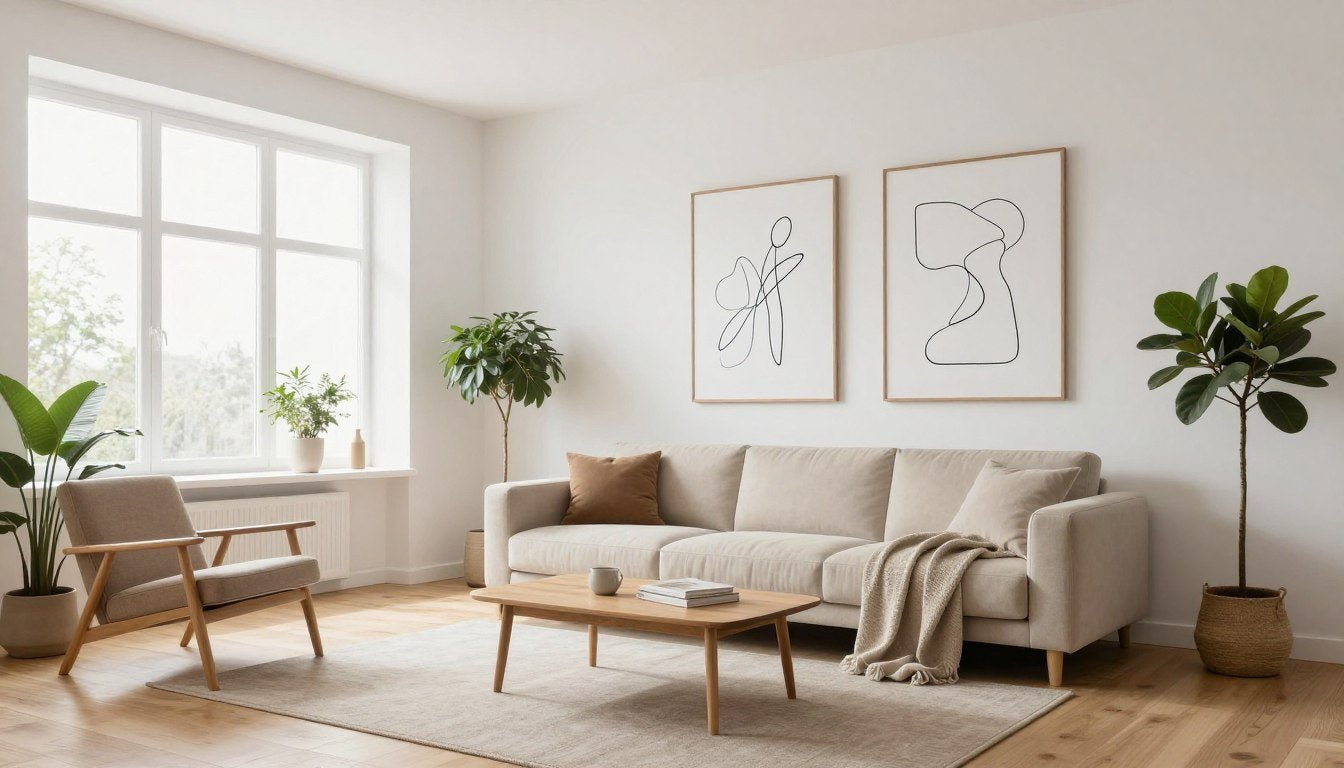

Scandinavian interior design has captured hearts worldwide with its perfect balance of beauty and function. This timeless aesthetic transforms ordinary spaces into calm retreats that feel both welcoming and sophisticated. The magic lies in its simplicity.
The Scandinavian style emerged from Nordic winters where natural light becomes precious. Designers created interiors that maximize brightness while maintaining warmth. Clean lines meet neutral colors to form spaces that breathe easily.
Modern homes across America now embrace this approach. The aesthetic works beautifully whether you live in a studio apartment or sprawling house. Your space can embody Scandinavian principles through thoughtful choices in furniture, color, and art.
What Defines Scandinavian Interior Design

Scandinavian interior design prioritizes function without sacrificing beauty. This design philosophy originated in Nordic countries during the 1950s. Designers focused on creating democratic design that everyone could access and enjoy.
The aesthetic values simplicity above all else. Every element serves a purpose while contributing to visual harmony. Clutter disappears in favor of carefully selected pieces that enhance daily life.
Natural materials form the foundation of this style. Wood appears throughout Scandinavian interiors in flooring, furniture, and accents. Light woods like birch and pine dominate the space. These materials bring warmth that balances cool neutral tones.
Color palettes stay firmly rooted in nature. White walls create the perfect backdrop for Scandinavian design. Soft grays, gentle beiges, and warm taupes add depth without overwhelming the senses. These neutral colors reflect natural light beautifully throughout the day.
Functionality drives every design decision in Scandinavian interiors. Furniture must serve practical needs while maintaining clean aesthetics. Storage solutions hide away life's necessities. The result creates open spaces that feel larger than their actual dimensions.
Looking for more inspiration to transform your home? Explore our design blog for additional Scandinavian style tips and creative ideas.
Clean Lines: The Foundation of Scandinavian Style

Clean lines define the visual language of Scandinavian interior design. Furniture features straight edges and simple geometric shapes. Curves appear rarely and only when they serve ergonomic purposes.
This emphasis on linearity creates visual calm. Your eye travels smoothly across surfaces without jarring interruptions. Each piece of furniture maintains distinct boundaries while harmonizing with surrounding elements.
Scandinavian designers avoid ornate details and excessive decoration. Tables feature simple legs and flat surfaces. Chairs emphasize comfort through thoughtful proportions rather than elaborate carving. Storage units present unbroken facades that maintain clean sight lines.
Architectural Elements
Clean lines extend beyond furniture into architectural features. Doorways frame spaces with simple moldings. Windows remain unadorned or feature minimal treatments that preserve natural light. Walls meet ceilings at crisp angles.
Built-in storage maintains these principles beautifully. Cabinets blend seamlessly into walls. Shelving systems use vertical and horizontal lines to create functional art. These elements organize your space while reinforcing the overall aesthetic.
Line Art Integration
Line art perfectly complements Scandinavian interior design principles. Simple drawings featuring minimal strokes enhance walls without visual chaos. Black lines on white backgrounds echo the style's fundamental contrast.
These artworks introduce personality while respecting minimalist values. Geometric patterns, botanical sketches, and abstract forms work equally well. The key lies in maintaining simplicity and restraint in artistic expression.
Enhance Your Space with Minimalist Line Art
Our curated collection of canvas prints features clean lines and neutral tones that perfectly complement Scandinavian interior design. Each piece adds visual interest while maintaining the minimalist aesthetic you love.
Neutral Color Palettes That Define the Aesthetic

Color choices make or break Scandinavian interior design success. The palette draws inspiration from Nordic landscapes and natural light conditions. White dominates as the primary color throughout most Scandinavian interiors.
This extensive use of white serves multiple purposes. Light reflects off pale surfaces to combat dark winters. Rooms feel more spacious and airy. White provides the perfect backdrop for natural wood tones and carefully selected accent pieces.
Gray enters the palette in subtle variations. Soft dove gray adds depth to white spaces. Warmer gray tones with beige undertones prevent coldness. These shades appear in textiles, furniture upholstery, and smaller decorative elements.
Beige and taupe bring essential warmth to neutral schemes. These earth tones ground the aesthetic while maintaining restraint. They appear in wool rugs, linen curtains, and upholstered seating. Natural materials often carry these warm neutral colors organically.
Wall Colors
Walls typically stay within the white to light gray spectrum. Pure white creates maximum light reflection. Warm whites with subtle cream undertones add coziness. Very light grays provide gentle contrast without darkness.
Accent Tones
Black serves as the primary accent color in Scandinavian design. Metal fixtures, picture frames, and line art introduce this contrast. The stark black against neutral backgrounds creates visual punctuation throughout your space.
Natural Wood
Wood tones function as color within the neutral palette. Light woods like birch and ash maintain brightness. These natural materials introduce texture and visual warmth without disrupting the calm color scheme.
Scandinavian designers occasionally introduce muted color for interest. Dusty blue, sage green, or soft terracotta appear in small doses. These colors arrive through throw pillows, artwork, or single furniture pieces. They add personality while respecting the neutral foundation.
The key to successful Scandinavian color schemes lies in restraint. Limit your palette to two or three main neutral tones. Add one subtle accent color if desired. This discipline creates cohesion and maintains the style's signature calm aesthetic.
Natural Light and Space Optimization

Light holds sacred status in Scandinavian interior design. Nordic winters bring limited daylight hours that shaped this design philosophy. Every decision aims to maximize and celebrate available natural light throughout your home.
Large windows characterize Scandinavian architecture and interiors. Floor-to-ceiling glass invites maximum sunlight inside. Window treatments stay minimal or disappear entirely. Sheer white curtains provide privacy without blocking precious daylight.
White walls reflect light throughout the space efficiently. This reflective quality extends daylight's reach into room corners. The brightness combats seasonal darkness while creating energizing environments year-round.
Space planning reinforces light distribution in Scandinavian design. Furniture arrangements avoid blocking windows. Low-profile pieces allow light to travel above them. Open floor plans eliminate walls that would create dark zones.
Mirrors strategically multiply natural light within interiors. Large mirrors opposite windows reflect outdoor views and brightness. Smaller mirrors throughout the space bounce light to shadowy areas. These reflective surfaces effectively double your natural light supply.
Lighting Fixtures
Artificial lighting complements natural light in Scandinavian homes. Fixtures themselves become sculptural elements with clean lines. Pendant lights hang at various heights to create layers of illumination.
Warm white bulbs mimic natural daylight quality. Multiple light sources throughout the room prevent harsh shadows. Table lamps, floor lamps, and overhead fixtures work together harmoniously. This layered approach maintains brightness during long winter nights.

Space optimization extends beyond light considerations. Scandinavian interior design embraces negative space as a design element. Empty areas allow the room to breathe. This openness prevents visual overwhelm and maintains the style's signature calm quality.
Incorporating Line Art into Your Scandinavian Interior

Line art represents the perfect artistic expression for Scandinavian interior design. These minimalist drawings embody the style's core principles through simplicity and restraint. Single continuous lines create recognizable forms without unnecessary detail.
The aesthetic matches Scandinavian values beautifully. Black lines on white backgrounds echo the neutral color palette. Clean strokes reflect the emphasis on uncluttered visual space. These artworks add personality without disrupting calm interiors.
Subject matter for line art varies widely while maintaining simplicity. Abstract faces drawn with minimal lines bring human warmth to spaces. Botanical illustrations capture nature's essence through basic forms. Geometric patterns create visual interest through mathematical precision.

Canvas Print Collection
Transform your walls with museum-quality canvas prints featuring minimalist line drawings. Each piece arrives ready to hang with clean edges that complement Scandinavian interiors perfectly.

Original Paintings
Invest in unique hand-painted originals that bring authentic artistic energy to your home. Each painting carries the artist's individual touch while honoring minimalist Scandinavian principles.
Placement strategy matters significantly for line art in Scandinavian spaces. Single large pieces create focal points above sofas or beds. Gallery walls arrange multiple smaller works in grid patterns. The key involves maintaining breathing room between artworks.
Framing choices should respect the minimalist aesthetic. Simple black frames provide classic contrast against white walls. Natural wood frames add warmth while maintaining simplicity. White frames create seamless integration when you want art to float on walls.
Living Room Placement
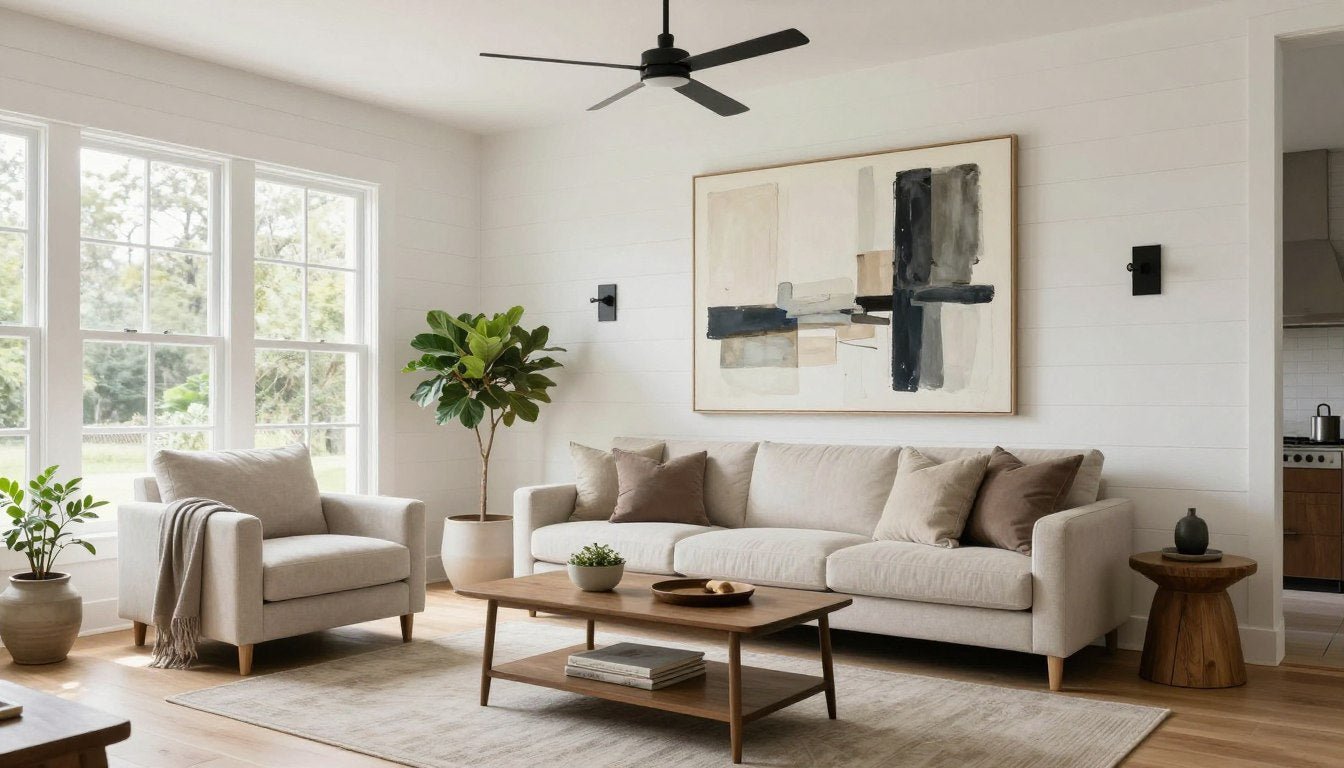
Position line art above seating areas as natural focal points. Large single pieces work well over sofas. Smaller works suit spaces beside windows or doors.
- Hang art at eye level when standing
- Maintain 6-8 inches between sofa top and frame bottom
- Balance artwork size with furniture proportions
- Create visual triangles with multiple pieces
Bedroom Integration
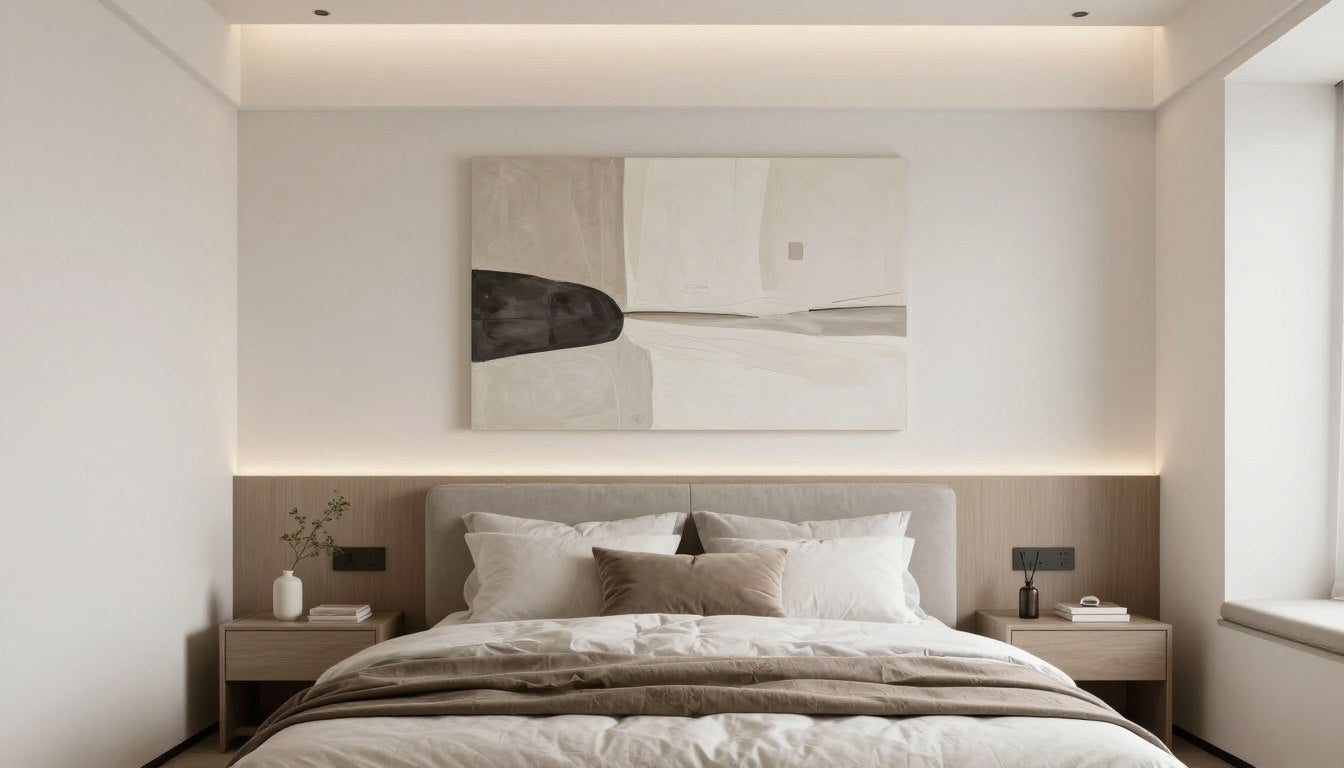
Bedrooms benefit from calming line art above headboards. Abstract forms promote relaxation better than busy patterns. Keep colors strictly black and white.
- Center large pieces above bed for symmetry
- Use diptychs or triptychs for king-sized beds
- Choose softer subject matter for sleep spaces
- Avoid overwhelming artwork in rest areas
Kitchen and Dining
Line art introduces personality into functional kitchen spaces. Botanical themes suit food preparation areas. Keep frames simple and easy to clean.
- Select smaller pieces for limited wall space
- Position art away from cooking zones
- Use glass-covered frames for easy maintenance
- Match artwork to dining table proportions
Hallways and Entries
Corridors provide perfect gallery opportunities. Multiple line art pieces create visual journeys through your home. Maintain consistent spacing between frames.
- Align bottom edges for hallway galleries
- Space frames 2-3 inches apart horizontally
- Use narrow vertical pieces in tight spaces
- Welcome guests with statement entry art
Scale considerations prevent common mistakes in Scandinavian interiors. Oversized art overwhelms small rooms and contradicts minimalist principles. Undersized pieces disappear against expansive white walls. Measure your wall space carefully before selecting artwork dimensions.
Best Picks for Your Scandinavian Home

Building authentic Scandinavian interior design requires thoughtful selection of key elements. The right furniture, textiles, and decorative pieces work together to create cohesive spaces. Quality trumps quantity in every category.
Essential Furniture Pieces
Start with a neutral sofa in light gray or beige upholstery. Low profiles maintain open sight lines across your room. Wooden legs in light finish connect furniture to Scandinavian material traditions. Comfort matters as much as aesthetics in these designs.
Dining tables showcase natural wood grain and simple construction. Round tables encourage intimate gatherings while saving space. Rectangular options suit larger families and formal dining rooms. Avoid ornate bases in favor of straight tapered legs.
Storage solutions must blend seamlessly into your interior design scheme. Low credenzas provide practical storage while maintaining clean horizontal lines. Open shelving displays carefully curated objects without creating visual clutter. White or light wood finishes keep these pieces from dominating spaces.
Textile Selections
Wool rugs ground Scandinavian living spaces with texture and warmth. Natural fibers feel comfortable underfoot while adding acoustic softening. Choose cream, gray, or warm beige tones that complement your color palette. Geometric patterns work if they maintain simplicity.
Sheepskin throws drape over chairs and sofas for instant hygge appeal. These natural textiles introduce tactile comfort essential to Scandinavian design philosophy. White or natural colors maintain the neutral aesthetic while adding visual interest through texture.
Linen curtains filter natural light beautifully without blocking it completely. White or off-white sheers provide daytime privacy while preserving brightness. The fabric's natural texture adds subtle visual interest to window treatments. Keep curtain designs simple without elaborate pleating or embellishments.

Decorative Elements
Indoor plants bring life and nature into Scandinavian interiors. Large leafy plants like fiddle leaf figs make sculptural statements. Smaller potted plants cluster on shelves and windowsills. Choose simple ceramic pots in white or matte black finishes.
Candles create essential ambiance for achieving hygge warmth in your home. White pillar candles in various heights group together effectively. Simple candlesticks in wood or metal hold taper candles elegantly. Unscented options respect the minimalist philosophy's restraint.
Ceramics add functional beauty throughout Scandinavian spaces. White or cream dishes stack visibly on open shelving. Vases in organic shapes display single branches or minimal floral arrangements. Handmade pieces with slight imperfections bring human warmth to pristine interiors.
Complete Your Scandinavian Space
Discover our full range of minimalist art and sculptural pieces designed to enhance your Scandinavian interior. From wall art to three-dimensional elements, each piece embodies clean lines and timeless design principles.
Modern Sculptures
Three-dimensional art brings additional depth to Scandinavian interior design. Modern sculptures in abstract forms create focal points without overwhelming spaces. Matte finishes in white, black, or natural materials suit the aesthetic perfectly.
Scale matters significantly when selecting sculptures for your home. Tabletop pieces work beautifully on credenzas and shelving units. Floor sculptures anchor corners or flank doorways effectively. Keep forms simple and avoid overly ornate or colorful pieces.
Materials should echo other elements in your Scandinavian interior. Wood sculptures connect to furniture and flooring choices. Metal pieces in matte black or brass add subtle contrast. White plaster or resin sculptures blend seamlessly with wall colors while providing textural interest.
Lighting Solutions
Pendant lights above dining tables serve both functional and aesthetic purposes. Simple globe shapes or geometric wire frames suit Scandinavian principles. Brass or matte black finishes provide subtle contrast against white ceilings. Hang fixtures low enough for ambient lighting without obstructing sight lines.
Floor lamps create cozy reading nooks and supplement overhead lighting. Arc lamps reach over seating areas gracefully. Tripod bases in light wood support simple shades. Choose warm white bulbs that mimic natural daylight quality throughout your home.
Task lighting illuminates work surfaces in kitchens and home offices. Under-cabinet strips provide practical illumination for food preparation. Desk lamps with adjustable arms offer flexibility while maintaining clean aesthetics. Integrated LED solutions eliminate bulky fixtures that disrupt minimalist spaces.

Bringing Scandinavian Design Elements Together

Creating authentic Scandinavian interior design requires balancing multiple elements harmoniously. Each component supports the overall aesthetic while serving practical functions. The magic happens when everything works together seamlessly.
Start with your largest surfaces - walls, floors, and major furniture pieces. These elements establish your neutral foundation. White walls and light wood floors create the blank canvas. Large furniture in complementary neutrals anchors the space without overwhelming it.
Layer textures throughout your room to prevent sterile feelings. Smooth wood contrasts beautifully with nubby wool textiles. Soft sheepskin balances crisp linen fabrics. These textural variations add depth while maintaining the neutral color scheme essential to the aesthetic.
Natural light remains your most important design element. Arrange furniture to maximize light flow throughout your space. Keep window areas clear and unobstructed. Add mirrors strategically to multiply available brightness during darker months.
Introduce warmth through wood tones and natural materials. Even in predominantly white interiors, wood elements prevent coldness. Furniture legs, picture frames, and decorative bowls in light wood create visual warmth. These organic materials connect your interior to nature and Scandinavian design traditions.
The Role of Hygge
Hygge brings essential coziness to Scandinavian interior design. This Danish concept emphasizes comfort and contentment in daily life. Soft textiles, warm lighting, and personal touches create hygge atmosphere.
Candles provide instant hygge warmth on dark evenings. Throw blankets invite relaxation on sofas and chairs. These comfort elements balance minimalism's austerity with human warmth. Your space should feel inviting rather than cold despite its simplicity.

Artwork introduces personality while respecting minimalist principles. Line art provides visual interest without busy patterns or loud colors. Select pieces that resonate personally rather than following trends. Your art should bring joy while maintaining aesthetic consistency.
Edit ruthlessly to maintain clean spaces characteristic of Scandinavian design. Every object should earn its place through beauty or function. Remove items that serve neither purpose. This discipline creates breathing room that defines the style.
Seasonal changes offer opportunities for subtle refreshments. Winter months call for additional textiles and warm lighting. Summer allows lighter fabrics and minimal window treatments. These adjustments keep your interior feeling fresh while respecting core Scandinavian principles.
Balance remains key throughout the design process. Too much white creates sterile environments. Too much wood overwhelms with warmth. Find the sweet spot where elements complement each other perfectly. Trust your instincts while respecting fundamental Scandinavian design rules.
Creating Your Scandinavian Sanctuary
Scandinavian interior design offers timeless beauty through simplicity and function. The aesthetic transforms homes into peaceful retreats that support daily life beautifully. Clean lines, neutral colors, and natural materials form the foundation of this beloved style.
Your journey toward Scandinavian interior design begins with understanding core principles. Embrace minimalism without sacrificing comfort. Prioritize natural light and open space. Select furniture and decor that serve purposes while maintaining visual calm.
Line art brings personality to white walls without disrupting minimalist aesthetics. These simple drawings echo Scandinavian values through restraint and elegance. Canvas prints, original paintings, and modern sculptures complete your space while honoring design traditions.
Remember that Scandinavian design evolves with your life and seasons. The style accommodates personal touches within its established framework. Add elements gradually while maintaining balance and breathing room throughout your home.
Start your transformation today with one or two key changes. Replace busy patterns with neutral tones. Introduce line art to empty walls. Clear clutter to reveal space and light. These small steps begin your journey toward authentic Scandinavian interior design.
For continued inspiration and practical styling tips, visit our design blog regularly. Discover new ways to incorporate minimalist art into your evolving Scandinavian sanctuary.

About the Author
Chiara Rossetti
Chiara Rossetti is the founder of Rossetti Art, a canvas print and original art brand. She writes about interior design, wall art styling, and the art of making a home feel alive.

Leave a comment
This site is protected by hCaptcha and the hCaptcha Privacy Policy and Terms of Service apply.