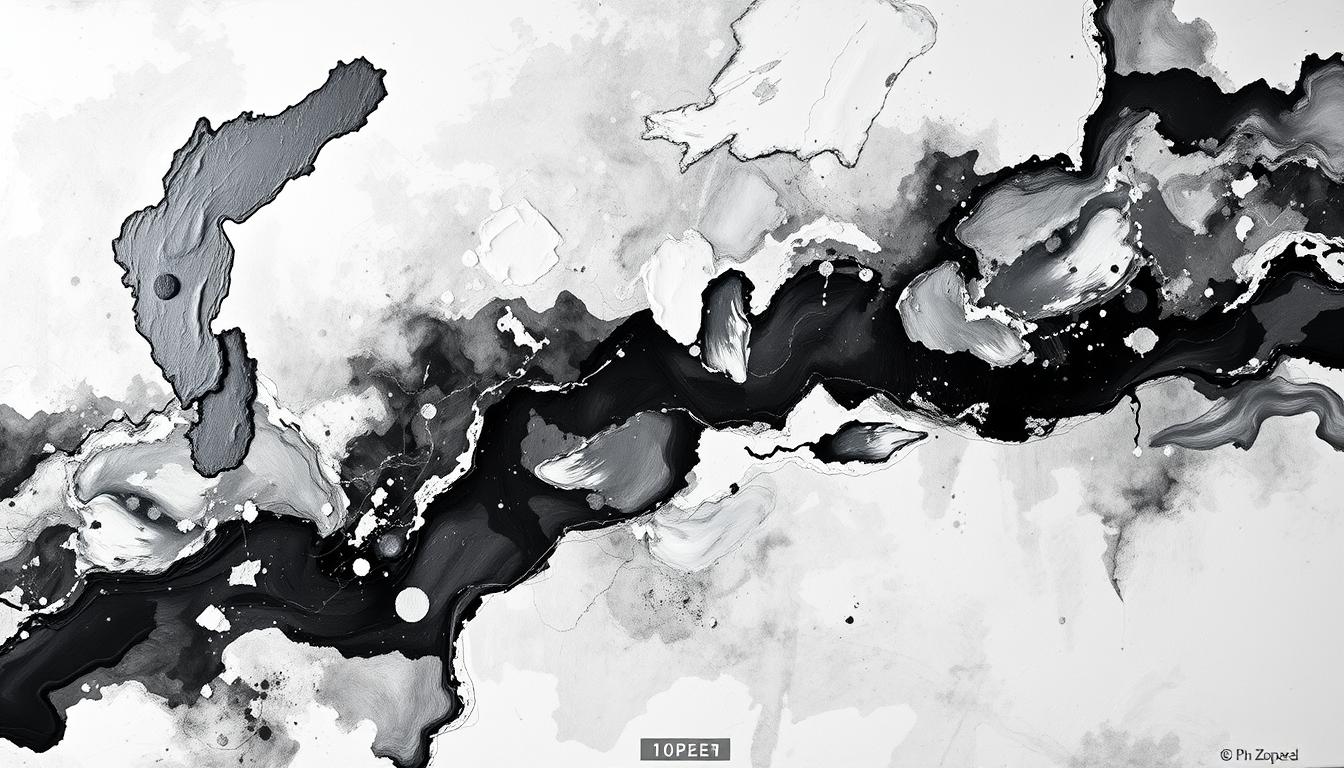
In the vast spectrum of artistic expression, black and white stand as timeless pillars of visual communication. These two non-colors transcend mere absence or presence of light—they embody the essence of contrast, duality, and emotional depth. When an artist chooses to work in monochrome, they strip away the distractions of color to reveal the raw power of form, texture, and composition.
The interplay between black and white creates a visual poetry that speaks directly to our deepest perceptions. It invites us to see beyond the surface, to explore the boundaries between light and shadow, presence and absence, complexity and simplicity. This fundamental contrast has captivated artists throughout history, from ancient cave paintings to contemporary figurative works that continue to explore the profound symbolism of black and white.

The Cultural and Emotional Meanings of Black and White
Throughout human history, black and white have carried powerful symbolic weight across different cultures. These contrasting tones speak a universal language that transcends borders and time periods, yet their specific meanings can vary dramatically depending on cultural context.
Duality and Balance
Perhaps the most fundamental symbolism of black and white lies in their representation of opposing forces. The ancient Chinese philosophy of yin and yang perfectly captures this duality—black representing the feminine, receptive, and mysterious, while white embodies the masculine, active, and revealing. Together, they form a perfect circle of balance and harmony, each containing a small element of the other.
In Western traditions, this duality often takes on moral dimensions. White frequently symbolizes purity, innocence, and divine light, while black represents the unknown, death, or absence. Yet this simplistic division fails to capture the nuanced interplay between these powerful visual elements.

Emotional Resonance
The emotional impact of black and white in art is profound and multifaceted. Black can evoke feelings of sophistication, mystery, power, and elegance. It creates depth and draws the viewer into its infinite space. White, conversely, suggests clarity, openness, purity, and possibility—a blank canvas awaiting expression.
When artists work in monochrome, they harness these emotional qualities to create works that resonate on a primal level. The stark contrast between black and white can convey tension and drama, while subtle gradations of gray suggest nuance and complexity. This emotional range makes black and white art particularly effective at expressing universal human experiences.
Silence and Intensity
There is a particular quality of silence in black and white art—a quieting of the visual noise that color can sometimes create. This silence allows for intense focus on form, line, and composition. The viewer's eye is not distracted by chromatic variations but instead drawn to the essential elements of the artwork.
This intensity creates a unique viewing experience. Black and white art demands attention in a different way than colorful works. It invites contemplation and often creates a more intimate connection between the viewer and the artwork, allowing for deeper emotional engagement with the piece's subject matter and themes.

Black and White in Modern Figurative Art
Contemporary artists continue to explore the rich potential of black and white in figurative art, finding new ways to express emotion and narrative through this timeless palette. By limiting their color range, these artists emphasize the essential qualities of their subjects—form, movement, expression, and presence.
Emotional Storytelling Through Monochrome
Modern figurative artists like Chiara Rossetti use black and white to strip away distractions and focus on the emotional core of their subjects. The human figure, rendered in monochrome, becomes a vessel for universal emotions and experiences. Without color to guide interpretation, the viewer must engage more deeply with the form and expression of the figure.
The contrast between light and shadow on the human form creates a dramatic narrative quality. Areas of brightness draw attention to certain features or gestures, while shadows create mystery and depth. This interplay tells a story that transcends specific time or place, speaking instead to timeless human emotions.

The Power of Gesture and Form
When color is removed from the equation, the power of gesture and form takes center stage. The curve of a shoulder, the tilt of a head, or the tension in a hand becomes the primary vehicle for expression. Black and white figurative art celebrates these elements, revealing how much can be communicated through the simplest of human movements.
Artists working in this tradition understand that the human form itself is a language. By rendering it in black and white, they amplify this language, creating works that speak eloquently about the human condition through the poetry of the body in space.

Grace in Motion – Modern Figurative Original Painting
Chiara Rossetti's "Grace in Motion" captures the fluid elegance of the human form through bold, expressive brushstrokes. This original painting embodies the power of black and white to convey movement and emotion with striking simplicity. The contrast between light and shadow creates a dynamic energy that draws the viewer into the figure's graceful dance.
The artist's masterful use of negative space allows the figure to breathe on the canvas, creating a sense of freedom and possibility. Each brushstroke is deliberate yet spontaneous, revealing the artist's deep understanding of how black and white can express the poetry of human movement.

Grace in Motion (Alternate View)
From this perspective, the intricate details of Rossetti's brushwork become apparent. The varying thickness of lines and the subtle gradations between black and white create depth and dimension, bringing the figure to life on the canvas. This alternate view reveals how the artist uses contrast not just for visual impact but to guide the viewer's eye through the composition.
The painting's monochrome palette allows for an intimate focus on texture and form, highlighting the artist's technique and the emotional resonance of the human figure in motion. Each viewing angle offers new discoveries within the interplay of light and shadow.
The Eloquence of Negative Space
In black and white art, negative space becomes as important as the positive elements. The areas left untouched or rendered in white create breathing room within the composition and often carry as much meaning as the black forms themselves. This balance between presence and absence is fundamental to the power of monochrome art.
Creating Balance Through Absence
Negative space in black and white art serves multiple purposes. It provides visual rest, allowing the eye to move comfortably through the composition. It creates definition, giving shape and meaning to the positive elements. And it establishes rhythm and flow, guiding the viewer's journey through the artwork.
Artists who master the use of negative space understand that what is left out can be as powerful as what is included. The white of the canvas becomes an active participant in the artistic conversation, not merely a background for black elements.

The Dance Between Black and White
The relationship between black and white elements in art can be understood as a dance—each partner moving in response to the other, creating a dynamic whole that is greater than the sum of its parts. This dance creates visual tension and harmony, drawing the viewer into the rhythmic movement of the composition.
In the most successful black and white artworks, this dance achieves perfect balance. Neither element dominates; instead, they complement each other, creating a visual poetry that speaks to the fundamental duality of human experience.

Echoes of Stillness – Modern Figurative Original Painting
"Echoes of Stillness" exemplifies Rossetti's masterful use of negative space to create a sense of contemplative calm. The figure emerges from and recedes into the white of the canvas, creating a visual poetry that speaks to presence and absence. The minimal black brushstrokes define just enough of the form to suggest rather than dictate, inviting the viewer to complete the image.
This original painting captures a moment of quiet introspection, where the boundaries between figure and ground become fluid. The artist's restraint in applying black elements allows the white space to breathe and resonate, creating a work that feels both substantial and ethereal.
Texture and Contrast: The Tactile Dimension
Black and white art often emphasizes texture in ways that colorful works cannot. Without color to distract the eye, the tactile qualities of the medium become more pronounced. Brushstrokes, paper grain, canvas texture, and other material elements add richness and depth to monochrome works.
The Materiality of Monochrome
Artists working in black and white frequently exploit the physical properties of their materials to create visual interest. Thick, gestural brushstrokes of black paint against a white canvas create not just visual contrast but textural variation. The way light catches these textural elements adds another dimension to the viewing experience.
This materiality grounds abstract concepts in physical reality. The viewer responds not just to the image but to its physical presence—the way paint sits on canvas, the thickness of a line, the depth of a shadow. These tactile qualities create an immediate, visceral connection between viewer and artwork.

Contrast as Visual Drama
The stark contrast between black and white creates inherent visual drama. This dramatic quality can be heightened or softened through the artist's handling of transitions between light and dark. Sharp, defined edges create clarity and boldness, while soft, gradual transitions suggest subtlety and nuance.
Artists manipulate this contrast to direct attention, create focal points, and establish visual hierarchy within their compositions. The eye is naturally drawn to areas of high contrast, allowing the artist to guide the viewer's journey through the artwork with precision.
 – Modern Figurative Original Painting
"Duality of Silence" explores the relationship between two figures through the dramatic interplay of texture and contrast. Rossetti's bold brushstrokes create a tactile surface that invites both visual and imagined touch. The varying thickness of the black paint against the white canvas creates a dynamic tension that mirrors the relationship between the figures.
This original painting demonstrates how black and white can express complex emotional states through purely visual means. The contrast between light and shadow, presence and absence, connection and separation creates a visual metaphor for human relationships. The textural elements add depth and richness to this exploration, grounding abstract concepts in material reality.
Incorporating Black and White Art in Luxury Interiors
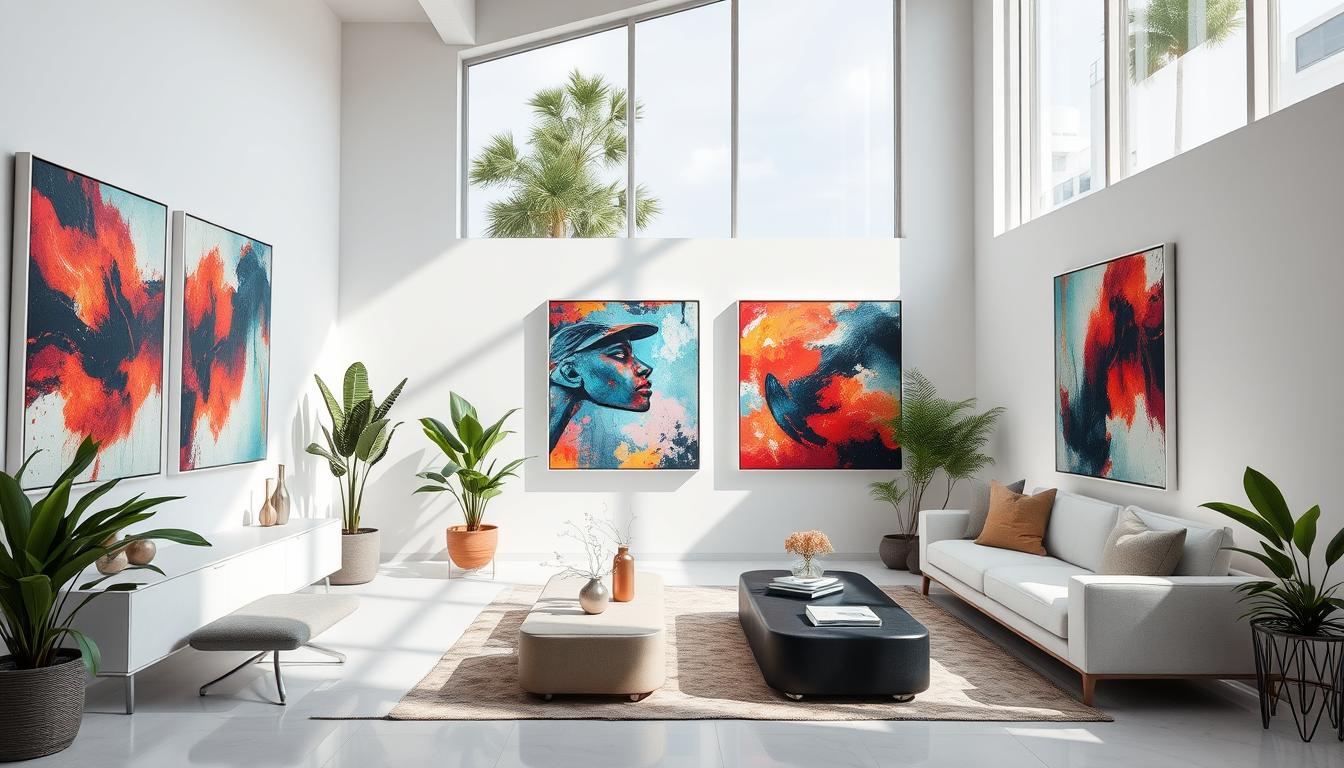
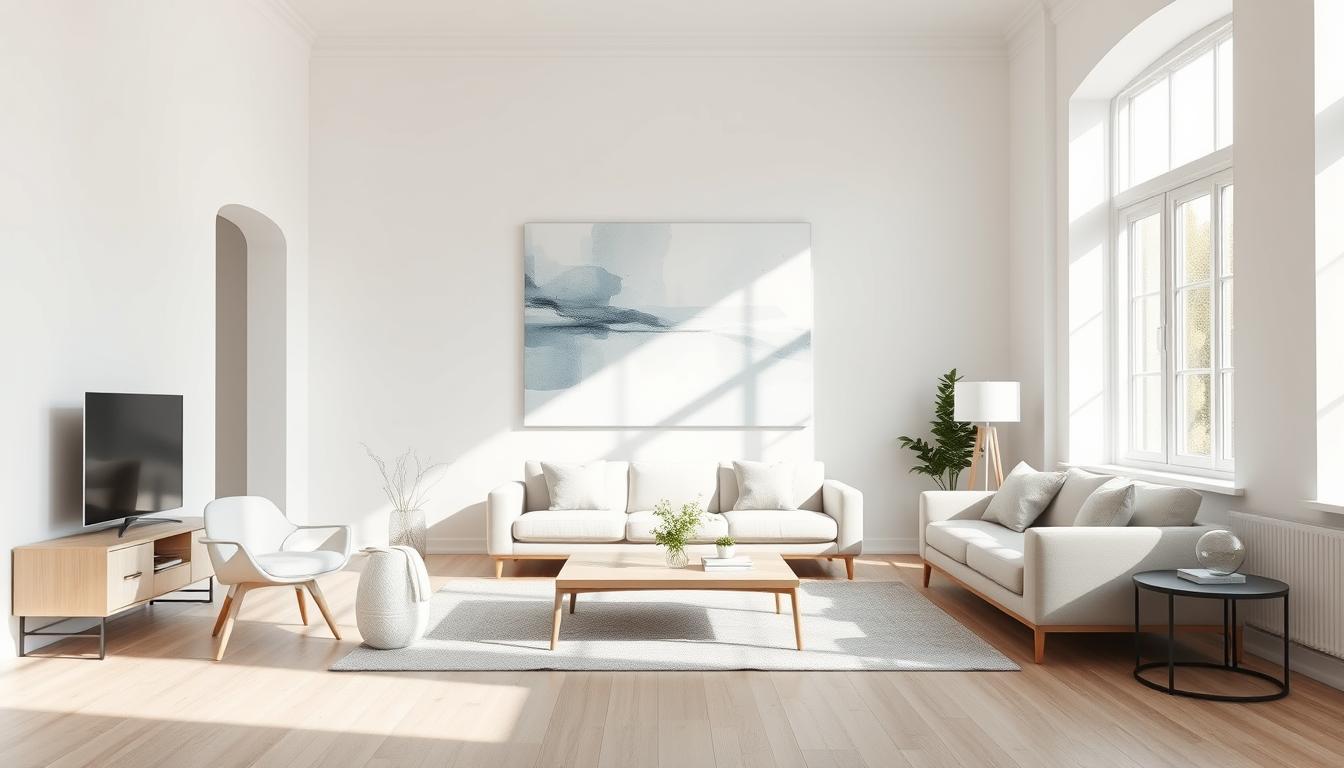
Black and white art possesses a unique versatility that allows it to enhance a wide range of interior styles. From minimalist modern spaces to richly textured traditional rooms, monochrome artwork adds sophistication, depth, and visual interest without disrupting existing color schemes.
Creating Focal Points and Visual Anchors
A striking black and white painting can serve as the perfect focal point in a room, drawing the eye and anchoring the space. The bold contrast of monochrome art commands attention without overwhelming the senses, creating a natural center around which other design elements can orbit.
In neutral interiors, black and white art adds definition and structure. In colorful spaces, it provides visual rest and balance. This adaptability makes monochrome art an invaluable tool for interior designers and homeowners seeking to create cohesive, sophisticated environments.

Layering Texture and Depth
Black and white art adds visual texture to a space, creating depth and dimension through contrast. When paired with tactile elements like plush textiles, natural wood, or polished stone, monochrome artwork enhances the sensory richness of an interior without creating visual clutter.
The interplay of light and shadow in black and white art also creates a dynamic quality that changes throughout the day as natural light shifts. This subtle variation brings living spaces to life, adding a layer of visual interest that evolves with time and light conditions.
Balancing Energy and Calm
Depending on its composition and subject matter, black and white art can either energize a space or create a sense of tranquility. Bold, graphic works with strong contrast add drama and vitality, while softer, more nuanced pieces with gradual tonal transitions contribute to a feeling of calm and contemplation.
This emotional range allows homeowners to precisely calibrate the mood of their spaces through their art selections. A serene bedroom might benefit from the quiet presence of a subtle monochrome piece, while a dining room or entryway might come alive with the energy of a more dramatic black and white composition.

Transform Your Space with Rossetti Art
Discover how Chiara Rossetti's original black and white paintings can elevate your interior with timeless elegance and emotional depth. Each piece brings the sophisticated atmosphere of an art gallery into your home.
Browse the CollectionThe Timeless Poetry of Black and White
Black and white art transcends trends and fashions, speaking a visual language that remains as powerful today as it was in the earliest expressions of human creativity. By reducing visual expression to its most fundamental elements—light and shadow, presence and absence—monochrome art touches something essential in our perception and understanding of the world.
The interplay between black and white creates a visual poetry that resonates on multiple levels—intellectual, emotional, and spiritual. It invites us to see beyond surface appearances, to contemplate the dualities that define human experience, and to find beauty in simplicity and contrast.
At Rossetti Art, we specialize in original paintings that celebrate emotion through elegant simplicity. Each monochrome piece by Chiara Rossetti invites you to explore the poetry of contrast and the serenity of form. Bring the spirit of the gallery into your home — discover the beauty of black and white today.


Leave a comment
This site is protected by hCaptcha and the hCaptcha Privacy Policy and Terms of Service apply.