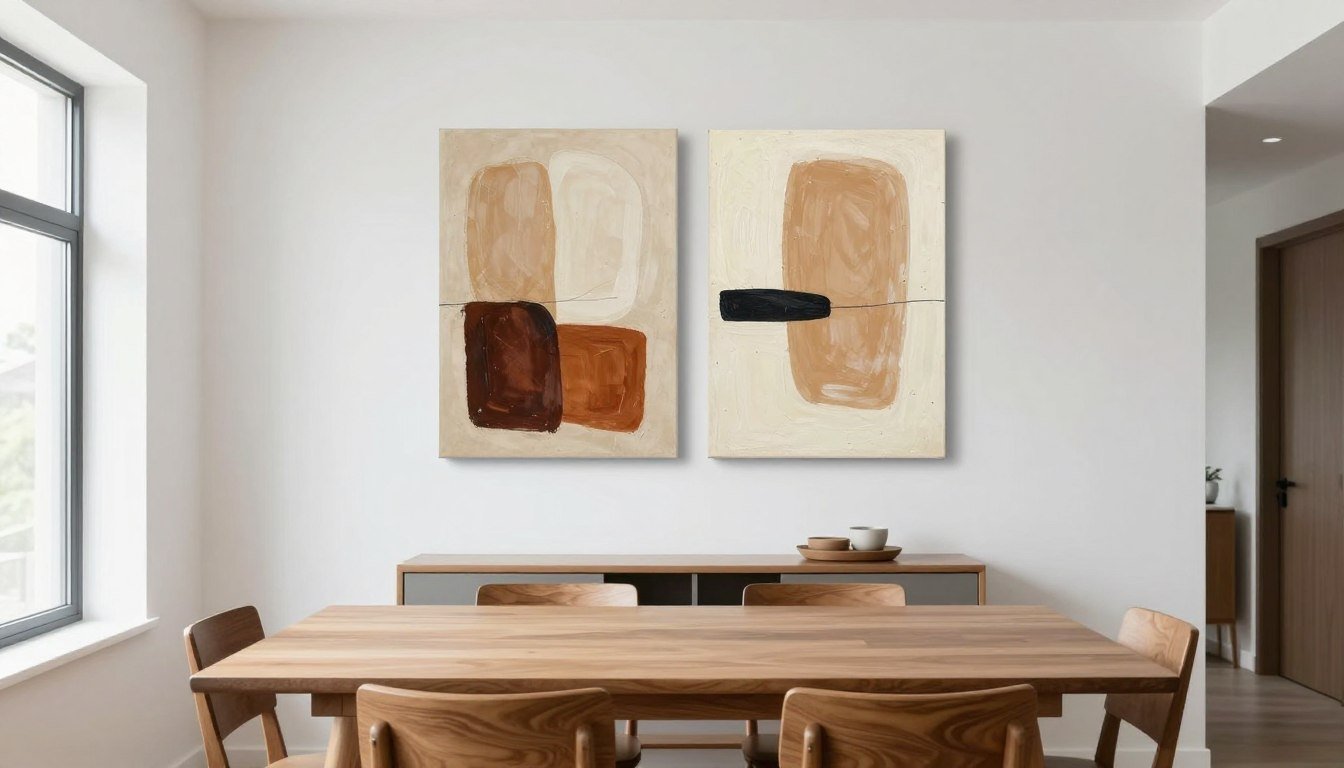
Your small dining room deserves attention that goes beyond the table and chairs. The walls hold untapped potential to completely transform the space. Whether you face blank walls or outdated decor, the right approach can make your compact dining area feel intentional and inviting.
This guide walks you through practical strategies that work specifically for smaller dining spaces. You'll discover how to choose artwork that fits your room's proportions and create visual interest without overwhelming the area.
Understanding Scale and Proportion in Small Spaces
Scale determines whether your dining room wall decor enhances or diminishes your space. The relationship between your wall art size and room dimensions creates either harmony or discord.

The Two-Thirds Rule for Dining Room Art
Your artwork should span approximately two-thirds the width of your dining table or buffet below it. This proportion creates visual balance without crowding the wall space.
A standard small dining table measures 36 to 48 inches wide. Following the two-thirds rule, your wall art should be 24 to 32 inches across.
Vertical Space Considerations
Small dining rooms often have standard 8-foot ceilings. Leave 6 to 12 inches between your furniture top and the bottom edge of your wall decor.
This spacing prevents the piece from appearing to sit directly on the furniture. It also maintains proper sight lines when people are seated at your dining table.
Quick Tip: If your dining room has a single wall accent, position artwork at eye level when standing—approximately 57 to 60 inches from the floor to the center of the piece.
Setting the Mood with Curated Canvas Prints
The style you choose for your dining room wall sets the entire atmosphere. Abstract designs create contemporary energy, while botanical prints bring natural serenity to meal times.
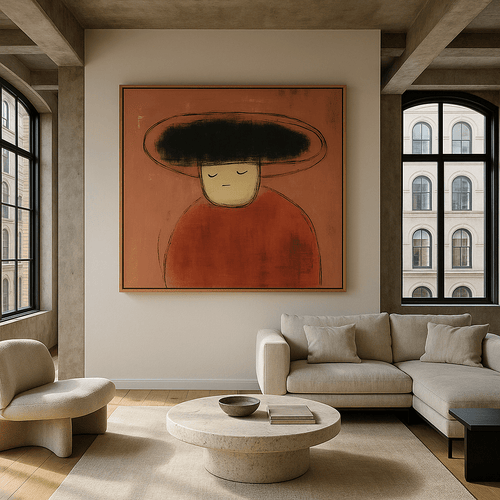
Warm Geometric Abstract
This abstract piece brings warmth through earthy tones that complement wood dining furniture. The geometric shapes add modern sophistication without overwhelming a compact room.
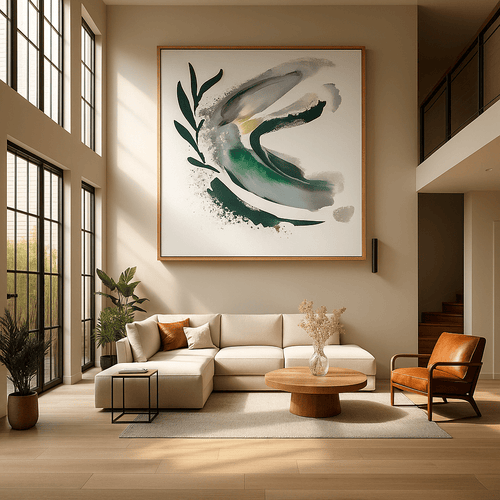
Botanical Serenity
Botanical wall art prints create a fresh, organic atmosphere perfect for dining spaces. Green tones promote calmness and pair beautifully with natural wood elements.
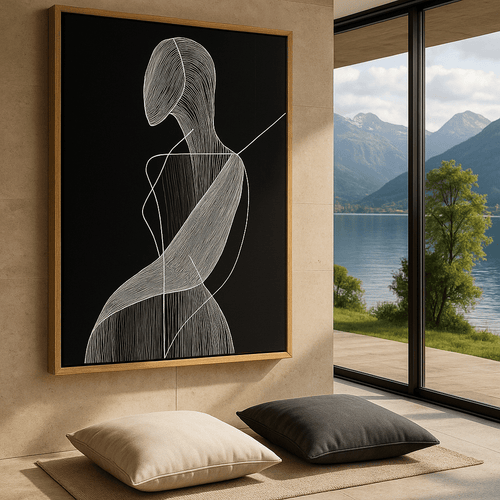
Classic Black & White
Black and white canvas prints deliver timeless elegance. These versatile pieces work with any color scheme and add sophisticated contrast to your dining room walls.
Each style serves different design goals. Consider your existing furniture, lighting conditions, and the overall mood you want during meals.
Gallery Wall Strategies for Compact Dining Rooms
A gallery wall transforms a single dining room wall into a dynamic focal point. This approach works exceptionally well in small dining rooms where one strong statement matters more than multiple scattered pieces.

Asymmetrical vs. Grid Layouts
Asymmetrical gallery walls feel organic and collected over time. Start with your largest piece slightly off-center, then build around it with smaller frames.
Grid layouts offer clean, modern symmetry. Use identical frame sizes and consistent spacing—typically 2 to 3 inches between frames—for this structured approach.
Frame Selection Guidelines
Unified frame colors create cohesion across different art styles. Black frames work universally, while natural wood frames add warmth to your dining space.
Mix frame styles only if your art pieces share a common element like color palette or subject matter. This prevents visual chaos on your dining room wall.

Planning Your Gallery Wall Layout
Create paper templates matching your frame sizes. Arrange them on the wall using painter's tape before hammering any nails.
This trial approach prevents unnecessary holes and helps you visualize the final composition. Photograph different arrangements to compare options.
Start hanging from the center piece and work outward. This technique ensures your gallery wall stays level and properly spaced.
Optimal Piece Count for Small Spaces
Small dining room walls accommodate 3 to 7 pieces comfortably. More than seven pieces can overwhelm a compact space and create visual clutter.
Odd numbers—three, five, or seven pieces—tend to look more balanced and intentional than even-numbered groupings.
Color Psychology for Dining Room Wall Decor
Colors influence appetite, conversation, and comfort during meals. Your wall decor color choices directly impact the dining experience in your small space.
Warm Tones for Intimate Dining
Red, orange, and warm yellow tones stimulate appetite and create inviting energy. These colors work well for dining rooms where you host frequent gatherings.
Terracotta, burnt orange, and deep burgundy offer sophistication without overwhelming intensity. These shades pair beautifully with neutral wall paint colors.
Cool Colors for Modern Serenity
Blue and green tones promote calmness and work especially well in small dining spaces that double as work areas. These colors prevent the room from feeling cramped.
Sage green, dusty blue, and aqua create refreshing atmospheres. Consider botanical wall art prints to incorporate these naturally occurring colors.
Neutral Palettes for Versatility
Black, white, gray, and beige provide timeless backdrops that adapt as your style evolves. Neutral wall art allows colorful dining chairs or table linens to become accent pieces.
Texture becomes crucial in neutral schemes. Look for black and white canvas prints with visible brushstrokes or dimensional elements.
Match This Vibe to Your Space
Your personal style should guide your dining room wall decor choices. Whether you lean toward minimalist modern or eclectic vintage, coordinated collections simplify the selection process.
Discover Your Perfect Style Collection
Browse curated canvas print collections designed specifically for dining spaces. Each piece is carefully selected to complement small room proportions while making a significant visual impact.
The dining room collection features artwork scaled appropriately for compact spaces. You'll find pieces that work individually or as coordinated sets.
Strategic Mirror Placement for Light and Space
Mirrors serve dual purposes on dining room walls—they reflect light to brighten the space and create the illusion of expanded square footage.

Positioning Mirrors for Maximum Impact
Place mirrors opposite windows to bounce natural light throughout your dining room. This strategy makes small spaces feel significantly more open and airy.
Avoid positioning mirrors where they reflect clutter or unattractive views. The mirror should enhance your room's best features.
Mirror Size and Style Selection
A single large mirror often works better than multiple small mirrors in compact dining rooms. Aim for a mirror that spans at least half the wall width for proper visual weight.
Frame styles should complement your dining furniture. Modern spaces benefit from frameless or minimal metal frames, while traditional rooms suit ornate wooden frames.
Designer Insight: Hang mirrors approximately 6 to 8 inches above your buffet or console table. This height prevents the mirror from visually cutting the wall in half while maintaining practical functionality.
Functional Wall Decor That Serves Multiple Purposes
Small dining rooms benefit from decor that combines aesthetics with utility. Functional pieces reduce clutter while adding personality to your walls.
Floating Shelves as Display Space
Floating shelves provide display areas for decorative plates, small plants, or family photos. Keep arrangements minimal—3 to 5 items per shelf—to maintain visual calm.
Install shelves 12 to 18 inches apart for optimal visual spacing. Stagger items by height to create interest without blocking the wall behind them.
Decorative Plate Arrangements
Vintage plates create unique wall art with historical character. Arrange plates in odd-numbered groupings with the largest piece as your anchor point.
White or cream plates work universally, while colorful or patterned plates demand neutral wall colors to prevent visual competition.

Wall-Mounted Wine Racks
Wine racks combine storage with sophisticated style. Choose designs that hold 6 to 12 bottles—more becomes visually heavy in small dining spaces.
Metal wine racks suit industrial or modern aesthetics, while wooden racks complement traditional or farmhouse styles.
Incorporating Lighting as Wall Decor
Wall sconces and accent lighting serve as both functional light sources and decorative elements. Proper lighting enhances your other wall decor choices while improving dining ambiance.
Sconce Placement Standards
Install wall sconces 60 to 66 inches from the floor to the center of the fixture. This height works for most ceiling heights and provides flattering light for dining.
Place sconces 6 to 12 feet apart on long walls. In small dining rooms, symmetrical placement on either side of a central art piece creates balance.
Picture Lights for Art Illumination
Picture lights mounted above artwork add gallery-quality presentation. LED picture lights provide focused illumination without heat damage to canvas prints.
The light fixture should span one-third to one-half the width of your artwork. This proportion delivers even illumination across the entire piece.
Style Coordination Between Light and Art
Match your lighting finish to your frame colors. Brass sconces complement gold or warm wood frames, while matte black fixtures pair with black or dark frames.
Modern abstract art benefits from sleek, minimal light fixtures. Traditional portrait canvas prints suit classic brass or bronze sconces.
Creating Accent Walls with Wallpaper and Paint
An accent wall provides a backdrop that makes your dining room wall decor stand out. This technique works particularly well when you want minimal artwork but maximum impact.

Wallpaper Patterns for Small Spaces
Small-scale patterns prevent overwhelming compact dining rooms. Delicate florals, subtle geometrics, or fine textures add interest without visual weight.
Vertical stripe wallpaper makes low ceilings appear higher. Horizontal patterns can make narrow dining rooms feel wider.
Paint Color Contrast Techniques
Bold accent wall colors work when your remaining walls stay neutral. Deep navy, forest green, or charcoal gray create sophisticated backdrops for lighter-colored artwork.
The 60-30-10 design rule applies here: 60% dominant color (main walls), 30% secondary color (accent wall), and 10% accent color (in your wall decor and accessories).
Texture Application Methods
Textured paint techniques add dimension without pattern. Venetian plaster, sponging, or rag rolling creates subtle interest that complements rather than competes with wall art.
Keep texture subtle in small dining rooms. Heavy texture can make walls feel closer and reduce the sense of space.
Seasonal and Rotating Wall Displays
Changing your wall decor seasonally keeps your dining room feeling fresh without major investment. This approach works well if you enjoy variety and decorating for different occasions.
Creating a Rotation System
Maintain 6 to 8 pieces total, displaying 3 to 4 at a time. Store off-season pieces in a dry, temperature-controlled area to preserve canvas prints and frames.
Use picture hanging strips that don't damage walls. These removable solutions allow frequent changes without creating nail holes.
Seasonal Color Transitions
Spring and summer benefit from lighter, brighter artwork with botanical or fresh abstract themes. Fall and winter suit richer, deeper tones and more dramatic subject matter.
Neutral base pieces can remain year-round while you swap accent pieces seasonally. This strategy reduces storage needs and maintains continuity.
Spring & Summer Selections
- Light botanical prints with green and blue tones
- Beach or coastal scenes
- Abstract pieces with yellow, coral, or aqua
- Family photos from summer activities
Fall & Winter Selections
- Warm abstract art in burgundy, orange, brown
- Dramatic landscapes or cityscapes
- Black and white photography
- Holiday-themed vintage prints
Budget-Friendly DIY Wall Decor Solutions
Professional-looking dining room wall decor doesn't require professional prices. Several DIY approaches deliver high-end results at fraction of the cost.
Framing Fabric as Artwork
Stretch decorative fabric over canvas frames or frame it behind glass. This technique works beautifully with vintage textiles, scarves, or patterned fabric remnants.
Choose fabric with bold patterns or interesting textures. The frame elevates simple material into legitimate art pieces.

Painted Canvas Projects
Abstract paintings require minimal technical skill. Use painter's tape to create geometric designs, then fill sections with coordinating colors from your room's palette.
Large canvases from craft stores provide affordable bases. Quality acrylic paints ensure your DIY piece looks professional and lasts years.
Printable Art Resources
Digital downloads offer access to thousands of designs at low cost. Print at office supply stores for quality results, then frame in standard sizes to minimize expense.
Match your printable art subject and style to more expensive pieces in your home. This creates cohesion between investment art and budget solutions.
Cost-Saving Tip: Frame multiple small prints from the same printable collection in identical frames. This creates a cohesive gallery wall appearance while keeping costs under $100 total.
Ready-to-Hang, Museum-Quality Canvas Solutions
Professional canvas prints eliminate guesswork and deliver immediate impact. Museum-quality materials ensure your investment lasts decades while maintaining color vibrancy.
Ready-to-Hang, Museum-Quality Canvas
Rossetti Art canvas prints arrive ready to display with pre-installed hanging hardware. Each piece is printed on premium canvas using archival inks that resist fading. Free worldwide shipping removes the final barrier between your dining room walls and the perfect artwork.
Quality Differences That Matter
Museum-quality canvas uses heavyweight fabric that resists sagging over time. Gallery-wrapped edges hide staples and create clean side profiles suitable for frameless display.
Archival inks maintain color accuracy for 100+ years when kept away from direct sunlight. This longevity makes quality canvas prints worthwhile investments.
Room-Specific Collections
Pre-curated collections simplify selection for specific spaces. Dining room wall art collections feature pieces scaled and styled specifically for meal spaces.
These collections eliminate trial and error. Each piece is tested in real room settings before inclusion in the collection.

Styling Wall Decor Around Existing Furniture
Your dining furniture influences wall decor choices. The right coordination creates a cohesive look where each element supports the others.
Matching Art to Wood Tones
Warm wood dining tables pair beautifully with artwork containing similar warm tones—terra cotta, gold, rust, or amber. This creates visual harmony without exact matching.
Cool-toned woods like ash or maple benefit from artwork with blue, gray, or green undertones. The temperature match matters more than exact color coordination.
Coordinating with Chair Styles
Modern dining chairs with clean lines call for contemporary wall art. Abstract canvas prints complement minimalist furniture beautifully.
Traditional dining chairs with curved lines and details suit classic subjects—landscapes, still life, or figurative portraits.

Creating Visual Conversation
Your wall decor should echo at least one element from your dining furniture—color, style, or material. This creates intentional design rather than random decoration.
If your dining chairs feature fabric seats, pull one accent color from that fabric into your wall art. This subtle connection ties the room together.
Metal dining furniture calls for wall decor with metallic accents. Gold frames complement brass or gold-toned metal, while silver frames suit chrome or stainless steel.
Common Mistakes to Avoid in Small Dining Rooms
Even well-intentioned decorating efforts can go wrong. Understanding common pitfalls helps you achieve better results on your first attempt.
Oversized Art in Undersized Spaces
Art that's too large overwhelms small dining rooms and makes walls feel closer than they are. When in doubt, size down rather than up.
The visual weight of oversized pieces can make your entire room feel cramped. Proper proportion maintains the sense of space you want to preserve.
Too Many Competing Focal Points
Small dining rooms accommodate one primary focal point—typically your main wall decor or a statement light fixture. Multiple competing elements create visual chaos.
If you have a dramatic chandelier, keep wall art simpler. Conversely, bold wall decor works best with understated lighting.
Ignoring Negative Space
Empty wall space isn't wasted space—it's visual rest that makes your decor more impactful. Aim for 30-40% of your wall to remain empty around artwork.
Overcrowded walls make small rooms feel smaller. Strategic negative space actually makes rooms appear larger.
Warning: Avoid hanging multiple pieces in a horizontal line unless they're part of an intentional series. This bowling-alley effect makes walls look longer and rooms feel awkward.
Maintaining and Preserving Your Wall Decor
Proper care extends the life of your investment and keeps your dining room looking fresh. Different materials require specific maintenance approaches.
Cleaning Canvas Prints
Dust canvas prints monthly with a soft, dry microfiber cloth. Never use water or cleaning solutions, as moisture can damage canvas and cause inks to run.
For stubborn dust, use a soft brush attachment on a vacuum cleaner set to low suction. Keep the attachment an inch away from the canvas surface.
Protecting from Environmental Damage
Position artwork away from direct sunlight, which fades colors over time. Even UV-protective glass can't prevent all sun damage.
Avoid hanging valuable pieces near heat sources like radiators or heat vents. Temperature fluctuations cause canvas to expand and contract, potentially leading to cracking.
Frame Maintenance
Wood frames benefit from occasional treatment with furniture polish appropriate for the finish. Wipe metal frames with a slightly damp cloth to remove fingerprints.
Check hanging hardware annually to ensure security. Replace worn picture wire or loose D-rings before they fail.

Working Within Rental Property Restrictions
Renters face unique challenges with wall decor, but numerous solutions exist that avoid permanent damage while still creating impact.
Damage-Free Hanging Methods
Command strips and picture hanging strips hold significant weight without nails. Follow package weight limits carefully and allow proper bonding time before hanging artwork.
Adhesive hooks work for lightweight frames and mirrors. Clean walls thoroughly with rubbing alcohol before application for maximum hold.
Leaning Art as Display Strategy
Lean large pieces against walls on buffets, sideboards, or the floor. This creates intentional, gallery-style displays without hardware.
Secure leaning pieces with museum putty or earthquake putty to prevent sliding. This removable adhesive provides stability without permanence.
Tension Rod Gallery Systems
Ceiling-mounted tension systems allow hanging multiple pieces from cables without wall damage. These work best with standard ceiling heights.
Install tension rods in doorways to create gallery walls that span the width of your dining room entrance. This creative approach eliminates wall attachment entirely.
Small Space Styling Principles That Always Work
Certain design principles prove effective regardless of specific style preferences. These fundamental concepts guide successful small dining room wall decor.
The Power of Vertical Lines
Vertical elements draw the eye upward and make ceilings appear higher. Tall, narrow artwork or vertically-arranged gallery walls maximize this effect.
Consider canvas print sets arranged vertically rather than horizontally. This orientation enhances the perception of height in your space.
Light Reflection Strategies
Metallic accents in artwork or frames reflect light and add brightness to small dining spaces. Gold, silver, or copper elements create subtle shimmer without glitter.
Position artwork to catch and reflect light from windows or fixtures. This strategic placement maximizes natural and artificial light throughout the room.
Continuity with Adjacent Spaces
If your dining room connects to your living area, maintain visual continuity between spaces. Similar color palettes or complementary styles create flow.
You don't need identical decor, but related themes prevent jarring transitions. Browse living room wall art alongside dining options to identify pieces that work harmoniously across both spaces.
Design Principle: The rule of three applies to small space decor—three colors, three textures, or three sizes create visual interest without complexity. This principle prevents both boredom and overwhelm.
Bringing Your Small Dining Room Vision to Life
Your small dining room wall decor should reflect your personal style while respecting spatial constraints. The strategies outlined here provide a framework, but your unique preferences guide the final result.
Start with one statement piece that captures your vision. Build around that anchor point gradually, allowing your dining space to evolve naturally.
Remember that successful decor serves both aesthetic and functional purposes. Your choices should make the space feel larger, brighter, and more inviting to everyone who gathers around your table.
For additional inspiration and design guidance, explore the Rossetti Art blog featuring detailed styling tips and artist insights from Chiara Rossetti.
Frequently Asked Questions
What size artwork works best for small dining room walls?
Artwork should span approximately two-thirds the width of your dining table or buffet beneath it. For a standard 48-inch table, choose pieces 24 to 32 inches wide. This proportion creates visual balance without overwhelming the wall space. If you're using multiple smaller pieces in a gallery wall, the overall arrangement should follow this same two-thirds guideline.
How high should I hang wall decor above my dining table?
Position artwork at eye level when standing, approximately 57 to 60 inches from the floor to the center of the piece. If hanging above a buffet or sideboard, leave 6 to 12 inches between the furniture top and the bottom edge of your artwork. This spacing prevents the piece from appearing to sit directly on the furniture while maintaining proper proportion.
Should I choose one large piece or multiple smaller pieces for my dining room wall?
Both approaches work depending on your style and room characteristics. A single large piece creates bold impact and works well in minimalist or modern spaces. Multiple smaller pieces in a gallery wall arrangement suit eclectic or traditional styles. For small dining rooms, 3 to 5 coordinated pieces typically provide visual interest without overwhelming the space. Consider your existing furniture density—heavily furnished rooms benefit from simpler wall treatments.
What colors work best for small dining room wall art?
Warm tones like terracotta, burnt orange, and burgundy stimulate appetite and create inviting energy for gatherings. Cool colors including sage green and dusty blue promote calmness and make compact spaces feel larger. Neutral palettes offer versatility and longevity. Choose colors that complement your existing furniture and wall paint. For the most cohesive look, pull one or two accent colors from your artwork into other dining room elements like chair cushions or table linens.
Can I hang wall decor in a rental dining room without damaging walls?
Yes, several damage-free solutions exist for renters. Command strips and picture hanging strips hold significant weight without nails when applied correctly. Leaning artwork on sideboards or buffets creates gallery-style displays without hardware. Adhesive hooks work for lightweight pieces. For heavier items, consider tension rod systems that mount between ceiling and floor without wall attachment. Always test products in inconspicuous areas first and follow removal instructions carefully when you move out.
How do I create a gallery wall in a small dining room?
Start by creating paper templates matching your frame sizes and arranging them on the wall with painter's tape. This allows experimentation without holes. Use 3 to 7 pieces total for small spaces—odd numbers create more balanced compositions. Maintain 2 to 3 inches of consistent spacing between frames. Begin hanging from the center piece and work outward to ensure the arrangement stays level. Unified frame colors create cohesion, while mixing styles works only when art pieces share common elements like color palette or subject matter.
What's the difference between standard and museum-quality canvas prints?
Museum-quality canvas uses heavyweight fabric that resists sagging and maintains tension over decades. Archival inks provide color accuracy lasting 100+ years compared to standard inks that fade within 10-20 years. Gallery-wrapped edges hide staples for clean side profiles suitable for frameless display. The canvas texture and print resolution are noticeably superior. While standard prints cost less initially, museum-quality pieces from sources like Rossetti Art offer better long-term value through longevity and maintained appearance.
How do I coordinate wall art with my existing dining furniture?
Match the temperature of your art to your wood tones—warm woods pair with terra cotta, gold, or rust artwork, while cool woods suit blue, gray, or green tones. Echo your furniture style through art choices: modern chairs work with contemporary abstracts while traditional furniture suits classic subjects. Pull accent colors from dining chair fabrics into your artwork. Metal furniture calls for pieces with metallic accents in matching finishes. The goal is creating visual conversation where elements relate without exact matching.

About the Author
Chiara Rossetti
Chiara Rossetti is the founder of Rossetti Art, a canvas print and original art brand. She writes about interior design, wall art styling, and the art of making a home feel alive.


Leave a comment
This site is protected by hCaptcha and the hCaptcha Privacy Policy and Terms of Service apply.