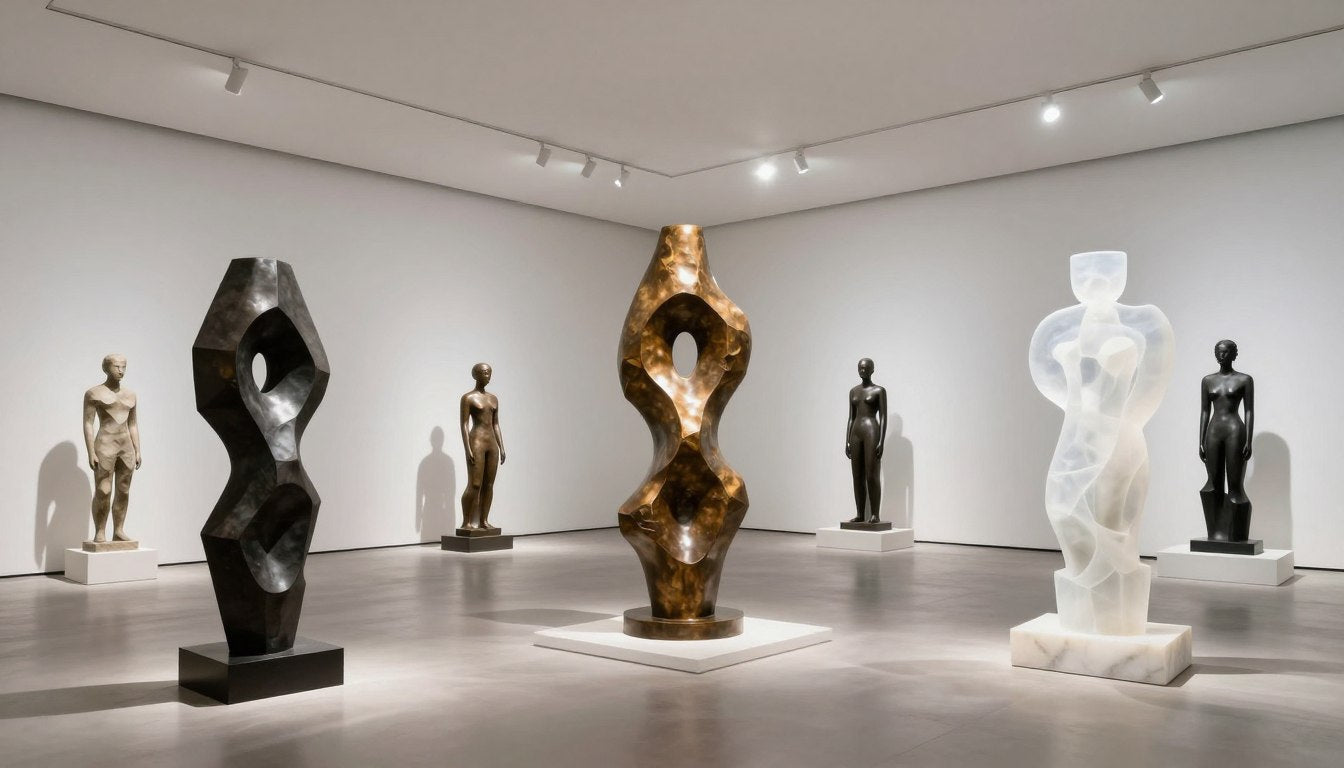

Sculpture stands as one of humanity's oldest and most enduring forms of artistic expression. From the earliest carved figures of the ancient world to the bold experimental works of the 21st century, sculpture has shaped how we understand form, space, and the human experience. This three-dimensional art form invites us to move around it, to see how light plays across its surfaces, and to experience art in physical space rather than on a flat plane.
The journey of sculpture spans thousands of years. It encompasses countless materials and techniques. Artists working in stone, metal, wood, and modern materials continue to push the boundaries of what sculpture can be. Today, modern sculpture art embraces everything from traditional figurative work to abstract forms that challenge our perceptions of reality.
Understanding sculpture means exploring its rich history, diverse materials, revolutionary techniques, and the visionaries who have transformed raw materials into works that speak across centuries. Whether you're an aspiring collector, an art enthusiast, or simply curious about this fundamental art form, this comprehensive guide will illuminate the fascinating world of sculpture.
The Ancient Origins of Sculpture

The story of sculpture begins in prehistory, when early humans first carved small figures from stone, bone, and ivory. These earliest works, dating back more than 30,000 years, demonstrate humanity's fundamental need to create three-dimensional representations of the world. The famous Venus figurines of the Paleolithic era show that even our most distant ancestors understood the power of form.
Ancient civilizations elevated sculpture to unprecedented heights. In Mesopotamia, artists created monumental stone figures of gods and rulers that projected power and divine authority. Egyptian sculptors developed sophisticated techniques for working stone, producing the colossal statues and intricate relief carvings that still captivate viewers thousands of years later. These works weren't merely decorative but served vital religious and political functions in their societies.

Greek sculpture revolutionized the art form during the classical period. Artists like Phidias and Praxiteles mastered the representation of the human figure in white marble. Their works achieved a naturalism and grace that set standards for centuries to come. The Greeks understood anatomy, movement, and proportion in ways that allowed them to capture life in stone. Their innovations in sculpture influenced Roman artists and would later inspire the Italian Renaissance.
In Asia, parallel developments created distinct sculptural traditions. Chinese artists crafted elaborate bronze vessels and monumental terracotta armies. Indian sculptors created sensuous stone figures adorning temple walls. Buddhist sculpture spread across Asia, adapting to local aesthetics while maintaining core iconographic principles. These diverse traditions demonstrate that the impulse to create sculpture is truly universal to human culture.
Materials: The Foundation of Sculptural Expression

The choice of material fundamentally shapes what a sculpture can express. Each material brings its own possibilities and limitations, influencing both the creative process and the final form. Traditional materials have been refined over centuries, while contemporary artists continue to expand the vocabulary of sculpture by incorporating new substances and found objects.
Stone: The Eternal Medium
Stone remains the most iconic sculptural material. Marble, limestone, granite, and alabaster each offer distinct qualities. White marble from Carrara, Italy, has been prized since ancient times for its translucency and fine grain. When polished, marble can appear almost luminous, capturing light in ways that bring stone figures to life. The permanence of stone sculpture ensures that works can survive millennia, connecting us directly to ancient artists.

Working stone requires patience, skill, and profound understanding of the material. Sculptors must read the grain, anticipate fractures, and remove material carefully. Unlike modeling in clay, carving stone is subtractive. Every strike of the chisel is permanent. Michelangelo famously described sculpture as liberating the form hidden within the block. This philosophy reveals the meditative, revelatory nature of stone carving.
Metal: Strength and Fluidity Combined
Bronze has been a favored material for sculpture since ancient times. The lost-wax casting process allows artists to create forms impossible in stone. Bronze can capture fine details and support extended forms without the risk of breakage. The metal develops a patina over time, ranging from deep browns to verdant greens, adding another dimension to the work's aesthetic evolution.

Modern sculptors have embraced steel, aluminum, and other metals. Richard Serra's massive Cor-Ten steel sculptures demonstrate how industrial materials can create powerful artistic experiences. The rust-orange patina of weathering steel becomes part of the work's meaning. Artists like Alexander Calder explored aluminum's lightness, creating mobile sculptures that move with air currents, adding time and motion to the sculptural equation.
Wood: Warmth and Organic Connection
Wood brings warmth and organic life to sculpture. Different woods offer varying colors, grains, and working properties. African sculptors have long traditions of carving ebony and other hardwoods. Japanese artists developed sophisticated wood carving techniques for religious figures. The natural patterns in wood grain become part of the sculpture's visual language, connecting the finished work to living trees.
Clay and Ceramic: Modeling and Firing
Clay allows immediate, intuitive creation. Artists can add, remove, and reshape material freely. This plasticity makes clay ideal for modeling forms and exploring ideas. When fired, clay transforms into permanent ceramic sculpture. Terracotta has been used for thousands of years, from ancient Greek pottery figures to contemporary ceramic art. Glazes add color and surface variation, expanding clay's expressive range.

Modern Materials: Expanding Possibilities
Contemporary artists have dramatically expanded the materials used in sculpture. Plastics, resins, glass, and mixed media allow unprecedented formal freedom. Fiberglass sculpture offers strength combined with light weight, enabling large-scale works and complex forms. Artists can achieve smooth, seamless surfaces or intentionally industrial finishes. The material's versatility has made it increasingly popular in modern sculpture art.
Found objects and recycled materials have entered the sculptural vocabulary. Artists like Louise Bourgeois incorporated fabrics, while others use recycled metal, plastic waste, and everyday objects. These material choices often carry conceptual meaning, commenting on consumer culture, environmental concerns, or the nature of art itself. The definition of sculptural materials continues to expand as artists push boundaries and challenge conventions.
Discover Contemporary Fiberglass Sculptures
Experience how modern materials transform sculptural possibilities. Our curated collection showcases artists who masterfully work with fiberglass to create stunning contemporary forms that blend innovation with timeless aesthetic appeal.
Sculptural Techniques and Processes

The creation of sculpture involves mastery of specific techniques, each suited to particular materials and artistic visions. Understanding these processes reveals the skill and dedication required to transform raw materials into finished artworks. From ancient methods still used today to cutting-edge technologies, sculptural techniques reflect both tradition and innovation.
Carving: The Subtractive Method
Carving removes material to reveal form. This subtractive process requires careful planning and precise execution. Stone carvers use a progression of tools, from heavy points and chisels for rough shaping to fine rasps and abrasives for detail and finishing. Each mark is intentional; there's no undoing a misplaced strike. This demands deep concentration and intimate knowledge of the material's properties.

Wood carving follows similar principles but accommodates the material's grain and directional properties. Carvers work with the grain to prevent splitting and achieve clean cuts. Different woods require specific approaches. Hardwoods like ebony demand sharp tools and patience. Softer woods like basswood carve more easily but require careful handling to avoid tear-out. The finished surface may be smooth and polished or retain chisel marks as textural elements.
Modeling: The Additive Approach
Modeling builds form by adding material. Clay is the classic modeling medium, allowing artists to work spontaneously and make continuous adjustments. Sculptors use their hands, wooden tools, wire implements, and various other instruments to shape the clay. The material's responsiveness makes it ideal for developing ideas and creating detailed forms. Many bronze sculptures begin as clay models.
Modern modeling materials include plasticine, wax, and synthetic clays that remain workable indefinitely. These materials serve for maquettes (small preliminary models) and finished works. The modeling process is intuitive and direct, allowing artists to respond immediately to the emerging form. This immediacy contrasts sharply with carving's deliberate, irreversible nature.
Casting: Reproduction and Multiplication
Casting transforms a model into durable material. The lost-wax process, used for bronze casting, involves creating a wax model, encasing it in a heat-resistant mold, melting out the wax, and pouring molten bronze into the cavity. This complex process requires specialized knowledge and equipment. Each bronze cast from a mold is unique, with subtle variations in patina and finish.

Plaster casting, resin casting, and other methods allow reproduction of forms in various materials. Artists like Auguste Saint-Gaudens used plaster extensively in their studios. Modern materials like polyurethane resins enable detailed reproductions with properties ranging from rigid to flexible. Casting bridges the gap between unique originals and editions, raising questions about authenticity and artistic production that remain relevant today.
Assemblage and Construction
Not all sculpture involves traditional carving or modeling. Assemblage combines found objects or fabricated parts into unified compositions. Pablo Picasso's bull's head created from bicycle parts exemplifies this approach. The technique gained prominence in the 20th century as artists questioned conventional definitions of sculpture and art-making.
Constructed sculpture, particularly in metal, involves welding, bolting, or otherwise joining components. This approach allows monumental scale and industrial aesthetics. David Smith pioneered welded steel sculpture in the mid-20th century. Contemporary artists continue exploring construction methods, from delicate wire assemblages to massive architectural-scale installations. The process itself becomes part of the work's meaning and visual language.
Digital and Contemporary Techniques
Technology has introduced new sculptural possibilities. 3D modeling software allows artists to design complex forms digitally. CNC (Computer Numerical Control) machines can carve stone, wood, or foam with precision impossible by hand. 3D printing creates forms directly from digital files, opening unprecedented formal possibilities. These technologies don't replace traditional skills but expand the toolkit available to contemporary sculptors.

Some artists embrace technology's aesthetic possibilities, while others use digital tools for planning but execute works traditionally. The integration of technology into sculptural practice mirrors broader cultural changes. As with any tool, the technology serves the artist's vision. The most compelling works arise when technique aligns perfectly with concept and expression.
Relief Sculpture: Between Painting and the Round

Relief sculpture occupies a unique position between two-dimensional painting and fully three-dimensional sculpture in the round. This form projects from a background surface, creating depth through raised or recessed areas. Relief has served architectural, commemorative, and decorative purposes throughout art history, from ancient temple friezes to contemporary memorial walls.
Types of Relief
Low relief, or bas-relief, projects slightly from the background. Figures may be only partially modeled, with some areas remaining flush with the surface. This subtle approach creates elegant linear effects and works beautifully on architecture. Ancient Egyptian reliefs exemplify this technique, with figures carved in precise, shallow depth that catches light without overwhelming the wall surface.
High relief involves figures that project substantially from the background, sometimes nearly in the round. The famous Parthenon sculptures show figures emerging dramatically from the background plane. Some parts may be fully three-dimensional while remaining attached to the backing. This creates dynamic compositions with strong light and shadow contrasts.

Sunken relief, primarily used in ancient Egypt, reverses the typical approach. The background remains at the original surface level while the design is carved into it. This technique works wonderfully in bright sunlight, creating strong shadows that define forms. It also protects delicate carving from accidental damage since nothing projects beyond the original surface.
Architectural Integration
Relief sculpture has traditionally adorned buildings, gates, and monuments. Greek temples featured continuous relief friezes narrating mythological stories. Medieval cathedrals displayed biblical scenes in relief around doorways and on capitals. This integration of sculpture and architecture created total environments where art communicated meaning to literate and illiterate viewers alike.
The relationship between relief and architecture continues today. Contemporary buildings may feature relief elements that add visual interest and symbolic meaning. Artists like Louise Bourgeois created relief works exploring personal and universal themes. The form remains vital, offering unique compositional possibilities between flat and round sculpture.
Narrative and Commemorative Functions
Relief excels at narrative storytelling. The sequential nature of friezes allows extended narratives to unfold as viewers move past. Ancient Roman columns feature spiral reliefs depicting military campaigns. These stone comic strips preserved historical events and propagandistic messages. The medium's combination of image and text created powerful communications tools.

Commemorative reliefs mark important people and events. Portrait reliefs appear on coins and medals. Memorial walls feature names and symbolic imagery in relief. Augustus Saint-Gaudens created powerful relief sculptures for monuments and memorials. The form's ability to combine representation with architectural presence makes it ideal for public memory and honor.
Sculpture in the Round: Freestanding Forms

Sculpture in the round refers to freestanding works that viewers can walk around and experience from all sides. This complete three-dimensionality distinguishes sculpture from relief and two-dimensional art forms. The relationship between sculpture, space, and viewer becomes an essential part of the aesthetic experience. Each viewing angle reveals different aspects of form, proportion, and meaning.
The Viewing Experience
Unlike painting, which presents a single optimal view, sculpture in the round invites circumnavigation. As viewers move, forms shift and relationships change. What appears solid from one angle may open to reveal negative space from another. Light plays across surfaces differently at each position. This dynamic quality makes sculpture uniquely interactive, requiring active engagement rather than passive observation.
Artists must consider all viewing angles during creation. Henry Moore famously emphasized the importance of viewing sculpture from multiple positions. His organic, abstract forms reveal different characters from each viewpoint. Some contemporary sculptors intentionally create radical differences between front, side, and rear views, making the journey around the work a series of discoveries and transformations.

Scale and Presence
The physical presence of sculpture in actual space creates visceral impact impossible in two-dimensional work. Monumental sculptures overwhelm viewers with sheer size, creating awe and insignificance simultaneously. Miniature sculptures invite intimate examination, revealing details visible only upon close inspection. Scale profoundly affects how we relate to sculptural form and interpret its meaning.
Artists manipulate scale to achieve specific effects. Claes Oldenburg's giant everyday objects transform the familiar into the monumental and absurd. Alberto Giacometti's attenuated figures seem to occupy more space than their physical dimensions suggest. The relationship between sculpture scale and human scale creates meaning through proportion, just as the ancient Greek sculptors understood when crafting figures of gods and heroes.
Negative Space and Void
Sculpture isn't only about solid mass but also the spaces within and around it. Barbara Hepworth pioneered piercing solid forms to create internal voids that became as important as the material itself. These negative spaces allow light to penetrate and create complex relationships between interior and exterior, solid and void, presence and absence.

Henry Moore's reclining figures feature landscapes of solid and void flowing together. The spaces between forms become as carefully considered as the forms themselves. This attention to negative space connects sculpture to architecture, as both arts shape space and volume. Contemporary artists continue exploring these relationships, sometimes making the void the primary subject rather than the solid.
Site and Context
Where sculpture is placed affects how we experience it. Museum galleries provide neutral contexts focusing attention on the object itself. Outdoor settings create dialogues between sculpture and landscape. Urban sculptures interact with architecture and city rhythms. Site-specific works are designed for particular locations, inseparable from their contexts.
Richard Serra's monumental steel sculptures transform the spaces they occupy. Walking through his work becomes an experience of space, weight, and material. James Turrell creates sculptural spaces using light itself, making perception and experience the artwork. These approaches blur boundaries between sculpture, architecture, and installation, expanding what sculpture can be and do.
The Evolution of Modern Sculpture Art

The late 19th and 20th centuries witnessed revolutionary transformations in sculpture. Artists questioned and ultimately overthrew conventions that had governed the art form for centuries. Modern sculpture art emerged from this radical rethinking, embracing abstraction, new materials, conceptual approaches, and expanded definitions of what sculpture could be. These changes parallel developments in other visual arts but maintain sculpture's unique concerns with three-dimensional form, space, and material presence.
Breaking from Tradition
Auguste Rodin stands at the threshold of modernism. While working within figurative traditions, he brought unprecedented psychological intensity and surface animation to bronze and marble. His partially finished works challenged the notion that sculpture must be polished and complete. The Gates of Hell and other works showed fragmentation and expressive distortion that influenced subsequent generations.
Constantin Brancusi reduced forms to essential geometry and smooth surfaces. His Bird in Space abstracts avian flight to a single soaring form in polished bronze. This reduction to essence became a key modernist strategy. Brancusi also revolutionized pedestals and bases, making them integral parts of the total sculpture rather than neutral supports. His influence on abstract sculpture remains profound a century later.

Cubism and Constructed Sculpture
Cubism, pioneered by Pablo Picasso and Georges Braque in painting, profoundly affected sculpture. Picasso's constructed sculptures assembled from found materials challenged traditional carving and modeling. His Guitar (1912) made from sheet metal and wire demonstrated that sculpture could be built rather than carved or modeled. This opened possibilities that artists continue exploring today.
Jacques Lipchitz, Alexander Archipenko, and others applied Cubist principles of multiple perspectives and geometric analysis to three dimensions. Forms broke apart and reassembled according to new spatial logic. Void and solid traded places. These experiments established that sculpture need not imitate natural appearances but could create its own formal languages and meanings.
Abstraction and Pure Form
Abstract sculpture emerged as artists abandoned representation entirely. Russian Constructivists like Vladimir Tatlin created structures exploring space, material, and construction. Their work emphasized engineering and industrial materials over traditional craft. Naum Gabo developed transparent sculptures using new plastics, making space and light sculptural materials.

Barbara Hepworth and Henry Moore developed biomorphic abstractions inspired by natural forms. Their work balanced organic and geometric qualities, solid and void, figuration and pure abstraction. Moore's large bronze reclining figures populate landscapes and museum spaces worldwide. His exploration of the human figure through abstract means influenced countless artists working in the mid-20th century and beyond.
Minimalism and Conceptual Approaches
Minimalist sculptors of the 1960s reduced form to geometric essentials. Donald Judd's stacks and boxes explored industrial fabrication and serial repetition. Carl Andre placed metal plates directly on gallery floors, eliminating pedestals entirely. Richard Serra's massive steel works engage viewers through scale, weight, and spatial manipulation. Minimalism emphasized material presence and viewer experience over representation or expression.
Conceptual art challenged whether sculpture needed physical presence at all. Some artists created works existing only as instructions or photographs. This questioning of fundamentals expanded sculpture's boundaries even as it seemed to dissolve them. The legacy continues in contemporary installation art and performance-based practices that blur sculpture into other media and disciplines.

The 21st Century and Contemporary Directions
Contemporary sculpture encompasses extraordinary diversity. Some artists return to traditional materials and techniques with renewed appreciation. Others employ cutting-edge technology and unconventional materials. Installation art creates immersive environments. Sculpture merges with architecture, light, sound, and digital media. The boundaries between sculpture and other art forms continue to blur and reconfigure.
Issues of identity, politics, environment, and social justice inform much contemporary work. Artists use sculpture to address urgent questions about our world. The formal innovations of modernism combine with conceptual depth and social engagement. Modern sculpture art today reflects global perspectives and diverse voices, moving beyond the Western-centric narratives that dominated 20th-century art history.

Modern Abstract Sculptures
Explore contemporary works that reimagine three-dimensional form through innovative materials and conceptual approaches. Our collection features artists pushing the boundaries of sculptural expression.

Abstract Paintings
Discover how contemporary painters bring sculptural dimension to two-dimensional surfaces through texture, layering, and innovative techniques that blur boundaries between painting and sculpture.

Living Room Art
See how sculpture and complementary artworks transform residential spaces. Our curated selections help you create sophisticated environments where art and life intersect beautifully.
Famous Sculptors and Their Masterworks

Throughout history, certain sculptors have fundamentally shaped how we understand three-dimensional art. Their innovations, technical mastery, and visionary approaches created works that transcend their time, speaking to universal human experiences. Examining these artists and their masterworks reveals the evolution of sculptural thought and practice across centuries and cultures.
Michelangelo: The Divine Sculptor
Michelangelo Buonarroti represents the pinnacle of Italian Renaissance sculpture. His David, carved from a single block of white marble between 1501 and 1504, remains among the most recognized sculptures in the world. The work demonstrates unprecedented understanding of human anatomy combined with idealized classical proportions. Michelangelo's ability to imbue stone with psychological intensity and physical presence influenced all subsequent Western sculpture.

His Pietà, created when he was only 24, shows the dead Christ in Mary's arms with heartbreaking tenderness. The polish and finish are extraordinary, yet the work radiates emotion rather than cold perfection. Michelangelo's unfinished works, like the Slaves, reveal his process and influenced modern artists' appreciation for incomplete, process-revealing sculpture. His influence on sculpture extends far beyond his lifetime, affecting artists working centuries later.
Gian Lorenzo Bernini: Baroque Drama
Bernini transformed marble into fluid, dynamic forms that seem to capture motion and emotion at their peak. His Apollo and Daphne shows the nymph transforming into a laurel tree at the moment Apollo grasps her. The carving achieves impossible delicacy in leaves, fingers, and flowing hair. Bernini's work exemplifies Baroque sculpture's theatrical quality and technical virtuosity.
The Ecstasy of Saint Teresa demonstrates Bernini's ability to convey spiritual experience through physical form. The saint's swooning figure, the angel, flowing drapery, and even the surrounding architecture create a total work blurring sculpture and environment. Bernini's innovations in combining media and creating immersive experiences anticipate contemporary installation art by centuries.
Auguste Rodin: The Modern Breakthrough
Auguste Rodin bridges 19th-century tradition and 20th-century modernism. The Thinker, originally part of The Gates of Hell, became an icon of intellectual contemplation. Rodin's surface treatments, leaving chisel marks and rough textures, influenced modern sculpture's appreciation for process and material honesty. His psychological insight brought new depth to figurative work.

The Burghers of Calais groups six figures in psychological portraits of courage and fear. Rodin insisted the work be placed at ground level rather than on a high pedestal, democratizing the viewer-sculpture relationship. His influence on modern sculpture art cannot be overstated. Artists from Brancusi to contemporary sculptors acknowledge debts to Rodin's innovations and vision.
Henry Moore and Barbara Hepworth: British Modernism
Henry Moore developed a distinctive style of abstracted human figures, often reclining and often featuring hollow spaces. His bronze works populate public spaces worldwide, making modern sculpture accessible to broad audiences. Moore's inspiration from ancient sculpture, natural forms, and pure abstraction created work balancing tradition and innovation. His exploration of the human figure through increasingly abstract means showed that representation and abstraction exist on a continuum rather than as opposites.

Barbara Hepworth worked alongside Moore, developing her own approach to abstraction. Her carved wood and stone sculptures emphasize interior spaces and the relationship between solid and void. Works like Pelagos use strings to connect interior surfaces, adding linear elements to carved masses. Hepworth's influence on modern sculpture art equals Moore's, though she received less recognition during her lifetime. Recent scholarship has restored her proper place in 20th-century art history.
Louise Bourgeois: Psychological Sculpture
Louise Bourgeois created intensely personal works exploring memory, sexuality, trauma, and family relationships. Her giant spider sculptures, titled Maman, combine menace and protection in maternal symbolism. Working in bronze, marble, fabric, and found objects, Bourgeois demonstrated that sculpture could directly address psychological and emotional content previously reserved for painting or literature.
Her works range from monumental to intimate, from permanent materials to fabric and latex. This material diversity and psychological depth influenced countless contemporary artists. Bourgeois worked productively into her nineties, with late works showing undiminished power and invention. Her career demonstrates that sculpture can be profoundly personal while achieving universal resonance.
Contemporary Masters
Richard Serra's massive steel sculptures redefine viewers' relationships to space and material. His torqued ellipses and tilted arcs create experiences of weight, balance, and spatial disorientation. The work exists at the intersection of sculpture and architecture, transforming sites and challenging perceptions. Serra's uncompromising vision and monumental scale make him among the most important living sculptors.

Artists like Anish Kapoor, Jeff Koons, Antony Gormley, and Kiki Smith represent diverse approaches to contemporary sculpture. Kapoor explores perception and void through highly polished surfaces and vantablack (the blackest possible black). Koons elevates kitsch to monumental scale in stainless steel. Gormley casts the human figure in iron and lead, exploring body and space. Smith addresses the figure, particularly the female body, through various materials and approaches. These and many other contemporary sculptors continue expanding what sculpture can be and mean in the 21st century.
Sculpture in Public Spaces and Architecture

Sculpture's relationship with public space and architecture extends back to ancient civilizations. Unlike paintings or gallery-bound works, public sculpture exists in shared environments accessible to all. This democratic aspect makes public sculpture uniquely important in civic life, cultural identity, and the urban experience. The dialogue between sculpture, architecture, and environment creates meaning beyond what any element achieves alone.
Historical Traditions of Public Sculpture
Ancient cities featured sculpture as integral architectural elements. Greek temples displayed figural sculptures in pediments and continuous relief friezes. These weren't decorative additions but essential components conveying religious and civic meaning. Roman forums combined architecture and sculpture to create spaces celebrating imperial power and civic virtue. Medieval cathedrals became encyclopedic sculptural programs teaching biblical stories to largely illiterate populations.
Public monuments commemorating leaders, victories, and important events have marked cities for centuries. Equestrian statues of rulers projected authority. Triumphal arches featured relief sculpture celebrating military conquests. These works weren't merely artistic but served clear political and social functions. Augustus Saint-Gaudens created some of America's finest public monuments, including the Shaw Memorial and the statue of Admiral Farragut, establishing standards for commemorative sculpture that influenced public art for generations.

Modern and Contemporary Public Sculpture
The 20th century transformed public sculpture. Abstract works began appearing in plazas and parks, sometimes meeting resistance from audiences accustomed to figurative monuments. Pablo Picasso's Chicago sculpture sparked debate about abstraction in public spaces. Over time, acceptance grew as people recognized that modern sculpture art could enhance urban environments without literal representation.
Alexander Calder's monumental stabiles brought bold abstract forms to public spaces worldwide. Their bright colors and dynamic shapes enliven plazas and corporate campuses. Henry Moore's large bronze figures occupy parks and museum grounds, making modern sculpture accessible to broad audiences. These works demonstrated that public sculpture could be contemporary without being confrontational, abstract without being obscure.

Site-specific sculptures designed for particular locations take integration further. Richard Serra's Tilted Arc, installed in a New York federal plaza in 1981, bisected the space with a 120-foot steel wall. The work generated controversy leading to its removal, sparking debates about artistic freedom versus public preference that continue today. The incident highlighted tensions inherent in public art: who decides what appears in shared spaces?
Interactive and Participatory Works
Contemporary public sculpture increasingly invites interaction. Anish Kapoor's Cloud Gate in Chicago (nicknamed "The Bean") features a highly reflective surface that mirrors the city and sky. Visitors touch it, photograph it, and walk beneath it, making the sculpture an active part of their urban experience. This interactive quality creates new relationships between art and public.

James Turrell's skyspaces create sculptural experiences using light and perception. These permanent installations in various locations worldwide frame the sky through carefully designed apertures, making viewers intensely aware of light, time, and atmosphere. The work exists at the boundary between sculpture, architecture, and pure perception, expanding what public sculpture can be.
Sculpture Gardens and Outdoor Museums
Dedicated sculpture gardens combine landscape design and three-dimensional art. The Storm King Art Center in New York displays large-scale works across 500 acres of landscape. This setting allows viewers to experience sculpture in relation to nature, weather, and changing seasons. The scale possible in such settings permits works impossible in traditional galleries or urban spaces.
Museum sculpture courts bring outdoor qualities inside, creating spaces where architecture, light, and sculpture interact. These environments recognize sculpture's need for viewing from multiple angles and varying distances. The integration of indoor and outdoor spaces for sculpture reflects growing understanding of how context affects aesthetic experience.
Challenges and Opportunities
Public sculpture faces unique challenges. Works must withstand weather, vandalism, and environmental stress. Maintenance becomes an ongoing concern. Funding often involves complex negotiations between artists, architects, developers, and public agencies. These practical realities shape what gets made and how.
Despite challenges, public sculpture offers unparalleled opportunities. Works reach audiences who might never visit museums. Sculpture can transform neglected urban spaces into destinations. Public art programs like the Percent for Art initiatives allocate funds for artwork in publicly funded construction projects. These programs have created thousands of works, democratizing access to contemporary art and enriching civic environments across the country.
Cultural Significance and Symbolism in Sculpture

Sculpture carries cultural meaning far beyond aesthetic pleasure. Throughout history, three-dimensional art has embodied religious beliefs, political ideologies, social hierarchies, and cultural identities. Understanding sculpture's symbolic dimensions reveals how societies use material form to express intangible concepts and shared values. The language of sculptural symbolism crosses cultures while maintaining specific local meanings.
Religious and Spiritual Functions
Many of the world's greatest sculptures served religious purposes. Ancient Egyptian statues housed the spirits of gods and pharaohs. Greek temple sculptures represented deities and mythological narratives. Buddhist sculpture spread across Asia, adapting to local aesthetics while maintaining core iconographic elements. Christian sculpture in medieval Europe taught theological concepts to illiterate congregations and created focuses for devotion.

The forms, materials, and positions of religious sculptures carry specific meanings. In Hindu sculpture, multiple arms indicate divine powers and attributes. Christian sculptures use standardized symbols: keys for Saint Peter, arrows for Saint Sebastian. Islamic art, generally avoiding figural representation, developed elaborate geometric and calligraphic forms that elevate abstract pattern to spiritual expression. These symbolic systems require cultural knowledge to fully understand but can communicate powerfully even to uninitiated viewers.
Political Power and Authority
Rulers have always commissioned sculpture to project authority and legitimacy. Colossal statues of Egyptian pharaohs, Roman emperors, and modern dictators use scale to overwhelm viewers and manifest power. Portrait sculptures of leaders appear on coins, in public squares, and in government buildings, making individual authority visible and permanent. The destruction of such sculptures during revolutions and regime changes demonstrates their political potency.
Monuments and memorials use sculpture to shape collective memory and national identity. War memorials honor sacrifice and suffering. Statues of founding figures embody national values. These works don't merely commemorate but actively construct how societies remember their pasts. Recent controversies over Confederate monuments and other historically problematic sculptures reveal ongoing debates about whose stories public sculpture should tell and what values it should represent.

Social Status and Wealth
Commissioned portraits and funerary sculptures have long indicated social status. Roman portrait busts marked elite identity. Medieval tomb sculptures displayed the deceased in idealized form, dressed in symbols of rank and achievement. This tradition continues in contemporary commissioned portraits and corporate sculpture collections that demonstrate cultural capital and institutional prestige.
The materials themselves carry status meanings. Gold, precious stones, and rare marbles indicate wealth and importance. The labor required for large-scale works demonstrates the patron's ability to command resources. Even today, owning sculpture, particularly by recognized artists, signals cultural sophistication and financial means. Collecting original artworks, whether paintings or sculptures, represents both aesthetic appreciation and social positioning.
Gender and Body Politics
Sculptural representation of the human figure reflects and reinforces cultural attitudes about gender, beauty, and the body. Classical Greek sculpture idealized the male athletic body while female figures emphasized different qualities. The nude in Western sculpture has predominantly been female, created by male artists for male viewers. This history raises questions about objectification, power, and the politics of looking.

Contemporary artists challenge these traditions. Feminist sculptors reclaim the female body on their own terms. Artists explore non-binary identities and queer experiences through sculptural form. Louise Bourgeois addressed sexuality, trauma, and the female experience with unprecedented directness. Contemporary sculpture increasingly reflects diverse perspectives and challenges historical biases in representation.
Environmental and Ecological Meanings
Sculpture's use of materials raises environmental and ethical questions increasingly important in contemporary practice. Stone quarrying, metal smelting, and material processing have environmental impacts. Some artists address these concerns directly, creating work from recycled materials or addressing ecological themes. Others investigate sustainable practices and alternative materials that reduce environmental footprints.
Land art and environmental sculpture engage directly with natural settings and ecological processes. Works may be temporary, acknowledging impermanence and natural cycles. Artists like Andy Goldsworthy create sculptures from natural materials that weather and disappear, documenting them photographically. This approach questions sculpture's traditional permanence and reflects growing awareness of environmental change and human impact on natural systems.
Sculpture in Interior Design and Contemporary Spaces

The integration of sculpture into interior spaces has become increasingly important in contemporary design. Beyond museums and galleries, sculpture enhances residential, commercial, and hospitality environments. Three-dimensional artworks bring unique presence to spaces, creating focal points and conversation pieces while reflecting the inhabitants' aesthetic sensibilities and cultural values. Understanding how sculpture functions in designed spaces helps collectors make informed choices that enhance their environments.
Sculpture as Interior Focal Point
A well-chosen sculpture can anchor an entire room. Unlike paintings that occupy wall space, freestanding sculptures claim three-dimensional territory, affecting how people move through and experience space. Placement matters enormously. A sculpture positioned where natural light catches it becomes a dynamic element changing throughout the day. Corner placements create intimate viewing moments, while central positions make bold statements.

Scale relationships determine success or failure. A monumental work can overwhelm a modest room, while a small piece may disappear in a large space. The sculpture's visual weight—how substantial it appears—matters as much as physical size. A delicate open-form piece requires different spatial considerations than a massive solid sculpture. Professional interior designers and collectors develop eyes for these relationships through experience and attention.
Complementing Architectural Elements
The best interior sculpture selections respond to architectural features. Modern spaces with clean lines and minimal ornament often suit abstract or geometric sculptures. Traditional interiors may accommodate classical figurative works or pieces that echo historical styles. The goal isn't rigid matching but thoughtful conversation between sculpture, architecture, and other design elements.
Materials and finishes should relate to the room's palette and textures. Polished metal sculptures reflect light and surroundings, adding dynamism to static spaces. Stone works bring organic weight and permanence. Fiberglass sculptures offer versatility in finish and form, from industrial to highly refined. The material choice affects not only aesthetics but also practical considerations like weight, durability, and maintenance requirements.

Creating Dialogue with Two-Dimensional Art
Sculpture and painting need not compete but can enhance each other. A sculptural piece can echo colors or themes in nearby paintings. Alternatively, deliberate contrast between two and three-dimensional works creates visual interest. Some collectors create gallery walls combining paintings with small sculptural elements, blurring boundaries between media. The key is intentional curation rather than random accumulation.
Abstract sculpture pairs particularly well with abstract painting. The shared emphasis on form, color, and composition creates harmonious relationships. Original abstract paintings and modern sculpture art often explore similar aesthetic territories, making them natural companions in contemporary interiors. This synergy allows collectors to build cohesive collections across media.
Sculpture in Specific Rooms
Different rooms invite different sculptural approaches. Entry halls benefit from bold statement pieces that establish the home's aesthetic character immediately. Living rooms can accommodate larger works that anchor seating arrangements and create visual destinations. Dining areas might feature sculptures on sideboards or as table centerpieces when not dining, though functional considerations matter.

Bedrooms traditionally receive less attention for sculpture placement, but a carefully chosen piece can add sophistication and personal meaning to these private spaces. Home offices increasingly incorporate art, with sculpture adding three-dimensional interest to spaces dominated by technology and flat screens. Even bathrooms can accommodate small sculptural objects, particularly pieces in materials suited to humid environments.
Lighting Considerations
Lighting dramatically affects how sculpture appears. Natural light offers changing illumination throughout the day, making sculptures dynamic elements. Directional artificial lighting creates shadows that emphasize three-dimensionality. Some sculptures benefit from multiple light sources that reveal different aspects. Highly reflective surfaces require careful light placement to avoid harsh glare while maximizing their luminous qualities.
Contemporary LED lighting systems offer flexibility for sculpture display. Track lighting allows adjustment as pieces move or collections change. Picture lights adapted for three-dimensional work can highlight specific sculptures. Smart lighting systems enable changing the mood and emphasis throughout the day. These technical considerations, while practical, profoundly affect aesthetic experience and should inform placement and display decisions.
Transform Your Space with Curated Sculpture
Discover how expertly selected modern sculpture art can elevate your interior design. Our collection features works scaled and finished for contemporary living spaces, from intimate residential rooms to dramatic commercial environments. Each piece has been chosen for its ability to enhance architectural spaces and create lasting visual impact.
The Art of Collecting Sculpture: A Comprehensive Guide

Collecting sculpture offers unique rewards and challenges compared to other art forms. Three-dimensional works require different considerations regarding space, installation, conservation, and investment. Whether beginning a collection or expanding an established one, understanding the practical and aesthetic dimensions of sculpture collecting helps ensure satisfying choices that provide enduring pleasure and potential value appreciation.
Starting Your Sculpture Collection
New collectors should begin by looking extensively. Visit museums, galleries, sculpture gardens, and art fairs. Attend openings and artist talks. This exposure develops your eye and helps identify what genuinely appeals to you versus what seems impressive or trendy. Personal response matters more than following market trends or buying names. The sculptures you live with should resonate aesthetically and emotionally over years and decades.

Set a realistic budget and stick to it initially. Emerging artists and smaller works offer accessible entry points. Many significant collectors began modestly, developing knowledge and relationships before making larger investments. Quality matters more than size or artist recognition. A thoughtfully chosen work by a lesser-known sculptor often provides more satisfaction than an uninspired piece by a famous name purchased for status rather than genuine appreciation.
Understanding Value and Authenticity
Sculpture value depends on multiple factors: artist reputation, materials, size, condition, edition number for multiples, provenance, and market demand. Original unique works generally command higher prices than editioned multiples, though works from small editions by significant artists can be valuable. Understanding these factors helps evaluate whether asking prices reflect reasonable value.
Authenticity concerns require attention. Reputable galleries provide documentation including certificates of authenticity, information about the artist, exhibition history if applicable, and clear edition information for multiples. For secondary market purchases, provenance research becomes crucial. Sculptures by deceased major artists require particular diligence to ensure authenticity and proper legal ownership.

Working with established galleries provides protection and expertise. Reputable dealers stand behind their offerings and can provide valuable guidance. Building relationships with gallery professionals creates access to new works, private viewings, and market knowledge. These relationships, cultivated over time, become valuable aspects of the collecting experience beyond individual purchases.
Practical Considerations
Sculpture's physicality demands practical attention. Before purchasing, measure available spaces and consider weight limits, especially for floor installations. Large works may require professional installation and possibly structural reinforcement. Outdoor sculptures need weather-resistant materials and appropriate mounting systems. These practical realities should inform purchasing decisions rather than becoming afterthoughts.
Transportation and installation costs can be significant, particularly for large or fragile works. Professional art handlers have expertise and insurance that protect valuable pieces. Attempting amateur moves of substantial sculptures risks damage to artwork and injury. Factor these costs into acquisition budgets from the outset.
Conservation and Maintenance
Different materials require specific care. Bronze develops patina over time, which many collectors appreciate, though aggressive outdoor environments may require periodic professional attention. Stone sculptures generally need minimal maintenance but can stain or weather depending on the specific stone and environment. Modern materials like fiberglass and resins typically require only periodic gentle cleaning.

Climate control matters for certain materials. Extreme temperature fluctuations and high humidity can damage some works. Wood can crack or warp. Some modern materials may degrade in direct sunlight. Understanding these requirements before purchase prevents disappointment and potential damage. Gallery professionals can advise on specific care requirements for individual works.
Insurance and Documentation
Valuable sculpture requires proper insurance coverage. Standard homeowners policies often have inadequate limits for fine art. Specialized fine art insurance provides appropriate coverage for individual pieces or entire collections. Professional appraisals establish value for insurance purposes and should be updated periodically as values change.
Maintain thorough documentation: purchase receipts, certificates of authenticity, condition reports, professional photographs, insurance appraisals, and any conservation records. This documentation protects your investment, facilitates insurance claims if necessary, and proves provenance for eventual resale. Organized record-keeping might seem tedious but proves invaluable over time.
Building a Coherent Collection
Some collectors focus on particular periods, materials, or subjects, building depth in specific areas. Others prefer eclectic approaches, trusting personal response over systematic collection building. Either approach can succeed. Focused collecting develops expertise and can result in significant holdings in particular niches. Eclectic collecting offers variety and follows individual taste wherever it leads.

Consider how pieces relate to each other and to your existing collection. Visual dialogue between works creates richness greater than individual pieces. A new acquisition might echo forms in an existing piece or provide deliberate contrast. This curatorial thinking elevates collecting from accumulation to the creation of a meaningful ensemble reflecting your evolving aesthetic vision and personal journey.
Investment Potential
While collecting primarily for pleasure makes sense, understanding investment aspects provides additional perspective. Art markets fluctuate based on broader economic conditions, shifting tastes, and individual artist trajectories. Works by established artists generally hold value more reliably than pieces by unknowns, though emerging artists offer potential for significant appreciation if their careers develop successfully.
Realistic expectations matter. Most art appreciates slowly if at all. The pleasure of living with works should justify the investment regardless of future value. That said, thoughtful collecting informed by knowledge and expert advice improves odds of acquiring works that retain or increase value over time. Some pieces will appreciate significantly, some modestly, some not at all. Diversification across artists and price points spreads risk while allowing upside potential.
Comparing Sculptural Materials: Properties and Applications

Material choice fundamentally determines a sculpture's character, longevity, and expressive possibilities. Each material brings distinct properties affecting aesthetics, practical considerations, and creative processes. Understanding these differences helps collectors appreciate sculptural works more deeply and make informed acquisition decisions. This comparative analysis examines major sculptural materials and their specific attributes.
Traditional Stone Materials
Stone has been humanity's primary sculptural material for millennia, valued for permanence and beauty. Different stones offer varying properties and aesthetics.
- Marble - translucent, fine-grained, polishes beautifully, relatively soft for carving
- Granite - extremely hard and durable, diverse colors, weather-resistant, difficult to carve
- Limestone - softer than marble, easier to carve, vulnerable to weathering
- Alabaster - translucent, very soft, used for delicate works, suitable only for indoor display
- Soapstone - soft, easily carved, naturally lustrous, limited scale due to softness
Metal Materials
Metals enable forms impossible in stone, from delicate details to extended cantilevers. Different metals suit different applications and aesthetics.
- Bronze - traditional casting material, develops beautiful patina, very durable
- Steel - enables large-scale work, can be welded or fabricated, develops rust patina
- Stainless steel - highly reflective, weather-resistant, modern aesthetic
- Aluminum - lightweight, enables large scale, resists corrosion, can be polished or anodized
- Iron - historically important, develops rich rust, heavy, suitable for industrial aesthetics
Organic Materials
Wood and other organic materials bring warmth and natural connection to sculpture. Material origin often remains visible in finished works.
- Hardwoods - ebony, oak, walnut offer durability, beautiful grain, fine detail capability
- Softwoods - pine, cedar easier to carve, lighter weight, less durable
- Bamboo - sustainable, culturally significant in Asian sculpture, unique aesthetic
- Bone and ivory - historical materials, ethical concerns limit contemporary use
- Paper and cardboard - contemporary materials enabling large-scale temporary works
Modern Synthetic Materials
Contemporary materials expand sculptural possibilities with properties impossible in traditional media. These materials enable new forms and expressions.
- Fiberglass - lightweight, strong, versatile finishing options, enables large scale
- Resin - allows detailed casting, various translucencies, can mimic other materials
- Acrylic - transparent or colored, enables light-based works, modern aesthetic
- Foam - enables large scale economically, requires coating for permanence
- Mixed media - combines materials for specific effects and conceptual meanings

Durability and Longevity Considerations
Materials vary enormously in permanence. Stone and bronze sculptures from antiquity survive millennia with minimal deterioration. These materials suit collectors seeking heirloom-quality pieces that will outlive them. Modern materials like fiberglass offer excellent durability when properly finished and maintained, though they lack the multi-century track record of traditional materials.
Environmental factors affect different materials distinctively. Outdoor display requires weather-resistant materials. Bronze, granite, and properly finished fiberglass withstand rain, snow, and temperature variations. Marble can weather and stain outdoors. Wood requires treatment and regular maintenance in exterior settings. Indoor display protects vulnerable materials and allows wider material choices, including delicate works in paper, unfired clay, or other ephemeral media.

Weight and Installation Requirements
Material weight dramatically affects installation and placement options. Marble and bronze are extremely heavy, requiring substantial support structures and professional installation for any significant scale. A life-size bronze figure can weigh several hundred pounds. Floor load limits in residential spaces may restrict placement options for such works.
Modern lightweight materials like fiberglass and aluminum enable large-scale works without extreme weight. This accessibility has democratized sculpture collecting, allowing impressive scale without structural modifications. Collectors can acquire and display substantial works without the engineering challenges posed by traditional materials. This practical advantage partially explains fiberglass's popularity in contemporary sculpture.
Surface Qualities and Finishing Options
Materials offer different surface possibilities affecting final appearance. Stone can be polished to high gloss or left with natural or carved textures. The same marble sculpture appears dramatically different polished versus matte. Bronze accepts various patinas from natural oxidation or applied chemicals, ranging from blacks and browns to greens and blues. These surface treatments become integral to the work's aesthetic character.

Modern materials offer even broader finishing options. Fiberglass can be finished to resemble bronze, stone, or wood, or embraced for its own qualities with automotive-grade paints, metallic finishes, or high-gloss gelcoats. This versatility allows artists to achieve specific visual effects while benefiting from the material's practical advantages. The ability to control surface appearance independently of structural material expands creative possibilities enormously.
Cost Considerations
Material costs vary significantly and affect sculpture pricing. Bronze casting involves expensive multi-step processes and specialized foundry work. Stone requires costly raw materials, particularly for fine marbles and large blocks. Traditional materials generally command higher prices, though this reflects not only material cost but also perceived value and traditional associations with fine art.
Modern materials often cost less, making contemporary sculpture more accessible. Fiberglass and resin works can be produced more economically than bronze equivalents without necessarily compromising artistic quality. Price-conscious collectors can acquire larger or more ambitious works in modern materials than traditional media would allow at equivalent price points. This accessibility has positive implications for emerging artists and new collectors alike.
Professional Display and Presentation Techniques

How sculpture is displayed dramatically affects its impact and the viewer's experience. Professional presentation elevates even modest works, while poor display diminishes masterpieces. Understanding display principles helps collectors create effective presentations in their homes and appreciate the curatorial decisions in museums and galleries. These techniques apply whether displaying a single piece or an extensive collection.
Pedestals and Plinths
The pedestal or plinth elevates sculpture physically and psychologically, separating it from everyday objects and signaling its status as art. Height matters significantly. Eye-level placement suits many figurative works, allowing direct engagement with facial features and upper body. Lower placement encourages looking down, creating psychological superiority. Tall plinths create monument-like presence and distance.

Pedestal materials and styles should complement without competing with the sculpture. Simple geometric forms in neutral colors—white, black, gray—work for most pieces. Natural materials like wood or stone can enhance organic sculptures. Acrylic pedestals create floating effects, minimizing visual presence while providing support. Some contemporary works incorporate their pedestals conceptually, making base and sculpture inseparable.
Lighting Strategies
Proper lighting reveals form, texture, and detail while creating appropriate mood. Track lighting offers flexibility, allowing adjustment for different pieces or changing collections. Accent lights highlight specific sculptures without illuminating entire spaces. Uplighting creates dramatic shadows and emphasizes monumental quality. Side lighting emphasizes texture and three-dimensionality through shadow play.

Color temperature affects how sculpture appears. Warm lighting (2700-3000K) creates inviting, traditional atmospheres and flatters bronze and wood. Cool lighting (4000-5000K) suits contemporary spaces and emphasizes whites and metals. Adjustable systems allow changing color temperature for different times or moods. Avoid lighting that creates harsh shadows or glare on reflective surfaces unless seeking specific dramatic effects.
Spatial Relationships and Groupings
When displaying multiple sculptures, spatial relationships create visual dialogue or isolation. Clustering small works creates critical mass and allows comparison. Spreading pieces throughout a space integrates sculpture into the environment. Neither approach is inherently superior; the choice depends on the specific works and desired effects.
Consider sightlines and how pieces relate across spaces. A sculpture visible from multiple rooms creates connecting visual threads. Placing works to be discovered gradually as one moves through spaces creates moments of surprise and delight. Conversely, creating a dedicated display area concentrates attention and allows curated groupings like a private gallery within your home.

Background and Context
Backgrounds profoundly affect how sculpture appears. Neutral walls—white, gray, or soft earth tones—allow sculpture to dominate without competition. Darker backgrounds can make light-colored sculptures pop dramatically but may overwhelm darker works. Textured walls add interest but can distract from sculpture's own textures. Consider these relationships when choosing wall colors for spaces displaying sculpture.
Architectural features can enhance or detract from sculpture. Placing works in niches creates frames and focus. Positioning near windows allows natural light but risks glare on reflective surfaces. Corners create intimate viewing moments. Open central placement makes bold statements. Understanding these contextual relationships helps optimize each sculpture's presentation.
Seasonal and Temporary Installations
Collections need not remain static. Rotating pieces seasonally refreshes spaces and allows different works to shine. Moving a sculpture from one location to another can reveal new qualities and relationships. This approach also distributes wear evenly if pieces occupy high-traffic areas. For large collections, rotation ensures more works receive display time rather than remaining in storage indefinitely.

Temporary installations for special occasions—dinner parties, holidays, or personal celebrations—make sculpture dynamic rather than static. Move pieces to create focal points for gatherings. Add temporary lighting for dramatic effects. This playful approach to display keeps your relationship with collected works fresh and prevents the museum-like rigidity that can make living with art feel precious rather than pleasurable.
Documentation and Photography
Photographing your collection serves multiple purposes: insurance documentation, sharing with friends, and appreciating works from angles impossible in their installed positions. Learn basic sculpture photography or hire professionals periodically. Multiple angles, detail shots, and images showing scale context create comprehensive records. These photographs become part of your collection's archival documentation.
Good sculpture photography requires attention to lighting, background, and angle. Clean, uncluttered backgrounds focus attention on the work. Multiple light sources reveal three-dimensionality. Including familiar objects or human figures establishes scale. Detail shots capture textures and craftsmanship. These technical considerations produce images that do justice to the works they document.
Contemporary Movements and Current Trends in Sculpture

Sculpture in the 21st century encompasses extraordinary diversity. Contemporary artists draw from the entire history of sculpture while incorporating new technologies, materials, and conceptual frameworks. Understanding current movements and trends provides context for appreciating contemporary work and identifying emerging directions in sculptural practice. These developments reflect broader cultural changes and ongoing dialogues about art's nature and purposes.
Post-Minimalist Approaches
While strict Minimalism peaked in the 1960s and 1970s, its influence persists in contemporary work. Artists continue exploring reduced forms, industrial materials, and phenomenological experience. However, contemporary post-minimalism often incorporates warmer materials, organic references, or subtle personal content that strict minimalists would have rejected. This softer approach maintains formal rigor while acknowledging emotional and expressive dimensions.

Artists like Rachel Whiteread cast negative spaces—the space under furniture, inside rooms—creating uncanny inversions of familiar forms. This conceptual sophistication combined with minimalist aesthetics characterizes much contemporary sculpture. The work addresses memory, domesticity, and absence through formally rigorous means. Such approaches demonstrate how minimalism's legacy continues evolving rather than remaining frozen in historical moment.
Digital Fabrication and New Technologies
3D modeling, scanning, and printing technologies have transformed sculptural possibilities. Artists design complex forms in digital space impossible to create by hand. CNC milling machines carve stone, wood, or foam with precision unachievable manually. Large-scale 3D printers build works in plastics, metals, or composites. These technologies don't replace traditional skills but expand available tools and possibilities.

Some artists embrace technology's aesthetic, creating works that celebrate digital origins through faceted surfaces or obvious layer lines from 3D printing. Others use technology invisibly, producing works indistinguishable from traditionally made pieces. The choice reflects different attitudes toward technology's role in contemporary art practice. Both approaches demonstrate how digital tools enable forms and scales previously unattainable.
Installation and Environmental Work
Installation art has expanded sculpture's definition to encompass entire environments. Artists create immersive experiences that viewers enter rather than observe from outside. These works often incorporate light, sound, video, and interactive elements alongside traditional sculptural materials. The boundaries between sculpture, architecture, and theatrical staging blur in ambitious installations.
Environmental art takes sculpture outdoors at landscape scale. Works may use natural materials and processes, acknowledging impermanence and change. Others introduce dramatic interventions that alter how we perceive natural settings. Artists like Andy Goldsworthy create temporary sculptures from ice, leaves, or stones, documented photographically before nature reclaims them. This acceptance of impermanence challenges sculpture's traditional association with permanence.

Social Practice and Participatory Sculpture
Some contemporary artists create sculptures that require viewer participation to be complete. These works might be touched, moved, rearranged, or activated through interaction. This participatory approach democratizes art by making viewers co-creators rather than passive observers. The resulting works exist as processes and experiences rather than fixed objects.
Social practice art uses sculptural elements within broader community engagement projects. Artists work with specific communities to create works addressing local issues or needs. The resulting sculptures may be functional—playgrounds, gathering spaces, gardens—as well as aesthetic. This approach questions traditional separations between art and life, asking what sculpture can do beyond representing or beautifying.
Sustainability and Eco-Conscious Practice
Growing environmental awareness influences contemporary sculpture through material choices and thematic content. Artists use recycled materials, sustainable resources, or address ecological themes directly. Some create works that perform environmental functions—filtering air, providing habitat, or greening urban spaces. This convergence of aesthetic and ecological purposes reflects broader cultural concerns about sustainability and human environmental impact.

The carbon footprint of sculpture production receives increasing attention. Bronze casting, stone carving, and resin production have environmental costs. Some artists choose lower-impact materials or carbon-offset production. Others embrace these questions as subject matter, creating works that make environmental impact visible and discussable. This reflexive attention to art's own ecological footprint marks a significant shift in contemporary practice.
Return to Figuration and Representation
After decades of abstraction dominance, figuration has returned strongly in contemporary sculpture. However, this new figuration differs from classical approaches. Artists address identity politics, body image, race, gender, and contemporary life through representational means. The human figure becomes a site for exploring contemporary concerns rather than idealizing timeless beauty.
Hyperrealist sculpture pushes representation to uncanny extremes. Artists like Ron Mueck create figures at distorted scales rendered in disquieting detail. These works use representational means to achieve effects impossible in abstract work, creating psychological impact through extreme realism combined with disorienting scale. This approach demonstrates that figuration remains vital and relevant when employed with contemporary awareness and purpose.

Cross-Cultural and Global Perspectives
Contemporary sculpture reflects increasingly global art world. Artists from Africa, Asia, Latin America, and Middle East contribute perspectives previously marginalized in Western-dominated art history. Traditional materials and techniques from various cultures merge with contemporary approaches. This globalization enriches sculptural practice while raising questions about cultural appropriation and authentic voice.
Artists explore diasporic identity, colonialism's legacy, and cultural hybridity through sculptural means. Materials may carry cultural significance—particular woods, textiles, or found objects from specific contexts. This attention to material meaning adds conceptual layers while connecting sculpture to specific cultural experiences and histories beyond formalist or purely aesthetic concerns.
Caring for Your Sculpture Collection

Proper care ensures sculpture collections remain in excellent condition for years or generations. Different materials require specific maintenance approaches, though general principles apply across media. Understanding conservation basics helps collectors protect their investments while enjoying their works. Professional help should be sought for serious issues, but regular maintenance prevents many problems from developing.
General Care Principles
Handle sculpture minimally and always with clean, dry hands or gloves. Skin oils and acids can damage surfaces over time, particularly on bronze and other metals. When moving works, support from the base or strongest structural points, never from delicate projections or thin sections. Small sculptures may seem manageable, but awkward weight distribution causes many accidents. Use proper lifting techniques and get help for anything heavy or unwieldy.
Maintain stable environmental conditions. Extreme temperature fluctuations stress materials, potentially causing cracking, warping, or surface damage. Humidity control matters particularly for wood, iron, and certain modern materials. Too dry and wood cracks; too humid and metal corrodes. Aim for 40-50% relative humidity and stable temperatures in the 65-75°F range. Climate-controlled storage protects works not currently displayed.

Material-Specific Care
Bronze and other metal sculptures develop patina over time. Many collectors appreciate this natural aging. Outdoor bronzes may develop thick patinas requiring professional attention if undesirable. Indoor bronzes need only occasional dusting with soft brushes. Never use metal polishes or abrasives unless directed by professionals. Wax coatings applied by conservators protect bronze and enhance appearance; reapplication every few years maintains protection.
Stone sculpture generally requires minimal maintenance. Dust with soft brushes or cloths. Avoid water on porous stones like limestone or marble, which can stain or promote biological growth. White marble may yellow slightly over time; this natural aging is generally accepted rather than fought. Professional conservation can address serious staining or surface issues, but routine care involves only gentle cleaning.

Wood sculptures benefit from stable humidity. Too dry and cracks develop; too humid and warping, mold, or insect damage may occur. Dust gently, following wood grain. Furniture polish generally shouldn't be used on sculpture, as it can build up and dull surfaces. Consult conservators for appropriate treatments if wood appears dry or damaged. Inspect periodically for insect activity, particularly if displaying pieces from regions where wood-boring insects are common.
Modern materials like fiberglass and resin usually need only gentle cleaning with slightly damp soft cloths. Avoid solvents or harsh cleaners that might damage finishes. Acrylic and polycarbonate plastics scratch easily; use only materials designed for plastic cleaning. UV exposure can yellow or weaken some plastics over time, suggesting avoiding direct sunlight for works in these materials. Manufacturers or artists can often provide specific care instructions for particular works.
Preventing Damage
Position sculptures away from high-traffic areas where they might be bumped or knocked. Avoid locations near doors that slam or areas where active children or pets play. These precautions sound obvious but prevent many common accidents. Secure sculptures that could tip, particularly top-heavy works or those in earthquake-prone regions. Museum putty, brackets, or custom mounts provide security without permanently altering works or surfaces.

Outdoor sculpture faces additional challenges. Wind, rain, freeze-thaw cycles, pollution, biological growth, and vandalism all threaten outdoor works. Choose weather-appropriate materials for exterior display. Even resistant materials benefit from periodic professional inspection and maintenance. Some collectors bring valued outdoor pieces inside during harsh winter months, though works designed for exterior display should withstand seasonal variation.
When to Consult Professionals
Seek professional conservation help for cracks, breaks, loose elements, or significant surface deterioration. Don't attempt repairs yourself; improper interventions can cause more damage than original problems. Professional conservators have training, experience, and specialized materials for proper repairs. They document their work, ensuring interventions are reversible and don't compromise the work's integrity or value.
Before purchasing works needing restoration, get professional assessments and cost estimates. Restoration expenses can exceed purchase price for damaged pieces. Some damage adds character and historical authenticity; other damage genuinely diminishes value and should be addressed. Conservators help determine which situations apply and recommend appropriate courses of action. Their expertise protects both aesthetic and financial investments.
Documentation and Inventory
Maintain detailed records of each work including purchase information, dimensions, materials, artist details, condition reports, photographs, and any conservation or restoration history. Update photographs periodically to document any changes. This documentation proves invaluable for insurance, estate planning, or eventual sale. Digital and physical backups protect against loss of important records.

Create condition reports when acquiring works and update them annually or after any incidents. Note dimensions, materials, any existing damage or peculiarities, and photograph from multiple angles including any issues. This documentation establishes baseline conditions and tracks any changes. Insurance companies often require such documentation for valuable pieces. The time invested in proper record-keeping pays dividends when needed.
The Future of Sculpture: Technology and Innovation

Sculpture stands at the threshold of unprecedented transformation driven by technological advancement and material innovation. Emerging technologies create possibilities unimaginable even decades ago, while new materials expand the sculptural vocabulary. Understanding these developments provides insight into where sculpture may go in coming years and helps contextualize current artistic practice within broader trajectories of change and innovation.
Advanced Digital Fabrication
3D printing technology continues advancing rapidly. Current printers work with metals, ceramics, glass, and bio-materials beyond plastics. Scale limitations are expanding; some facilities now print building-sized elements. Resolution improvements enable finer detail. These advances will further democratize sculpture creation, allowing artists without traditional workshop infrastructure to realize complex forms through digital fabrication.

Hybrid approaches combining traditional and digital methods will likely proliferate. Artists might hand-carve certain elements while using CNC milling for others. Digital scanning could capture organic forms like figures or natural objects, which are then modified in software before being output in new materials. These combinations leverage technology's precision while maintaining human touch and artistic decision-making throughout the process.
Smart and Interactive Sculptures
Embedded sensors and computing power enable sculptures that respond to viewers, environment, or data streams. Works might change color based on air quality, move in response to viewer proximity, or display information through integrated screens. These capabilities blur boundaries between sculpture, installation, and interactive media art. As technology becomes cheaper and more accessible, such approaches will spread beyond cutting-edge artists to broader practice.
Augmented reality (AR) adds another dimension. Viewers using smartphones or AR glasses might see additional layers of content overlaid on physical sculptures. A bronze figure might come alive with animation or historical context appears when viewed through AR applications. This technological augmentation could provide educational content, artistic enhancement, or entirely new hybrid works existing partly physically and partly digitally.

Sustainable Materials and Practices
Environmental pressure will drive innovation in sustainable sculptural materials and processes. Bio-plastics, mycelium-based materials, recycled composites, and other eco-friendly options will develop. Some may match or exceed traditional materials in properties while dramatically reducing environmental impact. Artists already exploring sustainability will be positioned to lead as these materials mature and become widely available.
Carbon-neutral or even carbon-negative sculpture production may become important marketing points and genuine ethical priorities. Foundries might adopt green energy and carbon offset programs. Artists could document environmental footprints as part of work documentation. This transparency and accountability reflects growing societal environmental awareness and will likely affect how sculpture is made, valued, and collected.
Nanomaterials and Advanced Composites
Material science advances create substances with unprecedented properties. Carbon fiber composites offer extreme strength at minimal weight. Aerogels provide insulation and translucency. Graphene-based materials promise extraordinary strength and conductivity. Self-healing materials could repair minor damage autonomously. As these transition from laboratories to commercial availability, sculptors will incorporate them, enabling forms and effects currently impossible.

Smart materials that change properties in response to stimuli—temperature, light, electrical current—will enable dynamic sculptures. Imagine works that change color with ambient temperature or become transparent when illuminated. Shape-memory alloys could create sculptures that transform between different configurations. These capabilities move sculpture toward performance, temporality, and change rather than traditional static permanence.
Artificial Intelligence and Generative Design
AI algorithms can generate sculptural forms based on parameters defined by artists. Machine learning might analyze historical sculpture and create new works in particular styles. Generative design optimizes forms for specific criteria like minimal material use or maximum structural efficiency. These tools won't replace artists but will provide powerful capabilities for exploration and realization of forms.
Questions about authorship and creativity arise when AI plays significant roles in design. Is the artist the one who trains the algorithm and selects outputs? How do we value works where computational processes make many decisions? These philosophical questions parallel earlier debates about photography and digital art. Sculpture will grapple with these issues as AI becomes more capable and accessible.
Biotechnology and Living Sculpture
Some artists already create living sculptures using plants, bacteria, or tissue culture. This bio-art represents radical rethinking of what sculpture can be. Works grow, change, and eventually die, rejecting permanence entirely. Ethical questions about manipulating living organisms for aesthetic purposes create controversy, ensuring this remains a marginal but provocative direction in contemporary practice.

As biotechnology advances, possibilities expand. Sculptures that grow to specification, materials that self-assemble, or works incorporating biological processes at molecular levels could emerge. These approaches challenge fundamental assumptions about art objects and their relationships to nature, life, and time. Whether they represent fringe experiments or mainstream futures remains uncertain, but they demonstrate sculpture's continuing evolution and boundary-pushing.
Dematerialization and Conceptual Futures
Paradoxically, sculpture's future might involve less materiality. Projection mapping creates virtual sculptures from light. Holographic and volumetric displays could render three-dimensional forms without physical substance. NFTs and blockchain technology raise questions about digital sculpture ownership and authenticity. These developments continue conceptual art's questioning of whether art requires physical objects at all.
Even as technology enables unprecedented material capabilities, some artists may emphasize ideas, experiences, or processes over objects. This tension between material innovation and conceptual dematerialization will likely characterize coming decades. Sculpture's definition will continue expanding to encompass both monumental physical works and ephemeral or entirely virtual creations. This diversity reflects broader cultural complexity and the impossibility of singular narratives in contemporary globalized culture.
Resources for Collectors and Sculpture Enthusiasts

Building knowledge about sculpture enhances appreciation and informs collecting decisions. Numerous resources serve different learning styles and interests, from museum visits to online databases. Engaging with multiple resources deepens understanding and connects individual interests to broader contexts of art history, contemporary practice, and collecting communities. This curated guide identifies valuable resources for various learning approaches.
Museums and Sculpture Gardens
Nothing replaces direct experience with sculpture. Major museums worldwide maintain significant sculpture collections spanning historical periods and cultures. The Metropolitan Museum of Art in New York, the Louvre in Paris, and the British Museum in London offer comprehensive surveys. Contemporary-focused institutions like MoMA, Tate Modern, and the Guggenheim showcase modern sculpture art alongside other media.

Dedicated sculpture museums and gardens provide immersive experiences. The Nasher Sculpture Center in Dallas, the Yorkshire Sculpture Park in England, and Storm King Art Center in New York allow extended engagement with sculpture in designed environments. These institutions often host temporary exhibitions, lectures, and educational programs that deepen knowledge and appreciation. Regular visits cultivate the observational skills essential for serious collecting and appreciation.
Books and Publications
Comprehensive surveys like "Gardner's Art Through the Ages" provide historical context. Specialized texts focus on particular periods, movements, or artists. Monographs on individual sculptors offer deep dives into specific practices. Contemporary journals like "Sculpture Magazine" and "Art in America" cover current developments, exhibitions, and market trends. Building a reference library supports ongoing learning and provides resources when encountering unfamiliar artists or movements.
Technical books on sculptural materials and processes help collectors understand what artists do and appreciate technical achievement. Texts on art conservation explain proper care and what professionals do when restoration becomes necessary. Market guides and price databases inform buying decisions, though personal aesthetic response should ultimately guide collecting rather than purely financial considerations.
Online Resources and Databases
Museum websites increasingly provide robust online collections with high-quality images and scholarly information. The Metropolitan Museum's online collection, the Smithsonian's database, and Google Arts & Culture offer extensive free resources. Academic databases like JSTOR contain scholarly articles though often requiring institutional access. Artist websites and social media provide direct engagement with contemporary practitioners and their work.

Online marketplaces and gallery websites allow browsing available works and monitoring market trends. While not substituting for in-person viewing before purchasing, these platforms facilitate initial discovery and price research. Many galleries offer virtual exhibitions and artist talks via video, democratizing access to programming previously available only to those who could attend physically. These digital resources complement rather than replace direct experience but significantly expand learning opportunities.
Courses and Educational Programs
University continuing education programs often offer art history and appreciation courses accessible to non-degree students. Many museums provide lectures, courses, and workshops on sculpture and collecting. Online platforms like Coursera, edX, and Khan Academy host free courses on art history including sculpture-focused content. These structured learning opportunities provide systematic knowledge complementing self-directed exploration.
Studio courses in sculpture-making itself offer invaluable perspective. Even basic instruction in carving, modeling, or casting illuminates what artists do and the challenges they face. This hands-on understanding enriches appreciation for technical achievement in finished works. Community art centers and colleges often offer recreational courses welcoming beginners without requiring professional artistic ambitions.
Professional Organizations and Collector Groups
Joining collector organizations provides community, knowledge sharing, and access to exclusive events. Groups like the International Sculpture Center connect professionals and enthusiasts. Local arts councils and museum membership programs offer behind-the-scenes access, private viewings, and networking opportunities. These communities support learning while connecting individuals with shared interests.

Artist studios and foundries sometimes offer tours providing insight into creative and technical processes. Observing work in progress, meeting artists, and seeing technical facilities deepens understanding of how sculpture gets made. These experiences humanize the artistic process and can inform collecting decisions by revealing the dedication, skill, and vision behind finished works.
Art Fairs and Gallery Events
Major art fairs like Art Basel, Frieze, and Armory Show present vast quantities of contemporary work including sculpture. These events allow comparison shopping and trend observation, though their commercial emphasis and overwhelming scale can be challenging. Gallery openings and artist talks provide more intimate educational opportunities and direct engagement with artists and dealers. Regular participation in the art world's social dimensions builds knowledge and relationships supporting sophisticated collecting.
Auction house previews allow seeing significant works from private collections before sale. Auction catalogues provide scholarly information and market data. While auctions involve competitive dynamics not suitable for beginners, observing them educates about market mechanisms and values. Established collectors often monitor auction results to track artist markets and benchmark their collections' values.
Begin Your Sculpture Collecting Journey
Armed with knowledge about sculpture's rich history, diverse materials, and contemporary directions, you're prepared to explore collecting with confidence. Our carefully curated collection features modern sculpture art selected for aesthetic quality, craftsmanship, and value. Whether you're drawn to abstract forms, figurative works, or innovative contemporary pieces, discover sculptures that will enhance your spaces and enrich your life.
Conclusion: Sculpture as Enduring Human Expression

Throughout this exploration of sculpture, we've journeyed from humanity's earliest carved forms to contemporary works pushing the boundaries of material, technology, and definition. Sculpture's remarkable persistence across cultures and millennia testifies to fundamental human needs that three-dimensional art uniquely satisfies. The impulse to shape materials into meaningful forms appears universal, transcending time, geography, and cultural difference.
We've examined how materials—from ancient marble to modern fiberglass—each bring distinct properties and possibilities. We've traced sculptural evolution through classical refinement, medieval spirituality, Renaissance humanism, and modernist abstraction to contemporary pluralism. We've met artists whose visions transformed what sculpture could be and mean, from Michelangelo to Louise Bourgeois, from anonymous ancient craftspeople to living practitioners exploring new frontiers.

The relationship between sculpture and space distinguishes it from other art forms. Unlike painting's illusion, sculpture occupies actual three-dimensional space, sharing our physical world. This presence creates unique viewing experiences requiring movement, time, and physical engagement. We circle sculptures, discovering new aspects with each viewing angle. Light plays across surfaces, revealing textures and forms. This dynamic quality keeps sculpture perpetually fresh, resistant to the familiarity that can dull response to two-dimensional works.
Modern sculpture art continues evolving in exciting directions. Technology expands possibilities through digital design and fabrication. New materials enable forms impossible in traditional media. Contemporary artists address urgent social, political, and environmental concerns through sculptural means. The definition of sculpture itself remains contested and expanding, incorporating installation, performance, and digital realms. This vitality ensures sculpture's continuing relevance and capacity to surprise, challenge, and move us.
For collectors and enthusiasts, sculpture offers unique rewards. Living with three-dimensional art creates ongoing dialogue between work and space, object and viewer. Sculptures become companions rather than mere decorations, their presence felt even when not directly observed. The investment—financial, spatial, and emotional—that sculpture requires creates deeper relationships than more casual art consumption allows. Collectors often describe their pieces as family members, each with distinct personality and presence.

The practical considerations we've discussed—materials, care, display, market dynamics—serve the ultimate goal of building meaningful relationships with sculptural works. Knowledge enhances appreciation but shouldn't overwhelm personal response. Trust your eye and emotional reactions. Study sculpture history and technical processes. Visit museums, galleries, and studios. But ultimately, collect what speaks to you, what you want to live with, what will enrich your daily environment and life.
Sculpture's accessibility in public spaces makes it uniquely democratic. Anyone can encounter and appreciate outdoor sculpture regardless of economic status or cultural background. This democratic aspect carries responsibilities for artists, collectors, and institutions to ensure public sculpture reflects diverse voices and serves communities rather than imposing unwanted aesthetic or ideological content. The ongoing debates about public monuments demonstrate sculpture's continuing cultural importance and capacity to provoke meaningful dialogue.
Looking forward, sculpture faces both challenges and extraordinary opportunities. Environmental concerns demand sustainable practices and materials. Digital technology offers unprecedented capabilities while raising questions about craft and authenticity. Globalization brings diverse voices while risking cultural homogenization. Artists and collectors navigating these complexities will shape what sculpture becomes in coming decades. The form's proven adaptability suggests it will continue evolving while maintaining connections to its ancient origins.

For those embarking on sculpture collecting journeys, start with openness and curiosity. Visit exhibitions, read voraciously, talk with artists and dealers, develop your eye through sustained looking. Don't rush into purchases but take time to understand what genuinely appeals to you. Build relationships with reputable galleries offering works that excite rather than impress. Remember that collecting should bring joy, not stress or financial strain. Start modestly, learn continuously, and let your collection grow organically as your knowledge and appreciation deepen.
The sculptures we choose to live with reflect who we are and aspire to be. They communicate values, aesthetics, and priorities to visitors and ourselves. A thoughtfully built collection becomes a form of autobiography, documenting aesthetic evolution and life journey. This personal dimension distinguishes meaningful collecting from mere acquisition or investment. The best collections tell stories—about the collector, the artists, the times—creating resonance beyond individual objects.
Sculpture's materiality grounds us in physical reality even as art increasingly migrates to digital realms. The weight of bronze, the coolness of marble, the grain of wood—these tangible qualities satisfy needs that virtual experiences cannot address. As contemporary life becomes more mediated by screens and abstractions, sculpture's physical presence grows more valuable rather than less. This enduring appeal suggests sculpture will remain vital regardless of technological change.

We conclude where we began: with recognition that sculpture represents fundamental human expression. From cave dwellers carving fertility figures to contemporary artists printing forms from digital files, the impulse to create meaningful three-dimensional objects persists. Materials and techniques evolve, but the core activity—giving form to ideas, feelings, and visions through material manipulation—remains constant. This continuity connects us to countless generations who have shared this artistic language.
Whether you approach sculpture as casual appreciator, serious student, or committed collector, may this guide enhance your engagement with this magnificent art form. May you discover works that move and inspire you. May your encounters with sculpture—in museums, galleries, public spaces, or private collections—deepen your understanding of human creativity and enrich your experience of the visual world. The three-dimensional realm of sculpture awaits your exploration, offering endless discoveries and lifelong fascination.

About the Author
Chiara Rossetti
Chiara Rossetti is the founder of Rossetti Art, a canvas print and original art brand. She writes about interior design, wall art styling, and the art of making a home feel alive.
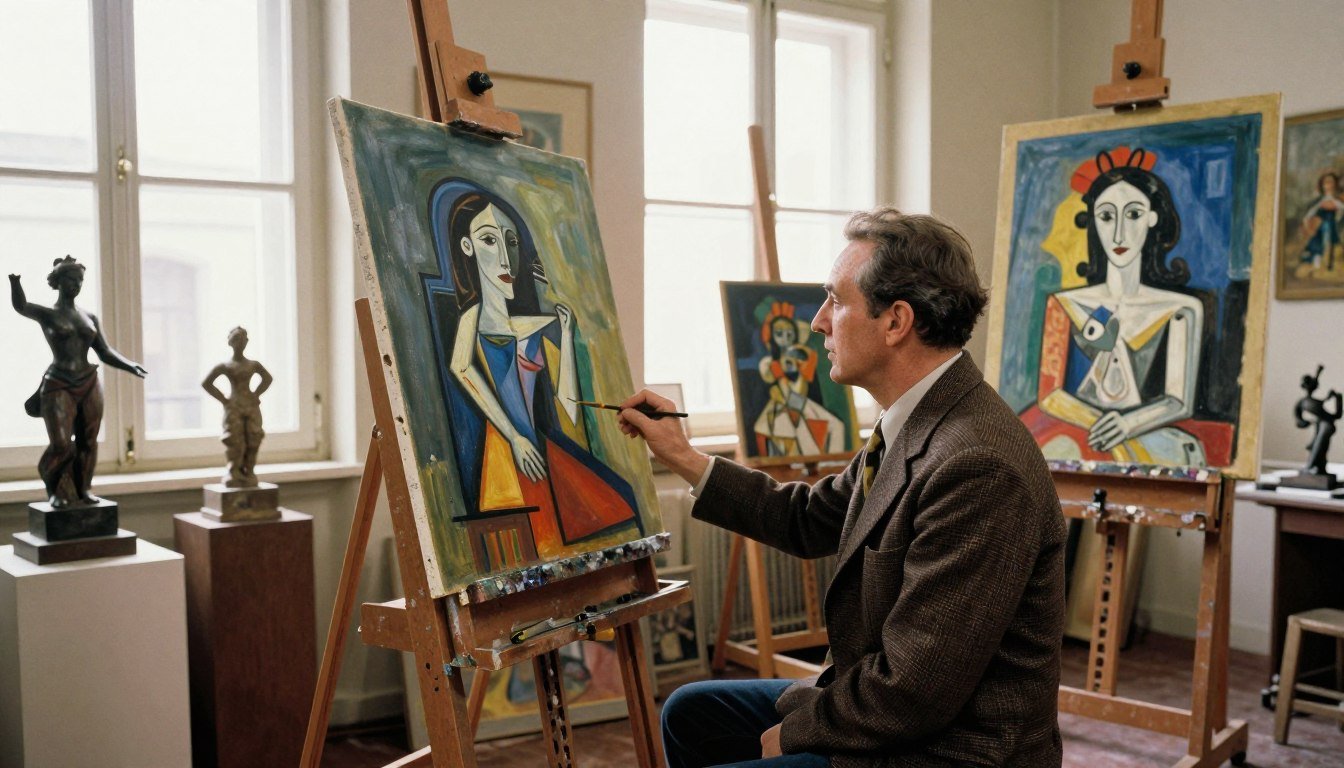


Leave a comment
This site is protected by hCaptcha and the hCaptcha Privacy Policy and Terms of Service apply.