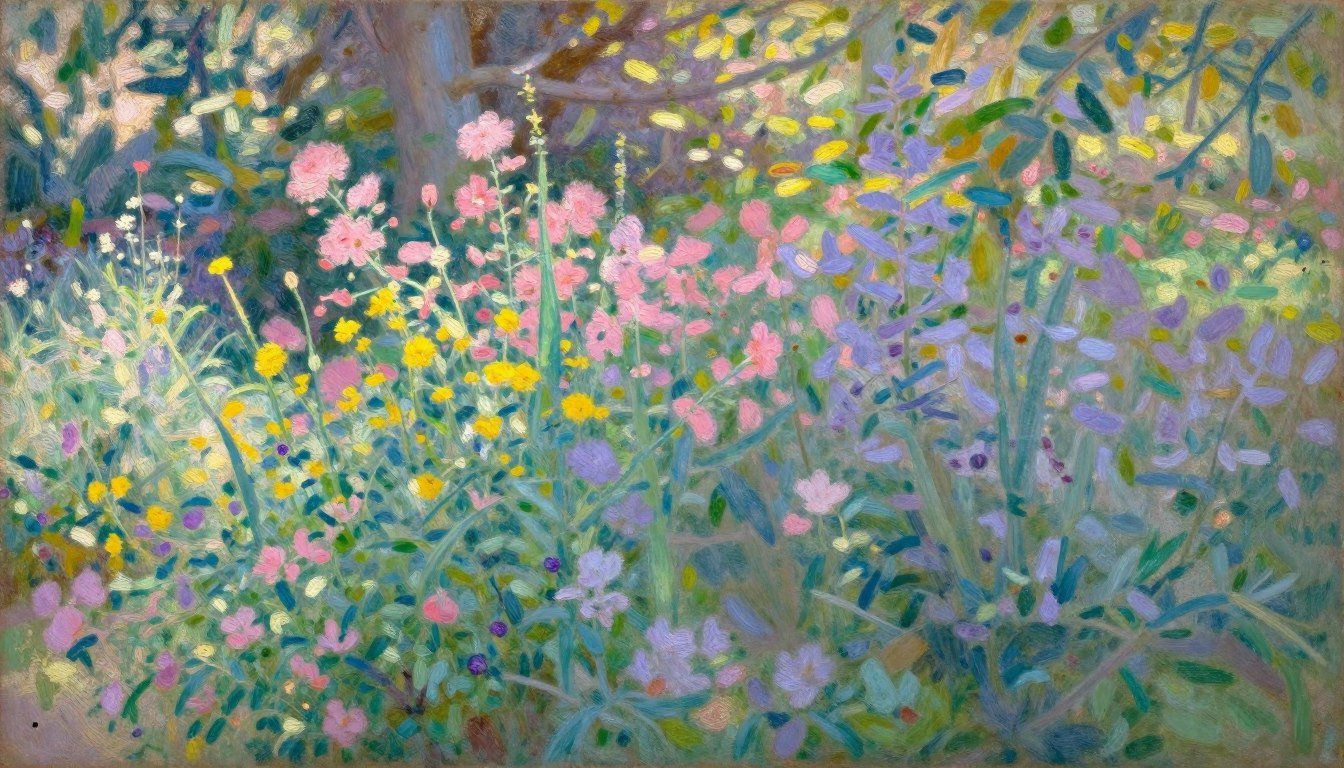

Impressionism stands as one of the most beloved and revolutionary movements in art history. This groundbreaking style emerged in nineteenth-century France and forever transformed how artists approached painting. Rather than meticulously rendering every detail, impressionists captured fleeting moments of light and color. Their innovative technique challenged centuries of artistic tradition.
The movement's name came from critics who initially mocked these artists. When Claude Monet exhibited his painting "Impression, Sunrise" at the first exhibition in 1874, art critic Louis Leroy used the term dismissively. Yet this label stuck, and impressionists proudly embraced it. Today, impressionist paintings rank among the world's most treasured artworks.
This article explores impressionism's defining characteristics, legendary artists, and enduring influence on contemporary art. Whether you're an art enthusiast or simply curious about this captivating movement, you'll discover what makes impressionist work so special.
The Birth of Impressionism in 19th Century France

Impressionism emerged during a time of dramatic change in France. The mid-1800s brought rapid industrialization and social transformation. Artists became fascinated with contemporary life rather than historical or mythological subject matter. They wanted to paint the world around them as they truly saw it.
Traditional academic art dominated the Paris art scene. The official Salon jury controlled which artists could exhibit their work. These gatekeepers favored highly polished paintings with historical themes. Many innovative artists found their work rejected year after year.
Frustrated by these restrictions, a group of artists decided to organize their own exhibitions. In 1874, they held the first exhibition outside the official Salon system. This independent show featured work by Claude Monet, Pierre-Auguste Renoir, Edgar Degas, Camille Pissarro, Berthe Morisot, and Alfred Sisley among others.

Critics initially ridiculed these artists. The loose brushstrokes and unfinished appearance shocked viewers accustomed to smooth, detailed paintings. However, some forward-thinking collectors recognized the innovation. Slowly, public opinion began to shift as people appreciated the freshness and vitality of impressionist work.
The movement gained momentum through subsequent exhibitions. Between 1874 and 1886, impressionists organized eight major shows. Each exhibition brought new converts and gradually established impressionism as a legitimate artistic approach.
Distinctive Features of Impressionist Paintings

Impressionist paintings share several distinctive characteristics that set them apart from traditional art. Understanding these features helps viewers appreciate the revolutionary nature of this movement. Each technique served a specific purpose in capturing the essence of a moment.
Visible Brushstrokes and Paint Application
Impressionists applied paint in short, broken brushstrokes rather than smooth blending. Artists used quick, spontaneous marks to build up color and form. This technique created vibrant surfaces full of energy and movement. The visible brushwork became a signature element of the style.
Paint was often applied thickly using a technique called impasto. Artists sometimes mixed colors directly on the canvas rather than on the palette. This created optical color mixing when viewed from a distance. The rough texture added another dimension to the work.

Emphasis on Light and Its Changing Qualities
Light became the central subject of impressionist art. Artists obsessed over how light transformed colors and shapes throughout the day. They often painted the same scene multiple times under different lighting conditions. Monet's famous series paintings exemplify this fascination with changing light.
Impressionists worked to capture the atmosphere and mood created by specific lighting. Morning mist, harsh midday sun, and golden evening light each required different color approaches. Artists developed sophisticated understanding of how light affects our perception of color and form.
Ordinary Subject Matter from Contemporary Life
Rather than grand historical scenes, impressionists painted everyday life. They depicted parks, cafes, train stations, and city streets. Leisure activities like boating, dancing, and picnicking became popular themes. This focus on contemporary life marked a radical departure from academic tradition.
Many artists became particularly drawn to landscape scenery, capturing the natural beauty of the French countryside. Gardens, rivers, and coastal scenes appeared frequently in impressionist work. Nature provided endless opportunities to study changing light and atmospheric conditions.

Urban scenes also fascinated impressionists. They painted modern Paris with its wide boulevards, bustling crowds, and new architecture. These artists found beauty in the ordinary moments of city life. Their work documented the rapid modernization of French society.
Open Composition and Unusual Viewpoints
Impressionists often used cropped compositions that suggested scenes extending beyond the frame. Figures might be cut off at the edges, creating a snapshot quality. This technique mimicked the way we actually see the world rather than formal artistic composition.
Artists experimented with unusual viewpoints and angles. High vantage points, tilted perspectives, and asymmetrical arrangements created visual interest. These compositional choices reflected the influence of Japanese prints and photography on impressionist vision.
Legendary Impressionist Artists Who Defined the Movement

Several artists became synonymous with impressionism. Each brought unique perspectives and techniques to the movement. Their individual styles contributed to impressionism's rich diversity while sharing core principles. These artists became legends whose work continues inspiring painters today.
Claude Monet: Master of Light and Color
Claude Monet stands as perhaps the most celebrated impressionist painter. His dedication to capturing light effects was unmatched. Monet painting sessions often involved creating multiple canvases to record different times of day. His series paintings of haystacks, the Rouen Cathedral, and water lilies demonstrate this obsessive approach.
Monet's garden at Giverny became his laboratory for studying color and light. He designed the gardens specifically to provide painting subjects. The famous water lily pond paintings represent the culmination of his artistic vision. These late works pushed toward abstraction while maintaining impressionist principles.

Pierre-Auguste Renoir: Celebrating Human Beauty
Pierre-Auguste Renoir focused on people and social scenes. His paintings radiate warmth and joy. Renoir particularly excelled at depicting female beauty and childhood innocence. His brushwork created soft, luminous effects perfect for rendering skin tones.
Renoir's interest in figurative portrait paintings set him apart from other impressionists. He captured intimate moments at dances, theaters, and cafes. Later in life, he developed a more classical style while retaining impressionist color sensibility.
Edgar Degas: Capturing Movement and Modern Life
Edgar Degas brought a unique perspective to impressionism. He focused on urban subjects like ballet dancers, horse races, and cafe scenes. Degas studied human figures in motion with scientific precision. His compositions often featured unusual angles influenced by photography.
Unlike other impressionists, Edgar Degas preferred working in studios rather than outdoors. He used pastels extensively, creating works of remarkable color intensity. His ballet dancer series reveals deep understanding of anatomy and movement. Degas considered himself a realist rather than an impressionist, though art history groups him with the movement.

Camille Pissarro: The Patient Teacher
Camille Pissarro served as a mentor figure among impressionists. He participated in all eight impressionist exhibitions, showing remarkable dedication. Pissarro painted both rural and urban scenes with equal skill. His patient approach to color and composition influenced many younger artists.
Pissarro experimented with various techniques throughout his career. He briefly adopted Neo-Impressionist pointillism before returning to freer brushwork. His rural landscapes celebrate agricultural life and peasant workers. Pissarro's work demonstrates impressionism's versatility across different subjects.
Berthe Morisot: Breaking Gender Barriers
Berthe Morisot overcame significant obstacles as a woman artist in 19th-century France. She became one of the founding members of the impressionist group. Morisot's paintings often depicted women and children in domestic settings. Her brushwork was particularly loose and spontaneous.
Morisot brought psychological depth to seemingly simple scenes. She captured quiet moments of contemplation and everyday activities. Her work challenges the notion that impressionism was purely about visual sensation. Morisot proved that women artists could achieve the highest levels of artistic excellence.

Mary Cassatt: American Impressionist in Paris
Mary Cassatt brought an American perspective to French impressionism. She specialized in scenes of mothers and children. Cassatt's compositions show strong influence from Japanese prints. Her work demonstrates technical mastery combined with emotional sensitivity.
Cassatt played a crucial role in promoting impressionism in America. She advised American collectors and helped establish impressionist collections in U.S. museums. Her artistic achievements proved that impressionism transcended national boundaries. Mary Cassatt remains one of the most important American artists of any period.
Alfred Sisley: Devoted Landscape Painter
Alfred Sisley devoted his entire career to landscape painting. He captured the French countryside and small towns with remarkable consistency. Sisley's work emphasizes sky and atmospheric effects. His paintings convey a sense of peace and harmony with nature.
Unlike other impressionists who experimented with various styles, Sisley remained true to pure impressionism. His dedication resulted in a cohesive body of work. Sisley's landscapes demonstrate the beauty achievable through focused artistic vision. His paintings of flood scenes and winter landscapes are particularly memorable.

Landscape Impressionist Art
Discover stunning landscape paintings that capture nature's ever-changing beauty through impressionist techniques. Our curated collection features scenes of rolling hills, serene waterways, and vibrant gardens.

Figurative Portrait Collection
Browse our selection of portrait paintings inspired by impressionist masters. Each piece captures human expression and personality through color and light rather than precise detail.

Botanical & Nature Art
Experience the beauty of nature through impressionist eyes. Our botanical collection showcases flowers, gardens, and natural elements painted with characteristic impressionist vibrancy.
The Evolution and Lasting Impact of Impressionism

Impressionism's influence extended far beyond its original time and place. The movement fundamentally changed how artists approached painting. Its emphasis on personal perception over objective reality opened doors for countless artistic innovations. Understanding this legacy helps appreciate impressionism's revolutionary importance.
Impact on Subsequent Art Movements
Impressionism directly inspired several later movements. Post-Impressionists like Vincent van Gogh and Paul Cézanne built upon impressionist techniques while pushing in new directions. They retained the bright colors and visible brushwork while adding more structure or emotional intensity.
Fauvism and Expressionism took impressionism's color innovations even further. These artists became used color for emotional expression rather than optical accuracy. The freedom impressionists demonstrated encouraged subsequent generations to break more rules and explore new possibilities.

Abstract art owes significant debt to impressionism. As impressionists loosened their brushwork and emphasized color over form, they moved closer to abstraction. Later abstract artists recognized impressionism as a crucial step toward non-representational art. Today's abstract paintings continue exploring territory first mapped by impressionists.
Impressionism in Contemporary Art and Culture
Impressionist influence permeates contemporary visual culture. Advertisements, films, and digital art frequently reference impressionist aesthetics. The movement's emphasis on capturing momentary experiences resonates with our fast-paced modern world. Photography and impressionism share common goals of freezing fleeting moments.
Museums worldwide feature impressionist collections that draw massive crowds. Exhibitions of impressionist work consistently break attendance records. This enduring popularity demonstrates how impressionist vision continues speaking to modern audiences. The paintings offer respite from digital perfection with their human, handmade qualities.

Contemporary artists continue finding inspiration in impressionist techniques. Some directly reference impressionist subject matter while others adopt the loose, spontaneous approach. The movement's lessons about observation and personal vision remain relevant for artists working in any style or medium.
Collecting and Preserving Impressionist Heritage
Original impressionist paintings rank among the world's most valuable artworks. Major museums compete to acquire significant works. Private collectors pay record prices at auctions. This commercial success reflects both aesthetic appreciation and investment value.
Conservation efforts ensure impressionist paintings survive for future generations. Museums employ sophisticated techniques to preserve these delicate works. Scientific analysis reveals the materials and methods impressionists used. This research helps contemporary artists understand historical techniques.

For those who appreciate impressionist beauty, original paintings inspired by impressionist techniques offer an accessible way to bring this aesthetic into daily life. Contemporary artists working in impressionist traditions create fresh interpretations of timeless principles.
Understanding Impressionist Technique and Innovation

Impressionist technique represented radical innovation in painting methods. Artists developed new approaches to capture their unique vision. Understanding these technical choices illuminates why impressionist paintings look the way they do. The techniques were inseparable from the artistic goals.
Plein Air Painting Revolution
Impressionists pioneered painting outdoors directly from nature. Earlier artists made outdoor sketches but completed paintings in studios. Improvements in paint tube technology made outdoor work practical. Artists became could transport their materials and work in various locations.
Painting en plein air forced artists to work quickly before lighting conditions changed. This necessity contributed to the loose, spontaneous brushwork. The technique also resulted in more accurate color observation. Artists saw colors in natural light rather than artificial studio illumination.

Weather conditions became part of the painting process. Wind, rain, and changing clouds all influenced the final work. This immediacy gave impressionist paintings their fresh, vital quality. The connection between artist and subject strengthened through direct observation.
Color Theory Innovations
Impressionists revolutionized color use in painting. They observed that shadows contain color rather than being simply dark. Artists began painting shadows with blues, purples, and greens. This discovery made their work more vibrant and optically accurate.
The technique of broken color involved placing pure colors side-by-side on canvas. Viewed from a distance, these colors mixed optically in the viewer's eye. This created more luminous effects than physically mixing paints on a palette. The technique required understanding of color relationships and visual perception.

Impressionists largely abandoned black for creating dark tones. Instead, they mixed complementary colors or used dark blues and purples. This approach resulted in richer, more vibrant darks. The technique demonstrated sophisticated understanding of color theory and optics.
Capturing Atmosphere and Movement
Impressionists excelled at depicting atmospheric effects. Fog, mist, and haze became subjects in themselves. Artists used soft edges and subtle color gradations to suggest atmosphere. This attention to air and light created convincing spatial depth.
Movement presented special challenges for painters. Impressionists developed techniques to suggest motion through blurred edges and directional brushstrokes. Dancers, horses, and boats all required methods to convey action. The solutions artists found influenced later artistic movements concerned with depicting time and motion.
Popular Themes and Subject Matter in Impressionist Art

Impressionists gravitated toward specific subjects that allowed exploration of their interests. The choice of subject matter was as revolutionary as the technique. By elevating everyday scenes to high art, impressionists democratized artistic subject matter. Their themes reflected modern urban and suburban life.
Urban Scenes and Modern Life
The modernization of Paris provided endless subject matter for impressionists. Wide boulevards, cafes, theaters, and train stations all appeared in their work. Artists celebrated the energy and excitement of contemporary city life. These scenes documented rapid social and technological change.
Impressionists captured both the glamour and grittiness of urban existence. Opera performances and elegant promenades appeared alongside laundresses and construction sites. This democratic approach to subject matter reflected changing social attitudes. Art no longer needed to depict only elevated subjects.

Leisure Activities and Entertainment
The rise of leisure time in industrial society fascinated impressionists. Boating, picnicking, dancing, and attending performances all became popular subjects. These scenes showed people enjoying freedom from work. The paintings celebrated pleasure and social interaction.
Outdoor leisure activities offered opportunities to study light and color. Sunlight filtering through trees, reflections on water, and colorful clothing all attracted artistic attention. These scenes combined figure painting with landscape elements. The results captured the essence of carefree enjoyment.
Nature and Gardens
Gardens represented controlled nature that could be studied repeatedly. Many impressionists cultivated gardens specifically for painting. Flowers provided brilliant colors and complex forms. The changing seasons offered variety while maintaining familiar subjects.
Wild nature also attracted impressionist attention. Coastal scenes, forests, and fields all appeared frequently. Artists became drawn to the interplay between natural elements and light. Water, particularly, fascinated painters for its reflective and translucent qualities. The beauty found in botanical and nature subjects continues inspiring contemporary artists.

Portraits and Figures
While landscapes dominated impressionism, figure painting remained important. Impressionists approached portraiture differently than traditional artists. They emphasized overall impression and color harmony over precise facial detail. The results captured personality and mood effectively.
Casual poses and informal settings characterized impressionist portraits. Subjects appeared in gardens, at cafes, or engaged in activities. This approach made portraits feel spontaneous rather than staged. Artists became interested in people within their environments rather than isolated figures.
From Rejection to Triumph: Critical Reception Through Time

The journey from mockery to mainstream acceptance was neither quick nor easy for impressionists. Initial critical reception ranged from confusion to outright hostility. Understanding this struggle adds depth to appreciation of impressionist achievement. The artists' persistence despite rejection demonstrates remarkable dedication.
Initial Criticism and Mockery
When impressionists first exhibited their work, critics reacted harshly. The Salon jury regularly rejected impressionist submissions. Critics complained that the paintings looked unfinished. They criticized the visible brushstrokes and lack of precise detail. Many viewers found the work shocking and disturbing.
Art critic Louis Leroy's review of the first exhibition coined the term "impressionism" as an insult. He mocked the sketchy quality and suggested the artists were merely creating impressions rather than finished paintings. Others critics described the work as attacks on good taste and artistic standards.

Conservative art establishment saw impressionism as a threat. Academic painters who spent years perfecting smooth technique felt challenged. The impressionist approach seemed to reject everything traditional training taught. This perceived assault on standards provoked strong defensive reactions.
Growing Acceptance and Commercial Success
Gradually, some collectors and critics recognized impressionism's value. Dealer Paul Durand-Ruel championed impressionist artists when few others would. He organized exhibitions and promoted their work to potential buyers. His support proved crucial for the movement's survival.
By the 1880s, public opinion began shifting. More collectors started purchasing impressionist work. Prices slowly increased as demand grew. Some former critics revised their opinions. The tide of acceptance gained momentum through the decade.
The final impressionist exhibition in 1886 received more positive reviews than earlier shows. Critics who once mocked the movement now acknowledged its achievements. Several impressionists gained financial stability through steady sales. Success allowed them to work with greater freedom and confidence.

Modern Reverence and Scholarly Recognition
Today, impressionism ranks among art history's most studied and celebrated movements. Countless books, articles, and exhibitions examine every aspect of impressionist art. Scholars continue discovering new insights about the artists and their work. The movement receives universal recognition as a crucial turning point in art history.
Museums proudly feature impressionist collections as major attractions. Special exhibitions draw record crowds. The paintings that once shocked viewers now provide comfort and joy to millions. This reversal demonstrates how revolutionary art can eventually become beloved tradition.
Bringing Impressionist Beauty Into Your Life

While original impressionist masterpieces command astronomical prices, the impressionist aesthetic remains accessible. Contemporary artists continue working in impressionist traditions, creating beautiful original works. Understanding what to look for helps in selecting pieces that capture the impressionist spirit.
What Makes Quality Impressionist-Style Work
Authentic impressionist approach requires more than loose brushwork. Quality pieces demonstrate understanding of color relationships and light effects. The brushstrokes should serve a purpose beyond creating texture. Each mark should contribute to the overall optical effect and composition.
Color harmony distinguishes successful impressionist-style painting from amateur attempts. Colors should relate to each other coherently even when applied separately. The work should exhibit luminosity rather than muddiness. This requires sophisticated understanding of color mixing and relationships.

Subject matter should feel observed from life rather than copied from photographs. Even when working from photo reference, skilled artists interpret and translate rather than merely copy. The painting should convey atmosphere and feeling, capturing the essence of a scene.
Incorporating Impressionist Art in Modern Spaces
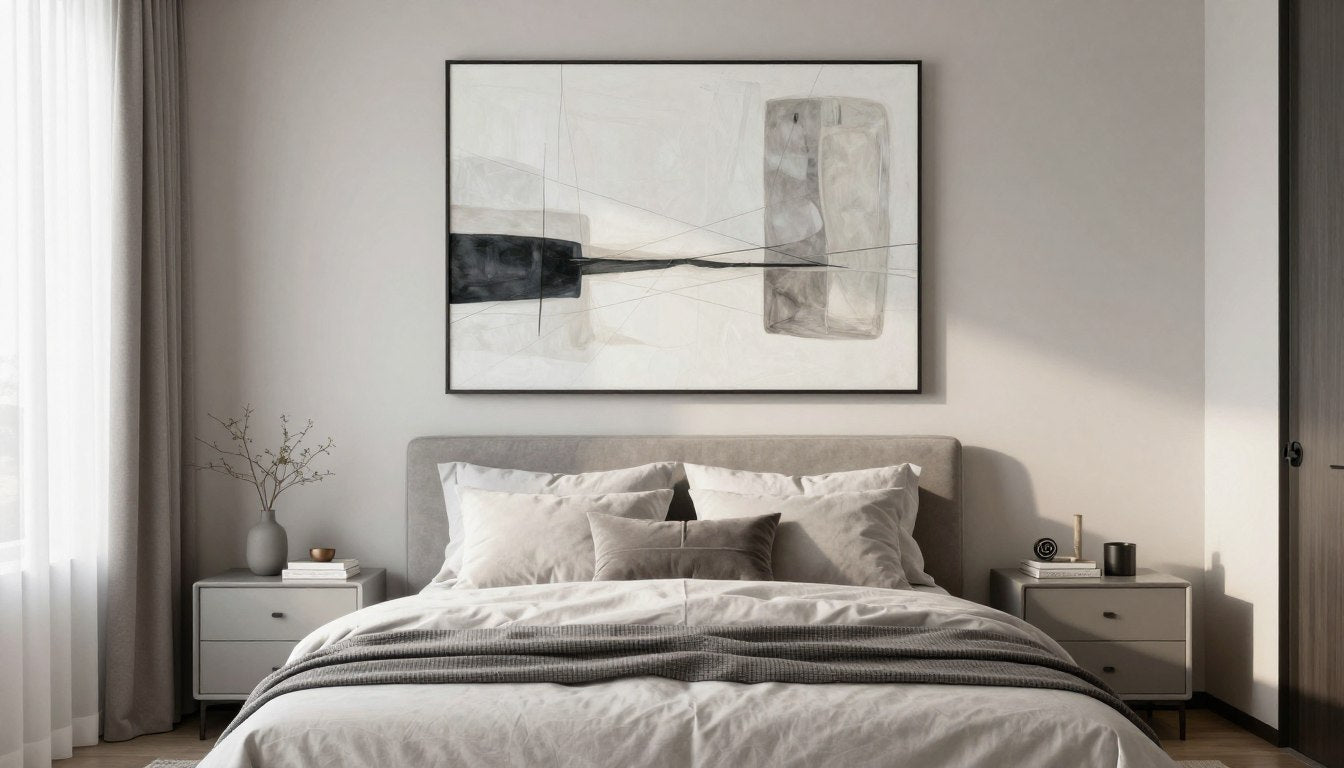
Impressionist-style paintings work beautifully in contemporary interiors. The soft colors and natural subjects complement many design styles. Landscapes bring outdoor beauty inside, perfect for urban apartments. The loose, painterly quality adds warmth to minimalist spaces.
Consider the room's lighting when placing impressionist art. These paintings were created with attention to light and look best when properly illuminated. Natural light enhances the colors, though avoid direct sunlight which can cause fading. Well-placed accent lighting can also showcase the work effectively.

Scale matters when selecting artwork for specific spaces. Larger paintings make bold statements in spacious rooms. Smaller works suit intimate spaces or can be grouped for impact. Consider the wall color and surrounding décor when choosing pieces. The art should enhance the space without overwhelming it.
Starting Your Collection
Building an art collection begins with selecting pieces you genuinely love. Don't purchase art purely as investment. Choose work that speaks to you emotionally and aesthetically. You'll live with these paintings, so personal connection matters most.
Research artists working in impressionist traditions. Many talented contemporary painters create beautiful work at accessible prices. Supporting living artists means you can learn about their process and vision. Original paintings carry special energy that reproductions lack.
The Enduring Magic of Impressionism

Impressionism transformed not just how artists paint but how we see the world. The movement taught us to notice fleeting light, atmospheric effects, and everyday beauty. What began as a revolution has become a cherished tradition. The principles impressionists established continue influencing artists across all mediums.
The impressionist emphasis on personal perception over objective reality opened possibilities for all subsequent modern art. From abstract expressionism to contemporary realism, impressionism's influence appears everywhere. The movement demonstrated that innovation and beauty can coexist, that breaking rules can reveal new truths.
Today, impressionist paintings provide connection to a transformative moment in art history. They remind us that seeing itself is an art requiring attention and practice. The loose brushstrokes and vibrant colors continue delighting viewers more than a century after their creation. This enduring appeal testifies to the universality of impressionist vision.

Whether you're drawn to Monet's water lilies, Renoir's joyful gatherings, or Degas's dancers, impressionism offers something for everyone. The movement's accessibility and beauty explain its lasting popularity. These paintings invite us into moments of captured light and color, offering respite from our busy digital world.
Discover Impressionist-Inspired Art for Your Space
Explore our carefully curated collections of original paintings and canvas prints inspired by the impressionist masters. From serene landscapes to vibrant florals, find pieces that bring the beauty of impressionism into your home or office.

About the Author
Chiara Rossetti
Chiara Rossetti is the founder of Rossetti Art, a canvas print and original art brand. She writes about interior design, wall art styling, and the art of making a home feel alive.

Leave a comment
This site is protected by hCaptcha and the hCaptcha Privacy Policy and Terms of Service apply.