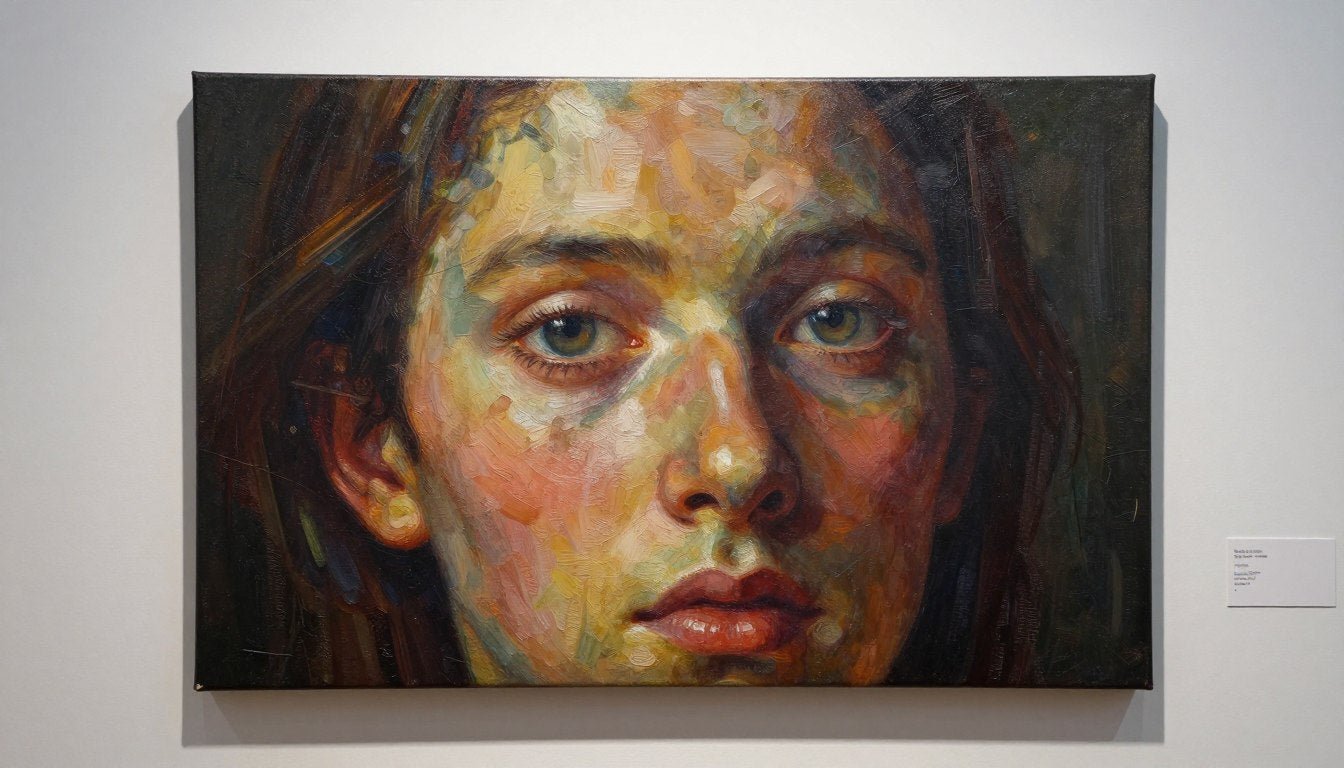

Transforming digital images or original artwork into stunning canvas prints requires more than just pressing a button. The difference between a mediocre reproduction and a breathtaking piece that captures every nuance lies in understanding the intricate process behind high-detail canvas printing.
Whether you're looking to preserve precious family photos or reproduce fine art with exceptional clarity, knowing what makes a quality canvas print will help you make informed decisions. This guide explores the technical aspects, quality factors, and best practices that separate ordinary prints from extraordinary ones.
From resolution requirements to material selection, we'll walk you through everything you need to know about achieving museum-quality results. Let's discover how professional canvas printing preserves the smallest details while creating artwork that lasts for generations.
Understanding What Makes Canvas Prints High Quality

Quality in canvas printing isn't a single factor but a combination of elements working together. The foundation starts with image resolution, which determines how much detail your final print can display without becoming pixelated or blurry.
Professional printers recommend a minimum of 300 DPI (dots per inch) for most sizes. This ensures that when you view your canvas from a normal distance, the image appears crisp and clear. Larger prints may work with slightly lower resolution because you typically view them from farther away.
The canvas material itself plays a crucial role in quality. Premium cotton canvas provides better color absorption and longevity compared to synthetic alternatives. The weave tightness affects how much detail the canvas can hold, with tighter weaves generally producing sharper results.
Discover Quality Canvas Printing
Explore our collection of artist-grade canvas prints that preserve every detail of original artwork. Each print is crafted with professional-grade materials and precision printing techniques.
Ink quality determines color vibrancy and fade resistance. Pigment-based inks offer superior longevity, often lasting over 100 years without significant fading when properly displayed. These inks create prints that maintain their brilliance for decades.

The printing technology used also impacts final quality. Modern giclée printing uses fine spray nozzles that deposit tiny ink droplets precisely. This creates smooth color transitions and captures subtle tonal variations that other printing methods might miss.
Color calibration ensures your prints match the original artwork or photo. Professional print services use color-managed workflows that account for how different materials absorb ink. This attention to detail prevents disappointing surprises when you receive your finished canvas.
Technical Requirements for High-Detail Canvas Printing

Starting with the right file format makes a significant difference in your final print quality. TIFF files preserve all image data without compression, making them ideal for printing. While JPEGs are more convenient, they use compression that can reduce quality, especially after multiple saves.
Resolution requirements scale with print size. A small 8x10 inch print needs fewer megapixels than a large wall piece. For example, a 16x20 inch canvas at 300 DPI requires approximately 14.4 megapixels, while a 30x40 inch print needs about 54 megapixels.
File Preparation Checklist
- Convert image to CMYK color mode for accurate printing
- Check resolution meets minimum 300 DPI requirement
- Remove any compression artifacts from JPEG files
- Verify color profiles match printer specifications
- Test print small sections to check detail retention
- Save master files in uncompressed formats

Color space selection affects how colors translate to your canvas. RGB is standard for digital images, but printers work in CMYK. Professional services handle this conversion, but understanding the difference helps you anticipate how certain colors might shift during printing.
If you're working with photos that will become large canvas prints, consider having your originals professionally scanned. A high-quality scan captures more detail than standard photo scanning, preserving fine textures and subtle color variations that make the difference in large format reproductions.

Sharpening techniques applied before printing can enhance perceived detail. However, over-sharpening creates halos and artifacts. Professional print services apply appropriate sharpening based on the specific canvas material and final size, ensuring optimal results without introducing unwanted artifacts.
For artists working with original paintings, professional photography or scanning becomes essential. Capturing the texture, brushwork, and subtle color variations of an original piece requires specialized equipment and expertise to ensure the canvas print faithfully represents the artwork.
How Material Selection Impacts Print Detail

Canvas material choice directly affects how much detail your print can capture and display. The base material, weave pattern, and surface treatment all contribute to the final image quality and appearance.
Cotton canvas remains the gold standard for fine art reproduction. Natural cotton fibers accept ink beautifully and create a texture that closely mimics traditional artist canvas. The material's archival properties ensure your prints remain vibrant for generations when properly cared for.

Premium Cotton Canvas
Natural fibers provide superior color absorption and gallery quality. Cotton canvas offers the most authentic art reproduction experience with excellent detail retention and a professional gallery look that lasts.

Polyester Canvas
Synthetic materials offer water resistance and durability. While slightly less traditional in appearance, polyester canvas provides excellent color vibrancy and works well for contemporary images or photos requiring enhanced weather resistance.

Blended Materials
Combining cotton and polyester creates a balanced option. These blends offer good detail retention with added durability, making them suitable for high-traffic areas or spaces where longevity and practicality are priorities.
Weave tightness determines detail capacity. Finer weaves with more threads per inch create smoother surfaces that can hold intricate details better. However, some texture adds to the canvas aesthetic, so finding the right balance between smoothness and texture enhances the overall appearance.
Surface coatings applied to canvas affect ink absorption and color vibrancy. Primed canvas with appropriate coatings prevents ink from soaking too deeply into fibers, resulting in brighter colors and sharper details. Different coating formulations work better with specific ink types.

Thickness and weight of canvas material impact both durability and presentation. Heavier canvas typically indicates higher quality and provides better structural integrity. When stretched over frames, heavier canvas maintains tension better and resists sagging over time, keeping your prints looking fresh.
Printing Techniques That Preserve Fine Details

Giclée printing has become the industry standard for high-detail art reproduction. This method uses specialized inkjet technology that sprays microscopic droplets of ink onto canvas, creating smooth color gradations and capturing subtle details that traditional printing methods cannot match.
The term "giclée" comes from the French word meaning "to spray." This printing technique can produce over 16 million colors by layering different ink combinations. The result is prints that rival the color depth and detail of original artworks.
Multi-pass printing enhances detail by building up ink layers gradually. Instead of applying all ink in a single pass, the printer head makes multiple passes over each section. This technique reduces visible banding and creates smoother tonal transitions in areas with subtle color shifts.
Variable dot technology adjusts the size of ink droplets based on the specific detail requirements of different image areas. Smaller droplets create finer details in intricate sections, while larger droplets efficiently cover broader areas. This intelligent approach optimizes both quality and printing efficiency.

Ink layering sequence affects final color accuracy and detail. Professional printers carefully control the order in which different colors are applied. This sequencing prevents certain colors from overshadowing others and ensures that fine details in dark or light areas remain visible and distinct.
UV coating or varnishing adds protection while enhancing detail visibility. A light protective coating brings out colors and adds depth to the image. This finishing step also provides protection against environmental factors that could degrade print quality over time.

Benefits of Professional Finishing
Professional finishing techniques extend beyond basic printing. Protective coatings shield your canvas from UV damage, moisture, and dust while enhancing color vibrancy. These finishing touches ensure your high-detail prints maintain their beauty for years.
The application method matters as much as the coating itself. Spray applications provide even coverage without affecting texture, while brush-on methods offer heavier protection for high-traffic areas. Professional finishers select the appropriate method based on your specific needs.
For art enthusiasts interested in how original works translate to prints, exploring original paintings provides insight into the source material quality that makes exceptional canvas reproductions possible.
Size Considerations and Detail Retention

Print size dramatically affects how viewers perceive detail. Larger prints require higher resolution source images to maintain detail clarity. Understanding the relationship between viewing distance and print size helps you choose appropriate dimensions for your space and image quality.
The general rule for viewing distance is that you should stand back approximately 1.5 times the diagonal measurement of the print. At this distance, a properly printed canvas should appear sharp and detailed without visible pixelation or blurriness.
| Print Size | Minimum Resolution | Recommended Megapixels | Ideal Viewing Distance | Best For |
| 8" x 10" | 2400 x 3000 pixels | 7.2 MP | 1-2 feet | Desk displays, small wall space |
| 16" x 20" | 4800 x 6000 pixels | 28.8 MP | 2-3 feet | Above furniture, gallery walls |
| 24" x 36" | 7200 x 10800 pixels | 77.8 MP | 3-5 feet | Statement pieces, living rooms |
| 30" x 40" | 9000 x 12000 pixels | 108 MP | 4-6 feet | Large wall displays, commercial spaces |
| 40" x 60" | 12000 x 18000 pixels | 216 MP | 6-10 feet | Gallery installations, feature walls |
Scaling algorithms used during print preparation affect detail preservation. Professional services use advanced interpolation methods that intelligently add pixels when enlarging images. These algorithms analyze surrounding pixels to create new ones that maintain detail appearance.
For images with lower resolution, limiting print size prevents detail loss. Sometimes a smaller, sharp print makes a better impression than a larger print with visible quality compromises. Honest assessment of your source image quality guides appropriate size selection.

Custom sizes offer flexibility for specific spaces but require careful planning. Non-standard dimensions need precise calculation to ensure the image fits without losing important elements or distorting proportions. Professional print services assist with custom sizing to maintain aspect ratios and detail quality.
Wall space planning involves more than just measuring. Consider furniture placement, viewing angles, and lighting conditions. A large canvas in a small room might overwhelm the space, while a small print on a large wall can appear lost and fail to make the intended visual impact.
Color Accuracy and Its Role in Detail Enhancement

Color accuracy affects perceived detail because our eyes use color variations to distinguish fine elements. When colors shift during printing, subtle details that rely on slight color differences may become less visible or disappear entirely.
Professional color management systems ensure consistency from screen to print. These systems use color profiles that describe how different devices interpret color. By maintaining profiles throughout the workflow, print services achieve results that closely match what you see on calibrated displays.
Professional Color Management
- Consistent color reproduction across multiple prints
- Accurate matching to original artwork or photos
- Predictable results before committing to print
- Extended color gamut for vibrant reproduction
- Archival inks resist fading for decades
- Custom profiles for specific materials
Consumer-Level Printing
- Color shifts between screen and print
- Inconsistent results between print runs
- Limited color range compared to professional systems
- Faster fading with standard inks
- No material-specific calibration
- Difficulty matching original colors
Lighting conditions during photography affect how colors translate to prints. Photos taken in different lighting may require color correction to achieve accurate reproduction. Professional photographers use controlled lighting and shoot in RAW format to preserve maximum color information for editing.

Metamerism refers to how colors appear different under various light sources. A canvas that looks perfect under daylight may show color shifts under artificial lighting. Quality inks minimize this effect, but understanding how your display space's lighting affects color helps set realistic expectations.
The human eye perceives detail through contrast and color variation. Enhancing contrast slightly during print preparation can make details appear sharper without actually changing resolution. This technique, when applied judiciously, creates prints that appear more detailed than the source image specifications might suggest.
For those interested in seeing how professional artists approach color in their work, exploring modern sculptures alongside canvas prints reveals how different mediums capture and present color and detail in complementary ways.
Ensuring Long-Term Detail Preservation

Even the highest quality print will degrade over time without proper care. Understanding factors that affect longevity helps you protect your investment and keep your canvas looking vibrant for generations.
UV light causes the most significant damage to canvas prints. Direct sunlight fades colors and breaks down canvas fibers over time. Placing prints away from windows or using UV-protective glass frames extends their lifespan considerably.
Protection Best Practices
- Display canvas away from direct sunlight exposure
- Maintain consistent humidity levels between 40-60%
- Avoid hanging in bathrooms or damp locations
- Clean gently with soft, dry microfiber cloth only
- Apply protective varnish for added UV resistance
- Store properly if rotating displays seasonally
- Use appropriate hanging hardware for canvas weight
- Keep away from heat sources that dry canvas

Humidity fluctuations cause canvas to expand and contract. This movement can crack ink or cause canvas to sag on stretcher bars. Maintaining stable humidity prevents these issues and preserves both the canvas material and printed details.
Regular dusting prevents dirt buildup that can dull colors over time. Use a soft, dry cloth and gentle motions. Avoid cleaning solutions unless specifically designed for canvas, as moisture and chemicals can damage both the canvas material and the printed surface.

Frame selection impacts longevity. Floating frames that don't touch the canvas surface prevent abrasion while adding aesthetic appeal. If using frames with glass, ensure proper spacing between glass and canvas to allow air circulation and prevent moisture buildup.
Temperature stability matters as much as humidity control. Extreme temperature changes stress canvas materials and can affect adhesion between ink and canvas. Keeping your display environment at comfortable room temperature protects your prints naturally.
Documentation helps track your prints' condition over time. Taking photos when you first hang your canvas provides a reference point. If you notice changes in color or texture, these reference images help determine whether normal aging or environmental issues are causing concerns.
Professional Versus Consumer Printing Services

The gap between professional and consumer printing services extends beyond equipment quality. Professional operations invest in color management systems, climate control, and quality control procedures that ensure consistent, high-quality results with every order.
Professional printers maintain calibrated equipment regularly. Color calibration isn't a one-time setup but an ongoing process. Daily or weekly calibration ensures that prints produced today match prints from months ago, providing consistency that's crucial for series prints or art reproductions.
Material selection represents another key difference. Professional services source premium canvas materials specifically designed for fine art reproduction. These materials often aren't available to consumers and offer superior performance in ink absorption, color vibrancy, and longevity.
Customer support from professional services includes consultation on optimal print specifications. Experts review your files, recommend improvements, and suggest appropriate sizes based on image quality. This guidance prevents disappointing results and ensures you receive prints that meet or exceed expectations.

Turnaround time varies significantly between services. While consumer services might promise quick results, professional operations often take longer because they include multiple quality checks. This additional time investment ensures each print meets rigorous standards before shipping to customers.
Guarantees and reprints differentiate professional services from consumer options. Professional printers typically guarantee color accuracy and will reprint orders that don't meet specifications. Consumer services often have limited recourse if results disappoint, making the initial investment in professional printing more reliable.
For art collectors and enthusiasts seeking the highest quality reproductions, professional services provide the expertise and equipment necessary to create prints worthy of display alongside original paintings and fine art pieces.
Display Considerations That Impact Detail Visibility

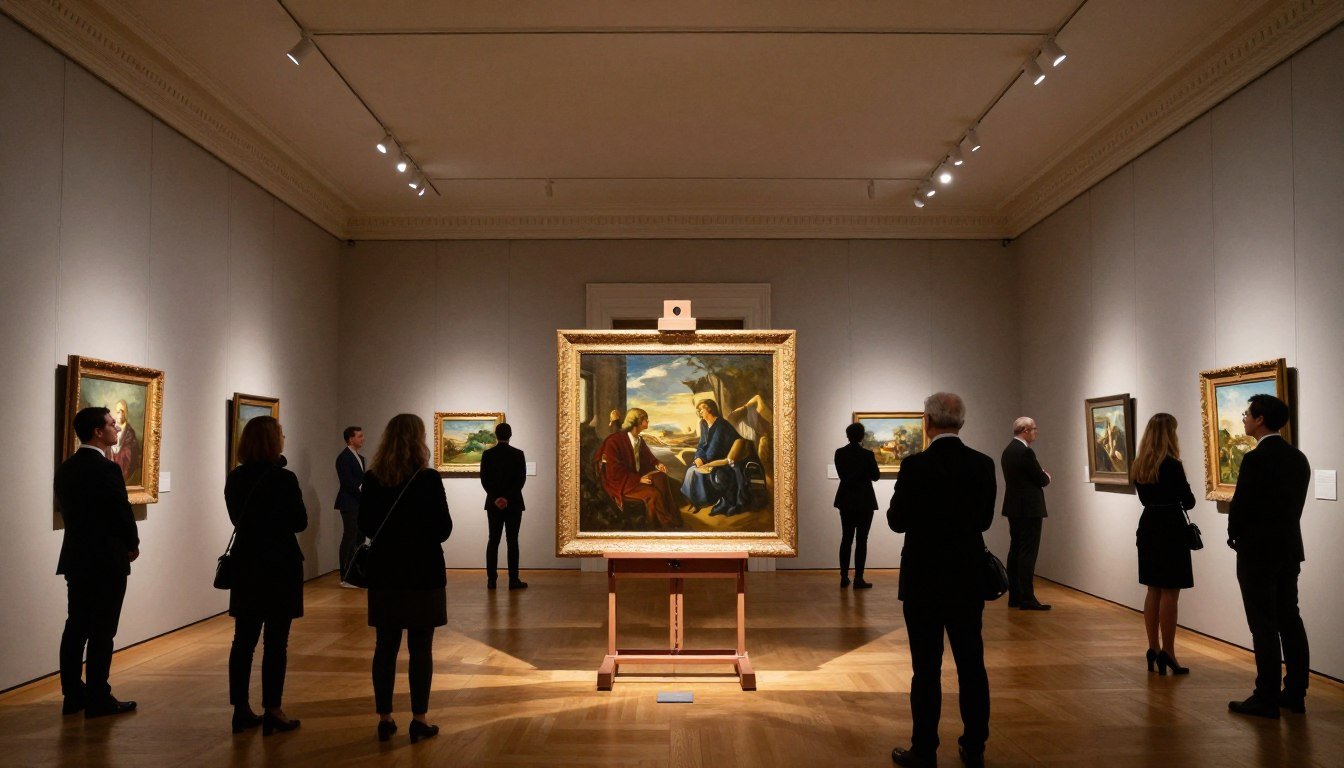
How and where you display your canvas prints affects how viewers perceive detail. Lighting, height, and surrounding elements all contribute to whether your high-detail print shows its full potential or gets lost in poor presentation.
Lighting angle matters as much as light intensity. Placing lights at a 30-degree angle from the canvas surface minimizes glare while illuminating details. Track lighting or picture lights provide focused illumination that brings out texture and color depth without causing hot spots.
- Eye-level center point for main viewing
- 30-degree angle adjustable lighting
- Neutral wall colors that don't compete
- Adequate viewing distance for print size
- Climate-controlled environment
- Grouped with complementary artwork
Optimal Display Conditions
- Hanging too high or too low
- Direct overhead fluorescent lighting
- Competing background colors or patterns
- Insufficient viewing space in room
- High humidity or temperature fluctuations
- Cluttered surrounding displays
Common Display Mistakes
- Floating frames for depth perception
- Complementary matting for focus
- Gallery-style spacing between prints
- Accent wall colors for emphasis
- Dimmer controls for lighting flexibility
- Regular rotation to prevent fatigue
Enhancement Techniques
Wall color affects how colors in your canvas appear. Neutral walls let the artwork speak for itself, while bold wall colors can either complement or clash with your prints. Testing paint samples next to your canvas before committing to a wall color prevents costly mistakes.
Height placement follows the gallery standard of center point at 57-60 inches from the floor. This height accommodates average viewing heights for most people. For spaces where people are typically seated, slightly lower placement ensures comfortable viewing from sofas or dining chairs.

Spacing in gallery walls requires mathematical precision for visual balance. A general rule uses 2-3 inches between smaller prints and up to 6 inches between larger pieces. Consistent spacing creates a cohesive look that draws the eye naturally from one piece to another.
Mixing print sizes adds visual interest to gallery walls. Arranging different sizes requires planning the layout on paper first. The largest piece typically serves as an anchor, with smaller pieces balanced around it to create an asymmetrical arrangement that feels balanced.
For inspiration on creating cohesive art displays that include various mediums, exploring how modern sculptures integrate with wall art provides ideas for three-dimensional display planning that enhances overall aesthetic impact.
Choosing the Right Canvas Printing Service

Selecting a canvas printing service requires research beyond comparing prices. The cheapest option rarely delivers the quality needed for high-detail reproduction. Understanding what separates quality services from budget operations helps you make informed decisions.
Sample prints reveal actual quality better than website photos. Reputable services offer sample packs showing their canvas materials, print quality, and finishing options. These samples let you assess texture, color accuracy, and overall quality before committing to a full-size order.
What should I ask a printing service before ordering?
Request information about their ink type, canvas materials, color management process, and turnaround times. Ask if they offer proofs before final printing and what guarantees they provide. Inquire about their experience with high-detail prints and whether they offer consultation services for file preparation.
How do I know if my image has enough resolution for printing?
Calculate by multiplying your desired print dimensions by 300 DPI. For a 20x30 inch print, you need 6000x9000 pixels (54 megapixels). Most professional services offer file checking services where they review your image and recommend appropriate sizes based on quality.
What's the difference between stretched and rolled canvas?
Stretched canvas comes mounted on wooden frames, ready to hang immediately. Rolled canvas ships in a tube, requiring you to arrange stretching or framing separately. Stretched canvas costs more but offers convenience, while rolled canvas provides flexibility for custom framing and lower shipping costs.
Can I print copyrighted artwork on canvas?
You need permission from copyright holders to reproduce artwork you don't own. This applies to famous paintings, photographs by other artists, and commercial images. Reputable printing services may request proof of ownership or licensing before printing copyrighted material to protect both parties legally.
How long do canvas prints typically last?
Professional canvas prints using pigment-based inks can last 100+ years when properly displayed and cared for. Factors affecting longevity include UV exposure, humidity, temperature fluctuations, and air quality. Protective coatings and proper display conditions significantly extend print lifespan.
What's the best way to ship canvas prints?
Professional services use rigid packaging for stretched canvas or heavy-duty tubes for rolled prints. Corners need extra protection on stretched pieces. Insurance should cover the full replacement value. For valuable or irreplaceable prints, consider using art-specific shipping services that specialize in handling fine art safely.
Customer reviews provide insight into consistency and service quality. Look for reviews that specifically mention detail quality, color accuracy, and how well the service handled any issues. Reviews across multiple platforms give a more complete picture than testimonials on the company's own website.
Proof options before final printing prevent disappointment. Some services offer digital proofs, while premium services provide actual printed proofs on the chosen material. Physical proofs cost more but eliminate uncertainty about how your image will look on canvas.

Turnaround time commitments should be realistic and guaranteed. Rush services often compromise quality to meet deadlines. Standard production times of 5-7 business days typically allow for proper quality control without rushing the printing and finishing processes.
Return and reprint policies demonstrate confidence in quality. Services that guarantee satisfaction and offer reprints for quality issues show commitment to customer satisfaction. Understanding these policies before ordering provides peace of mind, especially for expensive large-format prints.
For those seeking established quality and artistic expertise, services connected to actual artists and galleries often provide superior consultation and understanding of what makes prints truly artist-grade, as seen in collections like those from Rossetti Art's canvas prints.
Understanding Cost Factors and Value Assessment

Canvas print pricing varies dramatically across services, but understanding cost factors helps you determine whether you're getting good value or simply paying more without receiving better quality.
Material quality represents a significant cost factor. Premium cotton canvas costs substantially more than polyester or blended options. However, this cost difference translates directly to longevity and appearance quality, making it worthwhile for important prints or art reproductions.
What Affects Canvas Print Pricing
Print size increases cost exponentially rather than linearly. A 30x40 inch print costs more than four times the price of a 15x20 inch print because larger prints require more material, more ink, and longer printing times. Understanding this pricing structure helps when planning multiple prints or series.
Finishing options add to base costs but provide significant value. Stretching, framing, protective coatings, and professional packaging each add charges. While these increases the total cost, they also save you time and often result in better presentation than DIY alternatives.
Rush fees apply when you need prints faster than standard production times. These fees compensate for disrupting normal workflow and prioritizing your order. Unless you face a genuine deadline, avoiding rush fees by planning ahead saves money without sacrificing quality.
Volume discounts make sense for series or multiple prints. Many services reduce per-print costs when you order multiple copies of the same image or several different prints in one order. This pricing structure benefits photographers, artists, or anyone decorating multiple rooms.

Shipping costs often surprise customers at checkout. Large canvas prints require special packaging and shipping methods that cost significantly more than standard parcel service. Some services include shipping in their pricing, while others add it later, so comparing total delivered costs provides accurate comparisons.
Hidden fees sometimes appear in fine print. Setup fees, color correction charges, or file preparation costs can add substantially to quoted prices. Reputable services disclose all potential fees upfront, allowing accurate budget planning before ordering.

Warranty and guarantee value should factor into cost assessments. Services offering satisfaction guarantees and quality warranties provide additional value beyond the physical product. The peace of mind knowing you can get reprints if issues arise justifies slightly higher initial costs.
Customization options vary in cost-effectiveness. Custom sizes, special finishes, or unique framing increase costs but may provide exactly what you need when standard options don't fit your requirements. Balancing customization desires with budget constraints requires prioritizing which custom elements matter most.
Future Trends in Canvas Printing Technology

Canvas printing technology continues evolving, with innovations promising even better quality, faster production, and more sustainable practices. Understanding emerging trends helps you anticipate future capabilities and make informed decisions about current purchases.
Artificial intelligence now assists in image enhancement and optimization. AI algorithms can upscale images while maintaining detail, predict how colors will appear on canvas, and automatically adjust files for optimal printing. These technologies make high-quality printing accessible even from less-than-perfect source images.
Enhanced Resolution Technology
Next-generation print heads produce even smaller droplets, increasing effective resolution beyond current capabilities.
- Micro-droplet technology for ultra-fine details
- Expanded color gamuts reaching 99% Adobe RGB
- Faster printing without quality compromise
- Reduced ink consumption for cost savings
Sustainable Materials
Environmental concerns drive development of eco-friendly canvas materials and inks without quality sacrifices.
- Recycled canvas materials with premium quality
- Water-based inks matching pigment durability
- Biodegradable protective coatings
- Carbon-neutral production processes
Smart Canvas Technology
Integration of technology into canvas prints creates interactive art pieces that respond to environment or viewer.
- Color-changing inks responding to temperature
- Embedded LED illumination for backlighting
- NFC tags linking to artist information
- Augmented reality integration possibilities
On-Demand Production
Distributed printing networks enable faster delivery with consistent quality across locations worldwide.
- Local production reducing shipping times
- Blockchain verification of authenticity
- Digital certificates of edition prints
- Standardized quality across print locations
Texture printing adds dimensional elements to canvas surfaces. This technology deposits additional material to create raised areas that mimic brush strokes or other textures. The result combines visual detail with tactile elements that enhance the art reproduction experience.
Eco-friendly innovations address environmental concerns without compromising quality. New water-based inks match the durability and color range of traditional pigment inks while reducing environmental impact. Recycled canvas materials now achieve quality levels previously available only in virgin materials.

Blockchain technology enables authentication and edition tracking for limited edition prints. Artists and collectors can verify authenticity and track ownership history, adding value to canvas prints as collectible art pieces rather than mere decorative items.
Augmented reality integration allows canvas prints to trigger digital content when viewed through smartphones. This technology bridges physical and digital art, offering artists new ways to engage viewers and providing additional context or interactive elements to static prints.
For more insights into art trends and techniques, the Rossetti Art blog provides regular updates on artistic innovations, display ideas, and the evolving intersection of traditional art and modern technology.
Creating Lasting Impressions with High-Detail Canvas Prints

The journey from digital image to stunning canvas print involves numerous decisions and factors. Understanding these elements empowers you to make choices that result in prints that exceed expectations and stand the test of time.
Quality canvas printing preserves memories and artwork in ways that digital displays cannot match. The physical presence of a well-crafted print creates emotional connections that screens cannot replicate. Whether displaying family photos or reproducing fine art, high-detail canvas prints bring warmth and personality to any space.
Technology continues advancing, but fundamental principles remain constant. Start with the highest quality source images possible, work with reputable services that prioritize quality over speed, and invest in proper materials that ensure longevity. These basics never change regardless of technological innovations.
Transform Your Space with Museum-Quality Canvas Prints
Discover the difference professional canvas printing makes. Explore collections featuring high-detail reproductions, original artwork, and sculptural pieces that complement your canvas prints. Each piece represents commitment to quality, artistic integrity, and lasting beauty.
Your investment in quality canvas prints rewards you every time you view them. Unlike mass-produced wall decor, custom canvas prints reflect your personal taste and preserve meaningful images with archival quality. The satisfaction of seeing fine details preserved perfectly makes the additional investment in professional services worthwhile.
The art on your walls shapes your environment and influences mood. Choosing high-detail canvas prints that capture every nuance creates spaces that inspire, comfort, and impress. Whether decorating your home or office, quality canvas prints make statements that cheap alternatives cannot match.
Take your time selecting images, services, and specifications. Rushed decisions often lead to disappointing results, while thoughtful planning creates prints you'll treasure for decades. The perfect canvas print isn't just about technical specifications but about capturing something meaningful and presenting it beautifully.


Leave a comment
This site is protected by hCaptcha and the hCaptcha Privacy Policy and Terms of Service apply.