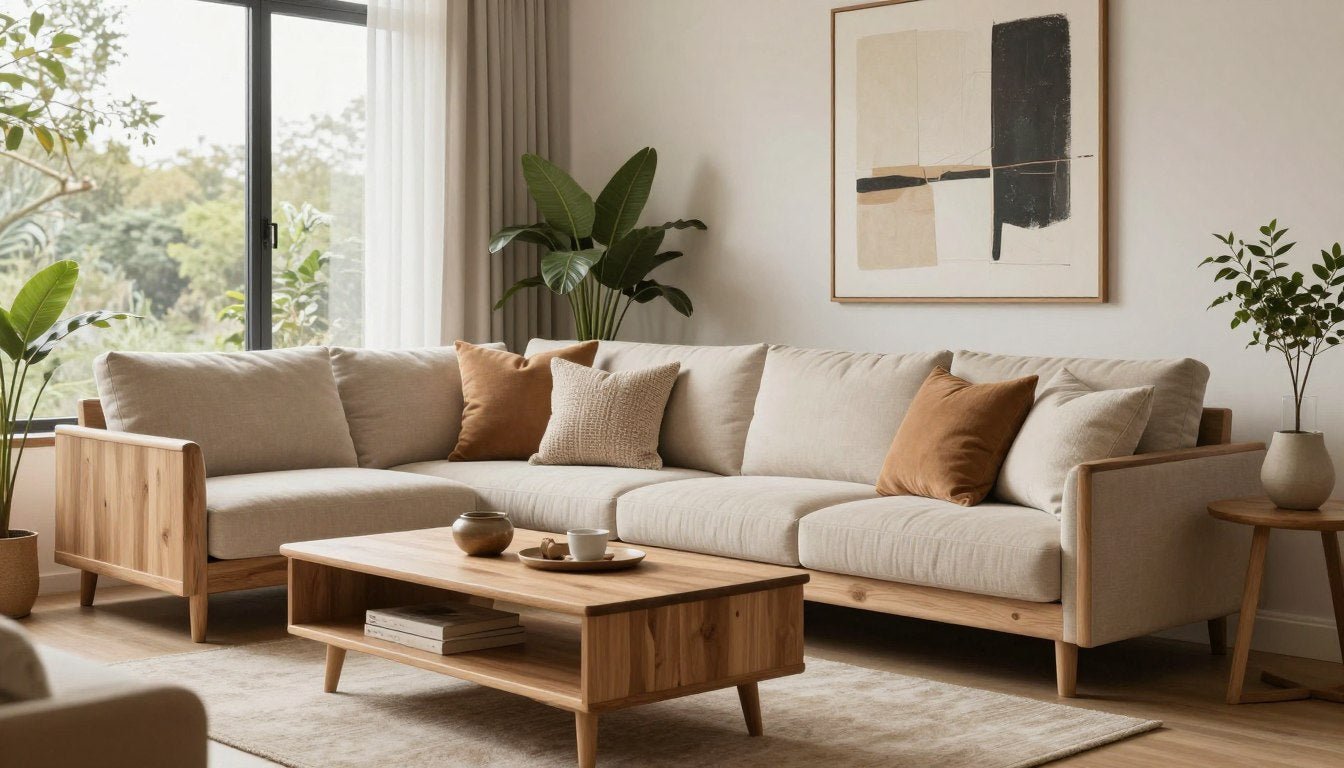

The world of interior design is experiencing a profound shift toward spaces that nurture both comfort and personal expression. Homeowners across the United States are moving away from stark minimalism and embracing interiors that tell stories, celebrate craftsmanship, and create genuine warmth. This transformation reflects a deeper understanding that our homes should be sanctuaries that support our wellbeing while expressing our unique character.
Today's interior design trends emphasize authenticity over perfection. People are seeking spaces that feel collected rather than decorated, layered rather than sparse, and personal rather than generic. This evolution represents more than aesthetic preference. It signals a fundamental change in how we relate to our living environments.
Our comprehensive exploration reveals sixteen significant trends reshaping American interiors. From the materials we choose to the colors we embrace, these movements offer practical pathways to transform your space. For ongoing inspiration and deeper insights into implementing these trends, explore our design blog, where we regularly share expert guidance and creative ideas.
The Return to Natural Materials and Organic Textures

Natural materials are reclaiming their essential place in American homes, bringing authenticity and warmth that synthetic alternatives cannot replicate. Wood, stone, clay, and natural fibers create spaces with character and depth. This trend reflects a growing desire to reconnect with nature, even within urban environments.
Designers are showcasing wood in its most honest forms. Furniture pieces celebrate visible grain patterns, natural knots, and live edges that tell the story of the tree's growth. Rather than concealing these organic characteristics, contemporary interiors highlight them as beautiful imperfections that add soul to a space.
The use of natural materials extends beyond furniture. Stone countertops with unique veining, clay tiles with subtle color variations, and woven textiles made from organic fibers are becoming essential elements. These materials age gracefully, developing patina that enhances their beauty over time rather than diminishing it.
Texture plays a crucial role in this trend. Rough-hewn wood beams contrast beautifully with smooth plaster walls. Nubby linen upholstery provides tactile interest alongside sleek leather. This interplay of textures creates visual richness and makes spaces feel more engaging and comfortable.
Warm Earth Tones Replace Cool Gray Dominance

Color palettes are undergoing a dramatic transformation as homeowners move away from the cool grays that dominated the previous decade. Warm earth tones are creating interiors that feel nurturing and grounded. Terracotta, ochre, rust, caramel, and sandy beige are replacing stark whites and sterile grays.
These color choices reflect a psychological shift toward comfort. After years of minimalist austerity, people crave warmth in their living spaces. Designers report that clients consistently request paint colors and furnishings in shades that evoke natural landscapes and golden-hour sunlight.
The beauty of earth tones lies in their versatility. They work equally well in traditional and contemporary spaces. A terracotta accent wall can anchor a modern living room, while warm caramel tones create cozy intimacy in a bedroom. These shades also complement natural materials beautifully, creating cohesive design schemes.
Layering different earth tones adds sophistication. Combining burnt sienna with soft cream, or pairing rust with sandy beige, creates depth without overwhelming the senses. This approach allows rooms to feel complex and curated while maintaining their essential warmth and accessibility.
Multifunctional Spaces for Modern Living Needs

The way Americans use their homes has evolved dramatically, creating demand for spaces that adapt to multiple functions. The traditional single-purpose room is giving way to flexible environments that transform throughout the day. This shift represents one of the most practical interior design trends reshaping residential architecture.
Living rooms now frequently incorporate workspace zones that can be concealed when not in use. Dining areas transform into homework stations or craft spaces. Guest bedrooms double as home gyms or hobby rooms. This flexibility allows homeowners to maximize every square foot while maintaining aesthetic appeal.
Furniture selection has become crucial in creating these adaptable spaces. Designers favor pieces that serve multiple purposes without appearing utilitarian. A beautiful console table might hide a fold-down desk. An elegant ottoman conceals storage. A comfortable sofa converts to accommodate overnight guests.
Smart storage solutions make multifunctional spaces possible. Built-in cabinetry, hidden compartments, and modular shelving systems keep rooms organized and allow quick transitions between different uses. The key is designing these elements to blend seamlessly with the room's aesthetic rather than standing out as purely functional additions.

Space-Saving Furniture
Innovative furniture designs maximize functionality without sacrificing style or comfort in modern interiors.

Integrated Storage
Custom storage solutions blend seamlessly into room design while keeping spaces organized and clutter-free.
Statement Art as Personal Expression and Focal Points

Art has emerged as a defining element in contemporary interiors, moving beyond mere decoration to become the heart of personal expression. Homeowners are investing in pieces that resonate with their values, experiences, and aesthetic sensibilities. This trend reflects a broader shift toward interiors that tell authentic stories.
Large-scale art pieces are particularly popular, serving as commanding focal points that anchor entire rooms. A substantial canvas print or original painting can define a living room's character, influence color choices throughout the space, and create conversation-starting visual impact. Designers recommend selecting art first, then building the room's palette around it.
The types of art people choose reveal their personalities and interests. Abstract works bring energy and movement to minimalist spaces. Landscape paintings connect urban dwellers to nature. Figurative pieces add human warmth. The key is selecting art that genuinely speaks to you rather than following trends or matching furniture.
Discover how museum-quality canvas prints can transform your walls with sophisticated artistic expression. These gallery-worthy pieces offer exceptional craftsmanship and visual impact, allowing you to create stunning focal points that reflect your unique aesthetic vision.
Transform Your Space with Gallery-Quality Art
Explore our curated collection of canvas prints featuring contemporary designs that complement today's interior design trends. Each piece is crafted with museum-quality materials to create stunning focal points in your home.
Visual Inspiration: Bringing Design Trends to Life
Understanding interior design trends becomes easier when you can see them implemented in real spaces. Video content provides dynamic perspectives on how colors, materials, and furniture work together to create cohesive interiors. Our YouTube channel offers detailed explorations of design concepts, artistic techniques, and creative inspiration.
These visual resources help bridge the gap between inspiration and implementation. Watching how designers layer textures, combine colors, and arrange furniture provides practical insights that static images cannot convey. You'll discover nuances of lighting, scale, and proportion that bring designs to life.
Curved Furniture and Organic Forms Soften Interiors

Sharp angles and rigid lines are giving way to softer, more organic forms throughout American homes. Curved sofas, rounded tables, arched doorways, and circular mirrors are creating interiors that feel more welcoming and less austere. This trend reflects a desire for comfort and visual gentleness in our living spaces.
The curved sofa has become particularly iconic in contemporary design. These pieces invite relaxation and conversation in ways that angular furniture cannot. Their sculptural quality adds visual interest while their embracing forms create cozy seating arrangements that encourage people to linger.
Designers are incorporating curves at multiple levels. Architectural elements like arched doorways and rounded alcoves soften room transitions. Furniture with curved edges prevents sharp corners that feel harsh or dangerous, especially in homes with children. Even smaller elements like rounded vases and circular artwork contribute to this softer aesthetic.
The psychology behind this trend is compelling. Curved forms are associated with safety, comfort, and natural environments. They create flow and movement within spaces, guiding the eye smoothly rather than creating jarring visual stops. Rooms with curved elements feel more harmonious and peaceful.
Sustainable Materials and Conscious Consumption

Environmental consciousness has moved from niche concern to mainstream priority in interior design. Homeowners are making deliberate choices about materials, sourcing, and longevity. This trend encompasses everything from selecting sustainably harvested wood to choosing furniture built to last generations rather than seasons.
Reclaimed and recycled materials are gaining prestige rather than being seen as budget alternatives. Furniture crafted from reclaimed barn wood or industrial salvage carries unique character and environmental credibility. Textiles made from recycled fibers offer quality and beauty while reducing waste.
Designers emphasize the importance of investing in fewer, better pieces. Rather than frequently replacing inexpensive furniture, conscious consumers purchase well-crafted items that improve with age. This approach reduces environmental impact while creating interiors with genuine character and lasting value.
Local sourcing has become increasingly important. Many homeowners prefer working with local artisans and craftspeople, reducing transportation impact while supporting their communities. This trend also allows for greater customization and direct relationships with makers, adding meaning to furniture and decor choices.
Benefits of Sustainable Design
- Reduces environmental impact through conscious material choices
- Creates healthier indoor air quality with low-VOC materials
- Supports local economies and traditional craftsmanship
- Results in higher-quality, longer-lasting furnishings
- Adds unique character through reclaimed materials
- Aligns home design with personal values
Considerations
- Initial investment may be higher than mass-produced alternatives
- Availability of sustainable options varies by region
- Requires research to verify environmental claims
- Custom pieces may have longer lead times
- Limited selection compared to conventional furniture retailers
Maximalist Layering and Collected Aesthetics

After years of minimalist dominance, maximalist approaches are flourishing as people embrace personal expression over restraint. This doesn't mean cluttered chaos. Rather, it reflects thoughtful layering, pattern mixing, and the display of meaningful collections. The maximalist trend celebrates abundance when it's curated with intention.
Successful maximalist spaces share common characteristics. They feature deliberate color stories that unify diverse elements. They balance busy patterns with solid colors. They include negative space that allows the eye to rest. The key is creating visual richness without overwhelming the senses.
Pattern mixing has become an art form within this trend. Designers skillfully combine florals with geometrics, stripes with paisleys, creating dynamic interiors that feel joyful rather than chaotic. The secret lies in maintaining consistent color palettes or repeating certain motifs across different patterns.
Displaying collections has gained new appreciation. Whether vintage pottery, travel souvenirs, or family photographs, thoughtfully arranged collections tell personal stories and create visual interest. The trend moves away from hiding belongings behind closed doors, instead celebrating the things we love by giving them prominence in our spaces.
Investing in Original Art for Lasting Impact

While prints and reproductions serve important roles, original art offers irreplaceable qualities that elevate interiors beyond decoration. The texture of brushstrokes, the subtlety of color variations, and the presence of a unique creation bring depth that reproductions cannot match. Collectors increasingly view original art as both aesthetic enhancement and meaningful investment.
Original paintings carry energy that transforms spaces. The artist's hand is visible in every mark, creating connection between maker, work, and viewer. This authenticity resonates in ways that mass-produced pieces simply cannot, adding soul and distinction to interiors.
From an investment perspective, original art often appreciates over time, particularly when acquired from emerging or established artists. Unlike furniture that depreciates, quality art maintains or increases value, making it both a beautiful addition to your home and a prudent financial decision.
The process of selecting original art is deeply personal and rewarding. Working directly with artists or galleries allows you to understand the story behind each piece, creating meaningful connections that enhance your appreciation every time you view the work in your space.

Abstract Expressions
Contemporary abstract works bring movement, energy, and sophisticated color palettes that complement modern interiors beautifully.

Nature Inspired
Landscape and botanical works connect urban spaces to natural world, creating calming focal points with organic subject matter.

Figurative Works
Human-centered art adds warmth and narrative depth, creating emotional connections that make spaces feel more personal.
For those seeking to make a meaningful investment in their interiors, exploring original paintings offers the opportunity to own unique pieces that will appreciate in both aesthetic and financial value over time. Each original work brings irreplaceable character and artistic integrity to your home.
Discover Investment-Grade Original Art
Browse our collection of original paintings created with professional techniques and premium materials. Each piece is a unique creation that brings authentic artistic expression and lasting value to your interior design.
Kitchen Design: From Sterile to Warm and Lived-In

Kitchen design is shifting dramatically away from the all-white, ultra-minimalist aesthetic that dominated recent years. Today's kitchens embrace warmth, character, and visibility of daily life. This transformation reflects changing attitudes about how we use and experience these essential spaces.
Color has returned to kitchen cabinetry. Deep greens, warm woods, navy blues, and even black create sophisticated alternatives to endless white. These richer tones add personality and make kitchens feel like integral parts of the home rather than sterile food preparation zones.
Open shelving continues gaining popularity despite requiring more maintenance. The trend reflects a desire to display beautiful dishware, favorite cookbooks, and collected kitchen items. This visibility makes kitchens feel more personal and lived-in, celebrating the objects we use daily rather than hiding them away.
Mixed materials and finishes add complexity to kitchen design. Combining wood with metal, matte with polished surfaces, and various stone types creates visual interest and breaks up the monotony of identical cabinetry. This layered approach makes kitchens feel curated and sophisticated.
Vintage and antique elements are finding homes in contemporary kitchens. An old farmhouse sink, vintage light fixtures, or reclaimed wood beams add history and character. These elements contrast beautifully with modern appliances and contemporary design, creating kitchens with depth and story.
Bedrooms as Personal Sanctuaries and Retreat Spaces

Bedroom design has evolved beyond simple sleeping quarters to become holistic sanctuaries focused on rest, restoration, and personal wellbeing. This trend reflects growing awareness of sleep quality's importance and desire for spaces that support mental health and relaxation.
Layered textiles create cocoon-like comfort in contemporary bedrooms. Multiple pillows, textured throws, quality bedding in natural fibers, and soft rugs underfoot all contribute to sensory richness that invites relaxation. The emphasis is on tactile pleasure and physical comfort.
Color choices in bedrooms lean toward calming, muted tones. Soft blues, gentle greens, warm neutrals, and earthy shades create environments that lower stress and encourage rest. Designers avoid overly stimulating colors or busy patterns that might interfere with the room's primary purpose.
Lighting design receives careful attention in bedroom spaces. Multiple sources at different levels allow adjustment for various activities and times of day. Dimmable fixtures, bedside reading lights, and elimination of harsh overhead lighting create flexibility and ambiance.
Personal touches transform bedrooms into true sanctuaries. Meaningful artwork, favorite books, cherished objects, and plants create environments that reflect individual personalities and support emotional wellbeing. The trend moves away from hotel-like impersonality toward spaces that nurture and comfort.
Sculptural Elements and Three-Dimensional Art

Two-dimensional art is sharing wall space with sculptural elements that add physical depth and dramatic presence to interiors. This trend reflects desire for spaces with genuine dimension and character. Sculptures, wall-mounted three-dimensional works, and architectural art pieces create focal points with commanding presence.
Modern sculptures range from abstract forms to figurative works, each bringing unique energy to spaces. A carefully selected sculpture can anchor a room's design, influence traffic flow, and create conversation. These pieces function as furniture and art simultaneously, maximizing their impact and value.
Wall-mounted sculptural art provides dimension without consuming floor space. Ceramic tiles with relief patterns, metal wall sculptures, and mixed-media pieces create shadows and depth that change with lighting throughout the day. This dynamic quality makes them endlessly interesting.
The material palette for sculptures has expanded dramatically. Bronze, stone, wood, ceramic, resin, and mixed materials each bring distinct aesthetic qualities. Designers often select sculptural materials that contrast with their surroundings, creating visual tension that energizes spaces.

Metal Sculptures
Polished or patinated metal pieces bring reflective surfaces and contemporary edge to modern interiors.

Organic Forms
Wood and stone sculptures with flowing, natural shapes connect interiors to organic world with tactile appeal.

Ceramic Art
Glazed ceramic sculptures offer color, texture, and handcrafted authenticity with diverse artistic expressions.
Incorporating modern sculptures into your design adds dimensional interest that flat artwork cannot provide. These three-dimensional pieces create dynamic focal points that change with viewing angle and lighting, bringing sophisticated artistic presence to any room.
Add Dimensional Art to Your Space
Explore our collection of contemporary sculptures that bring physical depth and artistic sophistication to modern interiors. Each piece is crafted to serve as a stunning focal point while complementing your overall design aesthetic.
Biophilic Design: Bringing Nature Indoors

Biophilic design principles are transforming interiors by strengthening connections between indoor spaces and natural world. This approach goes beyond adding houseplants to encompass natural light, materials, colors, and forms that evoke nature. Research confirms what designers intuitively know: spaces incorporating natural elements improve wellbeing and reduce stress.
Plants have become essential design elements rather than afterthoughts. Large statement plants anchor corners and empty spaces. Hanging plants add visual interest at varying heights. Grouped collections create indoor garden moments. The variety of species available allows designers to match plants to lighting conditions and aesthetic preferences.
Natural light receives prioritized attention in biophilic design. Maximizing window exposure, using sheer window treatments, and positioning furniture to take advantage of sunlight patterns all contribute to spaces that feel connected to outdoor environments. When natural light is limited, full-spectrum artificial lighting mimics sunlight's qualities.
Water features bring soothing sounds and visual movement indoors. Small fountains, aquariums, or even artwork depicting water create psychological connections to nature. The sound of moving water has proven stress-reducing effects that make spaces feel more peaceful.
Color palettes in biophilic design draw directly from natural environments. Greens, browns, blues, and earth tones create color stories that feel instinctively comfortable. These shades work harmoniously with natural materials to create cohesive interiors that support human wellbeing.
Mixing Vintage and Contemporary for Unique Character

The most compelling interiors today skillfully blend vintage and contemporary elements, creating spaces with depth, character, and story. This trend moves away from matching furniture sets toward curated collections that span eras and styles. The approach requires confidence and good eye but results in interiors that feel genuinely personal.
Successful mixing requires understanding scale, proportion, and balance. A single vintage piece can anchor an otherwise contemporary room. Conversely, modern furniture can update a space filled with antiques. The key is ensuring pieces share some common element—whether color, material, or form—that creates visual connection.
Vintage furniture often offers superior craftsmanship and materials compared to contemporary mass-produced pieces. An antique dresser or vintage dining table brings quality and character that new furniture cannot replicate. These pieces become conversation starters and family heirlooms.
Shopping secondhand and vintage has environmental benefits alongside aesthetic advantages. Giving existing furniture new life reduces waste and consumption. It also allows access to unique pieces that add genuine individuality to your space.
The hunt for perfect vintage pieces has become part of the design process many people enjoy. Scouring estate sales, antique shops, and online marketplaces becomes treasure hunting that yields unique discoveries. This active participation in designing your space creates stronger emotional connection to your home.
Embracing Darker, Moodier Color Schemes

While earth tones dominate one trend direction, another movement embraces darker, more dramatic color schemes. Deep charcoals, navy blues, forest greens, and even black create sophisticated, cocoon-like interiors. This approach works particularly well in rooms used primarily in evening hours or spaces where dramatic atmosphere is desired.
Dark walls create intimacy and focus. They make rooms feel enveloping and comfortable rather than stark. Contrary to common belief, dark colors don't necessarily make spaces feel smaller. When executed skillfully with proper lighting, they can actually make boundaries recede, creating sense of expanded space.
Lighting becomes crucial in darker interiors. Multiple light sources at various levels create depth and prevent rooms from feeling cave-like. Ambient lighting provides overall illumination, task lighting supports specific activities, and accent lighting highlights artwork or architectural features.
Dark backgrounds make artwork and decorative objects stand out dramatically. Light-colored furniture or accessories pop against dark walls, creating high contrast that adds visual excitement. This backdrop effect makes collections and cherished pieces more prominent.
Moody interiors work beautifully in specific rooms. Dining rooms gain elegance and intimacy. Bedrooms become cozy retreats. Libraries and studies feel sophisticated and focused. The key is balancing darkness with adequate lighting and ensuring the approach suits the room's function and your lifestyle.
Celebrating Handmade and Artisan Craftsmanship

Mass production is losing appeal as homeowners increasingly value handmade items that showcase artisan skill and individual craftsmanship. This trend reflects desire for authenticity, quality, and connection to makers. Handcrafted furniture, pottery, textiles, and decorative objects bring soul to interiors in ways factory-made items cannot.
Artisan pieces tell stories. The maker's hand is visible in slight irregularities that prove human creation. These "imperfections" are actually marks of authenticity that make each piece unique. Understanding the process and skill behind handmade items creates appreciation that enhances their value in your home.
Supporting artisan makers connects consumers directly to creative individuals and small workshops. This relationship adds meaning to purchases and supports traditional crafts and contemporary makers. Many homeowners appreciate knowing exactly who made their furniture or pottery and understanding their creative process.
Handmade items often use superior materials and construction methods compared to mass-produced alternatives. Artisan furniture makers select premium woods and use traditional joinery. Potters use high-fire clays and unique glazes. Textile artists use natural fibers and traditional techniques. This quality ensures longevity and beauty that improves with age.
Mixing handmade pieces with other elements creates interiors with genuine character. An artisan-made dining table becomes the heart of your home. Handcrafted pottery displayed on open shelving adds personal touch. Woven textiles bring warmth and texture. These pieces ground spaces in authenticity.
Integrated Technology That Doesn't Dominate Design

Technology integration in homes has reached new sophistication, with emphasis on functionality that doesn't compromise aesthetic. Smart home features are becoming invisible, controlled through voice commands or smartphone apps rather than visible panels and wires. This allows technology to enhance comfort without disrupting design.
Television integration presents particular design challenges. Solutions include hiding screens behind artwork that slides away, incorporating them into gallery walls where they blend as one element among many, or concealing them in cabinetry. When screens aren't in use, they don't dominate the space.
Lighting control systems allow sophisticated scene-setting without visible switches and dimmers. Motorized window treatments operate silently and invisibly. Climate control responds to occupancy and preferences automatically. These systems improve comfort while maintaining clean, uncluttered aesthetics.
Charging stations and cable management receive thoughtful design attention. Furniture with integrated wireless charging eliminates visible cords. Cable channels hide necessary wires. The goal is allowing technology use without visual clutter that disrupts carefully designed spaces.
Displaying Personal Collections as Design Features

Personal collections are emerging from storage to become celebrated design features. Whether books, pottery, vintage finds, or travel souvenirs, thoughtfully displayed collections add personality and visual interest while telling your story. This trend validates displaying things you love rather than hiding them away.
Successful collection display requires thoughtful curation and arrangement. Grouping similar items creates impact through repetition. Using consistent display methods—matching frames, uniform shelving, or complementary containers—creates cohesion. The goal is intentional presentation rather than random accumulation.
Books deserve particular mention in this trend. Personal libraries are being celebrated rather than hidden. Floor-to-ceiling bookshelves make architectural statements. Books styled by color create rainbow effects. Stacked books serve as side tables or decorative elements. The trend recognizes books as beautiful objects worth displaying.
Collections need not be valuable to deserve display. What matters is personal meaning and aesthetic presentation. Vintage cameras, seashells from family beach trips, or grandmother's teacup collection all merit thoughtful display that honors their significance in your life.
Creating Your Personal Design Vision

These sixteen interior design trends offer pathways to transform your space, but the most successful interiors don't follow trends blindly. They thoughtfully select elements that resonate with personal style, practical needs, and lifestyle requirements. Your home should reflect who you are rather than simply mirroring current fashion.
Begin by identifying which trends speak to you most strongly. Perhaps natural materials and earth tones align with your aesthetic sensibility. Maybe you're drawn to maximalist layering or moody dramatic colors. Understanding your preferences provides foundation for design decisions that you'll love long-term.
Consider your practical needs alongside aesthetic desires. Multifunctional spaces might be essential for your lifestyle. Sustainable materials might align with your values. Technology integration might support how you live. The best designs balance beauty with functionality.
Implementation doesn't require wholesale room renovations. Start with impactful changes like adding statement art, incorporating natural materials through accessories, or refreshing your color palette with textiles. Layer changes gradually, allowing your space to evolve organically rather than forcing complete transformation.
Remember that your home is personal sanctuary that should support your wellbeing and reflect your story. These trends provide inspiration and direction, but your unique vision creates spaces where you'll truly thrive. Trust your instincts and create interiors that feel authentically yours.
For continued inspiration and practical guidance on implementing these trends, visit our design blog, where we regularly share expert insights, project showcases, and creative ideas to help you transform your space with confidence and style.
Transform Your Space with Curated Art and Design
Ready to bring these interior design trends into your home? Explore our complete collection of canvas prints, original paintings, and modern sculptures. Each piece is selected to complement contemporary design aesthetics while bringing lasting artistic value to your space. Discover art that transforms rooms into reflections of your personal style.


Leave a comment
This site is protected by hCaptcha and the hCaptcha Privacy Policy and Terms of Service apply.