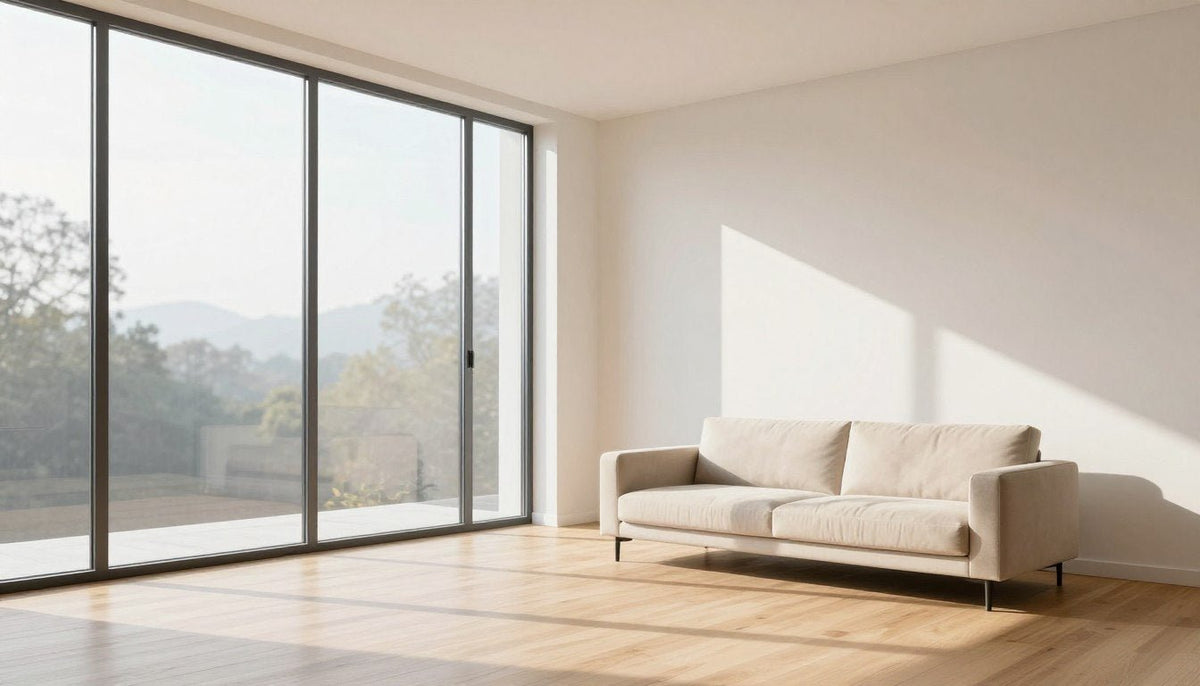
Minimalist interior design often walks a fine line. When done right, it creates calm, functional spaces that feel like a breath of fresh air. When done wrong, it leaves rooms feeling stark, unwelcoming, and impersonal.
The difference lies not in following rigid rules. Instead, it comes from understanding how to balance simplicity with warmth. This guide reveals practical strategies to transform minimal spaces into inviting homes that actually work for daily life.
You'll discover how to add personality without clutter. You'll learn which elements create warmth without compromising the clean aesthetic. Most importantly, you'll see how thoughtful art choices bridge the gap between minimalist principles and livable comfort.
The Foundation: Warmth Through Intentional Design Choices

Natural Light as Your First Design Element
Natural light transforms minimalist spaces from sterile to serene. Light creates depth, highlights textures, and changes throughout the day to keep rooms dynamic.
Large windows become architectural features in minimal design. They frame outdoor views like living artwork. Floor-to-ceiling glass dissolves boundaries between inside and outside, making small spaces feel expansive.
Window treatments should enhance rather than block light. Sheer linen curtains filter harsh sun while maintaining brightness. Simple roller blinds provide privacy without visual weight.
Position furniture to maximize natural light flow. Place seating near windows for reading spots. Arrange mirrors opposite light sources to amplify brightness and create visual interest through reflection.
The Color Palette That Creates Connection
Minimalist design doesn't mean colorless design. The right color scheme makes spaces feel grounded and comfortable rather than clinical.
Warm whites create the perfect backdrop. Choose whites with cream or beige undertones instead of stark cool whites. These subtle tones add warmth while maintaining the clean minimalist aesthetic.
Neutral palettes work best when layered. Combine multiple shades of the same color family. Pair light gray walls with charcoal accents and medium-tone furniture for visual depth without pattern overload.
Strategic color accents prevent monotony. A single accent wall in warm terracotta or deep forest green adds personality. Alternatively, introduce color through carefully selected abstract canvas prints that complement your palette.
Minimalist Art That Adds Warmth Without Clutter
These curated prints bring personality to minimal spaces while honoring clean design principles. Each piece creates a focal point that makes rooms feel finished and intentional.

Warm Abstract Geometry
Soft organic shapes in earthy tones add visual interest without overwhelming minimal spaces. The textured appearance creates depth that makes white walls feel intentional rather than empty.

Elegant Line Art
Single-line botanical drawings bring nature indoors with maximum impact and minimal visual weight. Perfect for creating focal points in entryways or above minimalist furniture.

Bold Monochrome Contrast
High-contrast black and white designs make powerful statements in neutral rooms. These pieces prove that minimalist doesn't mean boring when composition creates drama.
Texture and Materials: The Tactile Dimension of Minimalist Living Rooms

Why Texture Matters in Minimal Spaces
Texture provides visual interest when color and pattern take a back seat. In minimal design, texture becomes the primary tool for creating depth and warmth.
Your eye naturally seeks variation. In rooms stripped of decorative objects, texture gives your gaze places to rest and explore. This prevents the dreaded "hotel lobby" feeling that plagues poorly executed minimalist spaces.
Different materials catch light in unique ways. Matte surfaces absorb light for calm areas. Glossy elements reflect light to create energy. Natural materials like wood and linen introduce organic irregularity that feels inherently comfortable.
Combining Materials for Visual Richness
The most inviting minimalist living room design incorporates multiple natural materials. Wood brings warmth through grain patterns and honey tones. Stone or concrete adds weight and grounding. Metal introduces refined shine without excessive decoration.
Textiles soften hard surfaces essential to minimal aesthetics. A chunky knit throw adds cozy texture to a smooth leather sofa. Linen curtains provide softness against hard-lined windows. Wool rugs define spaces while adding acoustic warmth to echo-prone minimal rooms.
Balance smooth with rough textures. Pair polished concrete floors with a natural jute rug. Combine a glass coffee table with a woven basket for storage. This contrast creates dynamic interest while maintaining the clean minimalist look.
Canvas art contributes important texture to walls. The fabric surface of gallery-quality canvas prints adds subtle dimension that flat posters cannot match. The raised texture catches light and creates shadows that change throughout the day.
The Role of Natural Materials
Natural materials prevent minimalist spaces from feeling synthetic or cold. Wood furniture anchors rooms with organic warmth. Oak, walnut, and teak bring rich tones that complement neutral color schemes without demanding attention.
Stone elements add permanence and sophistication. A marble coffee table becomes sculptural art. Granite countertops provide visual weight in minimal kitchens. Even small stone accessories like bookends contribute grounding energy.
Live plants introduce the ultimate natural material. A single statement plant can anchor an entire room. Fiddle leaf figs or monstera deliciosa work well in minimalist living rooms, providing bold shapes that match clean-lined furniture. Smaller botanical wall art extends the natural theme to vertical spaces.
Furniture Selection: Form Meets Function in Minimalist Design

Choosing Pieces That Earn Their Place
Every furniture piece in minimal design must justify its presence. This doesn't mean sparse or uncomfortable. It means selecting items that serve clear purposes while contributing to overall aesthetics.
Multi-functional furniture maximizes space efficiency. Storage ottomans serve as seating, footrests, and hidden storage. Extendable dining tables adapt to daily meals or dinner parties. Sofa beds transform living rooms into guest rooms without dedicated space.
Scale matters intensely in minimal spaces. Oversized furniture overwhelms small rooms and contradicts the principle of breathing room. Conversely, furniture that's too small makes spaces feel unfinished. Choose pieces proportional to room dimensions.
Quality over quantity defines minimalist furniture philosophy. One exceptional sofa beats three mediocre pieces. Invest in well-crafted items with clean lines that will age gracefully rather than trendy pieces requiring frequent replacement.
The Clean Lines Philosophy
Clean lines characterize minimalist furniture design. Straight edges and geometric shapes create visual calm. Avoid ornate details, carved elements, or excessive curves that create visual complexity.
Low-profile furniture enhances space perception. Platform beds, low-slung sofas, and streamlined coffee tables keep sightlines open. This horizontal emphasis makes ceilings feel higher and rooms feel larger.
Legs matter more than you think. Furniture with visible legs creates visual lightness by showing floor beneath. This makes rooms feel more spacious than furniture that sits directly on the floor. Tapered legs add elegance without decoration.
Neutral furniture colors maintain flexibility. Beige, gray, and white upholstery adapt as your style evolves. These colors also allow accent pieces and wall art to take center stage. When considering living room wall art, neutral furniture provides the perfect backdrop for bolder artistic choices.
Storage as Design Element
Hidden storage preserves clean aesthetics while solving practical needs. Built-in cabinets blend into walls. Under-bed storage eliminates visible clutter. Behind-door organizers maximize vertical space without visible presence.
Open shelving works in minimal design when curated carefully. Display only your most beautiful or meaningful items. Leave generous space between objects so each piece can breathe. This transforms storage into gallery-style display.
Closed storage prevents visual chaos. Cabinets with smooth fronts hide everyday items that would otherwise create clutter. Push-to-open mechanisms eliminate handles for truly seamless appearances.
Match This Vibe to Your Space
Finding the right art transforms minimalist rooms from empty to complete. These collections offer pieces that enhance rather than overwhelm clean design.

Creating Focal Points Without Overwhelming the Space
The Power of the Intentional Focal Point
Every room needs somewhere for the eye to land. In maximalist design, multiple elements compete for attention. In minimalist design, the focal point reigns supreme precisely because it stands alone.
A focal point prevents spaces from feeling aimless. It gives rooms purpose and direction. This doesn't require elaborate design. Sometimes the focal point is architectural, like a fireplace or large window. Other times you create it through careful placement of art, furniture, or an accent wall.
Art serves as the ideal minimalist focal point. A large-scale canvas print commands attention without physical clutter. It adds personality and color while remaining true to minimal principles. The flat surface doesn't interrupt space flow like three-dimensional decor pieces might. If you're unsure where to start, our expert guide to minimalist wall art ideas walks through how to choose a piece that anchors the room without disrupting its calm.

Accent Walls in Minimal Design
An accent wall creates a focal point through color contrast. In rooms dominated by white walls, one wall in a deeper hue adds drama without overwhelming. Charcoal gray, sage green, or warm terracotta work beautifully in minimalist spaces.
Texture creates accent walls without color. Wood planking adds warmth and grain patterns. Exposed brick introduces industrial character. Textured plaster or concrete finishes provide subtle visual interest that changes with light throughout the day.
Accent walls work best behind key furniture pieces. Place your accent behind the bed in bedrooms. Position it behind the sofa in living rooms. This anchors furniture arrangements and creates natural visual hierarchy.
Wall art can define an accent wall without paint. A gallery wall of coordinated line art prints creates visual weight on one wall while leaving others bare. This achieves similar impact with more flexibility than permanent paint colors.
Balancing Symmetry and Asymmetry
Symmetry feels calm and orderly. It works well in formal spaces or when you want maximum serenity. Matching nightstands flanking a bed or identical chairs facing a fireplace create balanced compositions that feel complete.
Asymmetry introduces energy and modernity. It prevents minimalist spaces from feeling too rigid or museum-like. An off-center coffee table or single statement chair creates intentional imperfection that feels lived-in.
Mix both approaches for the most inviting results. Maintain symmetry in major furniture placement for foundational calm. Introduce asymmetry through accessories, lighting, or art placement to keep things interesting. This balance prevents both stuffiness and chaos.
Lighting: Layering for Warmth and Functionality
The Three-Layer Lighting Approach
Professional designers use three lighting types: ambient, task, and accent. This layering creates depth and adaptability that single-source lighting cannot achieve.
Ambient lighting provides overall illumination. Recessed ceiling lights or flush-mount fixtures work well in minimal spaces. They provide necessary brightness without visual clutter. Dimmer switches let you adjust ambient light for different moods and times of day.
Task lighting serves specific functions. Reading lamps beside seating areas, pendant lights over kitchen islands, or desk lamps in home offices ensure adequate light for activities. Choose task lighting with clean, simple forms that match your minimal aesthetic.
Accent lighting highlights focal points and creates atmosphere. Track lighting can spotlight wall art. LED strips under cabinets add subtle glow. Uplighting behind plants creates dramatic shadows that add visual interest to blank walls.

Fixture Selection for Minimal Style
Light fixtures themselves contribute to room aesthetics. In minimal design, fixtures should be sculptural yet simple. Avoid ornate chandeliers or fussy table lamps with excessive decoration.
Modern pendant lights with geometric shapes work beautifully. Sphere, cylinder, or cone shapes provide visual interest through form rather than embellishment. Metallic finishes in brass, copper, or matte black add subtle luxury.
Floor lamps with arc designs maximize function while minimizing footprint. They provide overhead lighting without ceiling installation. The curved form adds graceful lines that complement rather than clash with angular minimalist furniture.
Natural Light Maximization
Natural light remains the most beautiful and cost-effective lighting. Maximize it through strategic design choices. Keep windows unobstructed by heavy curtains or furniture. Use light-colored walls to reflect rather than absorb natural light.
Mirrors strategically placed opposite windows amplify natural light. They also create the illusion of additional windows, making rooms feel more open and connected to the outdoors. Choose mirrors with simple frames or frameless designs to maintain minimal aesthetics.
Skylights transform dark interior spaces when possible. They flood rooms with overhead light that changes throughout the day. This adds dynamic quality that makes minimalist spaces feel alive rather than static.
Personal Touches: Adding Character Without Clutter

The Curated Approach to Decor
Minimalist design doesn't mean eliminating personality. It means curating ruthlessly so each personal element carries maximum impact. Quality trumps quantity in every decision.
Display only what you truly love. That collection of travel souvenirs might hold memories, but does each piece deserve prime display real estate? Choose one or two favorites that represent the whole experience. Store the rest or rotate displays seasonally.
Create intentional vignettes rather than scattered decor. Group a few complementary items on a side table or shelf. A small plant, a meaningful book, and a simple candle create a curated moment. Leave generous space around the group so it reads as deliberate rather than cluttered.
Empty space serves as design element itself. The Japanese concept of "ma" celebrates negative space as essential to composition. Open surfaces and bare walls let your chosen pieces breathe and gain importance. This restraint paradoxically makes rooms feel richer, not poorer.
Incorporating Personal Art and Photos
Personal photographs deserve display in minimal homes, but presentation matters. Avoid refrigerator-magnet chaos or crowded photo collages. Instead, mat and frame a few favorite images professionally. Choose simple frames in consistent colors.
Gallery walls work when planned carefully. Select images with complementary tones or themes. Arrange them in clean grids rather than organic clusters. Leave equal spacing between frames for order. Keep the number manageable, perhaps five to nine pieces maximum.
Mix personal photos with purchased art for sophistication. A black and white family portrait hung beside abstract portrait prints elevates both. The purchased pieces provide artistic merit while personal images add meaning.
Original artwork makes the strongest personal statement. If you create art yourself, display your best work prominently. A single large piece you painted carries more significance than a dozen store-bought prints. Alternatively, invest in original paintings from artists whose vision resonates with your own aesthetic.
Plants as Living Decor Elements
Plants bring irreplaceable life to minimal spaces. They introduce organic shapes, natural green tones, and literal growth that makes rooms feel dynamic. Even dedicated minimalists benefit from strategic greenery.
Large statement plants work better than many small ones. A single fiddle leaf fig or rubber plant in a corner makes more impact than scattered succulents. The bold form complements clean-lined furniture while the pot becomes a design element when chosen carefully.
Choose pots that support minimal aesthetics. Simple ceramic planters in white, gray, or black blend seamlessly. Concrete pots add industrial edge. Woven baskets introduce texture while hiding plastic nursery containers. Avoid busy patterns or colors that compete with room design.
Low-maintenance varieties suit minimalist lifestyles. Snake plants, pothos, and ZZ plants thrive on neglect while adding beauty. They require minimal care and equipment, avoiding the clutter of special tools, fertilizers, and accessories.
Room-by-Room Minimalist Applications
Minimalist Living Room Design That Welcomes

The living room presents unique challenges for minimal design because it serves multiple functions. It must accommodate conversation, entertainment, relaxation, and often dining or work. Success requires careful furniture selection and flexible arrangements.
Start with a quality sofa as your anchor piece. Choose comfortable seating in a neutral color that will adapt as your style evolves. Ensure adequate seating for typical gatherings without overcrowding. Two chairs can supplement a sofa without demanding the space of a sectional.
The coffee table should serve without dominating. Consider glass or acrylic tables that provide surface area while maintaining visual lightness. Alternatively, a simple wood table with clean lines adds warmth. Avoid ornate bases or cluttered lower shelves.
Wall art defines the room's personality. One large-scale piece creates maximum impact with minimal effort. Position it above the sofa as the natural focal point. Choose colors that either blend with your neutral palette or provide a strategic pop of accent color. Explore living room canvas art options that match your specific vision.
Media storage poses challenges in minimal living rooms. Wall-mounted televisions eliminate bulky entertainment centers. Simple floating shelves or closed cabinets hide electronics and media while maintaining clean lines. Route cables through walls when possible to avoid visible wire clutter.
Bedrooms: Minimal Yet Restful
Bedrooms thrive under minimalist principles. The simplified environment promotes better sleep by reducing visual stimulation. The space becomes a true sanctuary when stripped of unnecessary items.
The bed itself needs minimal accompaniment. A quality mattress and simple frame in wood or upholstered styles provide comfort without fuss. Nightstands should be functional but not bulky. One drawer for essentials and a surface for a lamp and phone keeps bedside areas tidy.
Window treatments matter for sleep quality. Blackout shades or curtains block light pollution without heavy fabrics. Layer sheers underneath for daytime privacy that still admits natural light. Choose neutral colors that blend with walls rather than creating focal points.
Limit bedroom art to one or two meaningful pieces. Abstract or nature-inspired works promote calm better than intense or thought-provoking art. Consider bedroom-appropriate canvas prints in soothing tones that encourage relaxation.
Dining Areas in Minimal Homes
Dining spaces benefit from minimal treatment because they're used intermittently. This allows maximum simplicity between meals while transforming easily when hosting.
The dining table should accommodate your typical needs without overwhelming the space. Extendable tables offer flexibility for both daily use and entertaining. Simple wood or glass surfaces work best. Avoid tables with ornate bases or busy inlays.
Dining chairs balance comfort with visual lightness. Chairs with open backs or transparent materials keep sightlines clear. Mixing materials, like wood frames with upholstered seats, adds subtle interest without pattern.
A simple pendant light centers over the table, defining the dining zone in open-plan spaces. Choose a fixture with clean lines and appropriate scale. The light should hang low enough to illuminate the table without obstructing sight lines across the table.
Wall art in dining areas can be bolder than in other spaces since you don't spend long periods facing it. Consider statement pieces in colors that appear in your dishware or table linens. A striking piece becomes conversation starters during meals.
Entryways That Set the Tone
The entryway creates first impressions. A minimal approach here communicates intentionality and calm from the moment visitors arrive.
Keep essentials accessible but out of sight. A simple console table with a drawer hides keys, mail, and small items. A coat hook or wall-mounted rack keeps outerwear organized without a bulky coat closet.
A mirror serves dual purposes in entryways. It provides a last-minute check before leaving while visually expanding tight entry spaces. Choose a simple frame or frameless design with clean edges.
One piece of art welcomes guests while setting the aesthetic tone. Make it representative of your style throughout the home. Browse entryway wall art that creates strong first impressions without overwhelming narrow hallways.
Visual Inspiration: Minimalist Design in Action
Seeing minimalist principles applied in real spaces helps translate concepts into action. These curated videos showcase how successful minimal designs balance simplicity with warmth.
Notice how each space demonstrates restraint without sacrifice. The rooms feel complete rather than sparse. Natural materials add warmth. Strategic art placement creates focal points. These aren't cold museum spaces but livable homes that happen to embrace minimal aesthetics.
Pay attention to negative space in successful examples. Empty walls and clear surfaces don't feel bare because the overall composition remains balanced. This demonstrates that minimalism isn't about deprivation but about intentionality.
Common Mistakes That Make Minimalist Spaces Feel Cold
Mistake 1: All-White Everything
White serves minimal design beautifully, but uninterrupted white creates sterile hospital vibes. The solution lies in layering whites with subtle variations. Cream, ivory, and warm whites create depth without disrupting the light, clean aesthetic.
Introduce texture to break up white expanses. White walls paired with white furniture and white accessories flatten to one dimension. Add a jute rug, linen pillows, or wood elements. These variations provide visual interest while maintaining the light palette.
Mistake 2: Ignoring Scale and Proportion
Furniture that's too small makes rooms feel empty rather than minimal. Conversely, oversized pieces overwhelm and contradict the breathing room minimalism requires. Right-sized furniture fills space appropriately without crowding.
Art scale matters equally. Tiny frames scattered across large walls look tentative and unfinished. One large piece or a thoughtfully arranged group of medium pieces creates intentional composition. As a general rule, art above a sofa should span two-thirds to three-quarters of the furniture width.

Mistake 3: Neglecting Warmth Elements
Hard surfaces dominate minimal design by nature. Glass, metal, and stone contribute to the clean aesthetic. However, rooms with only hard materials feel cold and echo-prone. Balance requires soft elements.
Textiles soften minimal spaces dramatically. Throw pillows, area rugs, and window treatments absorb sound and add visual softness. Choose textiles in natural fibers rather than synthetics. Linen, wool, and cotton contribute warmth that polyester cannot match.
Wood introduces irreplaceable warmth. Whether through flooring, furniture, or accessories, wood grain and honey tones prevent spaces from skewing too cold. Even minimal designs benefit from wood's organic presence.
Mistake 4: Forgetting the Human Element
Showroom-perfect minimal spaces feel uninhabited because they lack signs of life. Real homes need some evidence of the people who live there. The key is selective, curated personalization.
Display a few beloved books rather than hiding all reading materials. Keep a throw blanket visible on the sofa to suggest comfort and use. Allow one or two personal photographs in beautiful frames. These touches prove someone lives there without creating clutter.
Imperfect elements add humanity. A plant with natural leaf variations beats artificial perfection. Hand-thrown ceramic vessels show fingerprint marks and glaze irregularities that machine-made items lack. These imperfections make minimal spaces feel warm and authentic rather than sterile and staged.
Seasonal Adaptability in Minimalist Design
Transitioning Your Minimal Space Through Seasons
Minimalist design offers surprising flexibility for seasonal changes. The simplified baseline allows strategic swaps that refresh spaces without requiring complete overhauls.
Textile swaps make the biggest seasonal impact. Summer calls for lightweight linen throws in cool whites or soft grays. Winter welcomes chunky knit blankets and wool pillows in warm tones. These simple changes adjust the room's temperature visually and physically.
Color temperature shifts seasonally. Spring and summer favor cooler tones: soft grays, blues, and greens create refreshing atmospheres. Fall and winter embrace warmer palettes: rust, terracotta, deep greens, and warm browns add coziness. Apply these through throw pillows, small accessories, or rotating art pieces.

Art Rotation for Fresh Perspectives
Rotating wall art provides seasonal refreshment without permanent commitment. Keep a small collection of pieces in different color families. Switch them seasonally to refresh your space while maintaining the minimal aesthetic.
Spring calls for botanical themes and fresh greens. Summer suits bright abstracts or coastal-inspired pieces. Fall welcomes earth tones and warmer palettes. Winter works with monochromatic or high-contrast pieces. Discover versatile options through various design inspiration resources.
This approach keeps decor fresh without storage challenges. Three or four key pieces can rotate through the year, each displayed for several months. This maintains minimalist principles while preventing visual boredom.
Achieving Inviting Minimalism on Any Budget
Investment Pieces Versus Affordable Accents
Minimalist design actually suits smaller budgets well. Fewer items means you can invest more per piece in what you do buy. This creates spaces that look expensive through quality rather than quantity.
Invest heavily in foundational pieces: sofa, bed, dining table. These large items dominate visual space and receive heavy use. Quality construction and timeless design ensure they last years, justifying higher initial costs.
Save on trend-driven accent pieces and art. Inexpensive throw pillows can introduce seasonal colors without guilt if you tire of them. Affordable prints and canvases provide artistic interest without the commitment of expensive originals.
DIY and Thrift Options for Minimal Style
Thrift stores offer surprising minimalist treasures. Simple wood furniture often just needs cleaning or light refinishing. Plain ceramic vases, basic frames, and neutral textiles appear regularly at fraction of retail prices.
DIY projects suit minimal aesthetics. Simple floating shelves require basic carpentry. Painting existing furniture in neutral colors updates old pieces. Creating your own abstract art costs little beyond canvas and paint while adding personal meaning.
Focus on editing rather than buying. The most expensive minimalist element is restraint. Removing excess from existing spaces costs nothing but often transforms rooms more dramatically than purchases. Start by decluttering, then identify true gaps that require filling.
Maintaining the Minimal Aesthetic Long-Term
Daily Habits That Preserve Minimalism
Minimalist spaces stay beautiful through consistent maintenance. Unlike cluttered homes where one more item goes unnoticed, minimal rooms show every addition.
Implement the "one in, one out" rule. When buying something new, remove something old. This prevents gradual accumulation that undermines minimal design over time.
Establish homes for everything. Keys live in a specific bowl. Mail gets sorted immediately. Without designated places, items migrate to visible surfaces and create clutter.
Clean as you go. Minimal surfaces show dust and dirt more obviously than busy spaces. Quick daily maintenance keeps everything looking intentional rather than neglected.

Resisting Accumulation Creep
Minimalism requires ongoing vigilance against accumulation. Gifts, impulse purchases, and sentimental items gradually crowd spaces if unchecked.
Question each potential addition. Does this item serve a clear purpose? Does it bring genuine joy? Will it enhance or dilute the existing aesthetic? Honest answers prevent regrettable purchases.
Schedule quarterly reviews. Set aside time to reassess possessions. What no longer serves you? What could be donated? Regular editing prevents overwhelming accumulated clutter.
Ready-to-Hang, Gallery-Quality Canvas Art
Transform your minimalist space with carefully curated art that adds warmth without clutter. Every piece ships free worldwide and arrives ready to hang, making it effortless to complete your inviting minimal home.
Bringing It All Together: Your Inviting Minimal Home
Minimalist interior design feels inviting rather than cold when you balance simplicity with humanity. The spaces we've explored demonstrate that minimalism isn't about deprivation or sterility. Instead, it's about intentionality and breathing room.
Every element earns its place through function or beauty, ideally both. Natural light, warm materials, appropriate textures, and thoughtful art transform stark rooms into serene sanctuaries. The result is spaces that feel peaceful without feeling empty.
Start small rather than attempting whole-home transformation overnight. Choose one room and apply these principles. Clear clutter first, then evaluate what remains. Add warmth through texture, balance through careful furniture placement, and personality through selective art.

Remember that minimalist design evolves with you. Your needs change over time. Your aesthetic preferences shift. The beauty of minimal design is its adaptability. The simplified foundation allows easy updates without requiring complete redesigns.
Most importantly, your minimal home should serve you, not the other way around. If a design rule doesn't support your lifestyle, ignore it. The goal isn't magazine perfection but livable beauty that makes you feel calm and content when you walk through the door.
Minimalism at its best feels like a deep breath. It's the visual equivalent of clearing your mind. When executed with attention to warmth, texture, and personal meaning, it creates homes that are both aesthetically pleasing and deeply comfortable. That balance—between restraint and richness, simplicity and soul—is what transforms minimalist interior design from cold and empty to inviting and practical.
Frequently Asked Questions About Minimalist Interior Design
How do I start with minimalist interior design if my home is currently cluttered?
Begin with a thorough decluttering process. Remove items you don't use or love, focusing on one room at a time to avoid overwhelm. Sort possessions into keep, donate, and discard categories. Once you've cleared excess, clean thoroughly and assess what remains. You'll likely need fewer new purchases than expected—minimalism is more about removal than addition. Start with your most-used space like the living room for immediate impact and motivation to continue.
What's the difference between minimalist and Scandinavian design?
While they share similarities, minimalist design focuses primarily on simplicity and reducing elements to essentials. Scandinavian design emphasizes functionality, natural materials, and cozy warmth (the concept of "hygge"). Scandinavian interiors typically include more textiles, warmer woods, and softer textures than strict minimalism. Both use neutral palettes and clean lines, but Scandinavian design tends to feel cozier and more lived-in while minimalism skews more streamlined and sparse. Many people blend both approaches for warmth with simplicity.
Can minimalist design work with kids and pets?
Absolutely. Minimalist design actually benefits families because it reduces visual chaos and makes cleaning easier. The key is smart storage solutions that hide toys and pet items when not in use. Choose durable, easy-to-clean materials like leather or performance fabrics. Designate specific zones for kids' activities rather than allowing toys throughout the home. Use closed storage like cabinets and baskets to maintain clean surfaces. Minimalism with children requires realistic expectations—aim for "minimal enough" rather than perfection. Kid-friendly wall art can add personality to their spaces while teaching appreciation for curated environments.
What colors work best in minimalist interiors besides white?
Many colors suit minimalist design beyond white. Warm neutrals like beige, cream, and greige create inviting spaces. Soft grays ranging from light to charcoal add sophistication. Earth tones including sage green, warm terracotta, and muted blue work beautifully, especially when used as accent colors against neutral backdrops. Black creates dramatic contrast when used sparingly. The key isn't the specific color but rather using a limited palette with intentional variation. Stick to 2-3 main colors throughout a space, adding one accent color for interest. This restraint maintains the calm minimalist aesthetic while avoiding the sterility of all-white rooms.
How much should I spend on art for minimalist spaces?
Art budgets vary widely based on personal finances, but minimalist spaces actually offer flexibility. Since you need fewer pieces, you can invest more per item if desired. Quality canvas prints offer professional appearance at accessible prices—typically $100-500 for large pieces. Original paintings command higher prices but become focal points that anchor entire rooms. Set an overall room budget, then allocate 10-15% to wall art. One excellent large piece often creates more impact than several smaller inexpensive pieces. Consider modern sculptures as three-dimensional alternatives that double as functional objects. Remember that in minimalist design, each piece receives more attention, making quality especially important.
How do I keep minimalist design from looking boring over time?
Prevent boredom through strategic changes that maintain minimal principles. Rotate art seasonally to refresh walls without adding clutter. Swap textile colors—pillows, throws, rugs—to shift the room's mood. Rearrange furniture occasionally for new perspectives. Introduce one new accent piece while removing another. Change lighting with new bulbs in different color temperatures. Add or change plants for living variation. The simplified baseline of minimalist design actually makes changes more impactful since each alteration is clearly visible. Small updates create significant visual shifts in minimal spaces, whereas the same changes might go unnoticed in cluttered rooms.
Should all rooms in my home follow the same minimalist style?
Consistency creates flow, but each room can express minimalism differently based on its function. Living rooms might embrace softer, cozier minimalism with more textiles. Bedrooms could go more stark for sleep-promoting simplicity. Home offices might balance minimalism with necessary functional elements. The key is maintaining common threads—similar color palettes, consistent material choices, unified design principles—while allowing room-specific variations. This approach feels cohesive without being monotonous. Some people prefer stricter minimalism in private spaces like bedrooms while softening public areas like living rooms for guests. Explore office-appropriate art and dining room options that maintain aesthetic consistency while serving different spaces.
Additional Resources for Minimalist Design
Continue your minimalist design journey with authoritative resources from leading design publications. Architectural Digest offers professional insights into high-end minimal interiors and expert designer perspectives. Dezeen showcases cutting-edge minimalist architecture and interior projects from around the world.
For ongoing inspiration and practical tips, explore our design blog featuring curated articles about incorporating art into minimal spaces, seasonal styling advice, and behind-the-scenes looks at artistic process.

About the Author
Chiara Rossetti
Chiara Rossetti is the founder of Rossetti Art, a canvas print and original art brand. She writes about interior design, wall art styling, and the art of making a home feel alive.


Leave a comment
This site is protected by hCaptcha and the hCaptcha Privacy Policy and Terms of Service apply.