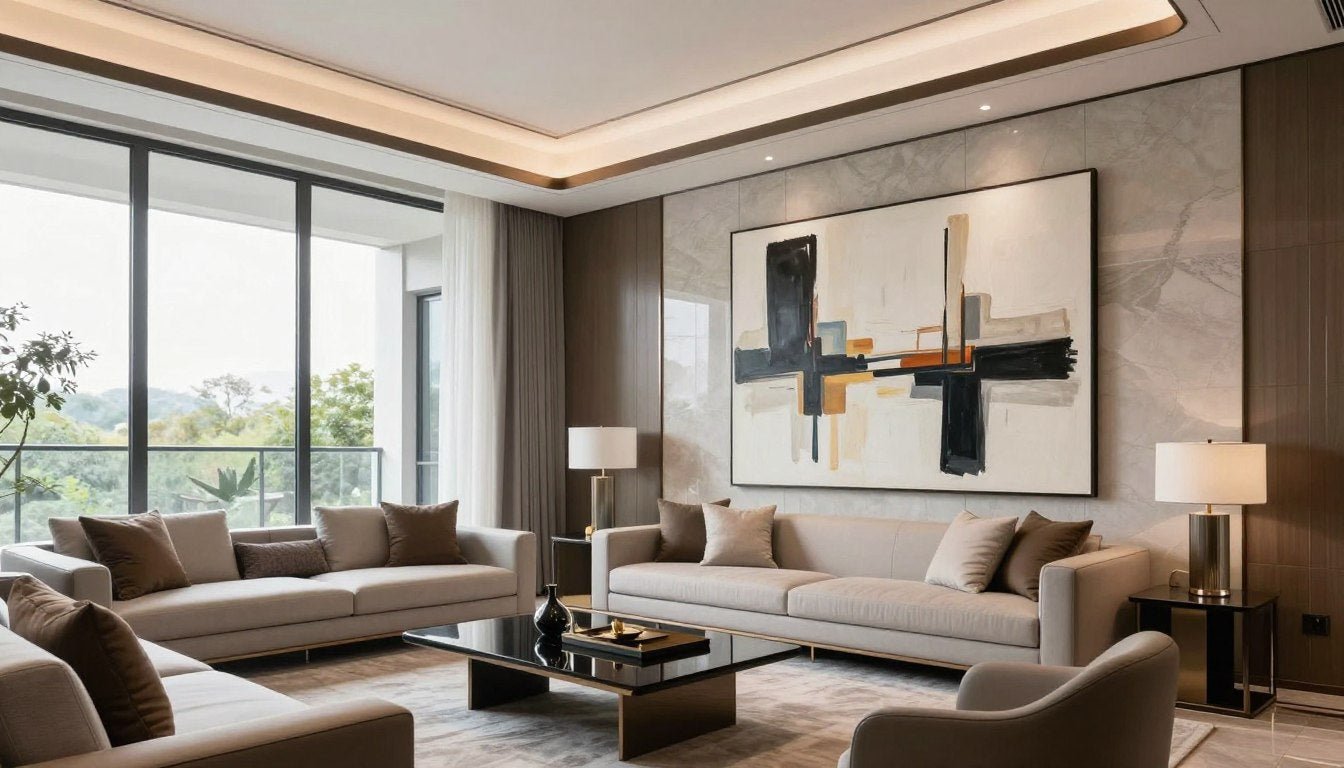
Your walls tell a story. They speak volumes about who you are, what you value, and how you see the world. When you walk into a home filled with mass-market posters, you feel it instantly—something is missing. The space lacks soul, depth, and character.
Choosing between original art and mass-produced prints isn't just about aesthetics. It's about making an investment that grows in value over time. It's about supporting living artists who pour their hearts into every brushstroke. It's about owning something truly unique that no one else has.
Quality canvas prints and original artwork offer something mass-market decor never can—authenticity. While a factory-produced poster might cost less upfront, it brings zero long-term value. Original pieces appreciate. They become family heirlooms. They transform ordinary rooms into extraordinary spaces.

If You Love Authentic Expression, Here Are 3 Prints That Bring Gallery-Quality Artistry Into Your Home
Not ready to invest in an original painting yet? Start your collection with museum-quality prints that capture the essence of fine art without the premium price tag. These pieces offer exceptional quality and character.


Abstract Geometric Expression
Bold shapes and vibrant colors create visual interest that mass-market prints simply cannot match. These pieces bring energy to any room while maintaining investment-worthy quality.

Figurative Portrait Art
Human connection captured on canvas. Portrait prints offer timeless appeal and emotional depth that elevates any space beyond generic decoration.

Botanical Wall Art
Nature's beauty preserved in archival quality. Botanical prints bring organic elegance to your walls while maintaining the investment value of fine art materials.
Understanding the True Value of Original Art Versus Mass-Produced Reproductions
The art market operates on principles that mass-market decor companies ignore entirely. When you purchase original artwork, you're not just buying decoration. You're acquiring an asset with potential appreciation value.
Mass-produced posters lose value the moment you hang them. They're manufactured by the thousands using cheap materials. They fade quickly. They tear easily. Within a few years, they look dated and worn.
Original art follows different rules. Each piece is unique. The artist's hand creates texture, depth, and character that no printer can replicate. Over time, as an artist's reputation grows, their early work becomes more valuable. Collectors seek these pieces. Museums acquire them. Auction houses sell them.
Investment Reality: According to art market research, original artwork by emerging artists can appreciate 20-50% over five years. Limited edition prints typically hold value better than mass reproductions. Mass-market posters? They depreciate to near-zero resale value almost immediately.

Material Quality: Why It Matters for Long-Term Investment
Walk into any big-box store and you'll find walls of printed posters. They look fine at first glance. But examine them closely and you'll notice the difference immediately. Thin paper. Cheap ink. Flimsy frames.
Original paintings and quality canvas prints use quality materials designed to last generations. Artists select professional-grade canvas, acid-free papers, and lightfast pigments. These materials resist fading, yellowing, and deterioration.
Premium Art Materials
Professional artists invest in supplies that ensure longevity. Museum-quality canvas prints use similar standards. The difference shows in every aspect of the finished piece.

Archival Canvas and Papers
The foundation of any lasting artwork begins with the surface. Cotton canvas offers superior durability compared to synthetic alternatives. It accepts paint beautifully and maintains its integrity for decades.
For prints, acid-free papers prevent yellowing and degradation. Mass-market reproductions use whatever's cheapest. Within months, you'll notice color shifts and paper deterioration.
Professional-Grade Pigments
Color fastness separates investment-worthy art from disposable decor. Professional pigments resist UV damage and maintain their vibrancy for years. Cheap inks fade noticeably within months of hanging.
Artists working with oil paints, acrylics, or watercolors choose materials rated for permanence. These pigments cost more, but they ensure your investment maintains its visual impact over time.
Protective Coatings and Finishes
Original paintings often receive protective varnishes that shield the surface from dust, moisture, and UV damage. Quality prints arrive with similar protections. These finishes add years to the artwork's lifespan.
Mass-produced prints skip this step entirely. Without protection, the image degrades faster. Colors fade. Paper yellows. The piece loses value rapidly.
The Uniqueness Factor: What Mass Production Cannot Replicate
Every home decorator faces this dilemma. You find a print you like at a furniture store. You buy it. Then you visit a friend's house and see the exact same image on their wall. That sinking feeling? That's the reality of mass-market art.
Original artwork eliminates this problem completely. No one else owns your piece. It's one of a kind. Even limited edition prints offer exclusivity that mass reproductions never can.

One-of-a-Kind Pieces
When you commission an original painting or purchase directly from an artist, you acquire something truly unique. The artist's vision, technique, and creative choices exist nowhere else in the world.
This exclusivity carries inherent value. Collectors prize unique pieces. Future buyers will pay premium prices for work that cannot be duplicated. Your walls showcase art that no one else can claim.
Limited Edition Print Value
Not everyone can afford a $10,000 original painting. Limited edition prints bridge this gap beautifully. Artists create a small number of high-quality reproductions—typically 25 to 250 pieces—then destroy the printing plates.
Each print comes numbered and signed. Once the edition sells out, no more exist. This scarcity drives value. As the artist's reputation grows, early edition prints become increasingly sought-after.
Compare this to mass-market reproductions. Companies print thousands, even millions of copies. No scarcity. No exclusivity. No investment potential.
Edition Size Matters: Smaller editions (25-50 prints) typically hold value better than larger runs (200-250 prints). The artist's signature and edition number authenticate the piece and verify its place within the limited production.
Match This Vibe to Your Space
Creating the perfect atmosphere in your home requires more than random decoration. Our curated collections help you build cohesive spaces that reflect your personal style while maintaining investment-worthy quality.
Whether you're drawn to bold, energizing colors or prefer moody, minimal aesthetics, discover collections designed for specific moods and environments. Each piece features museum-quality materials and archival printing techniques.

Creating Emotional Connection Through Authentic Art
Art isn't just visual. It's emotional. It's personal. When you live with a piece of original artwork, you develop a relationship with it. You notice new details over time. You connect with the artist's vision. You feel something genuine.
Mass-produced prints offer none of this depth. They're designed for maximum commercial appeal. They avoid anything controversial or challenging. They're safe, bland, and forgettable.
The Artist's Hand
Every brushstroke in an original painting carries intention. You can see where the artist hesitated, where they worked quickly, where they layered colors to create depth. This human element creates connection.
Even high-quality prints preserve some of this texture and detail. The viewer sees the artist's process. They feel the energy that went into creating the piece.
Personal Resonance
Original art speaks to different people in different ways. A piece that moves you might leave someone else cold. This personal resonance matters. It's why collectors spend years searching for the perfect addition to their collection.
When you discover art that truly resonates, it becomes part of your daily life. You notice it every morning. It influences your mood. It sparks conversations with guests. It becomes meaningful in ways that generic decoration never can.

Supporting Living Artists and the Creative Economy
When you buy mass-market decor, your money goes to corporations. When you invest in original art or quality prints from working artists, you support real people pursuing their creative vision.
Artists struggle in today's economy. Creating meaningful work takes time, skill, and dedication. Every purchase helps an artist continue their practice, develop their craft, and contribute to culture.
Direct Artist Support
Purchasing directly from artists or platforms like Rossetti Art's blog ensures more money reaches creators. You're not just buying decoration—you're investing in someone's livelihood and artistic future.
Many emerging artists price their work reasonably to build their collector base. These early purchases often appreciate significantly as the artist's career develops. You get beautiful art now and potential financial return later.
Cultural Value Creation
Artists document our time. They respond to current events. They explore themes that matter to their communities. By supporting their work, you help preserve and propagate cultural value.
Mass-market companies create nothing culturally significant. They reproduce safe images designed to offend no one. Original art challenges, provokes, and inspires in ways that commercial decoration never attempts.
"Every piece of art you buy tells the artist, 'Keep creating.' You're not just decorating your walls—you're voting for the kind of culture you want to see in the world."
Art Investment: Understanding Appreciation Potential
The financial case for original art grows stronger every year. While not every piece appreciates dramatically, the art market consistently outperforms many traditional investments over long time horizons.
Mass-market posters have zero investment potential. They're manufactured commodities with infinite supply. Original artwork and limited editions operate in entirely different economic territory.

Emerging Artist Opportunities
The greatest appreciation potential often lies with emerging artists. Their work remains affordable while their careers are developing. As they gain recognition, early pieces can increase significantly in value.
Savvy collectors research artists showing promise. They attend gallery openings. They follow artist development. They build relationships with galleries representing talented newcomers.
Blue-Chip Art Stability
Established artists offer different benefits. Their work holds value reliably. Major pieces by recognized names trade like other valuable assets. Auction houses regularly sell important works for substantial sums.
While entry prices for established artists run higher, the investment carries less risk. The market for their work is proven. Collectors worldwide recognize their names. Resale opportunities exist through reputable channels.
Print Edition Economics
Limited edition prints occupy a sweet spot for investors. They cost less than originals but offer similar appreciation potential. As editions sell out and artist reputations grow, early prints gain value.
Smart collectors target prints by artists with strong gallery representation and growing collector bases. These pieces offer accessible entry points into the fine art investment market.
How Original Art Transforms Different Living Spaces
The right artwork elevates every room in your home. Strategic placement and thoughtful selection create environments that feel intentional, sophisticated, and personal. Mass-market prints create generic spaces that feel like everyone else's home.
Living Room Impact
Your living room makes first impressions. It's where you entertain guests and spend significant time. Living room wall art sets the tone for your entire home.
Large-scale original pieces or quality canvas prints create focal points that mass reproductions cannot match. The depth, texture, and presence of authentic art command attention and respect. Visitors notice the difference immediately.

Bedroom Sanctuary
Bedrooms deserve art that calms and inspires. Personal, meaningful pieces create environments conducive to rest and reflection. Bedroom canvas prints should resonate emotionally while maintaining aesthetic coherence.
Original artwork in bedrooms feels intimate and personal. It's for you, not for show. This private enjoyment adds dimension to your daily life that generic posters never achieve.
Office Productivity
Work environments benefit enormously from thoughtful art selection. Pieces that inspire creativity, focus, or calm significantly impact productivity and mood. Office canvas art transforms sterile workspaces into motivating environments.
Professionals who work from home especially benefit from investment-quality art. Your office reflects your standards. Original pieces communicate professionalism and attention to detail during video calls and in-person meetings.
Dining Room Elegance
Dining rooms host important gatherings. They're where families connect and friends celebrate. Art in these spaces should facilitate conversation and create ambiance.
Original artwork in dining areas becomes part of the experience. Guests notice and comment. The pieces spark discussions about art, creativity, and personal taste. Dining room wall art enhances every meal and gathering.
Entryway Welcome
First impressions matter. Your entryway sets expectations for the entire home. A striking piece of original art immediately communicates that this is a home of taste and intention.
Entryway wall art should make a statement without overwhelming the space. It welcomes guests while establishing your aesthetic sensibility. Mass-market prints create forgettable first impressions.
Exploring the Creative Process: Understanding Artistic Value
Seeing the artistic process helps collectors understand the skill, time, and vision that goes into creating original artwork. This transparency builds appreciation for the true value of authentic pieces versus mass reproductions.
The creative journey from concept to finished artwork involves countless decisions, technical skills, and artistic vision. Each choice the artist makes influences the final piece's character, depth, and meaning. This human element separates original art from factory-produced decoration.
Budget-Conscious Art Investment Strategies
You don't need unlimited funds to start collecting art. Smart buyers build significant collections over time through strategic purchases and careful planning. The key lies in understanding value and making informed decisions.
Starting Small, Building Value
Begin with limited edition prints or works by emerging artists. These pieces offer accessibility while maintaining investment potential. As your budget grows, you can acquire more significant works.
Many collectors start with one quality piece per year. They research artists, attend exhibitions, and develop their taste. This gradual approach builds knowledge alongside the collection itself.
Payment Plans and Accessibility
Galleries and platforms increasingly offer payment plans for original artwork. This accessibility allows buyers to acquire pieces that might otherwise exceed their immediate budget.
Breaking larger purchases into monthly installments makes art investment feasible for more people. The piece appreciates while you pay, potentially offering positive return before you've paid in full.

Quality Over Quantity
Resist the temptation to fill every wall quickly with cheap reproductions. One excellent piece outperforms a dozen mass-market prints. Quality artwork holds value. Cheap reproductions become clutter.
Focus your budget on fewer, better pieces. Let your collection grow organically as you find works that truly resonate. Empty wall space is better than walls filled with forgettable decoration.
Research and Education
Knowledge drives smart investment. Study artists whose work interests you. Understand their career trajectory. Follow auction results. Learn which galleries represent quality work.
Free resources abound. Museums offer exhibitions. Online platforms provide price databases. Art blogs and publications discuss market trends. Educational content helps buyers make informed decisions.
Direct Comparison: Original Art, Limited Editions, and Mass Reproductions
Understanding the practical differences between art categories helps buyers make informed decisions. Each option serves different needs and budgets, but the value propositions vary dramatically.
| Feature | Original Artwork | Limited Edition Prints | Mass Reproductions |
| Investment Potential | High - Unique pieces appreciate significantly | Moderate - Scarcity drives value growth | None - Depreciates to zero |
| Material Quality | Premium - Quality materials, artist-grade | High - Museum-quality substrates and inks | Low - Cheap paper, inferior printing |
| Uniqueness | One-of-a-kind - No duplicates exist | Exclusive - Small numbered editions | Common - Thousands of copies |
| Price Range | $500 - $50,000+ depending on artist | $100 - $2,500 for quality editions | $20 - $200 typical retail |
| Longevity | Generations - Becomes family heirloom | Decades - With proper care and framing | Years - Fades and deteriorates quickly |
| Artist Compensation | Direct - Artist receives full value | Significant - Artist-approved royalties | Minimal - Often unauthorized use |
| Resale Market | Active - Galleries, auctions, collectors | Moderate - Collector networks, galleries | Nonexistent - No secondary market |
The comparison reveals stark differences in long-term value. While mass reproductions cost less initially, they offer nothing beyond temporary decoration. Original artwork and quality limited editions provide lasting beauty, financial value, and personal satisfaction.
Authentication and Provenance: Protecting Your Investment
As the art market grows, authentication becomes increasingly important. Knowing how to verify authenticity protects buyers from fraud and ensures long-term value retention.
Certificates of Authenticity
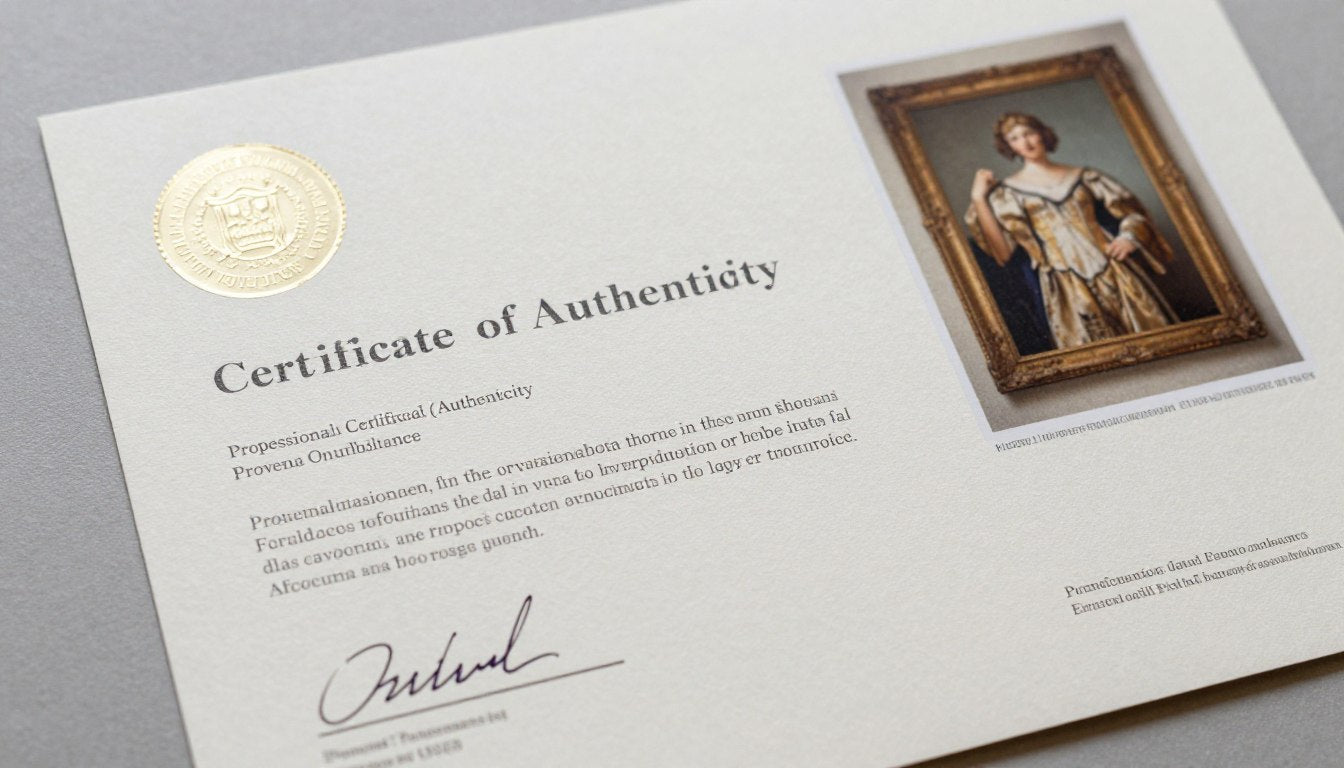
Legitimate original artwork comes with documentation. Certificates of authenticity detail the piece's creation, materials, and artist signature. Limited edition prints include edition numbers and artist signatures.
Always request this documentation. Reputable artists and galleries provide it automatically. Missing paperwork raises red flags about a piece's legitimacy and future resale potential.
Gallery and Platform Verification
Purchase through established galleries or verified platforms. These intermediaries vet artists and authenticate works before offering them for sale. Their reputation depends on selling legitimate pieces.
Direct artist purchases also work well, especially when you can verify the creator's identity through their website, social media, or studio visits. Building relationships with artists ensures authenticity while supporting their careers.
Provenance Documentation
Provenance tracks an artwork's ownership history. For investment pieces, maintaining clear provenance documentation increases future value. Keep all purchase receipts, certificates, and correspondence related to the work.
This paper trail proves ownership and authenticity. It becomes crucial if you ever sell the piece through auction houses or galleries. Collectors and institutions pay premium prices for works with clear, documented histories.
Red Flags: Be cautious of unsigned works, missing documentation, unusually low prices for established artists, or sellers unwilling to provide background information. If authenticity seems questionable, walk away.
Caring for Your Art Investment: Preservation Best Practices
Proper care ensures your art investment maintains its value and beauty for generations. Simple preventive measures protect against common damage that diminishes both aesthetic appeal and financial worth.

Environmental Controls
Light, humidity, and temperature affect artwork significantly. Direct sunlight fades pigments over time. Excessive humidity promotes mold growth. Temperature fluctuations cause materials to expand and contract, leading to cracking or warping.
Hang valuable pieces away from direct sun exposure. Maintain consistent temperature and humidity levels. Use UV-filtering glass for framed works. These simple steps preserve your investment for decades.
Cleaning and Maintenance
Different media require different care approaches. Canvas paintings need gentle dusting with soft brushes. Works on paper should be handled minimally and stored in acid-free materials. Sculptures require material-specific cleaning methods.
For valuable pieces, consult professional conservators before attempting any cleaning. Amateur efforts can cause irreversible damage that significantly reduces value.
Professional Framing
Quality framing protects and enhances artwork. Acid-free mats prevent chemical damage to papers. UV-protective glazing blocks harmful light. Proper spacing prevents artwork from touching glass, avoiding moisture damage.
Professional framers understand conservation standards. While quality framing costs more upfront, it protects your investment and can actually increase the piece's display value and appeal to future buyers.
Insurance Considerations
As your collection grows, consider fine art insurance. Standard homeowner's policies often provide insufficient coverage for valuable artwork. Specialized art insurance offers broader protection and agreed-value coverage.
Document your collection with professional photographs and appraisals. Update valuations every few years as market values change. This documentation facilitates insurance claims if damage or theft occurs.
Building a Cohesive Collection Over Time
Successful collectors develop vision. Rather than randomly purchasing appealing pieces, they build collections that reflect personal taste while maintaining aesthetic coherence. This intentional approach creates greater value than the sum of individual works.
Defining Your Aesthetic
Start by identifying what truly moves you. Do you gravitate toward bold colors or subtle palettes? Do you prefer abstract expression or representational work? Understanding your preferences guides smart acquisitions.
- Visit museums and galleries regularly to expose yourself to different styles
- Save images of artwork that resonates with you
- Notice patterns in your preferences—colors, subjects, techniques
- Consider how pieces will work together in your space
Thematic Collections
Many collectors focus on specific themes. Some collect landscape paintings. Others focus on portraiture. Some collect works by artists from particular regions or time periods. Themes create collection coherence.
- Choose a theme broad enough for variety but focused enough for identity
- Research artists working within your chosen theme
- Connect with galleries specializing in your area of interest
- Allow flexibility for exceptional pieces that expand your theme
Supporting Emerging Artists
Building relationships with emerging artists offers multiple benefits. Their work remains affordable while showing strong potential for appreciation. You support creative careers while building your collection strategically.
- Attend art school exhibitions and graduate shows
- Follow promising artists on social media
- Visit artist studios and open studio events
- Purchase directly when possible to maximize artist compensation
Balancing Budget and Ambition
Great collections develop over years, not months. Set realistic acquisition goals. Perhaps you can afford one significant piece annually. Maybe you prefer several smaller works. Build steadily within your means.
- Allocate a specific budget for art purchases annually
- Prioritize quality over quantity in every purchase decision
- Consider payment plans for pieces slightly above your budget
- Allow time between purchases to ensure each acquisition feels right
Current Art Market Trends: What Collectors Should Know
The art market evolves constantly. Understanding current trends helps collectors make informed decisions about acquisitions, valuations, and long-term investment strategies. Recent years have brought significant shifts in how art is bought, sold, and valued.
Online Art Sales Growth
Digital platforms have democratized art collecting. Buyers now access global markets from home. Online galleries, auction platforms, and artist websites connect collectors directly with creators and sellers worldwide.
This accessibility benefits both buyers and artists. Collectors discover emerging talent without geographic limitations. Artists reach audiences far beyond their local communities. The market has expanded dramatically.
Emerging Artist Markets
Savvy collectors increasingly focus on emerging artists. These creators offer fresh perspectives at accessible price points. As their careers develop, early acquisitions can appreciate substantially.
Social media helps artists build followings before gallery representation. Collectors can discover and track promising talent directly. This direct connection creates opportunities for strategic collecting at early career stages.
Sustainability and Materials
Environmental consciousness influences contemporary art. Many artists now prioritize sustainable materials and ethical production methods. Collectors value this consideration, especially younger buyers entering the market.
Works created with archival, environmentally responsible materials may carry premium value. This trend reflects broader cultural shifts toward sustainability in all consumption areas.
Market Insight: According to recent art market reports, online art sales increased by 45% over the past three years. Collectors aged 25-45 now represent the fastest-growing demographic, with particular interest in contemporary artists and sustainable practices.

Exploring Different Artistic Styles for Your Space
Different artistic styles serve different purposes in home environments. Understanding how various approaches affect mood, atmosphere, and visual impact helps you select pieces that enhance your specific spaces while maintaining investment value.
Abstract and Geometric Art
Abstract work offers versatility and timeless appeal. Geometric compositions bring order and visual interest without representational constraints. These pieces work across decorating styles from minimalist to eclectic.
Abstract geometric canvas prints create focal points that energize spaces without overwhelming them. The non-representational nature allows viewers to find personal meaning and connection.
Line Art Minimalism
Single-line drawings and minimalist compositions bring sophistication to modern spaces. These works demonstrate technical skill while maintaining visual simplicity. They complement contemporary design aesthetics beautifully.
Line art canvas prints work particularly well in offices, bedrooms, and minimalist living spaces. Their restraint creates calm, focused environments conducive to work and relaxation.
Black and White Photography and Prints
Monochromatic work offers classic elegance. Black and white pieces integrate easily with existing decor while making strong visual statements. They bring graphic impact without color coordination concerns.
Black and white canvas prints suit virtually any room. They add sophistication to traditional spaces and reinforce modern aesthetics in contemporary homes.
Pop Art and Cultural Icons
Pop art brings energy and personality to spaces. Pieces featuring cultural icons, bold graphics, and vibrant colors create conversation starters. These works appeal particularly to younger collectors and contemporary design enthusiasts.
Pop art canvas prints and movie canvas art prints celebrate cultural moments and beloved figures. They add playfulness while maintaining artistic credibility.
Cityscape and Urban Photography
Urban landscapes capture the energy and architecture of city life. Skyline photographs and street scenes appeal to metropolitan dwellers and travel enthusiasts. These pieces bring sophistication and worldliness to interiors.
Cityscape canvas prints work beautifully in offices, living rooms, and modern loft spaces. They celebrate urban culture while offering investment-worthy artistic quality.
Automotive and Transportation Art
For enthusiasts, automotive art combines passion with aesthetics. Classic car photography and illustrations appeal to collectors who appreciate engineering beauty. These niche pieces often appreciate among dedicated collector communities.
Cars canvas prints bring personality to garages, offices, and entertainment spaces. They reflect personal interests while maintaining visual sophistication.
Ready to Transform Your Space with Investment-Worthy Art?
Every piece in our collection features gallery-quality materials and archival printing techniques. Your investment arrives ready to hang, protected by our quality guarantee, and ships free worldwide.
Whether you're starting your first collection or adding to an established one, discover artwork that combines aesthetic beauty with lasting value. No mass-market reproductions. No cheap materials. Just authentic, investment-worthy art for discerning collectors.
Each canvas print uses premium materials designed for longevity. Original paintings come with certificates of authenticity. Limited editions include artist signatures and edition numbers. Your purchase supports working artists and builds real value.

Art for Specialized Spaces: Kids' Rooms and Nurseries
Children's spaces deserve the same thoughtful art selection as adult areas. Quality pieces created for young viewers offer developmental benefits while maintaining aesthetic standards that grow with the child.
Developmental Benefits of Quality Art
Exposure to real art influences children's creative development. Quality illustrations, gentle colors, and engaging subjects stimulate visual learning. These pieces contribute to cognitive development in ways that generic cartoon posters cannot.
Kids and nursery canvas prints feature age-appropriate subjects created by professional artists. They bring beauty and creativity to children's environments while maintaining standards parents appreciate.
Investment Pieces That Grow With Children
The best children's art transcends age-specific trends. Timeless illustrations, gentle abstracts, and nature themes work from infancy through adolescence. Parents avoid constantly replacing outgrown decor.
Quality materials matter especially in children's spaces. Durable canvas withstands the wear of childhood years. Proper framing protects the piece from accidents. The investment lasts through multiple children or transitions to other rooms later.

Creating Gallery Walls and Multi-Piece Displays
Single large pieces make statements. Collections of smaller works create visual narratives. Gallery walls allow collectors to display multiple pieces while creating cohesive design impact greater than individual works.
Planning Gallery Wall Layouts
Successful gallery walls balance variety with coherence. Mix sizes, but maintain visual weight distribution. Vary frame styles, but keep a unifying element—perhaps color, material, or style period.
Canvas print sets offer pre-coordinated solutions for collectors uncertain about mixing pieces. These curated groupings work together by design, eliminating guesswork.
Spacing and Arrangement Principles
Professional installation follows specific spacing guidelines. Maintain 2-3 inches between frames for cohesive groupings. Keep the collective arrangement's center at eye level—typically 57-60 inches from the floor.
Create paper templates before hanging. Arrange them on the wall with painter's tape. This preview prevents unnecessary holes and ensures balanced composition before committing to permanent placement.
Mixing Media and Styles
Gallery walls allow experimentation. Combine photographs with paintings. Mix contemporary pieces with vintage finds. The variety creates visual interest while showcasing your collecting range and personal taste.
Maintain some unifying elements—color palette, subject matter, or frame style. Too much variety creates chaos. Strategic coherence pulls diverse pieces into harmonious display.
Frequently Asked Questions About Art Investment
How much should I spend on my first piece of original art?
Start within your comfort zone. Quality limited edition prints from emerging artists range from $100-$500. Original works by developing artists typically start around $500-$2,000. Buy what you genuinely love and can afford without financial stress. Your first purchase teaches you about your taste and the buying process. Consider exploring abstract canvas prints or other collections to find pieces that match your budget and aesthetic preferences.
How do I know if an artist's work will appreciate in value?
No guarantees exist, but certain indicators suggest potential. Look for artists with gallery representation, growing collector bases, positive critical reception, and consistent body of work. Artists who exhibit regularly, receive press coverage, and show technical development demonstrate career trajectory. Research their auction history if available. Most importantly, buy work you love—appreciation becomes a bonus rather than the sole motivation. Emerging artists featured in quality galleries often show strong appreciation potential over 5-10 year periods.
What's the difference between a print and a reproduction?
Terminology matters in art markets. "Prints" typically refers to original works created in multiples by the artist—etchings, lithographs, screen prints. "Reproductions" copy existing paintings or drawings. Limited edition reproductions use high-quality processes and materials with artist approval and signatures. Mass-market reproductions lack artist involvement and use inferior materials. Quality limited edition prints from established sources offer investment potential, while mass reproductions hold no value. Always verify edition size, artist signature, and materials before purchasing.
Should I buy art online or only from physical galleries?
Both channels offer advantages. Physical galleries provide tactile experience and expert guidance. Online platforms offer broader selection and often better prices. Many successful collectors use both. When buying online, verify seller reputation, request detailed condition reports and photographs, understand return policies, and ensure proper authentication documentation. Reputable online art platforms vet artists and guarantee authenticity. Start with trusted sources like established artist websites or platforms with strong buyer protections. Explore canvas prints collections to see how quality online sources present their offerings.
How do I care for canvas prints versus original paintings?
Both require similar care principles but different specifics. Keep both away from direct sunlight to prevent fading. Maintain consistent temperature and humidity. Dust gently with soft, dry cloths. Original paintings may have protective varnish requiring professional cleaning every few years. Canvas prints use HP latex inks more resistant to fading but still benefit from UV-protective framing or placement away from windows. Never use cleaning solutions on either without professional consultation. Proper care ensures your investment maintains its beauty and value for decades. Quality pieces from sources like living room canvas art collections come with specific care instructions.
Is it better to buy one expensive piece or several affordable works?
This depends on your goals and space. One gallery-quality piece creates dramatic impact and potentially better investment return. Multiple pieces allow you to explore different styles, support more artists, and fill more wall space. Many collectors do both—anchor rooms with significant works while filling secondary spaces with smaller pieces. For beginning collectors, starting with several affordable pieces helps develop taste before committing to major purchases. Quality matters more than quantity—three excellent pieces outperform twenty mediocre ones. Consider room-specific needs by exploring collections like bedroom canvas prints or office canvas art to determine your optimal approach.
How do I choose art that will match my home's changing decor?
Buy art you love rather than art that matches furniture. Quality pieces transcend decorating trends. If coordination concerns you, choose works with neutral palettes or focus on black and white photography and prints. Abstract pieces offer maximum flexibility—they complement multiple design styles. Remember that great art should anchor your space, with decor adapting around it rather than the reverse. Many collectors find that strong artistic pieces actually inspire and guide their interior design choices rather than being constrained by them. Timeless styles like black and white canvas prints offer particular versatility across changing design trends.
What questions should I ask before purchasing original artwork?
Ask about materials used, creation date, edition size (for prints), provenance history, condition issues, authentication documentation, artist background and exhibition history, return policy, and shipping/insurance details. Request condition reports for expensive pieces. Verify framing quality and whether it's included. Understand payment terms and any available payment plans. Ask about artist's career trajectory and market history. Reputable sellers welcome questions and provide comprehensive documentation. Never hesitate to request additional photographs or information before committing to purchase. Knowledge protects your investment and ensures satisfaction with your acquisition.
Making the Investment: Your Next Steps in Art Collecting
The choice between original art and mass-market decoration comes down to values. Do you want disposable decoration that loses value immediately? Or do you want investment-worthy pieces that appreciate over time while bringing daily joy?
Original artwork and quality limited edition prints offer tangible benefits that mass reproductions never can. They hold and grow value. They showcase authentic creativity. They transform ordinary spaces into extraordinary environments. They support working artists and contribute to cultural vitality.
Starting your collection doesn't require unlimited funds. It requires intention, education, and commitment to quality over quantity. One excellent piece outperforms a dozen forgettable posters.
Begin exploring today. Visit galleries, both physical and online. Study artists whose work speaks to you. Develop your eye and understanding. When you find pieces that truly resonate, invest in them. Your walls, your home value, and your daily experience will all benefit from choosing original art over mass-market alternatives.
The art you choose today becomes part of your legacy tomorrow. Make it meaningful. Make it authentic. Make it an investment worth keeping.
Ready to start or expand your collection? Explore curated collections of museum-quality canvas prints, discover original paintings, or find the perfect piece for your living room. Every piece represents a step toward building a collection you'll treasure for years to come.


About the Author
Chiara Rossetti
Chiara Rossetti is the founder of Rossetti Art, a canvas print and original art brand. She writes about interior design, wall art styling, and the art of making a home feel alive.

Leave a comment
This site is protected by hCaptcha and the hCaptcha Privacy Policy and Terms of Service apply.