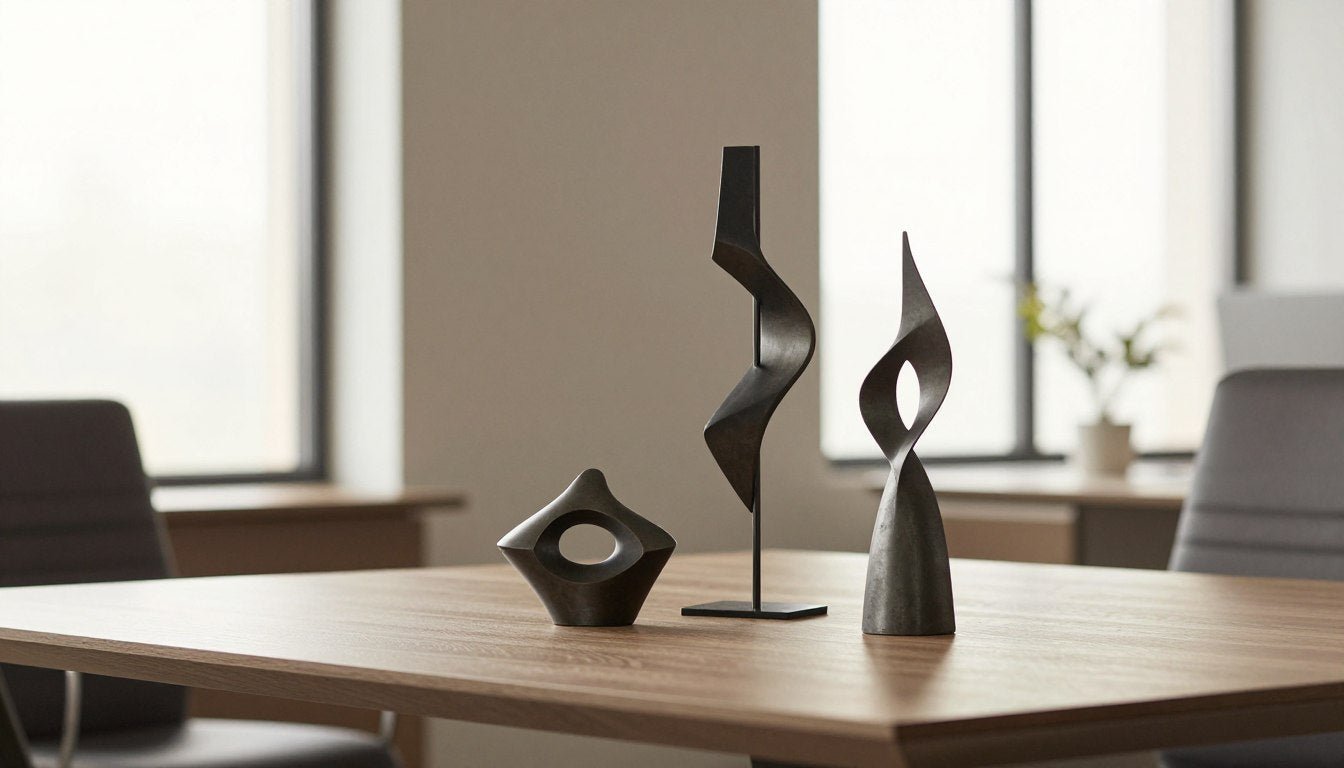

Transforming a room from ordinary to extraordinary often comes down to the smallest details. Tabletop sculptures bring dimension, personality, and artistic flair to spaces that might otherwise feel flat or impersonal. Whether you're designing a productive office environment or creating a welcoming living room, the right sculpture can become a focal point that sparks conversation and reflects your unique style.
The beauty of sculptural decor lies in its versatility. A single carefully chosen piece can anchor an entire design scheme. These three-dimensional art forms add visual interest that flat wall art alone cannot achieve. They create shadows, catch light differently throughout the day, and invite closer inspection from guests and colleagues alike.
Many people feel uncertain about incorporating sculptures into their home decor or workspace design. Questions about size, placement, and style compatibility often prevent them from taking that creative step. This comprehensive guide removes the guesswork and provides practical strategies for selecting and displaying sculptures that enhance both office and living room environments. For more inspiration on creating cohesive art displays, explore our design blog.
Understanding Sculpture Scale and Proportion

Size matters significantly when styling sculptures in your space. The relationship between a sculpture and its surroundings determines whether it makes a statement or gets lost in the environment. Understanding proper scale creates visual harmony and ensures your art receives the attention it deserves.
For office desks and side tables, smaller sculptures ranging from four to eight inches work beautifully without overwhelming the workspace. These compact pieces add personality without cluttering essential work areas. They sit comfortably beside computer monitors, desk lamps, and other functional items while maintaining their artistic presence.
Living room coffee tables and console tables accommodate medium-sized sculptures between eight and fifteen inches. These pieces command attention without dominating the entire room. They create focal points that draw the eye and anchor furniture groupings effectively.
Floor sculptures represent the most dramatic option for creating impact in larger spaces. Standing pieces between two and four feet tall transform empty corners into gallery-worthy displays. They work particularly well in open-plan living areas or executive offices where vertical space needs filling.
Proportion Guidelines for Different Spaces
The rule of thirds applies perfectly to sculpture placement. Your sculpture should occupy approximately one-third the height or width of the surface beneath it. This creates visual balance that feels natural and intentional.
Consider the viewing distance when selecting sculpture size. Pieces viewed from across a room can be larger and more dramatic. Sculptures positioned on desks or side tables where people sit nearby should maintain more modest dimensions to avoid overwhelming close-up viewing.

Room architecture influences appropriate sculpture scale. Spaces with high ceilings benefit from taller vertical sculptures that draw the eye upward. Low-ceilinged rooms work better with horizontal or compact sculptural forms that don't compress the visual space.
Complement Your Sculptural Style
If you love modern minimalism, these canvas prints bring that same sophisticated mood to your walls, creating perfect harmony with contemporary sculptures.

Abstract Geometric Prints
Clean lines and balanced forms echo sculptural aesthetics in two dimensions.

Line Art Canvas Prints
Sophisticated simplicity that complements three-dimensional art forms perfectly.

Black & White Collection
Timeless monochrome pieces that create striking visual balance with sculptural displays.
Choosing the Right Material for Your Space

Material selection dramatically impacts both the aesthetic and practical aspects of sculpture display. Different materials convey distinct moods and work better in specific environments. Understanding these characteristics helps you make choices that enhance your overall design vision.
Metal sculptures bring contemporary sophistication to modern spaces. Stainless steel creates sleek, reflective surfaces that complement minimalist interiors. Bronze develops a rich patina over time, adding warmth and depth to traditional or transitional spaces. Metal works exceptionally well in offices where professional polish matters.
Ceramic and porcelain sculptures offer endless variety in form, color, and texture. These materials work beautifully in living rooms where softer, more organic aesthetics prevail. Glazed finishes catch light beautifully, while matte surfaces provide subtle sophistication. Ceramic pieces pair wonderfully with botanical wall art for nature-inspired design schemes.
Material Care Tip: Different materials require specific maintenance approaches. Metal sculptures benefit from occasional dusting with microfiber cloths. Ceramic pieces should be kept away from direct sunlight to prevent glaze fading. Wood sculptures need periodic conditioning to prevent cracking in dry environments.
Wood sculptures introduce organic warmth and natural texture. They work exceptionally well in spaces that incorporate biophilic design elements. Different wood types offer varying colors and grain patterns, from light ash to deep walnut. Wood brings approachability that feels less formal than metal or stone.
Stone and marble sculptures convey permanence and classical elegance. These materials work particularly well as statement pieces in entryways or on substantial furniture. Stone sculptures carry significant weight, requiring sturdy display surfaces. Their natural variations ensure each piece remains truly unique.
Resin and composite materials offer budget-friendly alternatives that mimic expensive materials convincingly. Modern manufacturing techniques create pieces with remarkable detail and finish quality. These lighter-weight options work well when frequently rearranging decor or when weight restrictions apply.
Material Selection by Room Function
Office Environments
Professional settings benefit from materials that project competence and stability.
- Polished metal for contemporary offices
- Bronze or brass for traditional professional spaces
- Stone for executive environments
- Glass for creative industries
Living Room Spaces
Residential areas allow more personal expression and varied material choices.
- Ceramic for eclectic or bohemian styles
- Wood for warm, natural aesthetics
- Mixed materials for transitional designs
- Colorful resin for playful, modern looks
Textural Contrast
Material selection should complement existing room textures for visual interest.
- Smooth sculptures against rough textiles
- Matte finishes with glossy surfaces
- Organic forms amid geometric furniture
- Reflective materials in matte-dominated spaces
Durability Considerations
High-traffic areas and specific use cases demand practical material choices.
- Metal for family homes with children
- Sealed ceramic for easy cleaning
- Resin for outdoor-indoor transitions
- Stone for permanent installations
Creating Focal Points with Strategic Placement

Strategic placement transforms sculptures from mere decorative objects into powerful design anchors. The location you choose determines how effectively a piece captures attention and influences the overall room dynamic. Creating focal points requires understanding visual weight, sightlines, and spatial relationships.
Console tables and entryway surfaces provide prime real estate for creating immediate impact. Sculptures placed here greet visitors and set the aesthetic tone for the entire space. These locations work particularly well for medium to large pieces that can hold their own in high-traffic areas.
Coffee tables serve as central gathering points in living rooms, making them ideal for sculptural displays. Pieces positioned here become natural conversation starters during social gatherings. The key involves selecting sculptures with interesting viewing angles from all sides since coffee tables receive 360-degree viewing.
Desk corners in office environments benefit from smaller sculptures that add personality without interfering with work functions. These pieces provide visual breaks during long work sessions and reflect professional identity. Positioning sculptures at 45-degree angles to desk edges creates dynamic visual interest.
Shelving units offer opportunities for creating curated vignettes that combine sculptures with books, plants, and other decorative objects. Varying heights and spacing between objects creates rhythm and prevents cluttered appearances. This approach works beautifully when mixing sculptures with office canvas art for layered visual interest.
The Rule of Odd Numbers
Grouping sculptures in odd numbers creates more dynamic, visually appealing arrangements than even-numbered displays. Three or five pieces arranged with varying heights produce natural, organic-looking compositions that feel balanced without appearing overly formal or symmetrical.
This principle applies whether you're arranging multiple smaller sculptures on a single surface or distributing several pieces throughout a room. The odd-number approach creates visual tension that keeps the eye moving and engaged rather than settling into static predictability.

Considering Viewing Angles and Sightlines
Think about how people move through and use your space when determining sculpture placement. Pieces should remain visible from primary seating areas and entry points. A beautiful sculpture positioned where it's rarely seen wastes its potential impact on the overall design.
Consider both seated and standing viewpoints. Sculptures on coffee tables appear quite different when viewed from a sofa compared to standing positions. Testing pieces at various heights before committing to final placement ensures optimal visual impact from all relevant perspectives.
- Place sculptures where natural light enhances their form and texture
- Avoid positioning pieces where they might get knocked over in high-traffic zones
- Create visual dialogue between sculptures and wall art across the room
- Use negative space intentionally to let sculptures breathe
- Position reflective sculptures to capture interesting environmental elements
Balancing Sculptures with Other Decor Elements

Sculptures rarely exist in isolation. They share visual space with furniture, lighting, plants, books, and countless other design elements. Achieving harmonious balance between sculptures and surrounding objects creates cohesive, thoughtfully designed environments that feel intentional rather than accidentally assembled.
The concept of visual weight helps determine appropriate balance. A large, solid sculpture carries more visual weight than a delicate, open-form piece of similar size. Similarly, dark colors and rough textures appear heavier than light colors and smooth surfaces. Distributing visual weight evenly across a space prevents lopsided, uncomfortable compositions.
Color coordination between sculptures and existing decor unifies the overall design scheme. This doesn't mean everything must match perfectly. Instead, look for complementary tones or analogous colors that create subtle connections. A bronze sculpture might echo warm wood tones in furniture. A blue ceramic piece could tie into accent pillows or living room wall art.
Creating Layered Vignettes
Vignettes combine multiple objects of varying heights, textures, and purposes into small, curated displays. Sculptures often serve as anchor pieces in these arrangements. The tallest element typically sits toward the back or side, with progressively shorter items arranged in front.
Successful vignettes incorporate the principle of three: vary height, vary texture, and vary function. A sculpture might combine with a stack of books and a small plant. This creates visual interest through dimensional variation while serving both aesthetic and practical purposes.

Expert Tip: When styling sculptures alongside plants, ensure the organic, irregular forms of greenery contrast with more geometric or structured sculptural shapes. This creates visual tension that makes both elements more interesting. Pairing botanical wall art with modern sculptures creates compelling nature-meets-art compositions.
Furniture Relationships and Spatial Awareness
Sculptures should relate proportionally to the furniture they sit upon or near. A massive sculpture on a delicate side table creates visual imbalance that makes viewers uncomfortable. Conversely, a tiny sculpture on a large console table appears lost and insignificant.
Consider furniture lines and forms when selecting sculptural styles. Angular, geometric sculptures complement modern furniture with clean lines. Organic, flowing forms work beautifully with curved furniture silhouettes. Creating either harmony through similarity or interest through contrast both work effectively when done intentionally.
Spacing between sculpture and other tabletop objects matters significantly. Crowding pieces together creates visual chaos. Spreading objects too far apart makes displays feel disconnected. Aim for balanced groupings where negative space frames each object while maintaining relationships between pieces.
Lighting Considerations for Enhanced Impact
Proper lighting dramatically enhances sculptural displays. Natural light creates changing shadow patterns throughout the day, revealing different aspects of three-dimensional forms. Position sculptures where they benefit from indirect natural light that won't cause damage or glare.
Artificial lighting offers control over how sculptures appear. Accent lighting from above or the side creates dramatic shadows that emphasize form and texture. Table lamps positioned near sculptures provide gentle illumination that draws attention without harsh spotlighting effects.
- Assess existing lighting conditions before finalizing sculpture placement
- Use directional lighting to highlight interesting sculptural details
- Avoid placing sculptures in direct sunlight that might cause fading or heat damage
- Consider how evening artificial lighting changes the sculpture's appearance
- Experiment with backlighting for translucent or open-form sculptures
Match Your Sculpture Style to Your Space
Whether you're creating a sophisticated office environment or a welcoming living area, discover curated collections that complement your sculptural vision.

Office Canvas Art Collection
Professional pieces that inspire productivity and reflect sophisticated taste. Perfect companions to desk sculptures and executive decor.

Modern Sculptures
Curated selection of contemporary sculptures in various materials, sizes, and styles. Transform any tabletop into an artistic statement.
Style-Specific Sculpture Selection

Interior design style significantly influences appropriate sculpture selection. Understanding how different sculptural forms align with established design aesthetics ensures your pieces enhance rather than conflict with existing decor. Each style carries distinct characteristics that guide effective sculpture choices.
Minimalist and Contemporary Spaces
Minimalist environments thrive on simplicity, clean lines, and restrained color palettes. Sculptures in these spaces should embody similar principles. Geometric forms in monochromatic finishes work exceptionally well. Think smooth, polished metal sculptures with simple, elegant silhouettes.
Contemporary designs allow slightly more freedom while maintaining modern sensibilities. Abstract forms that suggest movement or emotion fit beautifully. Materials like brushed steel, white marble, or black ceramic align with contemporary aesthetics. Keep ornamental details minimal and let form speak for itself.
Scale matters tremendously in minimalist spaces. Because these environments contain fewer objects overall, each piece carries more visual weight. A single striking sculpture often proves more effective than multiple smaller pieces. Pair minimalist sculptures with abstract canvas prints for cohesive modern aesthetics.

Traditional and Classic Interiors
Traditional spaces welcome sculptures with historical references and classical forms. Figurative pieces, botanical themes, and representations of natural elements work beautifully. Materials like bronze, aged patina metals, and carved wood complement traditional furniture and architectural details.
Classic interiors benefit from sculptures that demonstrate craftsmanship and attention to detail. Pieces with ornamental elements, realistic rendering, or cultural references enhance traditional aesthetics. These sculptures often tell stories or reference art historical periods that align with traditional design philosophies.
Symmetry plays a larger role in traditional spaces. Paired sculptures flanking a fireplace or matching pieces on console tables create formal balance. This approach feels at home in traditional environments where order and proportion matter significantly.
Industrial and Urban Loft Aesthetics
Industrial spaces embrace raw materials and honest construction. Sculptures in these environments should reflect similar values. Welded metal sculptures, reclaimed materials, and pieces with visible construction methods align perfectly with industrial design principles.
Urban loft aesthetics appreciate bold statements and artistic risk-taking. Large-scale sculptures, unconventional materials, and pieces with strong personality fit naturally. These spaces can handle visual weight and drama that might overwhelm more delicate design schemes.
Texture matters enormously in industrial settings. Rough finishes, oxidized metals, and deliberately unrefined surfaces complement exposed brick, concrete, and weathered wood. The sculpture becomes another layer in the textural story the space tells.
Eclectic and Bohemian Environments
Eclectic spaces celebrate personality, color, and collected treasures. Sculptures here can be bold, colorful, and unexpected. Mix materials freely. Combine cultural influences. Let personal taste guide selections more than rigid design rules.
Bohemian environments welcome handcrafted pieces with stories. Artisan-made ceramics, folk art sculptures, and pieces from travels add authentic personality. These spaces thrive on layering and abundance rather than minimalist restraint.
Color plays a prominent role in eclectic and bohemian styling. Don't shy away from vibrant sculptures that introduce new colors or amplify existing palette elements. These styles embrace the unexpected combinations that might seem risky in more formal design approaches.
Office-Specific Sculpture Styling Strategies

Office environments present unique considerations for sculpture styling. These spaces must balance aesthetic appeal with professional image, productivity needs, and practical functionality. The right sculptural elements enhance work environments without compromising their primary purpose.
Desk and Desktop Sculptures
Desktop sculptures occupy precious real estate in functional workspaces. Size discipline proves essential. Pieces should remain under six inches in most desk situations to avoid overwhelming limited surface area. Choose sculptures with compact footprints that sit securely without wobbling.
Material durability matters in work environments. Avoid delicate materials that might break if accidentally knocked during busy workdays. Metal, resin, and sealed ceramic offer durability while maintaining aesthetic appeal. Select finishes that won't show fingerprints or require constant cleaning.
Positioning desktop sculptures requires strategic thinking. Corner placement keeps sculptures visible while preserving central workspace. Alternatively, position pieces between the keyboard and monitor where they provide visual breaks without interfering with computer work. This creates a natural focal point during moments of contemplation.
Consider how desktop sculptures reflect professional identity. Abstract forms suggest creativity and forward thinking. Geometric precision communicates order and analytical capability. Natural forms indicate environmental consciousness or biophilic values. Let sculpture choices subtly reinforce the professional message you wish to communicate.
Reception and Common Areas
Office reception areas and common spaces accommodate larger, more dramatic sculptural statements. These locations shape first impressions for clients and visitors. Invest in substantial pieces that convey organizational values and aesthetic sophistication.
Console tables in reception areas provide excellent platforms for medium to large sculptures. These pieces should be visible from seating areas and create positive impressions immediately upon entry. Scale up compared to personal workspace sculptures since these areas typically feature higher ceilings and more expansive floor plans.
Conference room sculptures serve dual purposes. They establish professional credibility while providing neutral focal points during potentially tense negotiations. Select pieces that spark curiosity without being overly controversial or distracting. Neutral materials and abstract forms work particularly well in these multipurpose spaces.

Balancing Professionalism with Personality
Professional environments need personality to avoid sterile, unwelcoming atmospheres. Sculptures provide opportunities to inject character while maintaining appropriate business decorum. The key involves thoughtful selection that respects context while expressing individuality.
Industry and company culture significantly influence appropriate sculpture choices. Creative agencies can embrace bolder, more experimental pieces. Financial institutions typically require more conservative selections. Law offices might appreciate classical forms while tech startups welcome cutting-edge contemporary works.
Personal offices allow more individual expression than shared spaces. Display sculptures that reflect your interests, values, or aesthetic preferences. These pieces make offices feel less generic and more authentically yours. They also serve as conversation starters that help build relationships with colleagues and clients.
Combining sculptures with appropriate wall art creates cohesive office environments. Professional canvas prints paired with complementary sculptures establish sophisticated visual narratives that elevate the entire workspace aesthetic beyond corporate blandness.
- Choose sculptures that withstand daily office activity and cleaning
- Avoid pieces with sharp edges or unstable bases in high-traffic areas
- Select sizes appropriate to available space without cramping functionality
- Consider how sculptures photograph for video conferences and virtual meetings
- Ensure sculptures align with company values and professional image
Living Room Sculpture Styling Techniques

Living rooms offer the greatest creative freedom for sculpture styling. These personal spaces reflect individual taste without the constraints professional environments impose. The challenge involves creating cohesive, visually interesting displays that enhance comfort and conversation without overwhelming the space.
Coffee Table as Sculptural Stage
Coffee tables serve as prime locations for sculptural displays in living room environments. These central gathering points receive attention from all seating positions. Sculptures placed here become natural focal points and conversation pieces during social gatherings.
Coffee table sculptures should allow for practical use of the surface. Avoid pieces so large they prevent setting down drinks, books, or decorative trays. Sculptures between six and twelve inches typically balance visual impact with functionality effectively.
Consider viewing angles from all sides when selecting coffee table sculptures. Unlike wall-mounted art, these pieces receive 360-degree viewing. Choose sculptures with interesting details from multiple perspectives. Abstract forms that change appearance based on viewing angle work particularly well in this application.
Styling coffee table sculptures within vignettes creates layered, interesting compositions. Combine sculptures with stacked books, small plants, and decorative boxes. Vary heights and textures while maintaining unified color stories. This approach feels collected and personal rather than staged or overly formal.

Console Tables and Credenzas
Console tables behind sofas or against walls provide excellent platforms for larger sculptural statements. These surfaces accommodate pieces between twelve and twenty inches that would overwhelm coffee tables. The elevated position makes sculptures visible from across rooms.
Credenzas and sideboards in living rooms function similarly to console tables. These substantial furniture pieces support heavier sculptures including stone and large metal pieces. The storage they provide allows hiding clutter that might compete visually with sculptural displays.
Layering sculptures with wall art creates dimensional interest. Position sculptures on console tables beneath complementary canvas prints or framed art. This creates visual dialogue between two-dimensional and three-dimensional art forms. Ensure scales work proportionally with sculptures occupying approximately one-third the visual weight of art above.
Enhance console table sculptures with flanking elements. Table lamps on either side create symmetrical balance. Alternatively, asymmetrical arrangements with sculpture on one end and lamp on the other establish dynamic tension. Both approaches work effectively depending on overall room design and personal preference.
Shelf and Bookcase Integration
Bookshelves and display cases offer opportunities for integrating sculptures among books, plants, and collected objects. This approach creates curated, gallery-like displays that reveal personality and interests. The key involves thoughtful editing to avoid cluttered, overwhelming appearances.
Apply the rule of thirds when styling shelves with sculptures. Dedicate approximately one-third of shelf space to books, one-third to decorative objects including sculptures, and one-third to negative space. This creates breathing room that allows each element to shine.
Vary heights across shelving units to create visual rhythm. Position taller sculptures on some shelves and shorter pieces on others. Mix horizontal book stacks with vertical spines. This prevents monotonous horizontal lines that feel static and boring.
Color blocking techniques work beautifully when incorporating sculptures into shelving displays. Group books by color to create visual impact. Position sculptures where they either complement or purposefully contrast these color groupings. This creates intentional, designed appearances rather than random accumulations.
Floor Sculptures and Statement Pieces
Floor sculptures represent the most dramatic option for living room styling. These substantial pieces typically stand between two and four feet tall. They fill empty corners, flank fireplaces, or anchor furniture groupings with commanding presence.
Consider traffic flow when placing floor sculptures. Ensure adequate clearance around pieces to prevent accidental bumps. Most floor sculptures need at least eight to twelve inches of clearance on all sides. This protects both the sculpture and passing family members or guests.
Lighting dramatically affects floor sculpture presentation. Position pieces where natural light enhances their form during daytime hours. Add accent lighting for evening impact. Uplighting creates dramatic shadows while spotlighting from above emphasizes texture and detail.
Floor sculptures work beautifully paired with complementary wall art. A tall vertical sculpture beside a grouping of canvas prints creates sophisticated gallery walls in residential settings. This combination establishes museum-quality presentations that elevate entire living spaces.
Color Coordination and Visual Harmony

Color relationships between sculptures and surrounding elements significantly impact overall aesthetic success. Understanding color theory principles helps create harmonious environments where sculptural elements feel intentional rather than randomly placed. Color coordination doesn't require exact matching but rather thoughtful relationships between hues, values, and intensities.
Monochromatic Sculpture Schemes
Monochromatic approaches use variations of a single color family. White, cream, and ivory sculptures create serene, sophisticated environments. Black sculptures add drama and definition. Gray sculptures offer neutral sophistication that works with virtually any color scheme.
Monochromatic sculpture selections simplify coordination with existing decor. These pieces blend seamlessly while adding three-dimensional interest. They work particularly well when you want sculpture to enhance space without becoming the dominant visual element.
Texture becomes crucial in monochromatic schemes since color variation remains minimal. Combine matte and glossy finishes. Mix smooth and rough textures. Vary sculptural forms from organic to geometric. These variations create visual interest that color would otherwise provide.
Complementary and Accent Color Strategies
Complementary colors sit opposite each other on the color wheel. Blue sculptures in rooms with orange accents create vibrant, energetic dynamics. Purple pieces complement yellow-toned spaces. These high-contrast pairings demand confident design choices but deliver dramatic impact.
Using sculptures as accent colors introduces new hues into established color schemes. A red sculpture in a predominantly neutral room becomes a striking focal point. Turquoise pieces energize warm-toned spaces. This approach works effectively when you want sculpture to command attention and shape the room's character.
Limit accent color sculptures to one or two pieces per room to avoid visual chaos. Multiple competing accent colors create confusion rather than cohesion. Let one sculptural accent color dominate while other elements support and complement it.

Analogous Color Harmony
Analogous colors sit adjacent on the color wheel, creating natural, harmonious relationships. Blue, blue-green, and green sculptures blend beautifully together. Orange, red-orange, and red pieces create warm, cohesive groupings. This approach feels organic and restful rather than jarring.
Rooms with existing analogous color schemes welcome sculptures in related hues. A space featuring blue and green textiles accommodates teal or turquoise sculptures naturally. This creates subtle progression through color families that feels sophisticated and intentional.
Vary intensity and value within analogous schemes to maintain interest. Combine light and dark versions of related colors. Mix saturated and muted tones. This prevents analogous schemes from appearing washed out or monotonous despite limited color range.
Metallic Finishes and Reflective Surfaces
Metallic sculptures introduce unique color considerations. Gold and brass sculptures radiate warmth that complements spaces with yellow or orange undertones. Silver and chrome pieces feel cool, working beautifully with blue or gray color schemes. Copper offers red-orange warmth that energizes neutral palettes.
Reflective metallic surfaces pick up and reflect surrounding colors. This chameleon quality allows metallic sculptures to adapt to various color schemes. They add shimmer and light reflection that enlivens spaces without introducing specific color commitments.
Mix metallic finishes carefully to avoid visual conflict. Generally, stick to one metallic family per space—either warm metals (gold, brass, copper) or cool metals (silver, chrome, stainless steel). Mixing metal finishes can work but requires careful balancing and confident design sensibility.
Pairing metallic sculptures with appropriate wall art amplifies visual impact. Black and white prints complement all metallic finishes beautifully, while colored artwork should coordinate with the metal's warm or cool undertones for cohesive results.
Seasonal and Occasional Sculpture Rotation

Rotating sculptures seasonally keeps spaces feeling fresh and current without requiring complete redesigns. This approach allows building sculpture collections gradually while preventing visual stagnation. Seasonal rotation also provides opportunities to showcase different pieces that might otherwise remain stored and unseen.
Spring and Summer Sculpture Selections
Warmer months welcome lighter, brighter sculptural choices. White, cream, and pastel-colored pieces create airy, refreshing atmospheres. Floral and botanical forms align with natural seasonal themes. Translucent or open-form sculptures allow visual lightness that complements longer daylight hours.
Materials feel different seasonally. Glass and polished metal sculptures reflect abundant natural light beautifully during spring and summer months. These reflective surfaces create sparkle and energy that matches seasonal moods. Ceramic pieces in fresh glazes introduce color without overwhelming spaces.
Pair seasonal sculptures with complementary wall art for cohesive looks. Botanical prints create natural partnerships with organic sculptural forms during growing seasons. This layered approach amplifies seasonal themes without appearing heavy-handed.
Autumn and Winter Sculpture Choices
Cooler months accommodate richer, more substantial sculptural presences. Darker colors, heavier materials, and denser forms suit autumn and winter aesthetics. Bronze, dark wood, and stone sculptures convey warmth and permanence that feels comforting during cold weather.
Texture becomes particularly important in fall and winter displays. Rough, organic surfaces complement cozy textiles and layered interiors typical of colder months. Matte finishes feel warmer and more inviting than glossy surfaces that can appear cold when natural light diminishes.
Holiday sculptures present opportunities for festive expression without resorting to obvious seasonal clichés. Abstract forms in seasonal colors work beautifully. Metallic finishes catch candlelight and firelight romantically. These pieces celebrate seasons while maintaining sophisticated aesthetic standards.
Storage and Care Between Rotations
Proper storage protects sculptures during off-season periods. Wrap pieces individually in soft cloth or bubble wrap before storing. Avoid stacking heavy items on delicate sculptures. Climate-controlled storage prevents damage from temperature or humidity fluctuations.
Label stored sculptures clearly to simplify seasonal rotation processes. Include brief notes about ideal placement locations. This organizational approach makes rotation effortless rather than requiring extensive planning each season.
Regular maintenance during storage prevents deterioration. Check stored pieces periodically for dust accumulation or environmental damage. Address any issues immediately before they worsen. This preserves sculpture quality for years of seasonal enjoyment.
- Create an inventory system tracking all sculptures and their seasonal assignments
- Photograph successful arrangements to replicate them in future years
- Gradually build collections that allow meaningful seasonal rotations
- Clean sculptures thoroughly before storing to prevent long-term damage
- Consider seasonal rotation when initially purchasing sculptures to maximize versatility
Budget-Conscious Sculpture Collecting

Building meaningful sculpture collections doesn't require unlimited budgets. Strategic collecting, smart shopping, and creative thinking allow creating impressive displays at various price points. Understanding where to invest and where to economize helps maximize aesthetic impact while respecting financial constraints.
Starting Small and Building Gradually
Begin sculpture collections with one or two quality pieces rather than multiple inferior items. Single well-chosen sculptures make stronger statements than numerous mediocre pieces. This approach also allows learning what styles and materials appeal most before committing significant funds.
Smaller sculptures typically cost less than large statement pieces. Desktop and tabletop sizes offer excellent entry points for new collectors. These modest pieces provide styling experience and aesthetic satisfaction while building toward larger investments over time.
Set collecting priorities based on most visible spaces. Invest in sculptures for high-impact locations like entryways or living room focal points first. Secondary spaces can accommodate more budget-friendly pieces while you gradually upgrade your collection.
Material Considerations for Value
Resin and composite materials offer excellent value for budget-conscious collectors. Modern manufacturing creates pieces with remarkable detail and finish quality at accessible prices. These materials convincingly mimic expensive stone, metal, or ceramic at fractions of the cost.
Mass-produced sculptures cost significantly less than handcrafted or limited edition pieces. While lacking uniqueness, quality mass-market sculptures provide aesthetic value without premium pricing. Many retailers offer well-designed pieces that look far more expensive than their actual cost.
Ceramic and pottery sculptures present middle-ground options. Handmade pieces from emerging artists often cost less than established names while offering authentic craftsmanship. Local art fairs and craft shows provide opportunities to acquire original pieces at reasonable prices while supporting artists directly.
Value Shopping Tip: End-of-season sales at home decor retailers offer significant discounts on sculptures. Holiday decorations go on sale immediately after specific seasons pass. Interior design trends create clearance opportunities as retailers make room for new styles. Strategic timing saves substantial amounts without compromising quality.
DIY and Upcycling Approaches
Creative individuals can create unique sculptures from found objects and reclaimed materials. Industrial salvage yards yield interesting metal pieces. Natural materials like driftwood or stone become sculptural elements with minimal intervention. This approach creates truly one-of-a-kind pieces with compelling stories.
Thrift stores and estate sales sometimes yield hidden sculpture treasures. Dated finishes can be updated with spray paint or new patinas. Unloved pieces find new life through creative reimagining. This treasure-hunting approach makes collecting an adventure while stretching budgets significantly.
Repurposing items never intended as sculptures creates unexpected artistic statements. Interesting architectural salvage, vintage industrial objects, or natural specimens become sculptural when displayed intentionally. This unconventional approach creates personal, memorable collections that defy conventional categorization.
Maximizing Impact Through Strategic Placement
Even modest sculpture collections create significant impact through thoughtful styling. Proper placement, appropriate lighting, and complementary pairings with affordable canvas prints elevate budget-friendly pieces far beyond their price points.
Grouping smaller sculptures creates visual weight equivalent to larger individual pieces. Three small sculptures arranged thoughtfully command attention similarly to one medium sculpture while potentially costing less. This multiplication approach maximizes budget effectiveness.
Quality surrounding decor elevates modest sculptures. Position budget-friendly pieces alongside nice books, quality textiles, and well-chosen accessories. The overall composition matters more than individual component costs. Thoughtful styling creates expensive-looking displays from accessible elements.
Maintenance and Long-Term Care

Proper maintenance preserves sculpture beauty and value for years. Different materials require specific care approaches. Understanding these needs prevents damage while keeping pieces looking their best. Regular attention maintains aesthetic appeal and protects your investment.
Metal Sculpture Care
Metal sculptures require regular dusting to prevent buildup that dulls finishes. Use soft, lint-free microfiber cloths for routine cleaning. Avoid abrasive materials that might scratch surfaces. Dust weekly for pieces in high-traffic areas, monthly for less prominent displays.
Polished metal finishes benefit from occasional buffing to maintain shine. Use appropriate metal polishes matched to specific materials—brass polish for brass, silver polish for silver. Apply sparingly with soft cloths, following product directions carefully. Buff thoroughly to remove all residue.
Oxidized or patinated metal sculptures require different care than polished pieces. These intentional finishes shouldn't be polished away. Instead, dust gently and occasionally wipe with barely damp cloths. Preserve the aged appearance that gives these pieces character and depth.
Protect metal sculptures from excessive humidity that causes tarnishing or corrosion. Display pieces away from bathrooms, kitchens, or other moisture-prone areas. In humid climates, consider using dehumidifiers to protect valuable metal sculptures from environmental damage.
Ceramic and Porcelain Maintenance
Ceramic sculptures tolerate gentle cleaning with slightly damp cloths. Avoid soaking pieces or submerging them in water, which might penetrate through cracks and cause damage. Pat surfaces dry immediately after damp cleaning to prevent water spots on glazed finishes.
Unglazed ceramic requires extra care since porous surfaces absorb liquids and oils. Handle these pieces with clean hands to avoid transferring skin oils. Dust regularly with soft brushes to prevent soil accumulation in textured surfaces.
Protect ceramic and porcelain sculptures from temperature extremes. Rapid temperature changes can cause cracking. Avoid placing pieces near heating vents, air conditioning registers, or in direct sunlight where temperatures fluctuate significantly.
Delicate ceramic pieces benefit from stable display locations away from edges where they might get knocked over. Use museum wax or putty to secure valuable pieces to display surfaces. This invisible adhesive prevents accidents while remaining removable when rearranging.
Wood Sculpture Preservation
Wood sculptures need protection from extreme dryness that causes cracking and splitting. Maintain consistent humidity levels between 40-60% in rooms displaying wood pieces. Use humidifiers during dry winter months to prevent environmental damage.
Dust wood sculptures regularly with soft, dry cloths. Occasionally treat unsealed wood with appropriate conditioning oils to prevent drying. Apply sparingly, wiping away excess immediately. Test products on inconspicuous areas first to ensure they don't alter the wood's appearance.
Keep wood sculptures away from direct sunlight that can fade colors and dry out wood fibers. UV damage accumulates over time, gradually deteriorating finishes and structural integrity. Position pieces in indirect light or use UV-filtering window treatments.
Inspect wood sculptures periodically for pest damage. Wood-boring insects can destroy pieces quickly if left unchecked. Address any signs of infestation immediately with appropriate treatments or professional conservation services.
Stone and Marble Care
Stone sculptures tolerate most environmental conditions well but still benefit from regular maintenance. Dust with soft cloths or brushes. For deeper cleaning, use pH-neutral stone cleaners designed specifically for natural stone. Avoid acidic cleaners that etch marble and limestone surfaces.
Seal porous stone sculptures periodically to protect against staining. Natural stones absorb liquids that can cause permanent discoloration. Professional stone sealers create protective barriers while maintaining natural appearances. Reapply according to product recommendations, typically annually.
Handle stone sculptures carefully despite their substantial weight. Stone can chip or crack if dropped or struck. Support pieces properly when moving them, lifting from the base rather than delicate protruding elements.
- Establish regular cleaning schedules based on material requirements
- Keep cleaning supplies appropriate to each sculpture material on hand
- Document any damage or changes to track sculpture condition over time
- Consult professional conservators for valuable or antique pieces
- Rotate display positions occasionally to prevent uneven exposure and wear
Common Sculpture Styling Mistakes to Avoid

Even experienced designers sometimes make sculpture styling mistakes that diminish overall impact. Recognizing common pitfalls helps avoid them in your own spaces. Learning from these errors creates more successful, polished results that showcase both sculptures and surrounding environments effectively.
Scale and Proportion Errors
The most frequent mistake involves selecting sculptures too small for their intended spaces. Tiny pieces get lost on large coffee tables or expansive console surfaces. They fail to create intended focal points because they simply cannot command adequate visual attention. When uncertain, size up rather than down.
Conversely, oversized sculptures overwhelm modest spaces and furniture. A massive piece on a delicate side table creates uncomfortable visual imbalance. These scale mismatches make rooms feel awkward and poorly planned. Measure carefully and consider proportional relationships before committing to purchases.
Grouping issues also stem from scale problems. Combining sculptures of vastly different sizes without intentional hierarchy creates visual confusion. Establish clear dominant pieces with supporting elements at complementary scales. This creates intentional composition rather than random assembly.
Overcrowding and Clutter
Adding too many sculptures or decorative objects creates cluttered, chaotic environments. More doesn't equal better in sculptural displays. Each piece needs breathing room to be appreciated individually. Overcrowding dilutes impact and prevents any single piece from shining.
Apply editing discipline ruthlessly. Remove pieces that don't serve clear purposes or contribute meaningfully to overall compositions. Sometimes the most impactful change involves subtraction rather than addition. Negative space enhances rather than diminishes sculptural presentations.
Rotate sculpture displays rather than showing entire collections simultaneously. This keeps spaces fresh while allowing each piece time to receive full attention. Seasonal rotations prevent visual fatigue while maximizing your collection's ongoing impact.
Ignoring Sight Lines and Viewing Angles
Positioning sculptures where they're rarely seen wastes their potential. Consider primary sight lines from seating areas, entryways, and frequently occupied positions. Place sculptures where they receive regular viewing rather than in forgotten corners.
Failing to consider 360-degree viewing for pieces displayed on coffee tables or central surfaces represents another common error. Some sculptures look impressive from one angle but uninteresting from others. Ensure pieces offer visual appeal from all relevant viewing positions.
Lighting oversights diminish sculptural impact significantly. Sculptures placed in dark corners or areas without adequate illumination cannot showcase their forms effectively. Consider both natural and artificial lighting when determining placement. Reposition pieces or add lighting rather than accepting poor visibility.
Style Inconsistency and Conflicting Aesthetics
Mixing too many disparate styles creates confused, unfocused environments. While eclectic approaches can work beautifully, they require skill and editing discipline. Random assemblages of unrelated styles typically appear messy rather than intentionally curated.
Establish clear style direction for each space. Let this guide sculpture selections to create cohesion. You can incorporate variety within style parameters without creating visual chaos. For example, multiple contemporary sculptures in different materials work together while traditional and ultra-modern pieces might clash.
Consider relationships between sculptures and all room elements, not just other artwork. Furniture, textiles, lighting, and architectural details all contribute to overall aesthetic. Sculptures should complement this complete environment rather than fighting against it. Pairing sculptures with appropriate room-specific wall art creates intentional, cohesive design narratives.
Critical Mistake: Treating sculptures as afterthoughts added once everything else is complete rarely yields optimal results. Consider sculptural elements during initial design planning rather than forcing them into fully decorated spaces. This integrated approach creates more harmonious, intentional results.
Neglecting Practical Considerations
Placing delicate sculptures in high-traffic areas where they're likely to get bumped invites disaster. Consider traffic patterns and daily activities when determining placement. Protect valuable pieces by positioning them safely away from potential accidents.
Ignoring maintenance requirements causes long-term problems. Some materials demand more care than others. Be realistic about your willingness to provide required maintenance before selecting particular sculptures. Choose appropriately for your lifestyle and available time.
Forgetting functional space needs represents another practical oversight. Sculptures shouldn't interfere with necessary activities. Desk sculptures must allow productive work. Living room pieces should accommodate comfortable conversation and entertainment. Beauty matters, but functionality cannot be sacrificed completely.
Frequently Asked Questions About Styling Sculptures
What size sculpture works best for a standard office desk?
For standard office desks, sculptures between four and eight inches tall provide optimal impact without overwhelming workspace functionality. Pieces in this size range add personality and visual interest while preserving essential work surface area. Consider sculptures with compact footprints that won't wobble or tip easily during busy workdays.
Desk corner placement works particularly well for these smaller sculptures, keeping them visible while maintaining central workspace clarity. Materials like metal, resin, or sealed ceramic offer durability appropriate for active work environments. For inspiration on creating cohesive office aesthetics, explore our office canvas art collection that pairs beautifully with desktop sculptures.
How do I choose between metal, ceramic, or wood sculptures for my living room?
Material selection depends on your existing decor style, desired aesthetic, and practical considerations. Metal sculptures suit contemporary and industrial spaces, offering clean lines and modern sophistication. Stainless steel creates sleek, reflective surfaces while bronze adds warmth with rich patina development.
Ceramic sculptures work beautifully in eclectic, bohemian, or transitional living rooms, offering endless variety in color, texture, and form. They introduce artistic personality and can incorporate vibrant colors that metal typically cannot. Wood sculptures bring organic warmth perfect for natural, rustic, or Scandinavian-inspired spaces. Consider maintenance requirements too—metal and sealed ceramic generally require less upkeep than unsealed wood or porous stone.
Should sculptures match my wall art or create contrast?
Both approaches work effectively depending on your design goals. Matching sculptures to wall art creates harmonious, cohesive environments that feel carefully curated. This works particularly well in minimalist or monochromatic spaces where subtle variation creates sophistication without visual chaos.
Contrasting sculptures introduce dynamic tension that makes spaces more visually interesting. A smooth, modern sculpture against textured traditional artwork creates compelling dialogue between elements. The key involves intentional contrast rather than random mismatch. Color, texture, or form can provide contrast while maintaining overall aesthetic coherence. For versatile wall art that complements various sculptural styles, consider abstract geometric prints or black and white collections that adapt to diverse sculpture materials and forms.
How many sculptures should I display in one room?
Quality trumps quantity in sculptural displays. One or two well-chosen, properly scaled sculptures often create more impact than numerous smaller pieces scattered throughout a room. For average-sized living rooms (approximately 300-400 square feet), three to five sculptures distributed across different surfaces provide visual interest without overwhelming the space.
Apply the rule of odd numbers when grouping multiple sculptures together. Three or five pieces arranged with varying heights create more dynamic compositions than even numbers. Consider room size, ceiling height, and existing decor density when determining appropriate quantities. Minimalist spaces accommodate fewer sculptures while eclectic, maximalist environments can handle more abundant displays. Remember that rotation allows enjoying larger collections over time without displaying everything simultaneously.
What's the best way to light sculptures for maximum impact?
Lighting dramatically affects how sculptures appear and the attention they command. Natural light creates changing shadow patterns throughout the day, revealing different aspects of three-dimensional forms. Position sculptures where they benefit from indirect natural light that won't cause material damage or create harsh glare.
For artificial lighting, accent lights positioned above or to the side create dramatic shadows that emphasize form and texture. Adjustable spotlights allow experimenting with different angles to find most flattering positions. Table lamps placed near sculptures provide gentle illumination without harsh spotlighting effects. Backlighting works beautifully for translucent or open-form sculptures, creating silhouette effects. Avoid placing sculptures in consistently dark corners where their beauty goes unappreciated regardless of quality or significance.
Can I mix different sculpture styles in the same room?
Mixing sculpture styles can create dynamic, interesting spaces when done thoughtfully. The key involves establishing some unifying element—whether shared color palette, similar scale, or complementary materials. This creates cohesion despite stylistic variety, preventing chaotic or disjointed appearances.
Eclectic and bohemian design styles particularly embrace mixed sculptural approaches, celebrating personality and collected treasures over rigid stylistic consistency. However, even in these free-spirited environments, some editing discipline prevents overwhelming visual confusion. Consider limiting to two or three distinct sculpture styles per room, allowing each adequate representation without excessive competition. Modern abstract sculptures can coexist beautifully with traditional figurative pieces when intentionally curated. The overall room aesthetic should guide these decisions, ensuring sculptures enhance rather than conflict with existing design directions.
Conclusion: Transforming Spaces with Sculptural Art

Sculptures possess unique power to transform ordinary rooms into extraordinary spaces that reflect personal style and artistic sensibility. Whether creating productive office environments or welcoming living areas, thoughtfully selected and carefully positioned sculptures add dimension, personality, and visual interest that flat wall art alone cannot achieve.
The journey from uncertain beginner to confident curator involves understanding fundamental principles while developing personal aesthetic preferences. Scale and proportion create visual harmony. Material selection influences both appearance and practical considerations. Strategic placement determines whether pieces create intended focal points or fade into background obscurity.
Remember that successful sculpture styling balances aesthetic appeal with functional practicality. Pieces should enhance spaces without compromising their primary purposes. Office sculptures inspire creativity while maintaining professional appropriateness. Living room pieces spark conversation and express personality while accommodating comfortable daily living.
Start building your sculpture collection gradually, investing in quality pieces that genuinely resonate with your aesthetic vision. Mix sculptures with complementary wall art from collections like museum-quality canvas prints to create layered, sophisticated environments. Rotate displays seasonally to keep spaces feeling fresh and to showcase different pieces from growing collections.
Most importantly, trust your instincts and personal preferences. While guidelines provide helpful frameworks, your spaces should ultimately reflect your unique personality and lifestyle. The most successful sculptural displays emerge when technical knowledge combines with authentic personal expression. Transform your tabletops into artistic statements that bring daily joy and inspiration to both office productivity and home relaxation.
Explore our curated modern sculpture collection to discover pieces that speak to your aesthetic vision. Every sculpture arrives ready to display with free worldwide shipping, allowing you to begin your styling journey immediately with confidence and excitement.

About the Author
Chiara Rossetti
Chiara Rossetti is the founder of Rossetti Art, a canvas print and original art brand. She writes about interior design, wall art styling, and the art of making a home feel alive.

Leave a comment
This site is protected by hCaptcha and the hCaptcha Privacy Policy and Terms of Service apply.