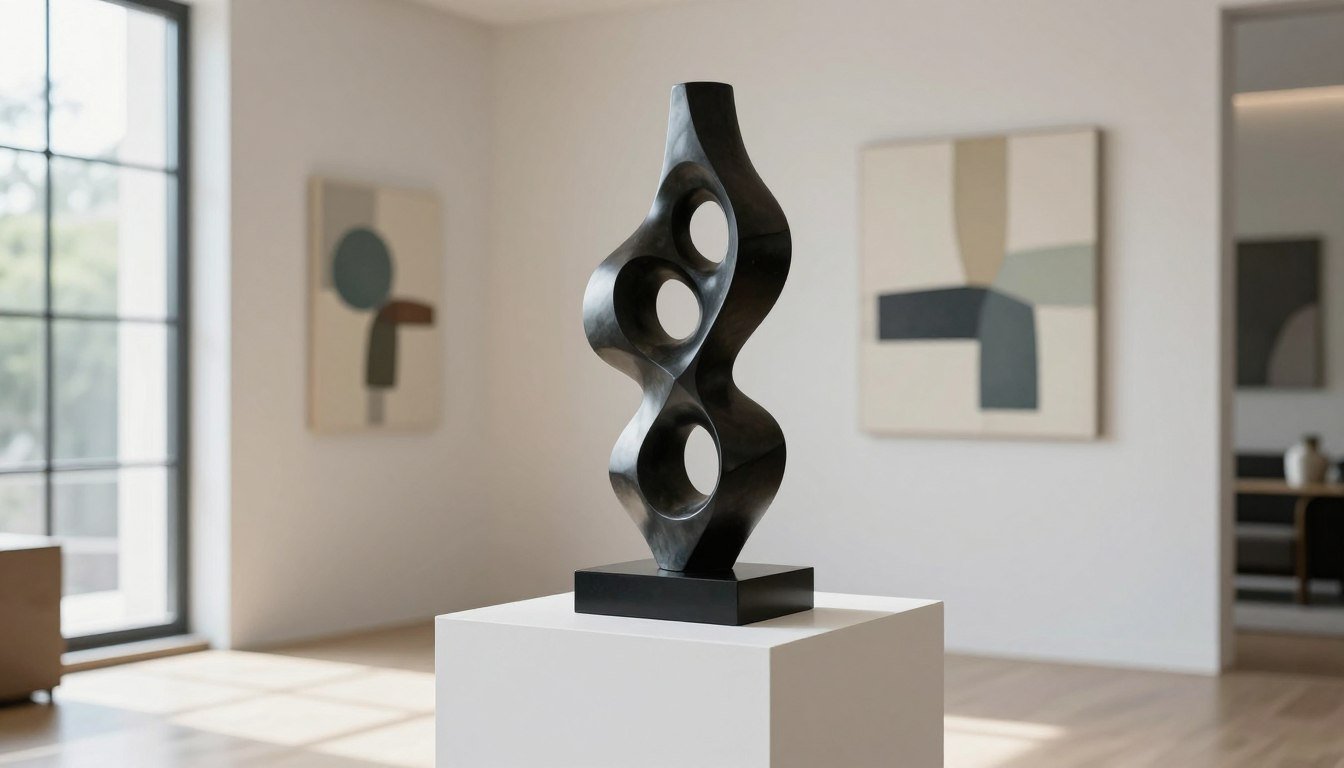

Your fine art sculptures deserve the same attention and care you give to any valuable artwork in your home. Whether you've invested in a bronze piece or a delicate ceramic creation, proper maintenance ensures these artworks retain their beauty and value over time. Many homeowners worry about damaging their sculptures through incorrect care techniques.
Understanding the right approach to cleaning and maintaining fine art sculptures protects your investment. Each material requires specific methods and products. This comprehensive guide walks you through safe practices for various sculpture types.
From bronze patina preservation to stone surface protection, you'll learn professional techniques adapted for home use. Regular maintenance prevents deterioration and keeps your sculpture collection looking museum-quality for years to come.
Curated Sculptures for Art Enthusiasts
If you love sculptural art, here are three pieces that bring sophisticated dimension to your home. These carefully selected works complement any maintenance routine you establish.

Modern Abstract Sculpture
Contemporary metal artwork featuring clean lines and geometric forms. This piece requires minimal maintenance while making a bold statement in any room.

Bronze Figurative Art
Timeless bronze sculpture with beautifully developed patina. This investment piece demonstrates the enduring appeal of traditional sculptural materials with contemporary design.

Ceramic Contemporary Form
Smooth ceramic sculpture with organic shapes and pristine finish. This low-maintenance piece adds sculptural interest without demanding intensive care routines.
Each sculpture type requires tailored care approaches. Explore the canvas print collections that complement sculptural displays perfectly in your living room or entryway.
Understanding Different Sculpture Materials and Their Care Needs

Different sculpture materials demand distinct care approaches. Bronze develops a protective patina over time that many collectors value. Stone sculptures vary from porous marble to dense granite. Ceramic pieces range from delicate porcelain to sturdy stoneware.
Metal sculptures beyond bronze include stainless steel, copper, and aluminum. Each metal reacts differently to environmental conditions. Wood sculptures present unique challenges with moisture sensitivity and potential insect damage.
Understanding your sculpture's composition guides every maintenance decision. Check artist documentation or consult experts when uncertain about materials. This knowledge prevents costly mistakes during cleaning sessions.
Bronze Sculptures and Patina Development
Bronze sculptures develop character through their patina. This natural surface layer forms from oxidation and protects the underlying metal. Many collectors prize this aged appearance as part of the artwork's history.

Some bronze works feature applied patinas created during fabrication. These intentional finishes require gentle handling to preserve the artist's vision. Harsh cleaning strips away these carefully developed surface treatments.
Modern bronze sculptures may have protective coatings. These sealants prevent unwanted oxidation while maintaining the desired appearance. Your care routine must respect these protective layers.
Stone Sculpture Characteristics
Stone sculptures include marble, granite, limestone, and soapstone varieties. Marble's porosity makes it vulnerable to staining and etching from acidic substances. Granite proves more durable but still requires proper care.
Limestone and sandstone are softer stones that scratch easily. These materials absorb moisture readily, leading to potential damage in humid environments. Soapstone's soft nature demands extra caution during handling and cleaning.

Each stone type has different porosity levels affecting cleaning methods. Dense stones tolerate more moisture than porous varieties. Testing cleaning solutions on inconspicuous areas prevents visible damage to your art collection.
Ceramic and Porcelain Artworks
Ceramic sculptures include earthenware, stoneware, and porcelain pieces. Glazed ceramics resist staining better than unglazed surfaces. Porcelain's delicate nature requires extremely gentle handling during maintenance.
Unglazed ceramic absorbs oils from skin contact. These absorbed materials can permanently discolor the surface over time. Regular dust removal prevents buildup that embeds in porous ceramic surfaces.
Essential Cleaning Tools and Materials for Sculpture Maintenance

Gathering appropriate cleaning tools protects your artworks from damage. Soft cloths made from microfiber or cotton work best for most sculptures. Natural bristle brushes remove dust from textured surfaces without scratching.
Avoid abrasive materials that scratch delicate surfaces. Paper towels contain wood fibers that can mar polished finishes. Synthetic brushes may be too stiff for sensitive materials like bronze patina.
Recommended Cleaning Cloths and Brushes
Microfiber cloths trap dust particles effectively without chemicals. White cloths prevent color transfer to light-colored sculptures. Keep separate cloths for different materials to avoid cross-contamination.
Soft natural bristle brushes reach crevices in detailed sculptures. Small artist brushes work well for intricate areas. Larger brushes handle broad surface dusting efficiently.
Cotton swabs address tiny detailed sections requiring precision. Medical-grade cotton balls provide lint-free cleaning for delicate surfaces. Always test new cleaning tools on inconspicuous areas first.
Safe Cleaning Solutions for Different Materials
Distilled water serves as the safest cleaning solution for most sculptures. Tap water contains minerals that leave deposits on sculpture surfaces. Room temperature water prevents thermal shock to sensitive materials.

Mild pH-neutral soap diluted in distilled water handles most cleaning needs. Avoid household cleaners containing ammonia, bleach, or acids. These harsh chemicals damage patinas and etch stone surfaces permanently.
Specialized products exist for specific materials like bronze or marble. Renaissance Wax provides museum-quality protection for many sculpture types. Always follow product instructions and artist recommendations when available.
Protective Equipment for Safe Handling
White cotton gloves prevent oil transfer from hands to sculptures. Clean gloves for each cleaning session maintain hygiene standards. Nitrile gloves work when handling cleaning solutions.
Protective gloves also shield your skin from cleaning products. Some materials like certain patinas contain substances you shouldn't touch directly. Safety glasses protect eyes when working overhead or with spray applications.
Video Guide: Professional Sculpture Care Techniques
Watch this detailed video tutorial demonstrating proper sculpture cleaning methods. Learn hands-on techniques from experienced art handlers.
This visual guide complements written instructions with practical demonstrations. Seeing proper technique prevents common mistakes that damage valuable artworks. Follow along to master safe handling procedures.
Cleaning and Maintaining Fine Art Sculptures Made of Bronze

Bronze sculpture maintenance focuses on preserving patina while removing harmful contaminants. The patina protects the bronze beneath and contributes to the piece's aesthetic value. Regular gentle care keeps bronze sculptures looking their best.
Regular Dusting Procedures for Bronze
Dust bronze sculptures weekly using a soft cloth or natural bristle brush. Work gently to avoid disturbing the patina surface. Pay special attention to crevices where dust accumulates.
Remove the cloth or brush from the sculpture surface frequently to shake off collected dust. This prevents redistributing particles that could scratch the patina. Always work in the same direction following the sculpture's contours.
Outdoor bronze sculptures collect more environmental debris than indoor pieces. Increase dusting frequency for pieces displayed outside or in high-traffic areas. Consistent maintenance prevents buildup requiring intensive cleaning later.
Deep Cleaning Bronze Surfaces
Deep clean bronze sculptures only when necessary, typically once or twice yearly. Use distilled water applied with a slightly damp soft cloth. Wring out excess water to prevent moisture damage.

Wipe sections systematically to ensure complete coverage. Avoid excessive moisture that could penetrate joints or hollow areas. Immediately dry each section with a separate clean cloth before moving to the next area.
For stubborn dirt, consult a professional conservator rather than attempting aggressive cleaning. Improper techniques remove patina that took years to develop. Professional conservation ensures your bronze sculpture retains its value and appearance.
Applying Protective Wax Coatings
Wax application protects bronze sculptures from environmental damage. Renaissance Wax and similar museum-quality products create barrier layers against moisture and pollutants. Apply wax after thorough cleaning and drying.
Use a soft cloth to apply thin wax layers evenly across the entire surface. Work the wax into detailed areas carefully. Allow the wax to dry according to product instructions before buffing.
Buff the waxed surface gently with a clean soft cloth until achieving desired sheen. This process enhances the patina's appearance while providing protection. Reapply wax every six months for indoor sculptures, more frequently for outdoor pieces.
Discover abstract canvas prints that complement bronze sculpture displays beautifully.
Match This Care Expertise to Your Space
Create a Cohesive Art Display
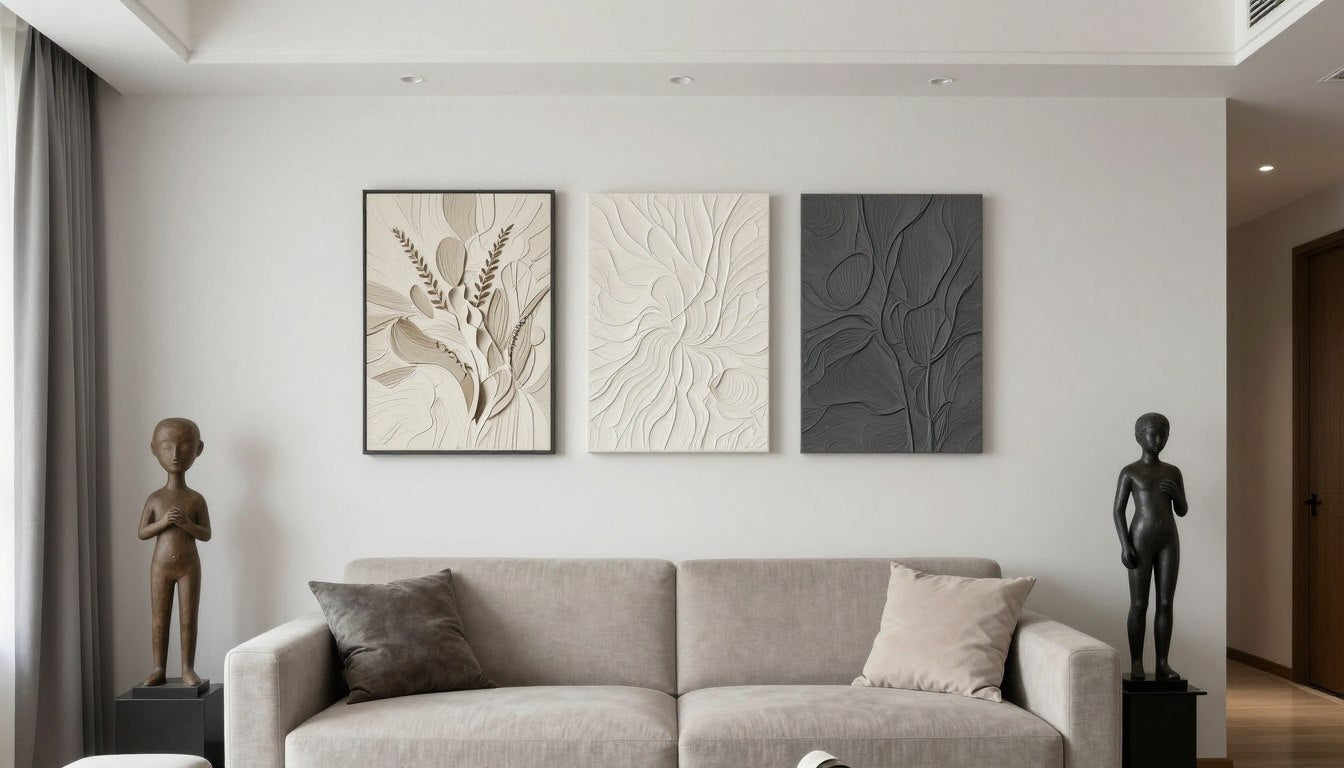
Pair your well-maintained sculptures with complementary wall art that enhances your interior design. Our curated collections feature artwork perfect for spaces where you display three-dimensional art.

The care you invest in sculpture maintenance deserves an equally thoughtful approach to your entire art collection. Browse collections specifically curated for rooms where sculptures make the greatest impact.
Stone Sculpture Care and Protection Methods

Stone sculptures require material-specific care approaches based on stone type and porosity. Marble, granite, limestone, and other stones each present unique maintenance challenges. Understanding these differences ensures appropriate care techniques.
Cleaning Marble and Limestone Sculptures
Marble and limestone are calcium-based stones sensitive to acids. Never use vinegar, lemon juice, or acidic cleaners on these materials. Even mild acids etch the surface permanently.
Clean marble sculptures with distilled water and a soft cloth. For stubborn dirt, add a few drops of pH-neutral soap to the water. Test the solution on a hidden area before applying to visible surfaces.

Dry stone sculptures thoroughly after cleaning to prevent water spots. Moisture trapped in porous stone leads to staining or mineral deposits. Use clean dry cloths and allow complete air drying time.
Protecting Porous Stone Surfaces
Porous stones like sandstone and limestone absorb liquids easily. Apply breathable stone sealers designed for art conservation. These products protect against staining while allowing moisture vapor to escape.
Reapply sealers according to manufacturer recommendations, typically annually. Monitor sealed surfaces for wear in high-contact areas. Proper sealing significantly extends the life of porous stone artworks.
Keep porous stone sculptures away from potential staining sources. Coffee, wine, and oils penetrate unsealed stone quickly. Position sculptures where spills are unlikely in your home.
Handling Granite and Dense Stone
Granite and other dense stones tolerate more aggressive cleaning than softer varieties. However, gentle methods still prove most effective for regular maintenance. Soft cloths and brushes remove most dirt without risks.
Dense stone can handle slightly more moisture during cleaning. Still avoid saturating the surface or allowing water to pool. Dry thoroughly to prevent any potential moisture-related issues.
Ceramic and Porcelain Sculpture Maintenance

Ceramic sculptures demand extra caution due to their fragile nature. Glazed surfaces resist dirt better than unglazed clay but still require gentle handling. Porcelain represents the most delicate ceramic type needing careful attention.
Dusting Glazed Ceramic Pieces
Dust glazed ceramics regularly with soft microfiber cloths. The smooth glazed surface releases dust easily with gentle wiping. Avoid excessive pressure that could crack delicate areas.
For textured or relief surfaces, use soft natural bristle brushes. Work slowly and deliberately around raised elements. Never use stiff brushes that could chip glaze edges.
Cleaning Unglazed Clay Surfaces
Unglazed ceramic requires dry cleaning methods only. Moisture absorbs into the porous clay causing stains or structural damage. Use soft brushes exclusively for dust removal.

Compressed air removes dust from intricate unglazed areas. Hold the air source at a safe distance to prevent damage from pressure. Work in a well-ventilated area to avoid breathing displaced dust particles.
Never apply liquids or waxes to unglazed ceramic surfaces. These substances penetrate the clay and alter its appearance permanently. Stick to dry cleaning methods exclusively for these pieces.
Repairing Minor Ceramic Damage
Small chips in ceramic sculptures sometimes can be stabilized by professionals. Never attempt repairs yourself unless you have conservation training. Improper adhesives cause more damage than the original problem.
Document any damage with photographs from multiple angles. Consult ceramic conservation specialists for repair options. Professional restoration maintains or even increases the piece's value compared to amateur repairs.
For more art inspiration, explore our botanical wall art that pairs beautifully with ceramic sculptures.
Environmental Factors Affecting Sculpture Condition

Environmental conditions significantly impact sculpture longevity. Temperature, humidity, light exposure, and air quality all affect different materials. Controlling these factors prevents deterioration between cleaning sessions.
Temperature and Humidity Control
Maintain stable temperature between 65-75°F for most sculptures. Extreme temperature fluctuations cause materials to expand and contract. This movement leads to cracking, warping, or surface damage over time.
Keep relative humidity between 40-60% for optimal sculpture preservation. High moisture levels promote corrosion on metal and encourage mold on porous materials. Low humidity causes certain materials like wood to crack.
Use dehumidifiers in damp areas and humidifiers in dry climates. Place sculptures away from heating vents and air conditioning units. These devices create localized climate variations harmful to artworks.
Light Exposure Management
Direct sunlight fades colors and degrades certain materials over time. Position sculptures away from windows receiving strong sun. UV-filtering window film protects entire rooms when natural light is desired.

Artificial lighting should use LED bulbs producing minimal heat and UV radiation. Avoid halogen lights that generate excessive heat near sculptures. Adjustable lighting allows you to highlight pieces without causing damage.
Rotate displayed sculptures periodically if some face more light than others. This ensures even aging across your collection. Document each piece's location and rotation schedule for consistent care.
Air Quality and Pollution Considerations
Indoor air pollutants from cooking, smoking, and cleaning products affect sculpture surfaces. These contaminants settle as residue requiring more frequent cleaning. Improved ventilation reduces pollutant accumulation on artworks.
Outdoor sculptures face greater environmental challenges from vehicle emissions and industrial pollution. Protective coatings become essential for pieces exposed to these conditions. Regular inspection catches pollution damage early.
Air purifiers with HEPA filters reduce airborne particles settling on sculptures. Place purifiers in rooms housing valuable collections. This proactive approach minimizes cleaning frequency and associated handling risks.
Proper Handling and Display Techniques

Safe handling prevents damage during cleaning and repositioning. Always plan movements before touching sculptures. Clear pathways and prepare landing surfaces in advance.
Safe Sculpture Handling Practices
Wear clean cotton gloves when handling sculptures to prevent oil transfer. Support sculptures from their strongest points, typically the base or solid sections. Never lift pieces by delicate protruding elements.
Two-person handling provides better control for larger sculptures. Communicate clearly during movement to coordinate actions. Move slowly and deliberately without rushing.
Transport sculptures on padded carts when moving between rooms. Secure pieces to prevent shifting during movement. Multiple short trips prove safer than attempting to carry too much at once.
Display Surface Considerations
Choose stable, level surfaces for sculpture display. Wobbly furniture creates tipping hazards for valuable art. Test surface stability before placing any artwork.

Use protective pads between sculptures and display surfaces. Felt or cork prevents scratching furniture and dampens vibrations. These barriers also prevent sculptures from sliding accidentally.
Consider earthquake-resistant museum putty in areas prone to seismic activity. This removable adhesive secures sculptures without permanent attachment. Check and replace putty annually as it loses effectiveness over time.
Check out our black and white canvas prints for dramatic wall art that enhances sculpture displays.
Seasonal Maintenance Schedules for Art Collections

Establishing regular maintenance schedules ensures consistent sculpture care. Seasonal changes affect environmental conditions requiring adjusted attention. A structured approach prevents neglect and catches problems early.
Weekly Maintenance Tasks
Dust all sculptures weekly with appropriate tools for each material. This quick routine prevents buildup requiring intensive cleaning later. Inspect pieces during dusting for any new damage or concerns.
Check environmental conditions using thermometers and hygrometers. Record readings to track patterns over time. Adjust climate control as needed to maintain optimal ranges.
Monthly Deep Cleaning Sessions
Perform thorough examinations monthly to catch developing issues. Look for new cracks, discoloration, or surface changes. Document findings with photographs for comparison over time.
Deep clean sculptures monthly or as needed based on dust accumulation. Follow material-specific procedures for each piece in your collection. Allow adequate drying time before returning pieces to display.
Annual Professional Assessments
Consult professional conservators annually for valuable pieces. Expert eyes catch subtle deterioration you might miss. Professional assessments provide peace of mind about your care routine's effectiveness.
Schedule wax reapplication for bronze sculptures during annual reviews. Update sealants on stone pieces according to product schedules. These preventive measures protect sculptures between professional visits.
Revisit our art care blog for updated maintenance tips and techniques throughout the year.
Advanced Care Techniques Demonstration
This second video tutorial covers advanced sculpture maintenance methods for experienced collectors. Watch professional conservators demonstrate specialized techniques.
Advanced methods require practice and confidence in basic techniques first. These demonstrations show professional-grade approaches adapted for serious home collectors. Always prioritize safety and consult experts when uncertain.
Common Sculpture Cleaning Mistakes to Avoid

Learning from common errors prevents damage to your art collection. Many well-intentioned actions cause irreversible harm to sculptures. Understanding these mistakes helps you avoid repeating them.
Using Inappropriate Cleaning Products
Household cleaners designed for general use damage specialized art materials. Glass cleaners, kitchen degreasers, and bathroom products contain chemicals too harsh for sculptures. These products strip patinas, etch stone, and discolor surfaces.
Never use abrasive cleaners or scouring pads on any sculpture surface. These materials scratch even durable finishes permanently. Stick to products specifically designed for art conservation or simple distilled water.
Applying Excessive Moisture
Over-wetting sculptures during cleaning causes numerous problems. Water penetrates joints, seeps into porous materials, and creates staining. Some materials like unglazed ceramic should never contact liquids.
Always use barely damp cloths rather than wet ones. Wring out excess water thoroughly before touching sculpture surfaces. Dry each area immediately after cleaning to prevent moisture damage.
Neglecting Material-Specific Requirements
Treating all sculptures identically ignores critical material differences. Bronze maintenance differs completely from ceramic care. Using bronze techniques on marble causes permanent damage.
Research each material in your collection individually. Maintain separate cleaning supplies for different sculpture types. This specialization ensures appropriate care for every piece you own.
For authoritative conservation guidance, consult resources from the Getty Conservation Institute or the Smithsonian Museum Conservation Institute.
Special Considerations for Outdoor Sculptures

Outdoor sculptures face harsher conditions than indoor pieces. Weather, temperature extremes, and environmental pollutants accelerate deterioration. Enhanced protection and more frequent maintenance keep outdoor art looking its best.
Weather Protection Strategies
Apply protective coatings more frequently to outdoor sculptures. Wax coatings for bronze need reapplication every three to four months in outdoor settings. Stone sealers require annual renewal for pieces exposed to weather.
Consider temporary covers during extreme weather events. Heavy tarps protect against hail, severe storms, or unusual temperature swings. Ensure covers allow airflow to prevent moisture trapped underneath.

Position outdoor sculptures with drainage in mind. Prevent water pooling at bases where moisture promotes corrosion or material breakdown. Slight tilts or drain holes help water escape quickly.
Increased Cleaning Frequency
Clean outdoor sculptures monthly or more often depending on environmental exposure. Pollution, pollen, and bird droppings accumulate faster than indoor dust. Prompt removal prevents these contaminants from causing permanent damage.
Inspect outdoor pieces weekly for new damage or concerning changes. Early detection allows quicker intervention before problems worsen. Look for cracks, color changes, or structural issues during inspections.
Winter Care for Cold Climates
Freezing temperatures pose special challenges for certain sculpture materials. Water trapped in cracks expands when frozen, causing additional cracking. Ensure thorough drying before winter temperatures arrive.
Some collectors move vulnerable pieces indoors during winter months. This option works well for smaller sculptures or those made from freeze-sensitive materials. Plan indoor display locations before cold weather begins.
Cover outdoor sculptures with breathable materials if moving them isn't practical. Avoid plastic which traps moisture. Burlap or specialized art covers provide protection while allowing air circulation.
Ready-to-Hang, Gallery-Quality Canvas. Free Worldwide Shipping.
Expand Your Art Collection with Confidence
The expertise you've gained in sculpture care translates perfectly to maintaining canvas art. Our premium canvas prints arrive ready to display, featuring gallery-quality materials that resist fading and require minimal maintenance. Each piece ships free worldwide with secure packaging ensuring perfect condition upon arrival.

Every canvas undergoes rigorous quality control before shipping. We use fade-resistant inks and premium canvas materials that last generations with simple care. Your investment in art deserves this level of quality and attention.
Browse our curated collections designed for specific spaces: bedroom canvas prints, office canvas art, and dining room wall art.
Documenting Your Sculpture Collection and Care

Proper documentation protects your investment and guides future care decisions. Detailed records prove invaluable for insurance, resale, or conservation consultations. Start comprehensive documentation practices today regardless of collection size.
Photographing Your Collection
Photograph each sculpture from multiple angles in good lighting. Include close-ups of signatures, marks, and any existing damage. Update photos annually to track condition changes over time.
Store digital images in multiple locations including cloud backup. Organize photos by date and sculpture name for easy retrieval. These images become essential for insurance claims or authentication needs.
Maintenance Log Creation
Record every cleaning session, wax application, and conservation treatment. Note dates, products used, and observations about sculpture condition. This history helps identify successful techniques and recurring issues.
Track environmental readings alongside maintenance activities. Correlating care needs with climate data reveals patterns. Use this information to optimize your sculpture display environment.
Provenance and Acquisition Records
Maintain purchase receipts, certificates of authenticity, and artist information. Document the sculpture's history before you acquired it when possible. Complete provenance increases artwork value and collector confidence.
Store all documentation in fireproof, waterproof containers or digital encrypted storage. Share copies with insurance companies and keep updated inventories. Organization prevents loss of critical information during emergencies.
When to Consult Professional Conservators

Professional conservators possess training and tools beyond typical homeowner capabilities. Certain situations always require expert intervention. Knowing when to seek professional help protects valuable artworks from further damage.
Signs Requiring Professional Assessment
Contact conservators immediately if you notice cracks, chips, or structural instability. These issues often worsen quickly without expert intervention. Attempting DIY repairs usually causes additional damage.
Unusual discoloration or surface changes deserve professional evaluation. What appears minor might indicate serious underlying problems. Conservators identify issues invisible to untrained eyes.
Active corrosion on metal sculptures requires expert treatment. Home methods cannot stop aggressive deterioration processes. Professional intervention prevents total loss of affected areas.
Restoration Versus Conservation
Conservation preserves artworks in their current state preventing further deterioration. Restoration attempts to return pieces to original appearance. Understanding this distinction guides appropriate professional selection.
Choose conservators certified by professional organizations. The American Institute for Conservation provides member directories. Verify credentials and ask for references before entrusting valuable art to anyone.
Establishing Professional Relationships
Build relationships with conservators before emergencies arise. Initial consultations provide personalized advice for your collection. These professionals become valuable resources throughout your collecting journey.
Annual check-ups catch problems early when treatment proves easiest and least expensive. Preventive care costs less than emergency interventions. Consider professional assessments an investment in your collection's future.
Explore our cityscape canvas prints and original paintings to expand your curated art collection.
Insurance and Valuation for Sculpture Collections

Proper insurance coverage protects your financial investment in sculptures. Standard homeowners policies often provide insufficient coverage for valuable art. Specialized fine art insurance offers comprehensive protection tailored to collectors' needs.
Professional Appraisal Importance
Obtain professional appraisals for sculptures worth significant amounts. Certified appraisers provide documentation insurance companies accept. Update appraisals every three to five years as market values change.
Appraisals serve multiple purposes beyond insurance. They inform estate planning, charitable donations, and resale decisions. Accurate valuations protect all parties in these transactions.
Fine Art Insurance Options
Specialized fine art policies cover damage, theft, and loss more comprehensively than standard insurance. These policies often include conservation, restoration, and even depreciation coverage. Compare multiple insurers to find optimal protection.
Document your collection thoroughly for insurance purposes. Photographs, receipts, and appraisals create the evidence needed for claims. Store copies of all documentation separate from the artworks themselves.
Frequently Asked Questions About Sculpture Maintenance
How often should I dust my bronze sculptures?
Dust bronze sculptures weekly using a soft cloth or natural bristle brush. Regular dusting prevents buildup that embeds in the patina surface. Outdoor bronze pieces may require more frequent attention depending on environmental exposure. Consistent maintenance keeps bronze looking its best while protecting the valuable patina layer.
Can I use water to clean all sculpture types?
No, water suitability depends entirely on sculpture material. Glazed ceramic, sealed stone, and bronze tolerate carefully applied distilled water. However, unglazed ceramic, porous stone, and wood should never contact water directly. Always research your specific sculpture material before introducing any moisture during cleaning. When in doubt, use dry cleaning methods exclusively.
What temperature range is best for displaying sculptures?
Maintain indoor temperatures between 65-75°F for optimal sculpture preservation. More important than absolute temperature is consistency - avoid dramatic fluctuations that cause materials to expand and contract. Keep sculptures away from heating vents, fireplaces, and air conditioning units that create localized temperature variations. Stable conditions prevent cracking and other temperature-related damage over time.
Should I wax marble sculptures like I do bronze?
No, never apply wax to marble sculptures. Wax darkens marble's appearance and can trap dirt in its porous surface. Marble requires completely different care than bronze. Use only products specifically designed for marble and stone care. When protecting marble, choose breathable stone sealers rather than surface waxes. Always verify product compatibility with your specific stone type.
Where should I display sculptures in my home to minimize damage?
Display sculptures away from direct sunlight, heating vents, and high-traffic areas where accidental contact occurs. Choose stable, level surfaces that prevent tipping. Avoid bathrooms and kitchens where humidity and temperature fluctuate significantly. Position pieces at comfortable viewing height while ensuring they're secure from children and pets. Consider displaying complementary entryway wall art or living room canvas art nearby to create cohesive gallery-style displays.
How do I know if my sculpture needs professional conservation?
Contact professional conservators immediately if you notice cracks, active corrosion, flaking surfaces, or structural instability. Unusual discoloration changes or surface deterioration also warrant expert assessment. When regular cleaning doesn't restore appearance, or if you're uncertain about proper care methods, consultation prevents costly mistakes. Annual professional check-ups catch subtle problems before they become serious issues requiring extensive treatment.
What's the difference between patina and corrosion on bronze?
Patina is a stable, protective surface layer that forms naturally on bronze over time, usually appearing as rich brown or green coloring. Collectors and artists often value patina for its aesthetic qualities. Corrosion, conversely, represents active deterioration causing pitting, flaking, or powder-like deposits. Corrosion damages bronze and requires professional treatment. If you're uncertain whether surface changes indicate desirable patina or harmful corrosion, consult a conservator for proper assessment.
Are outdoor sculptures harder to maintain than indoor pieces?
Yes, outdoor sculptures require significantly more maintenance due to weather exposure, temperature extremes, UV radiation, and environmental pollutants. Protective coatings need reapplication three to four times more frequently outdoors. Cleaning schedules intensify from weekly to potentially after every major weather event. However, selecting weather-appropriate materials and applying proper protective treatments makes outdoor display manageable. Choose bronze, certain stones, or weather-resistant metals specifically designed for outdoor conditions.
Conclusion: Protecting Your Sculptural Art Investment

Cleaning and maintaining fine art sculptures protects both aesthetic beauty and financial value. The techniques covered in this guide provide a solid foundation for responsible sculpture ownership. Regular care prevents deterioration while preserving the artist's original vision.
Remember that each sculpture material requires specific approaches. Bronze, stone, ceramic, and other materials each present unique maintenance needs. Respecting these differences ensures appropriate care for every piece in your collection.
Establish consistent maintenance routines including weekly dusting, monthly deep cleaning, and annual professional assessments. Environmental control proves equally important as active cleaning. Temperature, humidity, and light management create optimal conditions for long-term preservation.
Document your collection thoroughly with photographs and maintenance logs. This information guides future care decisions and proves invaluable for insurance or resale purposes. Build relationships with professional conservators before emergencies arise.
Your commitment to proper sculpture care demonstrates respect for artistic craftsmanship. These maintenance practices ensure future generations can appreciate these artworks just as you do today. With knowledge and consistent attention, your sculpture collection will remain beautiful for decades.
Continue exploring art for your home with our canvas print collections featuring styles from abstract to portrait art. Visit our art blog for ongoing care tips and inspiration.

About the Author
Chiara Rossetti
Chiara Rossetti is the founder of Rossetti Art, a canvas print and original art brand. She writes about interior design, wall art styling, and the art of making a home feel alive.


Leave a comment
This site is protected by hCaptcha and the hCaptcha Privacy Policy and Terms of Service apply.