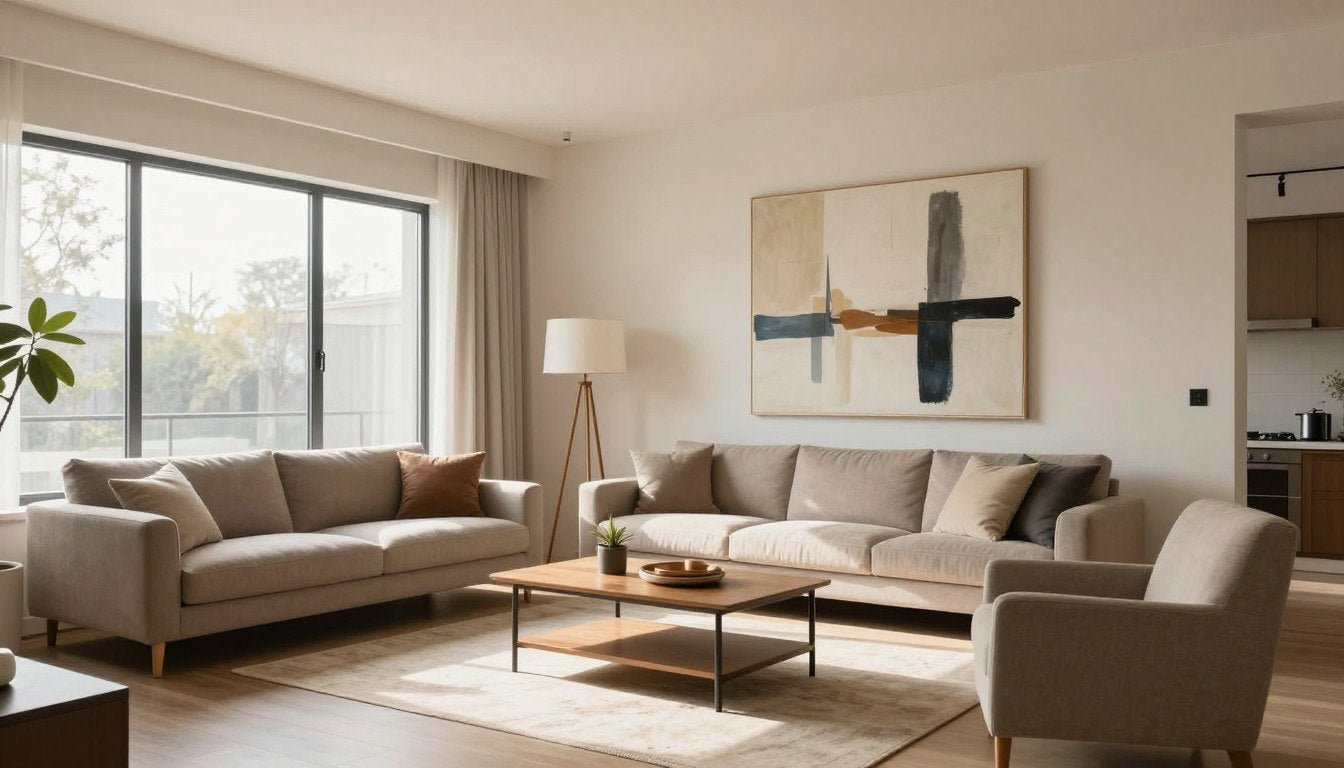

Moving into a new home marks an exciting chapter. The empty rooms hold endless possibilities. Yet many families feel overwhelmed when facing blank walls and bare floors. You stand in your new space wondering where to begin.
The process of interior design when moving to a new home doesn't have to drain your budget or time. Smart planning transforms confusion into confidence. This guide walks you through each step of creating beautiful, functional spaces that reflect your style.
From choosing the right furniture to selecting canvas prints that bring personality to your walls, you'll discover practical strategies. These tips help you avoid common mistakes and create a home you love from day one.
Plan Your Interior Design Before Moving Day

The best time to start your interior design process is before moving trucks arrive. Walk through your new house with measuring tape in hand. Record room dimensions, window locations, and natural light patterns at different times of day.
Create a floor plan for each space. This planning phase saves money and prevents furniture that doesn't fit. Measure doorways to ensure large pieces can actually enter rooms. Many families discover their beloved dining table won't fit through the front door.
Consider how your family uses different spaces. Does your living room need to accommodate movie nights and formal gatherings? Will your bedroom serve as a quiet retreat or multifunctional space? These questions shape every design decision ahead.
Take photos of empty rooms from multiple angles. These images become valuable references when shopping for furniture and living room wall art. You can visualize how pieces work together before spending a single dollar.
Professional interior designers often suggest starting with abstract canvas prints as anchor points. Art establishes color schemes and sets the mood for entire rooms. This approach gives you a foundation for selecting furniture, rugs, and accent items.
Start with Statement Pieces That Define Your Style
Before furniture shopping overwhelms you, establish your design direction with carefully chosen art. These three prints create instant focal points and guide your color palette decisions:

Modern Abstract Collection
Bold geometric designs that anchor contemporary spaces and establish sophisticated color schemes throughout your home.

Botanical Wall Art
Bring natural tranquility to bedrooms and dining areas with prints that create peaceful, welcoming atmospheres.

Black & White Classics
Timeless monochrome pieces that complement any design direction while you finalize furniture and color decisions.
Establish Your Design Foundation First

Every successful interior starts with a clear design vision. Choose a primary style that resonates with your family. Modern, traditional, farmhouse, or eclectic approaches each create different atmospheres in your new space.
Your color palette forms the backbone of cohesive design. Select three to five colors that appear throughout your home. Neutral base tones provide flexibility. Accent colors add personality without overwhelming rooms.
Choose Your Dominant Design Elements
Wall color sets the stage for everything else. Light paint colors make small rooms feel larger. Darker tones create intimate, cozy spaces. Many designers recommend starting with wall art before selecting paint. This reverse approach ensures your favorite pieces look their best.
Flooring decisions impact your entire design budget. Existing floors might work perfectly with the right furniture and rugs. If replacement is necessary, consider durability alongside aesthetics. Families with young children prioritize different flooring than empty nesters.
Lighting deserves careful attention during this foundation phase. Natural light changes throughout the day. Observe how sunlight enters each room during morning, afternoon, and evening hours. This knowledge guides furniture placement and artificial lighting choices.
Architectural features like fireplaces, built-in shelving, or large windows become focal points. Work with these elements rather than against them. Line art canvas prints complement architectural details beautifully without competing for attention.
Set Realistic Budget Parameters
Interior design costs add up quickly. Establish spending limits for each room before shopping begins. Allocate larger portions of your budget to high-impact items like sofas and beds. Save on accent pieces that change easily over time.
Quality matters more than quantity. One beautiful statement piece outperforms five mediocre items. Invest in furniture you'll use daily. Dining tables, living room seating, and bedroom furniture deserve careful selection and appropriate budgets.
Art provides affordable impact in any budget. Canvas prints deliver gallery-worthy style at accessible price points. Free worldwide shipping on ready-to-hang pieces eliminates additional costs. You can transform entire rooms without furniture expenses.
Take a Strategic Room-by-Room Approach

Attempting to decorate your entire house at once leads to burnout and poor decisions. Focus on one room at a time. Start with the space your family uses most. This approach lets you see progress quickly and maintains momentum.
The living room typically deserves first attention. It's where families gather and guests form impressions. Perfect this space before moving to bedrooms or dining areas. Success in one room builds confidence for tackling the next.
Living Room Design Priorities
Your living room needs a clear focal point. This might be a fireplace, large window, or prominent wall. Arrange furniture to highlight this feature. Seating should encourage conversation while maintaining comfortable traffic flow.
Sofas and chairs establish the room's foundation. Choose pieces scaled appropriately for your space. Oversized furniture overwhelms small rooms. Undersized pieces look lost in large areas. Leave enough space between furniture for easy movement.
Wall art completes living room design. Large canvas prints create dramatic impact above sofas or fireplaces. Cityscape prints bring urban sophistication. Pop art injects playful energy.
Lighting layers transform living rooms from flat to dynamic. Combine overhead fixtures with table lamps and floor lamps. This variety lets you adjust ambiance for different activities and times of day.
Bedroom Sanctuary Creation

Bedrooms function as personal retreats from daily stress. Design these spaces with relaxation in mind. Color psychology matters here. Blues and greens promote calmness. Warm neutrals create cozy comfort.
Bed placement takes priority in bedroom layout. Position your bed as the room's focal point, typically against the largest wall. Ensure adequate space on both sides for nightstands and movement. Windows near the bed provide natural wake-up light.
Bedroom art should soothe rather than stimulate. Bedroom canvas prints in soft tones encourage relaxation. Nature scenes and abstract designs work beautifully. Avoid busy patterns or jarring colors in sleep spaces.
Storage solutions prevent bedroom clutter. Built-in closets, dressers, and under-bed storage keep items organized. A clutter-free bedroom promotes better sleep and reduces morning stress.
Dining Room Functionality
Dining rooms balance form and function. Your table size determines how many people you can comfortably host. Leave at least 36 inches between the table edge and walls for chair movement. More space improves comfort significantly.
Lighting makes or breaks dining room ambiance. A statement chandelier or pendant light centered over the table creates focus. Dimmer switches let you adjust brightness for different occasions, from family dinners to formal entertaining.
Wall decor in dining rooms sparks conversation. Dining room wall art sets the mood for meals. Food-themed prints, wine art, or sophisticated abstracts all work well. Choose pieces that make you smile during daily meals.
Match Your Design Vision to Your Space
Every home tells a different story. Discover curated collections designed for specific design aesthetics and room functions. Find the perfect pieces that align with your interior vision:
Master Furniture Selection and Placement

Furniture shopping tempts many to buy first and plan later. This backward approach creates expensive mistakes. Instead, reference your floor plans and room measurements. Know exactly what fits before entering any store.
Scale matters enormously. Furniture should fit room proportions. A massive sectional sofa overwhelms a small living room. Delicate pieces disappear in large, open spaces. Take room dimensions shopping with you on your phone.
Essential Furniture Pieces First
Start with must-have items before decorative pieces. Beds, sofas, dining tables, and essential storage come first. These practical pieces form your home's foundation. Accent tables, decorative chairs, and extra shelving can wait.
Quality beats quantity in furniture selection. One well-made sofa lasts decades. Five cheap pieces need replacement within years. Consider cost per year of use rather than just the initial price tag. This perspective shifts purchasing decisions.
Multifunctional furniture serves small spaces well. Ottoman storage, sofa beds, and extendable dining tables provide flexibility. These pieces adapt as your family needs change over time.
Create Balanced Room Layouts
Symmetrical arrangements create formal, traditional feels. Asymmetrical layouts offer casual, modern vibes. Neither approach is right or wrong. Choose based on your style preferences and how you use each space.
Traffic flow through rooms should feel natural. Create clear pathways between doorways and frequently used areas. Furniture shouldn't force people to navigate obstacle courses. Walk through your planned layout before finalizing placement.
Conversation areas need proper furniture grouping. Seating pieces should face each other or angle toward a focal point. This arrangement encourages interaction. People naturally avoid rooms where they must shout across long distances.
Accent pieces add personality without overwhelming rooms. Side tables, lamps, and decorative objects complete furniture arrangements. Modern sculptures introduce three-dimensional interest alongside flat wall art.
Layer Color and Texture Throughout Your Home

Flat, monotone rooms lack visual interest. Successful interior design builds depth through color and texture combinations. This layering transforms basic spaces into magazine-worthy rooms.
Start with your established color palette. Apply the 60-30-10 rule: 60% dominant color, 30% secondary color, 10% accent color. This formula creates balanced, cohesive design without overwhelming the eye.
Texture Adds Visual Depth
Mix different materials throughout each room. Combine smooth surfaces with rough ones. Pair soft fabrics against hard woods or metals. This contrast creates tactile interest that pure color cannot achieve alone.
Rugs ground furniture groupings while adding warmth and texture. Select rug sizes that extend beyond furniture edges. All front furniture legs should rest on the rug, or all furniture should sit completely on or off it. Avoid rugs that look too small for the space.
Window treatments soften hard architectural lines. Curtains add color, pattern, and texture while controlling light and privacy. Hang curtain rods closer to the ceiling than the window frame. This technique makes rooms appear taller.
Throw pillows and blankets introduce pattern and seasonal color changes. These small items let you refresh rooms without major expenses. Switch them out as trends change or seasons shift.
Wall Art as Color Anchor
Canvas prints pull color schemes together effortlessly. Choose artwork first, then match paint and fabrics to it. This approach ensures your favorite pieces look perfect in finished spaces.
Portrait canvas prints add human elements and warmth. Animal prints bring nature indoors. Select subjects that resonate with your family's interests and personality.
Gallery walls create dynamic visual interest on large, empty walls. Mix different frame sizes while maintaining consistent spacing. Plan layouts on the floor before hammering nails. This preparation prevents wall damage from poor positioning.
Design Effective Lighting Throughout Your Home

Lighting dramatically affects how your home looks and feels. Poor lighting ruins even the best furniture and color choices. Great lighting elevates modest spaces into stunning rooms.
Every room needs three lighting types: ambient, task, and accent. Ambient lighting provides overall illumination. Task lighting helps with specific activities like reading or cooking. Accent lighting highlights art, architecture, or decorative objects.
Layer Your Lighting Sources
Overhead fixtures provide ambient light but create harsh shadows alone. Supplement with table lamps, floor lamps, and wall sconces. Multiple light sources at different heights create warm, inviting atmospheres.
Dimmer switches offer lighting flexibility. Bright light works for cleaning and active tasks. Lower light sets relaxing moods for evening hours. Installing dimmers on existing fixtures is affordable and makes significant impact.
Natural light remains the best illumination source. Maximize it through strategic furniture placement and window treatments. Avoid blocking windows with tall furniture. Use mirrors to reflect and amplify natural light throughout rooms.
Task lighting prevents eye strain and improves function. Reading lamps near chairs, under-cabinet kitchen lighting, and vanity lights in bathrooms all serve specific purposes. Position these lights to eliminate shadows on work surfaces.
Highlight Your Best Features
Accent lighting directs attention to focal points. Picture lights above artwork, uplights on plants, or spotlights on architectural features create drama. This technique works especially well for canvas print sets that deserve attention.
Consider light color temperature. Warm white (2700-3000K) creates cozy residential feels. Cool white (3500-4100K) appears clean and modern. Daylight (5000-6500K) mimics natural light. Match bulb temperatures throughout connected spaces for visual flow.
Add Finishing Touches That Complete Your Design

The difference between good and great interior design lies in thoughtful finishing touches. These final details transform decorated rooms into designed spaces. Take time with this final phase after major furniture is placed.
Books, vases, candles, and decorative objects add personality. Group items in odd numbers (three or five pieces together). Vary heights within groupings for visual interest. These small collections tell stories about your family.
Personalize Your Spaces
Family photos, travel souvenirs, and hobby-related items make houses feel like homes. Display these personal touches alongside purchased decor. Mix expensive pieces with sentimental items for authentic, lived-in beauty.
Plants bring life and air-purifying benefits to interior spaces. Even beginners can maintain hardy varieties like pothos, snake plants, or ZZ plants. Place greenery at different heights throughout rooms for organic texture.
Kids room canvas prints help children feel ownership of their spaces. Let them participate in selecting art for their bedrooms. This involvement creates investment in maintaining their rooms.
Entryways set first impressions. A console table, mirror, and art piece welcome guests. Entryway wall art establishes your home's aesthetic immediately. Don't neglect this important transition space.
Office Spaces Deserve Attention
Home offices require both function and inspiration. Ergonomic furniture prevents physical strain during work hours. Personal touches like office canvas art maintain motivation and creativity throughout long days.
Organized storage keeps office clutter under control. Filing systems, desk organizers, and shelving prevent work from spreading through your home. Maintain clear boundaries between work and living spaces when possible.
Ready-to-Hang, Museum-Quality Canvas Art
Skip the framing hassle and transform your new home immediately. Every canvas arrives ready to hang with premium materials and free worldwide shipping. Browse hundreds of designs curated for modern homes.
Avoid Common Interior Design Mistakes

Learning from others' mistakes saves time and money. Many homeowners repeat the same errors when decorating new houses. Awareness helps you avoid these pitfalls from the start.
Rushing the design process creates regrettable purchases. Take time to live in your space before making major decisions. Observe how sunlight moves through rooms. Notice which areas your family actually uses. This knowledge prevents costly mistakes.
Scale and Proportion Errors
Furniture too large for rooms feels oppressive. Pieces too small look ridiculous. Always measure and create scaled floor plans. Use painter's tape on floors to outline furniture dimensions before purchasing.
Art size matters as much as furniture scale. Tiny prints on large walls look lost. Oversized pieces overwhelm small spaces. A good rule suggests art should fill two-thirds to three-quarters of available wall space above furniture.
Ignoring Function for Style
Beautiful but impractical furniture frustrates daily life. White sofas with young children create constant stress. Glass coffee tables pose safety concerns. Choose pieces that suit your actual lifestyle, not aspirational magazine photos.
Inadequate storage leads to persistent clutter. Include sufficient closets, cabinets, and shelving in your design plans. Hidden storage maintains clean aesthetics while accommodating real life's necessities.
Poor Lighting Choices
Single overhead fixtures create flat, uninviting rooms. Insufficient task lighting causes eye strain. Too-bright lighting feels institutional. Layer different light sources and use dimmers to avoid these problems.
Neglecting natural light wastes valuable resources. Position furniture to maximize daylight. Choose window treatments that allow light control without permanent darkness. Natural illumination improves mood and reduces energy costs.
Establish Realistic Timelines and Priorities
Interior design is a marathon, not a sprint. Expecting completed perfection immediately after moving creates unnecessary stress. Professional designers often take months to finish homes. Give yourself similar grace and time.
Create a phased approach with clear priorities. Focus on essential furniture first. Add decorative elements gradually. This method spreads costs over time and prevents hasty decisions you'll later regret.
What to Prioritize First
Essential sleeping arrangements come first. Beds and bedroom basics ensure your family rests well despite moving chaos. Adequate sleep makes every other decision easier during the stressful transition period.
Kitchen function ranks second. Basic cooking and eating capabilities matter for health and budget. You don't need perfect kitchen design immediately, but functional appliances and table space are essential.
Living areas can evolve slowly. Start with comfortable seating and basic lighting. Add art, rugs, and accent pieces as budget allows. Living room wall art provides affordable transformation between furniture purchases.
Long-Term Planning Benefits
Some design elements improve with patient planning. Custom window treatments, built-in shelving, and major renovations benefit from living in the space first. Experience reveals what you actually need versus what you thought you wanted.
Budget recovery between purchases prevents debt. Space out major furniture acquisitions over several months or years. This approach allows for quality pieces rather than cheap items that need quick replacement.
Design trends come and go. Classic, timeless pieces endure beyond temporary fads. Invest in quality basics. Express trendy interests through easily changed items like throw pillows, art, and accessories.
Make Sustainable and Flexible Design Choices

Sustainable interior design benefits both environment and budget. Durable pieces last longer and reduce waste. Quality over quantity prevents landfill contributions while creating more beautiful homes.
Choose furniture made from sustainable materials when possible. Solid wood outlasts particle board by decades. Natural fibers like cotton, linen, and wool offer durability and comfort. These materials age gracefully rather than looking worn quickly.
Flexibility for Changing Needs
Life changes require design flexibility. Young families need different spaces than empty nesters. Choose furniture and layouts that adapt to evolving needs rather than single-purpose pieces.
Neutral base elements allow easy style updates. Change accent colors through art, pillows, and accessories rather than replacing major furniture. This flexibility lets you refresh rooms without major expense or waste.
Modular furniture systems adapt to different configurations. Sectional sofas separate into multiple pieces. Adjustable shelving grows with collections. These flexible solutions serve multiple purposes over many years.
Art Provides Easy Updates
Swapping canvas prints refreshes entire room aesthetics instantly. Seasonal rotations keep spaces feeling current and interesting. Movie icons and legends prints bring personality that furniture alone cannot achieve.
Themed collections let you express different moods. Car enthusiast prints celebrate passion in home offices or garages. Switch to botanical art for calming bedroom vibes.
For more design inspiration and tips, explore our interior design blog with expert guidance on creating beautiful spaces.
Transform Your New Home with Confidence
Interior design when moving to a new home challenges even experienced decorators. The process demands planning, patience, and thoughtful decision-making. But the reward of creating spaces that truly reflect your family makes every effort worthwhile.
Start with solid foundations. Measure carefully, plan thoroughly, and prioritize essential items. Build your design layer by layer rather than attempting everything at once. This measured approach prevents overwhelm and costly mistakes.
Remember that your home evolves with you. Spaces adapt as family needs change over time. Choose quality pieces that endure while maintaining flexibility for future adjustments. Mix investment furniture with changeable accents for balanced, adaptable design.
Art transforms houses into homes faster than any other single element. Canvas prints provide affordable, immediate impact. They establish color schemes, create focal points, and express your unique personality. Whether you choose original paintings or premium prints, wall art completes interior design vision.
Your new home holds incredible potential. With thoughtful planning and strategic choices, you'll create beautiful, functional spaces that serve your family for years to come. Trust the process, enjoy the journey, and celebrate each completed room as progress toward your dream home.
Frequently Asked Questions About Interior Design When Moving to a New Home
What is the best approach to interior design when moving to a new home?
The best approach combines careful planning before moving day with phased implementation afterward. Start by measuring all rooms and creating floor plans. Establish your design style, color palette, and budget first. Prioritize essential furniture for sleeping, eating, and daily function. Then gradually add decorative elements like art, rugs, and accessories. This method prevents costly mistakes and allows your design to evolve naturally as you discover how your family actually uses each space. According to the American Society of Interior Designers, professional designers typically spend 2-4 months on residential projects, so give yourself reasonable timelines.
Should I decorate before or after moving furniture into my new home?
Plan your decorating strategy before moving, but implement it after living in the space for at least a few weeks. Pre-move planning includes measuring rooms, creating floor plans, and establishing color schemes. However, wait to purchase all furniture and decor until you understand natural light patterns, traffic flow, and how your family uses different spaces. Start with wall art like canvas prints early, as these guide furniture and paint selections. Essential furniture comes next, followed by decorative items once you've experienced the space.
How much should I budget for interior design when moving to a new home?
Interior design budgets vary widely based on home size and quality preferences. A general guideline suggests allocating 10-15% of your home's value to furnishing and decorating. For a $300,000 home, plan for $30,000-$45,000 spread over 1-2 years. Prioritize budget allocation: 30-40% for living room furniture, 20-25% for bedroom furniture, 15-20% for dining room, and 15-20% for decorative items including art, rugs, and accessories. Remember that quality pieces purchased gradually outlast cheap items bought all at once.
What rooms should I design first in my new home?
Design bedrooms first to ensure your family sleeps well during the stressful moving period. Next, focus on kitchen functionality for daily meals. The living room typically comes third as the main gathering space. Dining rooms, home offices, and guest rooms can wait until primary spaces are complete. This priority order addresses basic comfort and function before aesthetic concerns. Each completed room builds momentum and confidence for tackling the next space.
How do I choose a color scheme for my new home interior design?
Start by selecting a favorite piece of art or fabric as your color inspiration. Extract 3-5 colors from this anchor piece, including neutrals. Apply the 60-30-10 rule: 60% dominant neutral color, 30% secondary color, and 10% accent color. Test paint samples in actual room lighting before committing. Consider how colors flow between connected spaces—you don't need identical colors throughout, but schemes should complement each other. Neutrals provide flexibility, while accent colors inject personality through easily changed items like pillows, art, and accessories.
What are the most common mistakes in interior design when moving to a new home?
The most frequent mistakes include: buying furniture before measuring rooms (resulting in pieces too large or small), rushing to fill every room immediately (leading to regrettable purchases), neglecting proper lighting design (creating flat, uninviting spaces), choosing style over function (beautiful but impractical pieces), ignoring storage needs (resulting in constant clutter), and poor furniture scale relative to room size. Avoid these by measuring carefully, living in your space before major purchases, planning lighting layers, prioritizing your lifestyle needs, and using painter's tape to visualize furniture placement before buying.
How can I make interior design affordable when moving to a new home?
Make interior design affordable by prioritizing quality over quantity—buy fewer, better pieces that last decades. Shop secondhand for unique furniture at fraction of retail prices. Focus budget on items you use daily (bed, sofa, dining table) while saving on decorative pieces. Use paint and art for affordable dramatic impact. Canvas prints provide gallery-quality style at accessible prices. Phase purchases over months or years to spread costs and allow for thoughtful decisions. DIY simple projects like painting furniture or creating gallery walls. Shop sales strategically and avoid impulse purchases by maintaining a prioritized wish list.
How important is lighting in interior design for a new home?
Lighting is critically important—it can make or break your entire design scheme. Poor lighting makes even expensive furniture look bad, while great lighting elevates modest pieces. Every room needs three lighting types: ambient (overall illumination), task (for specific activities), and accent (highlighting features). Layer multiple light sources at different heights rather than relying on single overhead fixtures. Install dimmer switches for flexibility. Maximize natural light through window placement and reflective surfaces. According to Energy.gov, proper lighting design also improves energy efficiency while creating beautiful, functional spaces.

About the Author
Chiara Rossetti
Chiara Rossetti is the founder of Rossetti Art, a canvas print and original art brand. She writes about interior design, wall art styling, and the art of making a home feel alive.


Leave a comment
This site is protected by hCaptcha and the hCaptcha Privacy Policy and Terms of Service apply.