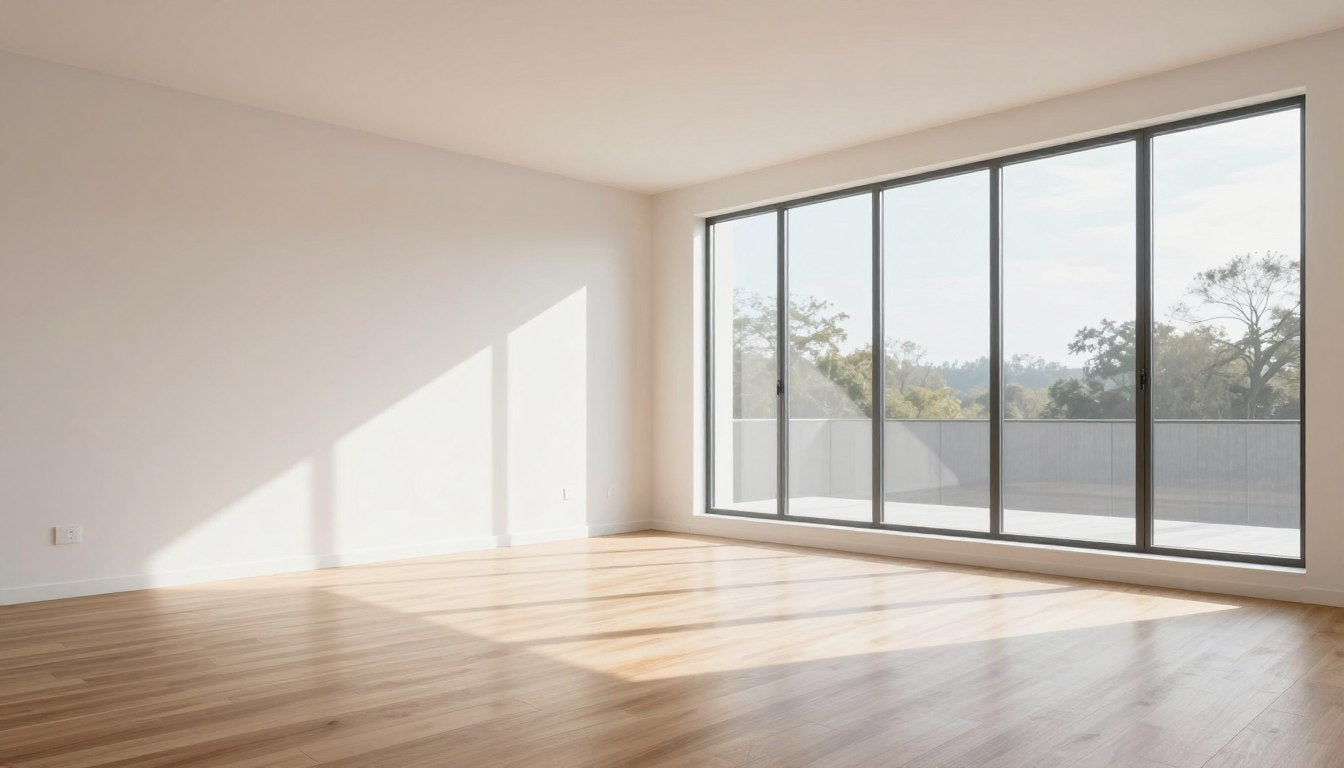
Moving into a new home presents a unique opportunity. You can create spaces that truly reflect who you are. The blank canvas before you allows freedom to design each room intentionally. Many people feel overwhelmed by choices when decorating their new house. They wonder where to start and how to make decisions that work long-term.
This guide provides a systematic approach. You will learn how to plan your interior design project from the ground up. We cover everything from measuring spaces to selecting final decor pieces. The process becomes manageable when broken into clear steps. Taking time to plan prevents costly mistakes and creates a home you love.

Start With Comprehensive Space Assessment
Before purchasing a single piece of furniture, examine your new space thoroughly. Walk through each room multiple times at different times of day. Natural light changes dramatically from morning to evening. These variations affect how colors appear on walls and how rooms feel.
Measure every room carefully. Document ceiling heights, window dimensions, and doorway widths. Note electrical outlet locations and any architectural features. Built-in shelving, fireplaces, or unusual angles impact furniture placement. Create a simple floor plan on paper or use a digital tool.
Photograph each room from multiple angles. These images become invaluable references when shopping. You can visualize how pieces might fit without making unnecessary trips. Pay attention to existing elements you cannot change. Flooring, tile work, and fixed cabinetry influence your design choices.
Pro Tip: Visit your new house at morning, afternoon, and evening. Light quality changes completely, revealing how different wall colors and art pieces will appear throughout the day.

Define Your Design Style and Priorities
Understanding your aesthetic preferences prevents scattered, inconsistent design. Collect inspiration images from magazines, websites, and social media. Create a digital folder or physical mood board. Look for patterns in the images you save. Do you gravitate toward modern minimalism or cozy traditional styles?
Consider your lifestyle needs alongside aesthetic preferences. A family with young children requires different solutions than a couple without kids. Pet owners need durable, easy-to-clean materials. Your daily routines should inform every design decision. Functionality matters as much as appearance.
Identify must-have features for each room. Perhaps you need a dedicated home office area or ample dining space for entertaining. Write down these priorities before shopping. This list keeps you focused when faced with countless options. You make decisions aligned with actual needs rather than impulse.
Modern Minimalist Style
- Clean lines and simple forms
- Neutral color palette with occasional bold accents
- Uncluttered spaces with purpose
- Quality over quantity in furnishings
- Natural materials like wood and stone
Warm Traditional Style
- Rich, layered color schemes
- Classic furniture with ornate details
- Mix of patterns and textures
- Comfortable, lived-in atmosphere
- Display of collections and family photos
Your design style connects to how you want to feel in your home. Modern spaces often feel open and calm. Traditional rooms provide warmth and coziness. Identifying your preference early streamlines the entire design process. You can explore beautiful canvas prints that match your aesthetic at Rossetti Art's Canvas Prints collection.
If You Love Modern Minimalism, Here Are 3 Prints That Bring That Mood Into a Room
Discover carefully curated pieces that embody clean lines and sophisticated simplicity. These selections transform empty walls into focal points without overwhelming your space.

Geometric Abstracts
Bold shapes in monochrome create visual interest while maintaining simplicity.

Line Art Portraits
Elegant single-line drawings add sophistication without clutter.

Botanical Simplicity
Nature-inspired pieces bring organic calm to contemporary spaces.
Develop a Cohesive Color Palette
Color creates the foundation for your whole house design. Choose a base color palette before purchasing anything. Select three to five colors that work harmoniously together. Use these consistently throughout your home to create visual flow between rooms.
Start with neutral base colors for large elements. Walls, flooring, and major furniture pieces typically work best in subtle tones. Beige, gray, white, and soft earth tones provide versatility. You can introduce personality through accent colors in smaller doses.
The 60-30-10 rule simplifies color distribution. Use your dominant color for 60% of the room. This typically covers walls and large furniture. Your secondary color fills 30% through items like curtains, rugs, or accent chairs. The final 10% provides pops of bold color in accessories and art.
Consider how colors transition from room to room. You do not need identical palettes everywhere. However, colors should relate to each other. Perhaps your living room features warm grays that connect to the soft blues in your bedroom. This creates harmony without monotony.
Test paint samples on actual walls before committing. Paint large swatches and observe them for several days. Colors look different under various lighting conditions. What appears perfect in the store might feel wrong in your space. Taking time here prevents expensive repainting later.
Selecting Your Color Story
Choose colors that reflect your personality and lifestyle. Cool colors like blues and greens create calm, restful environments. They work beautifully in bedrooms and bathrooms. Warm colors such as reds, oranges, and yellows energize spaces. They suit dining rooms and social areas.
Consider the psychological impact of color. Yellow promotes happiness and creativity. Blue induces tranquility and focus. Green connects us to nature and reduces stress. Understanding these effects helps you design spaces for specific purposes.

Art plays a crucial role in your color scheme. A striking piece can inspire your entire palette. Browse collections organized by color at Black & White Canvas Prints for timeless elegance that complements any color story.
Plan Functional Room Layouts
Layout determines how well each room functions. Map out furniture placement before moving day. Use your floor plan measurements to sketch different arrangements. Consider traffic patterns and how people naturally move through spaces.
Every room needs clear pathways. People should navigate without bumping into furniture. Allow at least 30 inches of walking space between pieces. In high-traffic areas like hallways, provide even more room. Cramped layouts create frustration daily.
Identify focal points in each room. These might be architectural features like fireplaces or large windows. If no natural focal point exists, create one with furniture arrangement or art. Position seating to face these areas. This creates intentional, comfortable spaces.
Living Room Layout Considerations
The living room serves multiple purposes for most families. It hosts relaxation, entertainment, and socializing. Arrange furniture to facilitate conversation. Position sofas and chairs so people can easily see and talk to each other. Avoid pushing all furniture against walls.
Create distinct zones in larger living rooms. Define a conversation area with seating grouped around a coffee table. Establish a reading nook with a comfortable chair and good lighting. These zones allow different activities to occur simultaneously.
Consider TV placement carefully if you have one. It should be viewable from primary seating without causing neck strain. However, the television does not need to dominate the room. Many people prefer subtle integration rather than making it the main focal point.

Wall decor enhances your layout by drawing the eye appropriately. Discover pieces specifically curated for living spaces at Living Room Canvas Art to complete your design.
Bedroom Layout Essentials
Bedrooms prioritize rest and relaxation. Place your bed as the room's focal point. Position it where you see something pleasant upon waking. Avoid placing the bed directly under windows or opposite the door if possible.
Ensure adequate space on both sides of the bed. Each person needs room to get in and out comfortably. Include bedside tables within arm's reach for lamps, books, and personal items. Symmetrical arrangements create visual balance and calm.
Plan for adequate storage without crowding the space. Dressers, wardrobes, and closet organization keep clutter hidden. A bedroom should feel peaceful and uncluttered. Remove anything that does not contribute to rest or personal care.
Dining Room Functionality
Dining tables require space around them for comfortable use. Allow at least 36 inches between the table edge and walls or other furniture. This permits chairs to pull out and people to pass behind seated diners. Measure your table and room carefully.
Lighting dramatically affects dining experiences. Center a fixture above the table at the proper height. The bottom of the chandelier should hang 30 to 36 inches above the table surface. This provides adequate light without blocking sightlines across the table.
Consider how your dining room connects to adjacent spaces. It often flows into the kitchen or living area. Maintain visual consistency in these connected spaces. Similar color palettes and complementary styles create seamless transitions.
Enhance your dining area with carefully selected art at Dining Room Wall Art Decor Print that sets the perfect ambiance for gatherings.
Match This Vibe to Your Space
Different rooms require different moods and energy levels. Explore curated collections designed specifically for each area of your home. Find pieces that align with your functional needs and aesthetic vision.
Serene Bedroom Retreats
Soft colors and calming imagery create peaceful environments for rest. Botanical prints and abstract pieces in muted tones work beautifully.
Inspiring Office Spaces
Motivational imagery and sophisticated designs enhance focus and creativity in work areas. Choose pieces that energize without distracting.
Welcoming Entryways
Make powerful first impressions with statement pieces. Bold portraits and striking abstracts set the tone for your entire home.
Furniture Selection and Investment Strategy
Furniture represents your largest design investment. Purchase strategically rather than rushing to fill every space immediately. Quality pieces last decades while cheap furniture requires replacement within years. The upfront cost difference disappears over time.
Prioritize essential items first. You need beds, seating, dining tables, and storage. These foundational pieces deserve your budget focus. Accent pieces and decorative items can come gradually as you live in the space and understand your needs better.
Measure doorways, stairwells, and elevators before purchasing large furniture. Many people order perfect pieces only to discover they cannot fit them through their doors. This mistake causes enormous frustration and unnecessary expense. Always verify dimensions against access points.
Investing in Quality Pieces
Certain furniture items justify premium investment. Sofas receive daily use in most homes. A well-constructed sofa lasts 15 to 20 years. Cheap alternatives sag and break within five years. Calculate the per-year cost to understand true value.
Mattresses directly impact your health and wellbeing. Invest in the best quality you can afford. You spend roughly one-third of your life in bed. Adequate support and comfort affect energy levels, mood, and physical health. This is not an area to compromise.
Dining tables often become family heirlooms. Solid wood construction withstands generations of use. These pieces develop character and beauty over time. Particle board alternatives deteriorate and require replacement. Choose materials that age gracefully.
Budget Allocation Guide: Spend 30% of your furniture budget on seating, 25% on beds and mattresses, 20% on dining furniture, 15% on storage solutions, and 10% on accent pieces. This ensures proper investment in high-impact items.
Mixing Old and New
Combining vintage and contemporary pieces creates unique, personal spaces. You do not need matching furniture sets. In fact, mixed pieces often look more sophisticated and collected. This approach also spreads costs over time.
Shop secondhand for certain items. Vintage wooden furniture often surpasses new pieces in quality. Estate sales, antique stores, and online marketplaces offer treasures at reasonable prices. Refinishing or reupholstering gives old pieces new life.
Balance different eras and styles carefully. Too much variety creates chaos. Maintain consistency through your color palette and overall aesthetic. Even diverse pieces work together when united by complementary colors and proportions.

Lighting Layering for Ambiance and Function
Lighting transforms how spaces look and feel. Many people overlook this aspect until moving in. Plan lighting alongside other design elements. A beautifully furnished room feels flat and unwelcoming with poor lighting.
Every room needs three types of lighting. Ambient lighting provides overall illumination. Task lighting supports specific activities like reading or cooking. Accent lighting highlights architectural features or art. Layering these creates versatile, functional spaces.
Natural light remains the most desirable form. Maximize it wherever possible. Keep window treatments light and minimal in rooms where privacy is not a concern. Mirrors strategically placed opposite windows amplify natural light throughout the space.
Ambient Lighting Solutions
Ceiling fixtures provide general illumination. Choose fixtures appropriate to room size and ceiling height. Oversized chandeliers overwhelm small rooms. Tiny fixtures disappear in large spaces. Proper scale matters significantly.
Install dimmer switches on ambient lighting. This simple addition allows mood adjustment throughout the day. Bright light energizes mornings. Softer illumination creates relaxation in evenings. Dimmers provide flexibility without changing fixtures.
Consider recessed lighting for clean, modern aesthetics. These fixtures provide even illumination without visual clutter. However, they work best installed during construction or major renovations. Adding them to existing ceilings involves significant expense.
Task and Accent Lighting
Task lighting supports specific activities. Desk lamps illuminate work areas. Under-cabinet lights brighten kitchen counters. Reading lamps provide focused light without disturbing others. Identify activities in each room and plan appropriate task lighting.
Accent lighting showcases beautiful elements. Picture lights highlight artwork. Uplights emphasize architectural details. LED strip lighting adds drama to shelving or cabinets. These touches elevate design from functional to exceptional.
Table and floor lamps add both function and style. They provide necessary light while contributing to decor. Choose lamps that complement your furniture and color scheme. Coordinating lamp shades throughout your home creates cohesion.
Wall Treatments and Decorative Finishes
Walls occupy the largest visual area in any room. How you treat them dramatically impacts the overall design. Paint offers the most affordable way to transform spaces. However, numerous other options exist for adding texture and interest.
Choose paint finishes appropriate to each room's function. Flat and matte finishes hide wall imperfections beautifully. However, they are difficult to clean. Reserve them for low-traffic areas like adult bedrooms. Satin and eggshell finishes offer more durability for family areas.
Semi-gloss and gloss paints withstand moisture and cleaning. Use them in kitchens, bathrooms, and trim work. They reflect more light, making rooms appear brighter. However, they highlight every wall imperfection. Proper wall preparation becomes essential.
Accent Walls and Feature Walls
An accent wall adds visual interest without overwhelming a space. Choose one wall to highlight with bold color or wallpaper. This technique works particularly well behind beds, sofas, or dining tables. It creates a natural focal point.
Select accent colors from your existing palette. Choose a darker or brighter version of a color already present in the room. This maintains cohesion while adding drama. Avoid introducing completely unrelated colors that feel jarring.
Wallpaper offers pattern and texture impossible with paint alone. Modern options include peel-and-stick varieties perfect for renters. Geometric patterns add contemporary flair. Botanical prints bring nature indoors. Textured wallpapers add dimension without busy patterns.

Architectural Details and Molding
Crown molding and baseboards add character to plain rooms. These details exist in most older homes but often lack in new construction. Adding them creates a more finished, upscale appearance. Even simple profiles make significant differences.
Wainscoting and board-and-batten treatments add visual interest to lower walls. They work particularly well in dining rooms and hallways. These treatments also protect walls from damage in high-traffic areas. Paint them in contrasting colors for maximum impact.
Built-in shelving transforms empty walls into functional, beautiful features. Custom built-ins fit your exact space and needs. While more expensive than freestanding furniture, they add home value. They also maximize storage in small spaces.
Art and Personal Touches That Complete Your Design
Art transforms houses into homes. It expresses personality and creates emotional connections to spaces. Many people struggle with selecting and hanging art. They worry about making wrong choices or damaging walls. These concerns prevent them from completing their design.
Start with pieces that genuinely move you. Do not choose art simply to fill wall space or match your sofa. Select pieces that spark joy or reflection. You will appreciate them for years to come. Trendy pieces lose appeal quickly.
Size matters significantly in art selection. Small pieces disappear on large walls. Oversized art overwhelms small rooms. A general rule suggests art should cover two-thirds to three-quarters of the furniture width beneath it. This creates visual balance.
Creating Gallery Walls
Gallery walls showcase multiple pieces together. They work beautifully for displaying family photos, smaller artworks, or collections. Plan your arrangement before hammering nails. Lay pieces on the floor to test different configurations.
Maintain consistent spacing between frames. Two to three inches works well for most arrangements. This creates cohesion without crowding. Use a level to ensure straight alignment. Crooked frames undermine even the best art.
Unify diverse pieces through consistent framing. Identical frame styles and colors tie different artworks together. Alternatively, mat all pieces in the same color. These techniques allow varied art to work as a cohesive collection.
Selecting Art for Different Rooms
Consider room function when choosing art. Bedrooms benefit from calming imagery and soft colors. Think landscapes, abstracts in cool tones, or peaceful portraits. Avoid chaotic or emotionally charged pieces in rest spaces.
Living and dining areas accommodate bolder statements. Vibrant colors and dynamic compositions energize social spaces. Large-scale pieces create impressive focal points. These rooms allow personality and creativity to shine.
Children's spaces deserve special consideration. Select age-appropriate imagery that sparks imagination. As kids grow, their art preferences change. Choose pieces you can easily update without major expense. Removable options work well.

Explore diverse art styles organized by theme at Portrait Canvas Prints for timeless pieces that add sophistication to any room.
Personal Collections and Displays
Displaying personal collections adds unique character. Books, pottery, plants, or travel souvenirs tell your story. Arrange them thoughtfully rather than cluttering surfaces. Groupings of odd numbers typically look more appealing than even numbers.
Use trays, baskets, or decorative boxes to corral smaller items. This prevents surfaces from looking messy. It also makes cleaning easier. You can move entire collections at once rather than individual pieces.
Rotate displayed items seasonally. This keeps your decor feeling fresh without purchasing new things. Store off-season items neatly. When you bring them back out, they feel new again. This approach maximizes your investment in decor.
Textile Layering for Comfort and Style
Textiles soften hard surfaces and add warmth. They include curtains, rugs, throw pillows, and blankets. Layering different textures creates depth and visual interest. Rooms without adequate textiles feel cold and incomplete regardless of other design elements.
Rugs define spaces and add comfort underfoot. In open floor plans, they distinguish different areas. Place rugs large enough to anchor furniture groupings. In living rooms, front furniture legs should rest on the rug. Tiny rugs floating in space look awkward.
Window treatments control light and privacy while adding style. Heavy drapes provide insulation and block light completely. Sheer curtains filter light softly while maintaining views. Layering both offers maximum flexibility. Choose treatments that complement rather than compete with wall colors.
Pillow and Throw Arrangements
Throw pillows add color, pattern, and comfort. They offer an affordable way to update spaces seasonally. Mix sizes for visual interest. Combine large, medium, and small pillows rather than identical sizes. Odd numbers typically look best.
Layer different textures in pillow selections. Combine smooth velvet with nubby linen. Mix solid colors with patterns. Pull colors from elsewhere in the room to create connections. This ties your design together cohesively.
Throws draped over sofas or chairs add both function and style. They provide warmth while introducing texture and color. Fold or drape them casually rather than arranging them too precisely. Lived-in looks feel more inviting than overly styled spaces.

Bedding Layers
Beds benefit from multiple textile layers. Start with quality sheets in neutral colors. Add a blanket or coverlet for warmth. Top with a duvet or comforter. This layering allows adjustment for different seasons and temperatures.
Decorative pillows and shams complete the bed's appearance. However, avoid over-styling. Excessive pillows that you remove every night become burdensome. Find a balance between beauty and practicality that works for your lifestyle.
Consider texture and weight in bedding selections. Crisp percale cotton feels cool in summer. Soft flannel provides warmth in winter. Natural fibers breathe better than synthetics. Invest in comfortable bedding since you use it daily.
Final Details and Finishing Touches
Small details complete your design. Hardware on cabinets and doors seems insignificant but impacts overall appearance. Outdated brass or builder-grade hardware cheapens even expensive renovations. Upgrading to modern finishes creates immediate improvement.
Switch plates and outlet covers often get overlooked. Standard white plastic plates look institutional. Decorative covers or painted options blend seamlessly with walls. This tiny change costs little but refines the finished look.
Plants bring life and color to any space. They purify air while adding natural beauty. Even people without green thumbs can maintain easy varieties. Snake plants, pothos, and succulents thrive with minimal care. Group plants in odd numbers for pleasing arrangements.
Scent and Ambiance
Scent powerfully affects how spaces feel. Subtle, pleasant fragrances make homes more welcoming. Avoid overwhelming artificial scents. Natural options like essential oil diffusers or soy candles work beautifully. Select scents that complement each room's purpose.
Candles add both fragrance and ambiance. Their soft light creates intimacy and warmth. Place them safely away from flammable materials. Group candles in varying heights for visual interest. Unscented versions work for purely decorative purposes.
Sound contributes to atmosphere as well. Consider how noise travels through your home. Soft furnishings absorb sound, creating quieter spaces. Hard surfaces reflect noise, making rooms feel louder. Balance these elements for comfortable acoustic environments.
Final Walkthrough Checklist: Evaluate each room for completeness. Does it have adequate lighting from multiple sources? Are there comfortable seating options? Have you added personal touches and art? Is there both open space and defined purpose? Addressing these elements ensures truly finished spaces.

Ready-to-Hang, Museum-Quality Canvas. Free Worldwide Shipping.
Transform your newly designed spaces with professionally crafted canvas prints. Each piece arrives ready to display, printed with archival-quality inks on premium canvas. Gallery-wrapped edges mean no framing required. Discover art that completes your vision.
Why Choose Rossetti Art
- Museum-grade canvas and archival inks
- Gallery-wrapped for immediate hanging
- Worldwide shipping at no additional cost
- Curated collections for every design style
- Perfect for all rooms in your new home
Establishing a Realistic Design Timeline
Decorating a new house takes time. Many people expect to complete everything immediately after moving. This pressure creates stress and rushed decisions. Establishing a realistic timeline prevents mistakes and allows your design to evolve naturally.
Live in your new space for several weeks before making major purchases. You discover how you actually use each room. Your assumptions about needs often differ from reality. This observation period saves money and prevents regret over wrong choices.
Prioritize rooms based on daily use. Complete bedrooms and bathrooms first since you need them immediately. The living room and kitchen come next as primary gathering spaces. Guest rooms and formal areas can wait. This staged approach spreads costs and effort.
Phased Design Approach
Break your project into manageable phases. Phase one includes essentials: beds, basic seating, and necessary lighting. Phase two adds comfort items like rugs, curtains, and additional furniture. Phase three brings finishing touches such as art, accessories, and upgrades.
Set a budget for each phase. This prevents overspending and allows strategic purchasing. Sales and seasonal discounts become opportunities rather than pressures. You can wait for perfect pieces rather than settling for available options.
Document your progress with photos. This helps you see how far you have come. Design feels overwhelming when focused only on what remains undone. Celebrating completed spaces maintains motivation for the whole house project.
Realistic Timeline Example: Months 1-2: Essential furniture and basic functionality. Months 3-4: Window treatments, rugs, and lighting upgrades. Months 5-6: Art, accessories, and organizational systems. Months 7-12: Refinements, upgrades, and special project pieces. Year 2+: Ongoing evolution and seasonal updates.
For ongoing inspiration and design tips, visit the Rossetti Art blog, where you will find guidance on creating beautiful spaces.
Avoiding Common Interior Design Mistakes
Even with careful planning, certain mistakes occur frequently. Understanding these pitfalls helps you avoid them. Many errors seem minor individually but collectively undermine your design. Awareness allows prevention.
Rushing purchases ranks among the most common mistakes. The urgency to fill empty rooms leads to choices you later regret. Furniture that seemed acceptable in the store feels wrong at home. Take time to ensure each piece truly fits your vision and space.
Ignoring scale and proportion creates awkward spaces. Oversized furniture crowds rooms. Tiny pieces disappear in large areas. Measure carefully and visualize items in your actual space. Many retailers offer visualization tools or allow returns if sizing proves wrong.
Budget and Planning Errors
Underestimating costs causes project abandonment. Factor in delivery fees, assembly charges, and installation expenses. These additions significantly impact budgets. Include a 10 to 15 percent contingency for unexpected expenses that always arise.
Failing to plan for storage leaves homes cluttered regardless of beautiful design. Every family accumulates belongings. Adequate storage keeps them organized and out of sight. Built-in solutions, creative furniture, and organizational systems prove invaluable.
Neglecting lighting until after decorating limits options. Electrical work costs more when retrofitted. Plan lighting early, even if you implement it gradually. This ensures proper placement and avoids expensive modifications later.
Smart Design Decisions
- Measuring everything before purchasing
- Creating and following a realistic budget
- Taking time to find perfect pieces
- Planning adequate storage solutions
- Maintaining cohesive color palettes
- Investing in quality for high-use items
Common Mistakes to Avoid
- Rushing to fill empty spaces immediately
- Buying furniture without measuring doorways
- Ignoring room scale and proportions
- Following trends over personal preference
- Neglecting lighting in initial planning
- Underestimating total project costs
Style Consistency Challenges
Mixing too many styles creates confusion. Eclectic design requires skill to execute successfully. Without cohesive elements, rooms feel chaotic. Choose one or two primary styles and incorporate others sparingly through accessories.
Following trends blindly dates homes quickly. What appears cutting-edge today looks tired tomorrow. Classic design elements remain appealing for decades. Incorporate trends through easily changed accessories rather than major investments.
Forgetting personal taste in favor of resale value creates impersonal spaces. You live in your home now. Design for your enjoyment rather than hypothetical future buyers. Personal touches make houses feel like homes.

Maintaining Design Flexibility for Future Changes
Life evolves and your home should adapt. Rigid design schemes become frustrating when circumstances change. Building flexibility into your plan allows easy updates without starting over. This approach provides longevity and continued satisfaction.
Choose neutral foundations for permanent elements. Flooring, major furniture, and wall colors should work with various styles. Bold personality comes through changeable accessories. This strategy allows complete room transformations without replacing expensive foundational pieces.
Modular furniture offers versatility traditional pieces lack. Sectional sofas reconfigure for different layouts. Storage systems expand as needs grow. While often pricier initially, flexible furniture adapts to changing requirements rather than requiring replacement.
Adapting Spaces for Life Changes
Rooms often serve different purposes over time. A home office might become a nursery. A playroom eventually converts to a guest room. Consider potential future uses when making permanent choices. Neutral foundations ease these transitions.
Multi-functional spaces accommodate changing needs efficiently. A guest room that also serves as an office maximizes space. A dining area that converts to a homework station serves growing families. Creative thinking stretches your home's capabilities.
Storage solutions affect adaptability significantly. Built-in systems tailored too specifically to current needs become obstacles later. Adjustable shelving and flexible organizational products serve changing requirements better than permanent custom solutions.
Discover art that grows with your evolving style. Browse versatile pieces at Cityscape Canvas Prints or explore bold statements at Movie Canvas Art Print collections.
Seasonal Updates and Refreshes
Rotating decor seasonally keeps spaces feeling fresh. Store off-season items and bring them back when weather changes. This approach maximizes your investment while preventing boredom. Autumn pillows feel exciting after summer's absence.
Paint offers the most dramatic transformation for minimal investment. Accent walls change completely with new color. Even repainting trim updates spaces significantly. A long weekend project refreshes entire rooms affordably.
Artwork rotation provides easy updates. If you collect multiple pieces, display some while storing others. Switch displays quarterly or annually. Previously displayed pieces feel new again after time away. This strategy works particularly well with seasonal imagery.
Working With Design Professionals When Needed
Professional designers bring expertise worth considering. They see possibilities you might miss. Their experience prevents costly mistakes. While hiring a designer represents an investment, the result often saves money compared to trial-and-error approaches.
Interior designers offer various service levels. Full-service designers manage entire projects from concept through installation. Consultants provide guidance while you handle execution. Some offer hourly consultations for specific challenges. Choose a service level matching your budget and needs.
Many retailers provide free or low-cost design services when purchasing through them. These designers help with space planning, color selection, and product recommendations. While they focus on their store's inventory, their expertise still proves valuable, especially for budget-conscious projects.
Making the Most of Design Consultations
Prepare thoroughly before meeting designers. Gather inspiration images showing styles you love. Note specific challenges or concerns about your space. Measure rooms accurately and photograph them from multiple angles. This preparation maximizes consultation value.
Be honest about budget from the beginning. Good designers work within constraints rather than pushing you beyond them. Hiding budget limitations wastes everyone's time and creates unrealistic expectations. Transparency enables practical, achievable plans.
Ask questions about every recommendation. Understand why designers suggest specific choices. This education helps you make better independent decisions later. Learning their thought process proves more valuable than simply following directions.
"A professional designer is not there to impose their taste on you, but to help you realize your vision more beautifully and efficiently than you could alone. The best designers listen first and create second."
DIY Versus Professional Assistance
Certain projects suit DIY approaches while others require professionals. Painting, simple furniture assembly, and decor placement work well as DIY projects. Electrical work, major structural changes, and custom built-ins typically need licensed professionals.
Consider your time value alongside monetary costs. Struggling with tasks beyond your skill level wastes valuable time. The frustration and potential mistakes may cost more than hiring help. Honest assessment of abilities prevents problems.
Hybrid approaches balance costs and expertise. Hire professionals for complex elements while handling simpler tasks yourself. This strategy keeps projects moving while controlling expenses. Many contractors appreciate clients who handle prep work and finishing touches.
For specialized art needs, explore custom options at Original Paintings or add dimension with Modern Sculptures.
Sustainable and Eco-Friendly Design Choices
Environmental consciousness influences modern design decisions. Sustainable choices often provide better quality alongside reduced environmental impact. Many people assume eco-friendly options cost more. However, durability and longevity often make them more economical long-term.
Choose furniture from sustainable materials. Solid wood from responsibly managed forests outlasts particle board alternatives. Bamboo grows rapidly and provides durable, beautiful options. Reclaimed wood offers character while preventing waste. These materials age gracefully rather than deteriorating.
Consider the full lifecycle of products you purchase. Will they last decades or require replacement in years? Can they be repaired if damaged? Will anyone want them when you are finished with them? Durable, timeless pieces pass to future generations rather than filling landfills.
Low-VOC and Natural Materials
Paint and finishes release volatile organic compounds affecting indoor air quality. Low-VOC and zero-VOC options protect your family's health. They cost slightly more but make significant differences, especially for those with sensitivities. Better air quality benefits everyone regardless of sensitivities.
Natural fiber textiles breathe better than synthetics. Cotton, linen, wool, and silk provide comfort while avoiding petroleum-based materials. They often last longer and feel more luxurious. Natural materials develop pleasant patinas rather than looking worn.
Avoid excessive plastic in furniture and decor. Plastic degrades over time, releasing chemicals and breaking down. Wood, metal, glass, and ceramic alternatives look better and last longer. They also feel more substantial and valuable.
Energy Efficiency Considerations
LED lighting reduces energy consumption dramatically. While initially expensive, LEDs last years longer than traditional bulbs. They generate less heat, reducing cooling costs. Color temperature options allow warm or cool light depending on preference. This technology saves money while benefiting the environment.
Window treatments impact heating and cooling efficiency. Insulated curtains reduce energy loss through windows. Cellular shades trap air, providing insulation. These investments pay for themselves through reduced utility bills. They also increase comfort by eliminating drafts and temperature fluctuations.
Thoughtful furniture placement affects energy use. Avoid blocking heating and cooling vents with furniture. This forces systems to work harder, wasting energy. Position furniture to maximize natural light, reducing electric lighting needs during daytime hours.
Sustainable Design Resources: Look for certifications like FSC (Forest Stewardship Council) for wood products, GREENGUARD for low-emission furniture, and OEKO-TEX for textiles. These third-party certifications verify environmental and health standards, making sustainable choices easier.
For more design inspiration that supports sustainable living, explore additional articles at Rossetti Art's blog.
Creating Your Dream Home Takes Time and Intention
The best approach to interior design when moving to a new home combines careful planning with patient execution. Rushing leads to regrets while thoughtful decisions create lasting satisfaction. Your home should evolve naturally, reflecting your authentic style and supporting your daily life.
Start with comprehensive assessment of your new space. Understand its limitations and possibilities before making commitments. Develop a cohesive color palette and clear style direction. These foundations guide every subsequent decision, ensuring consistency throughout your home.
Invest in quality for items you use daily. Prioritize function alongside aesthetics. Beautiful spaces that don't work for your lifestyle become frustrating rather than enjoyable. Balance must-have features with wish-list items, implementing changes in manageable phases.
Remember that interior design is never truly finished. Your home will continue evolving as your life changes. Build flexibility into your plans. Choose foundational elements that adapt to different styles and uses over time. This approach provides longevity and continued relevance.
Most importantly, design for yourself rather than others. Your home should reflect your personality and support your wellbeing. Trends come and go, but a space that authentically represents you remains satisfying for years. Trust your instincts alongside professional guidance and inspiration from others.
The journey of decorating a new house offers creative fulfillment. Enjoy the process rather than focusing solely on completion. Each decision, from furniture selection to final accessories, shapes the environment where you will create memories. Approach it with intention, patience, and excitement for the beautiful spaces you are creating.
Frequently Asked Questions About Interior Design for New Homes
How long should I wait before decorating after moving into a new home?
Live in your new space for at least two to four weeks before making major decorating decisions. This observation period helps you understand how you actually use each room. You will notice traffic patterns, natural light changes, and functional needs that are not obvious initially. Make immediate purchases only for essentials like beds and basic seating. Everything else can wait until you have clarity about your real needs versus assumed needs.
What should I prioritize when decorating on a limited budget?
Prioritize quality over quantity for high-use items. Invest in a good mattress, durable sofa, and proper lighting before purchasing decorative accessories. A well-made sofa lasts 15 years while cheap versions require replacement in five years. Focus on one room at a time rather than partially completing multiple spaces. Paint provides maximum impact for minimal cost. Quality window treatments and one statement art piece transform rooms more effectively than numerous small purchases. Save money on items easily changed later, such as throw pillows, while investing in foundational pieces.
How do I choose a color scheme that works throughout my entire home?
Select three to five colors that harmonize together. Use these consistently throughout your home while varying their proportions in different rooms. Start with neutral base colors for walls and large furniture. Add personality through accent colors in smaller doses. The 60-30-10 rule helps: use your dominant color for 60% of the room, secondary color for 30%, and accent color for 10%. Test paint samples on actual walls at different times of day before committing. Colors should relate to each other even when rooms have different primary tones. This creates visual flow while allowing each space its own personality.
Should I hire an interior designer or can I successfully design my home myself?
Many people successfully design their own homes with research and patience. Start with online resources, design blogs, and inspiration galleries. However, professional designers prevent costly mistakes and often save money long-term through industry connections and spatial expertise. Consider hiring a designer for an initial consultation even if you handle the execution yourself. They can provide a roadmap and identify potential issues you might miss. For complex projects involving structural changes or custom work, professional guidance proves especially valuable. Assess your confidence level, time availability, and project complexity when deciding.
How do I make small rooms feel larger through design choices?
Light colors on walls and ceilings create airiness in small spaces. White, soft gray, and pale blue make rooms feel more expansive. Use mirrors strategically to reflect light and create depth illusions. Place a large mirror opposite a window to maximize natural light. Choose furniture appropriate to room scale. Oversized pieces crowd small rooms while properly scaled furniture provides functionality without overwhelming. Multi-functional furniture maximizes utility in limited space. Vertical storage draws eyes upward, making ceilings feel higher. Minimize clutter and keep surfaces clear. Visual simplicity creates spaciousness regardless of actual square footage.
What are the most common interior design mistakes people make when moving to a new home?
Rushing to fill empty spaces leads to regrettable purchases. People buy furniture that seemed acceptable in stores but feels wrong at home. Ignoring scale and proportion creates awkward rooms with oversized or undersized furniture. Failing to measure doorways before purchasing large pieces causes delivery problems. Underestimating total costs leads to incomplete projects. Many people neglect lighting until after decorating, limiting options. Following trends too closely dates homes quickly. Pushing all furniture against walls instead of creating conversation groupings wastes space. Hanging artwork too high or too small for wall space undermines design. Planning thoroughly and taking time prevents these common pitfalls.
How can I incorporate personal style while maintaining good resale value?
Balance personal expression with broad appeal by keeping permanent elements neutral. Choose classic flooring, neutral wall colors, and timeless fixtures that work for various tastes. Express personality through easily changed elements like furniture, art, textiles, and accessories. Bold personal choices in these areas allow self-expression without permanent commitment. Quality craftsmanship and classic design maintain value better than trendy choices. However, prioritize your current enjoyment over hypothetical future buyers. You live in your home now. Well-maintained homes with cohesive design sell regardless of specific style choices. Focus on quality, functionality, and thoughtful execution rather than trying to appeal to unknown future preferences.

About the Author
Chiara Rossetti
Chiara Rossetti is the founder of Rossetti Art, a canvas print and original art brand. She writes about interior design, wall art styling, and the art of making a home feel alive.

Leave a comment
This site is protected by hCaptcha and the hCaptcha Privacy Policy and Terms of Service apply.