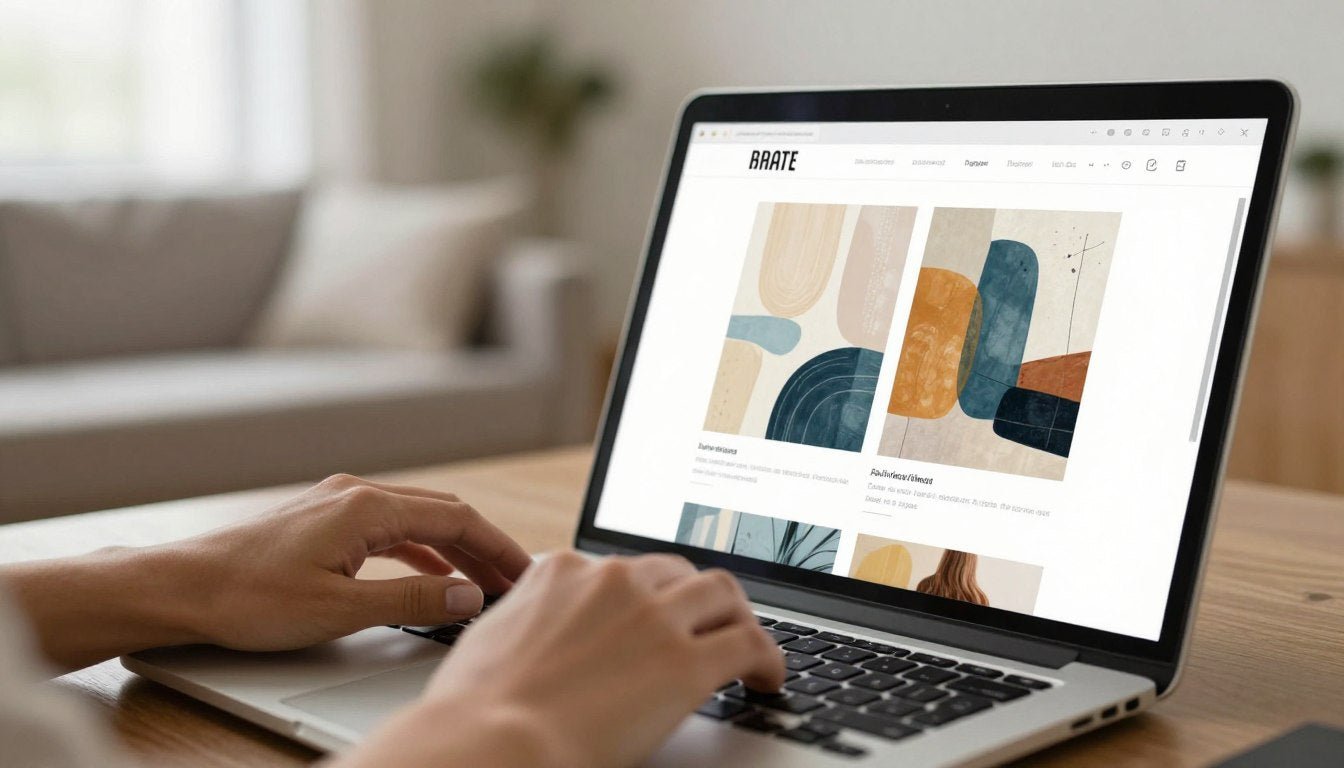
Buying your first piece of original art online can feel overwhelming. The fear of making the wrong choice, spending too much, or ending up with something that doesn't match your space stops many people from taking that exciting first step. But purchasing art doesn't have to be stressful or complicated.
This guide walks you through everything you need to know. You'll learn how to choose artwork that speaks to you, evaluate quality from photos, understand pricing, and make confident decisions. Whether you're drawn to bold abstracts, serene landscapes, or striking portraits, you'll discover how to find pieces that transform your home.
The art world is more accessible than ever. With the right knowledge and approach, you can build a collection you love without second-guessing every purchase. Let's remove the intimidation and help you find your perfect first painting.
Understand Your Personal Art Style Before You Shop
Knowing what you genuinely love makes shopping easier. Many first-time buyers feel pressured to choose "important" or trendy pieces. Instead, focus on what makes you feel something positive when you look at it.
Start by browsing online galleries and noting which pieces catch your eye. Do you gravitate toward colorful, energetic works or calm, minimalist compositions? Are you drawn to realistic portraits or abstract forms? There's no wrong answer.

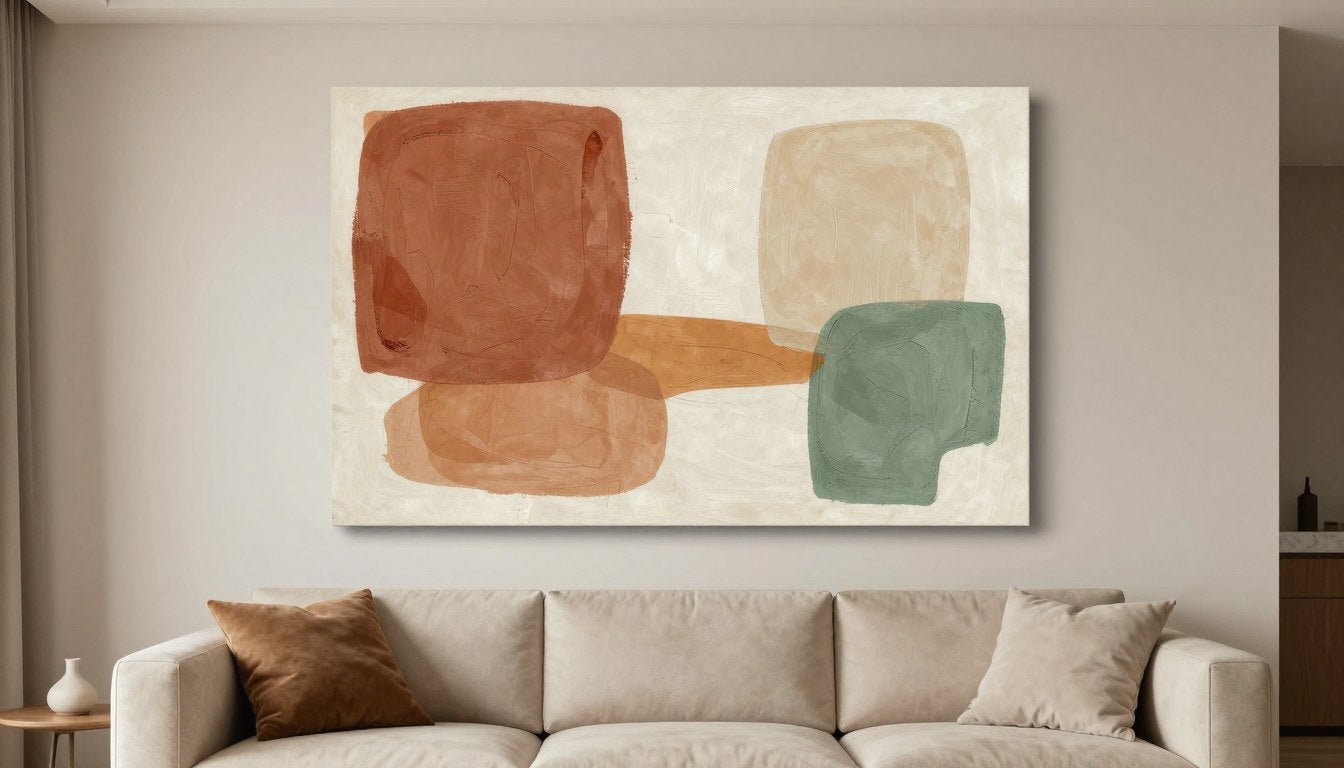
Consider your existing home decor. If your space features neutral tones, a vibrant abstract canvas print can add exciting energy. If you prefer bold interiors, a subtle black and white piece might provide elegant balance.
Take time to understand color psychology too. Warm reds and oranges create energy and passion. Cool blues and greens promote calm and relaxation. Neutral tones offer timeless sophistication that works with changing decor over the years.
Think about the emotional response you want. Art should enhance your daily life. A painting in your bedroom might inspire peace, while a piece in your home office could motivate creativity and focus.
Browse art blogs and resources to learn about different styles. Understanding movements like impressionism, expressionism, or contemporary abstract art helps you articulate what you love. This knowledge makes conversations with galleries and artists much easier.
Remember that your taste will evolve. Your first purchase doesn't define your entire collection. It's simply a starting point on a rewarding journey of discovering art that enriches your space and brings you joy every day.

The Dreamer in Red
Bold figurative minimalist art that brings modern sophistication to any room. Perfect for those who love expressive, contemporary pieces.

Blue Human
Calming abstract modern wall decor that creates a peaceful atmosphere. Ideal for bedrooms, living rooms, and meditation spaces.

Tribal Essence
Abstract face art that combines cultural inspiration with contemporary design. Brings character and depth to your walls.
Set a Realistic Budget for Your First Art Purchase
Understanding pricing helps you shop confidently. Original paintings and quality prints vary widely in price based on size, materials, artist reputation, and creation method. Setting a clear budget prevents overspending and narrows your options to realistic choices.
For first-time buyers, canvas prints offer excellent value. High-quality reproductions of original artwork provide museum-level aesthetics at accessible prices. You can find stunning pieces starting around fifty dollars, while larger statement works might reach several hundred.
Original paintings naturally cost more due to their uniqueness. Emerging artists often offer works in the few hundred dollar range, while established artists command higher prices. Consider starting with prints and gradually investing in originals as your confidence and budget grow.
Size significantly impacts price. Smaller pieces work beautifully in intimate spaces like hallways or bathrooms. Larger works make dramatic statements in living rooms or above beds. Measure your wall space before shopping to avoid buying pieces too small or large for your area.
Factor in framing costs if needed. Many online retailers offer ready-to-hang canvas prints with built-in frames or stretching, eliminating extra expenses. This convenience saves time and ensures professional presentation right out of the box.
Watch for sales and promotions. Many online galleries offer seasonal discounts or first-purchase incentives. Signing up for newsletters often provides early access to sales and exclusive offers that make quality art more affordable.
Remember that art is an investment in your environment and well-being. A piece you love brings daily joy for years. When you divide the cost by the years you'll enjoy it, even higher-priced works become reasonable investments in your quality of life.
Don't feel pressured to spend beyond your means. Beautiful, high-quality art exists at every price point. Focus on pieces that genuinely move you rather than trying to impress others with expensive purchases that don't resonate with your personal taste.
How to Evaluate Online Art Galleries and Artists
Choosing the right place to buy matters as much as selecting the artwork itself. Reputable online galleries protect buyers and ensure quality. Look for several key indicators before making your purchase.
Check for clear return policies. Trustworthy sellers understand that art looks different in person than online. A thirty-day return window gives you time to live with a piece and make sure it's right. This policy demonstrates confidence in product quality.
Read customer reviews and testimonials. Real buyer experiences reveal important details about shipping quality, color accuracy, and customer service. Look for galleries with consistently positive feedback over time, not just a few recent reviews.

Examine the gallery's shipping practices. Free worldwide shipping removes hidden costs. Information about packaging methods shows care in protecting your investment. Details about production locations indicate whether you'll face customs fees or import taxes.
Look for artist information and authenticity details. Legitimate galleries provide background about artists or clearly identify reproductions. Original works should include certificates of authenticity. Prints should specify whether they're signed or numbered editions.
Verify secure payment options. Encrypted checkout processes and recognized payment providers protect your financial information. Avoid sites that only accept wire transfers or unconventional payment methods that offer no buyer protection.
According to Artsy's guide to buying your first artwork, establishing trust with galleries through transparent practices is essential for new collectors. They recommend starting with platforms that offer detailed provenance information and buyer protections.
Contact customer service with questions before buying. Response time and helpfulness indicate how they'll treat you if issues arise after purchase. Knowledgeable staff who provide detailed answers demonstrate professionalism and expertise you can rely on.
Consider galleries that offer visualization tools. Features letting you preview how artwork looks in different room settings help you make informed decisions. This technology reduces uncertainty and increases confidence in your selection before you commit.
Assess Quality and Details from Online Photos
Learning to evaluate artwork through photographs is crucial for online shopping. Quality images reveal important details about materials, craftsmanship, and overall appearance. Knowing what to look for helps you make smart choices.
Examine image clarity and detail. High-resolution photos let you zoom in to see brushwork texture, color variations, and surface quality. Multiple angles show how light interacts with the piece. Avoid listings with only small, blurry images.
Look for lifestyle shots showing the art in actual room settings. These images provide scale reference and demonstrate how colors appear against walls. They help you visualize the piece in your own space more accurately than isolated product shots alone.
Read material descriptions carefully. Canvas prints should specify canvas weight and quality. Original paintings should list paint types and support materials. Understanding these details helps you assess durability and longevity of your investment.
Quality Indicators
- Multiple high-resolution photos from different angles
- Close-up shots showing texture and detail
- Lifestyle images demonstrating scale and room placement
- Clear material and dimension specifications
- Information about framing or mounting options
Red Flags to Avoid
- Single small photo with no detail visible
- Stock images not showing actual product
- Vague descriptions without material information
- No sizing information or measurements
- Inconsistent colors across different photos
Pay attention to color accuracy notes. Reputable sellers mention that monitor settings affect color appearance. Some provide color swatches or detailed descriptions of actual hues to set realistic expectations.
Check printing or production methods. Giclee printing produces museum-quality reproductions with exceptional color accuracy and longevity. Hand-painted originals should show visible brushwork and unique characteristics that make each piece one-of-a-kind.
Look for information about protective coatings. UV-resistant varnishes or coatings protect against fading and environmental damage. This detail indicates quality materials and concern for long-term preservation of your artwork.
Consider the frame or mounting details if included. Quality floating frames or gallery wraps enhance presentation and protect edges. Information about hanging hardware shows the gallery's commitment to making installation easy for buyers.
Choose the Right Size for Your Space
Selecting appropriate dimensions transforms a good purchase into a perfect one. Size dramatically affects visual impact and room balance. Getting proportions right ensures your new art enhances rather than overwhelms or disappoints.
Measure your wall space before browsing. Note the width and height available. Consider furniture placement below the spot you're decorating. Art should relate to furniture scale, typically spanning two-thirds to three-quarters the width of a sofa or bed.
Think about viewing distance. Large pieces work well in spacious rooms where you'll view them from across the space. Smaller works suit areas where you'll appreciate details up close, like hallways, bathrooms, or reading nooks.

Consider ceiling height when choosing vertical dimensions. Standard eight-foot ceilings accommodate most sizes comfortably. Higher ceilings allow for dramatic larger pieces or vertical arrangements that draw the eye upward and emphasize architectural features.
Use the sixty-inch rule as a guideline. The center of artwork should hang approximately sixty inches from the floor, roughly eye level for most people. This height creates comfortable viewing and professional presentation in most spaces.
For living room wall art, go bigger than you think. Most people choose too small. A substantial piece creates impact and anchors seating areas. If unsure between sizes, the larger option usually looks better in spacious areas.
Think about creating gallery walls if you love multiple pieces. Mixing sizes adds visual interest. Plan the arrangement on paper first. The overall grouping should relate to furniture scale the same way a single large piece would.
Many online galleries provide sizing guides and room mockups. These tools help you visualize how different dimensions will appear in your space. Take advantage of these resources to make confident decisions about proportions before ordering.
Match Your Style to the Perfect Space
Explore curated collections designed for every room in your home. From bold statement pieces for living rooms to serene artwork for bedrooms, find the perfect match for your space and style.
Understand Shipping and Delivery for Art Purchases
Knowing what to expect during delivery prevents stress and ensures your artwork arrives safely. Shipping practices vary significantly between sellers. Understanding the process helps you choose reliable galleries and prepare for your delivery.
Look for free shipping offers, which are common for art purchases. This removes surprise costs at checkout. Confirm whether free shipping applies to your location, especially for international orders, to avoid unexpected fees.
Check estimated delivery times before ordering. Most quality canvas prints ship within three to five business days for production, then take five to ten days for delivery. Original paintings might require longer production times, especially for custom or made-to-order works.
Understand packaging methods. Reputable sellers use protective materials like corner guards, bubble wrap, and sturdy boxes. Original paintings often ship rolled in tubes or flat-packed with extra protection. Quality packaging prevents damage during transit.
Ask about tracking information. Reliable galleries provide tracking numbers once orders ship. This lets you monitor progress and plan to be home when delivery occurs. Knowing the expected arrival helps ensure someone receives the package safely.
Be aware of customs and duties for international purchases. Some galleries handle customs paperwork and include fees in the purchase price. Others ship from local facilities in multiple countries to avoid these charges entirely, which benefits Canadian buyers significantly.
Consider insurance for high-value purchases. Many galleries automatically insure shipments, but confirm this detail for expensive original paintings. Insurance protects your investment if damage occurs despite careful packaging and handling.
Plan for inspection upon arrival. Open packages carefully and inspect artwork immediately. Take photos of any damage before removing packaging materials. Most galleries require damage reports within a specific timeframe for claims or replacements.
Keep packaging materials until you're certain you're keeping the piece. If you need to return or exchange artwork, original packaging ensures safe return shipping. Destroying materials too soon might complicate return processes or void certain protections.
Verify Authenticity and Quality Guarantees
Ensuring you receive genuine, quality artwork protects your investment. Understanding authentication practices and quality standards gives you confidence in online purchases. Knowing what documentation to expect helps you identify trustworthy sellers.
Original paintings should include certificates of authenticity. These documents verify the artist created the work and often include details about materials, creation date, and edition information. Keep these certificates with your purchase records for future reference.
For canvas prints, look for information about reproduction quality. Terms like "giclee printing" indicate museum-standard processes using archival inks and materials. These prints maintain color accuracy and resist fading far better than standard posters or cheap reproductions.

Check whether prints are signed or numbered. Limited editions increase value and collectibility. Even open edition prints benefit from artist signatures, which add a personal connection and acknowledge the work's origins in original art creation.
Look for quality material guarantees. Statements about canvas weight, ink types, and frame materials indicate sellers stand behind their products. Specific details about museum-quality materials or archival standards demonstrate commitment to longevity.
Verify return and satisfaction guarantees. Thirty-day return policies give you time to evaluate artwork in your space. Money-back guarantees show sellers believe in their quality and want customers to be completely satisfied with purchases.
Research the artist when buying originals. Legitimate galleries provide artist biographies, exhibition histories, and links to artist websites or portfolios. This transparency lets you verify the artist exists and has an established body of work.
Consider warranties on canvas construction and framing. Quality galleries stand behind craftsmanship. Warranties covering stretching, frame joints, and hanging hardware for a year or more indicate superior construction and materials that will last.
According to the Invaluable guide to buying art online safely, working with established platforms that verify sellers and authenticity reduces risks significantly. They recommend prioritizing galleries with transparent authentication processes and robust buyer protections.
Learn Proper Care and Maintenance for Your Art
Protecting your investment ensures years of enjoyment. Proper care maintains colors, prevents damage, and preserves value. Simple practices make a significant difference in how artwork ages over time.
Avoid direct sunlight exposure. UV rays fade colors gradually, even on quality prints with protective coatings. Position artwork away from windows or use UV-filtering glass for framing. This prevents the disappointing color loss that occurs over years.
Control humidity and temperature. Extreme fluctuations can warp canvases or damage paintings. Avoid hanging art above heating vents, fireplaces, or in bathrooms with poor ventilation. Stable conditions preserve materials and prevent deterioration.
Dust artwork regularly with soft, dry cloths. Gentle cleaning prevents dirt buildup that can dull surfaces over time. For canvas prints, very light dusting is sufficient. Avoid water or cleaning products unless specifically recommended by the manufacturer.
Handle artwork carefully during cleaning and moving. Always support from the bottom and avoid touching painted surfaces. Original paintings require especially gentle treatment, as oils can transfer from hands to surfaces or damage delicate brushwork.
Consider professional cleaning for valuable originals. Conservators have specialized knowledge and tools for deep cleaning without damage. This investment makes sense for significant pieces that develop substantial dust or grime over many years of display.
Rotate artwork periodically if you have multiple pieces. This practice gives walls fresh looks and prevents any single piece from receiving disproportionate light exposure. Rotation also lets you appreciate your entire collection throughout the year.
Store artwork properly if you need to take it down. Keep paintings and prints in dark, dry spaces with stable temperatures. Use acid-free paper between pieces and avoid stacking directly on top of each other to prevent scratches or marks.
Work with Interior Designers or Use Visualization Tools
Professional help and technology make choosing art easier. These resources reduce uncertainty and increase confidence in your selections. Taking advantage of available tools improves outcomes and satisfaction with purchases.
Many online galleries offer room visualization features. Upload photos of your space and virtually place artwork on your walls. This technology shows accurate sizing and helps you see how colors work with existing decor before committing.
Consider consultation services if available. Some galleries provide complimentary design advice to help customers select appropriate pieces. These experts understand how art styles complement different interior aesthetics and can guide decisions effectively.
Interior designers specializing in art placement bring valuable expertise. They understand scale, color theory, and composition. For significant purchases or complex spaces, their knowledge prevents costly mistakes and creates cohesive, beautiful results.
Use social media for inspiration and ideas. Platforms like Pinterest and Instagram show endless room designs featuring various art styles. Save images you love and analyze what draws you to them. Patterns emerge that clarify your preferences.
Take photos of your space from multiple angles. Use these images when browsing artwork online. Many galleries can digitally place their pieces in your actual photos, providing personalized visualization that generic room settings can't match.
Join online art communities and forums. Other collectors share experiences, recommendations, and lessons learned. These communities offer support, answer questions, and help new buyers navigate the online art buying process with greater confidence.
Watch video tours if galleries provide them. Seeing artwork from multiple angles with commentary about materials, inspiration, and styling gives deeper understanding than photos alone. Video content helps you connect with pieces more meaningfully before purchase.
Start Small and Build Your Collection Over Time
Beginning your art journey doesn't require huge investments immediately. Building a collection gradually lets you refine your taste, learn from experience, and spread costs over time. This approach removes pressure and makes collecting more enjoyable.
Purchase one piece you absolutely love rather than several you feel uncertain about. Living with artwork you're passionate about teaches you what works in your space. This experience guides future purchases more effectively than theoretical knowledge.

Start with smaller, less expensive pieces while you're learning. Line art canvas prints or botanical prints often cost less than large abstracts or originals. These purchases let you experiment without major financial commitment.
Focus on one room at a time rather than trying to decorate your entire home immediately. This concentrated approach creates cohesive spaces and prevents the overwhelming feeling that comes from too many simultaneous decisions and expenses.
Mix prints and originals based on your budget and the importance of each space. Feature original paintings in rooms where you spend the most time. Use quality prints in secondary spaces. This strategy maximizes value and creates variety throughout your home.
Consider themed collections that reflect your interests. Music and cinema legends, animal art, or cityscapes create cohesion. Focused collecting helps you develop expertise in specific genres and makes future purchases easier.
Buy pieces that can move between rooms as your taste evolves. Versatile artwork in neutral tones or classic styles adapts to changing decor. This flexibility means pieces remain relevant even as you redecorate or move to different homes.
Document your collection with photos and purchase information. Note where and when you bought each piece, what you paid, and why you love it. This record becomes meaningful over the years and helps you see how your taste develops.
Set an annual or monthly art budget. Spreading purchases throughout the year makes collecting affordable and sustainable. Regular acquisition keeps the excitement alive and lets you thoughtfully consider each addition to your growing collection.
Trust Your Instincts and Personal Connection
The most important rule in buying art is choosing pieces you genuinely love. No amount of expert advice matters if artwork doesn't resonate with you personally. Your home should reflect your taste, not trends or others' opinions.
Pay attention to your emotional response when viewing artwork. Pieces that make you pause, smile, or feel something positive are worth considering. This immediate connection indicates the work will bring lasting satisfaction in your space.
Don't overthink decisions to the point of paralysis. Some uncertainty is natural when buying art online for the first time. If you've done research, chosen a reputable gallery, and found a piece you love, trust that you're making a good decision.
Ignore pressure to buy "investment pieces" unless that genuinely interests you. Most people buy art for enjoyment, not profit. Purchasing what you love ensures satisfaction regardless of future market value or resale potential.
Remember that your taste will evolve. What you love today might not appeal to you in ten years. That's completely normal. Don't avoid buying art because you fear changing your mind. Growth and evolution are natural parts of developing aesthetic sensibilities.
Give yourself permission to make mistakes. Not every purchase will be perfect. Learning what doesn't work teaches you as much as discovering what does. Even "mistakes" often find the right spot eventually or can be sold or donated.
Avoid buying art primarily to match your couch. Furniture changes more frequently than personal taste. Choosing artwork based on genuine love rather than coordination with temporary decor creates collections with lasting meaning and relevance.
Take breaks if you feel overwhelmed. Shopping for art should be enjoyable, not stressful. If the process becomes frustrating, step away for a day or week. Fresh perspective helps you recognize the right piece when you return.
Celebrate finding pieces you love. Each artwork you bring home marks a moment in your life. Creating a home filled with meaningful objects that bring joy is an accomplishment worth acknowledging and sharing with others.
Ready to Hang, Museum-Quality Canvas
Discover hand-crafted floating frames made from poplar hardwood. Every piece ships free worldwide from local facilities in the US, UK, Canada, Australia, and Europe. Receive your art in just 5-10 business days with no import taxes. Backed by our 30-day satisfaction guarantee.
Explore Different Art Subjects and Themes
Understanding various subject categories helps you navigate online galleries efficiently. Different themes evoke distinct moods and suit different spaces. Familiarity with options makes browsing more productive and decision-making easier.
Abstract and Geometric Art
Abstract work focuses on color, form, and composition rather than realistic representation. These pieces work beautifully in modern spaces and offer versatility since they don't depict specific subjects. Abstract and geometric prints complement minimalist and contemporary interiors exceptionally well.
Geometric patterns add structure and visual interest without overwhelming spaces. Clean lines and repeating shapes create calm, organized aesthetics. These works suit offices, entryways, and areas where you want sophistication without distraction.
Portrait and Figurative Art
Human figures and faces create immediate emotional connection. Portrait art ranges from realistic to highly stylized interpretations. These pieces work well in personal spaces like bedrooms and home offices where intimate, meaningful art enhances the environment.
Figurative works tell stories and express emotions directly. They add humanity and warmth to spaces. Figurative and portrait collections offer diverse styles from classical to contemporary, ensuring options for varied tastes.
Botanical and Nature Themes
Plant and nature imagery brings organic beauty indoors. Botanical art creates serene, calming atmospheres perfect for bedrooms, bathrooms, and wellness spaces. These subjects offer timeless appeal that transcends trends and decoration changes.
Nature themes connect us to the outdoors even in urban environments. From dramatic landscapes to delicate florals, botanical wall art introduces color and life into any room. These subjects particularly suit homes with natural materials and earth-tone palettes.

Animal and Whimsical Art
Animal subjects add personality and playfulness to spaces. From realistic wildlife portraits to stylized interpretations, animal art appeals to nature lovers and families. These pieces work wonderfully in children's rooms, family spaces, and anywhere you want approachable, friendly artwork.
Whimsical art brings joy and imagination to walls. These lighthearted pieces create conversation and smiles. Animal and whimsical prints suit casual spaces and homes where personality matters more than formal sophistication.
Cultural and Iconic Imagery
Music, cinema, and cultural icons offer instant recognition and nostalgia. These pieces celebrate passions and interests. Iconic portraits and cultural art work perfectly in entertainment rooms, home theaters, and personal spaces reflecting individual interests.
Pop art and retro styles bring energy and bold graphics to contemporary spaces. These works make statements and serve as conversation starters. Cultural imagery connects us to movements, moments, and artists who shaped history and continue inspiring today.
Consider Room-Specific Art Placement Strategies
Different rooms benefit from specific art approaches. Understanding how spaces function helps you choose appropriate styles, subjects, and sizes. Strategic placement enhances both the artwork and the room's purpose.
Living Room Wall Art
Living rooms showcase your style to guests and provide daily enjoyment for family. These spaces accommodate larger, bolder pieces that make statements. Consider artwork that complements seating arrangements and creates focal points above sofas or fireplace mantels.
Choose subjects that encourage conversation and reflection. Abstract works offer visual interest without being too personal or specific. Landscapes provide serenity. Living room collections feature pieces scaled and styled for maximum impact in social spaces.
Bedroom Canvas Prints
Bedrooms require calming, personal artwork that promotes relaxation. Avoid overly stimulating colors or aggressive subjects. Soft abstracts, nature scenes, and gentle portraits create peaceful environments conducive to rest and reflection.
Consider meaningful pieces that resonate personally rather than impressive works meant for others. Bedrooms are private sanctuaries. Bedroom art selections emphasize tranquility and personal connection over bold statements.
Office and Workspace Art
Offices benefit from artwork that inspires focus, creativity, and motivation. Geometric patterns provide structure without distraction. Inspirational imagery or bold abstracts energize work areas. Avoid busy, chaotic compositions that might overwhelm during concentrated tasks.
Professional spaces suit sophisticated, modern pieces that project competence and style. Office canvas art balances visual interest with professional aesthetics appropriate for video calls and client meetings.
Dining Room Wall Decor
Dining areas welcome artwork that enhances social experiences. Food-related subjects, still lifes, or vibrant abstracts complement dining activities. These spaces suit pieces with warm colors that stimulate appetite and conversation.
Consider the lighting in dining areas when selecting art. Works with rich colors often look spectacular under warm dining room lighting. Dining room wall art creates ambiance that transforms meals into memorable experiences.
Entryway Art Prints
Entryways make first impressions on guests and welcome you home daily. These transitional spaces suit impactful pieces that set the tone for your entire home. Vertical works complement narrow hallways, while statement pieces work in larger foyers.
Choose artwork that reflects your overall aesthetic and hints at the style throughout your home. Entryway collections feature pieces designed to create memorable first impressions.
Kids Room and Nursery Decor
Children's spaces need playful, age-appropriate artwork that stimulates imagination without overwhelming. Bright colors, friendly animals, and whimsical subjects create joyful environments. Consider pieces that grow with children rather than overly juvenile designs they'll quickly outgrow.
Kids and nursery art balances fun aesthetics with quality suitable for long-term use. Choose pieces parents will appreciate viewing daily alongside children who love them.
Understand Return Policies and Buyer Protections
Knowing your rights and protections before purchasing reduces anxiety about online art buying. Clear policies demonstrate gallery credibility and protect your investment. Understanding these details helps you shop with confidence.
Read return policies thoroughly before checkout. Note the timeframe for returns, typically ranging from fourteen to thirty days. Longer windows provide more time to live with artwork and make final decisions about whether it's truly right.
Understand condition requirements for returns. Most galleries require unused items in original packaging. Original paintings might have stricter policies due to their unique nature. Canvas prints usually offer more flexible return options since they're reproductions.
Check who pays return shipping costs. Some galleries offer free return shipping, absorbing costs themselves. Others require customers to pay. Factor this into purchase decisions, especially for international orders where shipping might be expensive.
Verify refund processing timeframes. Most reputable sellers process refunds within five to ten business days of receiving returned items. Understanding timing prevents worry when refunds don't appear immediately after you ship items back.
Look for satisfaction guarantees beyond basic returns. Some galleries replace pieces if quality doesn't meet expectations or if damage occurs during shipping. These additional protections demonstrate confidence in products and commitment to customer satisfaction.
Understand damage claim procedures. Note requirements for reporting damage immediately upon delivery and documenting issues with photos. Following proper procedures ensures smooth resolution if problems occur despite careful packaging.
Check exchange policies if returns feel too final. Some galleries allow exchanges for different sizes, colors, or subjects. This flexibility lets you correct sizing mistakes or try different options without losing your entire purchase value.
Consider the source when evaluating protections. Established galleries with years of positive reviews offer more reliable policies than new sellers with limited histories. Prioritize sellers with transparent, customer-friendly policies and proven track records.
Frequently Asked Questions About Buying Original Paintings Online
How can I tell if an online art gallery is legitimate?
Look for clear contact information, detailed return policies, secure payment options, and customer reviews. Legitimate galleries provide artist information, material details, and transparent pricing. Check how long they've been in business and whether they have physical locations or verifiable business addresses. Secure websites use HTTPS encryption. Galleries offering free shipping, satisfaction guarantees, and responsive customer service demonstrate credibility and commitment to quality.
What's the difference between canvas prints and original paintings?
Original paintings are one-of-a-kind artworks created by hand using paint on canvas or other surfaces. Each brushstroke is unique, and no two pieces are identical. Canvas prints are high-quality reproductions of original artwork printed on canvas using advanced techniques. While prints lack the texture and uniqueness of originals, museum-quality reproductions offer exceptional color accuracy and detail at more accessible prices. Quality canvas prints provide excellent value for first-time buyers, while original paintings offer investment potential and exclusivity.
How do I choose the right size artwork for my wall?
Measure your wall space and furniture below where you'll hang the art. Artwork should span approximately two-thirds to three-quarters the width of furniture it hangs above. For empty walls, consider viewing distance and room size. Larger rooms accommodate bigger pieces better. The artwork center should hang around 60 inches from the floor, roughly eye level. Use painter's tape to mark potential sizes on your wall before purchasing. Many galleries offer visualization tools to preview how different sizes look in your actual space.
Are colors accurate in online photos of artwork?
Colors can vary slightly due to monitor settings and lighting conditions. Reputable galleries photograph artwork in controlled lighting and note that actual colors might differ slightly from what screens display. Look for multiple photos showing the piece in different lighting. Read color descriptions in product details. Some galleries provide color swatches or detailed notes about actual hues. Most quality online art retailers work hard to represent colors accurately, but slight variations are normal between screens and physical artwork.
What should I look for in quality materials for canvas prints?
Quality canvas prints use heavyweight canvas (typically 300-400 gsm) for durability and professional appearance. Giclee printing with archival inks ensures color accuracy and fade resistance for decades. Look for UV-resistant coatings that protect against sun damage. Stretcher bars should be solid wood, not composite materials. Hanging hardware should be pre-installed and secure. High-quality materials ensure your investment looks beautiful for years and maintains value over time with proper care.
How long does shipping typically take for art purchases?
Shipping timeframes vary by product type and gallery location. Canvas prints typically ship within 3-5 business days for production, then 5-10 business days for delivery. Original paintings might require 1-2 weeks for creation plus shipping time. International orders can take longer, though many galleries ship from local facilities in multiple countries to speed delivery. Most reputable sellers provide tracking information so you can monitor your shipment. Express options might be available for rush orders at additional cost.
Will I have to pay customs fees or import taxes on art purchases?
This depends on where the gallery ships from and your location. Many online galleries now print and ship from local facilities in the US, UK, Canada, Australia, and Europe, eliminating customs fees entirely. If artwork ships internationally from a single location, you might face duties and taxes depending on your country's regulations and the purchase value. Galleries that handle customs paperwork and include fees in pricing make the process simpler. Ask about shipping origin before purchasing to understand potential additional costs.
Can I return artwork if it doesn't work in my space?
Most online galleries offer return policies, typically 14-30 days. Canvas prints usually have more flexible return options since they're reproductions. Original paintings might have stricter policies or no returns due to their unique nature. Check specific return terms before purchasing, including who pays return shipping and condition requirements. Some galleries offer exchanges rather than refunds. Understanding policies beforehand ensures you know your options if the piece doesn't work as expected in your space.
How should I care for my new artwork to make it last?
Avoid hanging artwork in direct sunlight, which causes fading over time. Keep pieces away from heating vents, fireplaces, and high-humidity areas. Dust gently with soft, dry cloths periodically. Don't use water or cleaning products unless specifically recommended. Handle carefully when moving, supporting from the bottom. Maintain stable temperature and humidity levels in your home. For valuable original paintings, consider professional cleaning every few years. Proper care ensures your investment maintains its beauty and value for decades.
Should I buy canvas prints or invest in original paintings?
Your choice depends on budget, space, and collecting goals. Canvas prints offer excellent value, allowing you to decorate multiple rooms affordably with quality art. They're perfect for first-time buyers exploring personal taste. Original paintings provide uniqueness and potential investment value but cost more. Many collectors start with prints to learn preferences, then gradually invest in originals for important spaces. You can mix both throughout your home, featuring originals in primary rooms and using quality prints in secondary spaces for cohesive design at various price points.
Start Your Art Collection Journey with Confidence
Buying your first original painting or canvas print online doesn't have to feel intimidating. With the knowledge you've gained, you can make informed decisions that bring beauty and meaning into your home. Trust your instincts, choose reputable galleries, and select pieces that genuinely speak to you.
Remember that building an art collection is a personal journey without rigid rules. Start with what you love and what fits your budget. Learn from each purchase. Your taste will evolve, and that growth is part of the joy of collecting art over the years.
The perfect piece for your space is waiting to be discovered. Whether you choose bold abstracts, serene landscapes, striking portraits, or playful animal art, you'll find options that transform your walls and enrich your daily life. Quality materials, reliable shipping, and satisfaction guarantees remove the risk from online art purchases.
Take that first step today. Browse collections that interest you. Use visualization tools to preview options in your space. Reach out to galleries with questions. The welcoming art community exists to help new collectors find pieces they'll treasure for years.
Your walls are waiting for that perfect artwork that makes you smile every time you see it. Begin your collecting journey now, knowing you have the tools and knowledge to make choices you'll love. The intimidation fades quickly once you experience how accessible and rewarding buying art online truly is.


Leave a comment
This site is protected by hCaptcha and the hCaptcha Privacy Policy and Terms of Service apply.