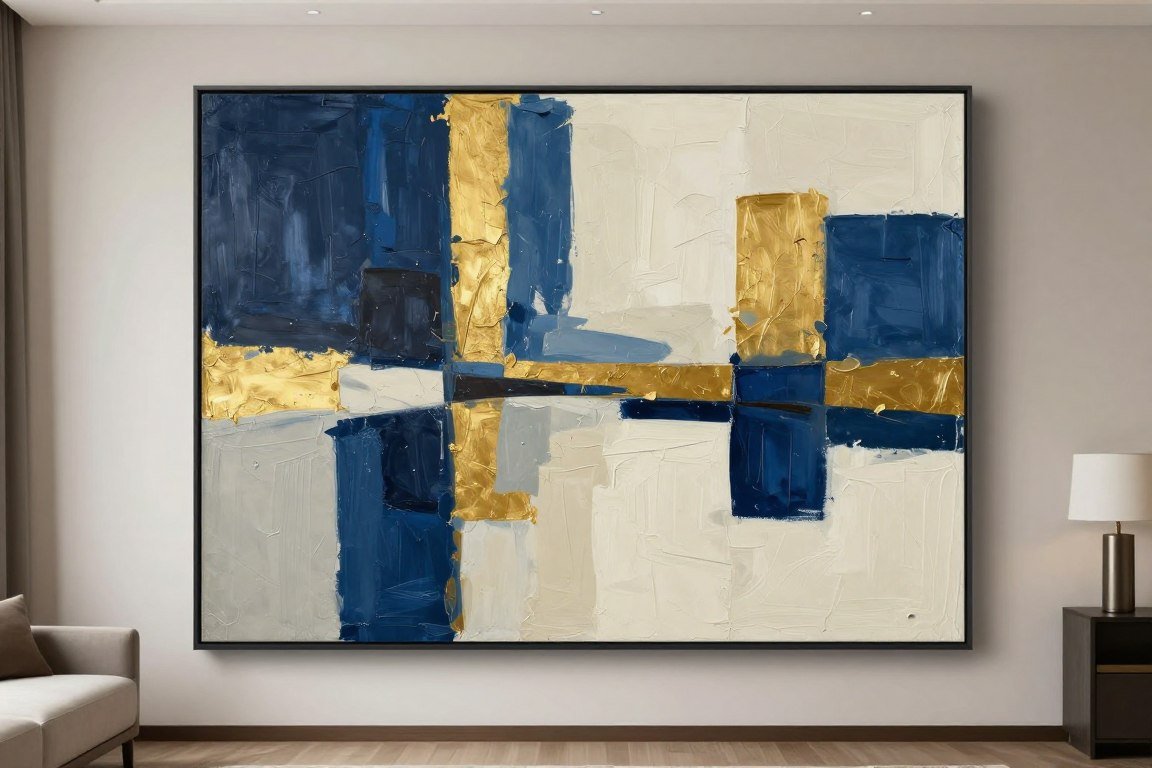
Your living room deserves a focal point that captures attention the moment someone walks through the door. Extra large wall art for living room spaces creates that instant visual impact, transforming empty walls into stunning design statements. The right oversized piece doesn't just fill space—it defines your entire aesthetic and sets the mood for your home.
Choosing oversized wall art can feel overwhelming. You're making a significant investment in a piece that will dominate your most important living space. Questions about sizing, style, placement, and quality naturally arise. This comprehensive guide answers those questions and helps you select artwork that perfectly complements your room while reflecting your personal style.
From understanding proper proportions to exploring design styles that resonate with your taste, you'll discover everything needed to confidently select extra large wall art. Whether you're drawn to bold abstract compositions, serene botanical prints, or striking black and white photography, the perfect piece awaits to complete your living room vision.
Transform Your Space: 3 Statement Pieces That Command Attention
Before diving into selection criteria, let's explore three exceptional examples of extra large wall art that demonstrate the transformative power of oversized artwork. These carefully curated pieces represent different aesthetic approaches, each capable of becoming the centerpiece of your living room design.
Curated Selections for Sophisticated Living Spaces
These museum-quality canvas prints showcase the range of possibilities available when you choose extra large wall art for your living room. Each piece creates an immediate focal point while complementing various design aesthetics.

Bold Abstract Expression
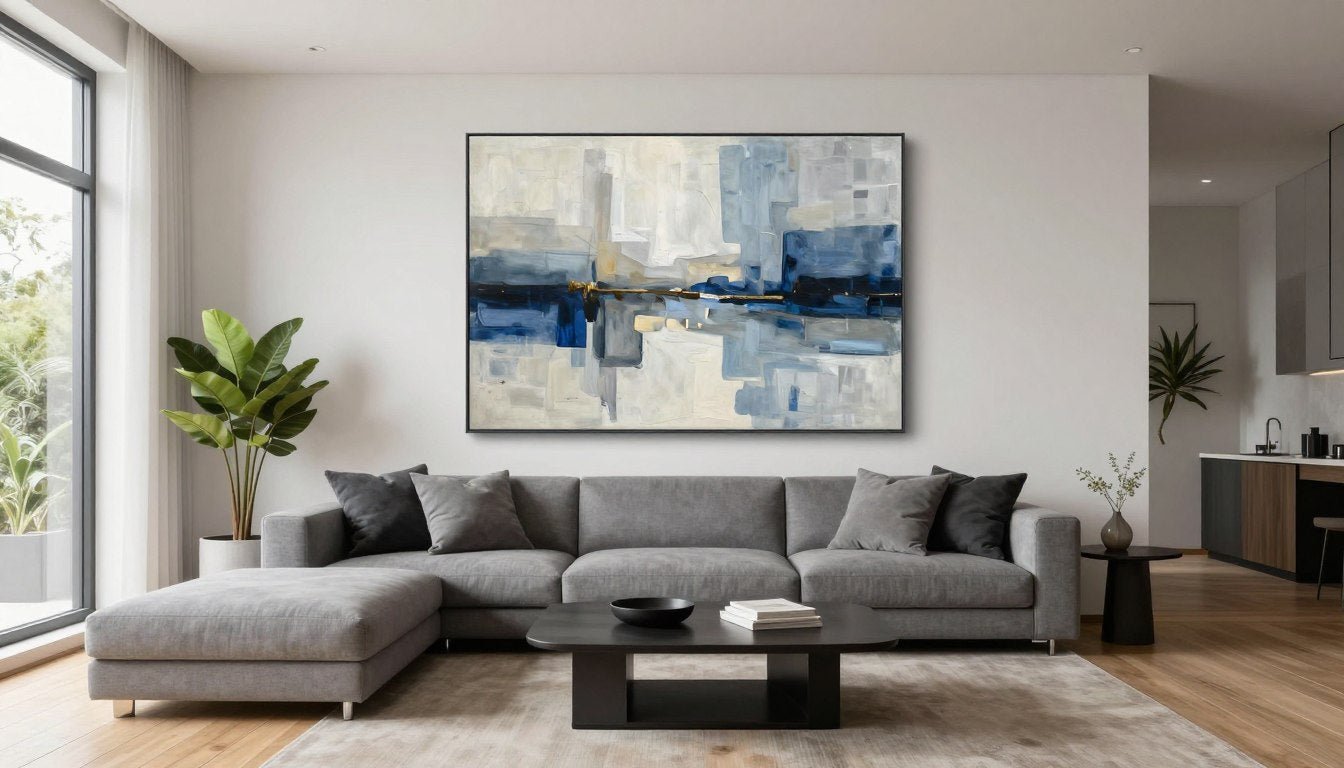
Large-scale abstract art brings energy and movement to contemporary living rooms. Geometric patterns and vibrant colors create visual interest that draws the eye upward, making ceilings feel higher and spaces more dynamic.
Perfect for modern and transitional interiors, abstract pieces offer flexibility in color coordination while making a confident style statement.

Serene Botanical Beauty
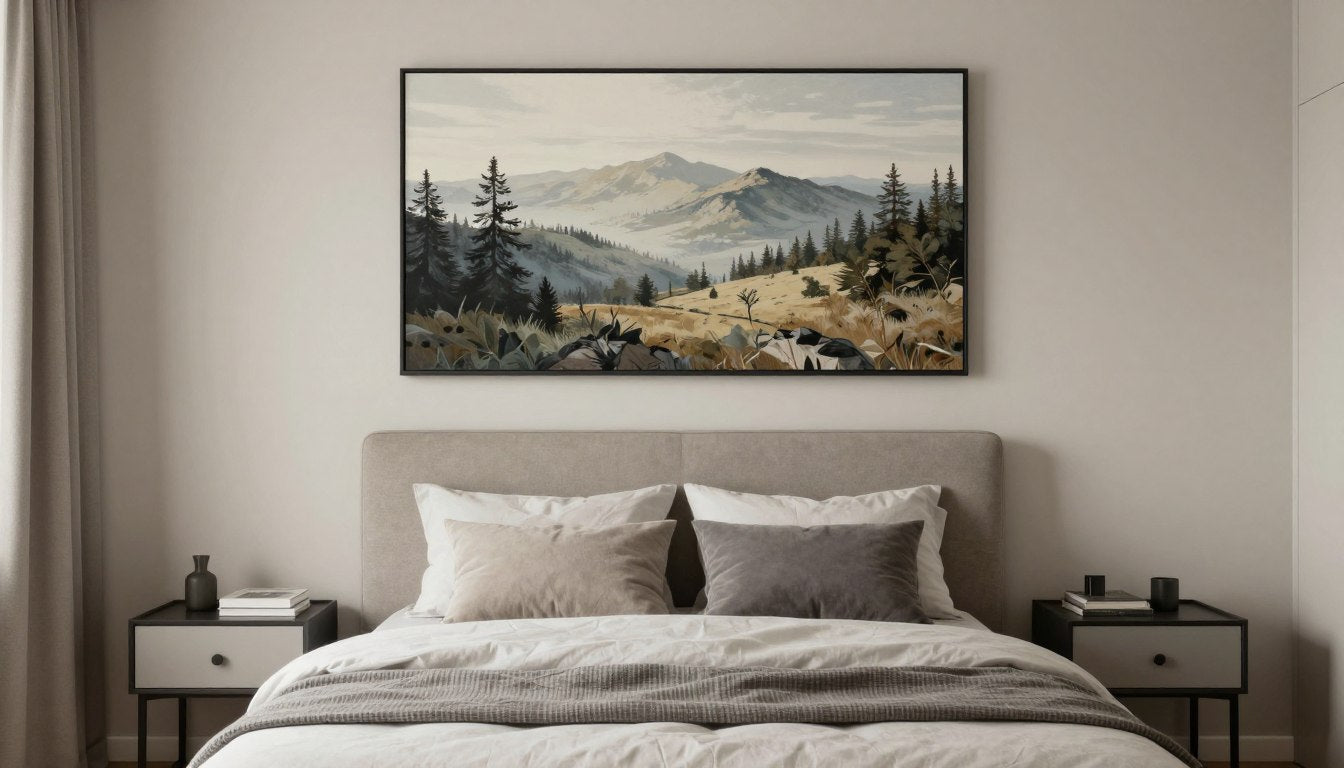
Bringing nature indoors through oversized botanical prints creates calming, organic environments. Large-scale florals and foliage introduce natural elements that soften hard architectural lines while maintaining visual impact.
These pieces work beautifully in both traditional and contemporary settings, offering timeless appeal that transcends design trends.

Timeless Monochrome Elegance
Black and white canvas prints deliver sophisticated drama through contrast and composition. Oversized monochrome pieces create focal points that complement any color scheme while adding depth and artistic credibility to your space.
Ideal for minimalist, Scandinavian, and modern interiors where clean lines and tonal sophistication reign.
What Qualifies as Extra Large Wall Art?
Understanding sizing categories helps you select appropriately scaled artwork for your living room. Extra large wall art typically refers to pieces measuring 40 inches or larger in their smallest dimension. These oversized pieces create immediate visual impact and serve as room focal points rather than subtle accents.

Standard Extra Large Dimensions
The most popular extra large wall art sizes range from 40x60 inches to 60x90 inches. These dimensions work well above sofas, consoles, and in open wall spaces where you need substantial coverage. A 48x72 inch piece provides excellent balance for most standard living rooms with 8-10 foot ceilings.
Oversized wall art in the 60x80 inch range suits larger rooms with higher ceilings. These commanding pieces fill vertical space beautifully and create gallery-like atmosphere in spacious living areas. Consider your wall height when selecting from this size category to maintain proper proportions.

Proportional Guidelines
Your oversized wall art should occupy roughly two-thirds to three-quarters of your furniture width below it. For a standard 90-inch sofa, aim for artwork measuring 60-68 inches wide. This creates visual harmony while ensuring the piece makes a proper statement.
Leave 6-12 inches of space between your furniture top and the bottom edge of your artwork. This breathing room prevents the piece from feeling cramped while maintaining visual connection between furniture and art. The exact measurement depends on ceiling height and overall room proportions.
Wall height matters significantly when selecting extra large pieces. Calculate available vertical space from the ideal hanging height (typically 57-60 inches at center) to ceiling. Leave at least 6-8 inches from the artwork's top edge to the ceiling line to avoid a cramped appearance.
Multi-Panel Oversized Art
Canvas print sets offer alternative approaches to achieving extra large scale. Triptychs (three-panel sets) and diptychs (two-panel arrangements) can span 60-90 inches total width while maintaining manageable individual panel sizes. These set canvas prints create cohesive visual impact with installation flexibility.

Multi-panel arrangements work exceptionally well in contemporary and modern interiors. The segmented format adds visual interest through repetition and rhythm while allowing you to adjust spacing based on your specific wall dimensions. This flexibility makes sets particularly valuable for challenging wall proportions.
How to Determine the Right Size for Your Living Room
Selecting properly scaled extra large wall art requires careful measurement and consideration of your room's proportions. The relationship between wall size, furniture placement, and artwork dimensions determines whether a piece enhances or overwhelms your space. Following proven sizing formulas ensures your investment delivers maximum impact.
The Two-Thirds Rule
Design professionals rely on the two-thirds rule when sizing wall art above furniture. Measure the width of your sofa, console, or other furniture piece below where you'll hang the artwork. Multiply that measurement by 0.67 to find the minimum width for your art piece. For example, a 96-inch sectional requires artwork measuring at least 64 inches wide.
This formula works for single pieces and multi-panel arrangements alike. When considering living room wall art options, apply the two-thirds rule to the total combined width of panel sets. The goal is creating visual weight that anchors the furniture below without appearing disproportionately small or large.
Pro Sizing Tip: Use painter's tape to outline your intended artwork dimensions directly on the wall before purchasing. Live with this visual mockup for several days to confirm the size feels right in your space. This simple step prevents costly sizing mistakes.
Ceiling Height Considerations
Standard 8-foot ceilings accommodate oversized wall art measuring 36-48 inches in height. These dimensions leave appropriate space above and below the artwork while maintaining proper visual weight. Pieces taller than 48 inches risk appearing cramped in standard-height rooms unless hung in areas without furniture below.

Rooms with 9-10 foot ceilings provide ideal environments for truly oversized pieces. You can confidently select artwork measuring 48-60 inches tall without overwhelming the space. The additional vertical dimension allows your extra large wall art to fill the wall dramatically while maintaining balanced proportions.
Vaulted and cathedral ceilings present unique opportunities for dramatic vertical pieces. Consider artwork measuring 60-80 inches tall to take advantage of the height. Position these pieces to follow the ceiling line's angle, creating dynamic visual movement that emphasizes your room's architectural features.
Room Size and Scale
Small living rooms measuring 150-250 square feet benefit from single oversized focal pieces rather than gallery wall arrangements. One commanding 40x60 inch piece creates more impact than multiple smaller artworks while making the space feel larger and more cohesive. The key is choosing artwork that doesn't visually fragment limited wall space.
Medium-sized rooms of 250-400 square feet accommodate extra large wall art measuring 48x72 inches comfortably. These spaces offer enough wall area and viewing distance to appreciate oversized pieces without overwhelming the room. You can also incorporate a large primary piece with smaller complementary artwork on adjacent walls.
Compact Living Rooms
Dimensions: 150-250 sq ft
Recommended art size: 40x60" to 44x66"
Avoid pieces exceeding 50 inches in any dimension, as they may overwhelm compact spaces and make rooms feel smaller.
Spacious Living Areas
Dimensions: 400+ sq ft
Recommended art size: 54x80" to 60x90"
Large rooms need substantial artwork to avoid pieces appearing insignificant against expansive walls.
Large open-concept living areas exceeding 400 square feet demand the largest wall art pieces. Artwork measuring 60x80 inches or larger prevents pieces from disappearing into vast wall expanses. In these generous spaces, don't hesitate to go bold with scale—undersized art creates visual weakness rather than sophisticated restraint.
Viewing Distance Matters
The distance between your primary seating area and the artwork wall influences ideal sizing. Multiply that distance in feet by 0.5 to determine appropriate artwork height in inches. For example, a seating area positioned 10 feet from the wall calls for artwork measuring approximately 50 inches tall for optimal viewing impact.
This viewing distance calculation ensures your oversized wall art remains visually impressive from where you'll spend most time. Artwork sized according to this formula allows viewers to appreciate overall composition without needing to step back for perspective. The piece integrates naturally into your living experience rather than demanding attention through sheer proximity.
Popular Styles of Extra Large Wall Art for Living Rooms
Your choice of art style significantly impacts your living room's overall aesthetic and emotional atmosphere. Extra large wall art amplifies style characteristics, making your artistic choice a defining element of your interior design. Understanding how different art styles interact with various decor approaches helps you select pieces that enhance rather than clash with your vision.

Abstract and Geometric Wall Art
Abstract art delivers maximum versatility for contemporary and transitional living spaces. Oversized abstract pieces featuring geometric patterns, organic shapes, or expressive brushwork create focal points that spark conversation without dictating specific interpretations. This open-ended quality allows the artwork to mean different things to different viewers.
Color plays a crucial role in abstract art selection. Bold, saturated hues energize spaces and work beautifully in neutral rooms needing visual excitement. Muted, tonal abstracts provide sophisticated backgrounds that complement bold furniture and textile choices. The abstract canvas prints collection offers diverse color palettes suitable for various design schemes.

Why Abstract Works
Abstract artwork adapts to evolving design trends without appearing dated. You can update furniture, textiles, and accessories around abstract pieces that remain relevant through changing styles. This longevity makes abstract art a sound investment for homeowners who redecorate periodically.
Geometric abstracts particularly suit modern and mid-century modern interiors. Clean lines and structured compositions echo architectural elements and furniture forms common in these styles. The visual rhythm created by repeating geometric shapes adds sophisticated energy to minimalist spaces.
Botanical and Nature-Inspired Prints
Oversized botanical wall art brings organic warmth to living spaces while maintaining contemporary appeal. Large-scale leaf patterns, floral close-ups, and nature photography create calming focal points that connect interior spaces with the natural world. This biophilic design approach supports mental well-being while adding visual interest.
Botanical prints work across diverse design styles from traditional to modern farmhouse. Dramatic monstera leaves or palm fronds deliver tropical sophistication to contemporary spaces. Delicate floral studies suit traditional and transitional rooms seeking subtle elegance. The botanical wall art prints range accommodates these varying aesthetic preferences.

Consider color treatment when selecting botanical art. Full-color pieces introduce natural greens and earth tones that warm neutral spaces. Black and white botanical prints offer striking contrast and work particularly well in monochromatic or minimalist interiors. Sepia or muted tones provide vintage character suitable for eclectic and bohemian spaces.
Black and White Photography and Portraits
Monochrome photography delivers timeless sophistication that transcends trends. Extra large black and white prints create dramatic focal points through contrast, composition, and subject matter rather than color. This restraint often appears more refined and gallery-like than colorful alternatives, elevating your living room's aesthetic credibility.
Portrait photography at oversized scale creates intimate connection despite large dimensions. Capturing human emotion and character in grand format invites contemplation and adds personality to living spaces. The portrait canvas prints offer diverse subjects from classical to contemporary interpretations.

Architectural Drama
Black and white architectural photography emphasizes form, light, and shadow. These pieces suit modern and industrial interiors where structure and clean lines dominate the design vocabulary.

Landscape Majesty
Monochrome landscape photography captures natural grandeur without color distraction. Clouds, mountains, and water become studies in tonal variation and composition that bring contemplative energy to spaces.

Expressive Portraiture
Portrait photography focuses attention on human expression and character. These pieces add emotional depth and storytelling elements that make living rooms feel personally curated rather than generically decorated.
Cityscape and Urban Photography
Urban landscapes and cityscape photography appeal to cosmopolitan sensibilities. Oversized prints featuring skylines, street scenes, or architectural details bring metropolitan energy to suburban and rural homes. These pieces work particularly well in modern and industrial interiors where urban aesthetics dominate.
Night photography of city lights creates particularly striking large-format pieces. The contrast between illuminated buildings and dark skies provides natural drama that commands attention. Daytime cityscapes offer cleaner, more architectural interpretations suitable for minimalist spaces. Explore cityscape canvas prints to find your ideal urban aesthetic.

Match This Vibe to Your Space
Your living room's existing design aesthetic guides artwork selection toward pieces that enhance rather than compete with your established style. Understanding how different art categories align with interior design approaches ensures your extra large wall art integrates seamlessly while delivering maximum visual impact.
Curated Collections for Every Living Room Style
Browse our expertly organized collections designed to complement specific design aesthetics and room functions. Each collection features oversized pieces selected for their ability to transform living spaces into stunning showcases of personal style.

Modern & Contemporary Spaces
Clean-lined interiors benefit from abstract geometric pieces or minimalist photography that echoes architectural elements. Bold colors energize neutral modern spaces while monochrome pieces enhance sophisticated minimalism.
- Abstract geometric compositions
- Line art and minimalist drawings
- Black and white photography
- Urban and architectural imagery

Traditional & Classic Interiors
Formal spaces pair beautifully with botanical prints, landscape photography, or classical portraiture. Rich colors and organic subjects complement traditional furniture and architectural details without appearing stuffy or dated.
- Botanical and floral studies
- Classical portrait photography
- Landscape and nature scenes
- Vintage-inspired compositions

Eclectic & Bohemian Rooms
Free-spirited spaces welcome bold colors, mixed patterns, and artistic experimentation. Oversized abstract pieces or vibrant animal prints add personality without overwhelming eclectic collections of furniture and accessories.
- Bold colorful abstracts
- Animal and wildlife art
- Pop art and cultural icons
- Mixed media compositions

Scandinavian & Minimalist
Nordic-inspired interiors favor simplicity and natural elements. Oversized botanical line drawings or subtle abstract pieces in neutral tones maintain the calm, uncluttered aesthetic while providing necessary visual interest.
- Minimalist line art drawings
- Neutral botanical prints
- Monochrome photography
- Subtle abstract compositions

Industrial & Urban Lofts
Raw, architectural spaces benefit from urban photography or bold abstracts that complement exposed materials. Black and white cityscapes or geometric compositions enhance industrial elements without softening the aesthetic.
- Urban cityscape photography
- Architectural abstracts
- Industrial imagery
- Automotive and mechanical art

Transitional Spaces
Rooms blending traditional and contemporary elements need versatile artwork that bridges both aesthetics. Neutral abstracts or sophisticated botanical prints work across style boundaries without committing too heavily to either direction.
- Neutral abstract compositions
- Sophisticated botanical art
- Tonal landscape photography
- Contemporary portrait styles
Beyond aesthetic compatibility, consider your living room's function when selecting extra large wall art. Formal spaces benefit from sophisticated, gallery-quality pieces that impress guests. Family-friendly rooms welcome more playful subjects that spark conversation and reflect personality. Your canvas prints selection should align with how you actually use the space daily.
Color Coordination Strategies for Large Wall Art
Color selection determines whether your extra large wall art for living room integrates harmoniously or creates jarring discord. Understanding color theory basics and practical coordination approaches helps you choose artwork that enhances your existing palette while introducing visual interest and depth to your space.
The 60-30-10 Color Rule
Interior designers rely on the 60-30-10 rule for balanced color distribution. Your dominant color covers 60% of the room (typically wall paint and large furniture). Secondary colors occupy 30% (curtains, rugs, accent furniture). Accent colors comprise the remaining 10% through accessories and artwork.
Your oversized wall art can serve any of these three color roles depending on your goals. A neutral abstract piece reinforces your dominant 60% color, creating calm continuity. Artwork featuring your 30% secondary color strengthens that palette presence. Bold pieces introducing new accent colors fulfill the 10% role while commanding attention as focal points.

Complementary vs. Analogous Color Schemes
Complementary colors sit opposite each other on the color wheel, creating vibrant contrast. A room dominated by cool blues benefits from warm orange or coral artwork that energizes the space. This high-contrast approach works well in contemporary interiors seeking bold visual statements.
Analogous colors occupy adjacent positions on the color wheel, offering harmonious, low-contrast combinations. Blue rooms pair beautifully with blue-green or blue-violet artwork for sophisticated tonal variation. This approach suits traditional and transitional spaces where subtle elegance trumps dramatic impact.
When to Use Complementary Colors
- Modern and contemporary interiors
- Spaces needing energy and visual excitement
- Neutral rooms requiring color injection
- Creating clear focal point artwork
Complementary schemes work best in well-lit rooms where vibrant colors won't overwhelm. Balance bold artwork with neutral furniture and accessories to prevent visual chaos.
When to Choose Analogous Colors
- Traditional and transitional spaces
- Rooms seeking calm, cohesive atmosphere
- Already colorful spaces avoiding clash
- Sophisticated, gallery-like ambiance
Analogous color schemes create serene environments ideal for relaxation. These combinations appear naturally harmonious and rarely conflict with existing décor choices.
Working with Neutral Artwork
Black and white or sepia-toned artwork provides ultimate flexibility for evolving design schemes. Neutral oversized pieces anchor spaces without dictating color direction, allowing you to change textiles, accessories, and even furniture without replacing costly artwork. This adaptability makes neutral art sound long-term investment.
The black and white canvas prints collection demonstrates how monochrome pieces deliver visual impact through composition, subject matter, and contrast rather than color. These versatile works suit virtually any design aesthetic while maintaining timeless appeal that transcends trends.

Consider adding subtle color accents to neutral artwork through framing or matting choices. A simple white or black frame maintains clean aesthetics, while metallic frames in gold, silver, or bronze introduce warmth without overwhelming the composition. Custom framing options allow you to bridge neutral art with your room's color palette.
Seasonal Color Flexibility
Artwork with multi-color compositions offers surprising seasonal versatility. A piece featuring both warm and cool tones adapts as you rotate seasonal textiles and accessories. Summer's cool blues and greens can emphasize those colors in the artwork, while autumn's warm oranges and browns highlight different elements within the same piece.
This seasonal adaptability extends your artwork's relevance and prevents decorating fatigue. Rather than requiring new art for fresh looks, you simply shift complementary accessories to emphasize different colors already present in your oversized wall art. This approach maximizes value while keeping your living room feeling current and thoughtfully designed.
Placement and Hanging Guidelines for Extra Large Art
Proper placement transforms good artwork into stunning focal points. Extra large wall art for living room spaces requires careful positioning to maximize impact while maintaining proper proportions with surrounding elements. Following professional hanging guidelines ensures your investment displays to full advantage.
The 57-Inch Center Rule
Art galleries universally hang artwork with centers positioned 57 inches from the floor. This height aligns with average human eye level, creating comfortable viewing angles for most people. The rule holds true regardless of artwork size—measure from floor to the piece's center point, not its bottom edge.
Calculate proper hanging height by measuring your artwork's total height and dividing by two. Subtract that number from 57 inches to find where the top edge should sit. For a 60-inch tall piece, the top edge hangs at 27 inches from the floor (57 minus 30). Mark this point and install your hanging hardware accordingly.

Furniture Relationship and Spacing
Oversized wall art hung above furniture requires careful spacing to create visual connection without cramping. Leave 6-8 inches between furniture top and artwork bottom for standard 8-foot ceilings. This breathing room prevents the piece from appearing to sit directly on furniture while maintaining their relationship.
Increase spacing to 8-12 inches for higher ceilings or particularly tall furniture pieces. The goal is creating comfortable visual flow between elements without excessive gaps that separate artwork from its anchoring furniture. Your eye should naturally travel from furniture to art without awkward jumps or cramped transitions.
Installation Consideration: Extra large canvas art requires proper wall anchoring for safety and longevity. Use wall studs whenever possible, or install heavy-duty wall anchors rated for your artwork's weight. Most oversized canvas prints weigh 15-30 pounds and need secure mounting to prevent accidents.
Creating Balanced Compositions
Single oversized pieces work best as standalone focal points rather than parts of gallery wall arrangements. The commanding presence of extra large wall art competes with smaller pieces instead of complementing them. Reserve your statement wall for one impressive artwork and distribute smaller pieces to other walls if desired.
If your living room features multiple seating areas, consider commissioning or selecting coordinating oversized pieces for each zone. Maintain visual consistency through shared color palettes or artistic styles while varying subjects or compositions. This approach creates cohesive design without repetitive monotony.

Lighting Considerations
Proper lighting transforms good artwork into spectacular focal points. Position picture lights 12-18 inches above artwork to create dramatic downward illumination that highlights texture and color. LED picture lights provide energy-efficient solutions with adjustable color temperatures to match your room's lighting scheme.
Avoid placing oversized wall art opposite windows where direct sunlight causes glare and potential fading. If window placement makes this unavoidable, invest in UV-protective glazing or rotate your art seasonally to prevent sun damage. Most high-quality canvas prints resist fading better than paper-based artwork, but protection remains important for longevity.
Consider your room's existing lighting when selecting artwork colors and tones. Warm incandescent or halogen lighting enhances warm-toned artwork but can muddy cool blues and greens. Cool LED lighting flatters blue and green pieces while potentially washing out warm reds and oranges. Test artwork under your actual lighting conditions before final commitment when possible.
See How Museum-Quality Canvas Transforms Real Spaces
Visual examples demonstrate the dramatic impact extra large wall art creates in actual living environments. This curated video showcase reveals how oversized pieces anchor rooms, define aesthetics, and elevate everyday spaces into gallery-worthy interiors. Observe how proper sizing, placement, and style selection work together in real-world applications.
The transformation power of statement wall art extends beyond mere decoration. These pieces fundamentally alter how you experience your living room, creating emotional responses and setting atmospheric tones that reflect your personal aesthetic. Quality artwork investment pays dividends through daily enjoyment and long-term design satisfaction.
Explore Our Complete Canvas Art Collection
Discover hundreds of museum-quality canvas prints carefully curated for their ability to transform living spaces. From bold abstracts to serene botanicals, our collection offers diverse styles to complement any interior design vision.
Beyond canvas prints, consider exploring complementary art forms that enhance your living room's artistic depth. Original paintings offer unique, one-of-a-kind character unavailable in reproductions. For three-dimensional interest, modern sculptures provide textural contrast to flat wall art while adding sophisticated finishing touches to console tables and shelving displays.
Framing and Finishing Options for Oversized Canvas Art
Finishing choices significantly impact how your extra large wall art for living room presents in your space. Understanding options for canvas wrapping, framing, and protective treatments helps you select presentations that complement both the artwork and your interior design aesthetic while ensuring long-term durability.
Gallery Wrap vs. Framed Canvas
Gallery-wrapped canvas extends the printed image around wooden stretcher bar sides, creating finished edges that require no additional framing. This contemporary presentation style works beautifully in modern and minimalist interiors where clean lines dominate. The seamless look maintains focus on the artwork without ornamental distraction.
Wrapped canvas edges typically measure 1.5-2 inches deep, creating subtle three-dimensional presence on your wall. The depth adds shadow dimension that enhances visual interest while the continuous image flow around edges maintains compositional integrity. Most contemporary oversized pieces utilize gallery wrap for its streamlined aesthetic.

Traditional framing adds formal presence suitable for classical and transitional interiors. Frames define artwork boundaries while introducing additional color, texture, and architectural detail. Wood frames in natural, painted, or metallic finishes complement various design aesthetics while protecting canvas edges from damage.
Floating Frame Installation
Floating frames create contemporary compromise between gallery wrap's minimalism and traditional framing's structure. The frame sits slightly away from canvas edges, creating shadow gap that makes artwork appear to float within its border. This sophisticated presentation suits transitional spaces bridging modern and traditional aesthetics.
Choose floating frame profiles and finishes that complement your room's existing elements. Thin metal frames in black, silver, or brass add contemporary edge without overwhelming artwork. Wider wood frames in natural finishes introduce warmth while maintaining the floating effect's visual lightness. The gap between art and frame should measure 1/4 to 1/2 inch for proper floating appearance.
Benefits of Gallery Wrap
- Contemporary, streamlined appearance
- No additional framing cost required
- Image continues around edges
- Lighter weight than framed pieces
- Easier to hang and reposition
Advantages of Framing
- Formal, finished presentation
- Edge protection from damage
- Additional color and texture element
- Suits traditional aesthetics
- Can update artwork look through reframing
Protective Coatings and Treatments
High-quality canvas prints typically receive protective coatings during manufacturing to resist fading, moisture, and minor surface abrasions. These treatments extend artwork lifespan significantly, particularly important for investment pieces you'll display for years. Verify coating presence when purchasing oversized wall art to ensure durability.
UV-resistant coatings prove particularly valuable for artwork displayed near windows or in bright rooms. While no coating provides complete UV protection, quality treatments significantly slow color degradation from sunlight exposure. Combine protective coatings with proper placement away from direct sun for maximum longevity.
Anti-glare coatings reduce reflections that obscure artwork under certain lighting conditions. These treatments prove especially beneficial for pieces hung opposite windows or under direct lighting. The subtle coating maintains image clarity and color accuracy while minimizing distracting reflections that interfere with viewing experience.
Budget and Investment Considerations
Extra large wall art represents significant investment requiring thoughtful budget planning. Understanding price factors, quality indicators, and long-term value helps you make informed purchasing decisions that balance immediate cost with lasting satisfaction and potential resale value.
Understanding Price Variables
Canvas print prices vary based on multiple factors beyond simple size measurements. Image licensing or original artwork costs form the foundation, particularly for pieces featuring famous photographs or commissioned works. Reproduction rights for museum-quality images demand premium pricing reflecting artistic value and exclusivity.
Print quality dramatically affects cost and longevity. Giclée printing processes using archival inks on museum-grade canvas command higher prices but deliver superior color accuracy and fade resistance. These premium prints maintain vibrancy for decades while budget options may show visible degradation within years.

Stretcher bar quality and construction methods influence both price and finished appearance. Premium pieces utilize kiln-dried hardwood stretcher bars that resist warping over time. Budget options may employ softer woods or composite materials that can bow or twist, distorting your artwork's appearance. Invisible factors like corner joinery and cross-bracing separate quality construction from economy alternatives.
Investment Value of Original Art
While canvas prints offer accessible pricing, original paintings provide unique ownership unavailable in reproductions. Single works carry potential appreciation value as artists gain recognition, making original art legitimate investment beyond decorative purchase. The original paintings collection features works from emerging artists with growth potential.
Original artwork commands premium pricing reflecting artist time, skill, and material costs. An extra large original piece may cost 10-50 times comparable print prices, but this investment brings ownership of singular artistic expression. For collectors and those seeking ultimate uniqueness, original art justifies its premium through exclusivity and potential value appreciation.
Canvas Print Advantages
- Accessible pricing for large-scale art
- Consistent quality across multiple prints
- Wide selection of subjects and styles
- Easy replacement if damaged
- High-quality reproduction of famous works
Original Art Benefits
- Unique, one-of-a-kind ownership
- Potential investment appreciation
- Texture and dimension unavailable in prints
- Direct artist support
- Provenance and collectibility
Balancing Budget with Quality
Determine appropriate budget by calculating cost per square inch of wall coverage. Oversized pieces naturally command higher absolute prices but may deliver better value when considering visual impact per dollar. A $600 piece measuring 60x80 inches (4,800 square inches) costs $0.125 per square inch while a $200 piece at 24x36 inches (864 square inches) costs $0.23 per square inch.
Prioritize quality materials and printing over frame elaboration when budgeting. The canvas and image quality determine your long-term satisfaction while frames can be upgraded or changed later. Invest in archival-quality prints with proper protective coatings, then select simple gallery wrap or basic framing to stay within budget initially.
Consider purchasing extra large wall art as significant home investment comparable to quality furniture. Well-selected artwork enhances your daily living experience for years, justifying prices that initially seem substantial. Break mental resistance by calculating daily cost over expected lifespan—a $500 piece enjoyed for 10 years costs just $0.14 per day, less than your morning coffee.
Common Mistakes to Avoid When Selecting Extra Large Wall Art
Even experienced decorators make predictable errors when selecting oversized wall art. Understanding these common pitfalls helps you avoid costly mistakes that compromise your design vision or require expensive corrections. Learn from others' experiences to get your wall art selection right the first time.
Choosing Art Before Measuring
The most frequent mistake involves falling in love with artwork before measuring available wall space. Beautiful pieces lose appeal when they arrive too large or small for intended locations. Always measure your wall area, furniture dimensions, and available vertical space before browsing art selections to avoid disappointment.
Create detailed wall measurement documentation including ceiling height, furniture width, and any architectural features affecting placement. Photograph your space from multiple angles to reference while shopping. This preparation prevents impulse purchases of incompatible pieces regardless of their standalone beauty.
Measurement Warning: Online shopping makes size misjudgment particularly easy. Product photos rarely convey actual scale, and dimension listings get overlooked in excitement over imagery. Always compare stated dimensions to known references—your own height, furniture you own, or doorway width—to grasp true size before purchasing.
Ignoring Room Proportion and Scale
Oversized wall art that overwhelms small rooms creates claustrophobic rather than impressive atmospheres. Conversely, undersized pieces appear insignificant in large spaces, failing to anchor the room properly. Respect the two-thirds furniture rule and viewing distance formulas discussed earlier to maintain proper proportions.
Consider your room's overall scale when selecting artwork. Spaces with tall ceilings and large furniture can accommodate truly massive pieces that would overwhelm standard rooms. Conversely, compact living areas benefit from the lower end of the extra large range (40-48 inches) rather than pushing maximum dimensions.
Mismatching Art Style with Interior Design
Forcing contemporary abstract art into traditional Victorian interiors or hanging classical portraiture in ultra-modern minimalist spaces creates jarring discord. While eclectic mixing can work when done intentionally, accidental style clashes undermine both artwork and room design. Consider your dominant aesthetic and select art that complements rather than contradicts it.

When deliberately mixing styles, ensure connecting elements create intentional cohesion. Shared color palettes, similar framing approaches, or thematic links between disparate styles help mixed aesthetics feel curated rather than confused. Without these bridges, style combinations appear accidental instead of sophisticated.
Overlooking Lighting Requirements
Artwork placed in poorly lit areas or subjected to harsh direct sunlight fails to display properly. Dark corners render even vibrant pieces dull and invisible while strong backlighting creates glare that obscures imagery. Assess lighting conditions where you'll hang artwork and plan appropriate illumination before installation.
Budget for proper picture lighting if your chosen wall lacks adequate illumination. Quality artwork deserves proper presentation through correct lighting that reveals color accuracy and textural details. Many oversized pieces appear disappointingly flat until properly lit, then transform into stunning focal points with appropriate illumination.
Prioritizing Trends Over Timeless Appeal
Chasing current design trends leads to artwork that feels dated within years, requiring replacement to maintain current aesthetics. Extra large wall art represents significant investment deserving longer lifespan than fleeting trend cycles. Select pieces you genuinely love rather than those matching this season's popular style.
Classic subjects, quality execution, and personal resonance create timeless appeal that transcends trends. You'll enjoy these pieces through multiple design updates and evolving tastes. While trendy art offers immediate gratification, timeless selections deliver lasting satisfaction and better return on investment.
Extra Large Wall Art for Different Living Room Layouts
Living room configurations vary dramatically, each presenting unique opportunities and challenges for oversized wall art placement. Understanding how different layouts accommodate large-scale pieces helps you select and position artwork for maximum impact while respecting your space's specific characteristics.
Open Concept Living Areas
Open floor plans combining living, dining, and kitchen areas benefit from oversized artwork that helps define separate zones within the larger space. Strategic art placement creates visual anchors for distinct functional areas while maintaining overall cohesion through coordinated color palettes or complementary artistic styles.
Position your largest statement piece behind the main seating area to establish the living zone's focal wall. This placement provides visual backdrop when entering the space while remaining visible from other areas. Consider secondary large pieces for dining or kitchen zones to create balanced visual weight throughout the open plan.

Small Living Rooms
Compact living spaces require careful artwork selection that creates impact without overwhelming limited square footage. Single oversized pieces work better than multiple smaller artworks that fragment walls and make spaces feel cluttered. Choose the lower end of extra large sizing (40-50 inches) to maintain proper scale.
Light-colored or neutral artwork helps small rooms feel more spacious by reflecting light and avoiding visual heaviness. Dark, bold pieces can work but require confident execution to avoid making tight spaces feel smaller. The line art canvas prints offer minimal visual weight ideal for compact rooms.
Living Rooms with Focal Point Fireplaces
Fireplaces naturally command attention, creating competition for wall art focal points. If your fireplace wall offers adequate space above the mantel, oversized horizontal pieces measuring 48-60 inches wide work beautifully in this location. Ensure adequate clearance from heat sources to protect artwork from temperature damage.
When fireplace walls can't accommodate extra large art, position your statement piece on an adjacent wall visible from main seating. This arrangement creates secondary focal point that complements rather than competes with the fireplace. The two elements balance each other, preventing the fireplace from completely dominating the room's visual interest.

Fireplace Wall Guidelines
Measure from mantel top to ceiling to determine available vertical space. Subtract 6-8 inches for proper spacing, then select artwork height accordingly. Standard mantels at 48-54 inches allow for 36-42 inch tall pieces with 8-foot ceilings.
Horizontal orientation typically works best above fireplaces, matching the mantel's horizontal line. The artwork width should not exceed the fireplace opening width by more than 6-8 inches on each side to maintain balanced proportions.
Maintain minimum 6-inch clearance between artwork bottom and mantel top. This spacing prevents heat damage while creating visual separation. For gas fireplaces producing less heat, you might reduce spacing slightly, but maintain at least 4 inches for safety.
Living Rooms with High Ceilings
Tall ceilings accommodate truly dramatic oversized pieces measuring 60-80 inches in height. These generous vertical dimensions allow artwork to fill wall space proportionally without appearing cramped or undersized. Take full advantage of height by selecting vertically oriented pieces or exceptionally tall horizontal works.
Multiple large pieces can work in high-ceilinged rooms when arranged vertically rather than horizontally. Stack two complementary 40x60 inch pieces to create impressive floor-to-ceiling impact. Leave 3-4 inches between pieces to maintain individual identity while creating cohesive vertical composition.
Narrow Living Rooms
Long, narrow living rooms benefit from horizontally oriented oversized pieces that emphasize width rather than height. This orientation counters the room's natural tunnel effect by drawing eyes across rather than down the narrow space. Select pieces measuring 60-72 inches wide but only 36-48 inches tall to maximize this effect.
Position your horizontal statement piece on one short wall to anchor that end of the room. This placement creates stopping point for the eye, preventing the long narrow space from feeling endless. Balance with smaller complementary pieces on long walls to maintain visual interest throughout the room's length.
Seasonal Styling with Extra Large Wall Art
While extra large wall art for living room serves as permanent fixture due to its size and investment level, you can refresh its impact through seasonal styling adjustments around the piece. Strategic accessory and textile changes emphasize different aspects of your artwork while keeping your space feeling current throughout the year.
Spring and Summer Refreshes
Warmer months call for lighter, airier aesthetics that make artwork feel fresh and energizing. If your oversized piece contains both cool and warm tones, emphasize blues, greens, and aquas through coordinating throw pillows, lightweight blankets, and decorative objects. These cool colors create refreshing contrast against warm-weather brightness.
Botanical and nature-themed artwork particularly shines during spring and summer. Enhance these pieces by introducing fresh greenery in nearby planters that echo the artwork's organic forms. The living plants create dialogue with depicted foliage, strengthening nature-inspired themes while adding authentic organic energy to your space.

Fall and Winter Warmth
Cooler seasons benefit from cozy, warm aesthetics created through rich textiles and warm lighting. Draw out warmer tones in your artwork through burgundy, rust, navy, or forest green accent pieces. Layer textures through velvet pillows, chunky knit throws, and wool rugs that create inviting contrast against smooth canvas surfaces.
Adjust lighting to warm color temperatures during fall and winter months. This simple change makes artwork appear richer and more intimate while supporting cozy seasonal atmosphere. Add candles or warm-toned accent lamps near your oversized piece to create atmospheric glow that enhances rather than illuminates the artwork.
Holiday Decoration Integration
Extra large wall art serves as dramatic backdrop for seasonal holiday decorating. During Christmas, position your tree or focal decorations where they complement rather than compete with your statement piece. Garlands, wreaths, or holiday art on adjacent walls allow your primary artwork to remain visible and impactful.
Incorporate holiday colors that already exist within your oversized artwork for cohesive seasonal styling. If your piece contains reds and greens, traditional Christmas decorating feels natural. Abstract pieces with metallics easily accommodate gold or silver holiday accents. This color coordination creates intentional holiday aesthetic rather than random decoration.
Caring for and Maintaining Extra Large Canvas Art
Proper maintenance preserves your artwork investment for decades. Understanding basic care requirements prevents damage while keeping your extra large wall art looking gallery-fresh. Simple protective measures and occasional cleaning maintain pristine appearance without requiring professional conservation services.
Regular Dusting and Cleaning
Dust accumulation dulls artwork appearance over time while potentially abrading protective coatings. Dust your oversized canvas every 2-3 months using a soft, clean microfiber cloth or duster. Work gently in straight lines rather than circular motions to avoid grinding particles into the canvas weave.
Never apply liquid cleaners directly to canvas surfaces. For stubborn spots, lightly dampen a white cloth with distilled water and gently dab the affected area. Allow the canvas to air dry completely before re-hanging. Avoid common household cleaners containing ammonia, bleach, or solvents that can damage inks and protective coatings.
Professional Cleaning Note: For valuable original paintings or severely soiled pieces, consult professional art conservators rather than attempting aggressive cleaning yourself. DIY cleaning attempts can cause irreversible damage to delicate surfaces and original artwork requiring expert restoration.
Environmental Protection
Maintain stable temperature and humidity levels to prevent canvas warping or mold growth. Ideal conditions range from 65-75°F with 40-50% relative humidity. Avoid hanging artwork directly above heating vents, radiators, or in rooms with high moisture levels like bathrooms without proper ventilation.
Minimize direct sunlight exposure to prevent color fading even on UV-protected prints. Close curtains during peak sunlight hours or install UV-filtering window film for rooms with unavoidable sun exposure. Rotate artwork between walls periodically if one wall receives significantly more light than others to ensure even aging.

Handling and Moving Large Canvas
Always handle oversized canvas by the wooden stretcher bars rather than the canvas surface. Oils from skin can transfer to canvas over time, creating permanent stains or attracting dust. Wear clean cotton gloves when moving valuable pieces for maximum protection.
Never carry extra large pieces by gripping the top frame alone. Support the bottom and sides simultaneously to distribute weight evenly and prevent frame stress or warping. For pieces exceeding 48 inches, use two people to move safely and prevent accidental damage from awkward single-person carrying.
Long-Term Storage Considerations
If you need to store oversized artwork, wrap pieces in acid-free paper or unbleached muslin rather than plastic or bubble wrap. Plastic traps moisture against canvas surfaces, encouraging mold growth. Store pieces upright rather than flat to prevent weight-induced warping or deformation.
Climate-controlled storage units maintain stable temperature and humidity preventing damage during extended storage periods. Avoid attics, basements, or garages where temperature fluctuations and moisture levels can damage even well-wrapped artwork. The storage investment protects your art investment from preventable deterioration.
Where and How to Shop for Extra Large Wall Art
Finding perfect oversized pieces requires knowing where to look and what questions to ask. Various shopping channels offer different advantages, from online convenience to in-person visualization. Understanding each option's strengths helps you locate artwork that meets your specific requirements while staying within budget.
Online Art Galleries and Specialized Retailers
Curated online galleries provide extensive selections with detailed specifications and professional-quality imagery. These specialized retailers understand oversized art requirements and offer proper sizing information, material specifications, and often customer photos showing pieces in actual homes. The art blog resources provide additional guidance for selecting and styling large-scale pieces.
Online shopping allows comparison across vast selections without geographical limitations. However, screen images never fully capture actual size, color accuracy, or textural qualities. Request fabric samples, color swatches, or small prints to verify color matching before committing to expensive oversized purchases. Many reputable sellers provide these preview materials understanding the challenge of online art buying.
Online Shopping Advantages
- Vast selection across all styles and sizes
- Detailed specifications and measurements
- Customer reviews and room photos
- Competitive pricing and sales
- Convenient home delivery
- Easy return policies (verify before purchase)
In-Person Shopping Benefits
- Accurate size perception and scale
- True color and texture evaluation
- Immediate possession without shipping wait
- Expert sales staff guidance
- No shipping damage risk
- Support local businesses and artists
Custom Commission Options
- Personalized size, colors, and subject
- Unique artwork unavailable elsewhere
- Direct artist collaboration
- Perfect color coordination with décor
- Investment in original art
- Supporting working artists directly
Local Galleries and Art Fairs
Physical galleries allow you to experience artwork at actual size under various lighting conditions. This direct evaluation prevents sizing surprises and color disappointments common with online purchases. Gallery staff often provide valuable styling advice based on seeing your room photos and understanding your design goals.
Art fairs and festivals feature multiple artists in single locations, allowing efficient comparison shopping. You can discuss customization directly with artists willing to adjust sizes, colors, or subjects to meet your specific needs. These direct artist relationships sometimes yield better pricing than retail gallery markups while supporting creative professionals.
Questions to Ask Before Purchasing
Verify exact dimensions including depth for pieces with gallery wrap or floating frames. Confirm weight to ensure your walls can support the piece with appropriate hardware. Ask about included mounting hardware—quality sellers provide professional-grade hanging systems rather than expecting you to source appropriate hardware separately.
Inquire about return policies, shipping insurance, and damage procedures before purchasing. Understand who bears shipping costs if you're unsatisfied or receive damaged goods. Reputable sellers stand behind their products with clear, customer-friendly policies protecting your investment from purchase to installation.
Essential Purchase Questions:
- What are exact dimensions including frame depth?
- What materials and printing processes were used?
- Does the piece include protective UV coating?
- What hanging hardware is included?
- What is the return policy and timeframe?
- Is shipping insured against damage?
- What is the expected production and delivery timeline?
Professional Installation vs. DIY Hanging
Installing extra large wall art for living room requires careful planning and proper technique. While DIY installation saves money, professional services ensure secure mounting and optimal positioning. Understanding both approaches helps you decide which route best serves your situation, skill level, and artwork value.
DIY Installation Requirements
Successful self-installation requires specific tools and careful execution. Essential items include a stud finder, level, tape measure, appropriate wall anchors or screws, hammer or drill, and pencil for marking. For oversized pieces, recruit a helper to hold artwork while you verify positioning before making permanent wall marks.
Locate wall studs whenever possible for maximum support strength. Studs provide solid anchoring for heavy oversized pieces that may stress drywall-only installations. If studs don't align with your desired placement, use heavy-duty drywall anchors rated for your artwork's weight with safety margin. Under-rated anchors risk catastrophic failure and artwork damage.

Step-by-Step DIY Hanging Process
When to Hire Professional Installation
Professional installers bring expertise, tools, and insurance valuable for expensive or particularly large pieces. They quickly locate studs, calculate proper positioning, and secure artwork without wall damage trial-and-error. For original art or pieces exceeding $1,000, professional installation provides peace of mind worth the $100-300 service fee.
Complex installations involving multiple large pieces, specialty hanging systems, or difficult wall materials (brick, concrete, plaster) benefit significantly from professional services. Installers experience with various wall types and challenging situations prevents damage to both walls and artwork that DIY attempts might cause through inexperience.
Choose DIY Installation When:
- Artwork weighs less than 30 pounds
- You have proper tools and wall knowledge
- Standard drywall walls with accessible studs
- You have helper for larger pieces
- Lower-value prints where mistakes acceptable
Hire Professionals When:
- Valuable original artwork or expensive pieces
- Very heavy pieces exceeding 40 pounds
- Brick, concrete, or plaster walls
- Complex multi-piece arrangements
- Lack confidence in DIY skills
Specialty Hanging Systems
Picture rail systems offer flexible solutions for renters or those wanting easy repositioning capability. These tracks mount to walls or ceilings, accepting cables that suspend artwork at adjustable heights. Though requiring initial installation investment, rail systems allow unlimited artwork changes without additional wall holes.
French cleat systems provide exceptionally secure mounting for very heavy oversized pieces. One interlocking cleat attaches to the wall while its mate mounts to artwork backing. When engaged, the cleats lock together distributing weight across a broad area. This commercial-grade approach suits pieces exceeding 50 pounds or situations requiring maximum security.
Ready to Transform Your Living Room?
You now possess comprehensive knowledge to confidently select, purchase, and display extra large wall art for living room that perfectly complements your space and personal aesthetic. From understanding proper sizing formulas to choosing complementary styles and colors, you're equipped to make informed decisions that deliver lasting satisfaction.
Museum-Quality Canvas Art Ready to Ship
Discover hundreds of expertly curated extra large canvas prints designed to transform living spaces into stunning showcases. Every piece arrives ready-to-hang with premium mounting hardware, backed by free worldwide shipping and our quality guarantee.

Why Choose Rossetti Art for Your Living Room
- Museum-quality giclée printing with archival inks
- Premium canvas stretched over kiln-dried hardwood frames
- Protective UV-resistant coatings for lasting vibrancy
- Ready-to-hang with professional mounting hardware
- Free worldwide shipping on all orders
- Curated collections for every design style
- Expert customer service and styling guidance
Your living room deserves artwork that inspires daily and impresses guests. Browse our complete collection to find pieces that speak to your unique aesthetic while meeting your specific sizing and style requirements.
Beyond living room artwork, consider how cohesive art selections throughout your home create unified design aesthetic. Explore our room-specific collections including bedroom canvas prints, office canvas art, dining room wall art, and entryway wall art to maintain consistent style throughout your entire home.
Frequently Asked Questions About Extra Large Wall Art for Living Rooms
What size is considered extra large for wall art?
Extra large wall art typically measures 40 inches or more in its smallest dimension. Common extra large sizes range from 40x60 inches to 60x90 inches. These oversized pieces create substantial visual impact suitable for serving as primary focal points in living room spaces rather than subtle accents.
The specific size appropriate for your space depends on wall dimensions, ceiling height, and furniture scale. Our living room wall art collection features pieces across the full extra large range with detailed dimensions to help you select properly scaled artwork for your specific room.
How do I determine the right size wall art for above my sofa?
Follow the two-thirds rule: measure your sofa width and multiply by 0.67 to find the minimum recommended artwork width. For example, a 90-inch sofa requires artwork measuring at least 60 inches wide. The piece should span roughly two-thirds to three-quarters of the furniture width below it for balanced proportions.
Additionally, leave 6-12 inches of vertical space between your sofa top and the artwork's bottom edge. This breathing room prevents cramped appearance while maintaining visual connection between furniture and art. Consider your ceiling height when determining appropriate artwork height to avoid pieces that appear cramped against the ceiling line.
Should I choose horizontal or vertical orientation for extra large wall art?
Horizontal orientation works best for most living room applications, particularly above sofas, consoles, and in spaces with standard 8-foot ceilings. Horizontal pieces emphasize width, making them ideal for positioning over furniture while creating calming visual flow.
Vertical orientation suits rooms with high ceilings (9+ feet), narrow wall spaces, or areas without furniture below. Vertical pieces draw eyes upward, emphasizing ceiling height and creating dramatic impact in spaces with generous vertical dimensions. Consider your specific wall proportions and room architecture when choosing orientation.
What are the best colors for extra large wall art in neutral living rooms?
Neutral living rooms offer ultimate flexibility for wall art color choices. Bold, saturated colors create vibrant focal points that energize beige, gray, or white spaces. Consider jewel tones like emerald, sapphire, or ruby for sophisticated color injection, or warm earth tones for organic, grounding presence.
Alternatively, monochrome or muted tonal artwork maintains serene aesthetics while providing visual interest through composition and texture rather than vibrant color. Black and white canvas prints offer timeless sophistication that complements neutral palettes while allowing future décor evolution without artwork replacement.
How high should I hang extra large wall art?
Follow the gallery standard of positioning artwork centers at 57 inches from the floor. This height aligns with average human eye level for comfortable viewing. To calculate proper placement, measure your artwork height, divide by two, and subtract from 57 inches to find where the top edge should sit.
For artwork hung above furniture, ensure 6-8 inches of space between furniture top and art bottom edge. This spacing maintains visual connection while preventing cramped appearance. In rooms with very high ceilings, you may raise artwork slightly higher than standard to better fill available wall space and maintain proportional balance.
What's the difference between canvas prints and original paintings?
Canvas prints are high-quality reproductions of original artwork or photography printed on canvas material using archival inks. They offer affordable access to large-scale art with consistent quality and wide subject selection. Premium prints utilize giclée printing processes that deliver exceptional color accuracy and longevity comparable to original works.
Original paintings are unique, one-of-a-kind artworks created by hand. They feature authentic brushwork texture, artistic spontaneity, and exclusivity unavailable in reproductions. Original works command premium prices but offer investment potential through artist recognition and singular ownership of unique artistic expression.
Can I hang extra large wall art without damaging my walls?
Yes, using proper hanging systems minimizes wall damage while securely mounting oversized pieces. Picture hanging strips rated for appropriate weight provide damage-free solutions for renters or those avoiding permanent wall alterations. These adhesive strips support considerable weight when properly applied and remove cleanly without paint damage.
For permanent installations, traditional picture hooks or wall anchors create small holes easily repaired with spackling compound when you relocate artwork. Professional installers have expertise minimizing wall disruption while ensuring secure mounting. Consider picture rail systems if you frequently change artwork, as they require minimal wall penetration while offering unlimited repositioning flexibility.
How do I clean and maintain large canvas art?
Dust your canvas art every 2-3 months using a soft microfiber cloth or duster, working gently in straight lines. Never apply cleaning products directly to canvas surfaces. For stubborn spots, lightly dampen a white cloth with distilled water and gently dab affected areas, allowing complete air drying before rehanging.
Protect artwork from direct sunlight to prevent fading even on UV-coated pieces. Maintain stable temperature (65-75°F) and humidity (40-50%) to prevent canvas warping or mold growth. Avoid hanging pieces above heat sources or in high-moisture areas. For valuable original paintings or severe soiling, consult professional art conservators rather than attempting aggressive DIY cleaning.
What art styles work best in modern living rooms?
Modern living rooms pair beautifully with abstract geometric compositions, minimalist line art, black and white photography, and contemporary urban landscapes. These styles complement clean architectural lines and uncluttered aesthetics characteristic of modern design while providing necessary visual interest and focal point strength.
Explore our abstract canvas prints for bold geometric patterns and color blocking suitable for contemporary spaces. Line art canvas prints offer sophisticated minimalism perfect for Scandinavian and modern minimalist interiors seeking subtle elegance over dramatic statements.
Is it better to buy one large piece or multiple smaller pieces?
Single extra large pieces create stronger focal points and more dramatic impact than collections of smaller artworks. Oversized individual pieces appear more sophisticated and gallery-like while simplifying design decisions. This approach works particularly well in modern, minimalist, and contemporary interiors where clean simplicity dominates.
Multiple smaller pieces suit eclectic, traditional, or gallery wall aesthetics where collected, layered looks create desired ambiance. However, avoid mixing one truly oversized piece with smaller works on the same wall, as the size disparity creates awkward visual imbalance. Choose either a commanding single piece or a curated collection of more similarly-sized works.
How much should I expect to spend on quality extra large wall art?
Quality extra large canvas prints typically range from $300-$1,200 depending on size, printing process, and framing options. Premium giclée prints with proper UV coating, quality stretcher bars, and professional finishing justify higher prices through superior longevity and appearance. Budget options under $300 often compromise on materials, resulting in shorter lifespan and inferior presentation.
Original paintings at extra large scale command $2,000-$10,000+ reflecting artist expertise, material costs, and unique character. Consider cost per square inch and expected lifespan when evaluating value—quality pieces enjoyed daily for 10+ years deliver better value than cheap alternatives requiring replacement within years due to fading or deterioration.
Can extra large wall art make a small living room look bigger?
Paradoxically, appropriately sized large art can make small rooms feel more spacious by reducing visual clutter. One commanding focal piece creates cleaner sight lines than multiple smaller artworks fragmenting wall space. Choose pieces at the smaller end of the extra large range (40-48 inches) to maintain proper scale in compact rooms.
Light-colored or airy compositions with significant negative space help small rooms feel more open. Avoid dark, heavy pieces that can make tight spaces feel smaller. Minimalist line art or soft botanical prints provide visual interest without overwhelming limited square footage.
Final Thoughts on Selecting Extra Large Wall Art
Choosing extra large wall art for living room represents significant decision impacting your home's aesthetic and your daily environment for years. The knowledge you've gained through this comprehensive guide empowers you to make confident selections that enhance your space while reflecting your personal style and meeting practical requirements.
Remember that the most successful artwork choices balance multiple factors: proper sizing for your specific space, complementary style matching your interior design, appropriate color coordination, and quality materials ensuring lasting beauty. Trust your instincts while applying the practical guidelines covered throughout this guide to find pieces that genuinely resonate with you.
Your living room serves as the heart of your home, welcoming family and guests while providing daily backdrop for your life. The right extra large wall art elevates this essential space from merely functional to truly inspiring. Whether you choose bold abstracts, serene botanicals, striking photography, or any other style, select artwork that brings you joy each time you enter the room.
Begin your transformation journey by exploring curated collections designed specifically for living room applications. Each piece has been selected for its ability to command attention, complement diverse design aesthetics, and deliver the museum-quality presence your space deserves.

About the Author
Chiara Rossetti
Chiara Rossetti is the founder of Rossetti Art, a canvas print and original art brand. She writes about interior design, wall art styling, and the art of making a home feel alive.

Leave a comment
This site is protected by hCaptcha and the hCaptcha Privacy Policy and Terms of Service apply.